Companion planting sounds complicated at first, but the idea is actually quite simple. Certain plants grow better when they sit next to the right neighbours, while others compete or interfere with each other. Gardeners have noticed these patterns for centuries, and using them can make a garden healthier without much extra effort.
Do pair plants that naturally help repel pests.
Some plants release scents that confuse or discourage insects. When these plants grow beside more vulnerable crops, they can act like a natural shield that reduces pest problems. Marigolds are a well-known example because their strong smell can deter certain soil pests. Herbs such as basil, mint, and rosemary also produce oils that many insects dislike, which is why gardeners often place them close to vegetables that attract pests.
Do mix flowers among vegetables.
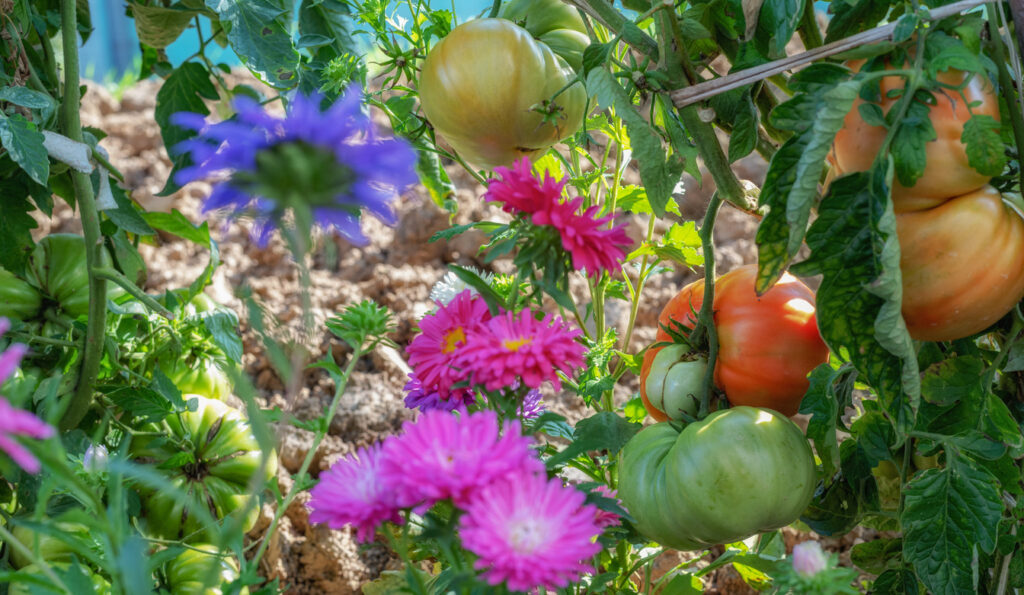
A vegetable garden doesn’t need to be strictly vegetables. Adding flowers throughout the beds brings in bees, hoverflies, and other helpful insects that pollinate crops and control pests. Plants such as calendula, nasturtium, and borage attract pollinators while also supporting beneficial insects that feed on aphids. This natural balance can reduce the need for sprays or pest control products.
Do grow tall plants where they can protect smaller ones.
Some plants benefit from a little shade during the hottest part of the day. Taller crops can act as natural shelter, reducing heat stress and helping delicate plants survive intense sun. Sunflowers and corn are good examples. Their height can create small pockets of shade where smaller herbs or leafy greens grow more comfortably, especially during warm summer weather.
Do combine deep-rooted and shallow-rooted plants.
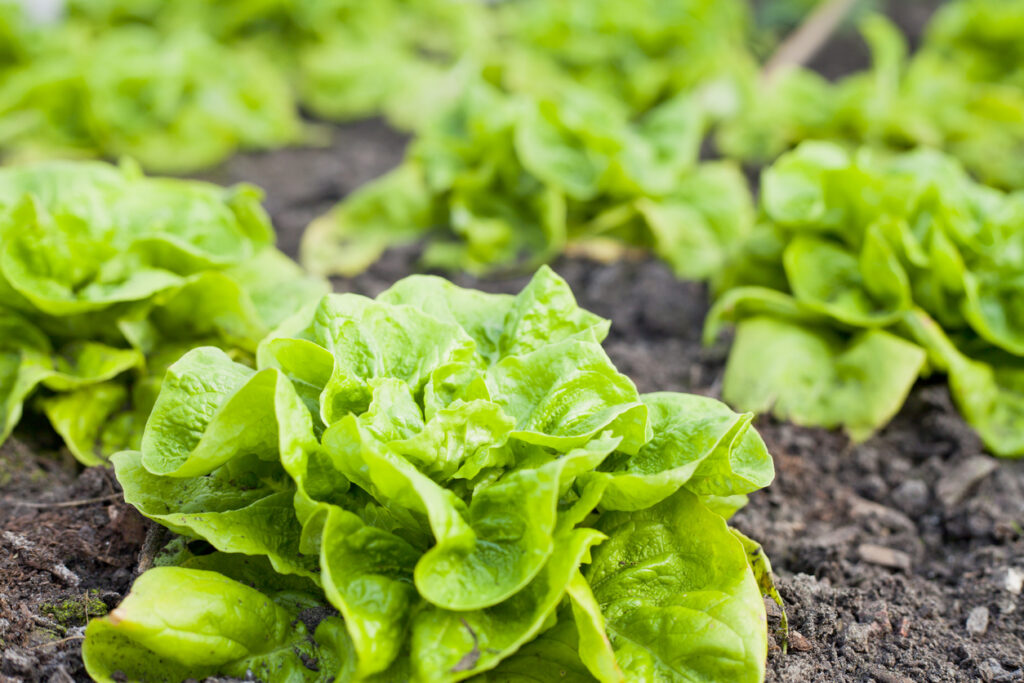
Different plants gather nutrients from different depths in the soil. When you grow plants with varied root systems together, they’re less likely to compete for the same resources. For example, carrots send roots deep into the soil, while lettuce stays near the surface. Growing them together allows both plants to access different layers of nutrients without crowding each other.
Do use herbs as natural protectors.
Herbs are extremely useful companions in the garden. Their strong scents can confuse pests and make it harder for insects to locate the plants they normally attack. Dill, chives, thyme, and oregano are commonly planted among vegetables for this reason. These herbs also attract beneficial insects that help keep pest populations under control.
Do plant crops that support each other’s growth.
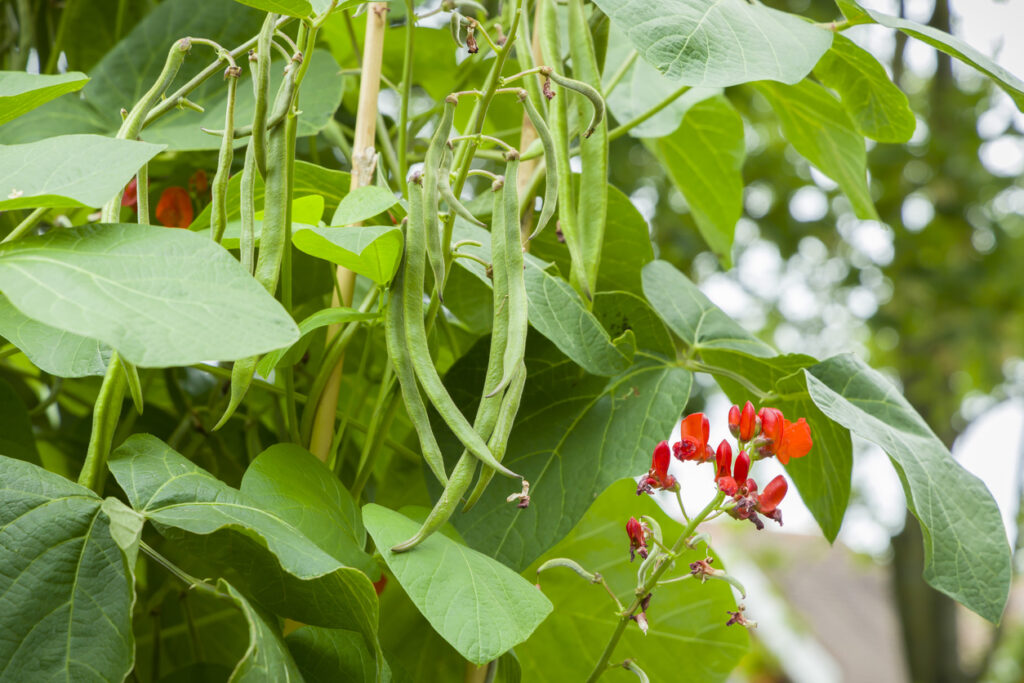
Some plants actually improve the growing conditions around them. Beans and other legumes are a good example because they add nitrogen to the soil through a natural process involving bacteria in their roots. Nearby plants can benefit from this extra nitrogen, which supports healthy leaf growth. This is why beans are often grown alongside vegetables that need plenty of nutrients.
Don’t place heavy feeders too close together.
Certain plants use large amounts of nutrients from the soil. If several of these crops grow in the same small space, they quickly drain the available nutrients. Tomatoes, pumpkins, and cabbage are all heavy feeders. Planting them too close together can leave them competing for the same resources, which often leads to weaker growth and smaller harvests.
Don’t grow plants that attract the same pests side by side.
If two plants attract the same insect pests, growing them together can create a much bigger problem. Instead of spreading the damage across the garden, the pests concentrate in one place. For instance, cabbage, kale, and broccoli all attract similar caterpillars and insects. Keeping some distance between these crops helps prevent pests from easily moving from one plant to the next.
Don’t crowd plants that need good airflow.
Some plants are especially vulnerable to fungal diseases when air can’t move freely around them. When planted too close together, moisture stays trapped on leaves and stems. Tomatoes are a common example because they benefit from space and airflow. Planting them too tightly alongside other large plants increases the chance of problems such as mildew or blight.
Don’t combine plants that release growth inhibitors.
Certain plants release natural chemicals into the soil that affect nearby plants. This process, called allelopathy, can slow the growth of some neighbouring crops. Walnut trees are a classic example because they release a chemical that many garden plants struggle to tolerate. Being aware of these relationships helps prevent unexpected growth problems.
Don’t mix plants with completely different water needs.
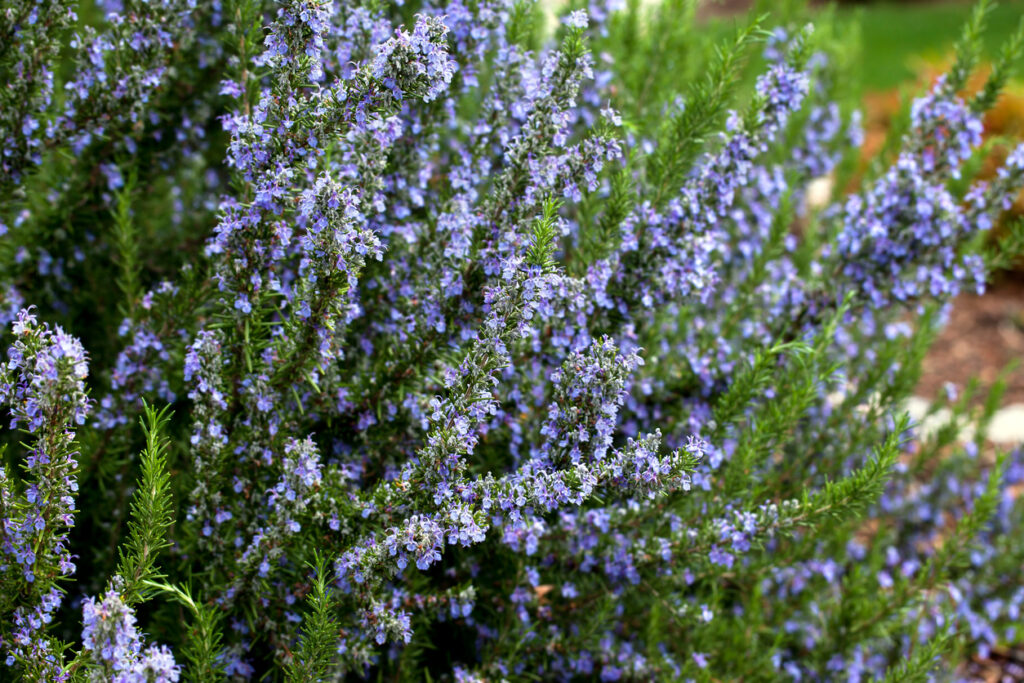
Some plants prefer consistently moist soil, while others thrive in drier conditions. Growing them together can make watering difficult because one plant may receive too much water while another receives too little. Mediterranean herbs such as rosemary and thyme prefer well-drained soil. Placing them beside thirsty plants that require constant watering often leads to poor growth for one of the pair.
Don’t ignore plant size when planning beds.
Young plants can look small and harmless, but many spread significantly as they grow. Without planning for that space, stronger plants may overshadow or crowd smaller ones later in the season. Pumpkins, courgettes, and squash can spread across large areas. If they’re placed too close to smaller crops, their broad leaves quickly block sunlight and limit the growth of nearby plants.
Do observe what works best in your own garden.
Companion planting offers helpful guidelines, but every garden has its own soil conditions, climate, and pest patterns. What works perfectly in one location may behave slightly differently elsewhere. Paying attention to how plants interact in your own garden is often the most useful approach. As time goes on, you’ll notice which combinations thrive together and which ones struggle, allowing you to refine your planting plans each season.