You’ve probably heard the dramatic claim that bears can smell food from 20 miles away, and it sounds a bit wild, doesn’t it?
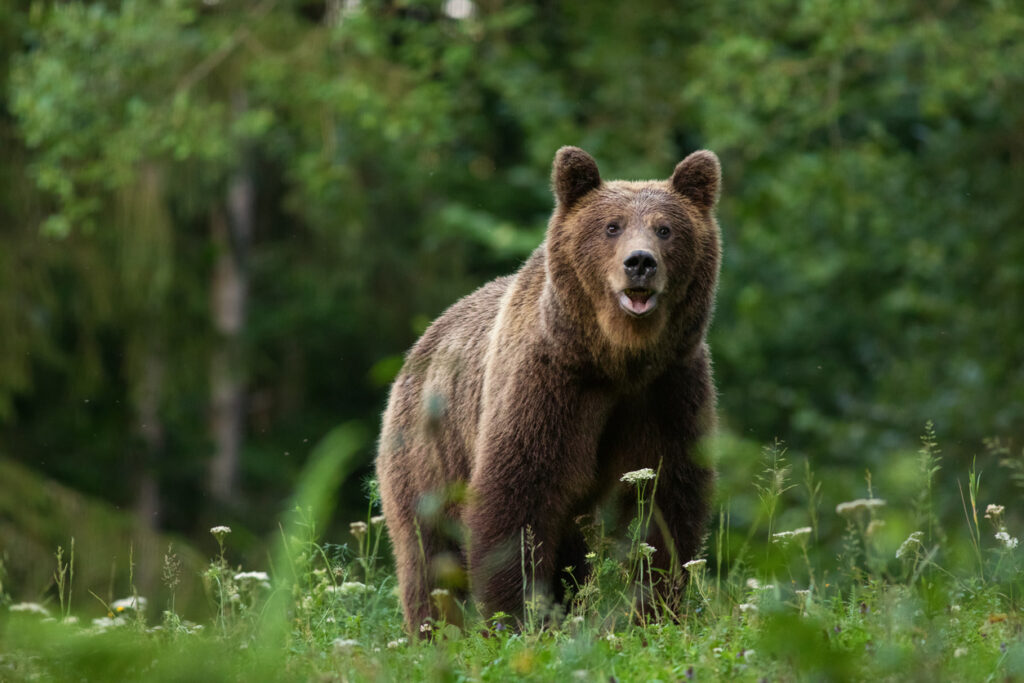
It’s got to be something made up to scare campers into sealing their snacks, right? Actually, the truth isn’t far off. Bears really do have an outrageously powerful sense of smell, and while 20 miles might be pushing it for some species, the idea isn’t as far-fetched as it sounds. Here’s how their noses work, and what makes their sniffing abilities some of the best in the animal kingdom.
Bears have one of the strongest senses of smell in the animal world.

The part of a bear’s brain responsible for smell, the olfactory bulb, is about five times larger than a human’s, even though their brains overall are roughly the same size. That’s a huge portion of brain power dedicated just to detecting scent. In practical terms, this means bears can pick up on smells with a sensitivity around 2,000 times stronger than ours. What we might barely notice, they can track down from serious distances.
Their noses are physically built for the job.
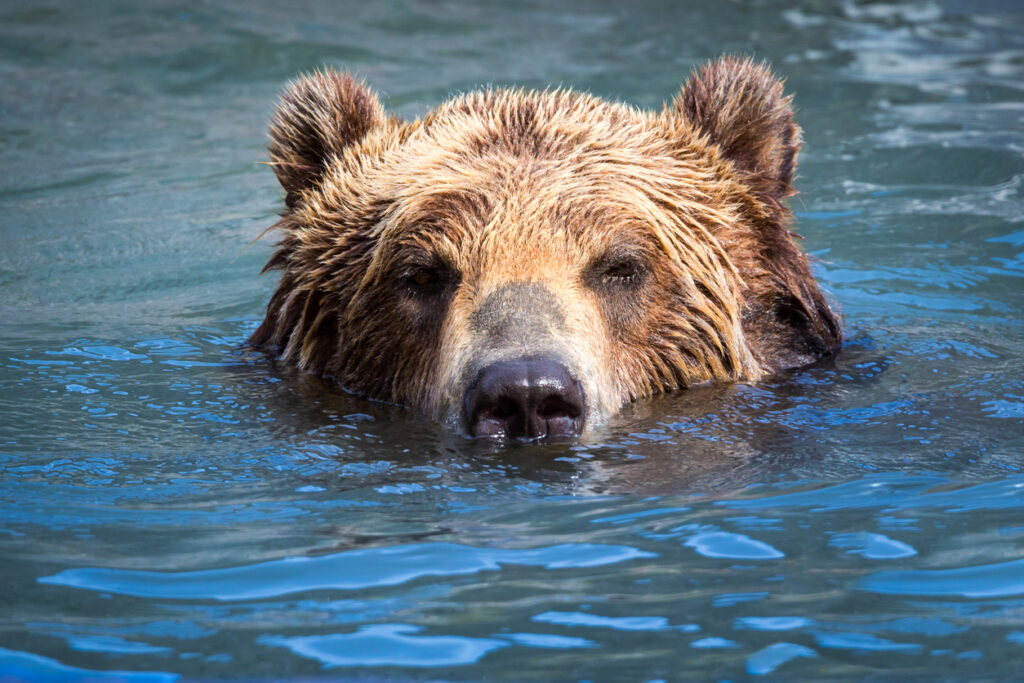
Bears have long snouts packed with scent receptors—over 200 million of them in species like the bloodhound and grizzly bear. For comparison, humans have around 5 million. More receptors mean more information. A bear isn’t just smelling “food”—it’s smelling what kind of food, where it’s been, and maybe even how long ago it was there.
Some bears have been recorded tracking smells for over 18 miles.
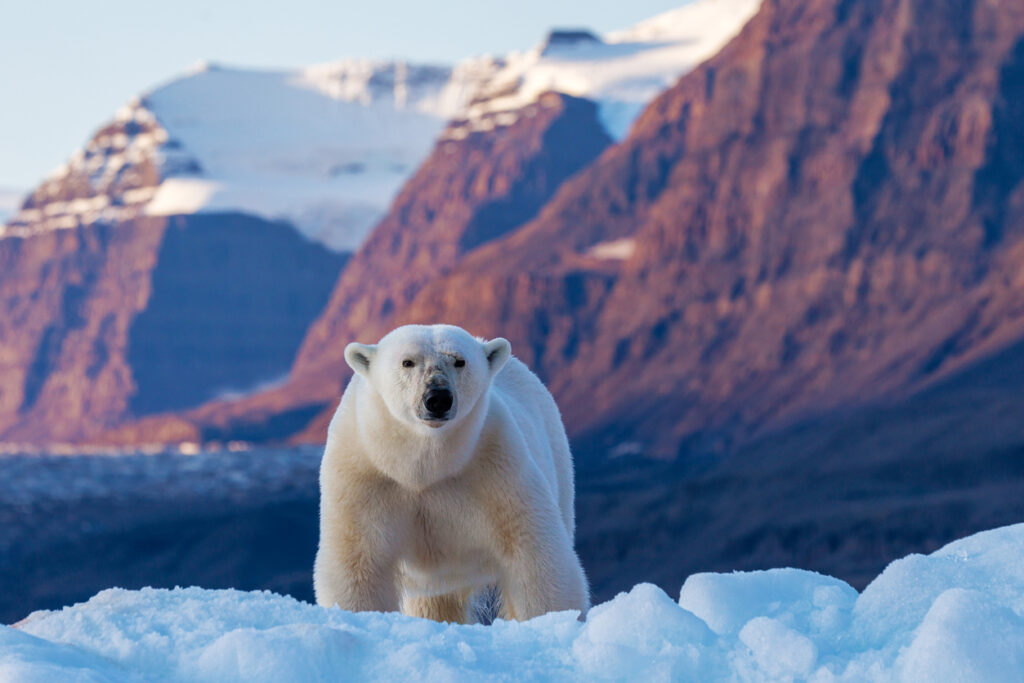
There are documented cases, especially in wild Alaskan and Canadian environments, where polar bears have followed scent trails for more than 18 miles across ice fields to reach a seal carcass or camp supplies. So while “20 miles” might sound like a rounded-up figure, it’s honestly not far off the mark for certain species, especially in open terrain with consistent wind patterns.
Wind direction plays a huge role, of course.
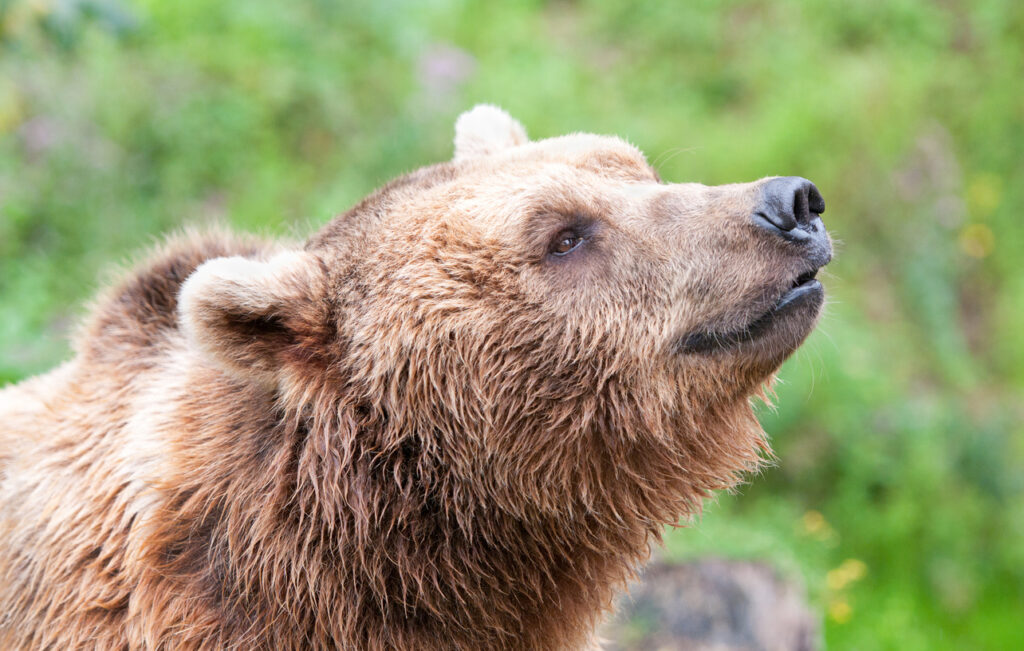
It’s not just about how good their noses are, to be fair. It’s also about the conditions. A bear’s ability to smell from long distances depends on whether the wind is carrying the scent toward them. In ideal conditions—steady wind, open space, no competing smells—a bear could very realistically sniff out a potential food source from many miles away.
Their sense of smell helps them survive in the wild.
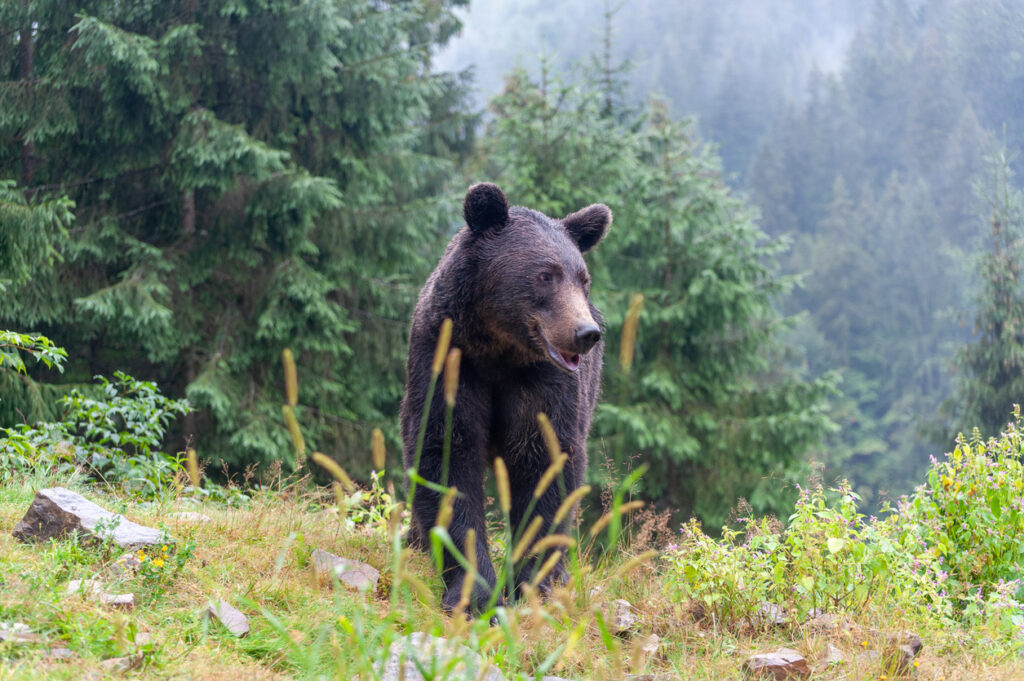
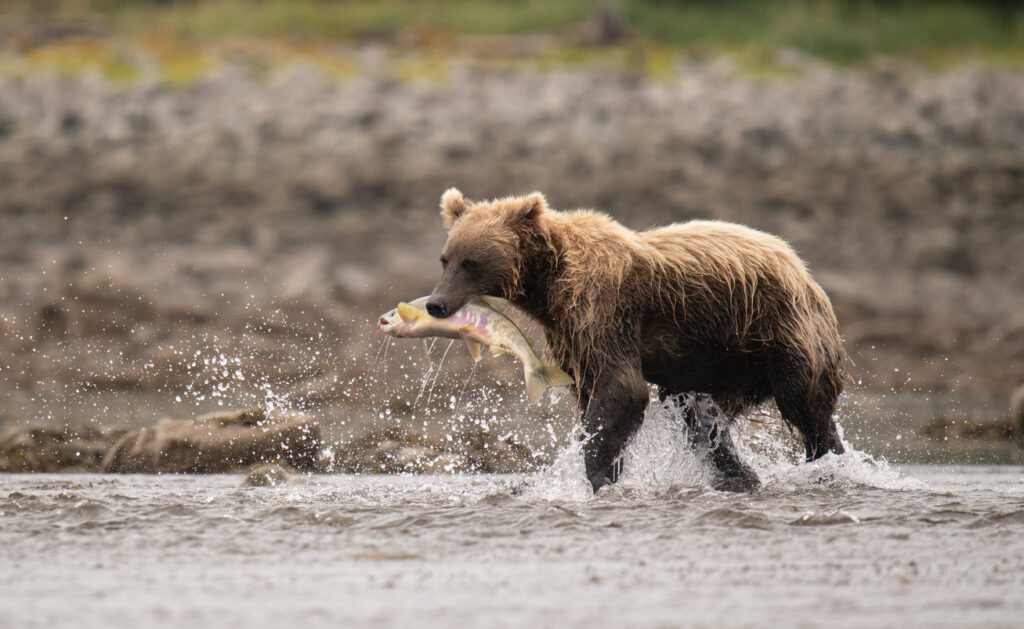
Bears don’t have great eyesight or amazing hearing. Their noses are their superpower, and they rely on scent for almost everything—finding food, locating mates, and avoiding danger. When food sources are scarce or hidden, their sense of smell helps them locate high-calorie options like berries, carcasses, or fish from long distances away.
This is why food storage rules for campers are so strict.
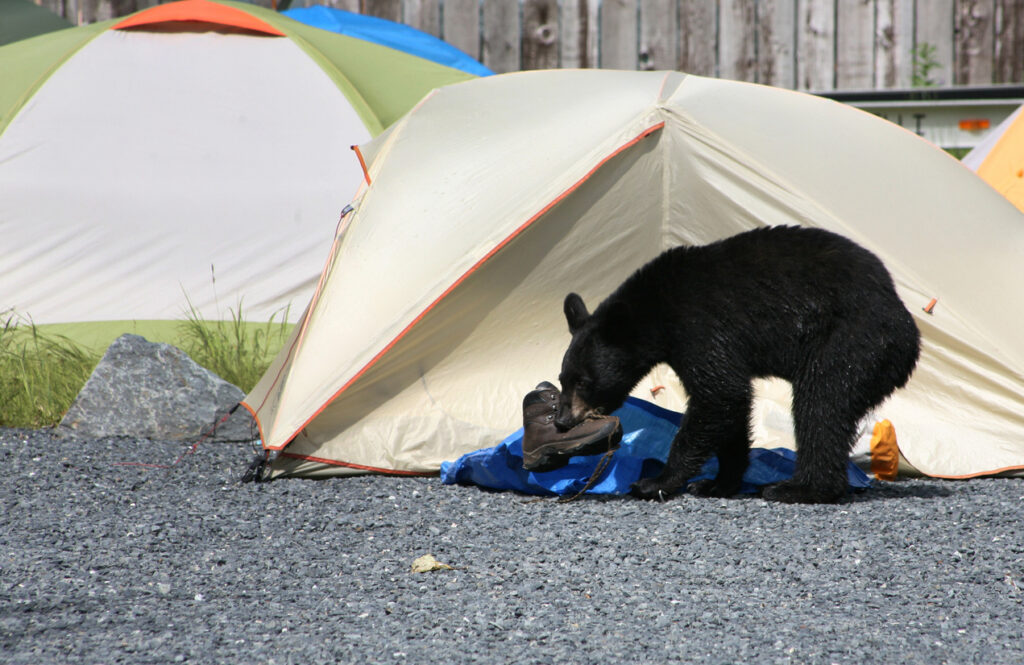
If you’ve ever been camping in bear country, you’ve probably been told to store food in bear-proof containers, hang it in trees, or use lockers. That’s because bears can absolutely sniff out a forgotten snack, even if it’s sealed in a bag. They’re attracted not just to meat, but to sweets, fruit, toothpaste, and even the scent left behind on a wrapper. Anything with a scent is fair game to their noses.
Scent trails linger long after food is gone.
Bears don’t just track active scents—they can follow scent trails left days ago. If someone cooked bacon in a fire pit last week, a bear might still follow that faint trail and show up looking for more. This is why removing all traces of food is so important. Rinsing, burying, or burning doesn’t always get rid of the smell to a bear.
Polar bears are especially impressive.
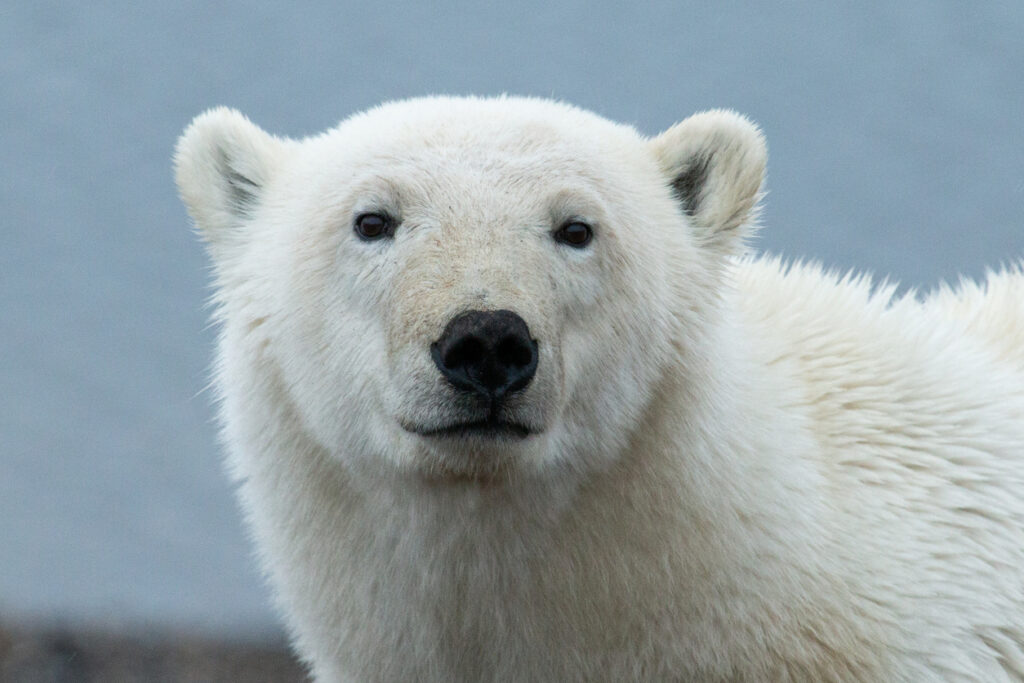
In the Arctic, where food is scarce and spread out, polar bears rely heavily on smell to locate seal dens hidden beneath metres of snow and ice. Their noses are so precise they can smell a seal breathing hole from over a kilometre away. They’ve even been known to travel vast distances over barren ice fields, guided only by scent. In terms of long-distance detection, they’re probably the reigning champions.
Grizzlies and black bears aren’t far behind.
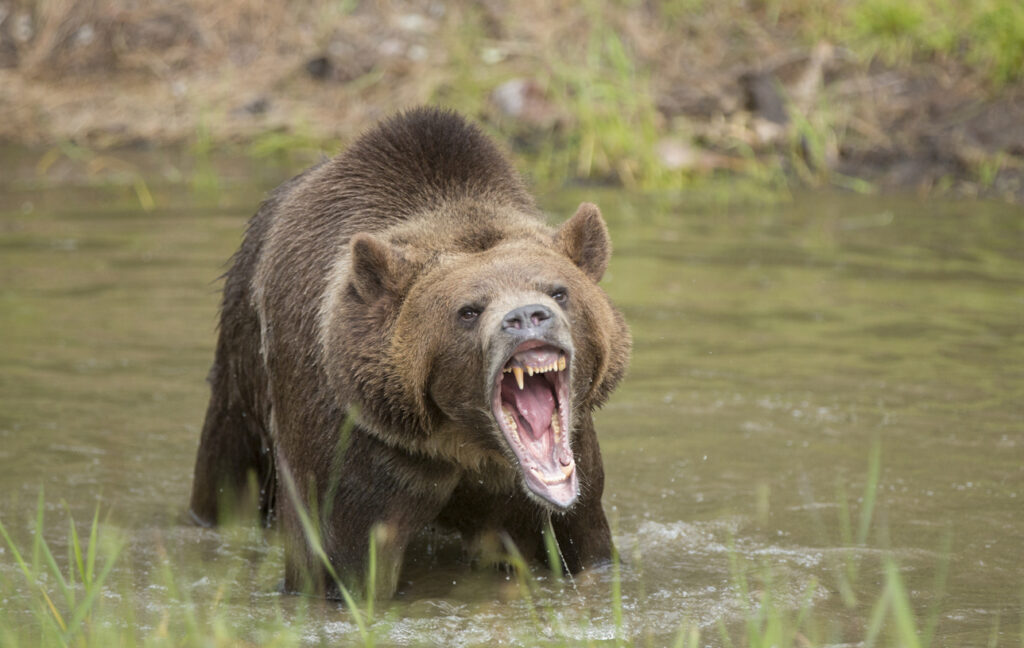
Grizzlies can sniff out carcasses and food sources from several miles away, even in dense forest. And black bears, though smaller, are incredibly skilled at finding unsecured food in urban and rural areas alike. There’s a reason you don’t want a black bear getting into your bins: they’ll remember and come back. Their noses are paired with great memory and problem-solving skills.
Smell leads to learning, and learning leads to more bear visits.
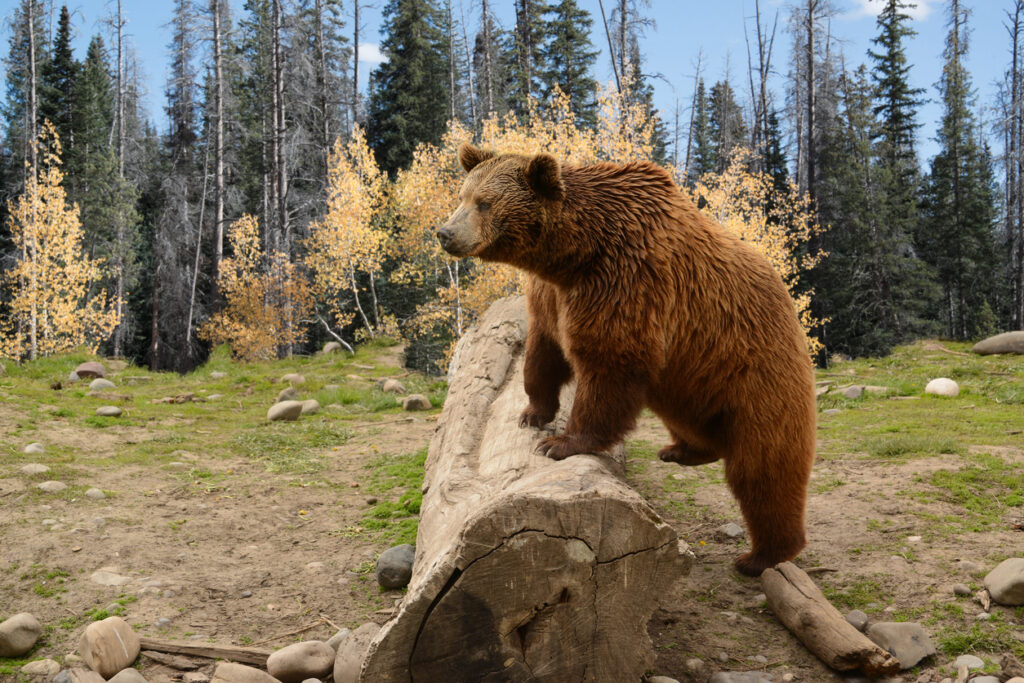
Once a bear associates a smell with a reward (like food), they’ll return again and again. That’s why human-bear conflict often starts with one forgotten snack or an open bin lid. They don’t just sniff it out once—they remember where it was, when they found it, and how to get into it. Their noses start the process, but their brains seal the deal.
Their sniffing range can increase when they’re hungry.
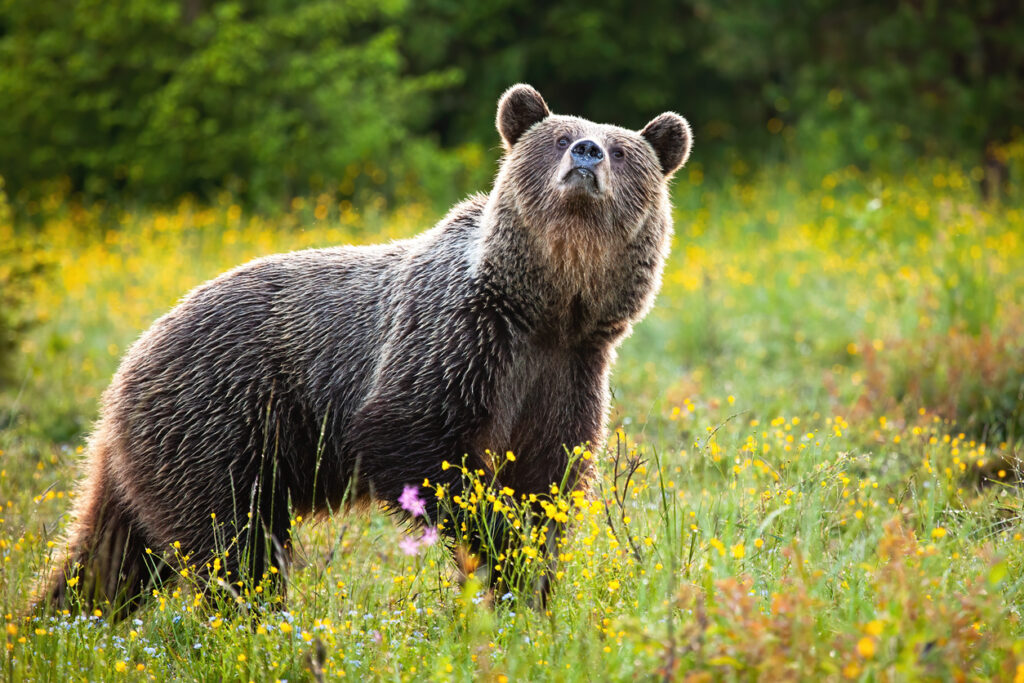
During hyperphagia, when bears are preparing for hibernation, they eat constantly and become even more driven by smell. Their foraging becomes obsessive, and their ability to detect faint food scents seems to intensify. If a bear smells something miles away, and it’s packing calories, there’s a strong chance they’ll make the trek to investigate.
So, it seems like 20 miles isn’t so silly, after all?
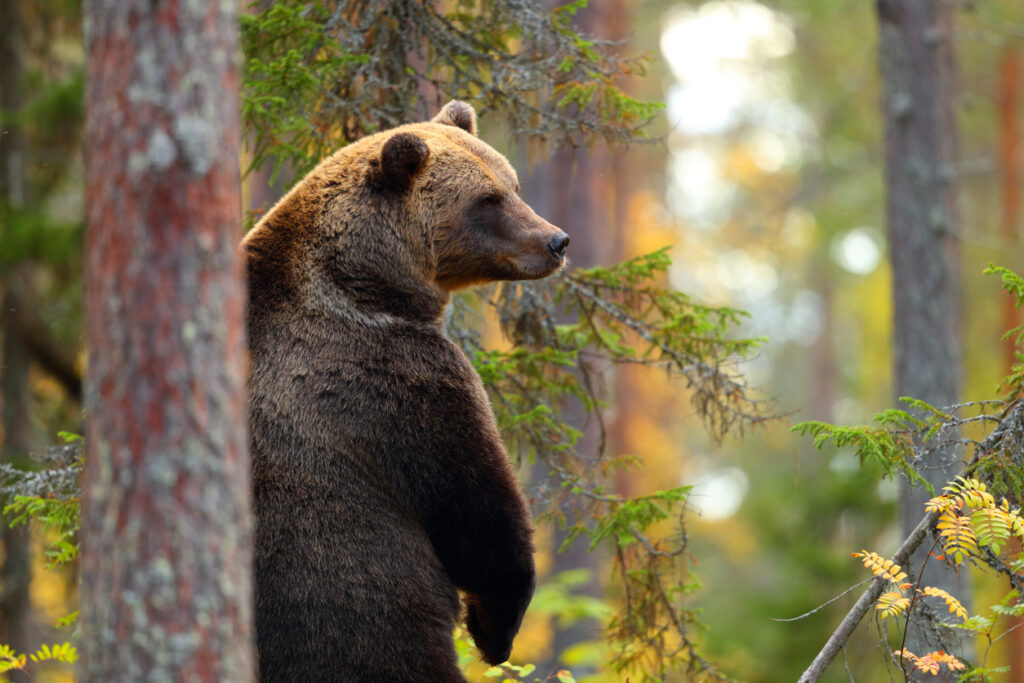
In the right conditions, yes, especially polar bears. It’s not the average, everyday sniffing range, but it’s well within the realm of possibility. For other species like grizzlies and black bears, 3 to 10 miles is more common, but still incredible. The next time you think you’ve hidden your snacks well, just remember: if a bear’s downwind and hungry, it might already be on its way.