Britain’s woodlands hold more than just trees and birdsong.
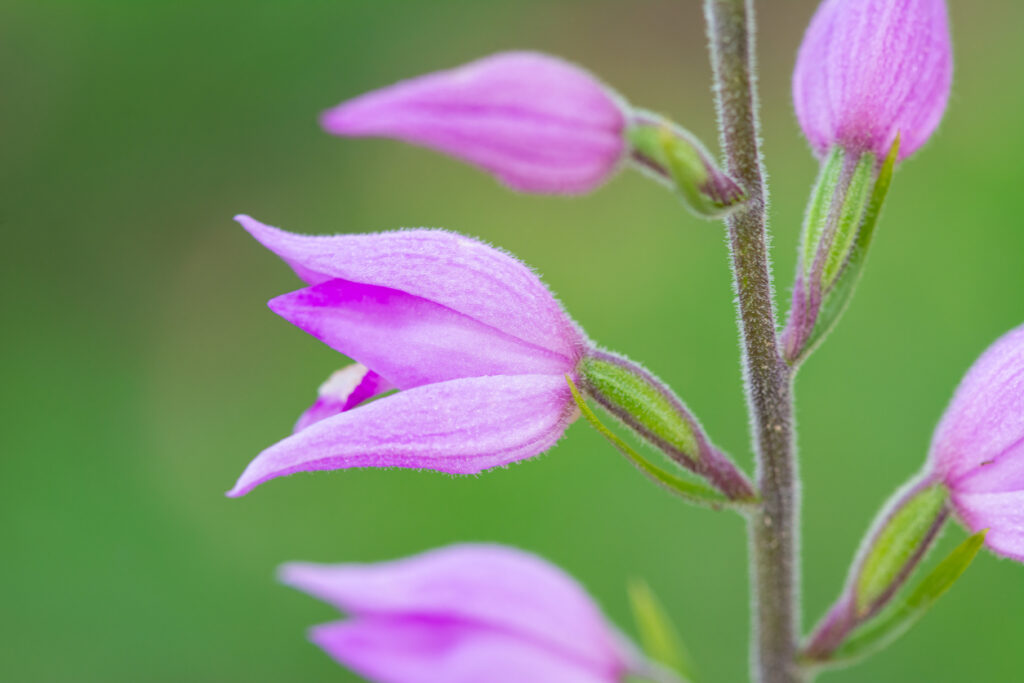
Hidden beneath the canopy are wildflowers so rare and fleeting, you might miss them unless you’re really paying attention. Some bloom for just a few weeks each year. Others only grow in untouched, ancient woodlands or very specific soil conditions. Whether you’re a quiet walker, a nature lover, or just curious, these are some of the rarest wildflowers that you can still spot in the UK’s woods, if you know where (and when) to look.
1. Ghost orchid (Epipogium aphyllum)
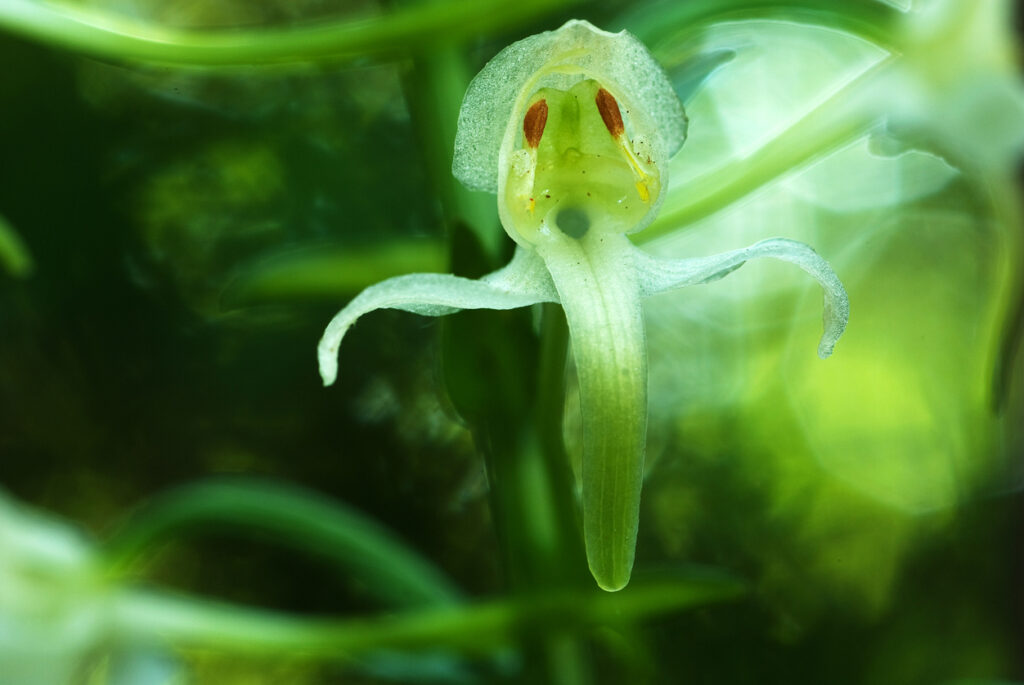
This flower lives up to its eerie name: it’s one of the rarest in the UK and hasn’t been reliably seen for years. With no chlorophyll and a pale, almost translucent body, it gets all its nutrients through fungi in the soil rather than photosynthesis. It’s been spotted in deep, dark woodland in Herefordshire and the Chilterns, but sightings are so few and far between it’s classed as “critically endangered.” For many, spotting one feels like a once-in-a-lifetime event.
2. Lady’s slipper orchid (Cypripedium calceolus)
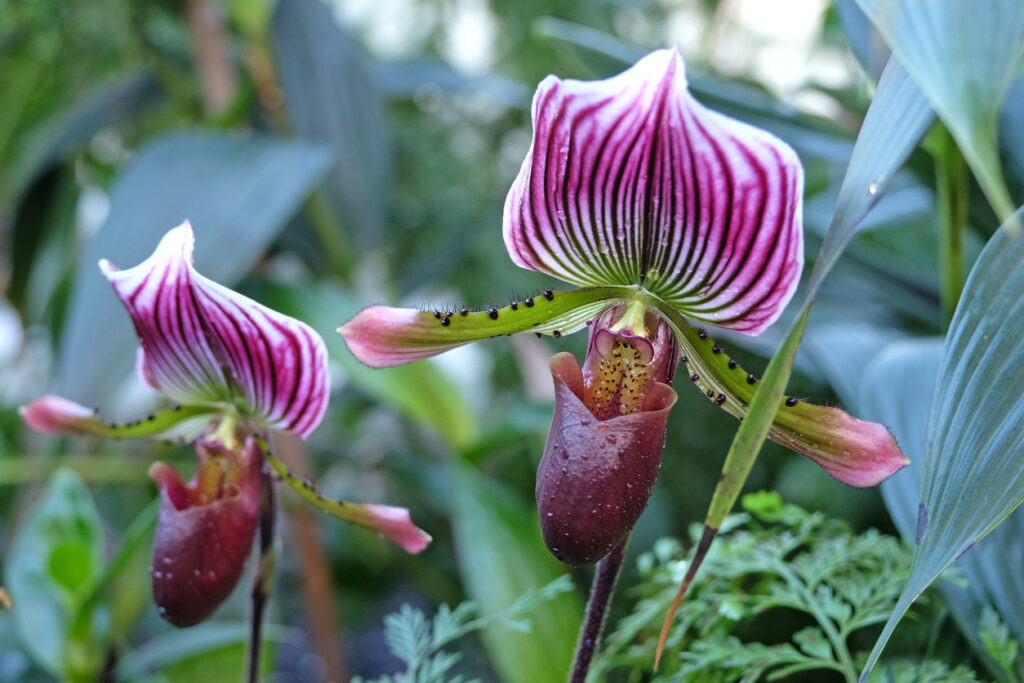
Once thought extinct in the UK, this striking wildflower with its bright yellow “slipper” has made a dramatic comeback, thanks to careful conservation work. It’s still vanishingly rare in the wild, with just one known wild site being guarded closely. Most people see it in protected gardens or reintroduction sites, but its natural woodland habitat—light, limestone-rich soil in northern England—is being slowly restored to welcome it back.
3. Bird’s-nest orchid (Neottia nidus-avis)
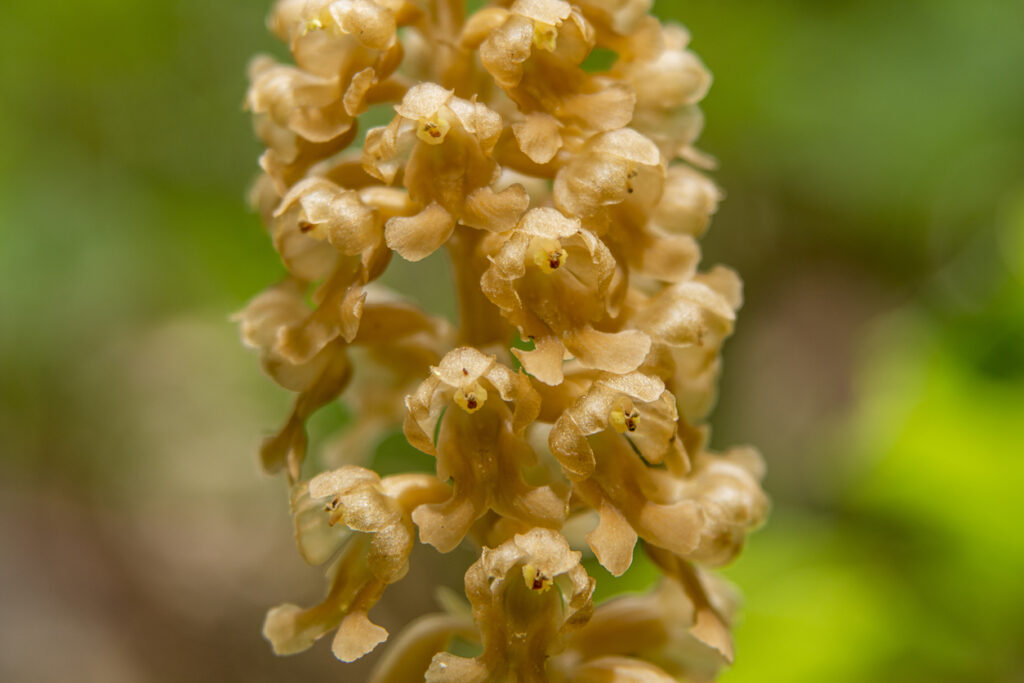
This odd-looking plant is brownish-yellow and entirely leafless. Like the ghost orchid, it doesn’t photosynthesise. Instead, it lives off decaying organic matter through fungi partnerships in shady, undisturbed woods. It blends into the woodland floor and can be easy to miss, but it’s found in beech woodlands in southern England, especially in places like the Chilterns and South Downs.
4. Spiked star-of-Bethlehem (Ornithogalum pyrenaicum)
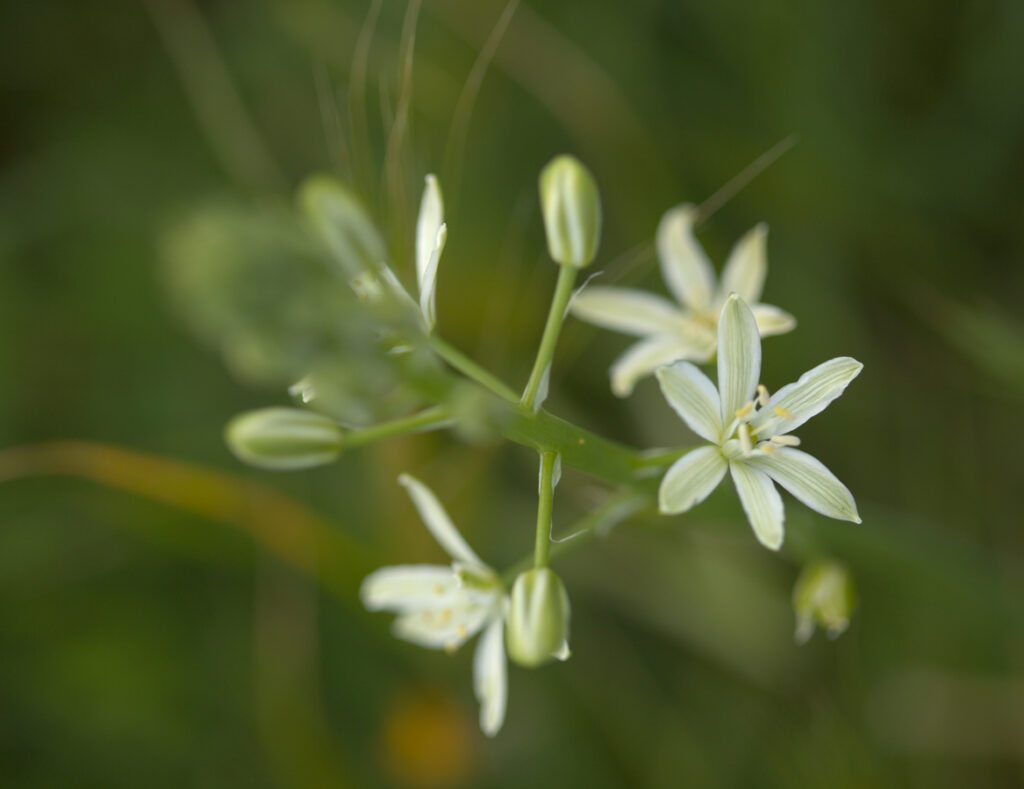
Sometimes called Bath asparagus, this plant isn’t just rare, it’s oddly culinary too. The young shoots were once eaten like asparagus in parts of Somerset, though it’s now protected due to its limited range. It grows in ancient woodlands, particularly around Bath and Wiltshire, and its tall green flower spikes appear in early summer. A strange mix of history, food, and beauty in one plant.
5. Narrow-lipped helleborine (Epipactis leptochila)
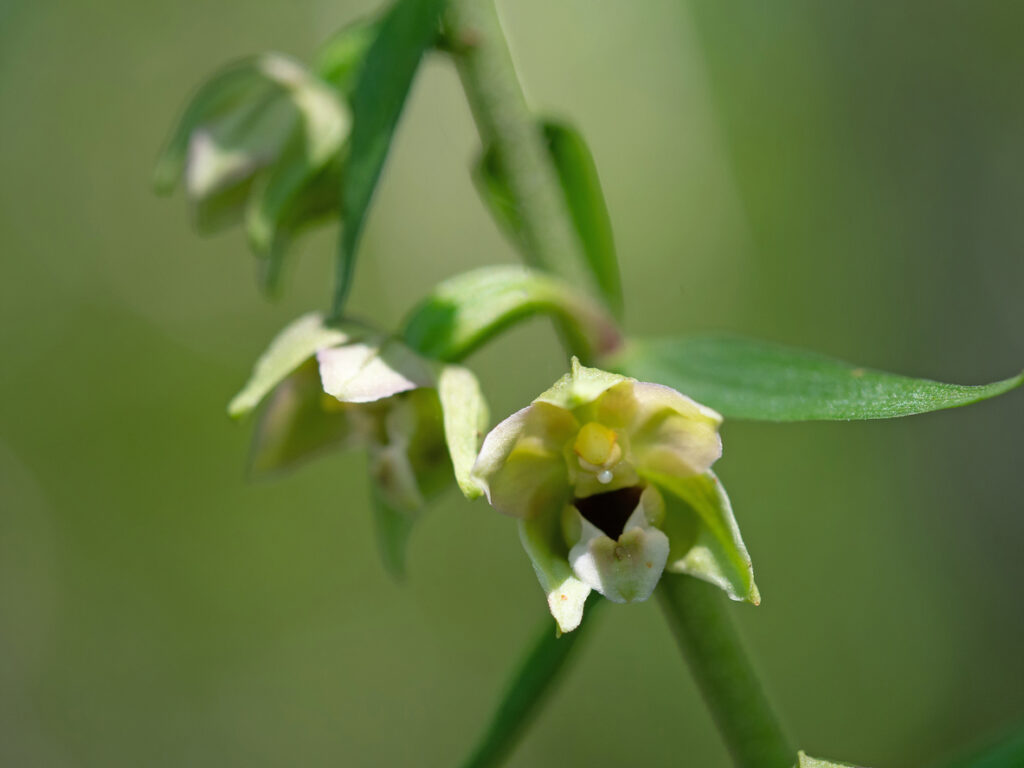
This understated woodland orchid prefers deep shade and lime-rich soils. It’s often overlooked due to its subtle greenish flowers, but it’s a true rarity of ancient woods, particularly in the southern counties. It’s incredibly fussy about where it grows, often near beech trees and only in very undisturbed soil. Because it blends into its surroundings, it’s one of those flowers you have to really search for.
6. Yellow bird’s-nest (Monotropa hypopitys)
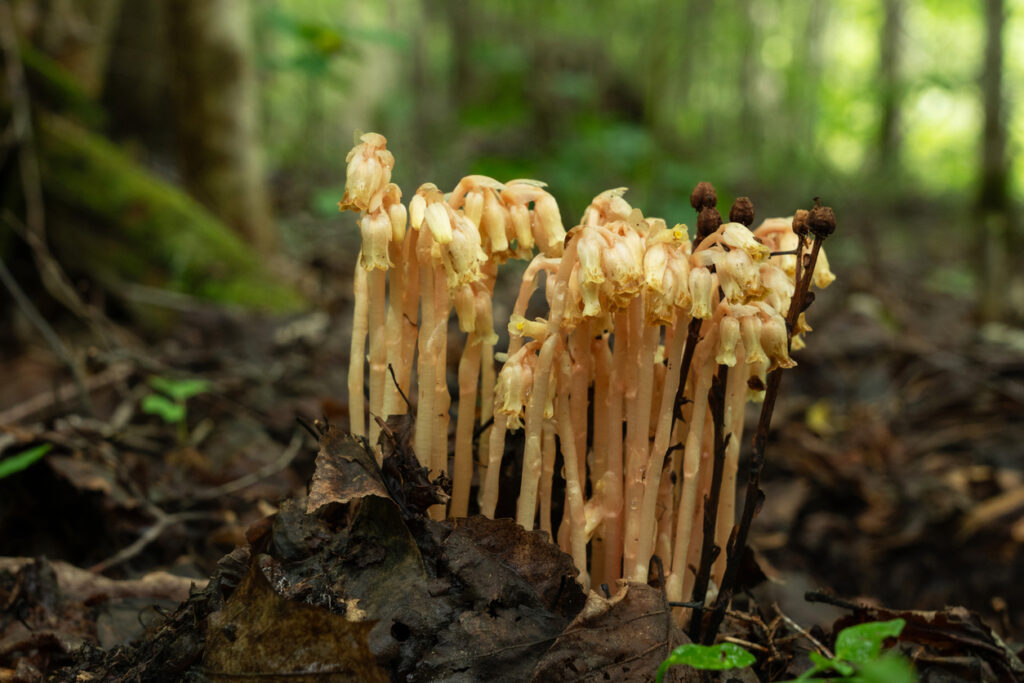
Despite its name, this isn’t related to the bird’s-nest orchid. It’s another pale, non-photosynthesising woodland flower that relies on fungal relationships. Its waxy yellow stems poke up through leaf litter in late summer. It’s mostly found in old pine and beech woods with rich, decaying leaf layers. Sightings are more common in southern England, but even then, it’s a rare treat.
7. Herb-paris (Paris quadrifolia)

With its strange arrangement of four leaves and a single greenish flower, herb-paris is sometimes called the “herb of equality.” It’s a clear indicator of ancient woodland and has a quiet, mysterious presence. It’s mostly found in shady, damp woodlands across central and southern England, especially in the Midlands. Because it’s slow to spread, it tends to grow only where the woods haven’t been disturbed for centuries.
8. Greater butterfly orchid (Platanthera chlorantha)
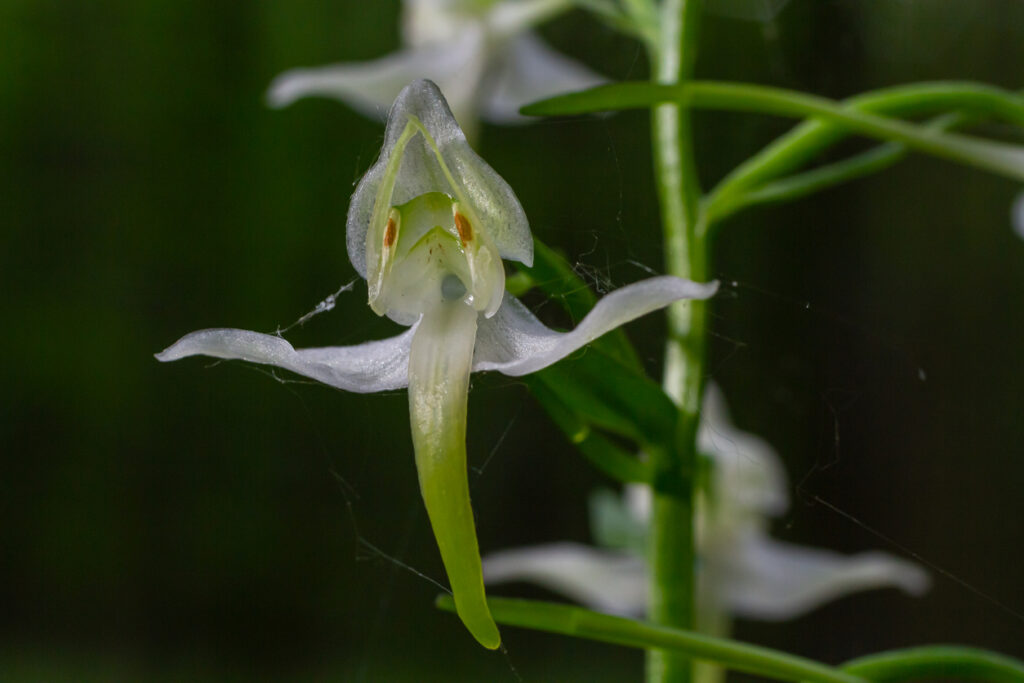
This elegant white-flowered orchid grows in damp, lightly shaded woodland edges and glades. It’s more delicate than its name suggests, and its two long spurs give it a graceful shape. Though not as rare as some on this list, it’s becoming harder to find due to loss of woodland clearings. It’s still spotted in parts of Wales, Cumbria, and the West Country.
9. Violet helleborine (Epipactis purpurata)
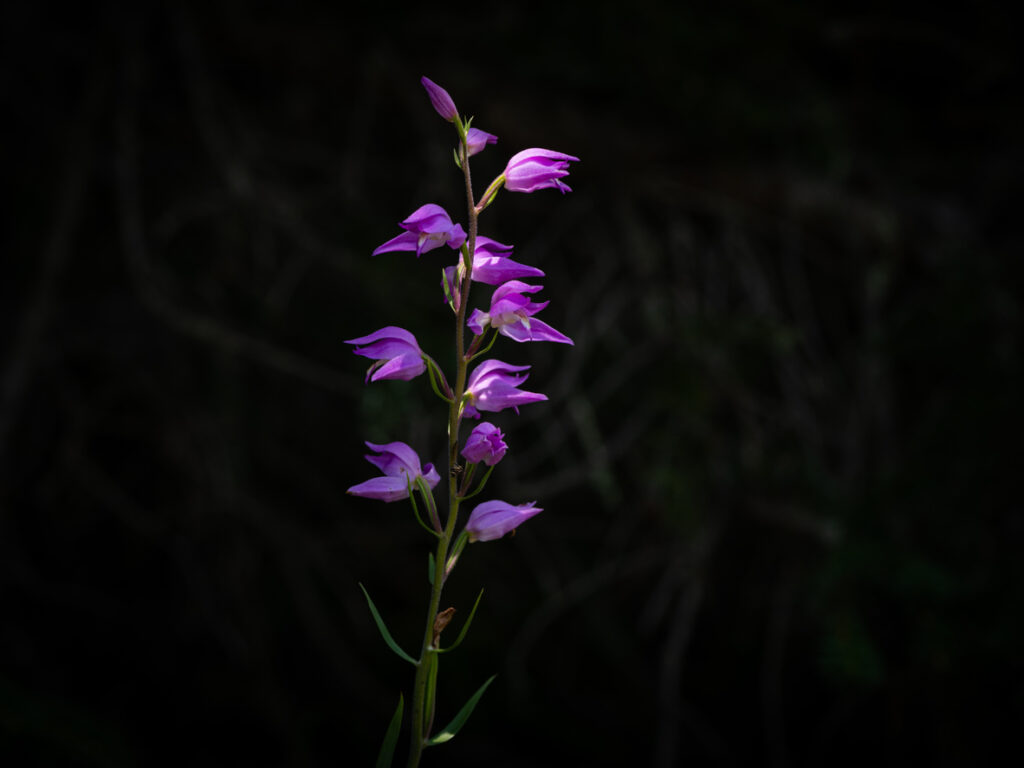
This dusky-purple orchid thrives in shaded beech and mixed woodlands. Its unusual colour and upright flower spikes make it stand out. If you’re lucky enough to find one, that is. It grows in parts of the South East and Midlands, often near ancient paths and rides. Though it’s more widespread than some orchids, it’s still considered nationally scarce.
10. Wood vetch (Vicia sylvatica)
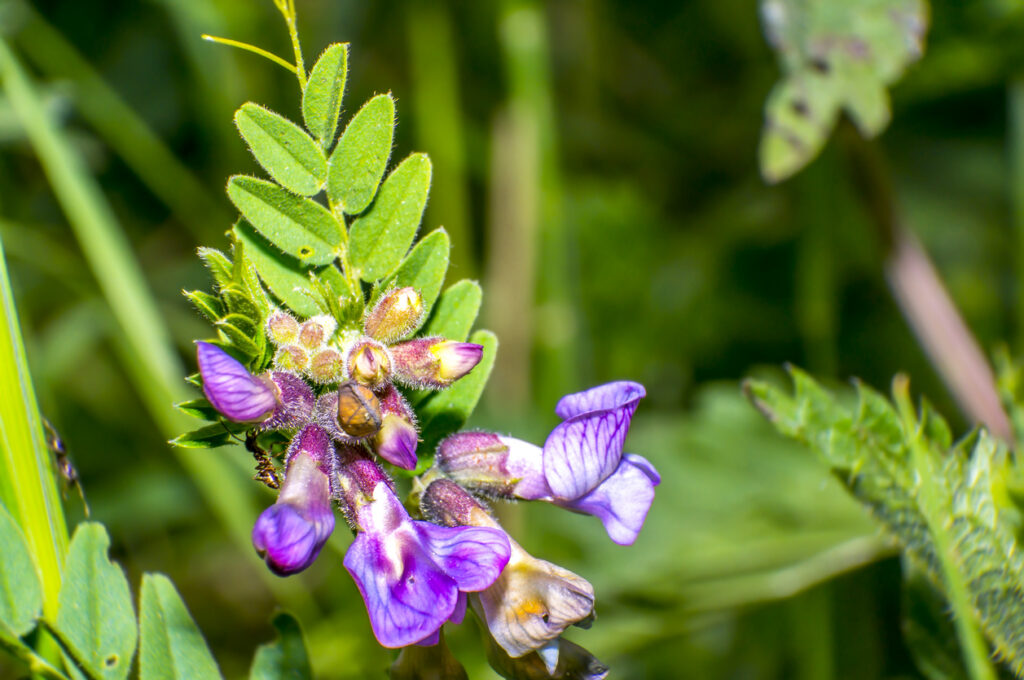
This scrambling pea-flower grows at the edges of shady woods, often trailing through brambles and ferns. Its white and purple blooms resemble sweet peas and attract woodland pollinators. It’s rare across much of the UK, found mainly in the north and west. Woodland clearance and grazing have reduced its habitats, but it’s hanging on in places like the Lake District and parts of Scotland.
11. Angular Solomon’s-seal (Polygonatum odoratum)

Similar to the more common Solomon’s-seal, this version has slightly angled stems and a rarer presence. Its hanging white flowers appear under arching stems in late spring. It prefers limestone soils and grows in a handful of ancient woodlands in the Midlands and south-west. It’s one of those plants that quietly announces you’ve entered a very old, undisturbed patch of forest.
12. Round-leaved wintergreen (Pyrola rotundifolia)
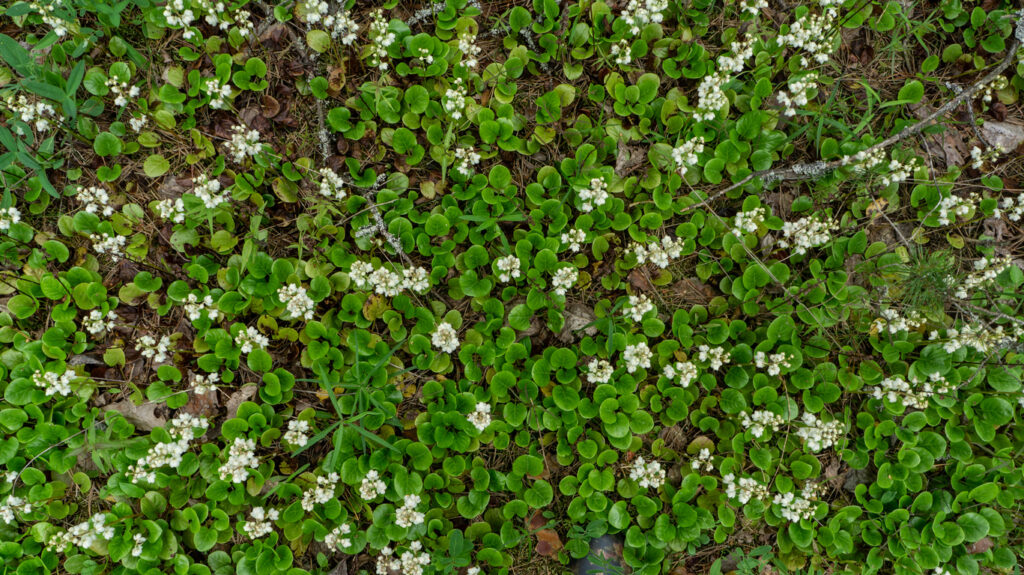
This small, evergreen wildflower thrives in cool, shady woodlands with acidic soil. Its rounded leaves and pale pinkish flowers give it a delicate appearance, often growing in small, shy clusters. It’s now very rare across much of the UK, mostly found in Scottish pinewoods and the odd site in Cumbria or Northumberland. It’s sensitive to woodland disturbance and heavy footfall.
13. Toothwort (Lathraea squamaria)
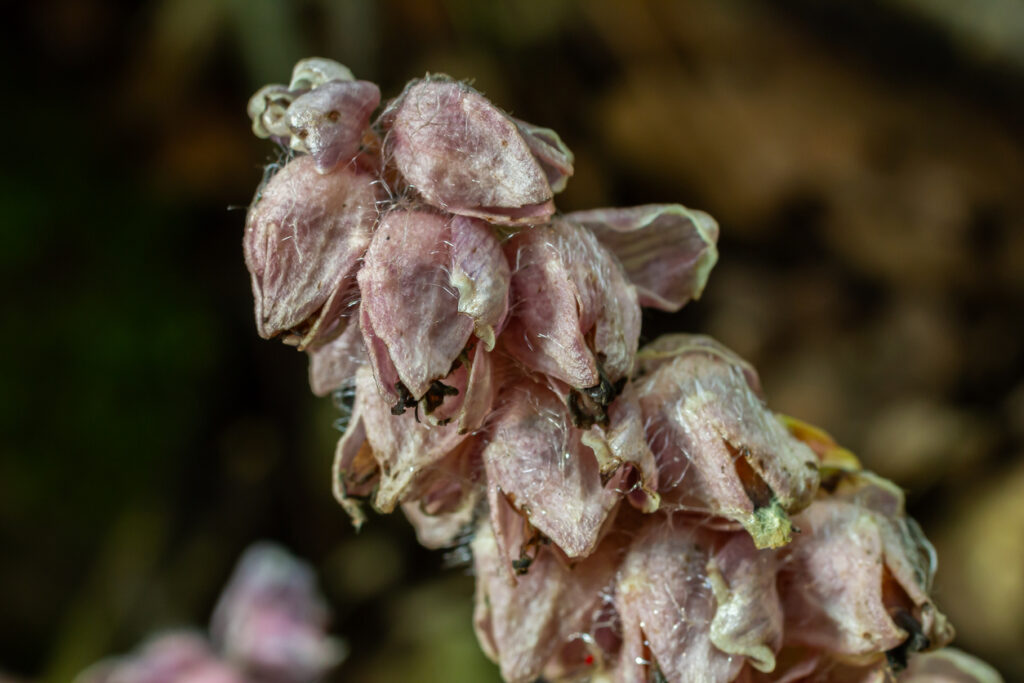
This parasitic plant grows on the roots of trees like hazel and alder, popping up as clusters of pale pink or white flower spikes in early spring. It has no leaves and no chlorophyll. It’s found in moist, ancient woodland and is more common than it seems—but easy to miss because of its short blooming window and unusual appearance. It’s definitely a strange but fascinating part of the woodland ecosystem.
14. Autumn lady’s-tresses (Spiranthes spiralis)
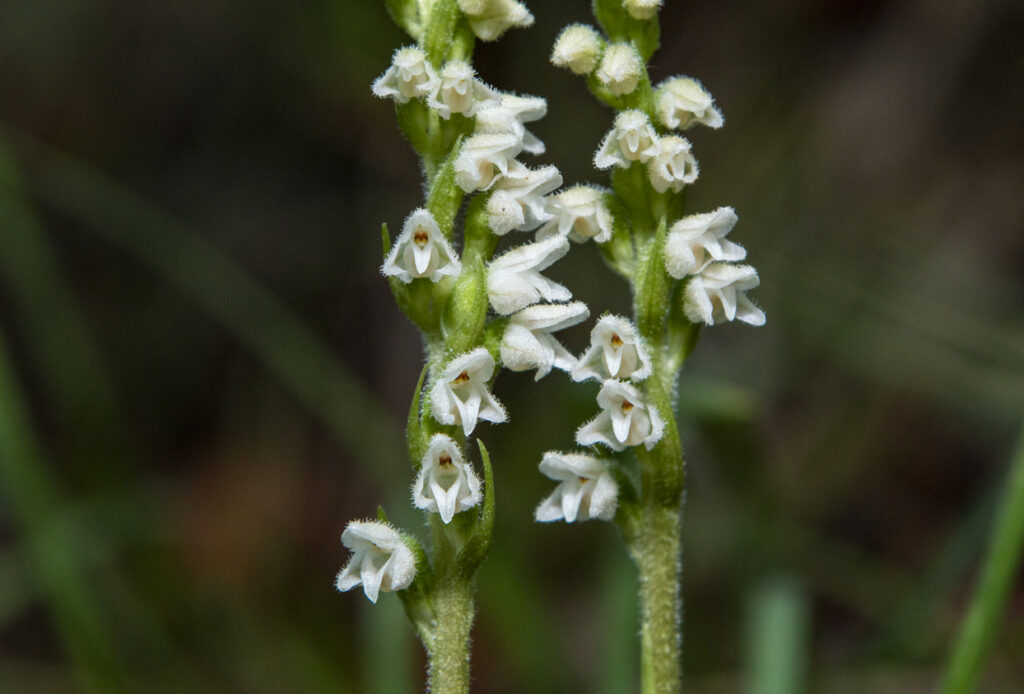
Though more commonly associated with grasslands, this spiral-shaped orchid can sometimes be found at the edges of light, open woodland. Its small white flowers twist delicately up the stem. It’s late to bloom, usually in August or September, and often pops up in places that haven’t been disturbed or grazed for decades. It’s another quiet indicator of long-settled land.
15. Green-flowered helleborine (Epipactis phyllanthes)
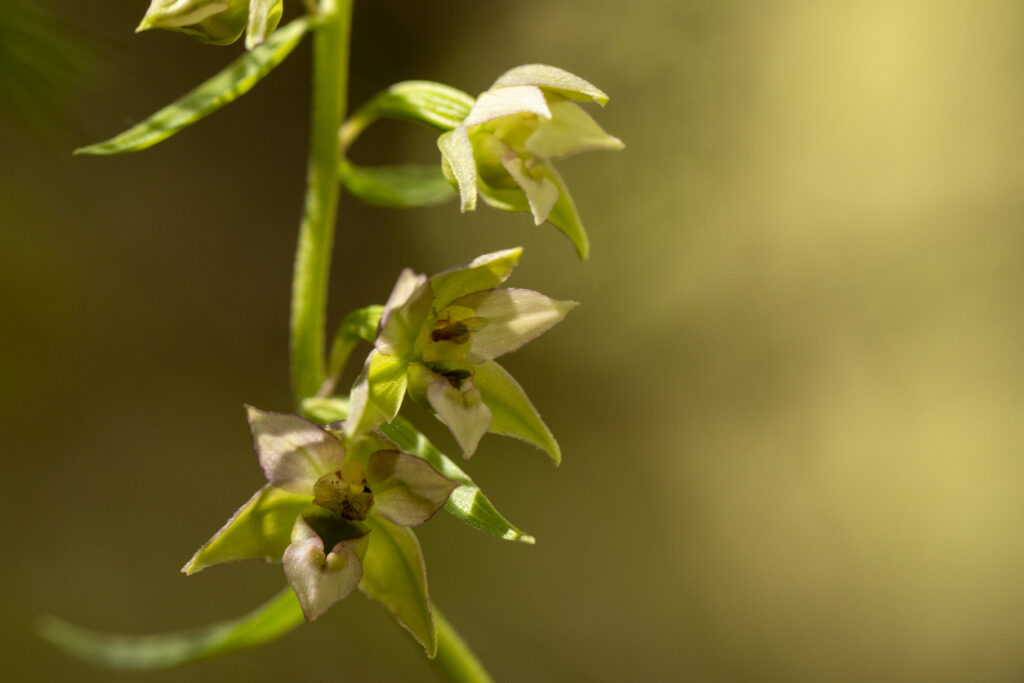
This is one of the UK’s most overlooked orchids. It’s small, green, and often grows in deep shade beneath oaks or hazel. Its flowers don’t open fully, which makes it hard to spot unless you know where to look. It’s mostly found in southern England and the Channel Islands. As with many woodland orchids, habitat disturbance is the main threat, and it depends on healthy fungal networks below the soil.
16. Early purple orchid (Orchis mascula)
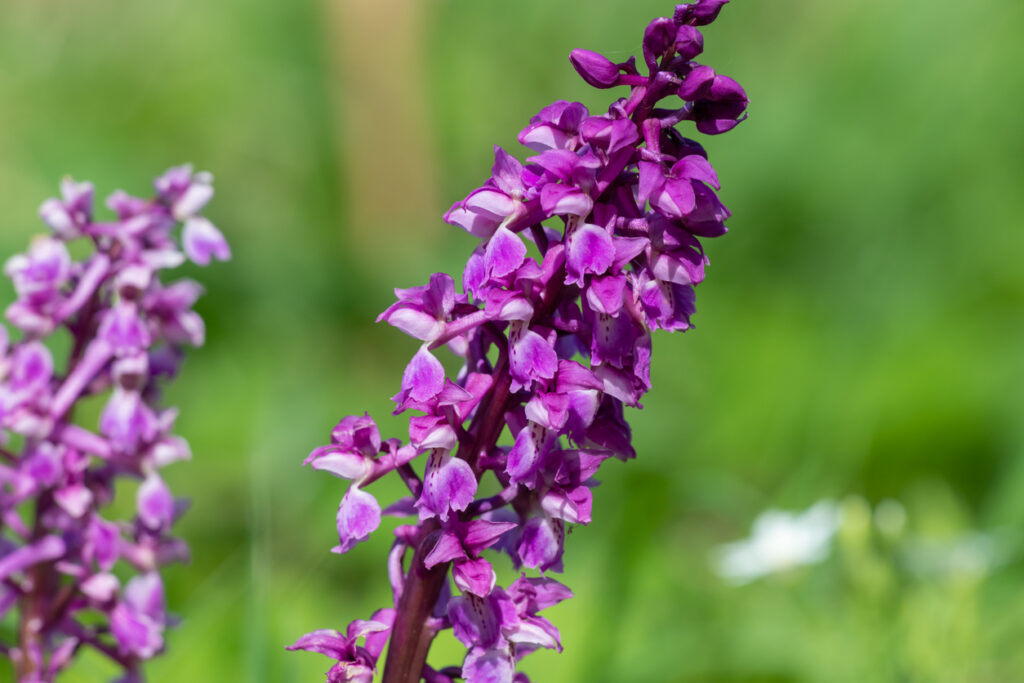
While this orchid is more common than some, it’s still considered a sign of healthy woodland. Its deep purple spikes bloom in early spring, sometimes even before the trees fully leaf out. It thrives in woods with dappled light and a good layer of leaf litter. You’ll often see it in bluebell-rich areas, and though it’s not the rarest, it’s definitely one of the most striking.
17. Mezereon (Daphne mezereum)
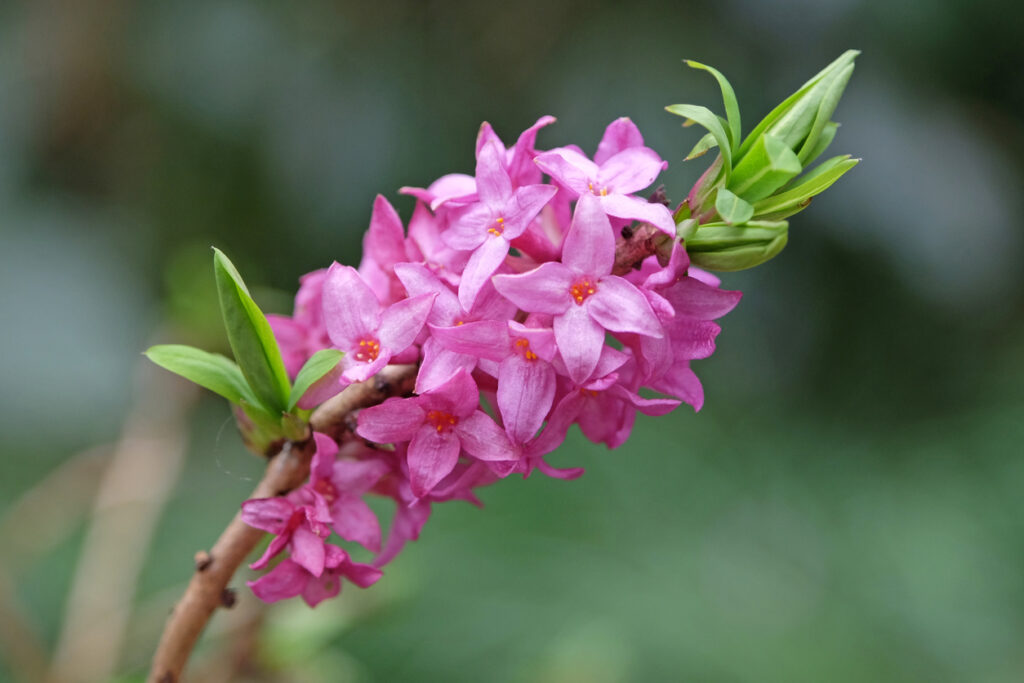
This small shrub is technically a woody plant rather than a wildflower, but it makes the list for its rarity and beauty. Its pink-purple flowers appear on bare branches in very early spring, often before any leaves. It’s extremely rare in the wild and mostly found in scattered ancient woodlands in northern England. Every part of the plant is toxic, which may have helped protect it over time.
18. Yellow star-of-Bethlehem (Gagea lutea)
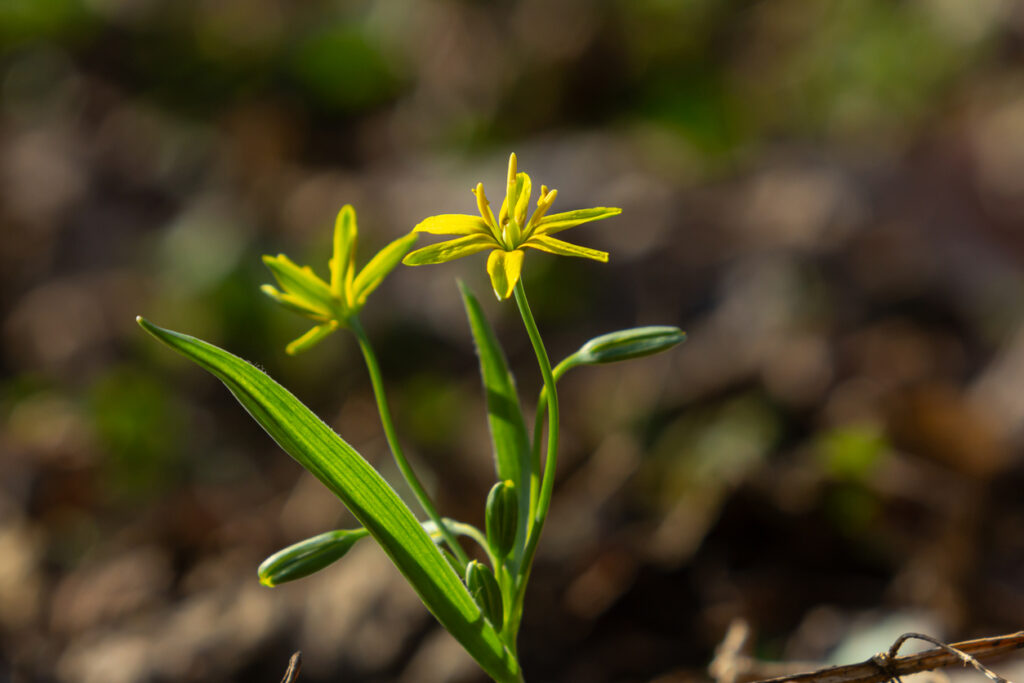
This bright yellow flower blooms in March or April and prefers damp, shady spots near stream edges or woodland floors. It looks delicate, but its star-shaped flowers are surprisingly vivid. It’s rare but locally abundant in certain woodlands in Yorkshire, Shropshire, and Herefordshire. It doesn’t like disturbance or crowding, so it’s a good sign you’re in a quiet, well-preserved spot.
19. Lily-of-the-valley (Convallaria majalis)
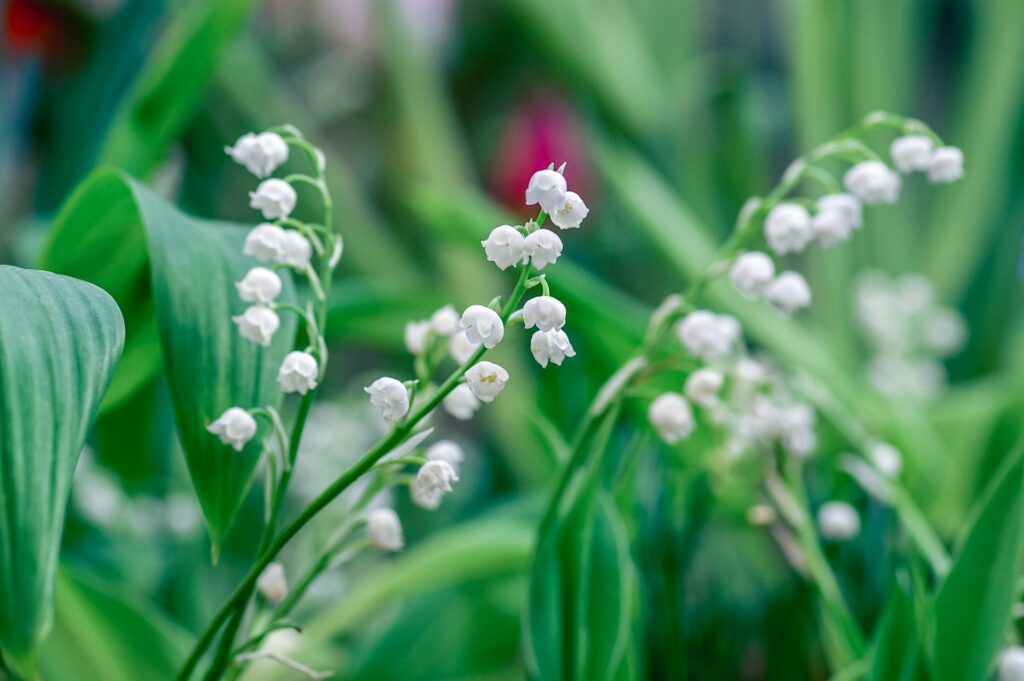
Known for its delicate white bell-shaped flowers and sweet scent, this woodland favourite is now rare in the wild, especially in England and Wales. Most people know it from gardens, but it does grow natively in a few ancient woods. It spreads slowly through underground rhizomes and needs shaded, undisturbed ground. Its fragility in the wild is a reminder of how much woodland flora depends on consistency and calm.
20. One-flowered wintergreen (Moneses uniflora)

Found in just a few pinewoods in the Scottish Highlands, this tiny plant produces a single nodding white flower above a rosette of green leaves. It looks delicate, and it is. It’s one of Britain’s rarest native wildflowers and depends entirely on old, mossy forest floors. If you find one, it’s a sign the woodland you’re in has been left alone for a very long time.