Most animals get to roam across wide landscapes, but some evolve to thrive in just one tiny patch of the planet, and nowhere else.
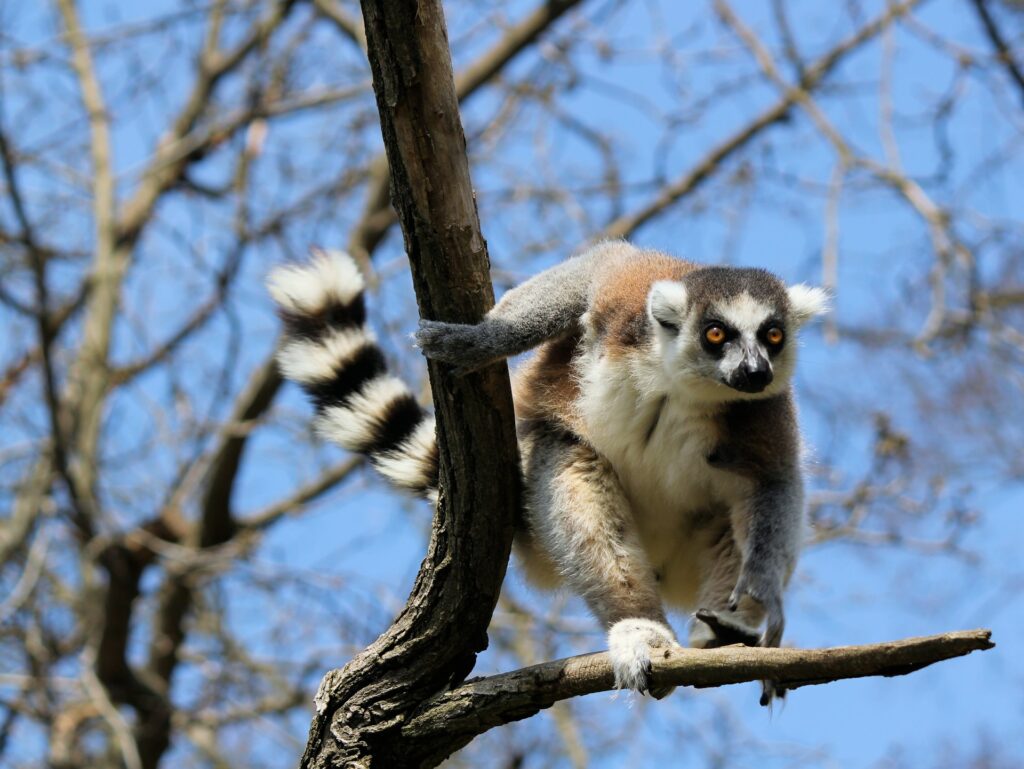
These are the species that you can’t find in zoos or spot in just any national park. From mountain peaks to isolated islands, these creatures are tied to very specific habitats, and they’re often as fragile as they are awe-inspiring. Here are some of the coolest animals that only live in one area of Earth, and why they’re so worth protecting.
1. Aye-aye – Madagascar
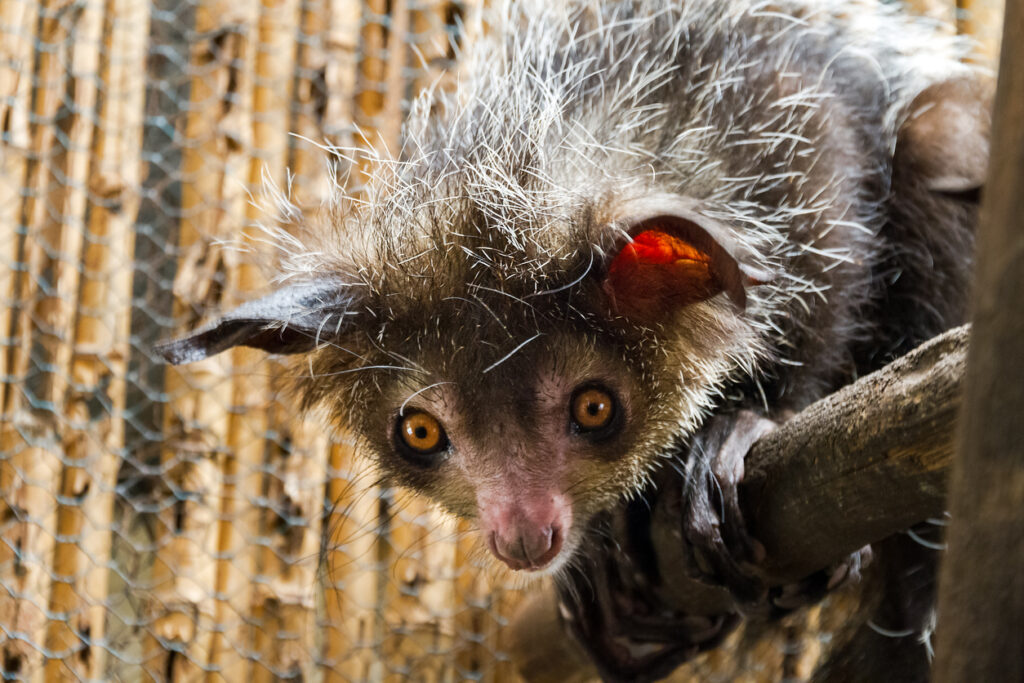
The aye-aye is one of the weirdest and most misunderstood primates on the planet, and it only lives in the forests of Madagascar. With huge eyes, bat-like ears, and a super long middle finger used for tapping on trees and fishing out grubs, it looks like a mix of several animals rolled into one.
Locals once feared it as a bad omen, which hasn’t helped conservation efforts. However, in truth, this nocturnal creature plays a vital role in controlling insect populations. The aye-aye is a perfect example of how evolution gets creative when isolated on an island for millions of years.
2. Saola – Annamite Mountains, Laos and Vietnam

Often called the “Asian unicorn,” the saola is so rare that scientists have barely ever seen it in the wild. It lives in the remote, forested mountain border between Laos and Vietnam and was only officially discovered in 1992. With elegant, straight horns and a shy temperament, this antelope-like mammal is a living mystery. Its habitat is disappearing fast, and because it’s so rarely seen, conservationists are in a race against time to protect it before it slips away entirely.
3. Kakapo – New Zealand
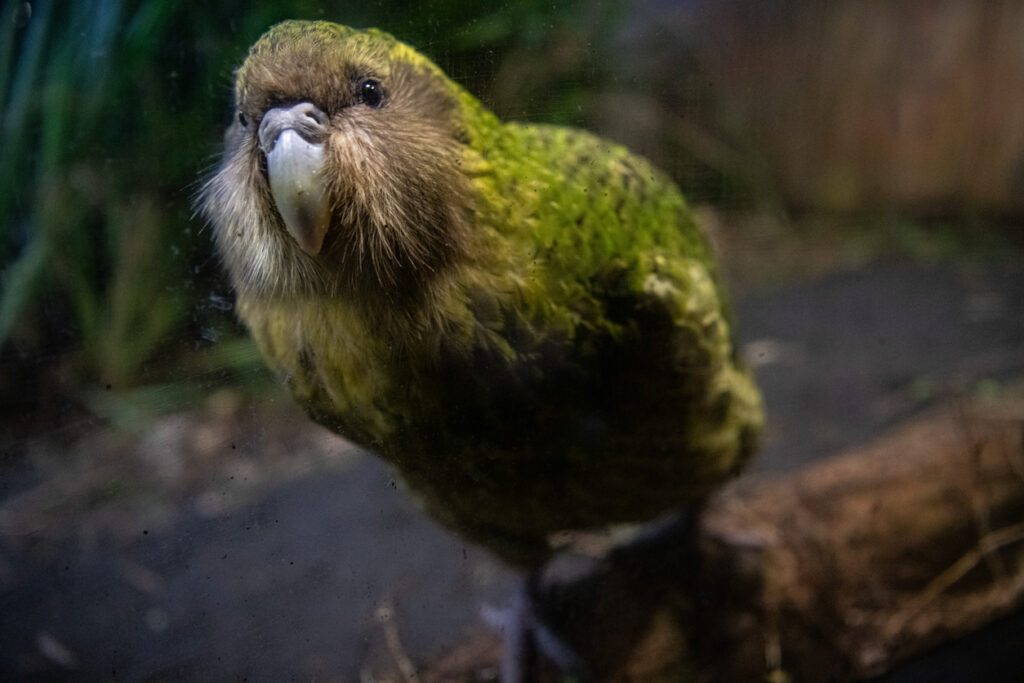
The kakapo is a large, flightless, nocturnal parrot that only lives in New Zealand. It’s surprisingly heavy for a parrot and waddles more than it flies, which made it an easy target for predators introduced by humans. With its mossy green feathers and quirky personality, it has captured global attention, especially thanks to intensive conservation efforts. Today, kakapo numbers are still tiny, but they’re slowly recovering thanks to decades of hands-on protection.
4. Pygmy three-toed sloth – Isla Escudo de Veraguas, Panama
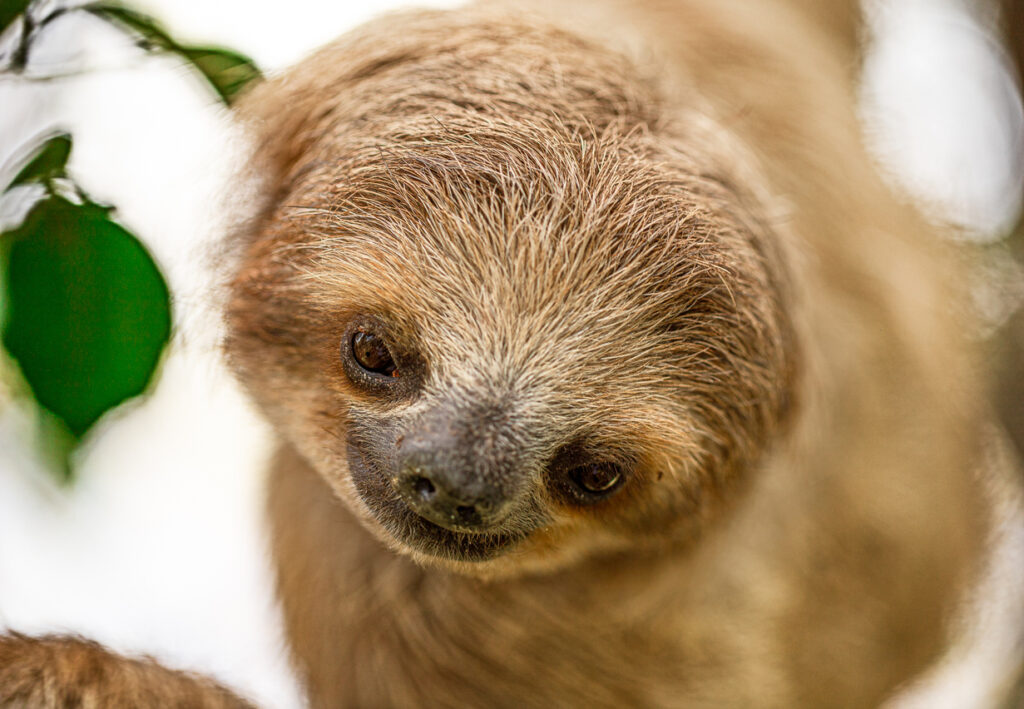
This miniature sloth is only found on one tiny island off the coast of Panama. It’s smaller than its mainland relatives and lives in mangrove trees, rarely venturing far from the shoreline. Because the island is just a few square miles in size, the entire species exists in a very fragile bubble. Any change to that tiny habitat—climate, tourism, or development—could wipe out the entire population.
5. Javan rhinoceros – Ujung Kulon National Park, Indonesia
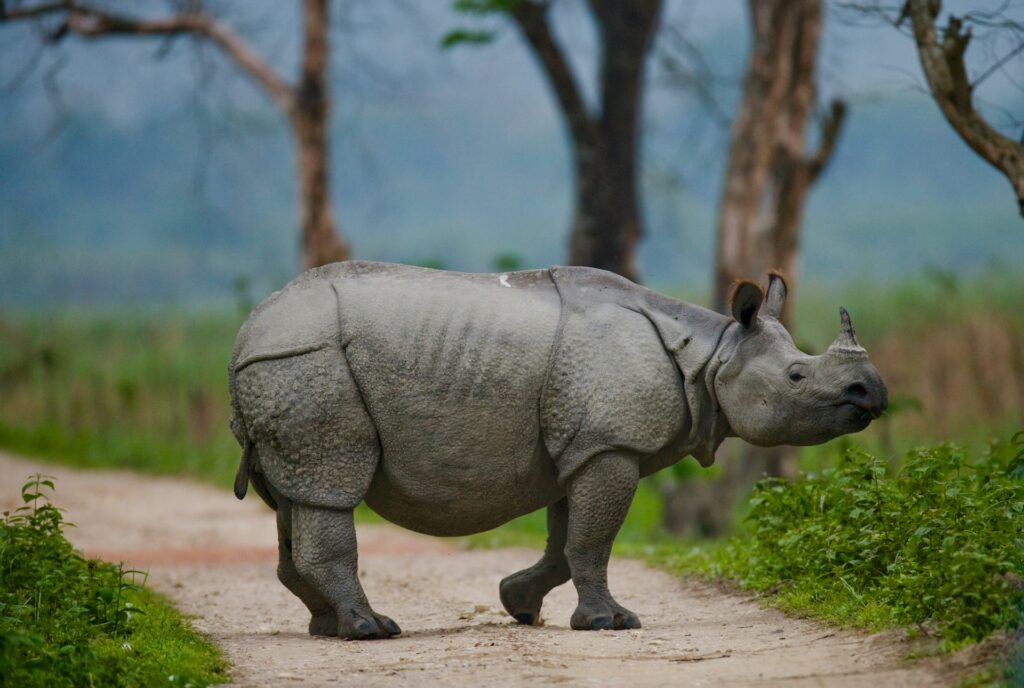
Fewer than 80 of these rhinos remain, all living in a single protected park on the western tip of Java. They’re shy, elusive, and nearly impossible to spot, even for researchers monitoring them daily. Habitat loss, poaching, and natural disasters all threaten this tiny population. With such a limited range, the species is one major event away from vanishing entirely.
6. Golden snub-nosed monkey – Qinling Mountains, China
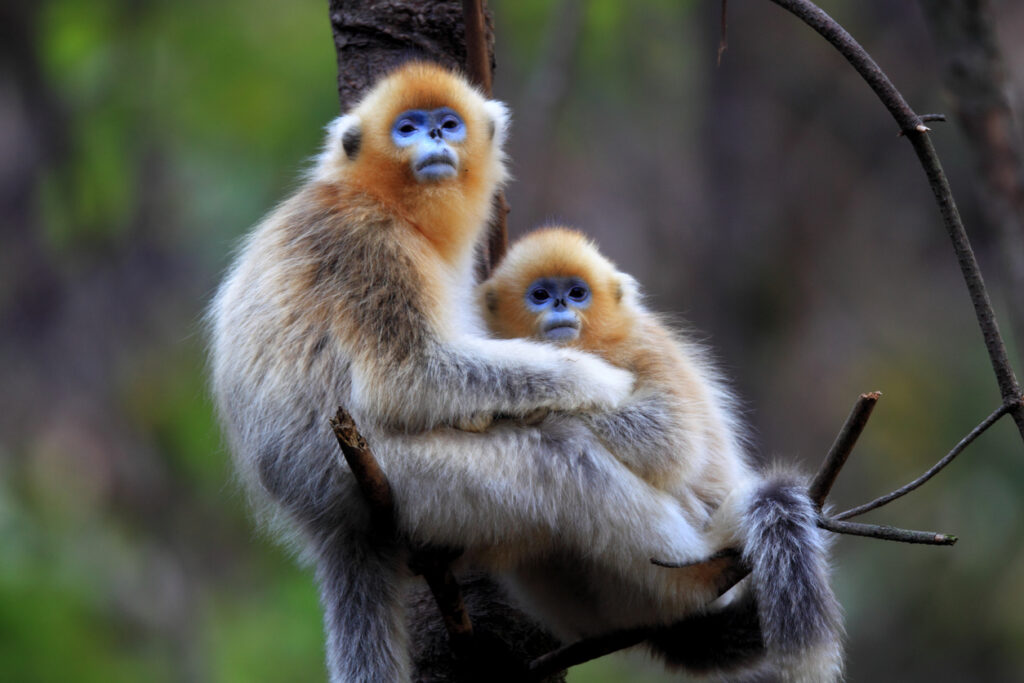
These striking monkeys with their blue faces and bright orange fur live high in the forests of central China. They’re adapted to cold weather and often huddle in groups to stay warm through snowy winters. They’ve become a symbol of Chinese conservation efforts, but their high-altitude forest home is still under pressure from logging and tourism. They may look like fantasy creatures, but their survival depends on very real action.
7. Vaquita – Northern Gulf of California, Mexico
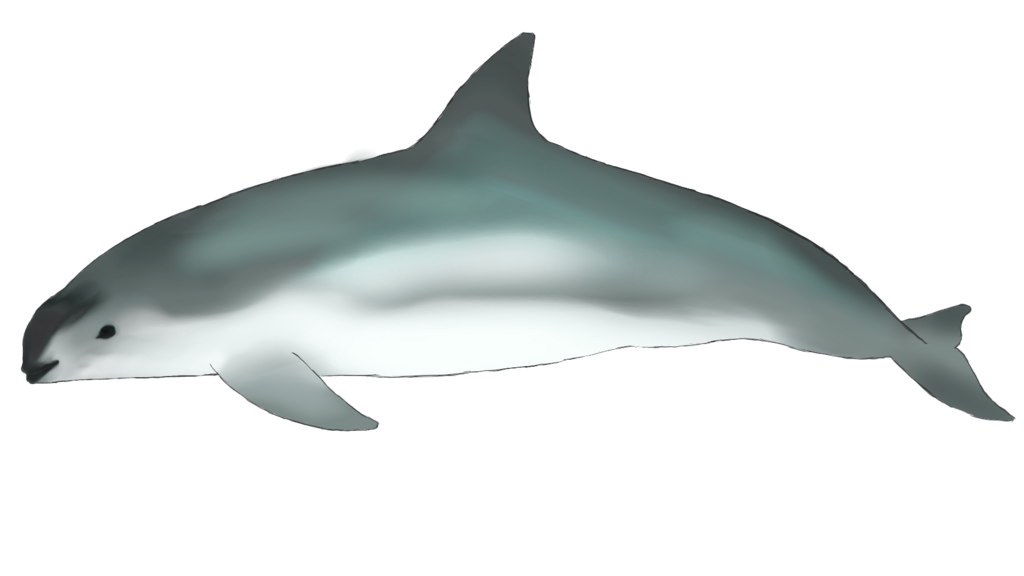
The vaquita is the world’s rarest marine mammal and lives in just one small stretch of water between mainland Mexico and the Baja Peninsula. These small, shy porpoises are almost never seen, and tragically, they’re disappearing fast. With fewer than a dozen believed to be left, mostly due to illegal fishing practices, the vaquita might not make it much longer. Conservationists have called it a silent extinction happening in plain sight.
8. Mount Lyell salamander – Mount Lyell, California
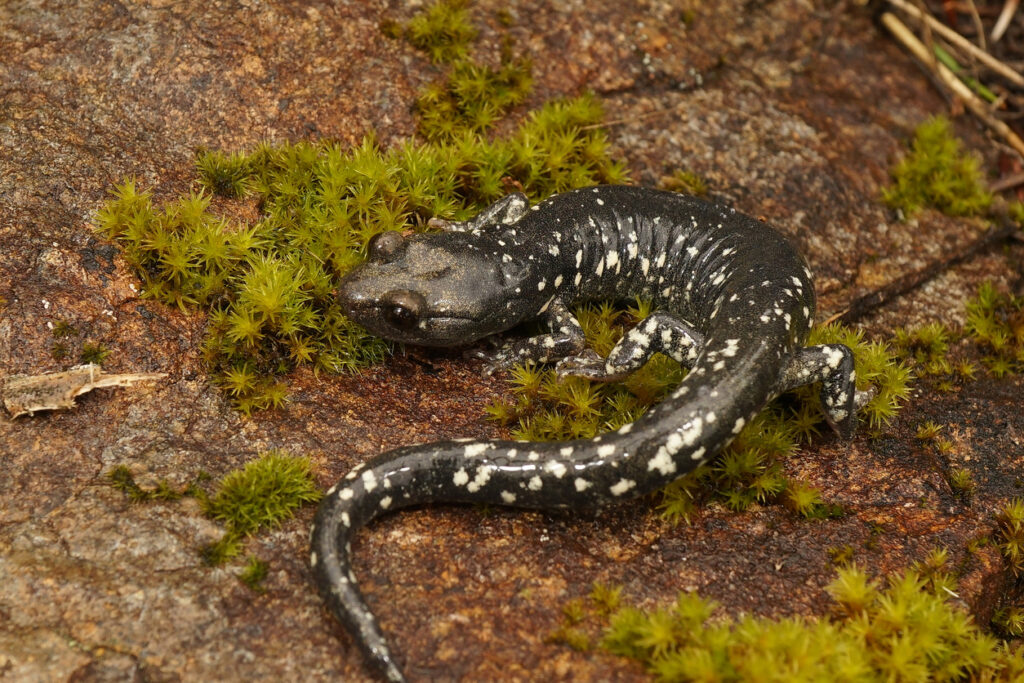
This pale, elusive salamander is found only on the rocky slopes of Mount Lyell in Yosemite National Park. It lives at high elevations and relies on cool, moist microclimates found in alpine rock piles. Because it has such a specific temperature and humidity requirement, climate change is a huge threat. If the mountain warms even slightly, it may have nowhere left to go.
9. Lemurs – Madagascar (various species)

Madagascar is a hotspot for animal endemism, and lemurs are one of the best-known examples. Every single species of lemur is native to the island, and they come in all shapes and sizes, from tiny mouse lemurs to the striking black-and-white ruffed lemur. Deforestation and habitat loss are constant threats. Because they don’t exist anywhere else, protecting Madagascar’s forests is directly tied to the survival of every lemur species on Earth.
10. Angel Island chuckwalla – Angel Island, Gulf of California
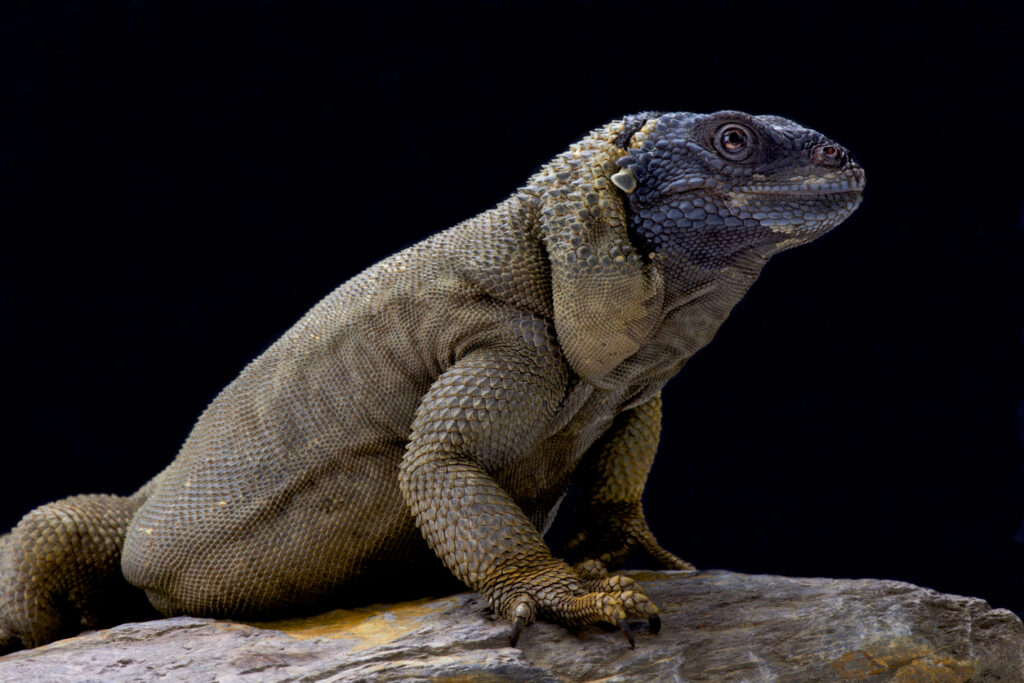
This chunky, sun-loving lizard lives only on Angel Island, a small rocky outcrop in the Gulf of California. It’s perfectly adapted to the island’s hot, dry climate and spends most of its time basking on rocks or hiding in crevices. Because the island is so isolated, this chuckwalla species evolved differently from its mainland relatives. But its limited range makes it vulnerable to invasive species or sudden habitat changes.
11. Bali starling – Bali, Indonesia
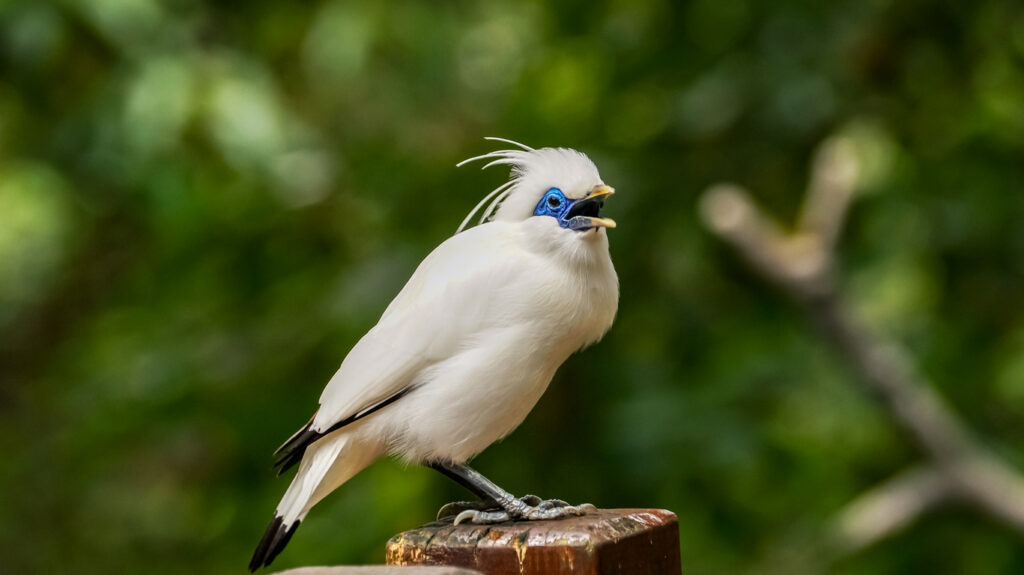
This striking white bird with bright blue skin around its eyes is the national bird of Bali, and sadly, one of its most endangered. It was nearly wiped out by illegal trapping for the pet trade. Today, strict protections and captive breeding programmes are helping it slowly return to the wild, but it still only exists in tiny parts of the island. Even one strong storm or uptick in poaching could undo years of progress.
12. Scottish wildcat – Scottish Highlands
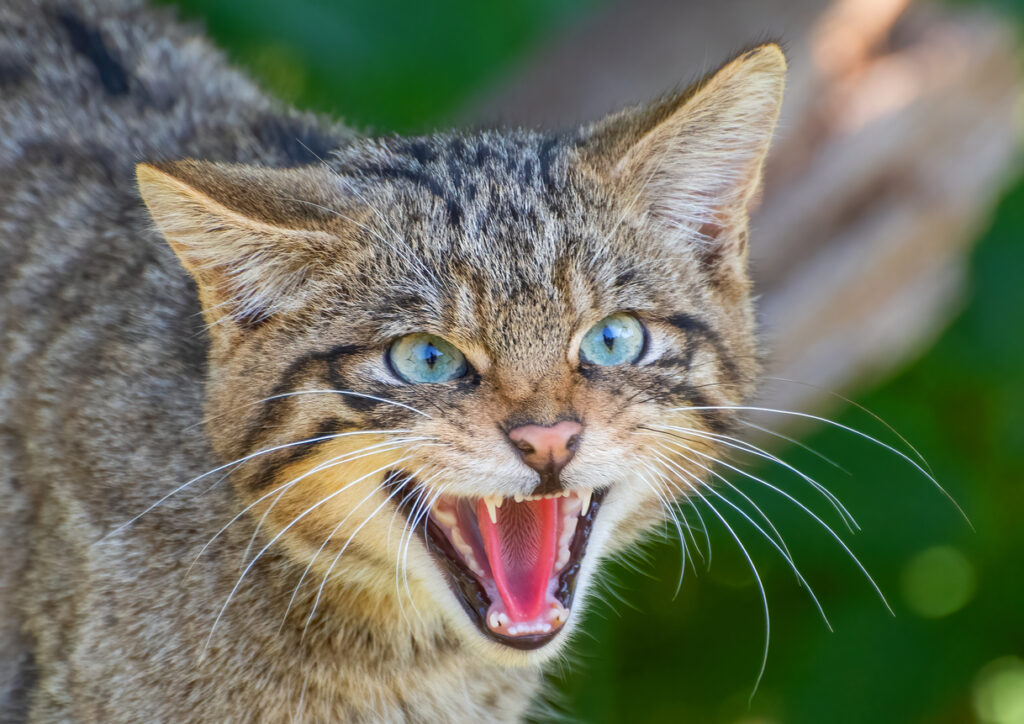
Known as the “Highland tiger,” the Scottish wildcat is Britain’s rarest native mammal. It looks like a large tabby cat, but it’s fiercer, stockier, and entirely wild, if you’re lucky enough to spot one. Hybridisation with domestic cats has caused their numbers to plummet. Now, true wildcats are believed to only survive in isolated parts of the Highlands, and conservationists are racing to preserve their bloodline.
13. Attenborough’s long-beaked echidna – Cyclops Mountains, Papua
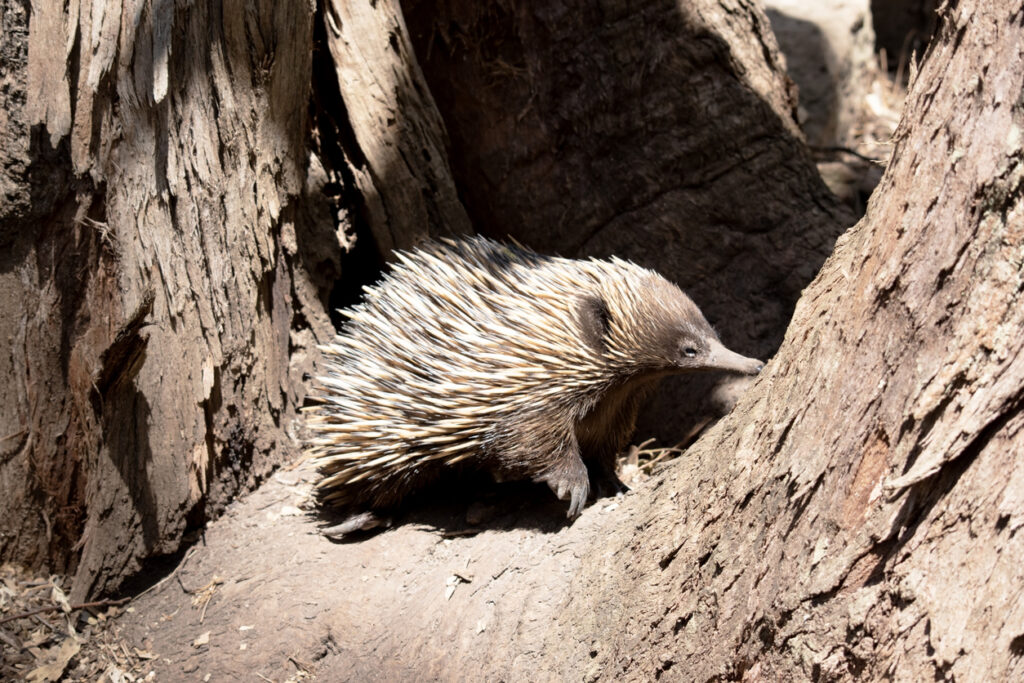
Named after Sir David Attenborough, this shy and spiny monotreme (egg-laying mammal) is only found in the remote Cyclops Mountains of Papua. For years, it was considered possibly extinct—until recent signs suggested it may still be clinging to life. It’s one of the most elusive animals on Earth, and because of its limited range, even small habitat disruptions could wipe it out for good. Protecting the Cyclops ecosystem may be the only hope this rare creature has.