Some creatures are so elusive, strange-looking, or rarely seen that they seem like something out of a fantasy novel.
You might hear about them in passing, see one odd photo online, and assume it’s either fake or long extinct, but no—these animals are real, just very rarely spotted. Whether it’s because they live in harsh environments, only come out under specific conditions, or there simply aren’t many left, they’ve gained near-mythical status. Here are 12 animals that exist, but most people wouldn’t believe you if you said you saw one.
1. Saola (Asian unicorn)

The saola is so rare that scientists have only documented it a handful of times since its discovery in the early ’90s. Found in the dense forests along the Laos-Vietnam border, it’s nicknamed the “Asian unicorn”—not because it has one horn, but because sightings are so unbelievably scarce.
Despite being a large mammal, no one has seen one in the wild with their own eyes in years. Most of what we know comes from camera traps and local accounts. It’s one of the rarest and most mysterious animals on Earth, and it might be vanishing before we ever get to know it properly.
2. Aye-aye
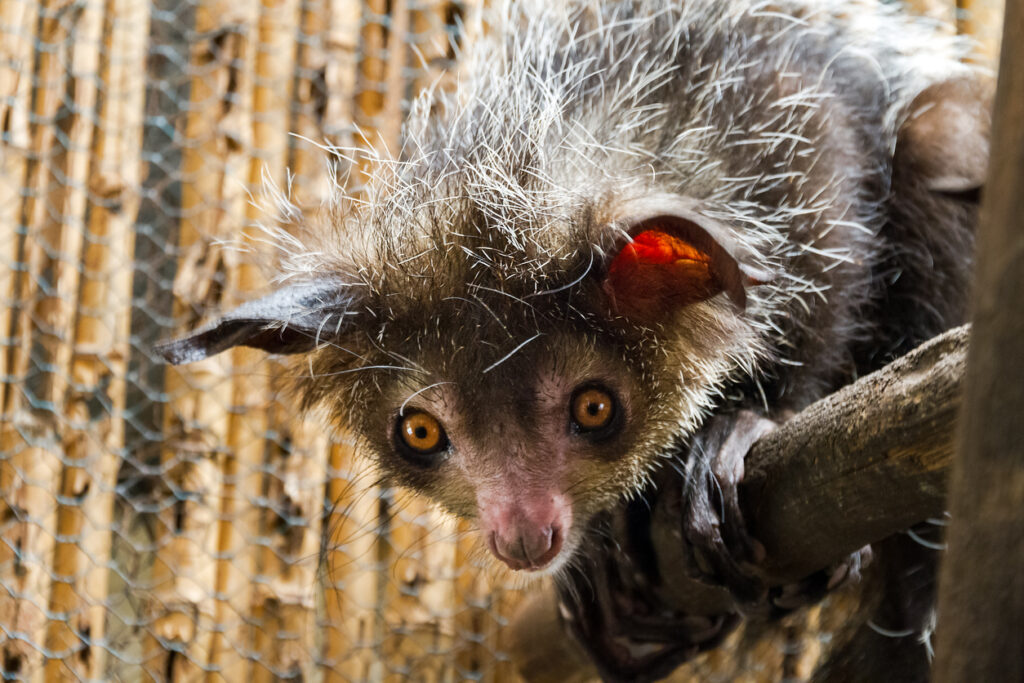
This weird little lemur from Madagascar looks like a cross between a gremlin and a cartoon witch’s pet. With its oversized ears, wild eyes, and long middle finger used for tapping on trees to find insects, the aye-aye has a reputation that precedes it.
In some local folklore, people believe seeing one is a bad omen. Because of that, they’ve been historically killed on sight, which hasn’t helped their numbers. In reality, they’re just odd-looking insect hunters trying to survive in shrinking habitats.
3. Pink fairy armadillo
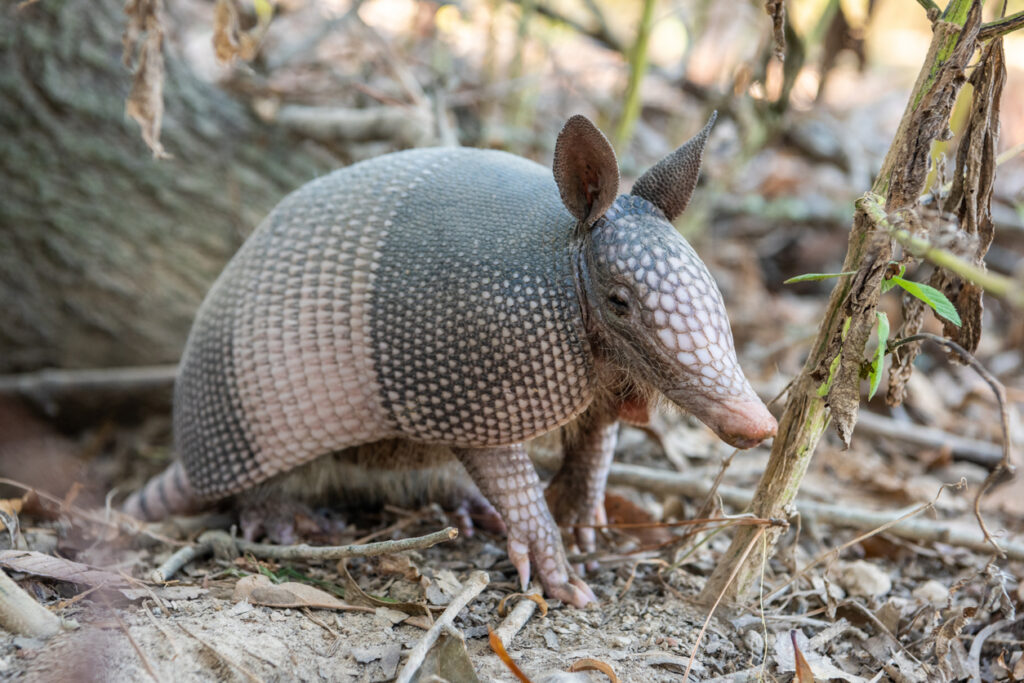
It sounds made up, but the pink fairy armadillo is very real, and extremely hard to find. Native to Argentina, it’s the smallest armadillo species and spends most of its life underground, only surfacing when forced out by rain or habitat disruption. Its soft pink shell and fluffy white underbelly make it look like a little plush toy. Good luck spotting one, though! They’re nocturnal, reclusive, and rarely survive in captivity, so researchers still know very little about how they live or reproduce.
4. Okapi
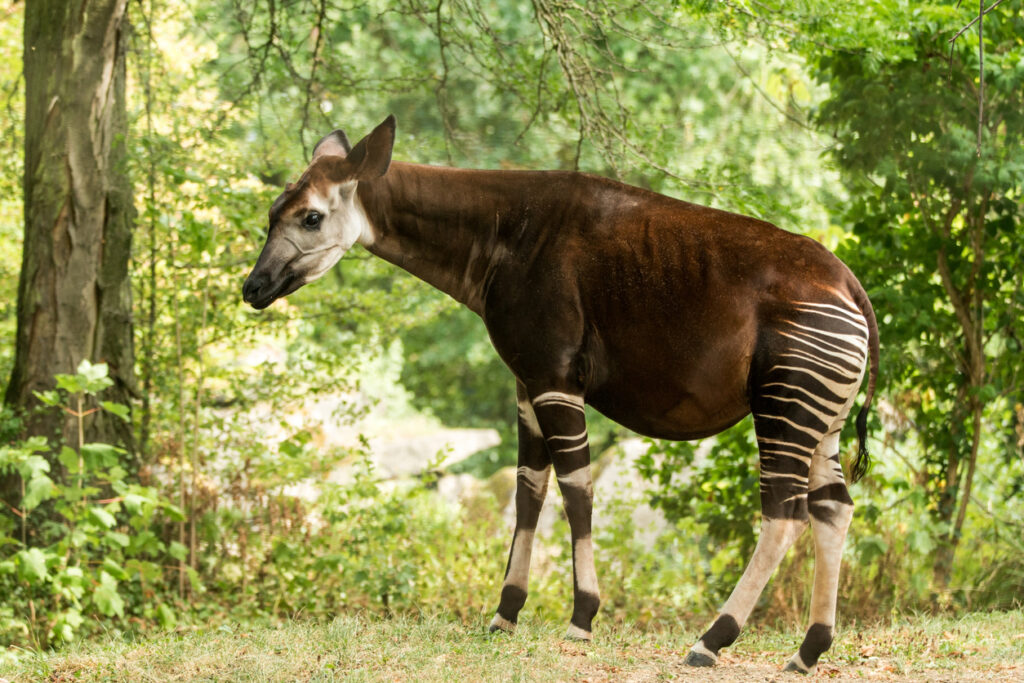
Looking like a zebra crossed with a giraffe, the okapi was once considered a cryptid, a made-up animal, by European scientists. It wasn’t until the early 1900s that it was officially recognised. Native to the dense rainforests of the Congo, it keeps a low profile and is almost never seen by casual observers.
Despite its size (it’s roughly the height of a horse), the okapi’s camouflage and cautious behaviour make it nearly invisible in the wild. Most people wouldn’t even know it exists, and even fewer have seen one in real life.
5. Glass frog
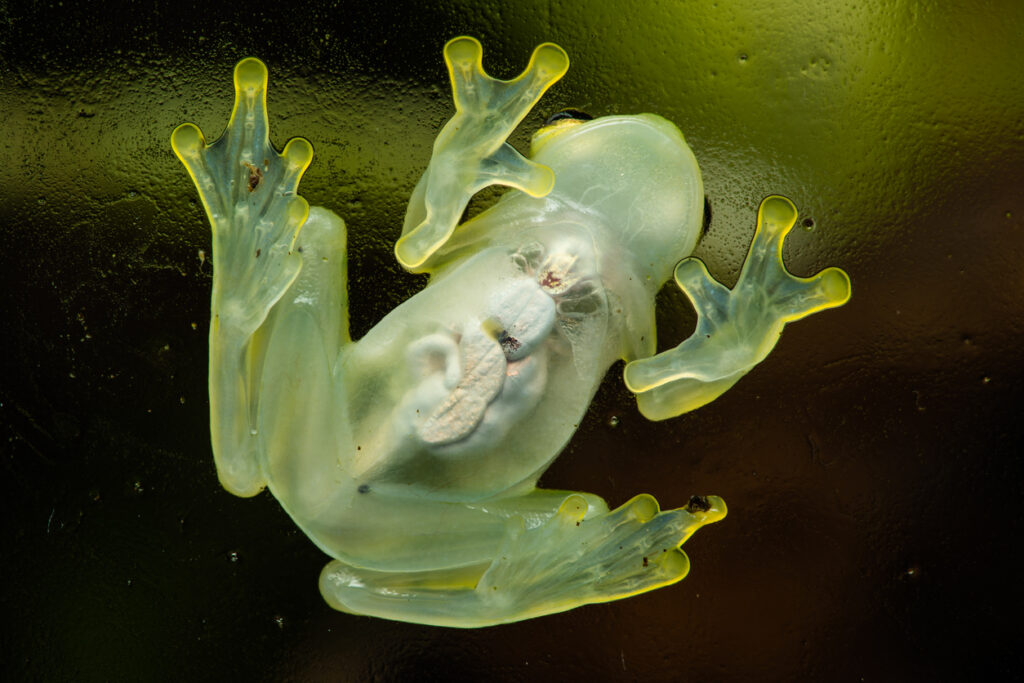
At first glance, a glass frog looks like your average tree frog… until you flip it over. Its belly is almost entirely transparent, showing its organs, heartbeat, and even the outline of its bones. It’s a bizarre but naturally occurring bit of biological design. They’re found in Central and South America, but spotting one takes luck. They’re small, often cling to the undersides of leaves, and blend into their surroundings remarkably well. Seeing one in the wild feels like finding a living science model.
6. Kakapo
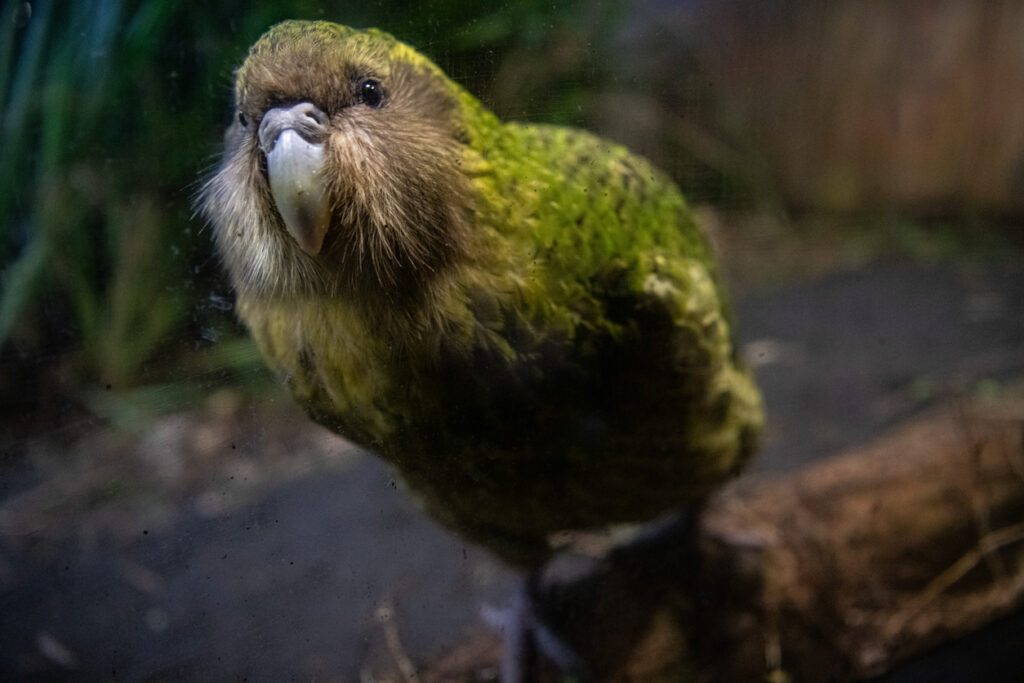
The kakapo is a large, flightless, nocturnal parrot from New Zealand, and it’s one of the rarest birds on the planet. It looks a bit like a mossy owl-parrot hybrid and waddles around at night making low booming sounds. Yes, really.
There are only about 250 kakapos left, and all are tracked by conservationists. Despite major recovery efforts, their limited genetic diversity and need for very specific conditions make every surviving bird incredibly precious, and most people will never see one in person.
7. Narwhal
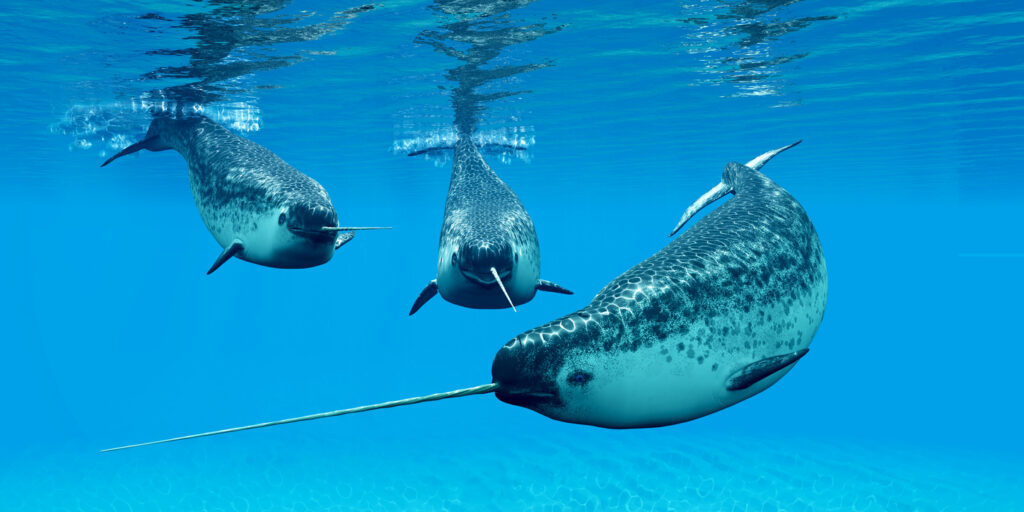
The “unicorn of the sea,” the narwhal is often confused with myths because of its long spiral tusk, which looks like something out of fantasy. But it’s a real marine mammal, mostly found in Arctic waters around Canada and Greenland.
Because they live so far north and spend most of their time deep below icy surfaces, they’re rarely seen by humans. Even locals who’ve lived in the Arctic for generations consider sightings special. That long tusk? It’s actually an elongated tooth that grows through the upper lip.
8. Gerenuk
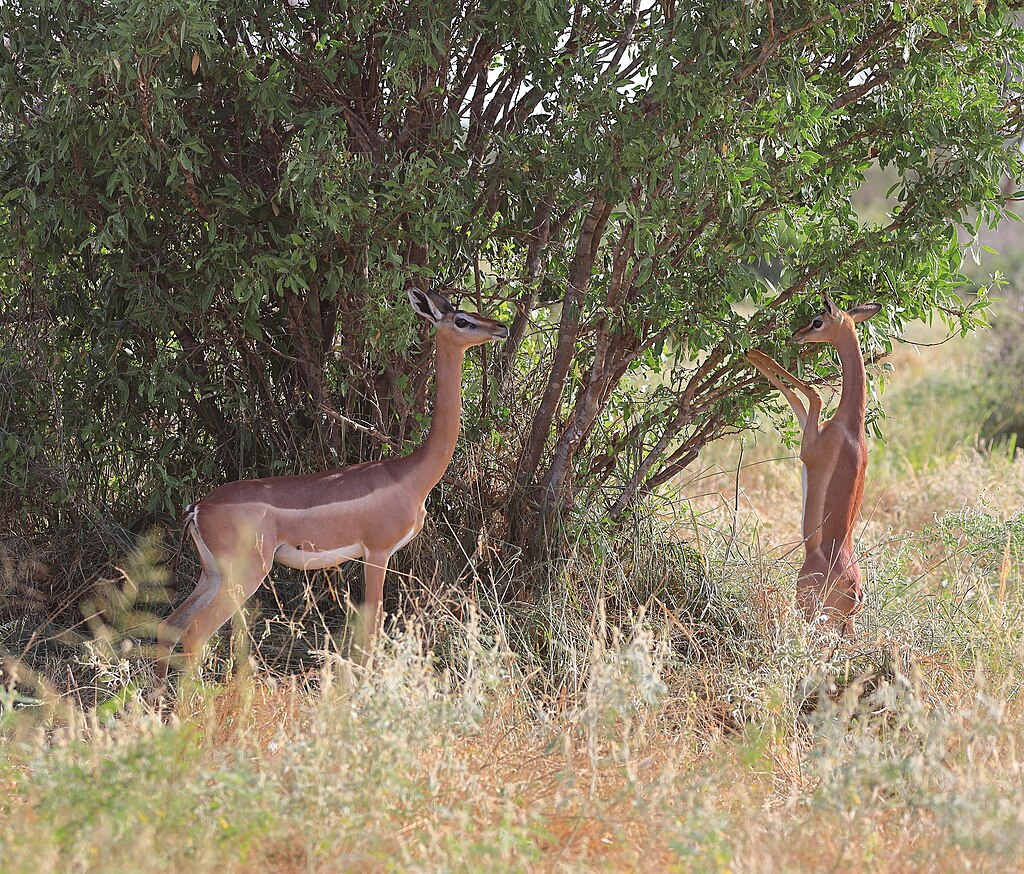
This long-necked antelope from East Africa looks like someone stretched a deer in Photoshop. It stands on its hind legs to browse tree leaves, using its flexible neck to reach spots most antelopes can’t access. It’s rarely seen outside protected reserves, and its odd proportions often make people think it’s a digital fake when they first see a photo. However, it’s real, and strangely elegant when you watch it feed upright like a giraffe in miniature.
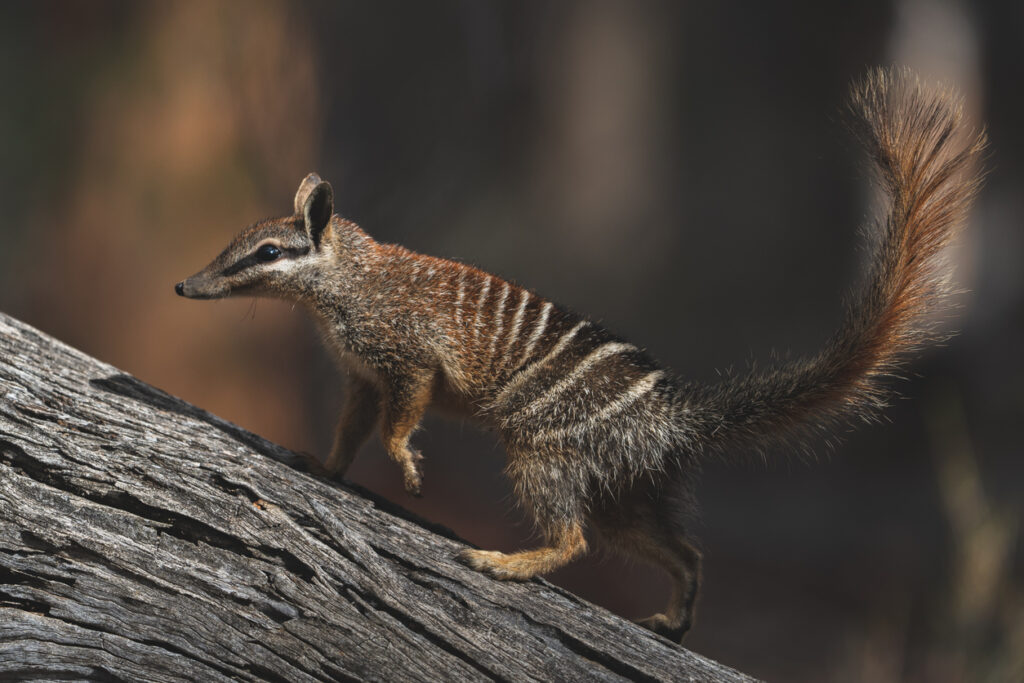
9. Numbat
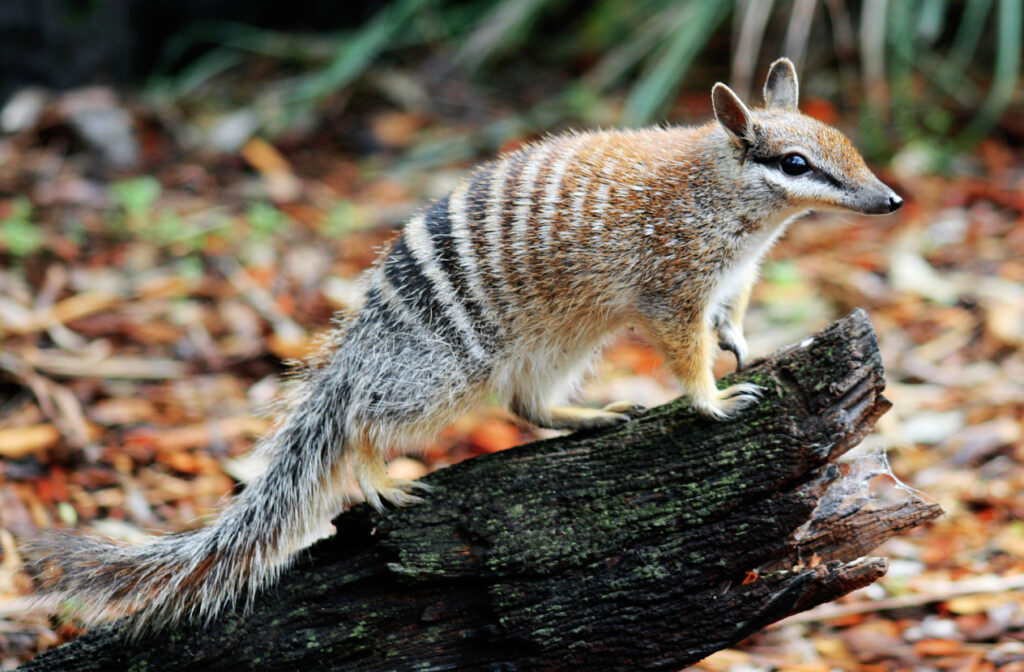
This colourful marsupial from Australia looks like a mix between a chipmunk and a tiny fox, with a stripy back and a long tongue made for slurping up termites. It’s diurnal, which is unusual for a termite-feeder, and rarely seen outside of conservation areas.
Once found across southern Australia, numbats are now endangered due to habitat loss and predators. They’re still around, but incredibly hard to find in the wild, making them one of those animals people assume are either extinct or imaginary.
10. Sunda colugo (aka the flying lemur that isn’t a lemur)
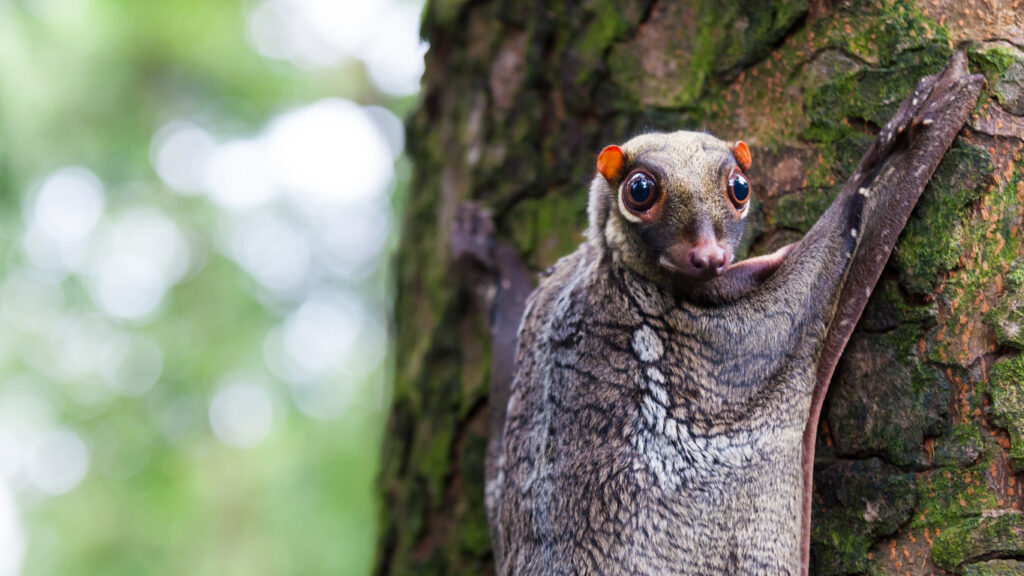
This odd creature from Southeast Asia glides between trees like a flying squirrel, but it’s not closely related to squirrels or lemurs. It has a stretchy membrane that lets it soar for incredible distances between trees, up to 100 metres in a single glide. It’s nocturnal, silent, and blends in with tree bark during the day, which is why so few people have seen one. Even in places where they’re relatively common, they’re ghost-like, slipping through forests unnoticed.