Bees tend to get all the credit when it comes to pollination, but they’re far from the only ones doing the work.
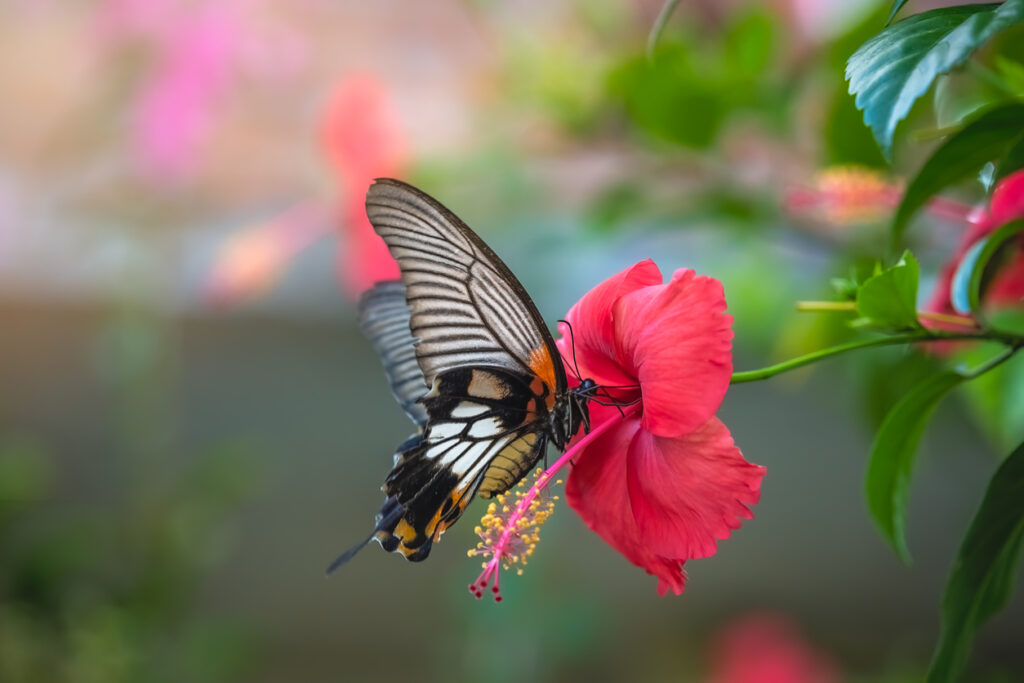
Plenty of flowers rely on a different crowd to help them reproduce, from bats to birds to beetles and even mice. These lesser-known pollinators might not get the same PR as honeybees, but they play just as important a role in keeping plants going and ecosystems thriving. Here are 12 flowers that are pollinated by animals other than bees, and the unexpected creatures helping them along.
1. Banana flowers – pollinated by bats
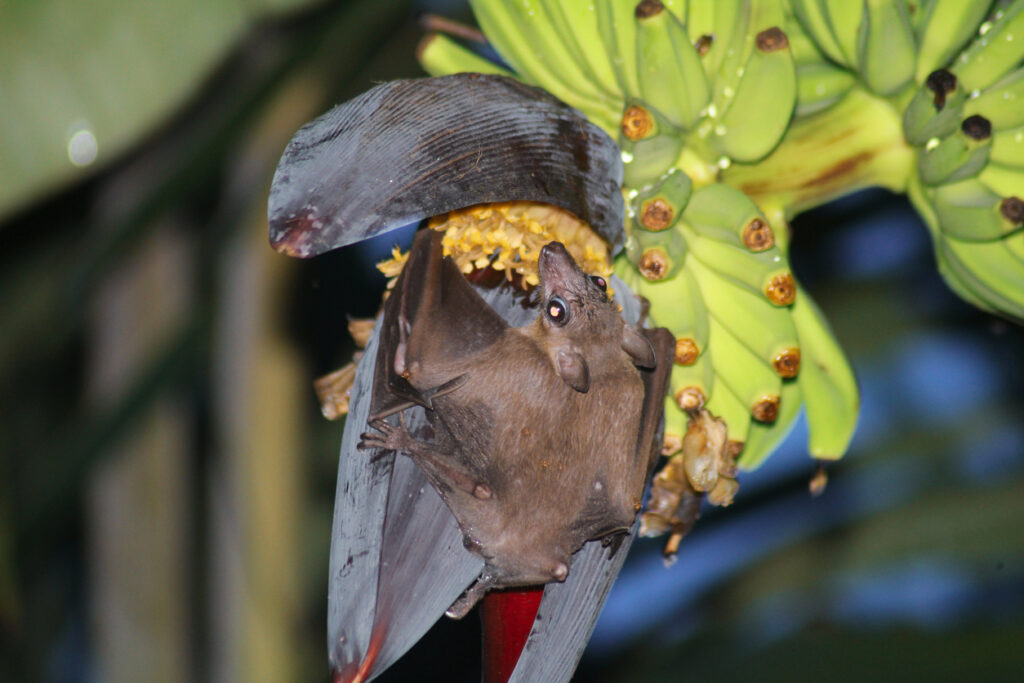
Banana plants grow large, dramatic flowers that open at night and give off a strong, fruity scent, which is perfect for attracting bats. These nocturnal pollinators swoop in, drawn by the promise of nectar, and transfer pollen from flower to flower in the process.
Bats are incredibly effective at pollinating these kinds of plants because they travel long distances and visit multiple blooms in one go. Without them, many wild banana species would struggle to reproduce. It’s a great example of how pollination doesn’t stop when the sun goes down.
2. Hibiscus – pollinated by butterflies
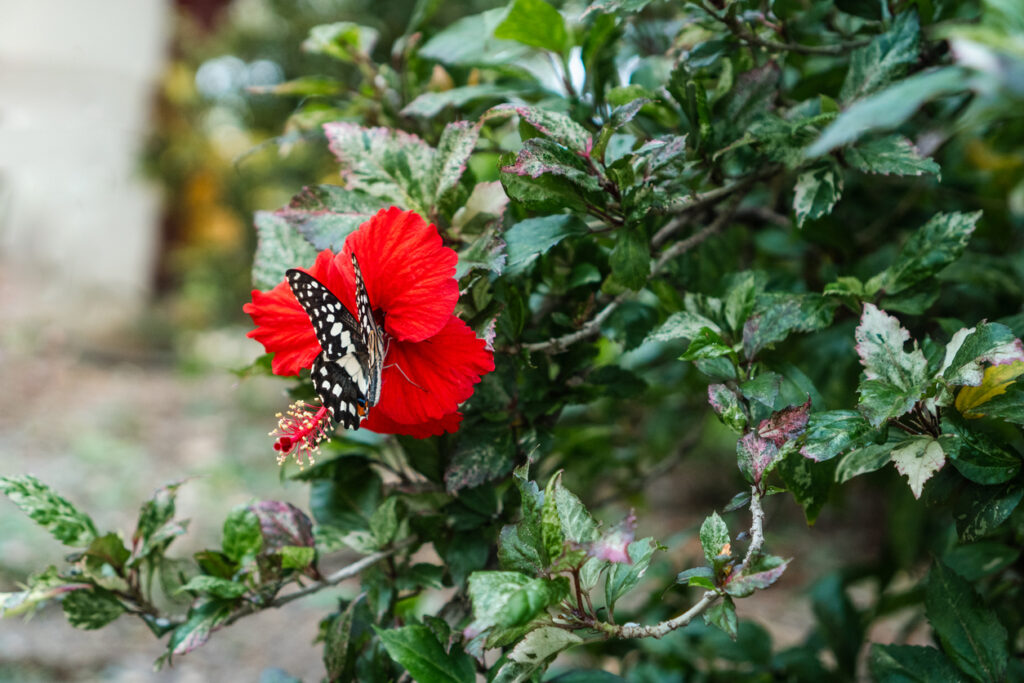
With their bright colours and wide-open petals, hibiscus flowers are a hit with butterflies. These daytime fliers are drawn to the rich red, pink, and orange hues, and the nectar waiting inside. As they feed, their legs and bodies pick up pollen and spread it to the next bloom.
Butterfly pollination is slower and more delicate than bee pollination, but it’s just as effective. Hibiscus plants benefit from this lighter touch, especially in gardens where bees may not be as present. Plus, it adds a bit of theatre to the flower bed.
3. Saguaro cactus – pollinated by bats
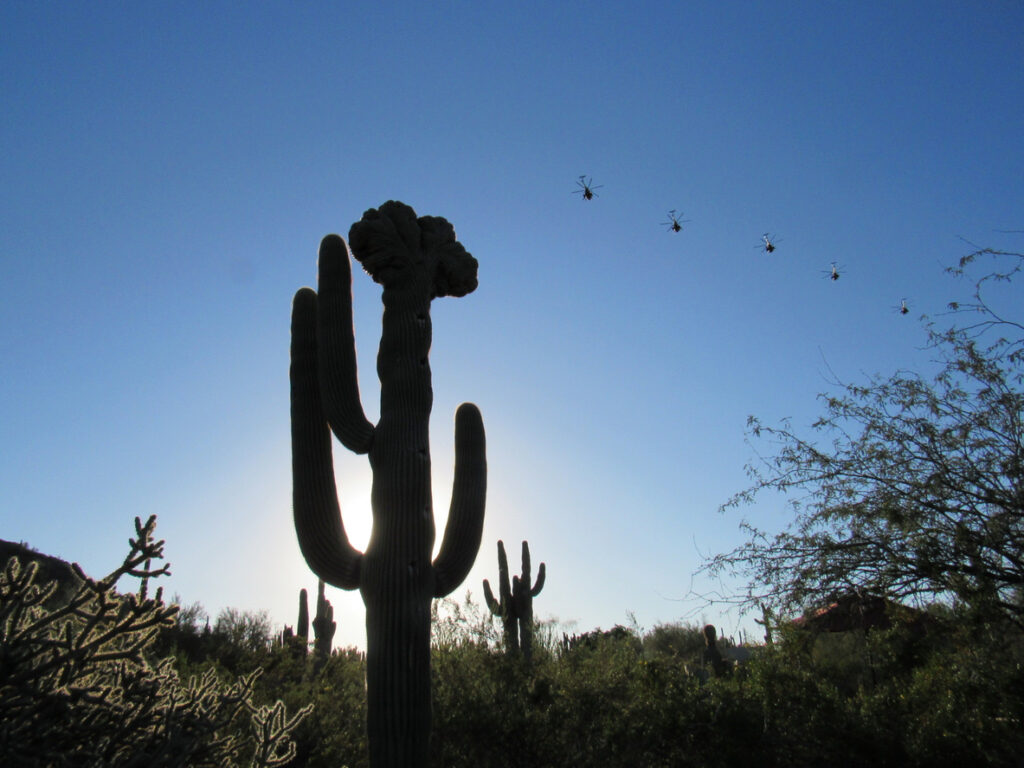
Saguaros bloom at night in the desert heat, releasing strong scents and copious nectar to attract nectar-feeding bats. These bats push their heads deep into the flowers, picking up pollen on their faces and fur as they feed. Because saguaros only bloom for one night per flower, they rely heavily on bats for timely pollination. It’s a high-stakes process that happens in the dark, and one that keeps entire desert ecosystems in balance.
4. Wild ginger – pollinated by ants and beetles
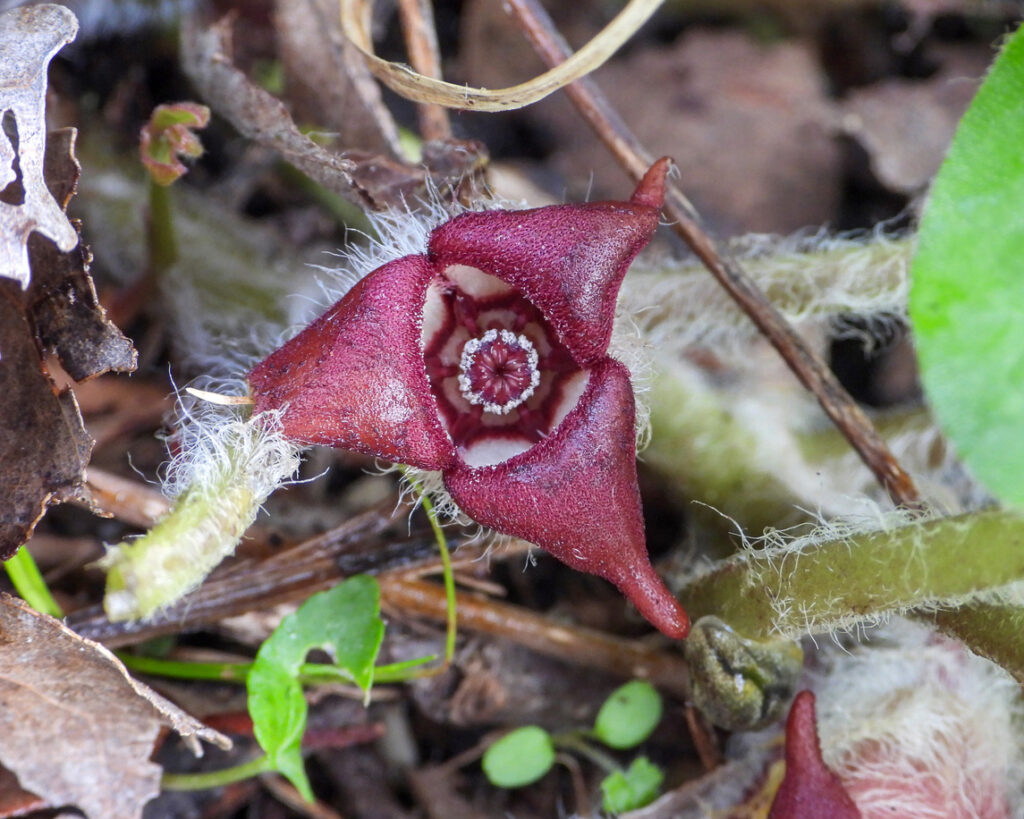
Instead of attracting flying insects, wild ginger keeps things ground-level. Its flowers bloom near the forest floor and give off a musky scent that draws in crawling insects like ants and beetles. These creatures shuffle through the bloom, unknowingly carrying pollen along the way.
This type of pollination is slower and more limited in range, but it suits the low-growing nature of the plant. Wild ginger isn’t trying to broadcast far and wide; it just needs a few reliable ground-based helpers to get the job done.
5. Bird of paradise – pollinated by sunbirds
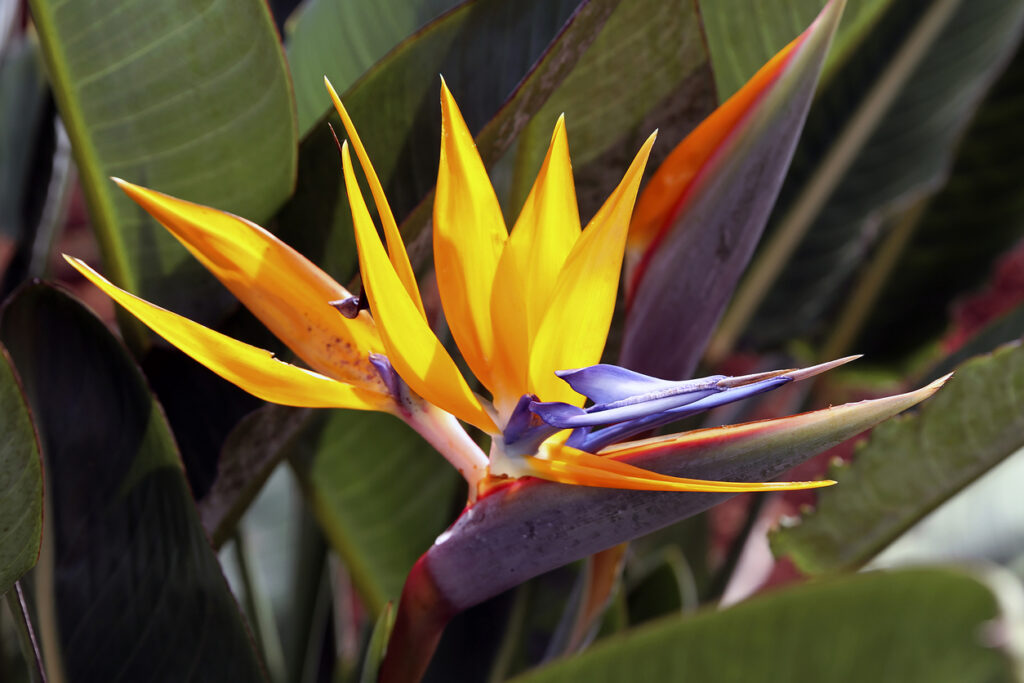
Native to South Africa, the bird of paradise flower is pollinated primarily by sunbirds, which are the region’s answer to hummingbirds. These birds perch on the flower’s strong “beak” structure to feed, triggering the release of pollen from within the bloom. It’s a well-engineered setup. The flower even opens in such a way that the bird can’t feed without brushing up against the pollen. Every visit helps the plant reproduce, and keeps the bird fed, too. It’s one of nature’s more elegant trades.
6. Bottlebrush – pollinated by possums and birds
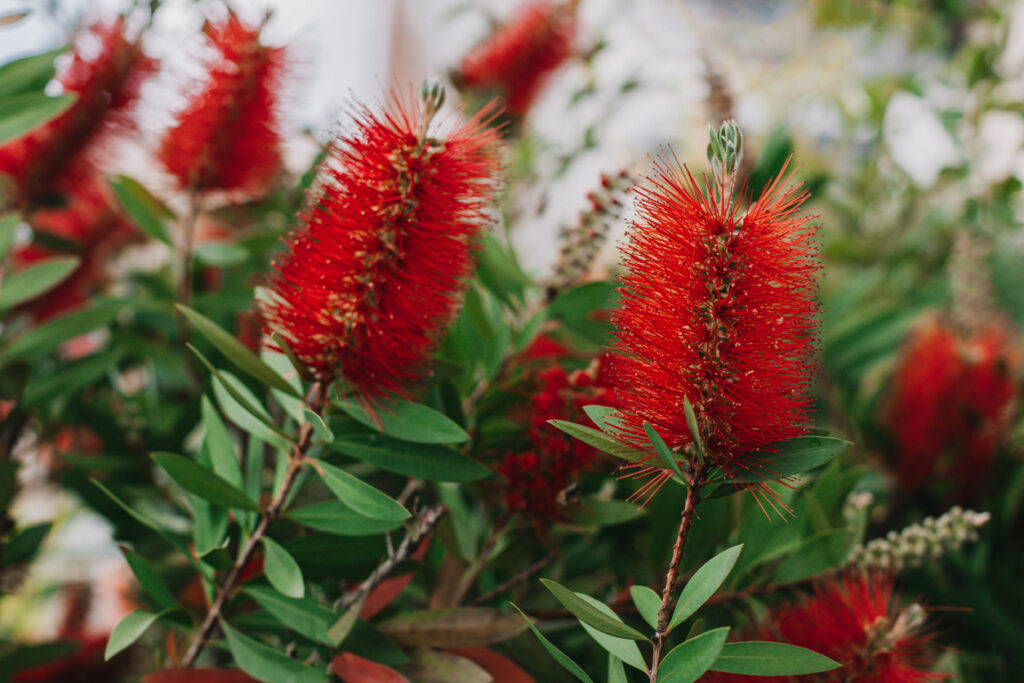
Australian bottlebrush flowers attract a wide mix of pollinators, but some species are especially suited to visits from small mammals like possums and nectar-feeding birds. These visitors rub up against the spiky flower heads while foraging for nectar, getting dusted with pollen as they go.
Because bottlebrushes bloom at different times of day and night, they’ve evolved to suit multiple helpers. Birds do the day shift, and mammals take over after dark. It’s a round-the-clock system that keeps pollination steady even when bee numbers drop.
7. Yucca – pollinated by moths
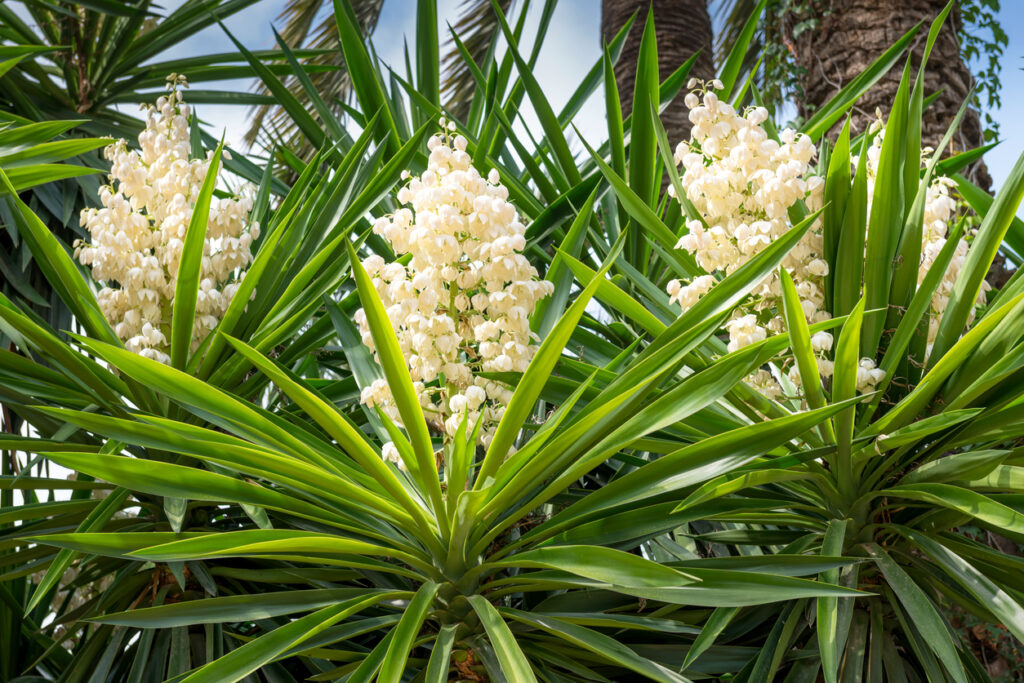
Yucca plants have an unusually intimate relationship with their pollinators. Each species of yucca is pollinated by a specific type of moth, which not only feeds on the nectar but also lays eggs inside the flower. The larvae eat some of the developing seeds, but not all of them.
This mutualistic relationship benefits both the moth and the plant. The moth ensures the flower gets pollinated, and in return, its young get a food source. It’s a fine balance that keeps both species going, and no bees required.
8. Magnolia – pollinated by beetles
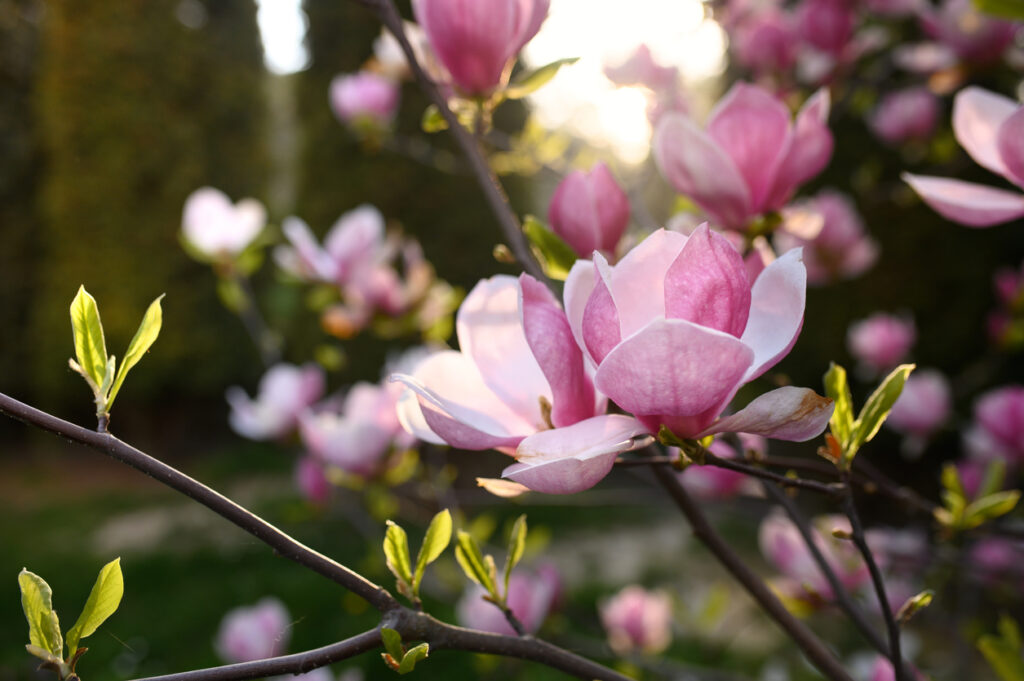
Magnolias are ancient flowers that evolved long before bees did, so their primary pollinators are beetles. These flowers are sturdy, with thick petals that can withstand the clumsy movement of beetles crawling over them in search of pollen and nectar. Beetles might not be the most glamorous pollinators, but they’re effective, especially for tough flowers like magnolias that don’t mind a bit of rough handling. It’s a reminder that pollination isn’t always delicate and dainty.
9. Red hot poker – pollinated by birds
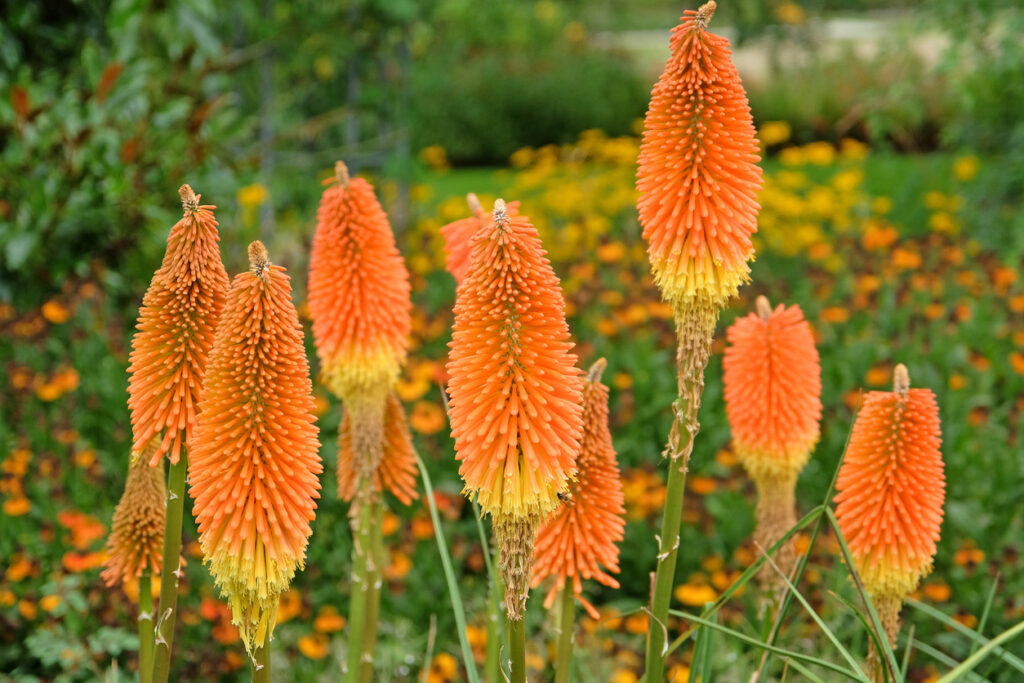
The tall, torch-like flowers of the red hot poker plant attract birds with their bright colours and nectar-filled tubes. Nectar-feeding birds, like sunbirds and honeyeaters, poke their beaks deep into the flowers and pick up pollen in the process. Because these birds are on the move constantly, they help cross-pollinate widely, giving the plant a good genetic mix. And since the flowers are long and tubular, they’re less suited to bees anyway; birds are simply the better match.
10. Rafflesia – pollinated by flies
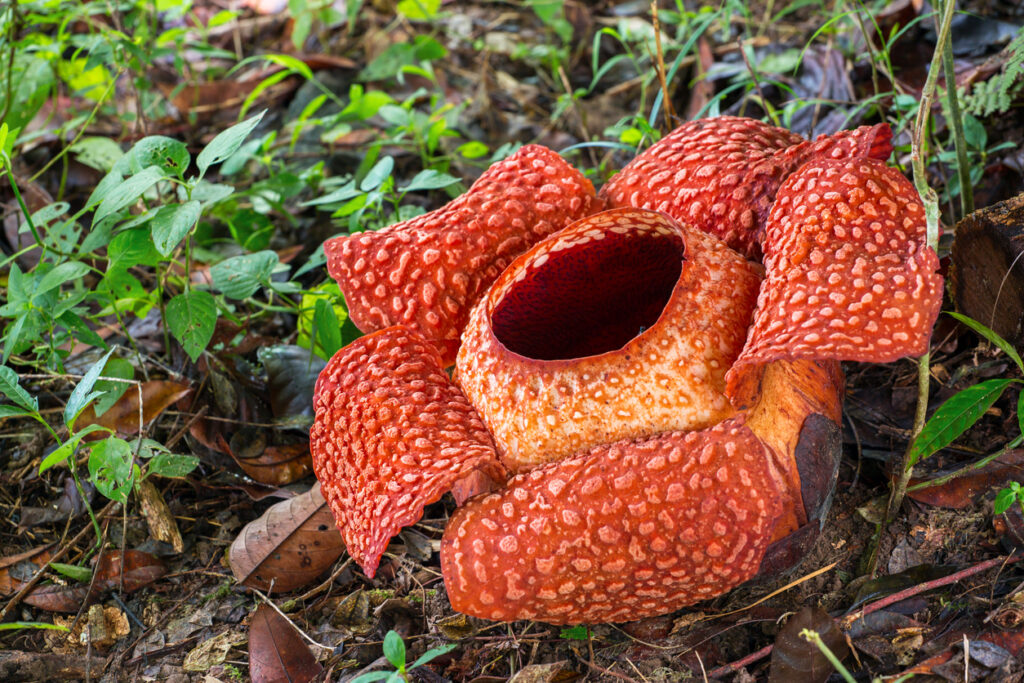
The rafflesia is one of the world’s largest and weirdest flowers. It doesn’t look or smell pleasant. In fact, it gives off a rotting meat scent to attract carrion flies. These flies land expecting decay, pick up pollen instead, and then fly off confused but effective. It’s not a pretty method, but it works. Because rafflesias don’t offer nectar, they rely purely on scent to lure in their pollinators. Flies come for the stink and leave with pollen on their legs, spreading it to the next awful-smelling bloom.
11. Evening primrose – pollinated by moths
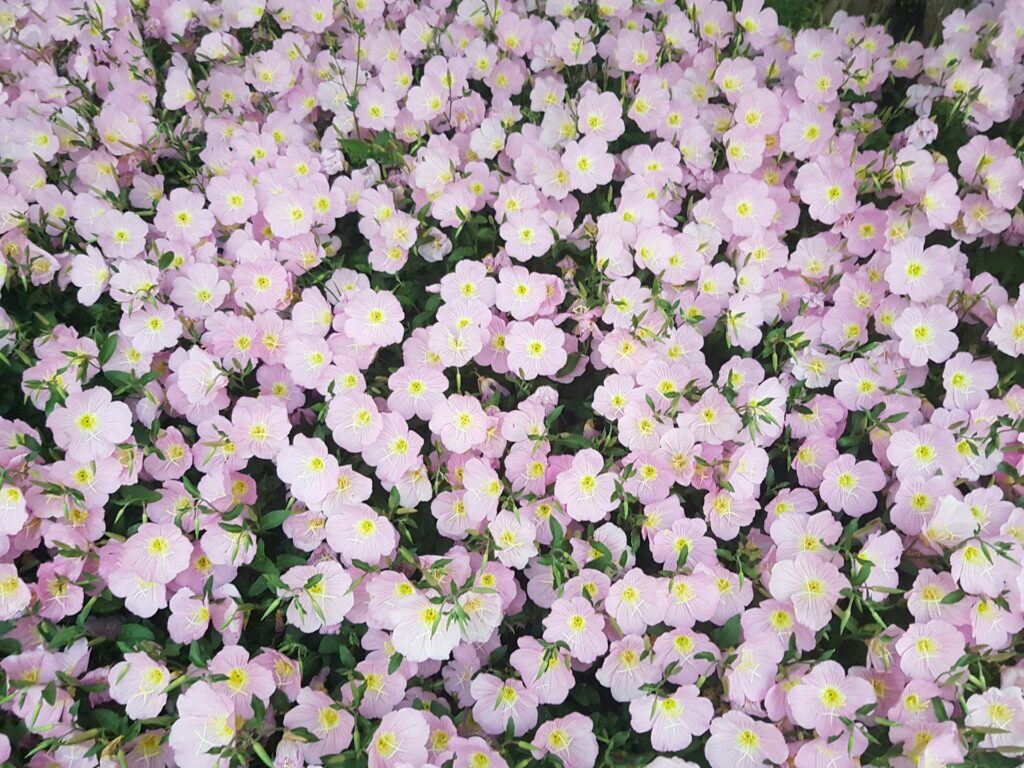
These delicate yellow flowers bloom at dusk and give off a sweet scent that attracts night-flying moths. Their pale colour helps them stand out in low light, giving moths an easy target to land on and feed from. Because they bloom at night, they’re perfectly timed for moth visits, and moths, in turn, do a solid job spreading their pollen. It’s a quiet, after-hours exchange that suits the pace of twilight pollination.
12. Protea – pollinated by rodents
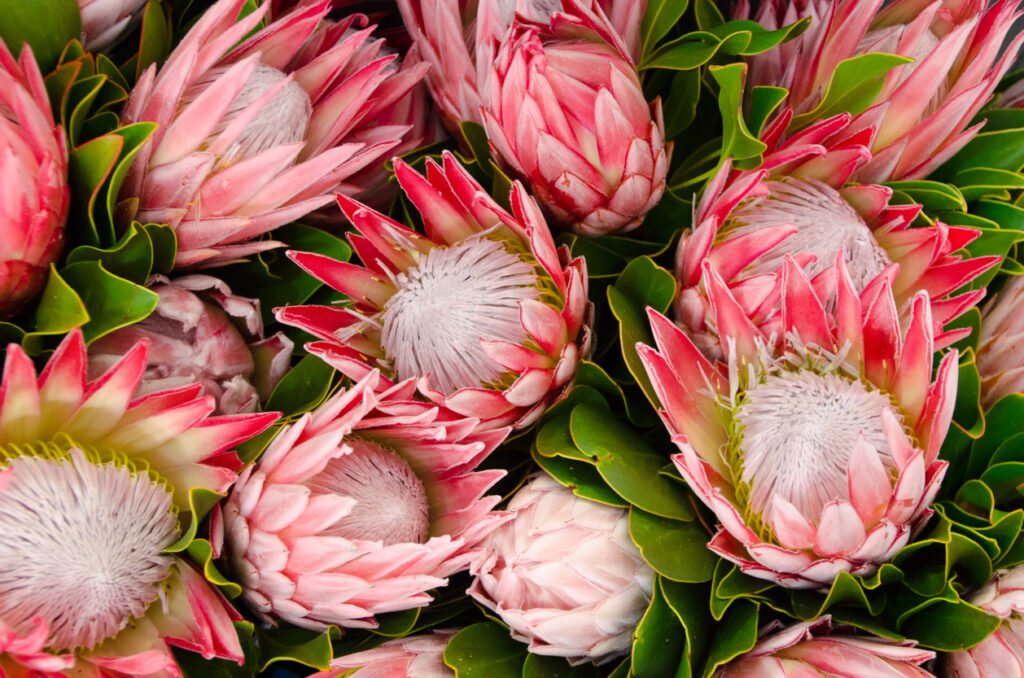
In some parts of South Africa, ground-dwelling rodents like striped mice have been seen visiting protea flowers for nectar. As they push their snouts into the large, open blooms, they pick up and spread pollen across multiple plants. It’s a rare case of mammal pollination, and it works surprisingly well. Proteas have tough flowers that can handle a bit of rough foraging, and the rodents end up playing an important (if slightly scruffy) role in the process.