Most animals make some kind of noise, but some take it to a whole different level.
We’re talking about creatures so loud, their sounds carry for miles across land or sea. A few are even powerful enough to show up on instruments orbiting Earth. From sonic booms in the ocean to jungle calls that shake the treetops, here are the animals whose voices are so intense, they’ve caught the attention of satellites, scientists, and anyone else within earshot.
1. Blue whale
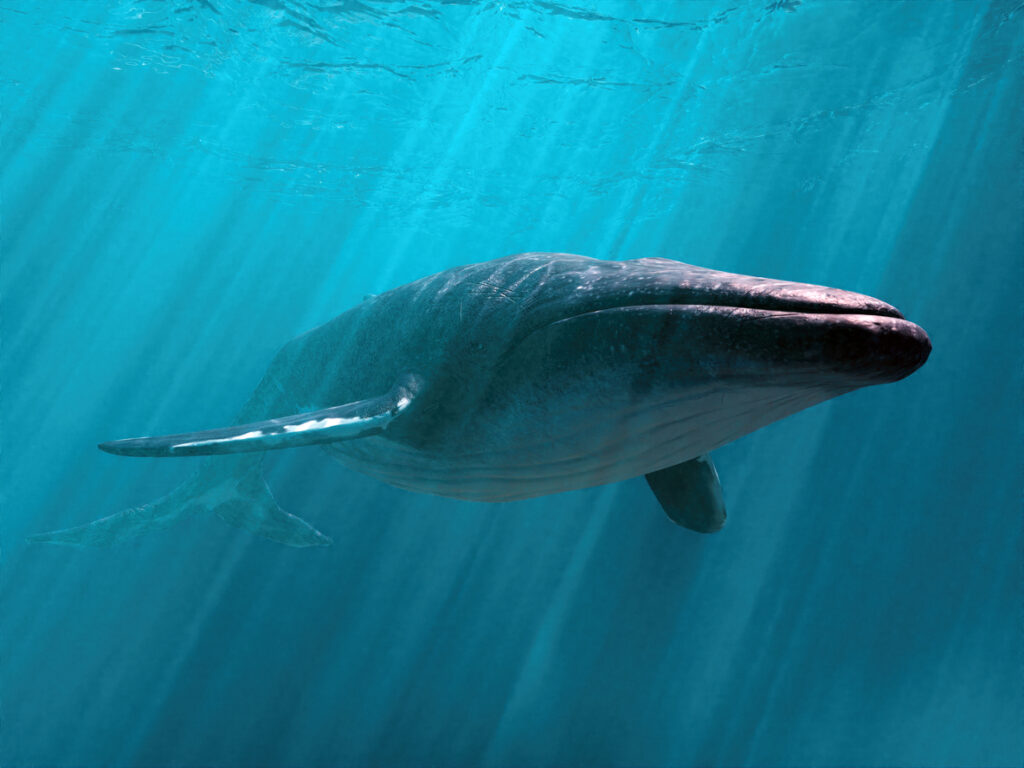
The blue whale isn’t just the biggest animal on Earth; it’s also one of the loudest. Its deep, low-frequency calls can travel over 500 miles underwater, and they register at around 188 decibels. That’s louder than a jet engine.
Because of how far their calls travel, blue whales’ vocalisations have actually been picked up by hydrophones, and in some cases, their low rumblings are detectable by space-based instruments monitoring ocean noise. Not bad for something that just wants to chat.
2. Mantis shrimp
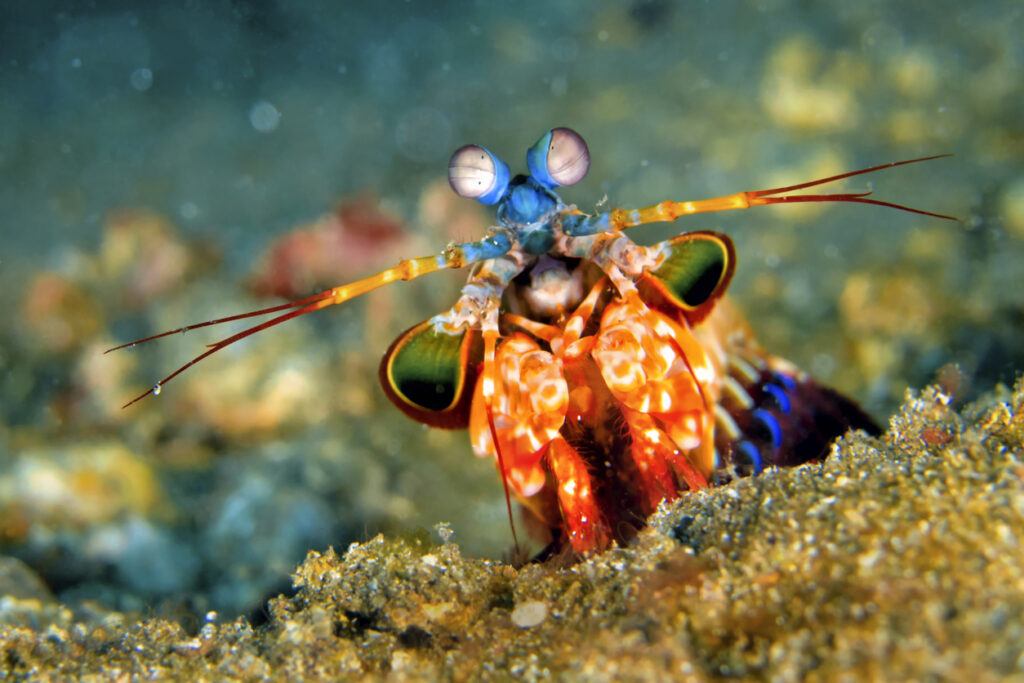
They’re small, weird-looking, and best known for having punch speeds faster than a bullet. But mantis shrimp also create a loud snapping sound when they strike, producing shockwaves that stun prey and sometimes break aquarium glass.
That shockwave creates a bubble that collapses so violently it briefly hits temperatures near the surface of the sun, and produces a loud “pop” that can be detected by sensitive underwater equipment. It’s not audible from space, but it’s violent enough to be measurable from afar.
3. Howler monkey
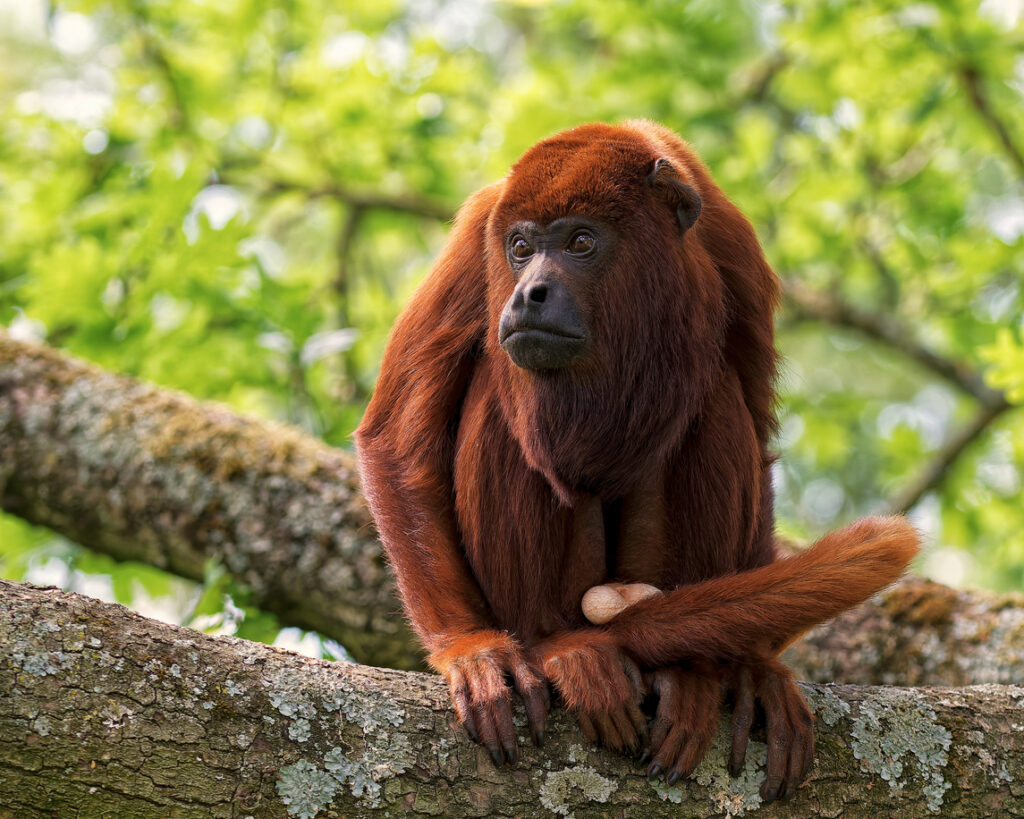
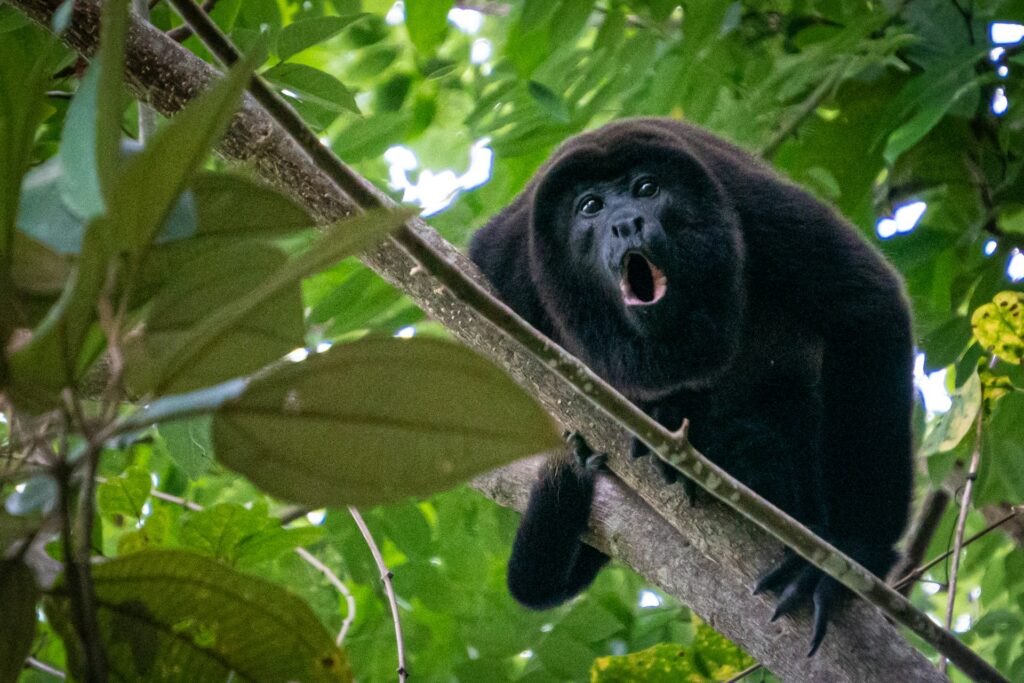
These rainforest dwellers didn’t get their name by accident. Howler monkeys have some of the loudest vocal cords in the land mammal world, and their haunting, echoing calls can carry through thick jungle for up to 3 miles. It sounds dramatic, but they’re just marking territory or warning rivals. Their calls are so loud and distinct that researchers have used satellite mapping to study how sound spreads through their forest habitats.
4. Tiger pistol shrimp
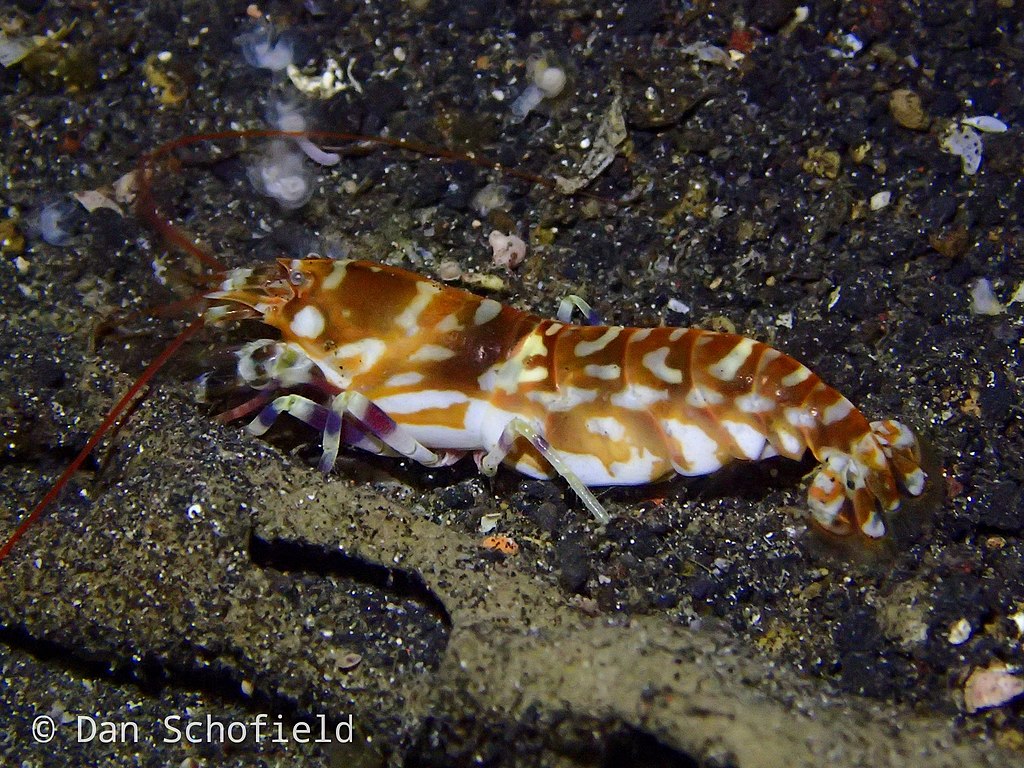
Don’t be fooled by its size! This tiny crustacean makes one of the loudest biological noises on the planet. It snaps its claw shut at lightning speed, creating a bubble that bursts with a sonic pop reaching 210 decibels. That’s louder than a gunshot, by the way. It’s mostly used to stun prey, but in groups, their popping can get so intense that naval submarines have mistaken it for mechanical interference. The effect has even been picked up in ocean soundscapes viewed from orbit.
5. Elephants
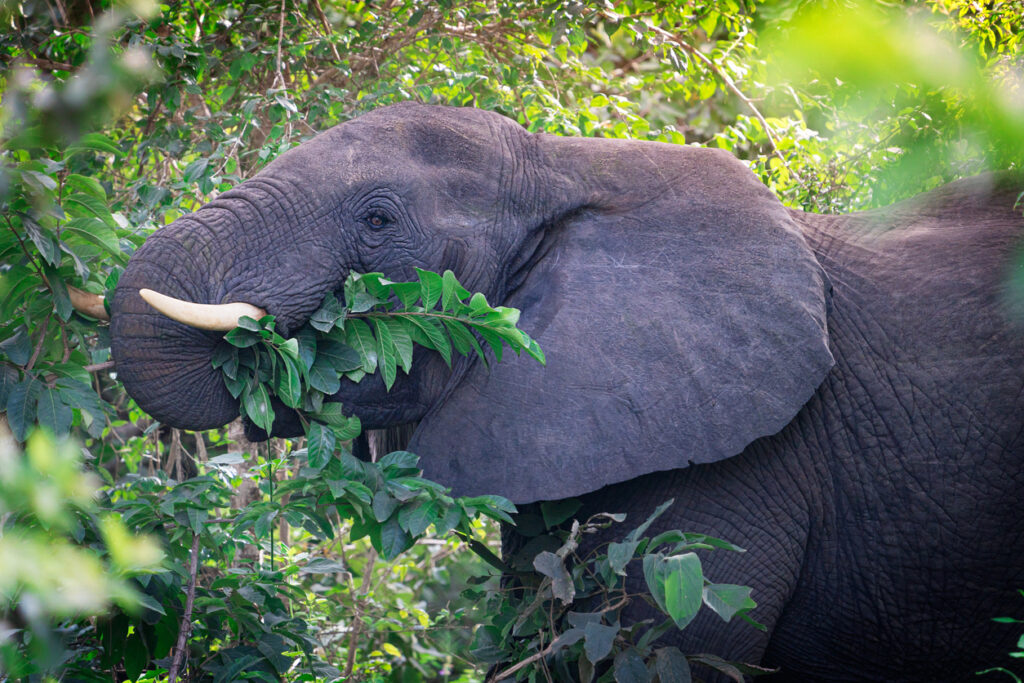
Most people think of elephants trumpeting, but the real power is in their deep rumbling infrasound. These vibrations are too low for human ears but can travel several miles through the ground, and in some cases, are measurable by seismic detectors.
In the right conditions, satellite-mounted sensors that track tectonic vibrations and movements can also detect the disturbances caused by large herds moving and communicating across the savannah. It’s not “sound” in the air, but the footprint is loud enough to show up from above.
6. North Atlantic right whale
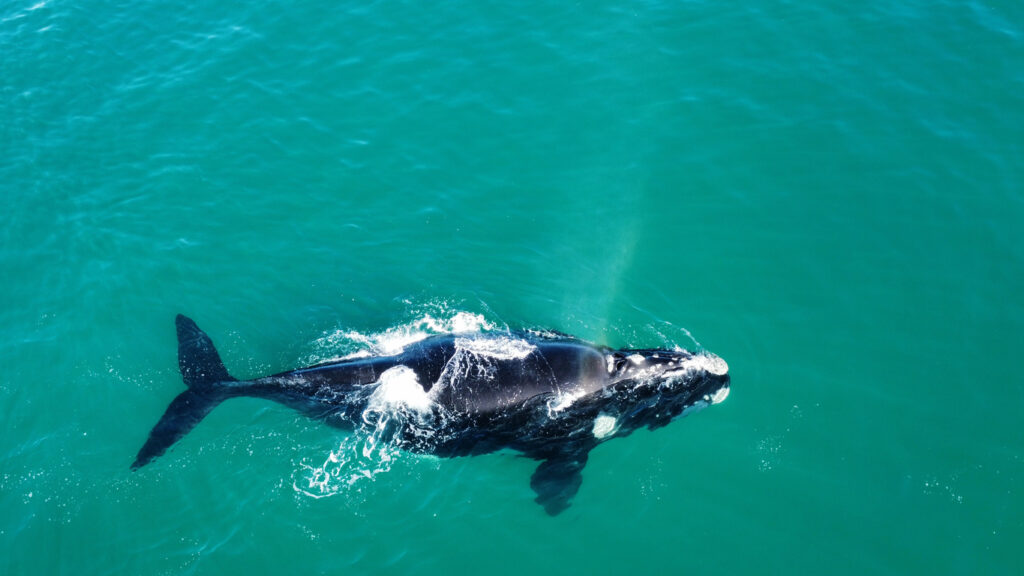
This critically endangered species might not be as famous as the blue whale, but it’s no slouch in the vocal department. Its upcalls and moans can reach around 180 decibels and carry across vast distances underwater. In recent years, their calls have been tracked by satellite-linked buoys and oceanic listening devices, making them one of the few species whose sounds are being indirectly monitored from space for conservation purposes.
7. Lions
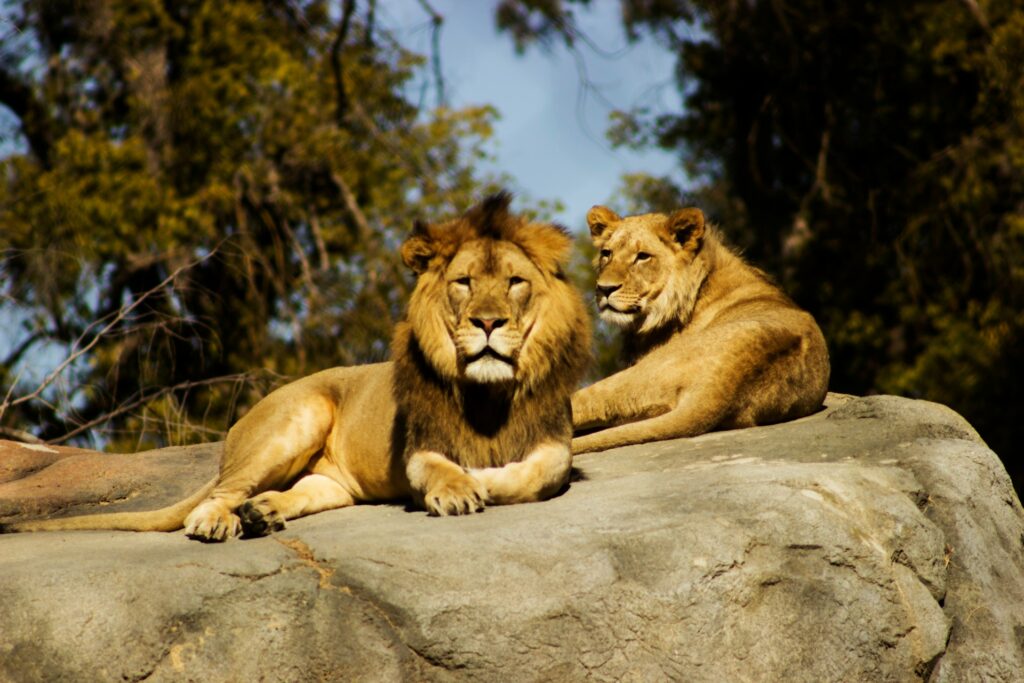
A lion’s roar can be heard from up to 5 miles away, and registers at around 114 decibels. That’s louder than most rock concerts. The deep chesty sound is designed to intimidate rivals and assert dominance across the savannah. While it doesn’t travel into space, some satellites equipped with thermal and sound-mapping tools have picked up the indirect impact of these roars when monitoring animal migrations and land use patterns in Africa’s protected areas.
8. Bats (when amplified)
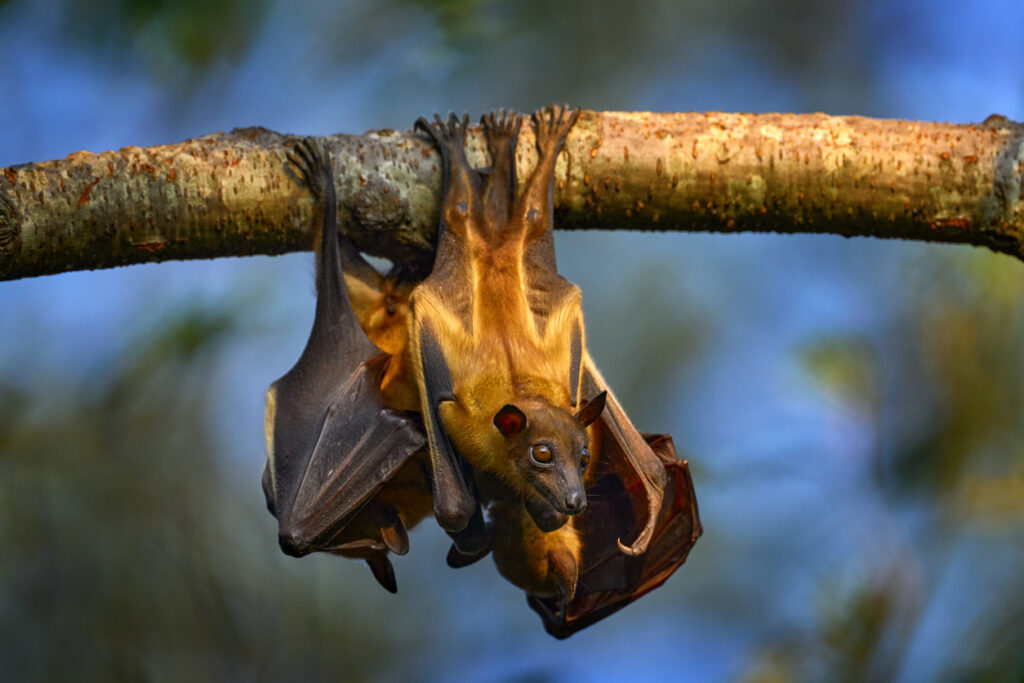
Bats use ultrasonic squeaks to echolocate, which are way above human hearing range. On their own, these high-pitched noises aren’t exactly booming, but when you factor in how often they do it (hundreds of times per second) and how dense the colonies are, it adds up.
Some large bat roosts are so active that the acoustic disturbance they create can interfere with radar and echolocation mapping done from aircraft and satellites. So while you can’t “hear” bats from space, the buzz of a million wings definitely makes a blip.
9. Weddell seals
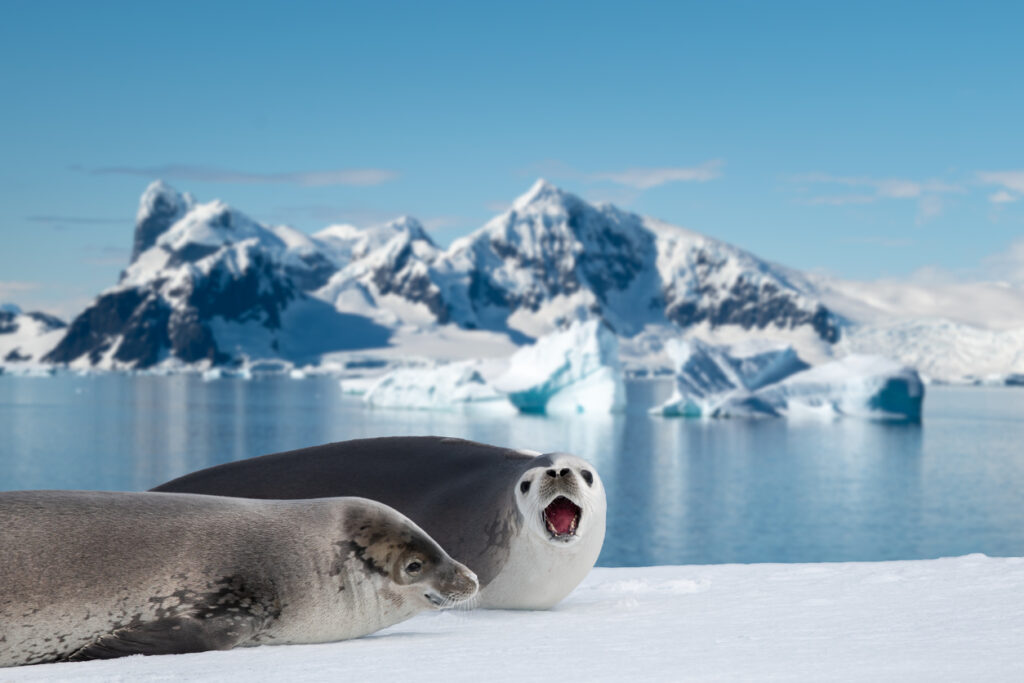
These Antarctic seals are surprisingly vocal underwater, producing sci-fi-like whistles, chirps, and trills that travel well in icy conditions. Their calls are some of the most eerie in the ocean: long, modulated, and almost electronic in tone. In recent years, under-ice hydrophones have captured Weddell seal calls that echoed so clearly and so powerfully that they were included in acoustic datasets used by satellites monitoring Antarctic sea ice. That’s quite the vocal range.
10. Sperm whale
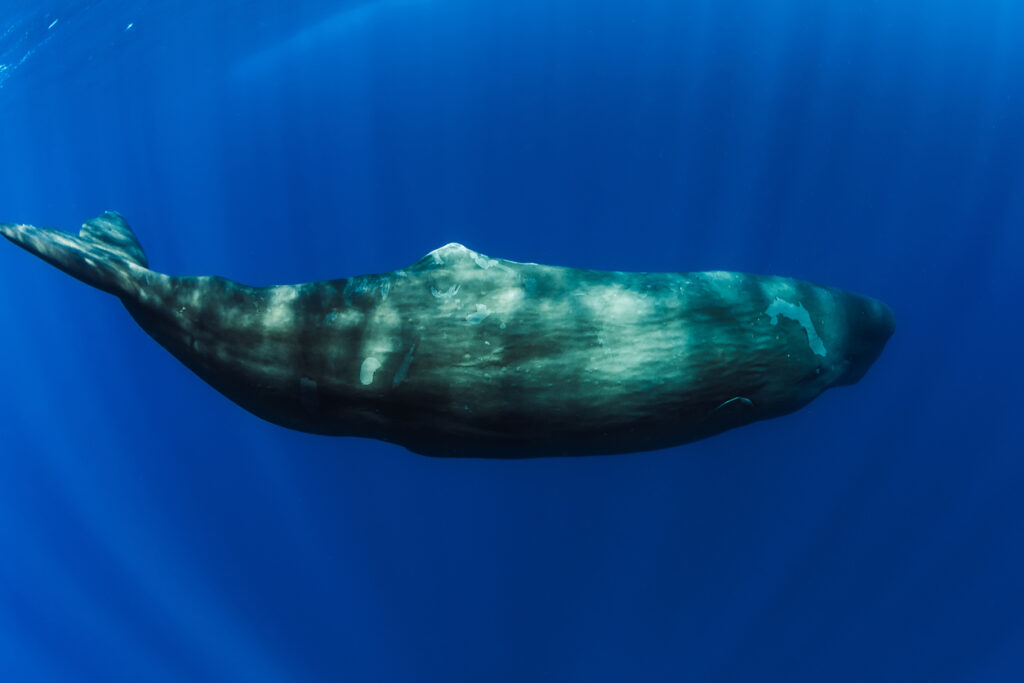
The clicks produced by sperm whales for echolocation are among the loudest sounds any animal makes. They can reach up to 230 decibels, which is powerful enough to cause physical discomfort to divers nearby. These aren’t “noises” in the chatty sense; they’re more like sonar pulses that slam through the water.
Because they dive so deep and communicate across such distances, their sounds are recorded on devices that sync with satellites, making sperm whales one of the few species whose vocal activity directly links to space-based monitoring systems.