There’s something extra special about stumbling across a flower that most people never get to see.
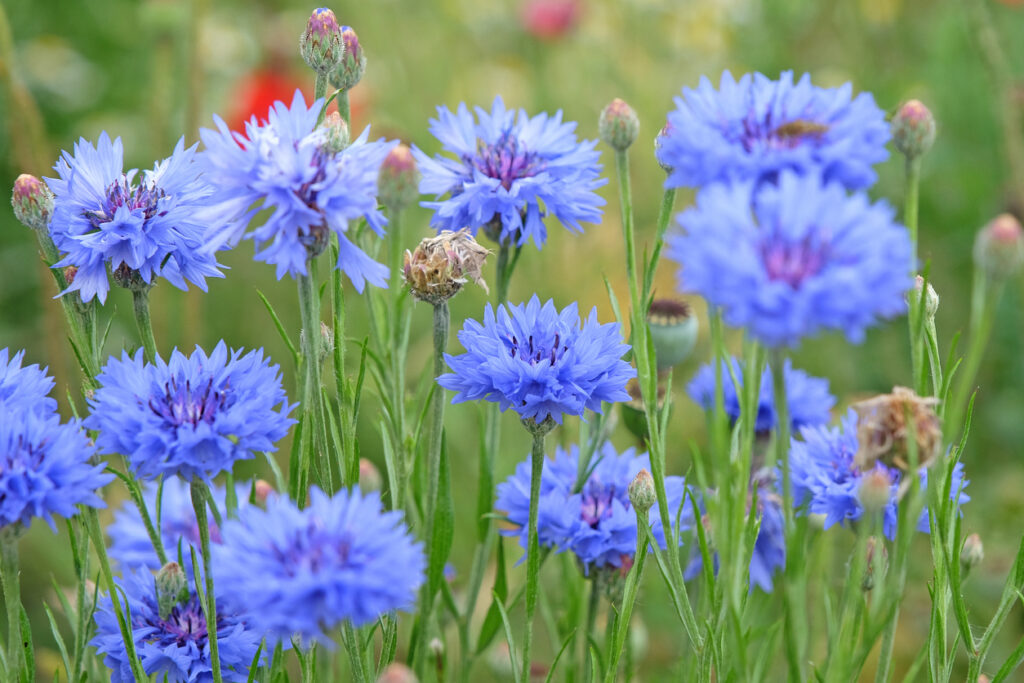
The UK might not be known for tropical blooms, but it does have its fair share of rare, endangered, and downright shy wildflowers, many of which only grow in very specific places or bloom for just a few short weeks. If you’re the kind of person who gets excited by a rare plant sighting, these are the wildflowers worth keeping an eye out for.
1. Ghost orchid
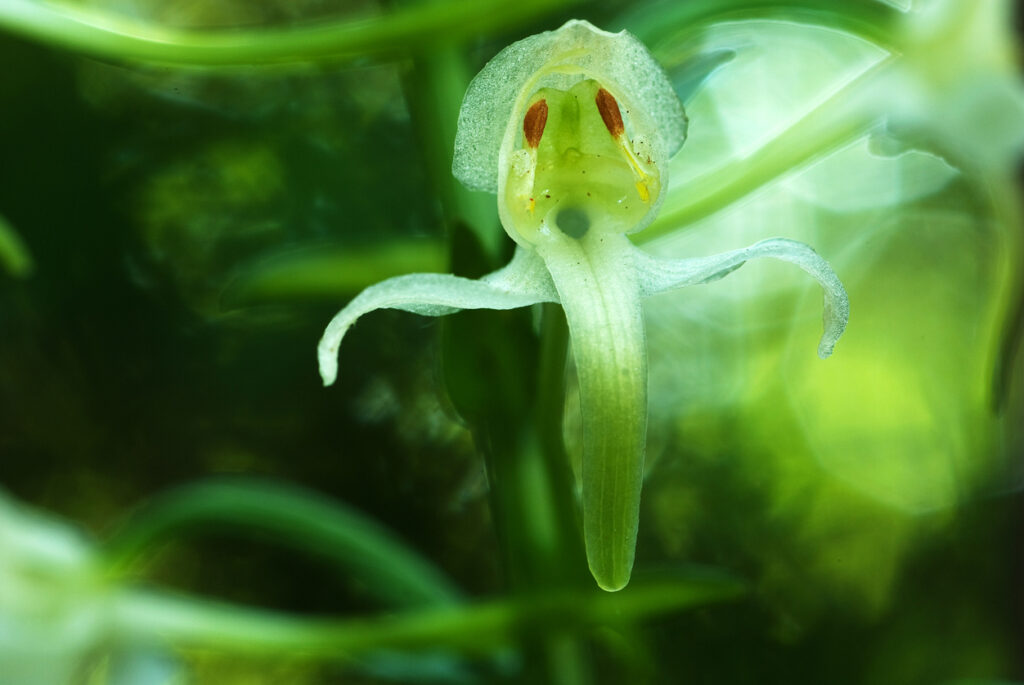
Once thought extinct in the UK, the ghost orchid is so rare it’s only been spotted a handful of times in the last few decades. It doesn’t have leaves, and it doesn’t rely on sunlight. Instead, it lives off fungi underground and only flowers when conditions are just right. Your best (and still very slim) chance of spotting one is in old beech woods in the Chilterns or Herefordshire, usually in late summer or early autumn. But even then, it’s a bit like finding a ghost, hence the name.
2. Lady’s slipper orchid
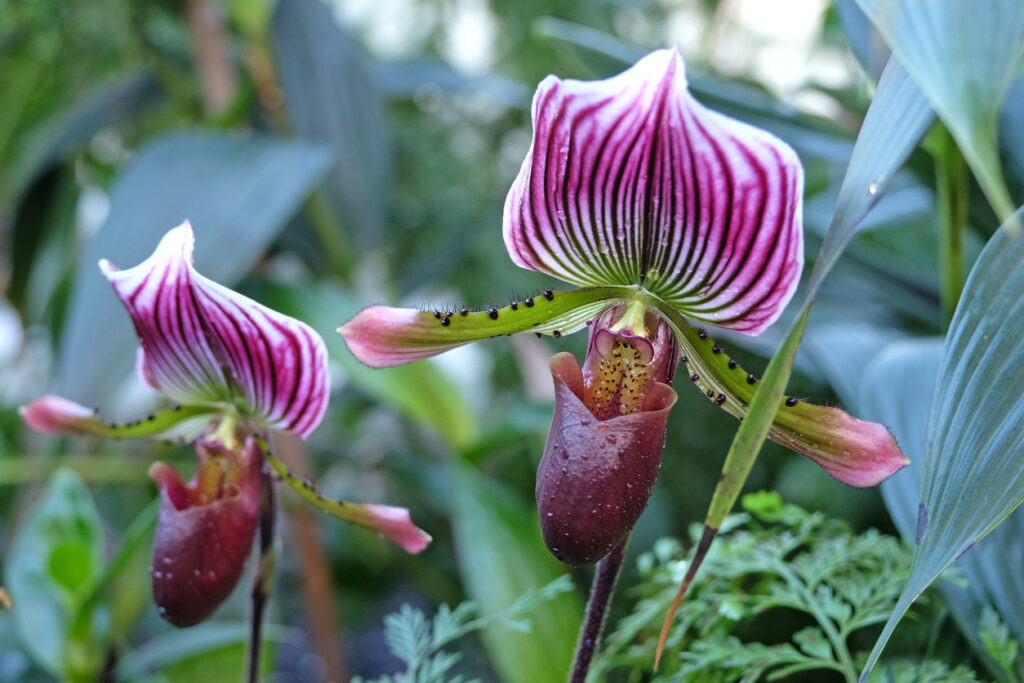
This big, showy flower used to be widespread in the north of England but was driven to the edge of extinction by over-picking and habitat loss. Today, it’s one of the UK’s rarest wildflowers, and under strict protection. Your best shot is a secret site in Yorkshire, carefully guarded by conservation groups. Even then, you’ll only see it in late spring. It’s such a big deal that sightings are sometimes monitored to stop anyone from digging it up.
3. Alpine gentian
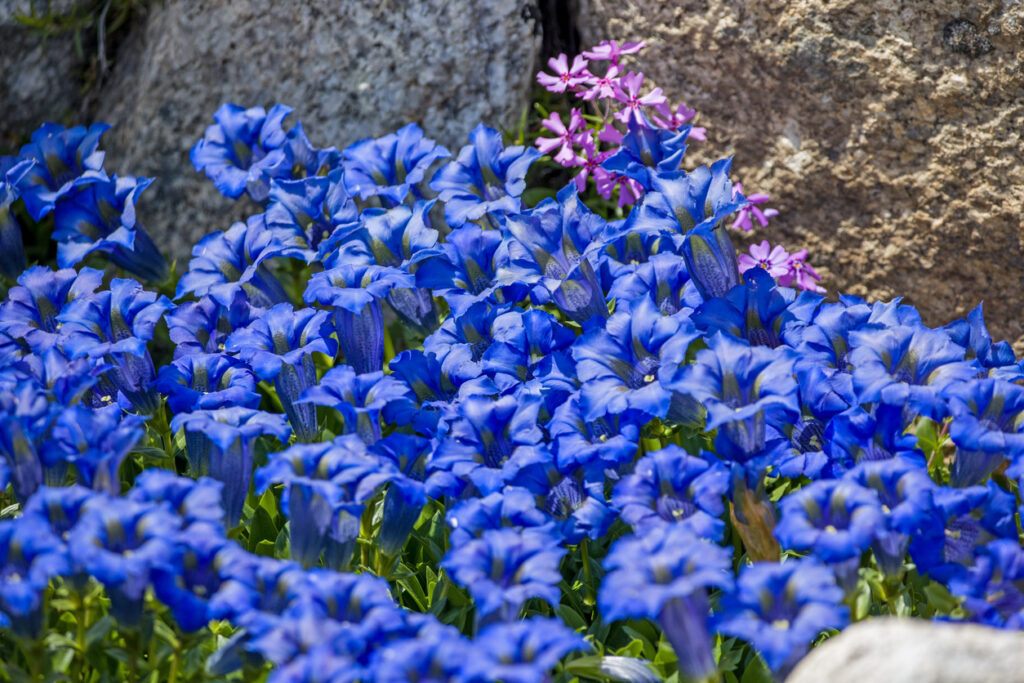
Bright blue and only a few centimetres tall, the alpine gentian is found in just one known UK site, at Cairngorm in the Scottish Highlands. It prefers high-altitude areas and only blooms for a short time in early summer. It’s a blink-and-you’ll-miss-it kind of plant, but its intense blue colour makes it stand out against the rock and grass when you do find it. It’s definitely one for serious plant spotters willing to hike a bit for their reward.
4. Spreading bellflower
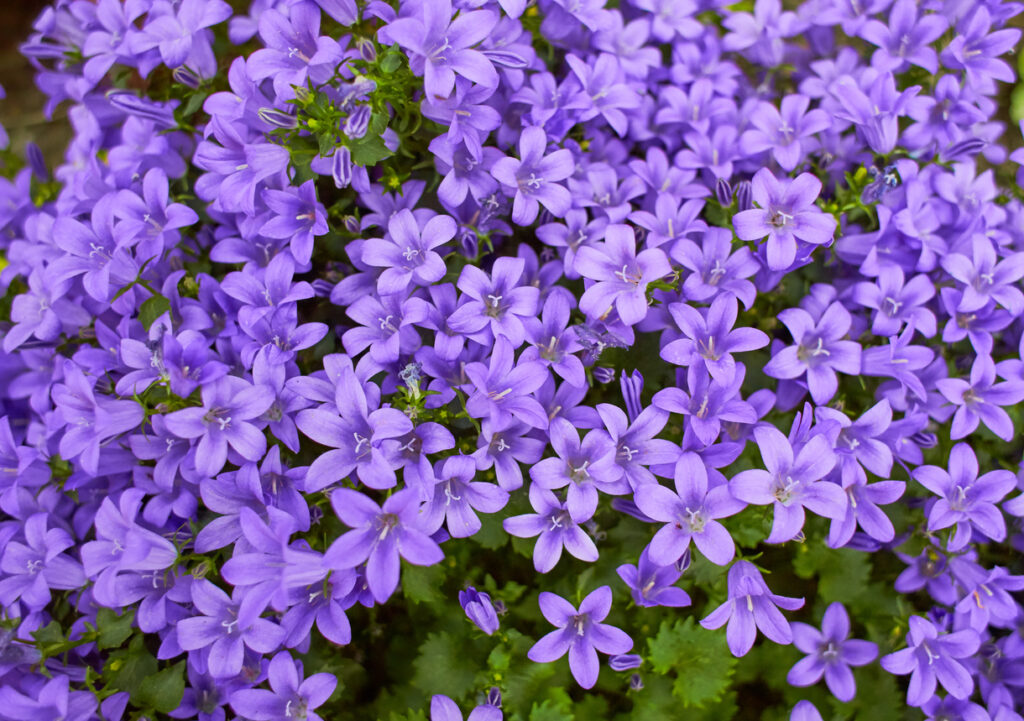
This striking purple flower used to be common in the Welsh borders but has declined rapidly. It grows in hedgerows, woodland edges, and rough ground, but only in a handful of places now, mostly around Herefordshire and Monmouthshire. It’s a late bloomer, usually showing up in August or September. If you’re walking along old sunken lanes or overgrown woodland rides in that part of the UK, keep your eyes peeled.
5. Pasqueflower
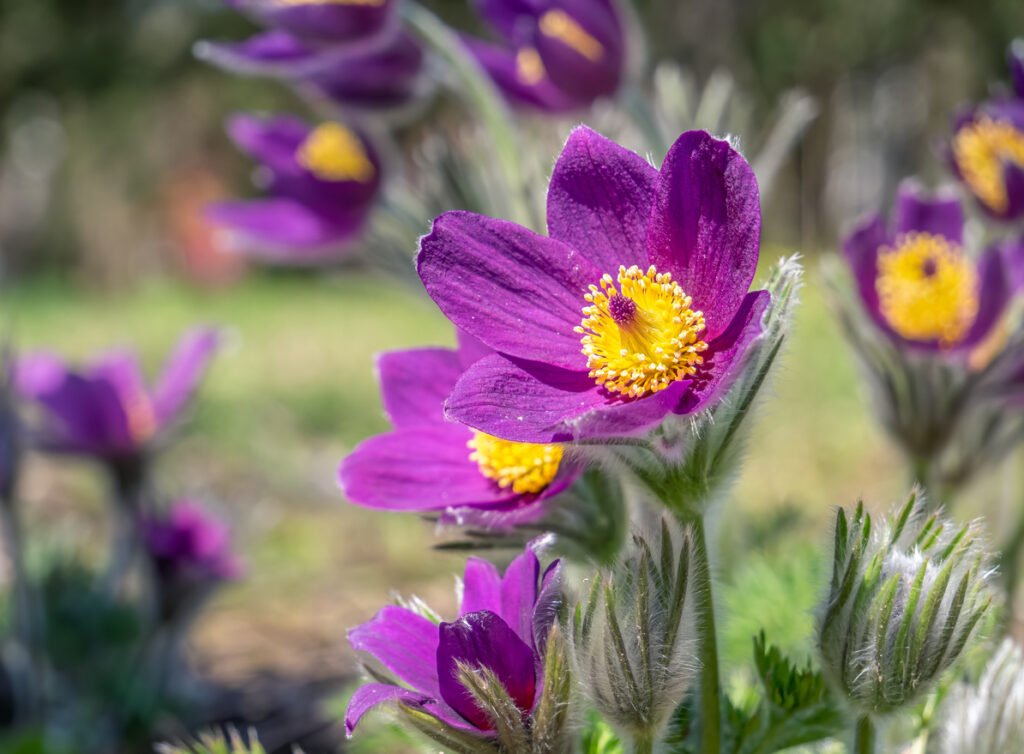
This spring flower is one of the UK’s most iconic wild blooms—but it’s incredibly picky about where it grows. You’ll only find it on south-facing chalk grasslands, and even then, only in a few scattered spots like Cambridgeshire and the Chilterns. It has lovely purple petals and yellow centres, and it tends to bloom around Easter—hence the name. A rare but welcome burst of colour after the long winter.
6. Red helleborine
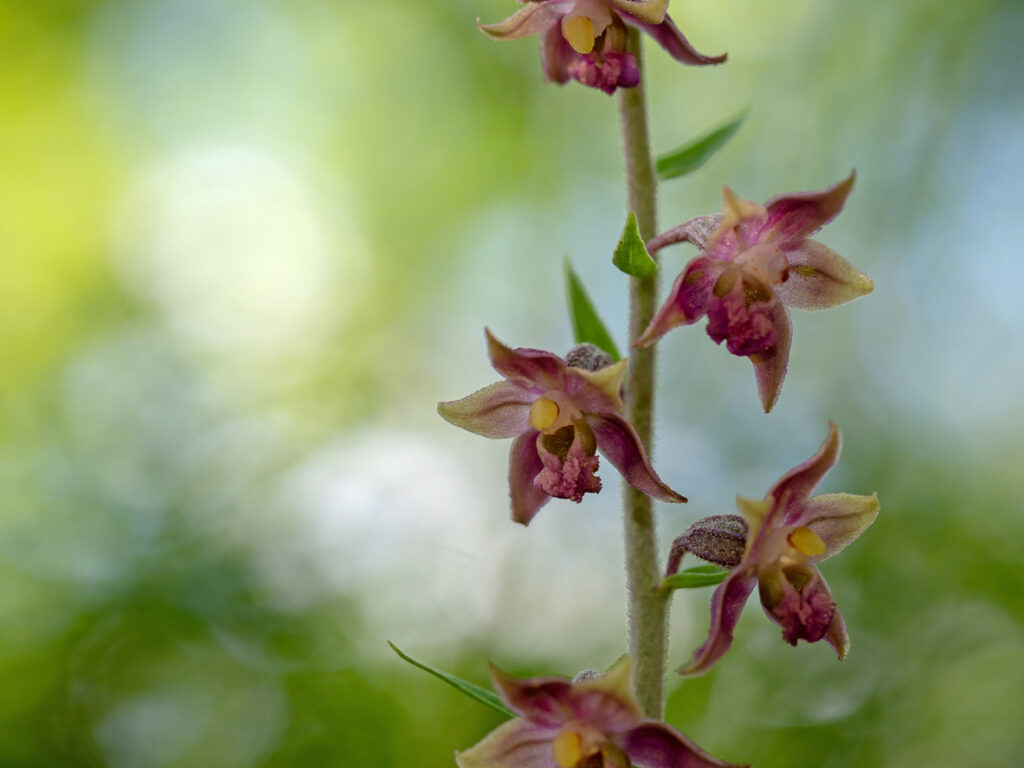
Another elusive orchid, the red helleborine is known from just a couple of sites in southern England. It prefers beech woods with calcareous soils and dappled shade, which is not exactly common habitat these days. The best-known location is in Hampshire, but the plants are closely watched and sometimes fenced off to protect them from accidental trampling. Even when it blooms, the flowers are subtle: dark pink and delicate, and easy to overlook.
7. Twinflower
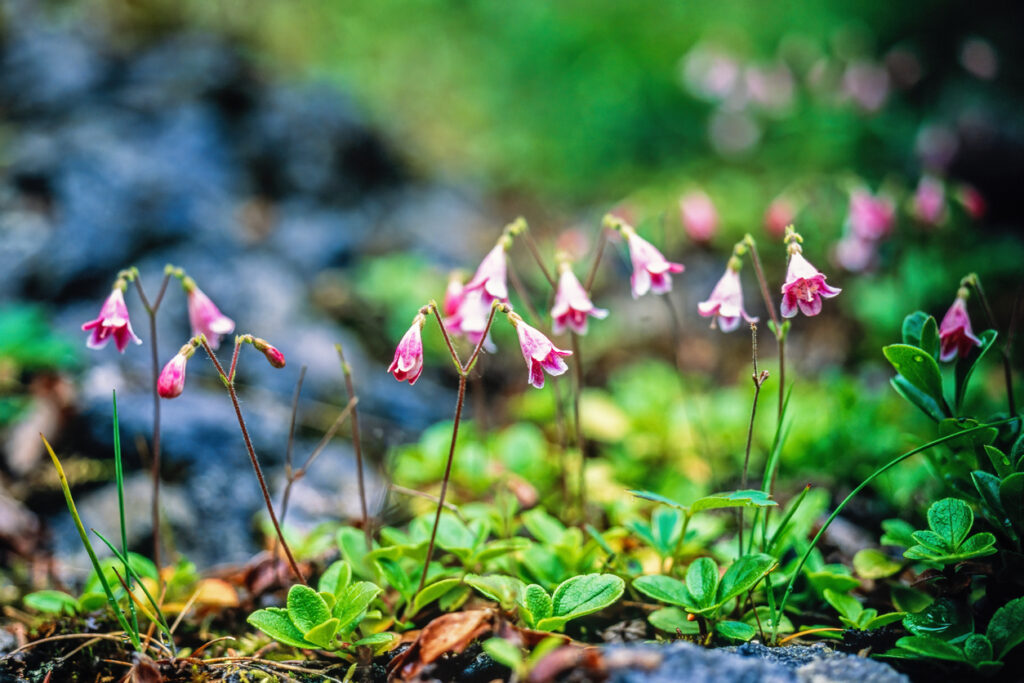
This tiny plant used to be common in Scottish pinewoods but is now limited to just a few fragments of Caledonian forest. Its pink, bell-shaped flowers come in pairs on slender stalks, and it hugs the ground low to the mossy floor. If you’re in the Highlands, especially around places like Glen Affric, you might catch it flowering in June or July. It’s a lovely reminder of what those ancient forests used to be full of.
8. Field cow-wheat
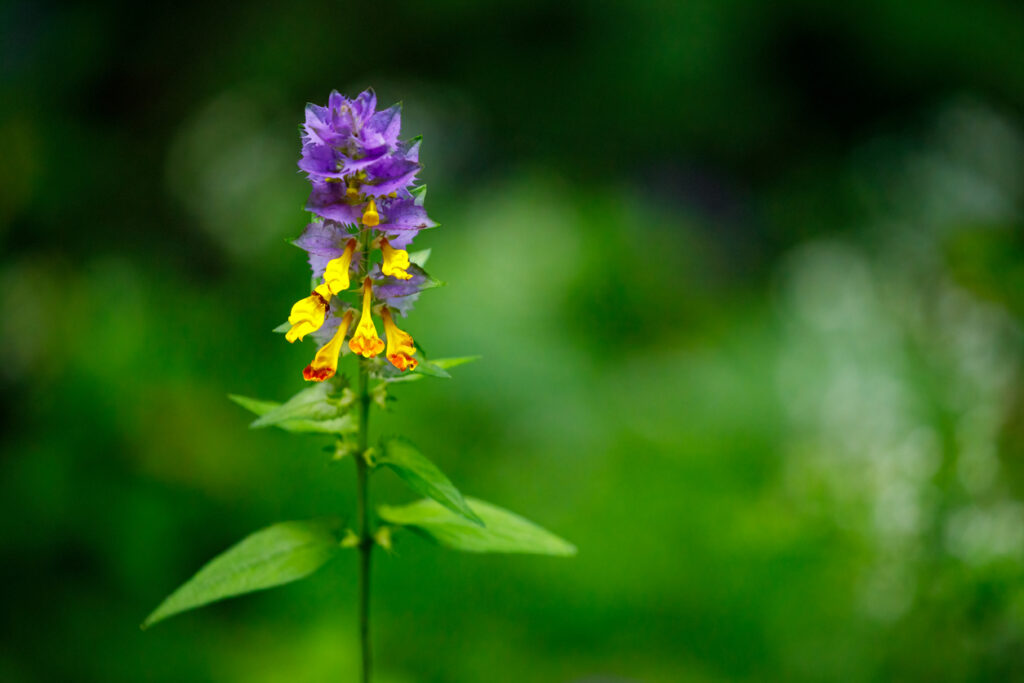
Field cow-wheat isn’t fussy-looking, but it’s very rare. It only grows in a few spots across southern England, especially in coppiced woodlands where the light reaches the ground. It relies on old woodland management practices to thrive. The best time to see it is in late spring, particularly in places like Oxfordshire or Buckinghamshire. It’s one of those species that rewards people who enjoy slow walks and attention to detail.
9. Snowdon lily
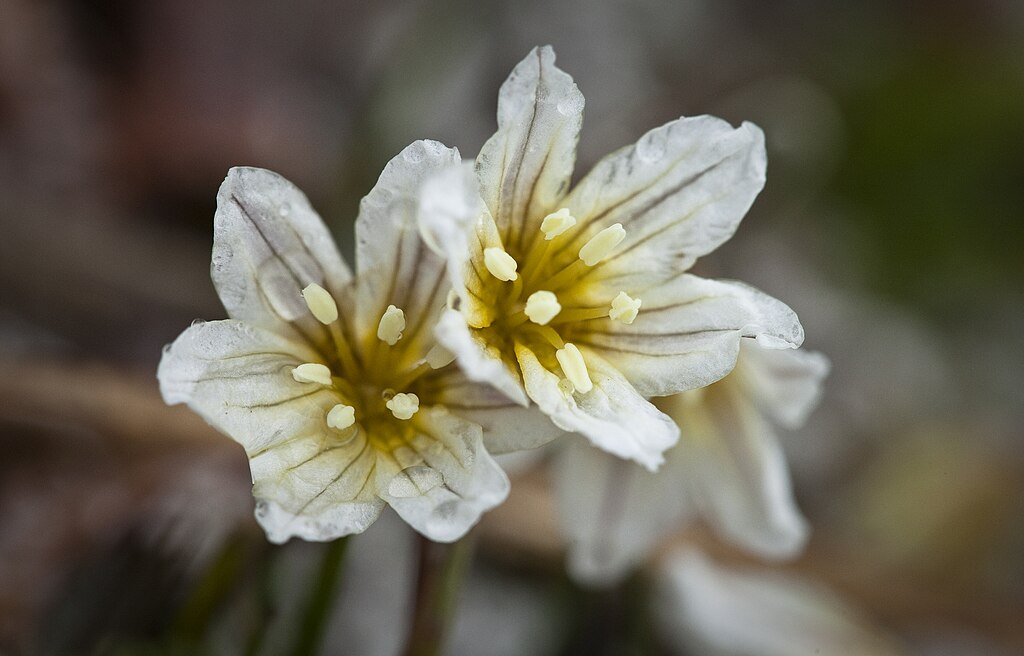
Found only on the rocky slopes of Snowdon and a few nearby peaks, this high-altitude flower clings to life in cracks and crevices. It blooms in June or July and is easily missed unless you know exactly where to look. Its white flowers are surprisingly elegant for such a harsh environment. If you’re climbing in Snowdonia and come across it, count yourself very lucky, as it’s a true survivor of the Ice Age.
10. Autumn lady’s-tresses
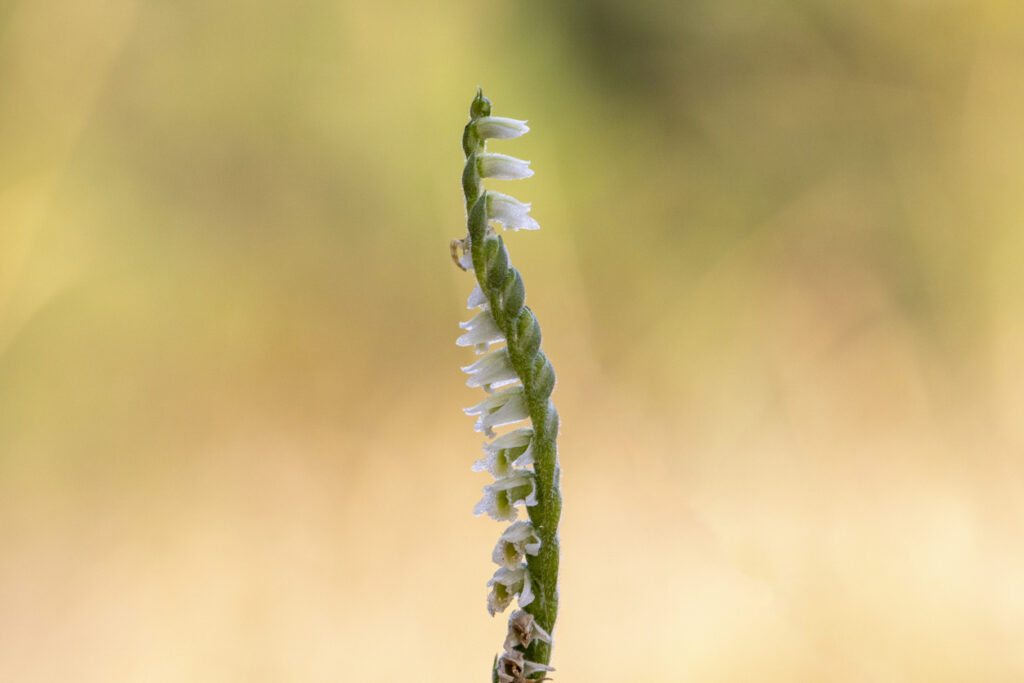
This small orchid spirals tightly around its stem like a mini braid, and it flowers late in the year—sometimes even into October. It grows in dry, grassy places, but only where the turf is short and undisturbed. It’s been spotted in places like Dorset, East Anglia, and parts of Scotland, but it’s never common. The spiral flowers are easy to miss until you’re right on top of them, then suddenly you’ll wonder how you didn’t notice.
11. Green-winged orchid
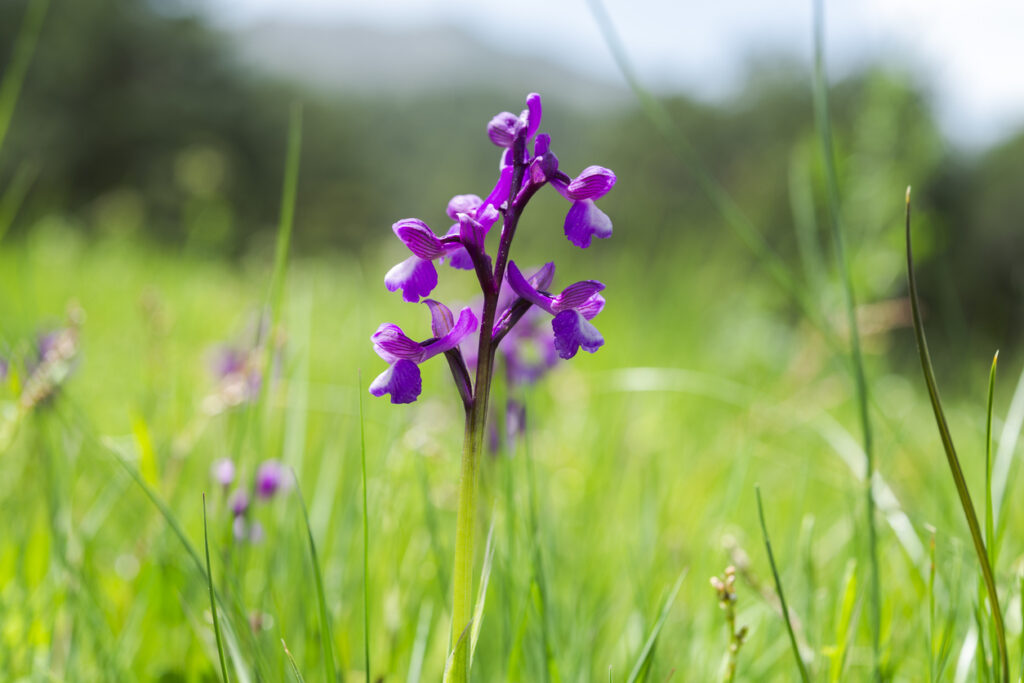
With distinct purple flowers and green veins on the hood, this spring orchid is hard to mistake once you know it. However, it only grows in unimproved meadows, and those are disappearing fast. You might spot it in May in places like Oxfordshire, Suffolk, or Somerset, especially in nature reserves with traditional hay meadows. It’s a good sign of an ancient, healthy grassland.
12. Small-flowered catchfly
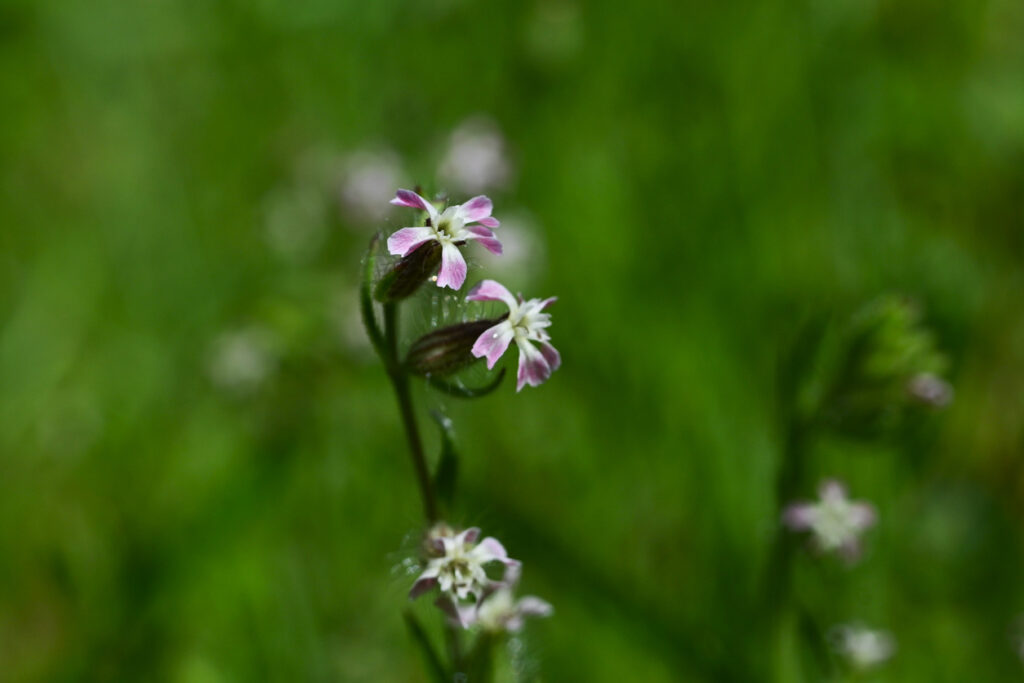
This unassuming little plant was once widespread in arable fields but has all but vanished due to modern farming. It survives now in just a few locations in southern England, often in field margins or sandy soils. It has tiny pink flowers and sticky stems, and you’ll need good timing and sharp eyes to spot it. Conservation groups are working to reintroduce it in some places, so it may become easier to find in the future.
13. Early spider orchid
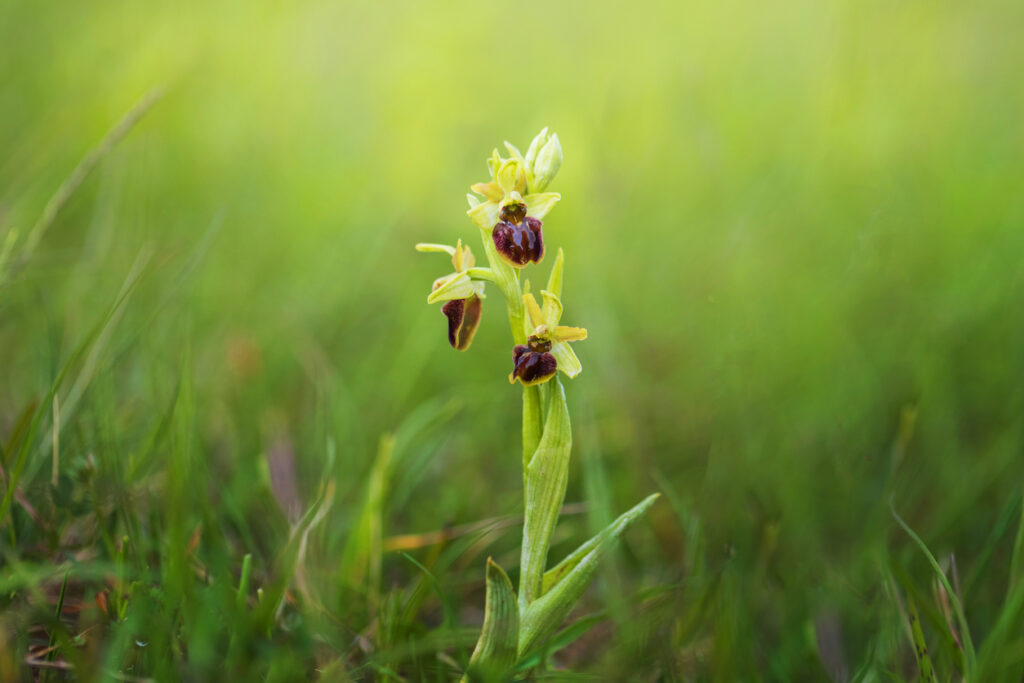
This orchid mimics the shape and colour of a spider to attract pollinators. It’s one of the first orchids to bloom in the UK, usually in April, and it grows only on short, chalky grasslands in southern England. Dorset is your best bet, especially around Purbeck. The flowers are weird and beautiful; once you see one, it’ll stick with you. However, blink and they’re gone again for another year.
14. Cornflower (in the wild)
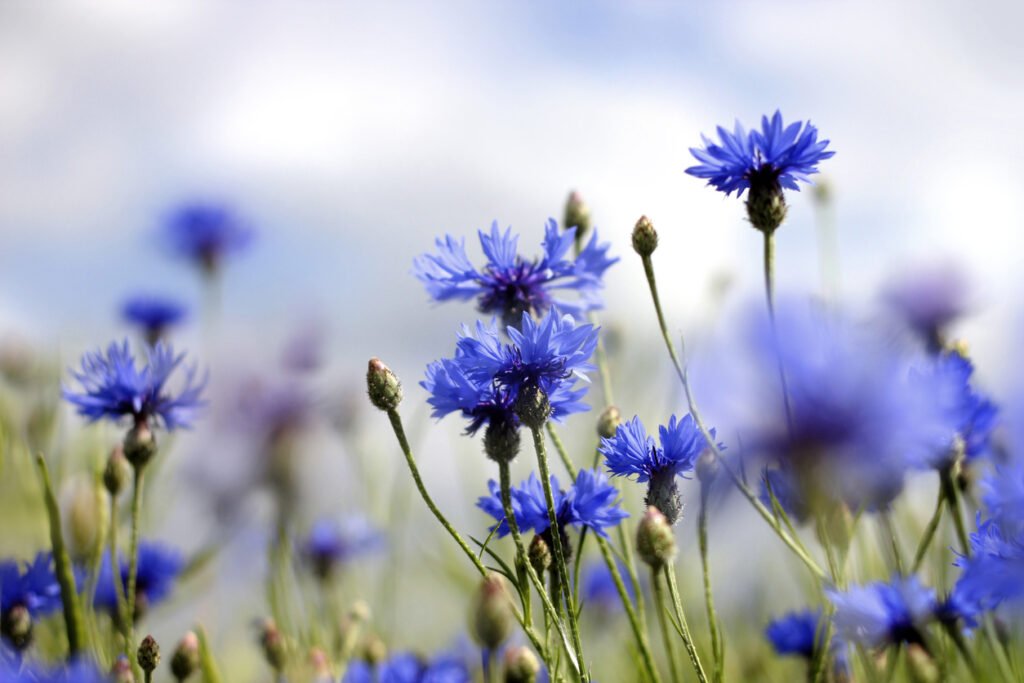
You might see cornflowers in wildflower mixes or garden beds, but spotting a truly wild one in the UK is rare. It used to be a common sight in cornfields, hence the name, but vanished with intensive agriculture. They still pop up now and then in conservation-managed farmland, particularly in East Anglia. If you find one growing wild among actual crops, you’ve hit the botanical jackpot.