Throughout the UK, certain animals that were once a familiar sight have all but disappeared from parts of the country.
Their absence often goes unnoticed until someone realises they haven’t seen a particular bird, mammal, or insect in years. Habitat loss, pollution, and changes in farming have all played a part in pushing some species out of the places they used to thrive.
These local disappearances tell an important story about how fragile ecosystems can be. When one species vanishes from an area, it often affects many others connected to it. Looking at which animals have disappeared from certain counties gives a snapshot of how our landscapes, and the wildlife that depends on them, are changing.
1. Red squirrels
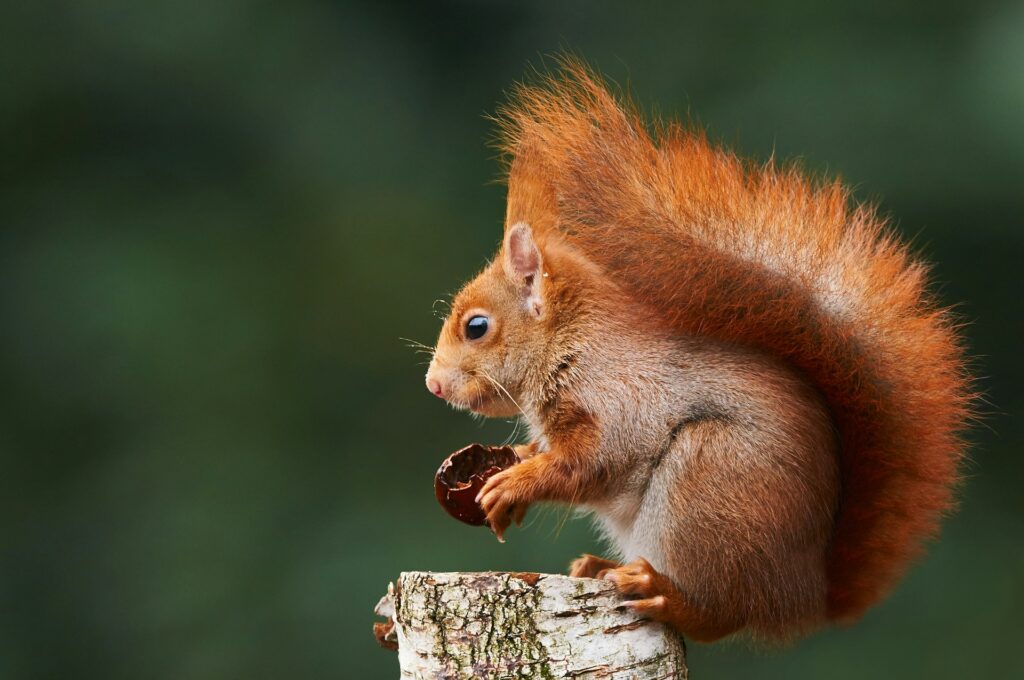
Once a familiar sight across much of Britain, red squirrels have now vanished from many counties in southern England and Wales. Their decline began when grey squirrels were introduced from North America and began outcompeting them for food and spreading squirrelpox.
In some areas like Kent, Surrey, and Devon, they’re long gone. Small strongholds still exist in Cumbria, Northumberland, and on the Isle of Wight, where conservation work keeps their numbers stable. Losing them from so many counties has changed the character of many native woodlands.
2. Black grouse

Black grouse were once widespread across Britain’s uplands, known for their dramatic mating dances in open moorland. Now, they’ve disappeared from many southern counties like Wiltshire, Kent, and Somerset, surviving mainly in parts of northern England and Scotland.
Their decline comes from habitat loss, overgrazing, and increased disturbance from humans. Reintroduction projects are slowly bringing them back to areas like the North York Moors, but many counties have permanently lost this striking bird from their landscapes.
3. Scottish wildcats
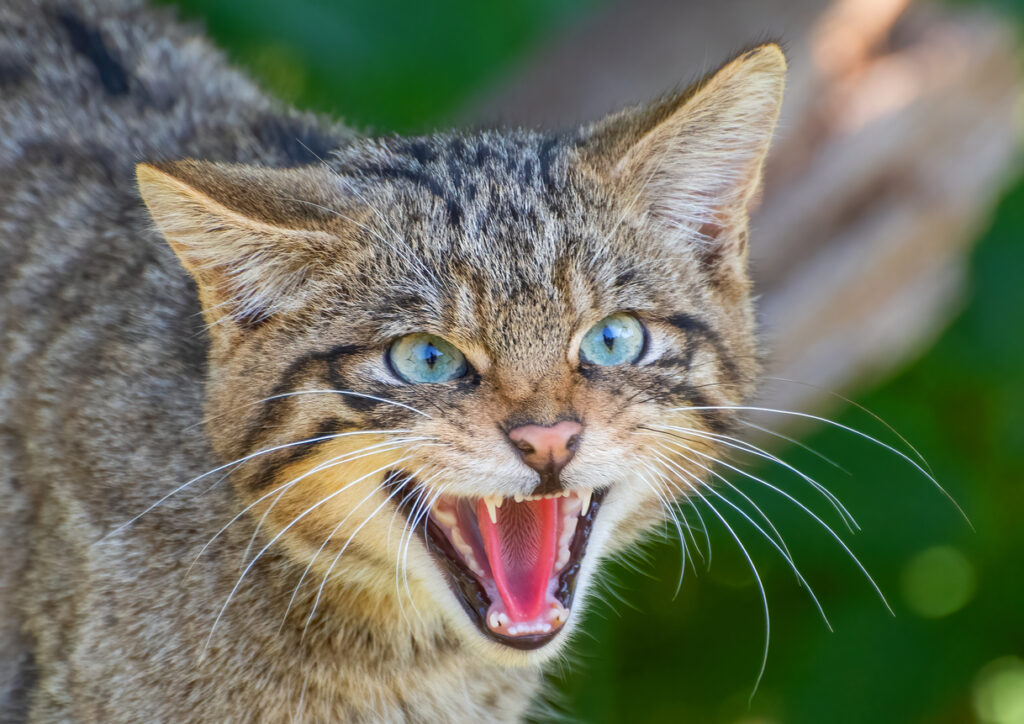
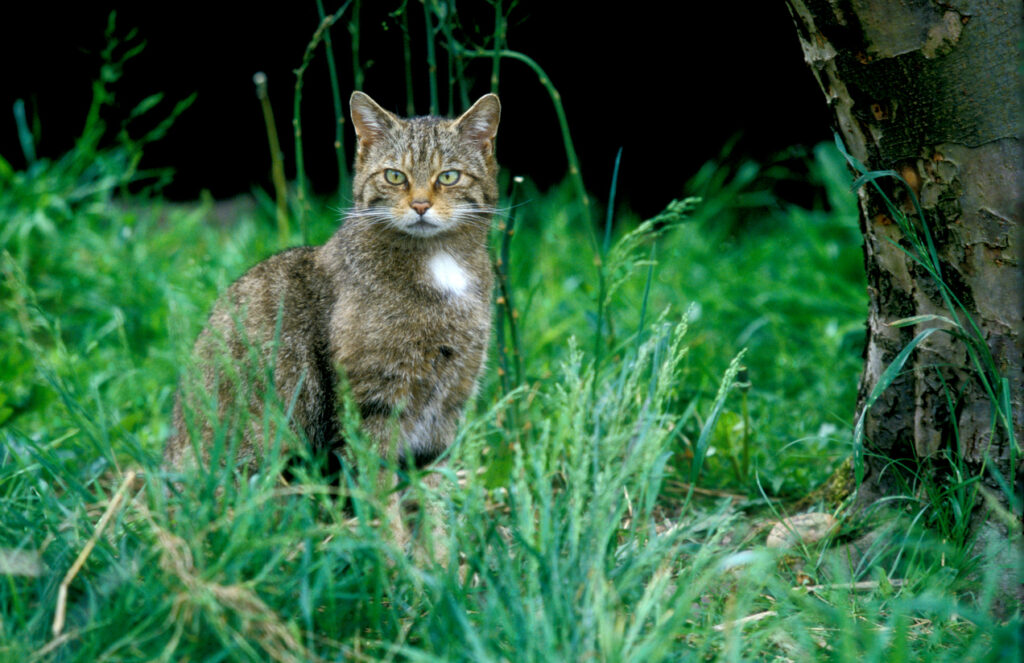
Wildcats were once found throughout Britain, including Wales and northern England. Today, they’ve vanished from every county except the far north of Scotland, where small populations cling on in remote forests.
Centuries of persecution, loss of habitat, and crossbreeding with domestic cats have pushed them to the edge. For most British counties, the wildcat’s disappearance marks the loss of one of the last true native predators.
4. Large copper butterflies
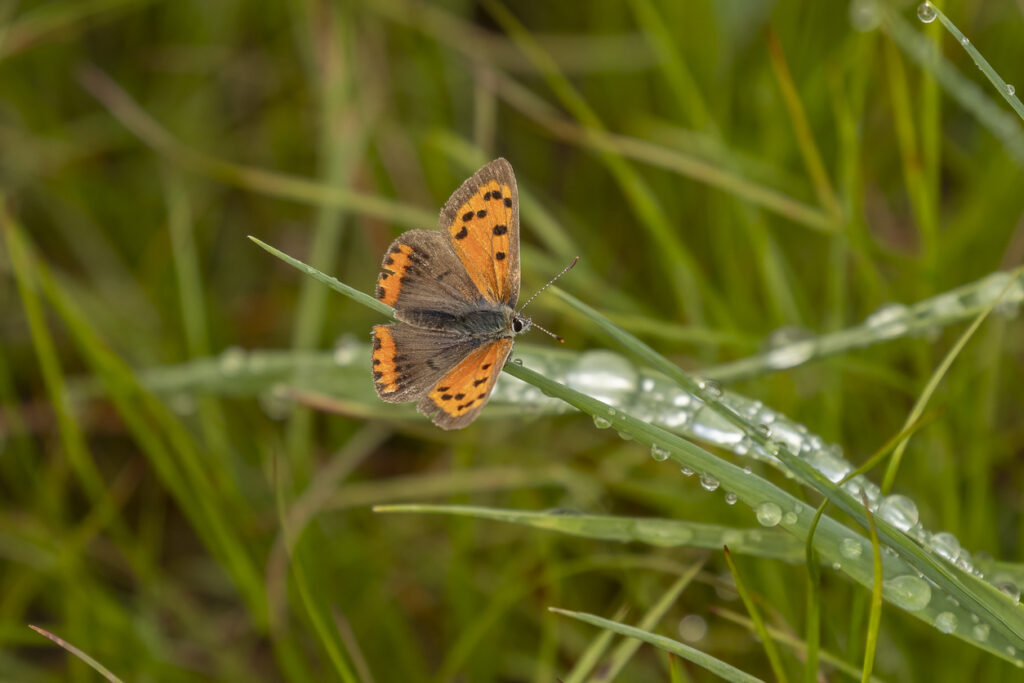
These vivid orange butterflies were once found in wetland counties such as Cambridgeshire and Lincolnshire, where fens provided the perfect habitat. But the draining of those wetlands in the 1800s wiped them out completely.
The large copper became one of Britain’s first recorded butterfly extinctions. While conservationists have tried to reintroduce them, they’ve never truly returned to the counties where they once fluttered freely over the fens.
5. Beavers

Beavers were once common across British rivers and wetlands, shaping waterways in counties from Kent to Yorkshire. By the 16th century, hunting for fur and castoreum had wiped them out completely from the whole of Britain.
Reintroduction programmes in Devon, Scotland, and parts of Wales have brought them back to some areas, but in most English counties, they remain absent. Their loss shows how much Britain’s rivers changed without these natural engineers.
6. Corncrakes

Known for their distinctive rasping call, corncrakes once filled meadows and farmlands across England. They’re now missing from almost all southern and central counties, surviving mainly in parts of the Scottish islands and western coasts.
Modern farming and earlier hay cutting destroyed their nesting sites, driving them away. Hearing a corncrake in counties like Oxfordshire or Norfolk was once normal; now it’s impossible, a reminder of how farmland wildlife has changed.
7. Water voles
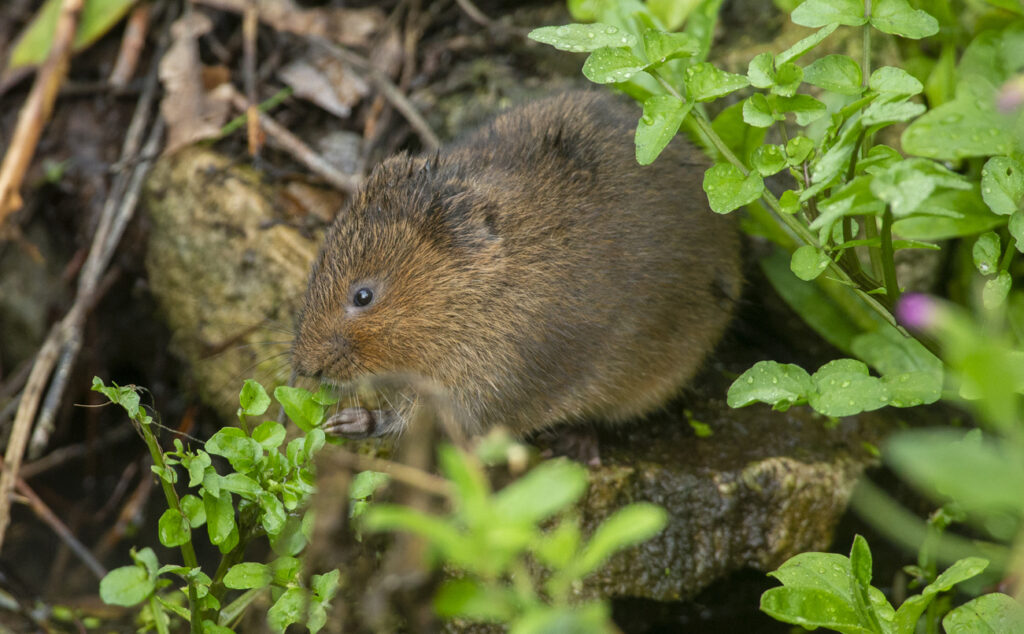
These small, gentle mammals once lived along rivers in almost every British county. Intensive agriculture, habitat loss, and the arrival of the American mink have driven them out of many areas entirely, especially in the southeast.
Conservation groups have successfully reintroduced them to some restored rivers in Yorkshire and Kent, but large parts of southern England remain without them. Where they’ve vanished, banksides are quieter and far less alive.
8. Capercaillies
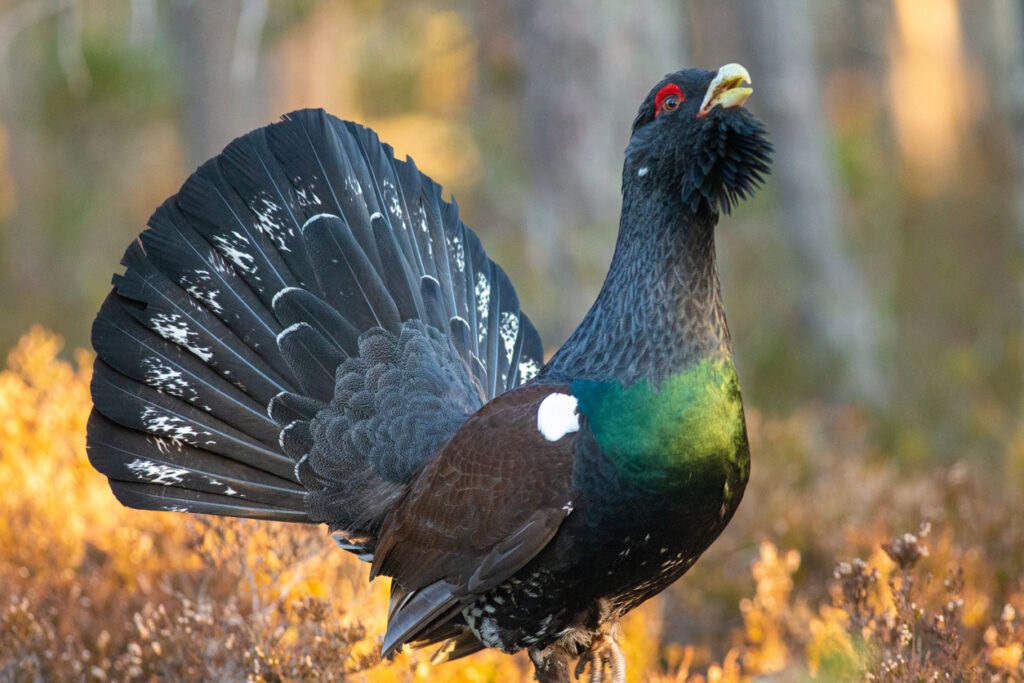
These large woodland grouse disappeared from Britain once before in the 1700s, then were reintroduced to Scotland. But even within Scotland, they’ve been lost from many counties due to habitat loss and low breeding success.
Capercaillies now survive only in the Cairngorms and nearby areas. Counties like Perthshire and Argyll, where they once boomed in spring, have seen them vanish again, showing how fragile reintroduction efforts can be.
9. Natterjack toads
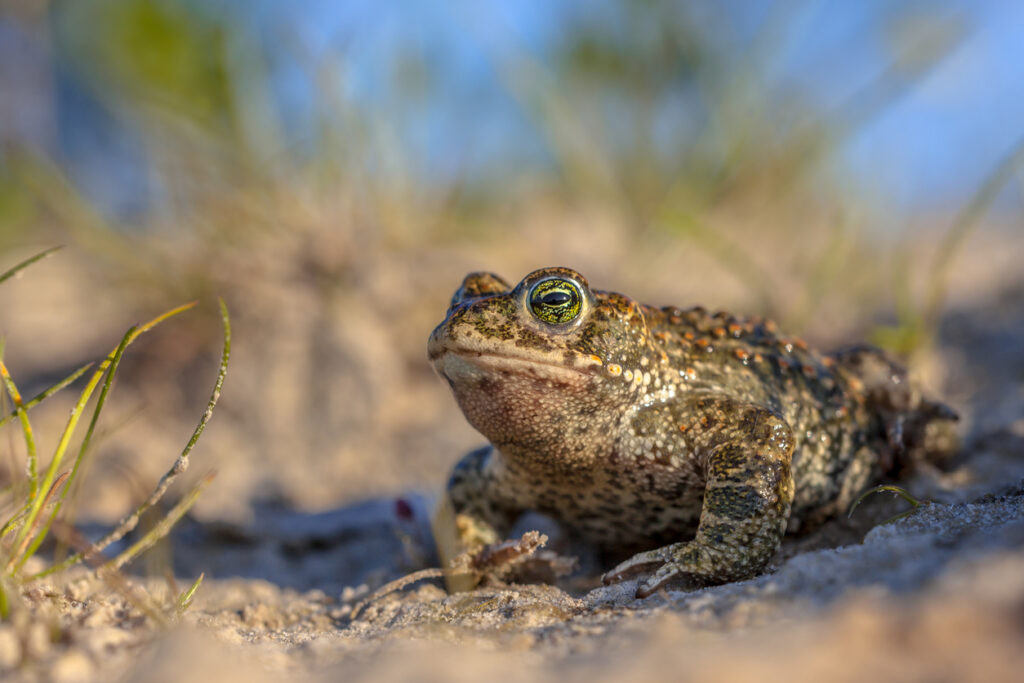
Famous for their loud calls, natterjack toads once lived in sandy coastal counties around Britain. Over the years, they’ve disappeared from most inland and eastern counties due to habitat destruction and pollution.
They now survive mainly in coastal parts of Cumbria, Norfolk, and the south coast. Counties that lost them entirely often saw their dunes and heathlands disappear soon after, showing how deeply linked this species is to healthy coastal ecosystems.
10. White-tailed eagles

Once known as “sea eagles,” these huge birds were wiped out from all British counties by the early 1900s through hunting and loss of nesting grounds. They were reintroduced to Scotland and later to parts of southern England.
Even with reintroduction, they’re still absent from most counties where they once soared. For places like Dorset, Cornwall, and Cumbria, seeing them return has been symbolic of how nature can heal, but for others, they remain only a memory.
11. Wild boar

Wild boar were native across Britain but vanished from all counties around 700 years ago after being hunted to extinction. They’ve made a comeback in small areas like the Forest of Dean, but for most of the country, they’re still absent.
Counties that once teemed with wild boar like Norfolk, Kent, and Sussex now only see them in fenced reserves. Their disappearance changed woodland ecosystems that relied on their rooting and soil disturbance to stay balanced.
12. Grey partridges

Grey partridges were once one of Britain’s most common farmland birds, but in counties like Hampshire, Berkshire, and Essex, they’ve almost completely vanished. Modern pesticides and habitat loss have cut their populations dramatically.
In some northern and eastern counties, small populations hang on thanks to conservation farming. But where they’ve disappeared, open fields now fall silent in summer, another quiet sign of how farmland has changed.
13. Atlantic salmon

Atlantic salmon once ran up rivers in nearly every British county with a coastline. Pollution, dams, and warming waters have wiped them from many southern rivers, including those in Kent, Sussex, and parts of Cornwall.
Conservation efforts in Scotland and Wales have seen better results, but salmon are still missing from several English counties where they once symbolised clean, thriving rivers. Their absence tells the story of how human activity reshaped our waterways.