
Thousands of satellites circle Earth at any moment, helping with communication, navigation, weather forecasts, and scientific research. Eventually, every satellite reaches the end of its working life. When that happens, engineers must decide what to do with it so it does not become a dangerous piece of space junk. One unusual solution is something known as the graveyard orbit.
A graveyard orbit is a parking place for retired satellites.
A graveyard orbit is a region of space where old satellites are moved once they stop working. Instead of leaving them in the same busy areas where active satellites operate, engineers push them into a higher orbit where they are far less likely to collide with anything important.
This approach helps reduce the risk of space debris damaging working spacecraft. Since satellites travel around Earth at enormous speeds, even a small collision can create dangerous fragments. Moving old satellites out of the way keeps the crowded orbital highways safer.
It sits slightly above the most crowded satellite zone.
Most graveyard orbits are located just above the geostationary orbit, which is about 36,000 kilometres above Earth. Geostationary satellites stay fixed over one point on the planet, making them extremely valuable for television, weather monitoring, and communication networks.
Because this orbital band is so important, space agencies try to keep it as clear as possible. When satellites in this region reach the end of their mission, they are boosted a few hundred kilometres higher into the graveyard orbit so they no longer occupy that critical space.
Satellites need a final burst of fuel to reach it.
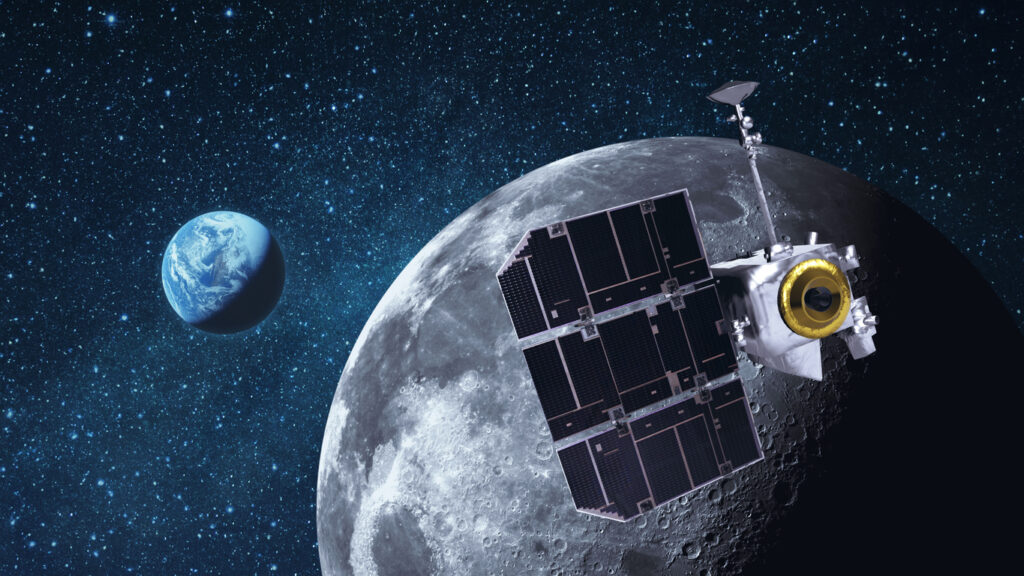
Moving a satellite into a graveyard orbit isn’t automatic. Engineers must plan the manoeuvre carefully while the spacecraft still has enough fuel left in its tanks. Near the end of its life, the satellite’s engines are fired one final time to push it into the higher orbit.
If the satellite runs out of fuel before this manoeuvre happens, it could remain stuck in the busy operational orbit. That is why mission planners always keep a small reserve of fuel specifically for this last relocation.
The goal is to avoid a chain reaction of debris.
Space collisions can cause serious long-term problems. When two satellites smash into each other, they can shatter into thousands of fragments. Each fragment then becomes a high-speed projectile that can hit other spacecraft.
This situation is sometimes called the Kessler effect. If debris keeps colliding with more satellites, it can create a dangerous chain reaction. Graveyard orbits help reduce the number of abandoned objects in crowded orbital paths, lowering the chances of that scenario.
Some satellites are deliberately shut down before the move.
Before a satellite is sent to its final orbit, engineers often deactivate many of its systems. Batteries are discharged, fuel lines are sealed, and transmitters are switched off to prevent any unexpected behaviour later on.
This step is important because abandoned satellites can sometimes explode if leftover fuel or battery chemicals react. By carefully shutting down these systems, space agencies reduce the risk of the satellite breaking apart and creating debris.
Graveyard orbit satellites stay there for centuries.
Unlike objects in lower orbit that eventually fall back to Earth, satellites placed in graveyard orbit can remain there for extremely long periods. The gravitational forces at that height are stable enough that the spacecraft will continue circling the planet for hundreds or even thousands of years.
Because the region is far less crowded than the working satellite lanes, the chances of collisions remain relatively low. In effect, the graveyard orbit becomes a long-term storage zone for human technology that has finished its job.
Not all satellites go to graveyard orbit.

Satellites that operate closer to Earth are usually handled differently. Many low-Earth orbit satellites are designed to re-enter the atmosphere once their mission ends. As they fall back toward the planet, friction with the atmosphere causes them to burn up.
This method works because the atmosphere still exists at those lower altitudes. At the height of geostationary orbit, however, there is essentially no atmospheric drag to pull satellites down, which is why the graveyard orbit method is used instead.
Some spacecraft are designed with this final step in mind.
Modern satellites are often built with end-of-life planning included from the start. Engineers calculate how much fuel must remain available for the final boost into the graveyard orbit. They also design control systems that allow the spacecraft to perform this manoeuvre reliably.
International space guidelines now encourage satellite operators to follow these practices. Responsible disposal has become a key part of modern space missions because orbital space is becoming increasingly crowded.
Even the graveyard orbit is slowly filling up.

As the number of satellites launched each year increases, the population of the graveyard orbit is growing too. Hundreds of retired satellites already rest there, forming a distant belt of silent machines orbiting the planet.
While this area is still far less crowded than active satellite lanes, space experts are beginning to think about future solutions. Ideas such as satellite recycling, repair missions, or controlled de-orbiting could eventually reduce the number of spacecraft left drifting in orbit.
It’s a strange kind of museum in space.
In a way, graveyard orbit acts like a museum of past technology. Satellites built decades apart from different countries now share this distant orbital region. Each one represents a chapter in humanity’s exploration and use of space.
Though silent and inactive, these machines once helped people communicate, navigate, and understand the planet. Their final resting place high above Earth reflects both the progress of technology and the growing responsibility of managing the space environment carefully.