We tend to give insects a bit of a free pass if they’re easy on the eye. If it’s got brightly coloured wings or a symmetrical pattern, we’re happy to let it flutter around the garden without a second thought.

But if you actually spend five minutes watching what these attractive bugs are up to, you’ll realise that many of them are living through a horror film. Just because an insect looks like it belongs on a greeting card doesn’t mean it isn’t capable of some truly stomach-turning behaviour. From cannibalism to a weird obsession with rotting flesh, the supermodels of the bug world have some habits that are a lot darker than their vibrant colours suggest.
1. Some butterflies drink blood and tears.

Butterflies are usually linked with flowers and nectar, but many species regularly seek out very different sources of nutrition. In tropical regions, certain butterflies land on animals and drink tears, sweat, or even blood from small wounds. They are not trying to harm the animal, but they are searching for salts and minerals that nectar does not provide. This behaviour, known as mud-puddling or fluid feeding, helps butterflies gain nutrients needed for reproduction. It can look unsettling to see a bright, delicate butterfly feeding from something so unpleasant, yet it is a normal part of their survival strategy.
2. Orchid mantises lure prey by pretending to be flowers.
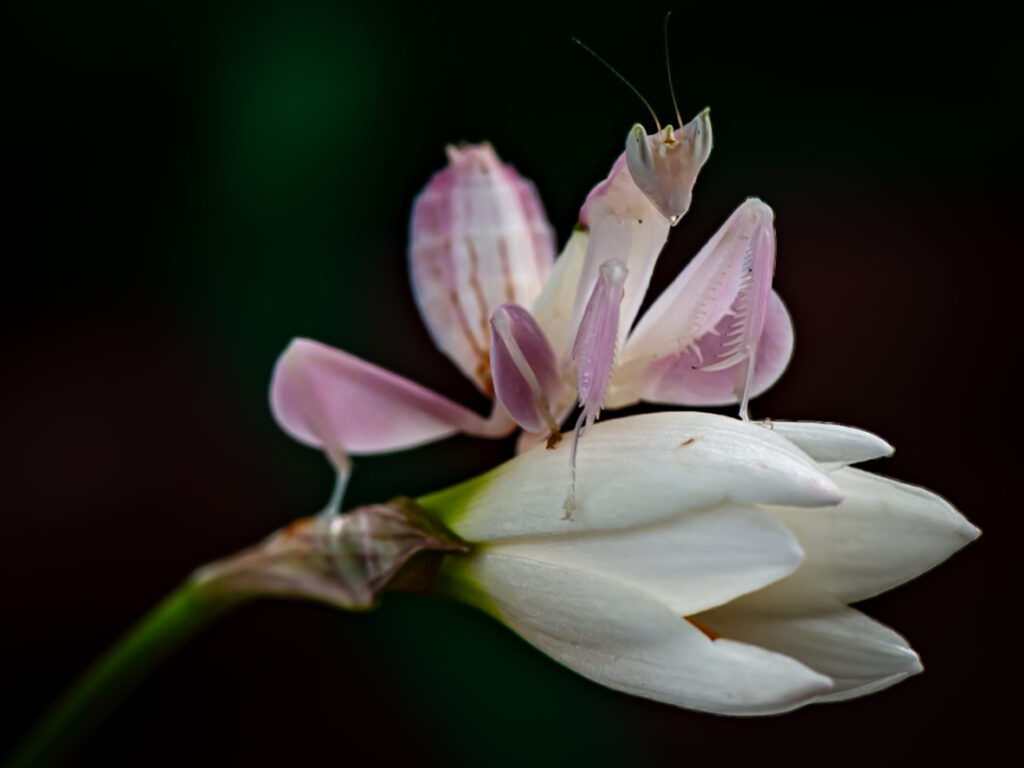
The orchid mantis is often described as one of the most beautiful insects on the planet. Its body looks almost exactly like a pink flower, with petal-like legs and soft colours that blend perfectly with real blossoms. This beauty hides a deadly trap. The mantis waits motionless among flowers until pollinating insects arrive. Bees, flies, and butterflies approach expecting nectar, only to be grabbed in an instant by the mantis’s powerful forelegs. What looks like a peaceful flower is actually a disguised predator.
3. Jewel beetle larvae can slowly eat trees from the inside.
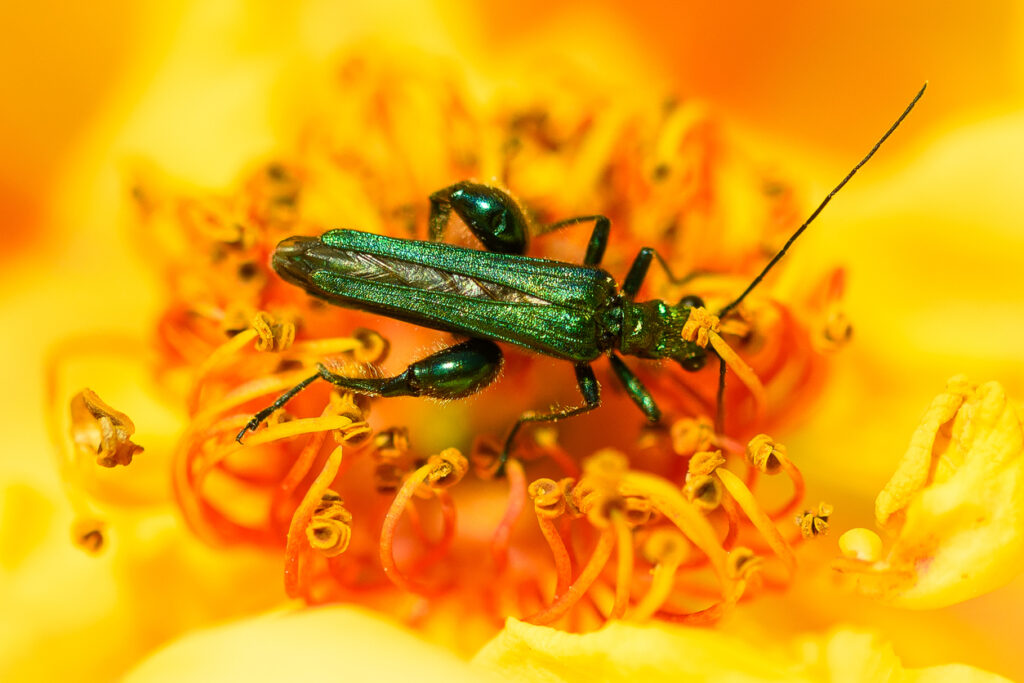
Jewel beetles are famous for their metallic colours that shimmer in green, blue, and copper shades. They look almost like living pieces of jewellery when sunlight catches their shells. Behind that beauty is a destructive life cycle. Their larvae tunnel through wood, feeding on the inside of trees for years. In large numbers they can weaken entire forests, leaving trees hollow and vulnerable. By the time the adult beetles emerge, the damage is already done.
4. Ladybirds can become ruthless predators.
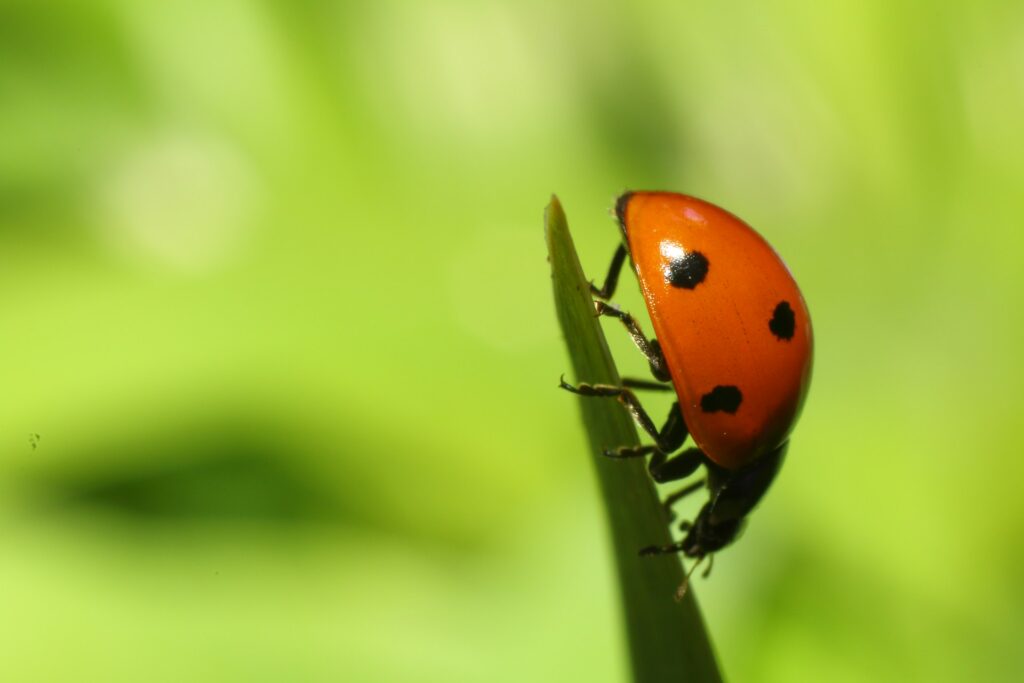
Ladybirds often appear in children’s books as gentle garden helpers, and in many ways they are. They eat aphids that damage plants, which makes them useful allies for gardeners. What people rarely realise is how aggressively they hunt. A single ladybird can eat dozens of aphids in a day. Some species also eat the eggs and larvae of other insects, including other ladybirds. Beneath that charming spotted shell is a surprisingly efficient little predator.
5. Fireflies sometimes trick other species into becoming dinner.
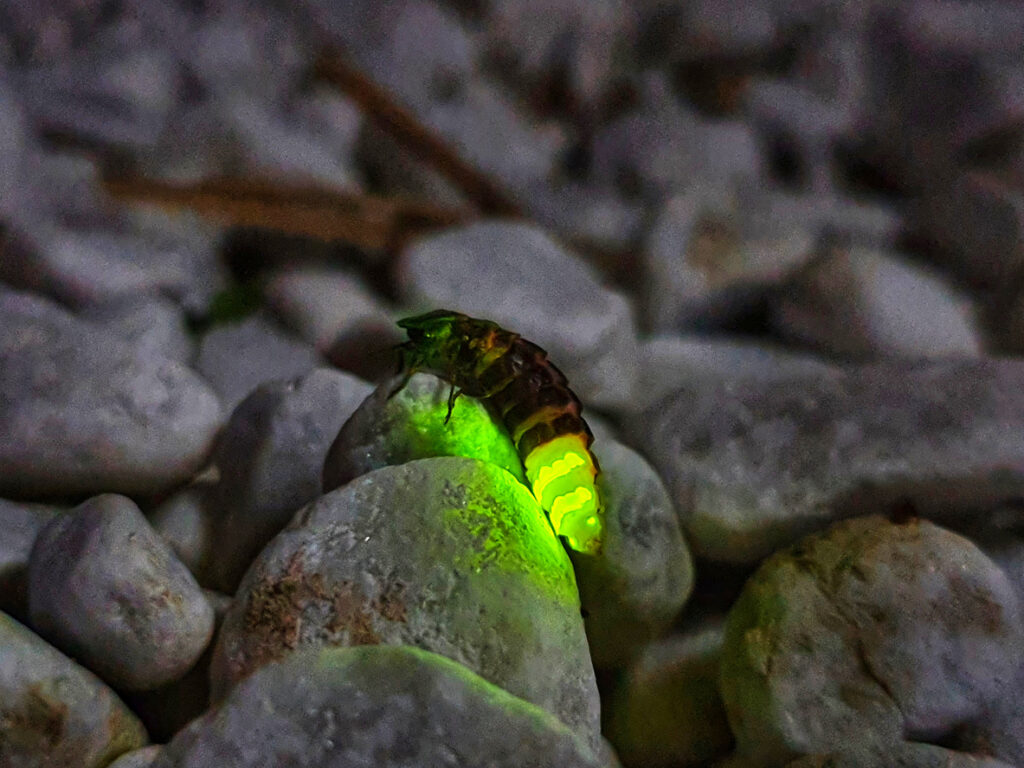
Fireflies are known for their soft glowing lights on warm summer evenings. The flashing patterns help them find mates, creating one of nature’s most magical nighttime displays. Some firefly species use those signals for a darker purpose. Certain females imitate the flash pattern of other firefly species to lure males closer. When the unsuspecting male arrives expecting a mate, he instead becomes the female’s next meal.
6. Dragonflies are incredibly efficient aerial hunters.
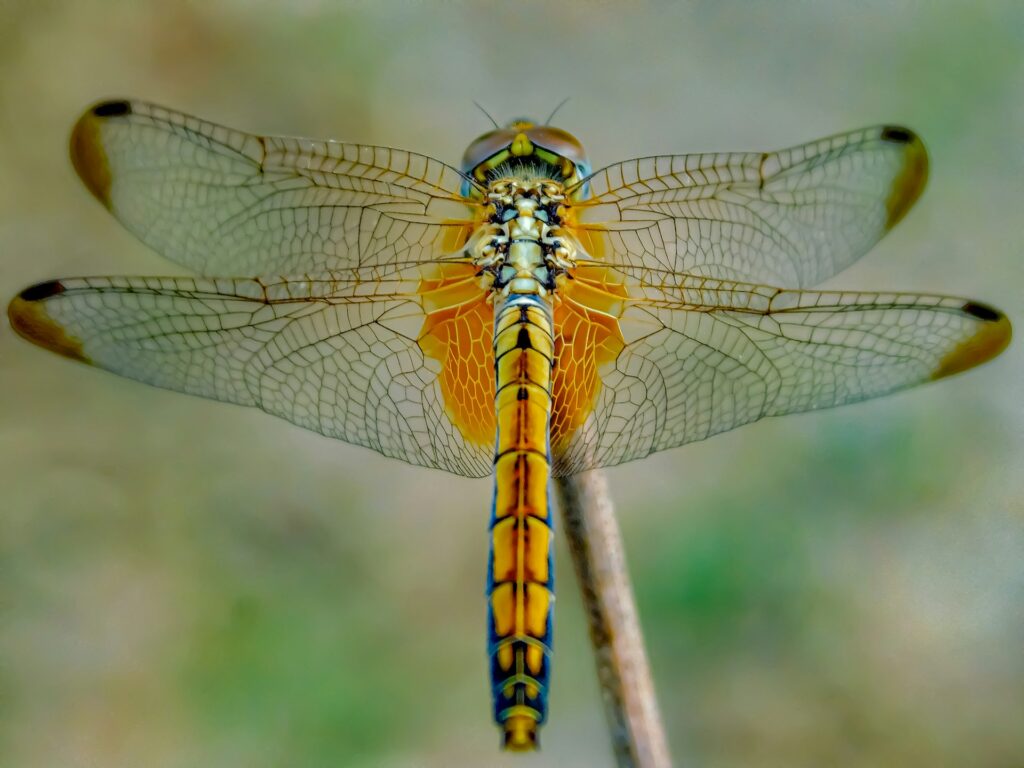
Dragonflies are admired for their shimmering wings and graceful flight over ponds and lakes. Their colours can be vivid blues, greens, or reds that catch the light beautifully. Despite that elegance, dragonflies are among the most effective predators in the insect world. They catch prey mid-air with remarkable precision, often eating mosquitoes, flies, and smaller insects while still flying. Their hunting success rate is extremely high, making them one of nature’s most skilled aerial hunters.
7. Some colourful caterpillars carry powerful toxins.
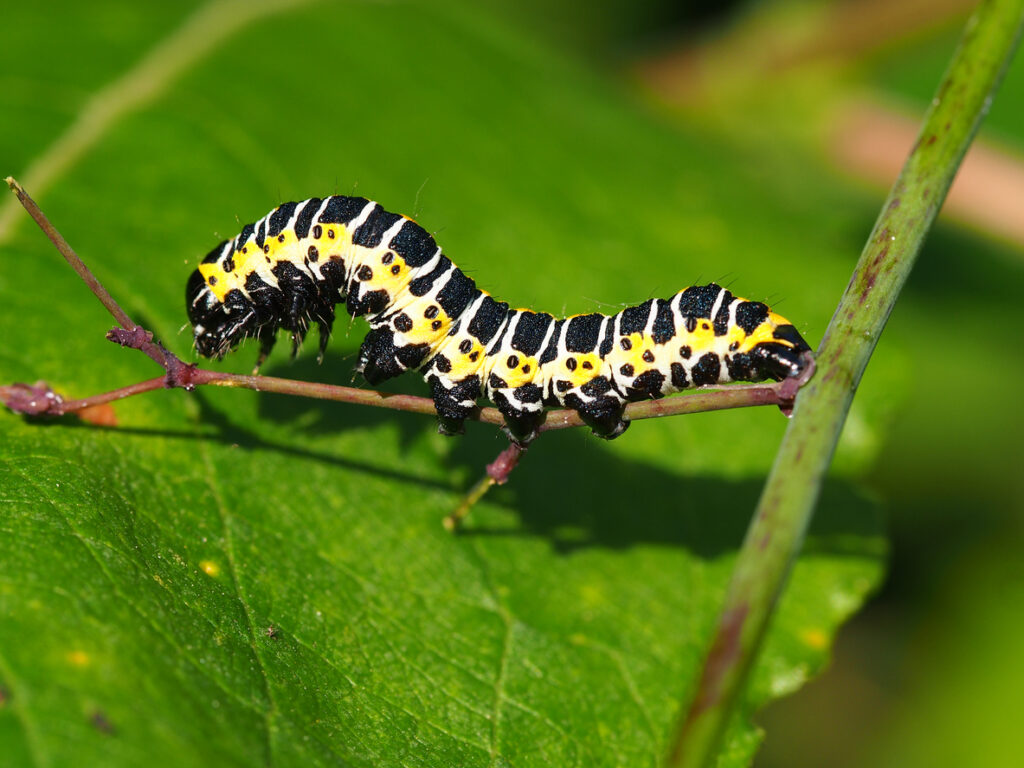
Bright colours in insects often act as warning signals rather than decoration. Many vividly coloured caterpillars contain chemicals that make them poisonous or unpleasant to eat. These toxins usually come from the plants they consume as larvae. Predators that attempt to eat them often learn quickly to avoid those colours in the future. The caterpillar’s beauty becomes a warning sign that eating it would be a mistake.
8. Certain wasps turn other insects into living food stores.

Some of the most striking wasps have bold patterns of yellow, black, or metallic colours. Their appearance can be impressive, but their reproductive habits are often unsettling. Parasitic wasps paralyse other insects or spiders and lay eggs on or inside them. The developing larvae slowly feed on the still-living host. This grim strategy ensures the young wasps always have fresh food while they grow.
9. Peacock spiders perform dances but still hunt ruthlessly.
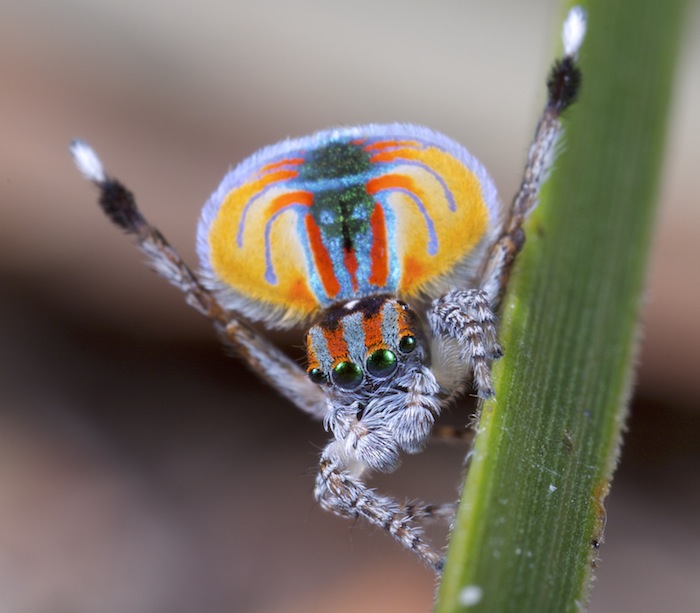
Peacock spiders are tiny creatures famous for their colourful patterns and elaborate mating dances. Males raise brightly coloured flaps on their bodies and perform intricate movements to attract females. Despite their charming performances, these spiders are still skilled predators. They stalk and pounce on other small insects with surprising speed. The dazzling display that wins them a mate is only one part of a life built around hunting.
10. Some beautiful moths cannot even eat as adults.
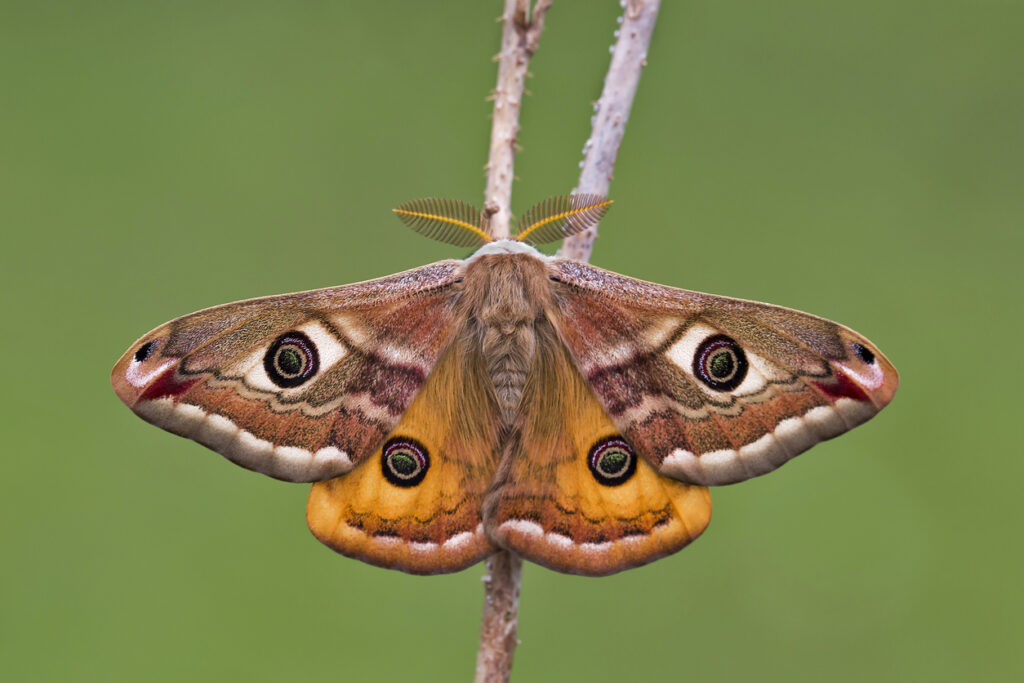
Many large moth species, including some with spectacular wings, have surprisingly short adult lives. Once they emerge from their cocoons, they have no working mouthparts and cannot feed at all. The entire adult stage exists only for reproduction. These moths rely completely on energy stored during their caterpillar phase. They spend their brief lives flying, mating, and laying eggs before dying only days later.