When we think of dangerous dinosaurs, it’s always the meat-eaters that come to mind: T. rex, Velociraptor, Allosaurus.
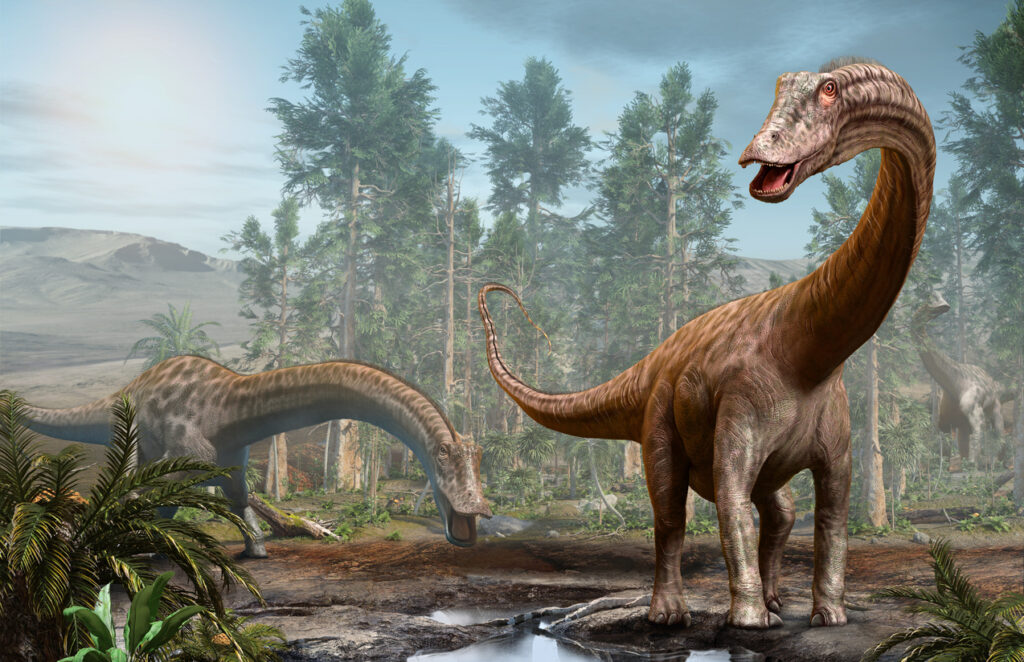
However, plant-eaters weren’t just gentle giants munching leaves and minding their business. Some of them were armed to the teeth with armour, spikes, clubs, and even tail weapons so brutal they could take down predators twice their size. These herbivores weren’t just trying to survive. They were fully capable of fighting back. Here are the prehistoric plant-eaters whose natural defence systems made carnivores think twice.
Ankylosaurus
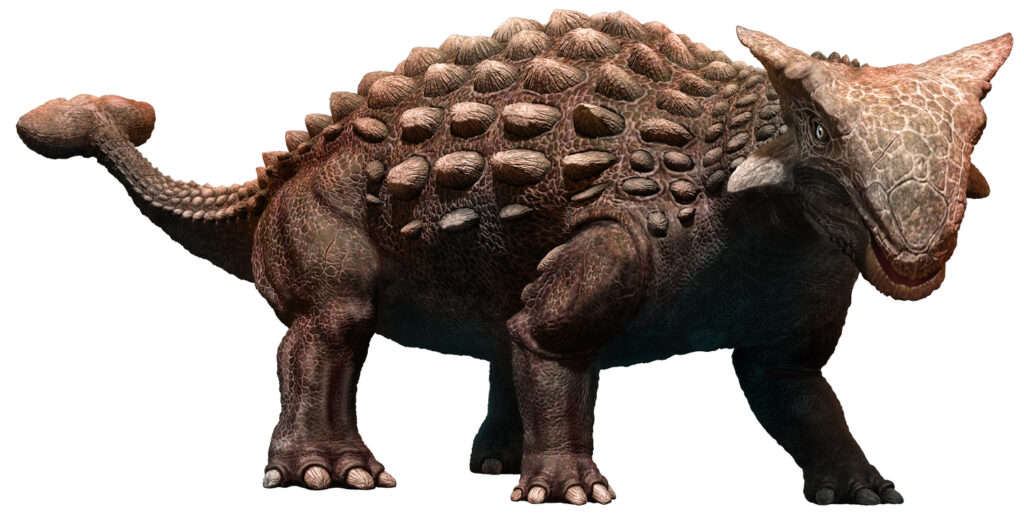
Ankylosaurus looked like a tank crossed with a tortoise, and that’s basically how it functioned. Covered head-to-tail in bony armour plates, it also had a huge club on the end of its tail that could break bones with a single swing. Its low-to-the-ground stance and broad build made it incredibly hard to flip over, and even the most skilled predators struggled to find a weak spot. That tail wasn’t just for show, either. It could shatter the legs of a charging T. rex.
2. Stegosaurus
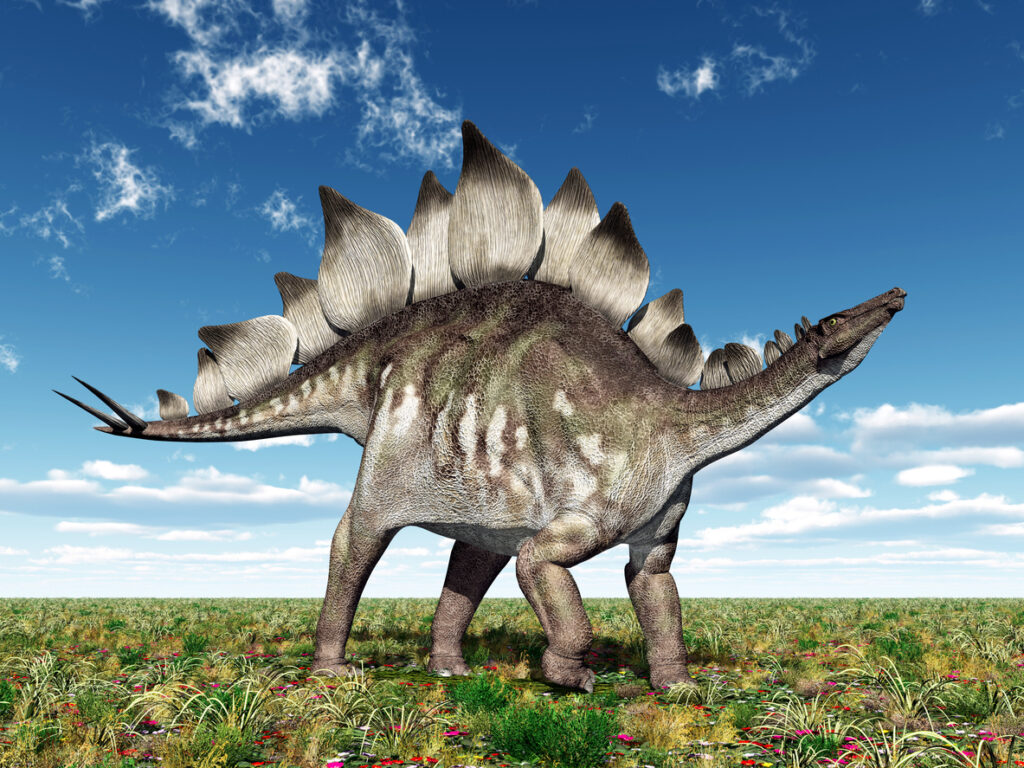
Often underestimated, Stegosaurus had a row of huge plates along its back and a powerful tail tipped with four long spikes, known as the “thagomizer.” That name might sound light-hearted, but the damage it could cause was anything but. Fossil evidence suggests that predators like Allosaurus may have been impaled by those spikes. The tail was highly mobile, and Stegosaurus likely used it with serious accuracy when cornered.
Triceratops
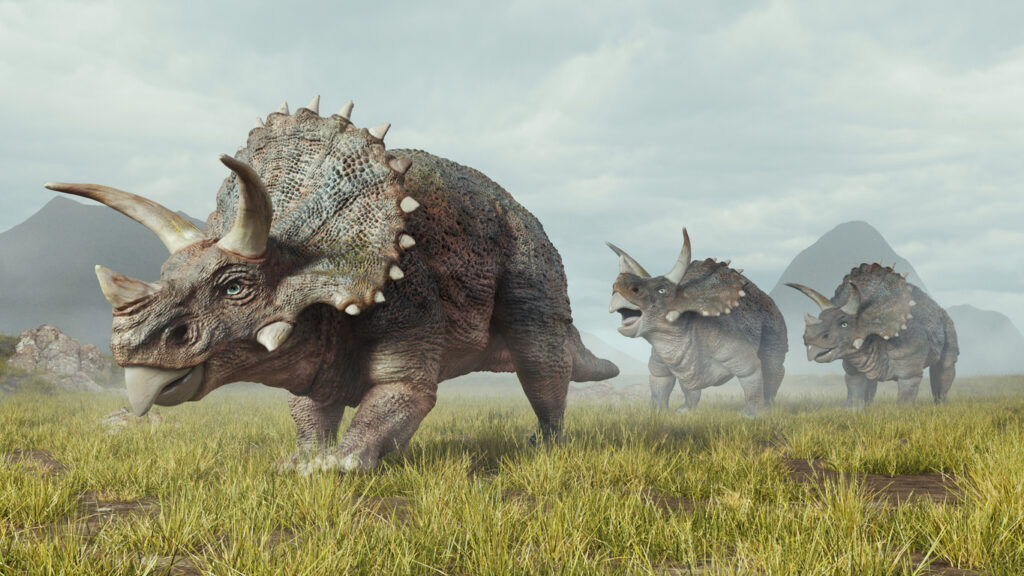
With a massive skull, three sharp horns, and a reinforced frill, Triceratops was basically a prehistoric battering ram. Its horns alone could grow over a metre long and were strong enough to puncture a predator’s flesh and bone. Fossils show signs of Triceratops and T. rex locking in deadly combat, with injuries on both sides. Unlike many herbivores, Triceratops didn’t just defend itself; it sometimes fought back hard enough to injure or kill its attacker.
Therizinosaurus
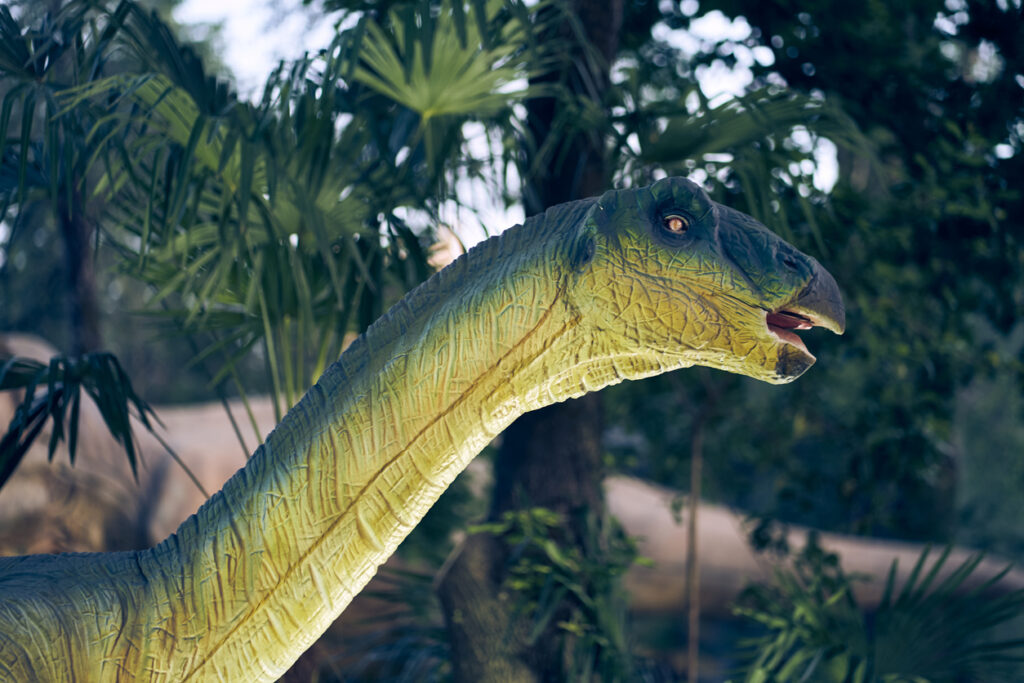
This bizarre-looking herbivore had huge claws over a metre long, which is easily among the longest of any land animal. While its diet was likely plant-based, those claws could have been used for both intimidation and defence. Therizinosaurus wasn’t small, either. At up to 10 metres long, its size combined with those scythe-like arms made it a nightmare for anything trying to get close. Even if it wasn’t aggressive, it had the hardware to cause serious damage.
Euoplocephalus
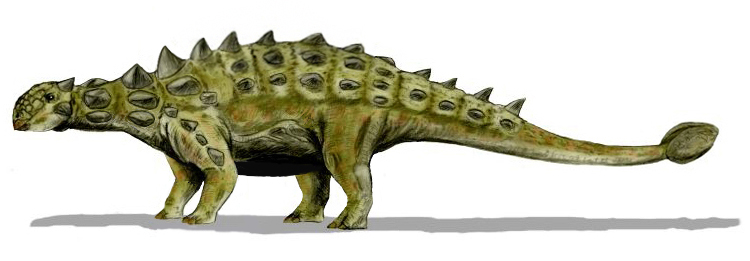
A relative of Ankylosaurus, Euoplocephalus also had full-body armour and a clubbed tail, but it was slightly smaller and more agile. Its fused spine and low centre of gravity made it nearly impossible to flip or tip over. Its tail club was still strong enough to crush bone, and predators would have had to be extremely cautious around it. This dinosaur was all about low-key, no-nonsense survival, with a weapon to back it up.
Kentrosaurus
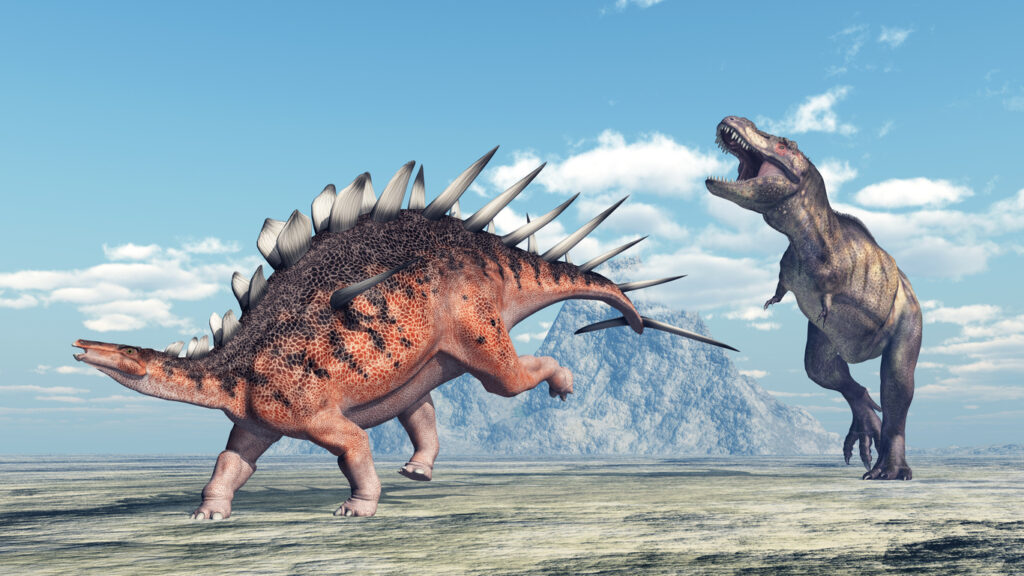
Smaller than its cousin Stegosaurus, Kentrosaurus made up for its size with a more intense weapon layout. It had spikes not only on its tail, but also along its hips and back, almost like it was wearing barbed wire. It likely used these spikes as both deterrent and weapon, swinging its tail in a deadly arc while protecting its sides from surprise attacks. Even mid-sized predators probably backed off once they realised what they were dealing with.
Pachyrhinosaurus
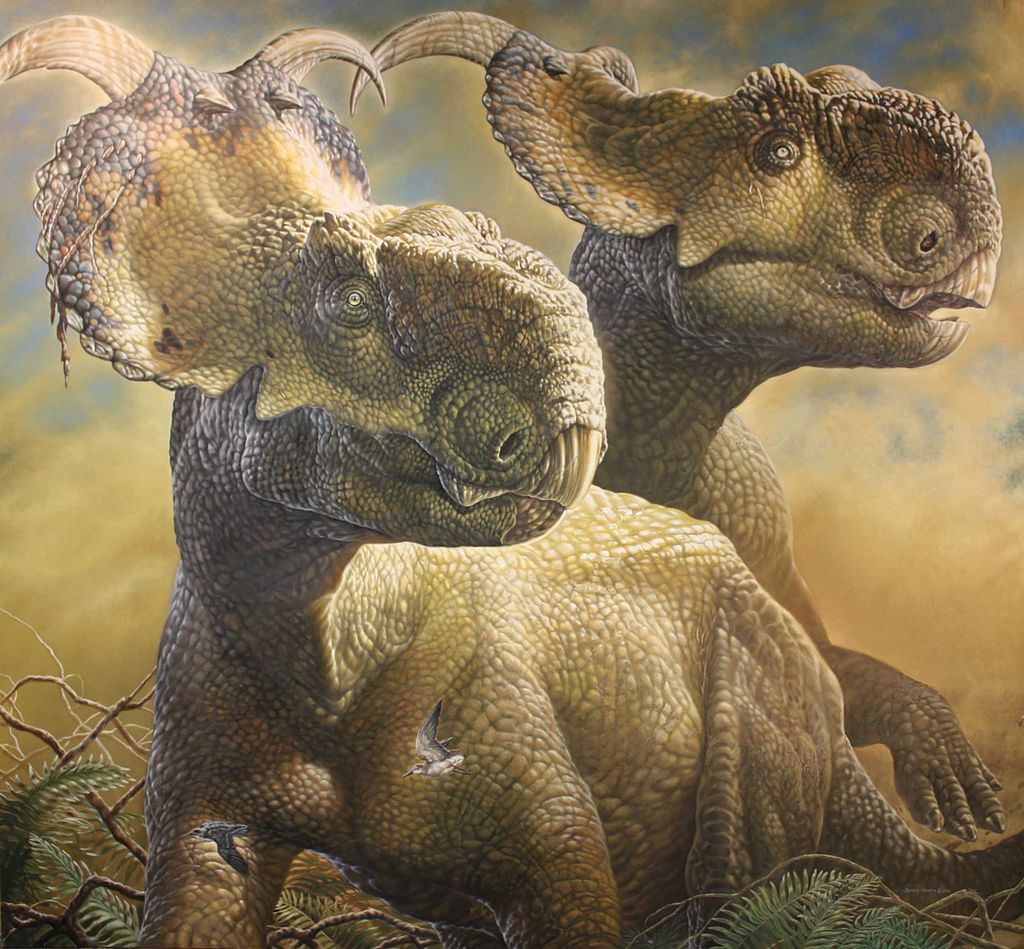
Instead of long horns, this ceratopsid had a massive, thickened nose plate, like a natural battering ram. It may have used this in head-to-head clashes, either with rivals or predators unlucky enough to get in its way. Its bulky frame and reinforced skull made it difficult to take down, and it likely travelled in herds, offering safety in numbers. Predators wouldn’t just face one; it’d be a wall of tough, headbutting herbivores.
Sauropelta
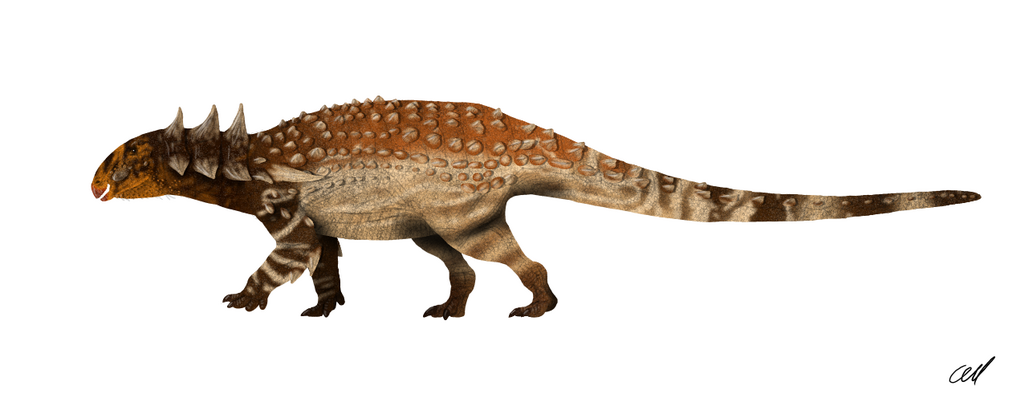
Sauropelta was an early nodosaur, known for its impressive body armour and long shoulder spikes. These spikes weren’t just decorative; they jutted out in a way that made lunging attacks from predators extremely risky. Combined with thick bony plates along its back and flanks, Sauropelta was like a walking barricade. It didn’t need to be fast because its armour did all the work in fending off attackers.
Borealopelta
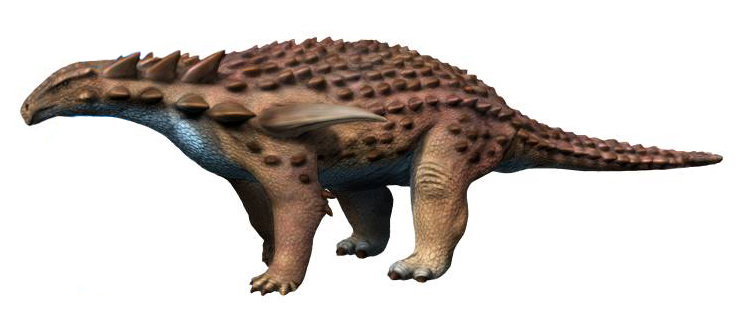
Discovered with its skin and armour almost perfectly preserved, Borealopelta showed just how serious some herbivores were about defence. It had thick, spiked armour and counter-shading that may have helped it stay hidden from predators. What makes it especially interesting is that despite all that armour, it still evolved camouflage, suggesting even the deadliest-looking plant-eaters still faced threats. But once spotted, it would’ve been a nightmare to attack.
Edmontonia
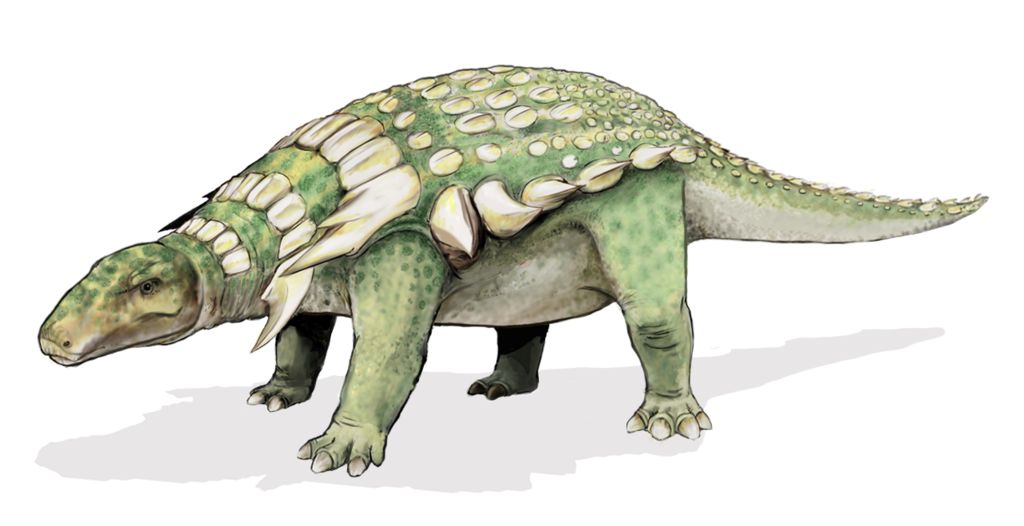
Another nodosaur with armour like a tank, Edmontonia had rows of bony plates and large shoulder spikes pointing out sideways—perfect for deterring flank attacks. Its entire build was built for resilience, not speed. It likely hunkered down when threatened, using its weight and spikes to create a near-impenetrable barrier. Imagine trying to bite into something shaped like a brick and covered in nails. That’s Edmontonia in a nutshell.
Stegoceras
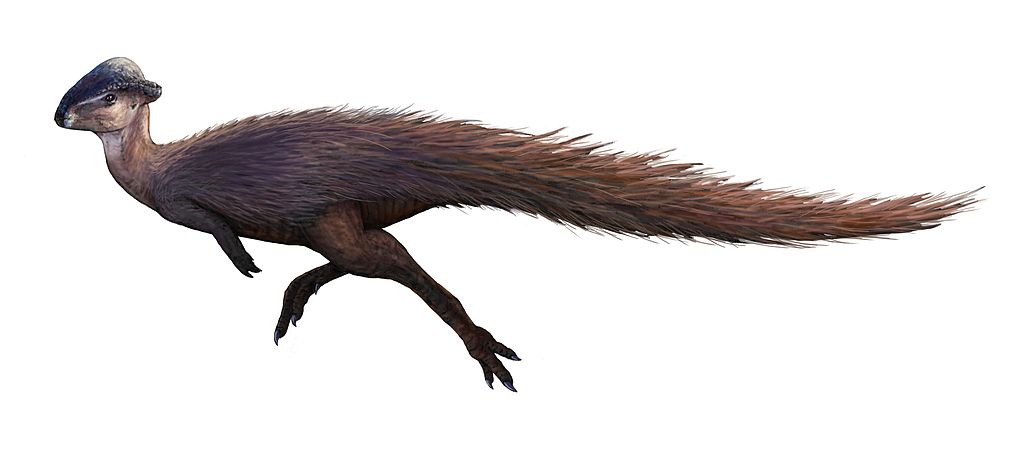
Small and quick, Stegoceras didn’t have spikes or clubs—but it had an incredibly thick, dome-shaped skull. It likely used this for headbutting, either in competition or defence, a bit like modern-day goats or rams. Its fast reflexes and bone-crunching headbutts may have made it difficult for predators to land a clean strike. In a chase, its speed and potential to strike back mid-sprint gave it a solid survival edge.
Zuul
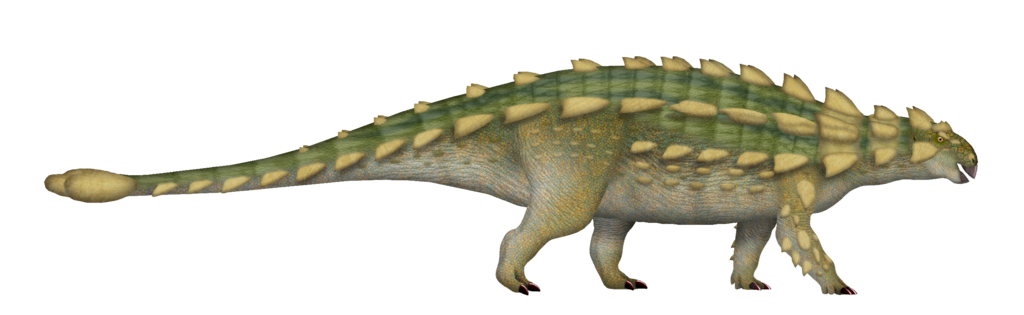
Zuul was a recently discovered ankylosaur with an impressively intact tail club. Its tail was so powerful, some paleontologists think it could have broken bones on impact, enough to seriously injure even a large predator. Its name comes from the Ghostbusters monster, but it earned it. Its spikes, club, and solid build made it look like a fantasy creature, and its real-life weaponry was just as intimidating.
Styracosaurus
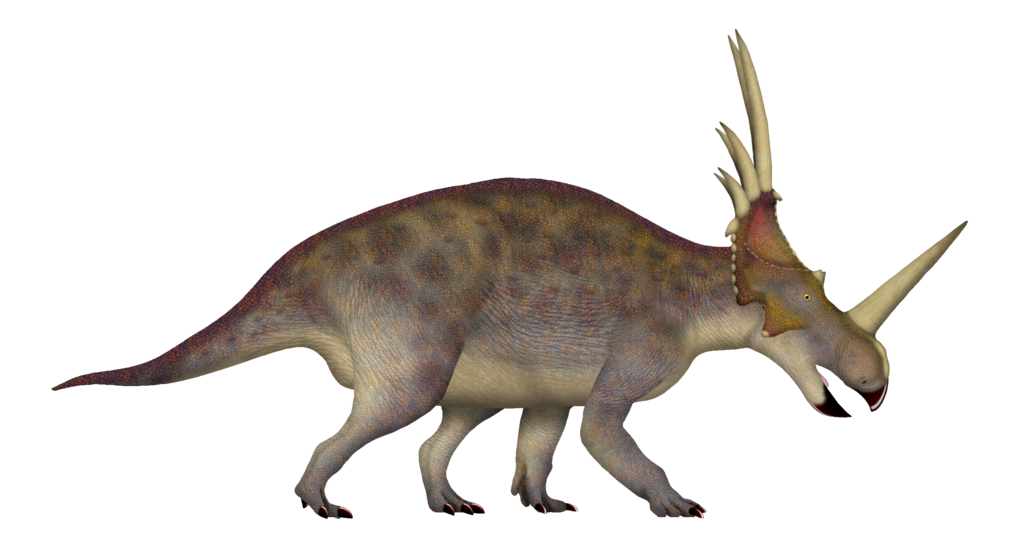
This horned dinosaur looked like it was wearing a crown of spikes, with a large nose horn and a frill lined with long, sharp projections. These likely served both as defence and as a visual warning. Styracosaurus may have used those horns in combat with predators or rivals, and its intimidating appearance alone might have helped it avoid conflict. Sometimes, looking like you can win the fight is half the battle.