If you’ve ever watched a butterfly drift through your garden, you’ll know how instantly calming it is.
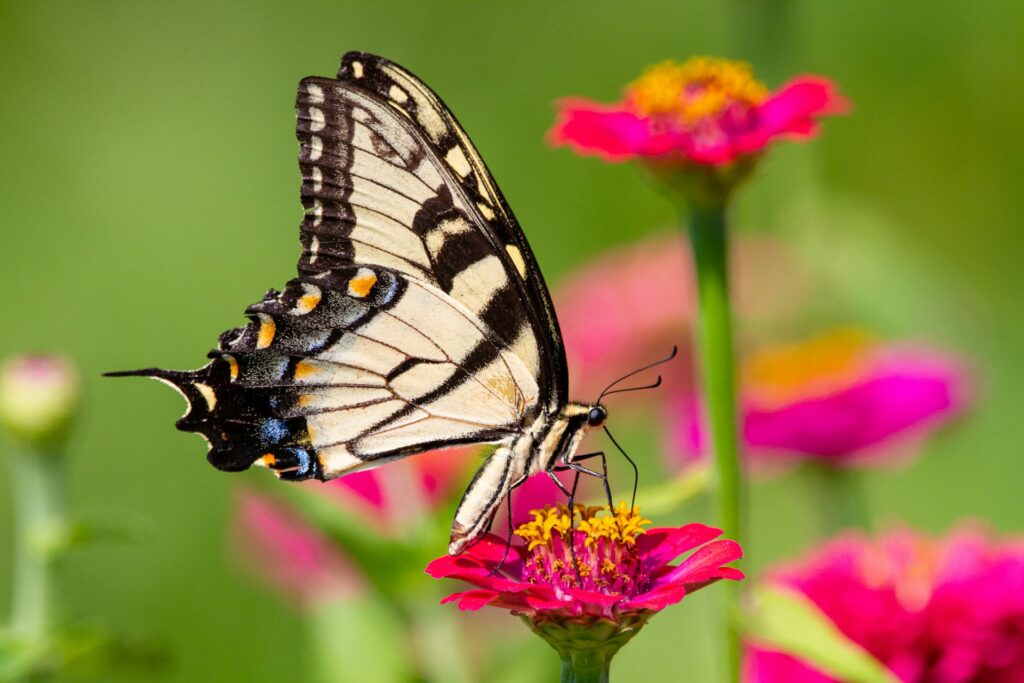
Their presence brings a sense of wildness and softness to any outdoor space, and the right plants can turn your garden into a full-on sanctuary for them. From nectar-rich blooms to caterpillar-friendly foliage, these plants help support butterflies through every stage of their life cycle. Whether you’ve got a few pots or a big border, here are 14 plants that’ll have butterflies flocking to your garden all summer long.
1. Buddleia (butterfly bush)
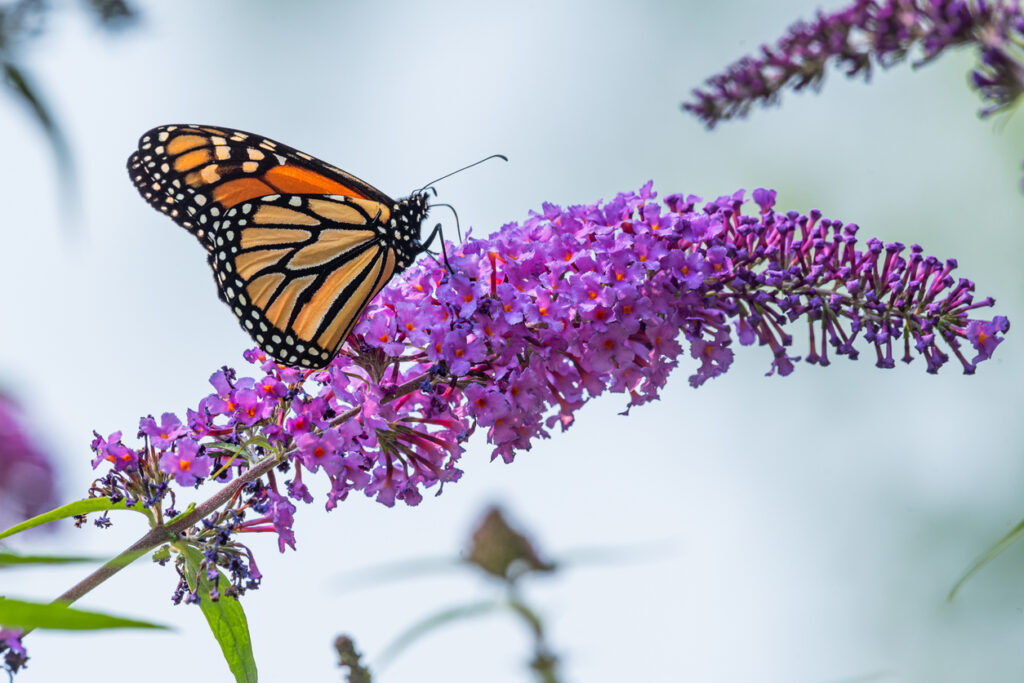
It’s not called the butterfly bush for nothing. Buddleia is one of the most reliable butterfly magnets, producing long, fragrant spikes of flowers that bloom from mid to late summer. Choose a non-invasive variety and keep it pruned to encourage new growth and prevent it from taking over. Butterflies love the nectar, and you’ll love the clouds of colour it brings in with them.
2. Verbena bonariensis
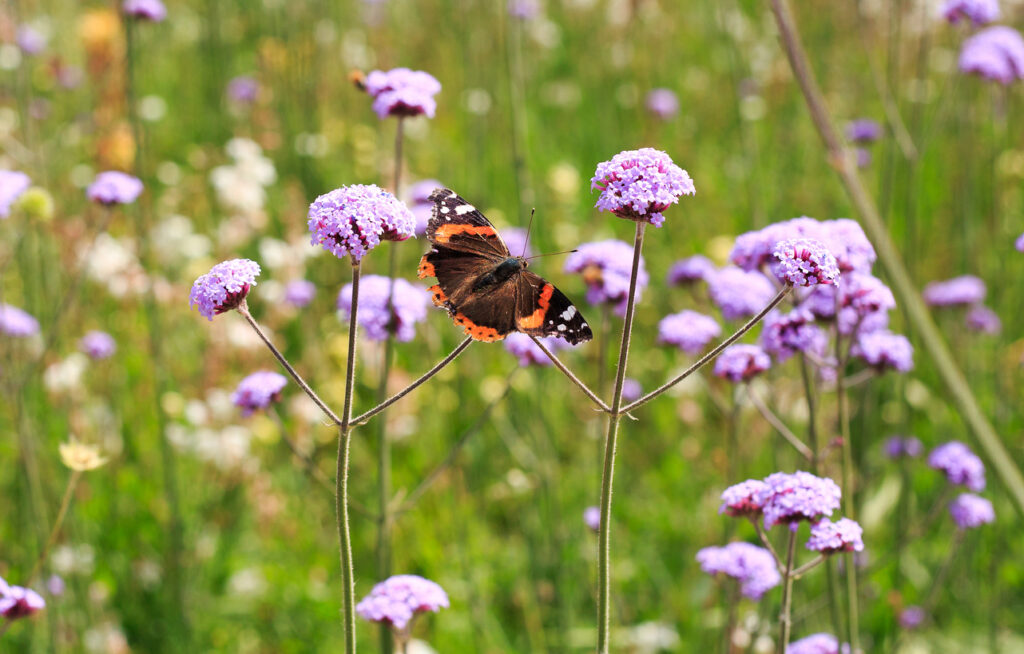
With tall, slender stems and clusters of purple flowers that seem to float in midair, verbena is a garden favourite for pollinators. Butterflies are particularly drawn to it thanks to its easy-to-access blooms. It’s also great for weaving through other plants without blocking light. Even better, it’s drought-tolerant and will flower right into autumn, keeping butterflies coming back.
3. Echinacea (coneflower)

These daisy-like flowers with prominent centres are both beautiful and practical. Butterflies can perch on the large flower heads while they feed, and the bright colours draw them in from a distance. Plant them in sunny spots and they’ll return year after year. They’re also great for bees, and birds will eat the seed heads later in the season if you leave them standing.
4. Lavender
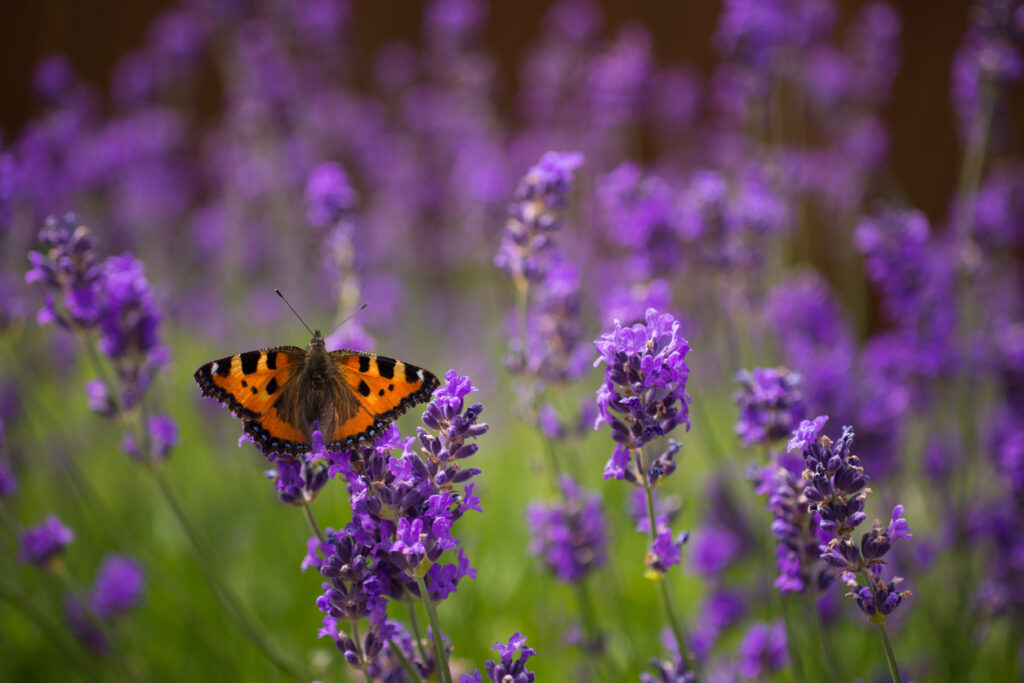
Lavender’s not just for bees. Its soft, fragrant blooms are popular with butterflies too, especially in full sun. It’s a good all-rounder that suits both formal borders and relaxed wild gardens. Choose English lavender for the best results in the UK climate. It thrives in poor, well-drained soil and will add colour, scent, and winged visitors from June through to August.
5. Marjoram (oregano)
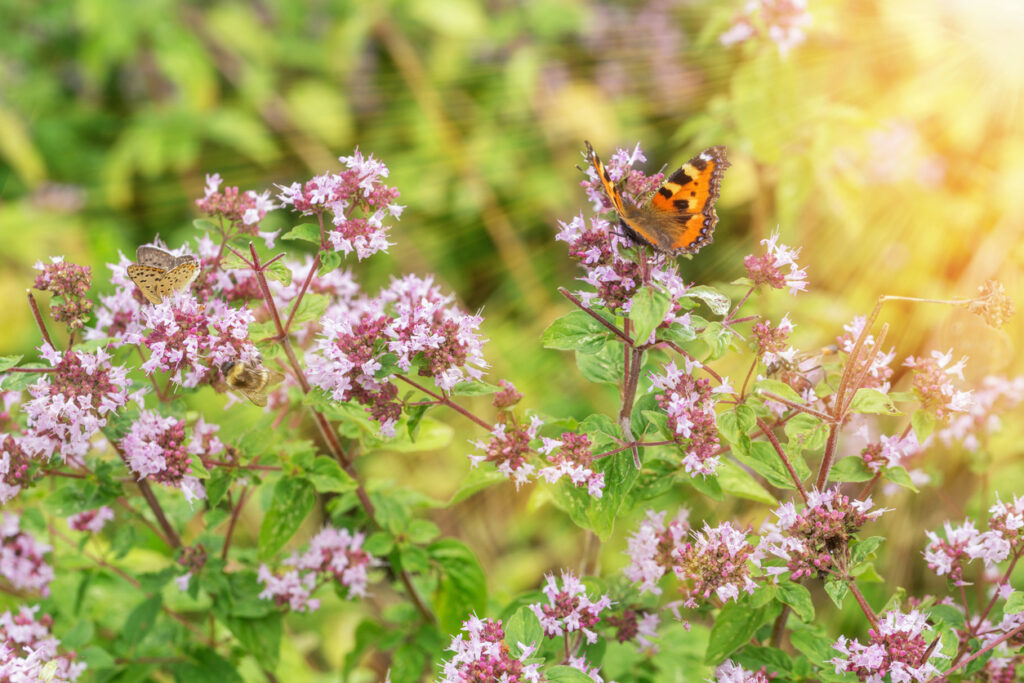
Often overlooked as a butterfly plant, marjoram is actually a brilliant choice. Its pink or purple flowers are rich in nectar and appear right when butterflies are most active. It’s a tough little herb that doesn’t mind dry conditions, and it’s perfect for edging borders or growing in pots. As a bonus, you can also use it in the kitchen.
6. Sedum (stonecrop)
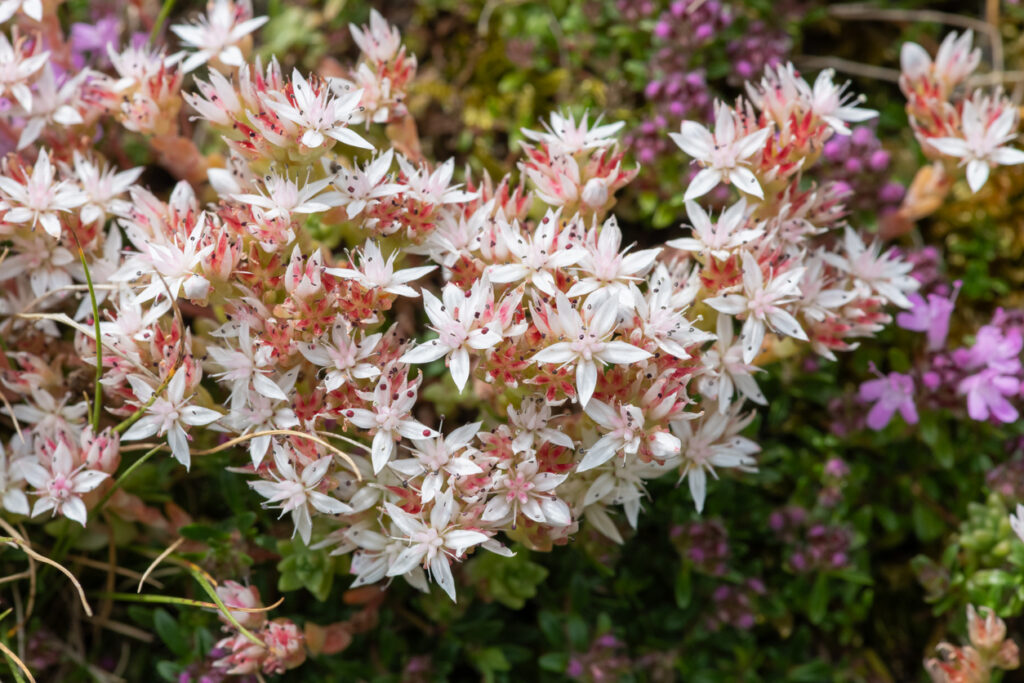
In late summer and early autumn, when many flowers are starting to fade, sedum steps in. Its flat-topped blooms provide a perfect landing pad for butterflies to feed on. It thrives in dry, sunny spots and is often crawling with red admirals and peacocks by September. Leave the seed heads standing over winter for extra structure and insect shelter.
7. Scabiosa (pincushion flower)
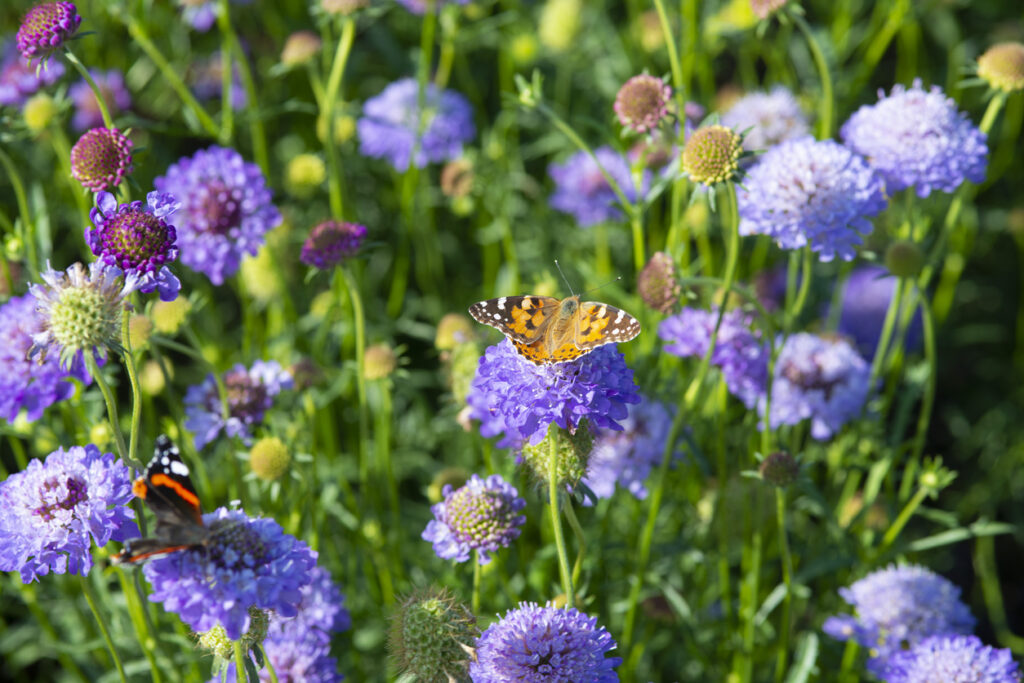
Scabiosa’s soft, bobbly flowers look delicate, but they’re tough and loved by all sorts of pollinators. Butterflies especially appreciate their open structure and long bloom time. They’re easy to grow from seed and will flower from early summer through to the first frosts. Great for filling gaps in borders or softening up hard edges.
8. Wild marjoram and thyme
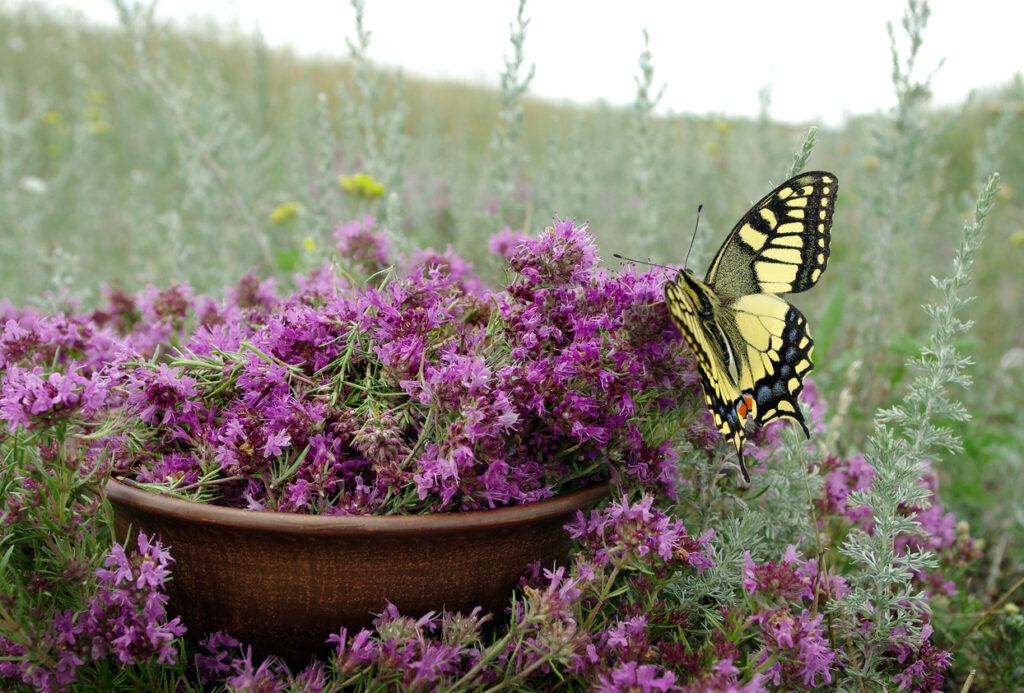
If you’ve got a sunny rockery or poor soil to work with, wild herbs like marjoram and thyme are ideal. Their tiny flowers are packed with nectar and adored by butterflies. They’ll creep along the ground, attract wildlife, and need next to no maintenance. Plus, they’ll give your garden a Mediterranean scent on hot days.
9. Red valerian
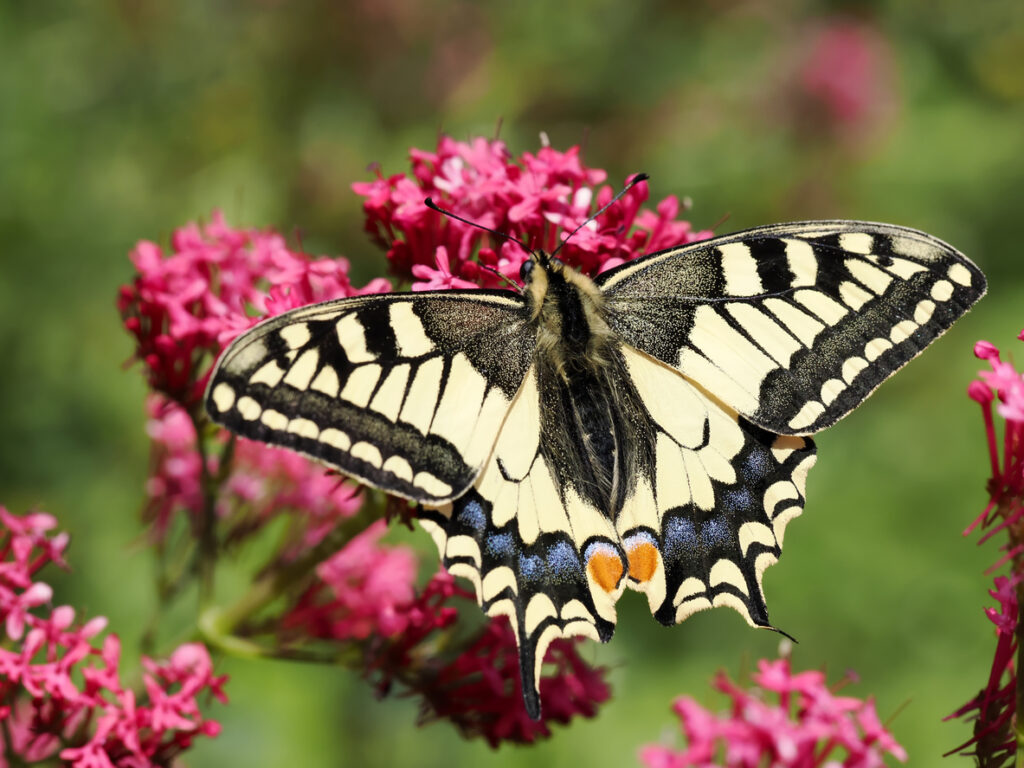
This bold, bushy plant is often seen spilling out of walls and wild corners, and butterflies love it. It flowers for months and doesn’t mind neglect, which makes it ideal for low-effort gardens. It’s great at adding colour to tricky spots and will often self-seed in sunny cracks or gravel areas. Expect a flurry of butterfly activity when it’s in full bloom.
10. Hollyhocks
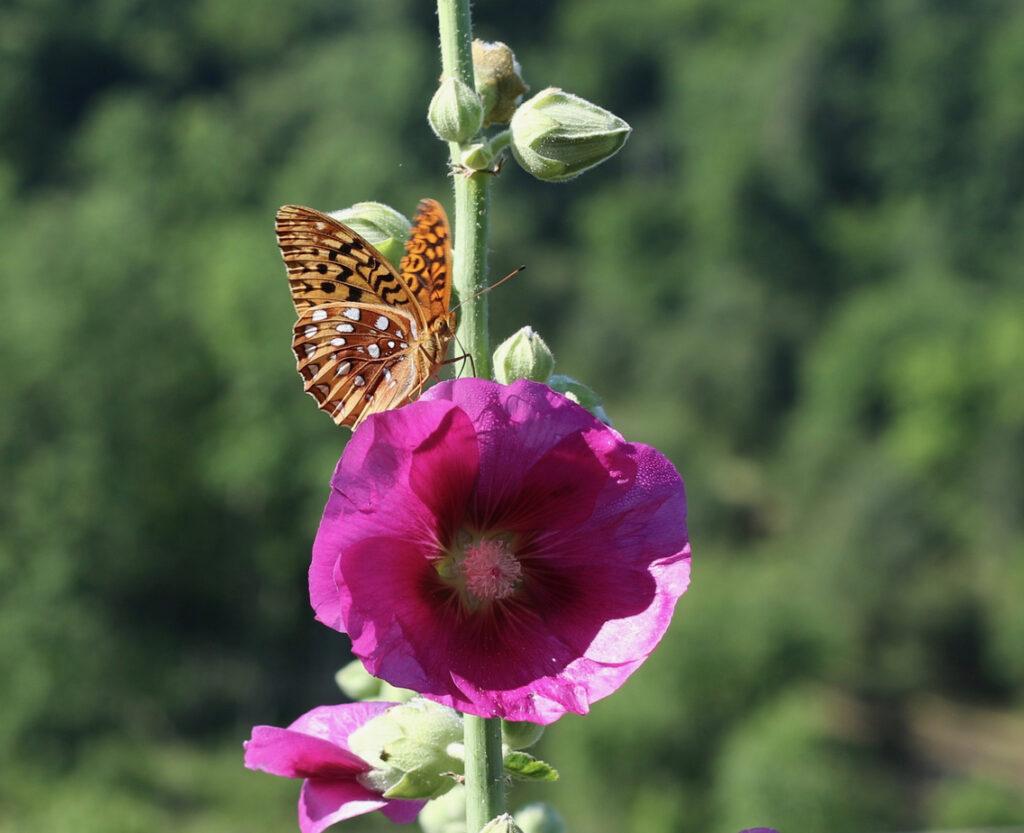
These tall, cottage-garden favourites add instant drama to borders and fences, and butterflies flock to their open, single blooms. They’re particularly attractive to painted ladies and small tortoiseshells. Hollyhocks do well in full sun and will happily reseed themselves each year if left alone. Just be sure to plant single-flowered varieties, as doubles can make nectar access harder for insects.
11. Honesty (lunaria)
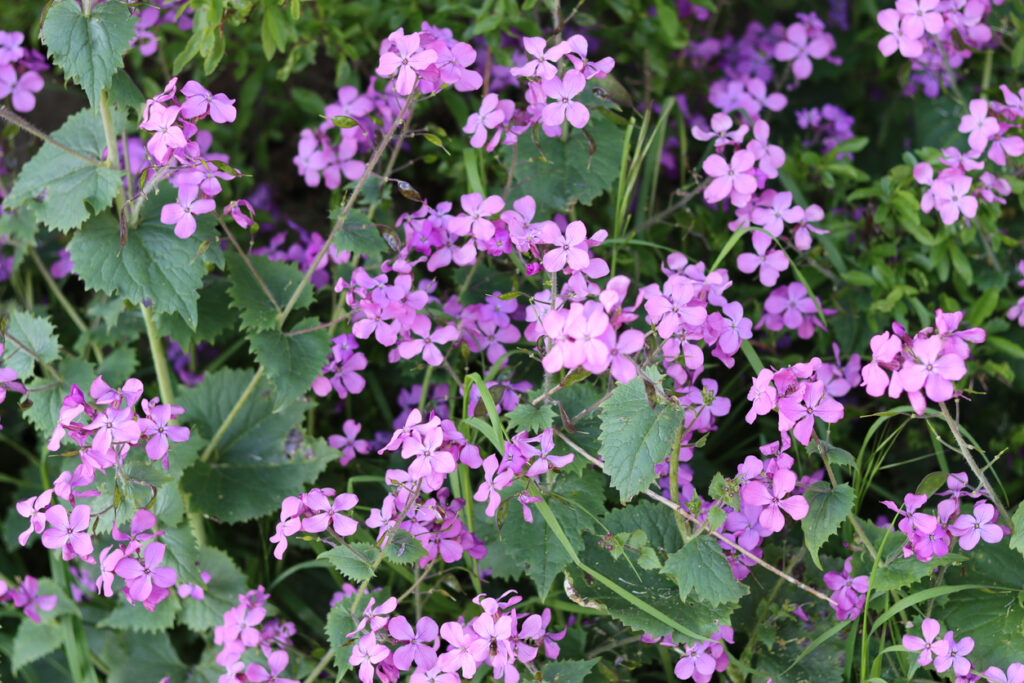
Honesty flowers early in the year, making it one of the first nectar sources for emerging butterflies. Its purple or white blooms are followed by papery silver seed pods that add extra interest. It grows easily in sun or partial shade and will self-seed around the garden in a gentle, non-invasive way. A lovely option for wild-style borders and shady corners alike.
12. Hemp agrimony
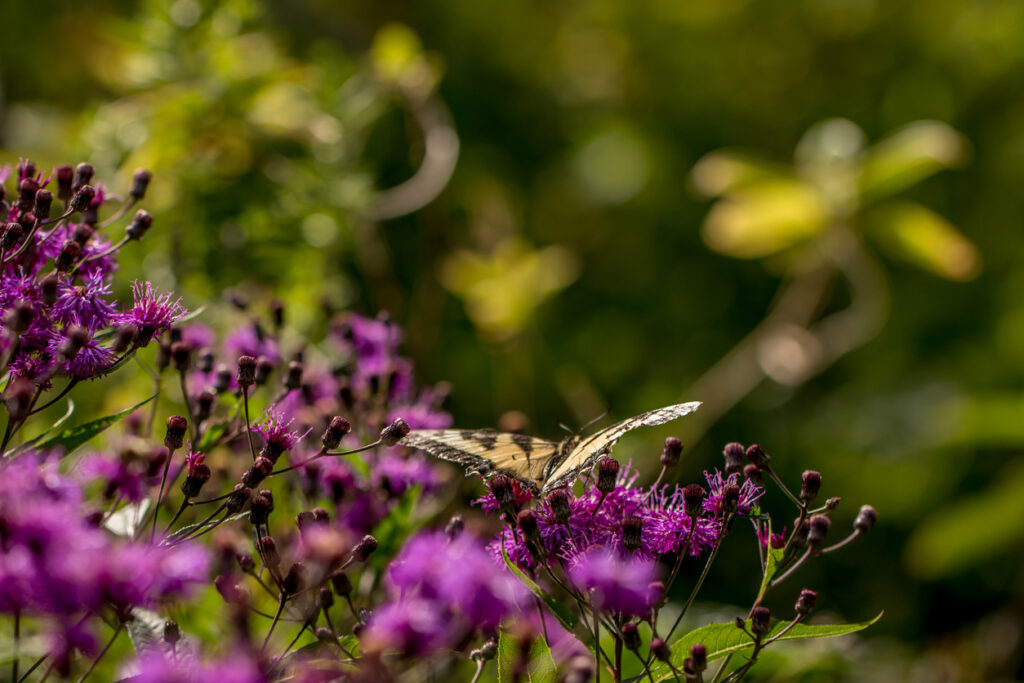
This tall, native wildflower thrives in damp spots and is a real draw for butterflies like the comma and red admiral. Its pale pink blooms appear late in the season, offering much-needed nectar. It can get big—up to 1.5 metres—so it’s best at the back of borders or along pond edges. It adds a wild, informal feel and supports a huge amount of insect life.
13. Common knapweed
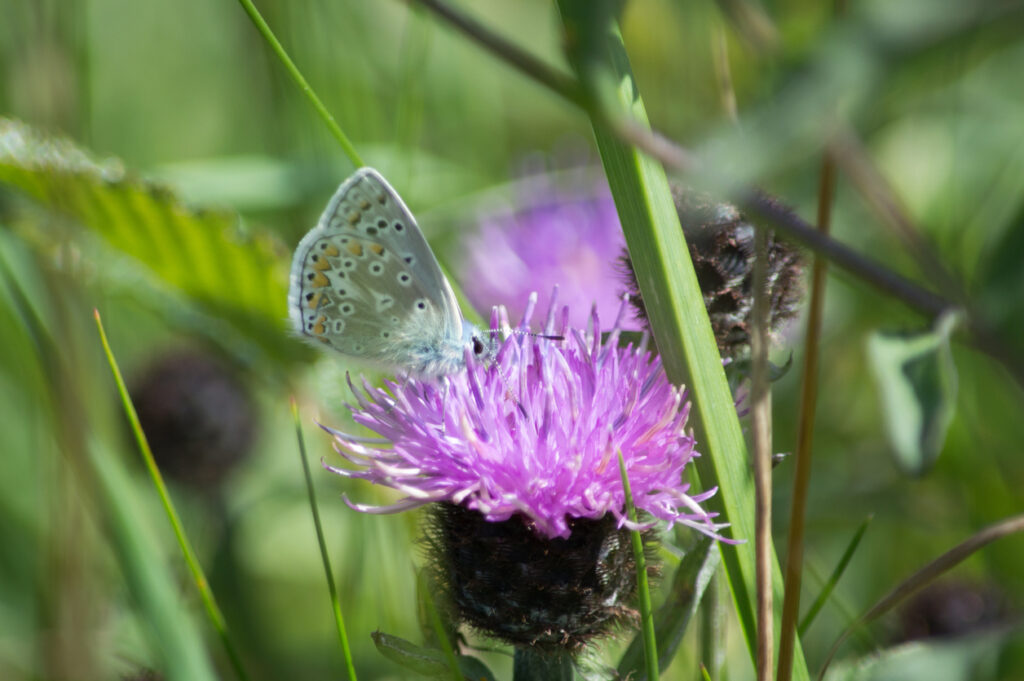
Also known as hardheads, knapweed is one of the best native plants for supporting butterflies and bees. Its thistle-like flowers are long-lasting and easy for butterflies to feed on. It grows best in poor soil and open spaces, making it perfect for meadow-style gardens. Leave the seed heads after flowering for goldfinches and other small birds to enjoy.
14. Nettles (yes, really)
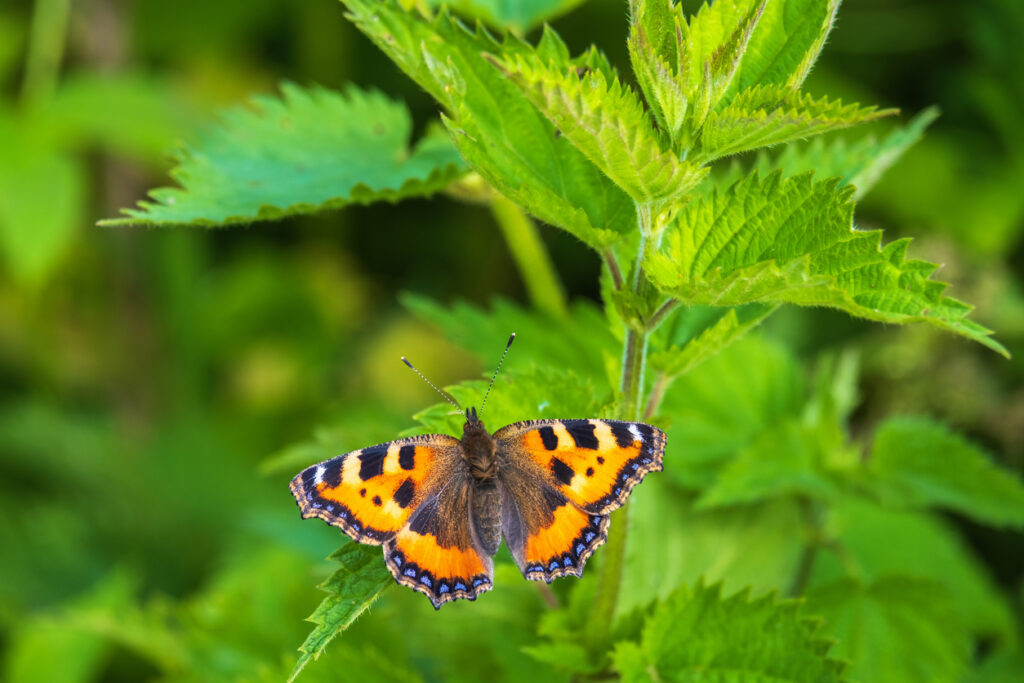
While you might not want them in your flower beds, a patch of nettles in an unused corner of the garden is incredibly valuable. They’re the main food plant for caterpillars of red admiral, comma, and peacock butterflies. If you’ve got a wilder patch of the garden, let some nettles grow undisturbed. It might not be pretty, but it’s one of the best ways to support the full butterfly life cycle.