Before clocks hung on walls and phones lit up our pockets, people still knew roughly what time it was. Farmers, sailors, shepherds, and travellers didn’t wander around guessing. They watched the sky, listened to animals, felt the air, and paid attention to their own bodies. The world runs on patterns, whether we notice them or not. If you slow down even slightly, you start to see that time leaves clues everywhere. You won’t get the exact minute, but you can often land surprisingly close without ever glancing at a screen.
The sun’s height tells you more than you think.
The simplest natural clock is the sun itself, but most of us barely register its movement anymore. In the early morning, it sits low and angled, casting soft light that stretches across walls and fields. By late morning, it climbs steadily, growing brighter and more direct. When it reaches its highest point and feels almost overhead, you’re close to midday.
As the afternoon unfolds, the sun begins to tilt back down again, and that tilt is gradual but noticeable if you pay attention. The light starts to slant, shadows grow longer, and everything looks slightly warmer. Spending regular time outdoors sharpens your sense of this rhythm without you even trying.
Shadows work like moving clock hands.
Look at a tree, a lamppost, or even your own body on the pavement. Early in the morning, shadows stretch long. Around noon, they shrink to short shapes tucked close to the base of whatever is casting them. Later in the day, they lengthen again, but in the opposite direction from where they began.
You can almost “read” the day by watching how quickly shadows change position. This is the same principle behind ancient sundials. Nothing fancy is required. Just a fixed object and a little observation will show you time sliding forward in real space.
The colour of the light subtly changes.

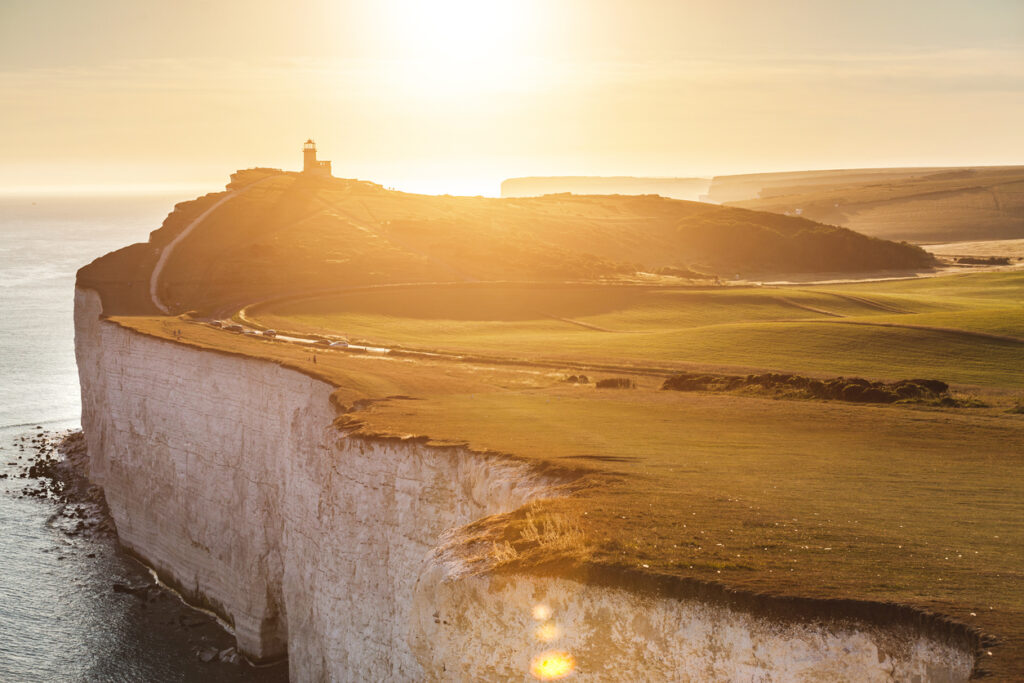
Morning light has a cooler tone. It feels crisp and slightly pale, especially on clear days. By midday, the light becomes harsher and more neutral, flattening colours and sharpening edges. Late afternoon brings that softer, golden quality people often call golden hour. Even if you’re indoors, you can notice this change. Walls glow differently. Surfaces reflect light in warmer shades. Without checking a watch, your eyes start to associate certain tones with certain times of day.
Your hunger runs on a schedule.
Your body has its own internal timing system, often more reliable than you give it credit for. If you wake at roughly the same hour most days, your hunger cues tend to follow a pattern. Mid-morning hunger creeps in after a few hours of activity. Lunchtime cravings often feel predictable.
Later in the day, energy dips can signal mid-afternoon. Evening appetite tends to rise again as the day winds down. When you stop overriding those signals with constant snacking or irregular sleep, your body becomes a surprisingly accurate guide.
Birds mark the edges of the day.
Birdsong is one of the clearest natural time indicators. Just before and after sunrise, birds erupt into what’s known as the dawn chorus. It’s layered, energetic, and hard to miss if you’re near trees or gardens.
As the morning progresses, the intensity drops. By midday, bird activity quiets considerably. In the early evening, certain calls return as birds prepare to roost. Listening carefully can give you a solid sense of whether the day is just beginning, in full swing, or winding down.
Your energy levels rise and fall in waves.
Most people experience a natural rhythm of alertness. There’s often a mental sharpness a couple of hours after waking. Then comes a lull in mid-afternoon, when focus dips and motivation fades slightly. Evening can bring either a second wind or a steady decline into tiredness.
If you’re in tune with these cycles, you can estimate time based purely on how your brain feels. That familiar afternoon slump rarely shows up at 10am. That steady calm rarely arrives at noon. Your nervous system keeps its own quiet schedule.
Indoor light drifts across the room.
If you sit near the same window daily, you’ll start noticing how light travels across your floor or desk. Morning sun might strike one wall directly. By early afternoon, that same spot is in shade while another area brightens. You don’t need to track it deliberately. Repetition builds awareness. Over weeks and months, you begin to recognise roughly what time it is based on where the light sits in the room.
Temperature tells its own story.
The air usually warms steadily through the morning, peaking in early to mid-afternoon, then cooling gradually toward evening. Even subtle changes can be felt on your skin if you’re outside long enough. There’s often a gentle chill creeping back in as sunset approaches. That cooling sensation, combined with softer light, gives a clear signal that the day is turning.
Animals follow routines like clockwork.
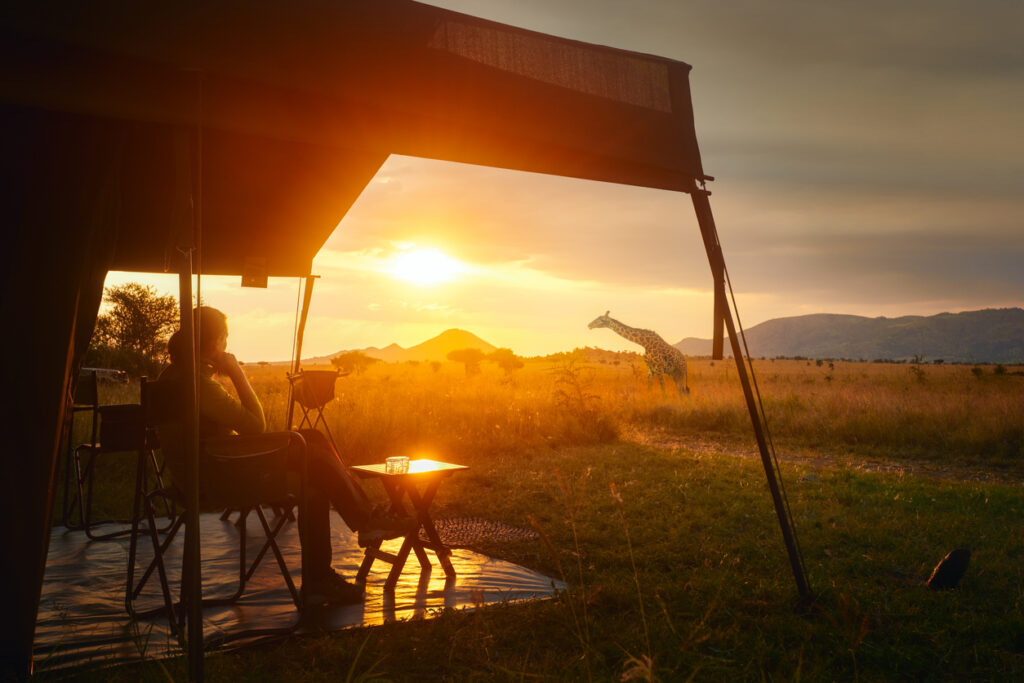
Pets are excellent timekeepers. Dogs often become restless around their usual walk time. Cats may appear near feeding areas well before dinner is served. They don’t check watches, but their bodies know. Wild animals show similar patterns. Squirrels tend to be busiest in the morning. Foxes appear at dusk. If you regularly observe wildlife, their behaviour can act as a subtle timestamp.
Your sleepiness arrives on cue.
When you maintain consistent sleep habits, your body starts preparing for rest at roughly the same time each evening. You might notice your thoughts slowing, your eyes feeling heavier, or your focus drifting. If you ignore screens and artificial light for a while, that internal rhythm becomes more obvious. Your circadian clock doesn’t need batteries. It just needs consistency to stay sharp.
Time has always been woven into the environment. We rely on digital numbers because they’re precise and convenient, but the world is still moving in steady, predictable cycles all around us. The sun climbs and falls, shadows stretch and shrink, birds sing and settle, your energy rises and dips. Once you start noticing those patterns, you realise you’ve been surrounded by clocks your entire life.