If you’ve spent any time looking up lately, you’ve probably noticed that space is getting a lot more crowded.
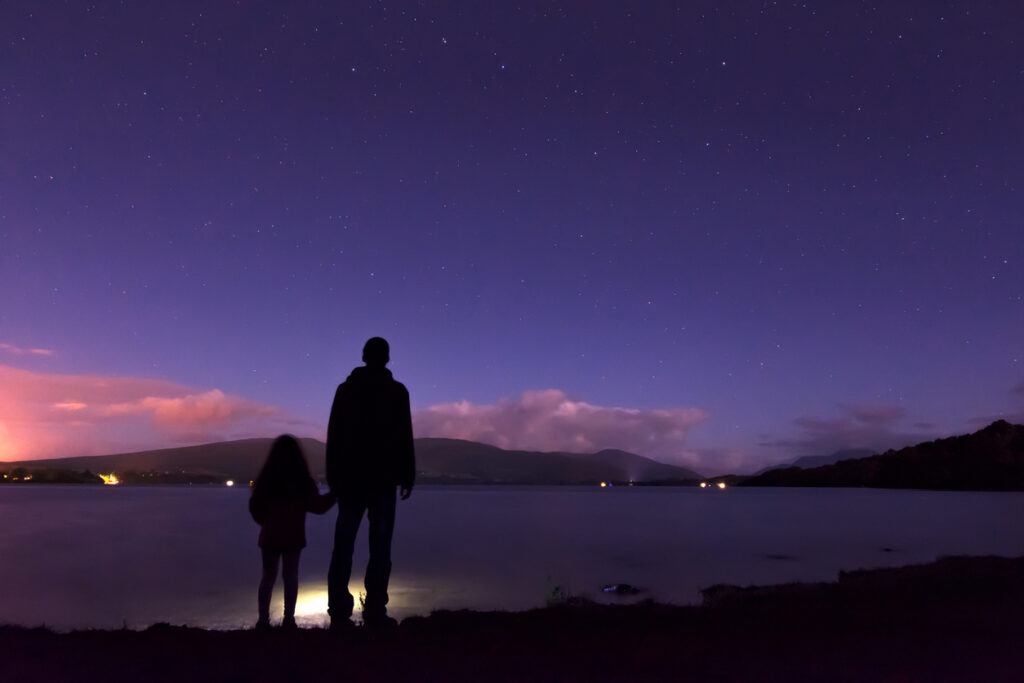
We’re currently living through the fastest transformation of the night sky in human history, and it isn’t because of the stars themselves. While the constellations our ancestors saw have stayed roughly the same for thousands of years, the view you’ll see in 20 or 30 years is going to be unrecognisable. We’re moving away from a sky that belongs to nature and toward one dominated by human light and machinery.
Whether it’s the relentless march of satellite trains or the fading of the Milky Way behind a haze of LED glow, the changes are coming thick and fast. It’s a bit of a bittersweet transition; we’re launching more technology than ever to explore the universe, but in doing so, we’re making it harder to actually see the thing from our own back gardens. Realising that our grandkids might only ever see a truly dark sky in a museum or a remote desert is a bit of a wake-up call about what we’re losing in the name of global connectivity.
The Big Dipper is slowly changing shape over centuries.
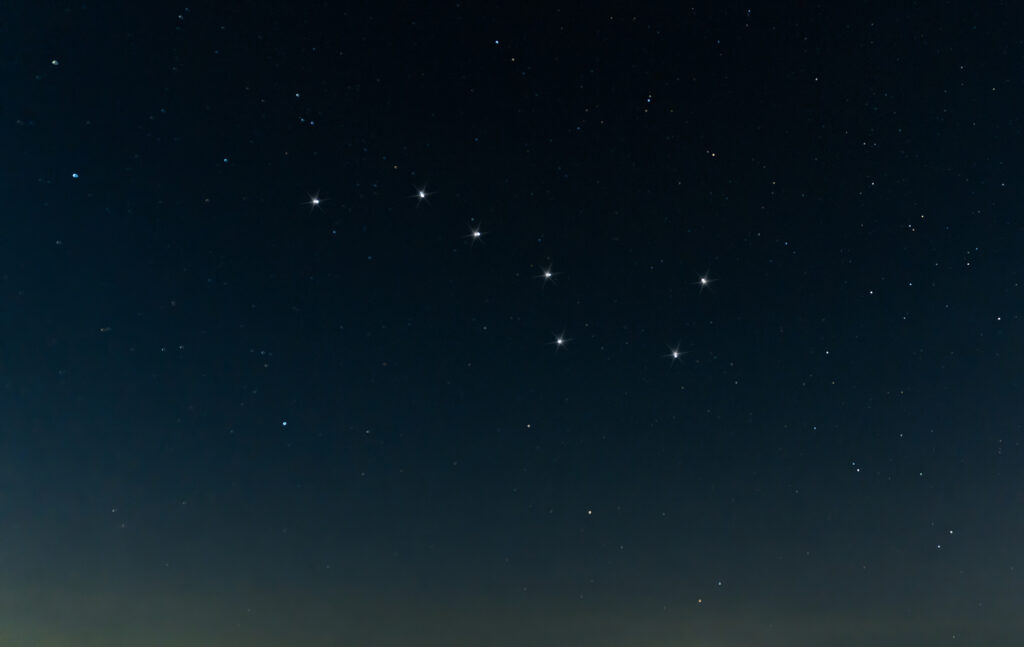
The seven bright stars that make up the Big Dipper aren’t connected in space the way they appear from Earth, so they’re all moving at different speeds and directions through space. Over the next 50,000 years, the familiar shape you know will become almost unrecognisable, with the stars drifting apart into a loose scattered pattern.
During your lifetime, you probably won’t notice obvious changes, but in a few hundred years the shape will be noticeably different from what we see today. Future generations will wonder why ancient people called it a dipper because it won’t look remotely like one anymore.
Polaris won’t always be the North Star.
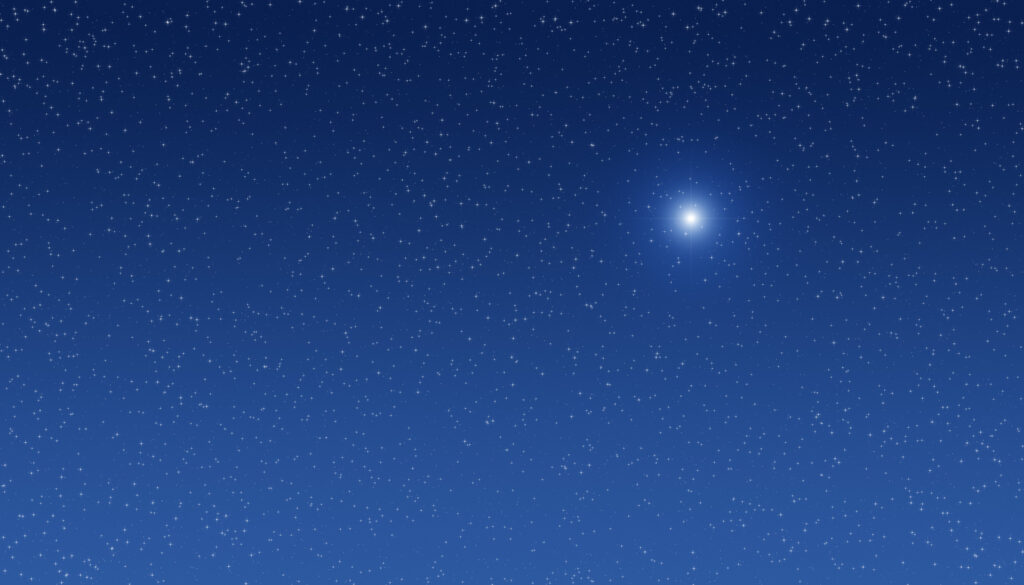
Polaris has been our North Star for about 2,000 years, but Earth’s axis is slowly wobbling in a process called precession, which means a different star will eventually take its place. Over the next 12,000 years, Polaris will drift away from true north and eventually become useless for navigation.
By around the year 14,000, the bright star Vega will become the new North Star, making it the guide for navigators thousands of years from now. This slow wobble has been happening for millennia, but eventually every civilisation’s navigation system becomes obsolete just because of Earth’s tilt.
Some constellations will become invisible from certain parts of the world.
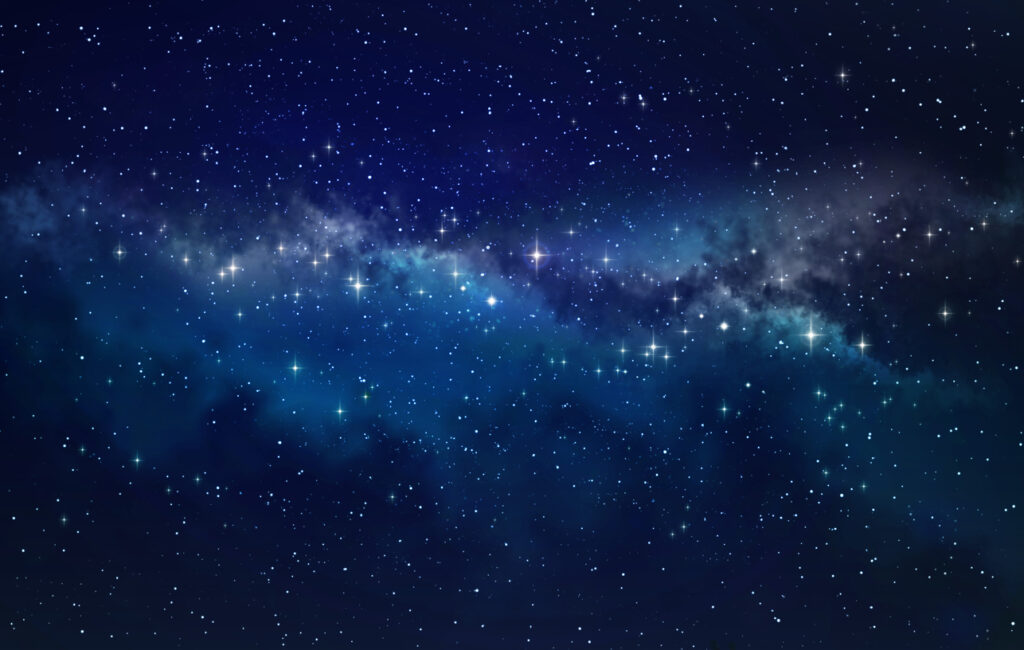
As stars move through space and Earth’s axis changes, constellations that are currently visible from your location will eventually dip below your horizon and disappear from view. Meanwhile, other constellations that are currently invisible from where you live will rise above the horizon and become visible.
This means the night sky you see today is genuinely unique to this moment in history, and future humans will see a totally different set of constellations from the same location. It’s like the universe is constantly redecorating the sky and giving different people different views depending on when they’re alive.
The Moon is slowly drifting away from Earth.
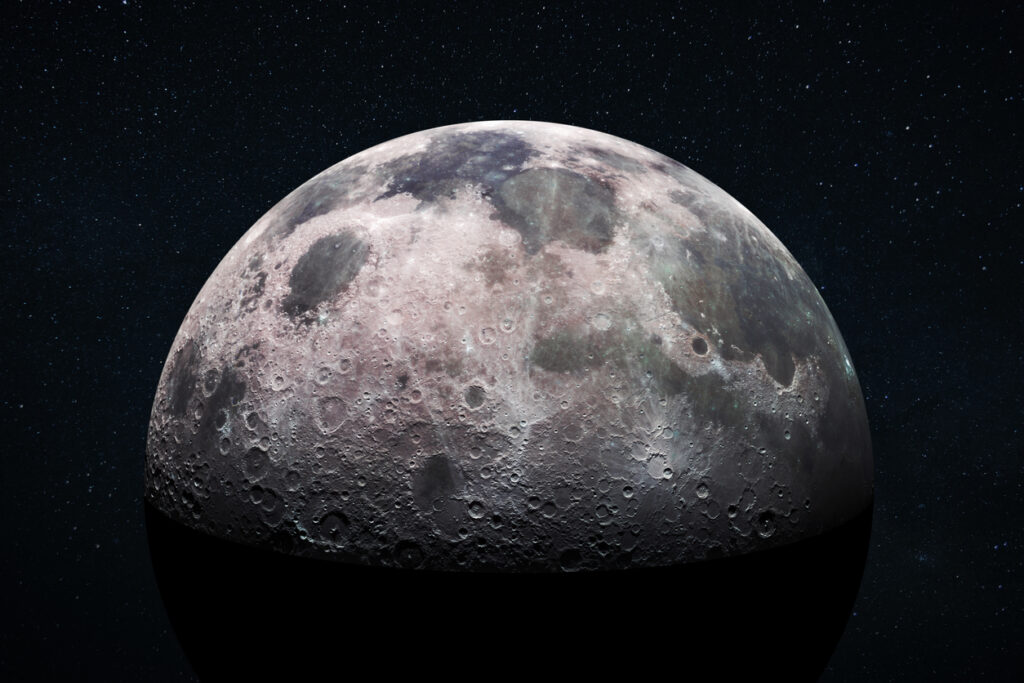
The Moon is moving away from us at about 3.8 centimetres per year, which doesn’t sound like much but adds up over time. In a few hundred million years, the Moon will be so far away that it won’t be able to cause total solar eclipses anymore, completely changing how those events look from Earth.
During your lifetime, you’re unlikely to notice any difference in how the Moon appears, but the total solar eclipses you see now are genuinely special because they won’t exist forever. Future generations will look up at a smaller Moon that doesn’t quite cover the Sun during an eclipse, making those events look very different.
Stars are constantly being born and dying in distant galaxies.
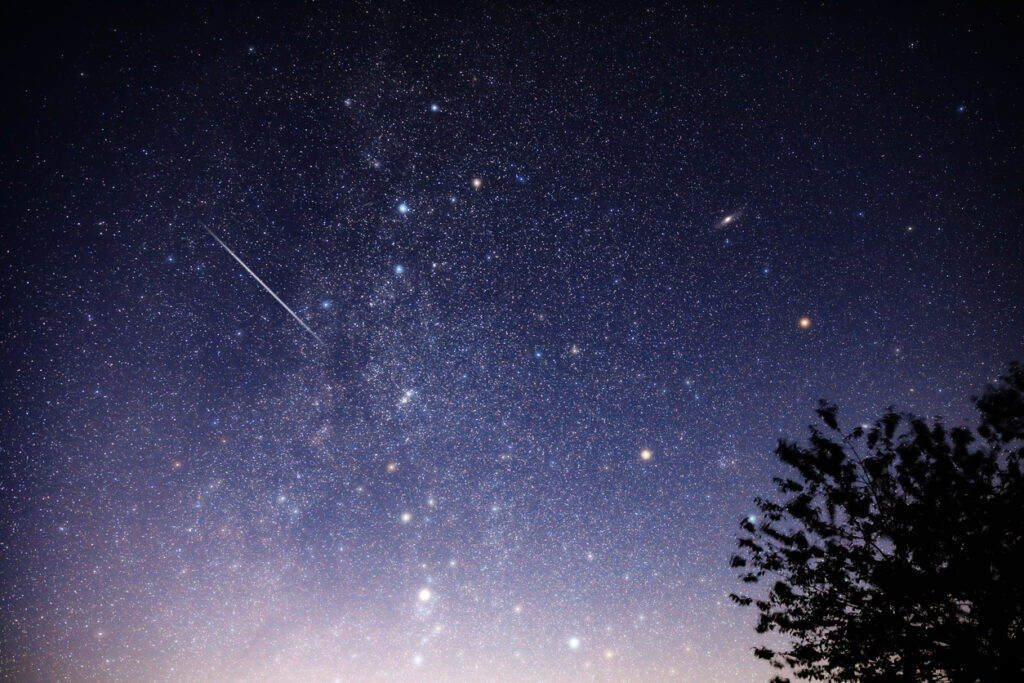
While stars in our own galaxy move slowly relative to our position, massive stellar explosions and births are happening constantly in other galaxies you can’t see with your naked eye. Telescopes allow us to see distant supernovae where massive stars explode and create new elements that will eventually form planets and possibly life.
New stars are forming right now in nebulae across the universe, creating the next generation of celestial objects that future civilisations might study. The universe is in constant creative and destructive flux, even though it seems static when you look up at night.
Comets will make surprising appearances throughout your lifetime.
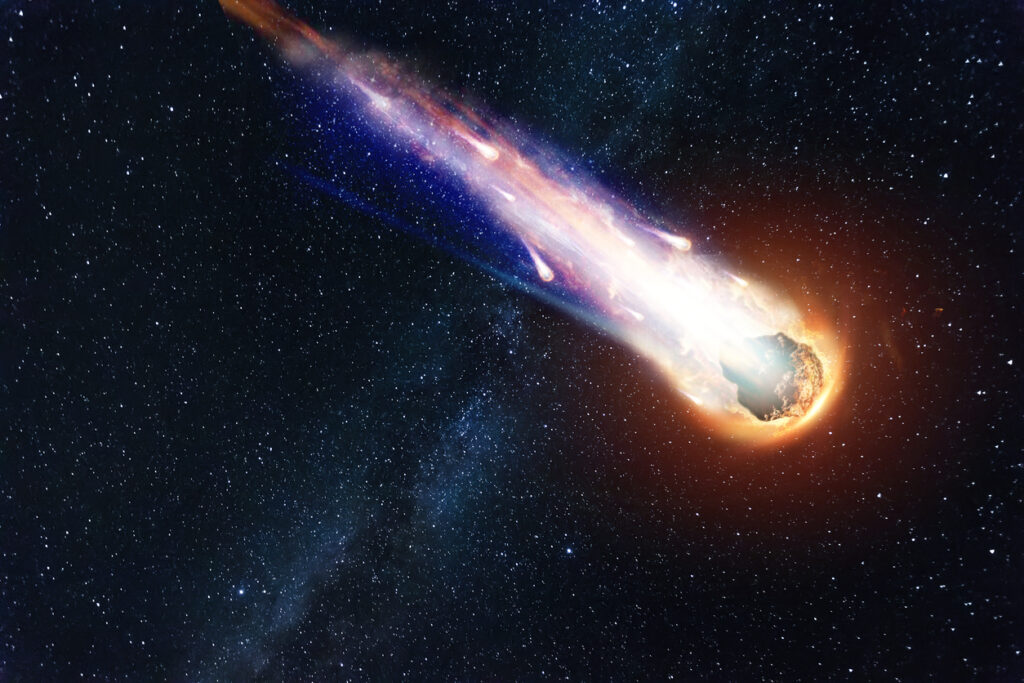
Some comets return on predictable schedules, like Halley’s Comet every 75 to 76 years, so if you live long enough you might see the same comet twice. Other comets appear without warning, suddenly becoming visible for a few weeks before disappearing back into the outer solar system for decades or centuries.
While you’re still around, unexpected comets will probably become visible several times, offering brief windows to see something genuinely rare and spectacular. These surprise visitors are one of the few things about the night sky that genuinely change noticeably within a human lifespan.
Planets will change their positions relative to the stars and each other.
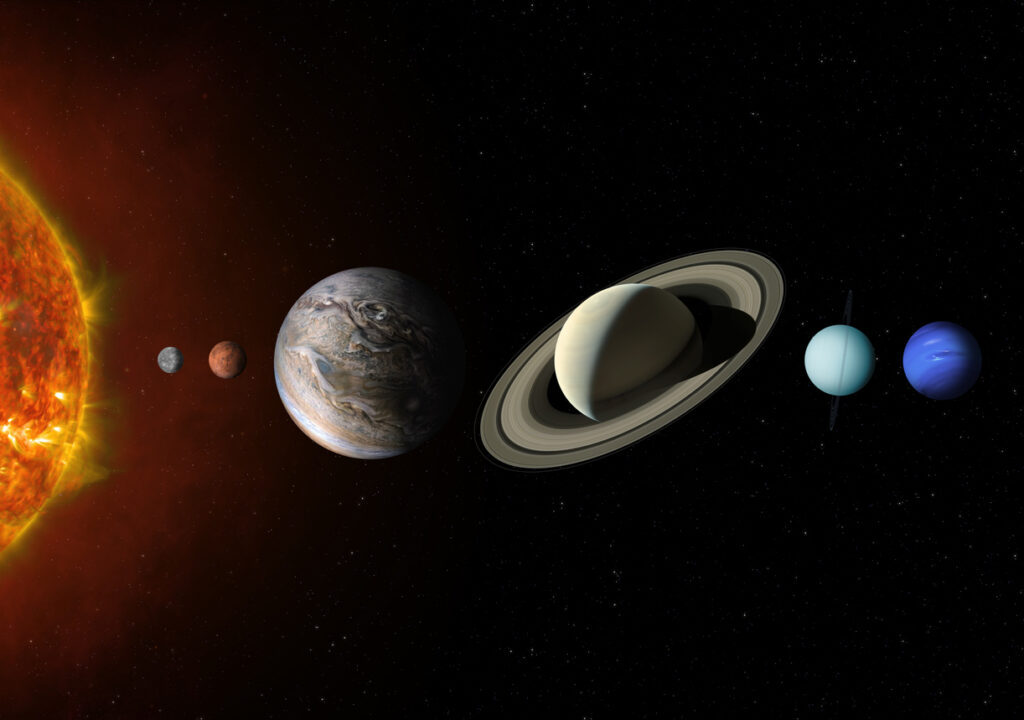
Planets orbit the Sun on different schedules, so their positions relative to the constellations and each other are constantly changing in complex patterns. Planetary alignments that are rare and special happen on cycles of years or decades, giving you unique opportunities to see planets clustered together in ways you never will again.
These alignments were important to ancient astronomers, and they’re genuinely worth watching if you know when they’re happening. The dance of the planets across the night sky is one of the most dynamic and changing aspects of what you see overhead.
Light pollution is making most stars invisible, even as the actual stars stay the same.
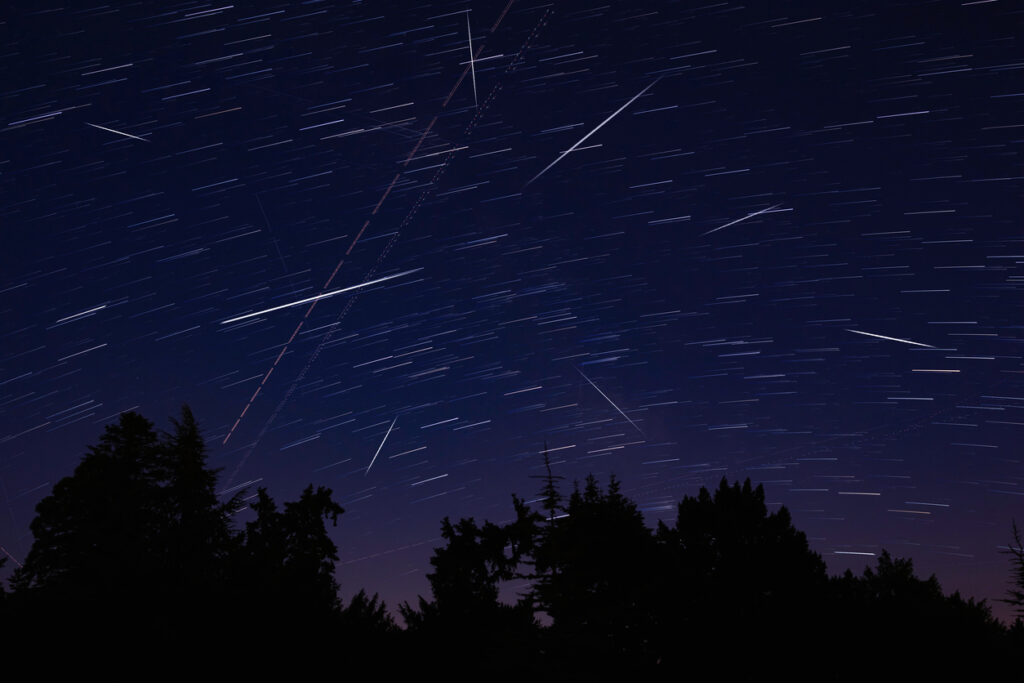
While the stars themselves aren’t changing much during your lifetime, human activity is making them disappear from view by filling the sky with light pollution from cities and towns. Many people alive today have never actually seen the Milky Way because city lights wash out the fainter stars entirely.
In just a few decades, more stars have become invisible to most of humanity than have moved noticeably in the sky. This means the night sky experience is changing dramatically for humans, even if the actual celestial objects aren’t going anywhere.
Gamma-ray bursts and supernovae create brief new lights in the darkness.
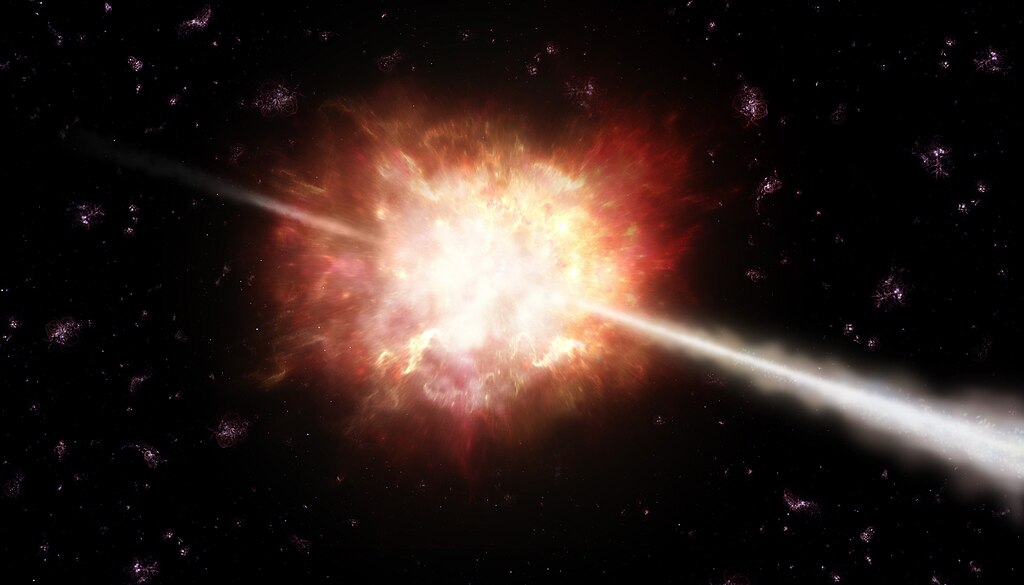
Every so often, a massive stellar explosion happens somewhere in the universe and briefly creates a new bright point of light in the night sky that wasn’t visible before. These events are unpredictable and rare from our perspective, but they happen constantly across the billions of galaxies out there.
During your lifetime, you might witness a supernova suddenly appear where no bright star existed before, burning brilliantly and then fading over weeks or months. These dramatic events remind us that the night sky isn’t as permanent as it seems.
The International Space Station and satellites are becoming more visible and numerous.
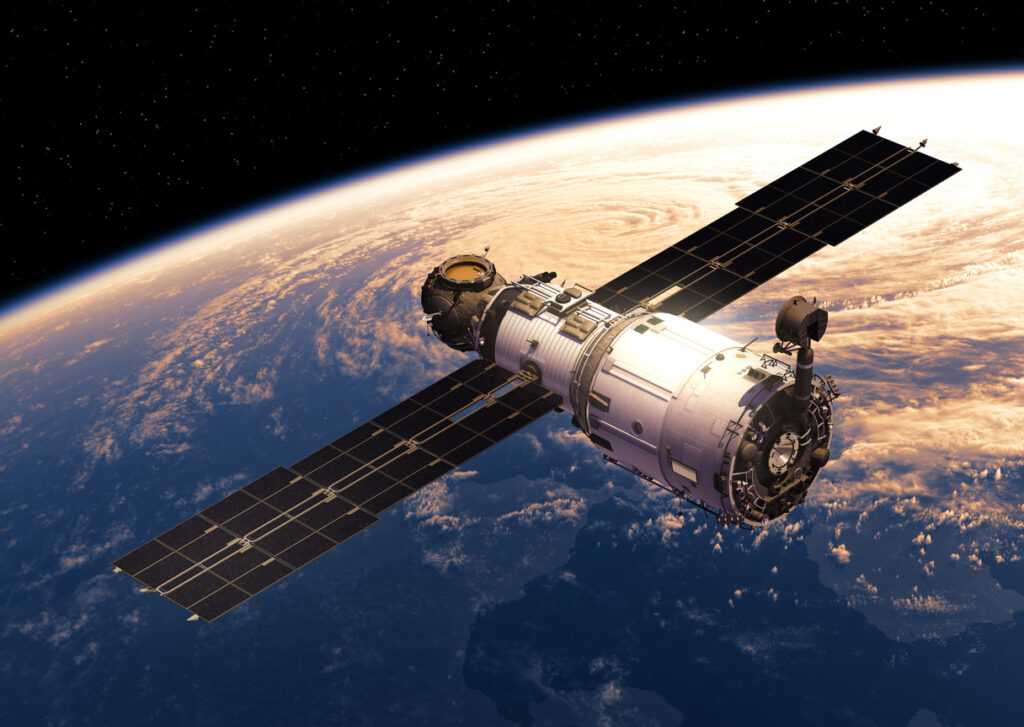
While not part of the “natural” night sky, human-made objects are increasingly visible overhead, and they’re genuinely changing what the night sky looks like for people on Earth. The International Space Station passes overhead regularly and is bright enough to see without telescopes, looking like a moving star that crosses the sky.
New satellite constellations are being launched constantly, and some people worry these will eventually fill the night sky with human-made objects and ruin stargazing. The night sky you see now includes more human activity than any previous generation has ever witnessed, fundamentally changing the experience of looking up.