Walking into one of the UK’s few remaining ancient woodlands is like stepping into a living museum that has managed to dodge the axe for two millennia.
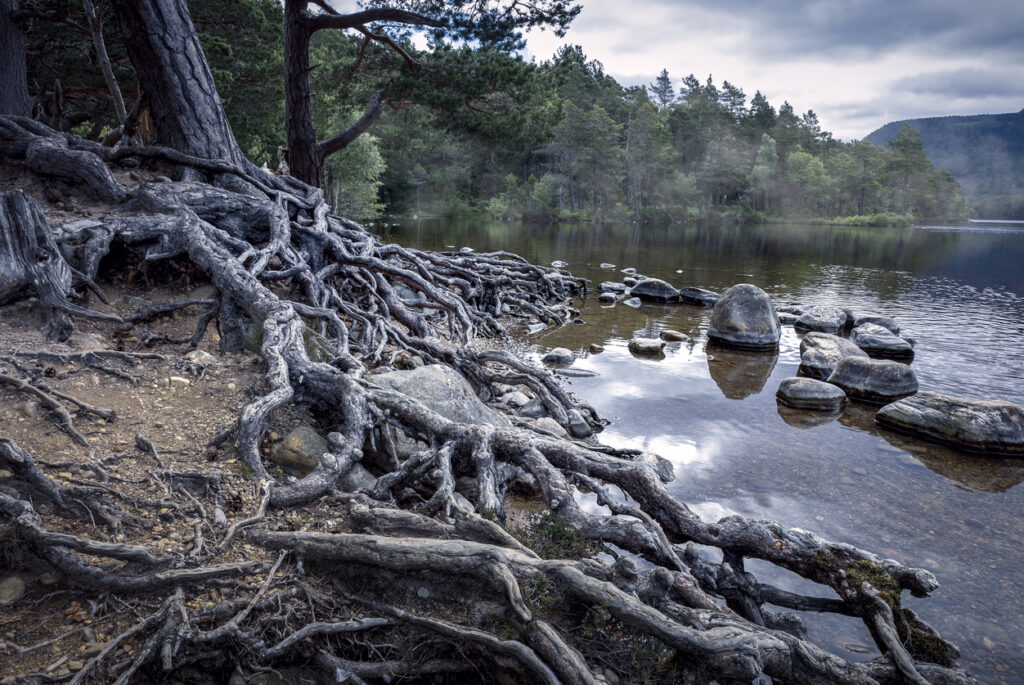
While most of the country was cleared for farming or timber long ago, these 12 pockets of land have survived since the Romans were marching across Britain, acting as a direct link to our pre-industrial past. You aren’t just looking at old trees; you’re standing in an ecosystem that’s been refining itself since before the first stones were laid for Hadrian’s Wall.
These forests haven’t survived by accident. They’ve usually been protected by royal decree, difficult terrain, or simply because they were too valuable as a sustainable resource to clear-cut. From the twisted oaks of Wistman’s Wood to the sprawling canopy of the New Forest, these sites are the last strongholds for thousands of species that can’t survive anywhere else. When you realise that these trees were already centuries old when our ancestors were medieval peasants, it really puts our own brief history into a bit of perspective.
1. Epping forest, Essex and London
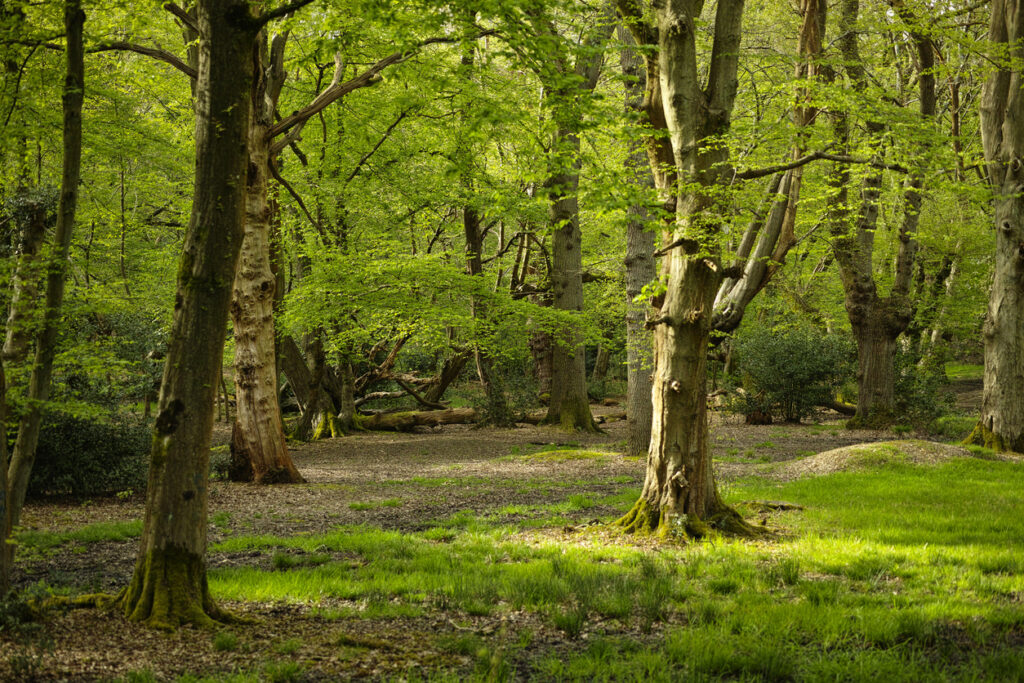
Epping Forest is one of those rare bits of woodland that feels too big and too old to be real, especially considering how close it is to London. Parts of it have strong evidence of long woodland continuity, with ancient pollards, old wood pasture patterns, and a landscape that never fully got turned into fields.
When you walk through the thick hornbeam and oak sections, it doesn’t feel like a planted park, it feels like a survivor. Even if the exact edges have shifted over the centuries, the idea of this place as a long-standing wooded zone has stuck around in a way most lowland woodland didn’t manage.
2. Hainault forest, Essex
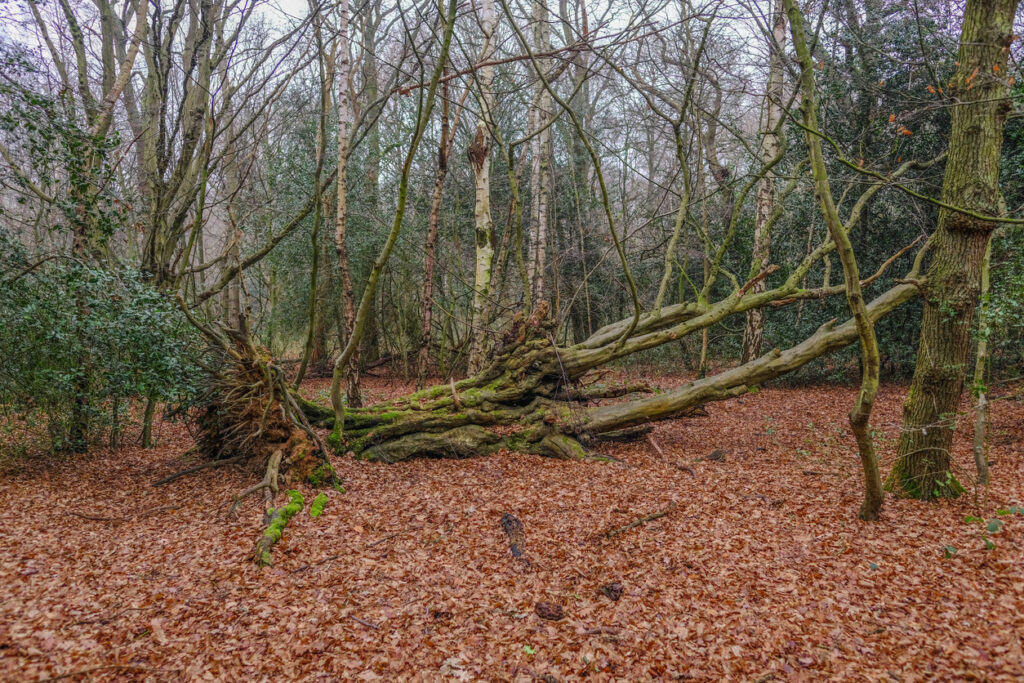
Hainault Forest is smaller than it used to be, but what’s left still carries that proper old woodland feel. Ancient hornbeam pollards, gnarly old standards, and the overall structure of the place point to a long history of woodland management rather than modern planting.
It’s the kind of woodland where the age isn’t just about one big tree, it’s in the whole setup. You can tell it’s been worked, grazed, and coppiced in cycles for generations, which is exactly how a lot of Britain’s long-lived woods survived in the first place.
3. Sherwood forest, Nottinghamshire
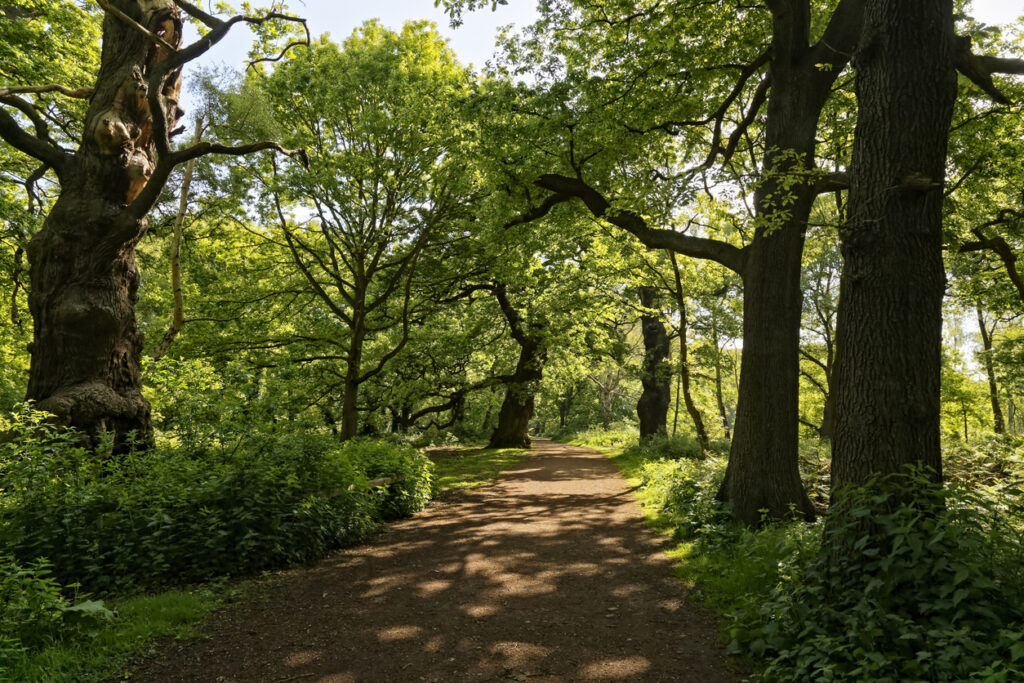
Sherwood is famous for the legend, but the real story is that it sits in a landscape that has had trees for a very long time. The area has evidence of woodland stretching back thousands of years, even if the forest you see today is a patchwork of heath, plantations, and ancient oak remnants.
That matters because it means the woodland identity here isn’t a recent invention. The veteran oaks are the headline act, but the deeper point is that this is a place where trees never fully stopped being part of the land, even when other regions were stripped bare.
4. The forest of dean, Gloucestershire
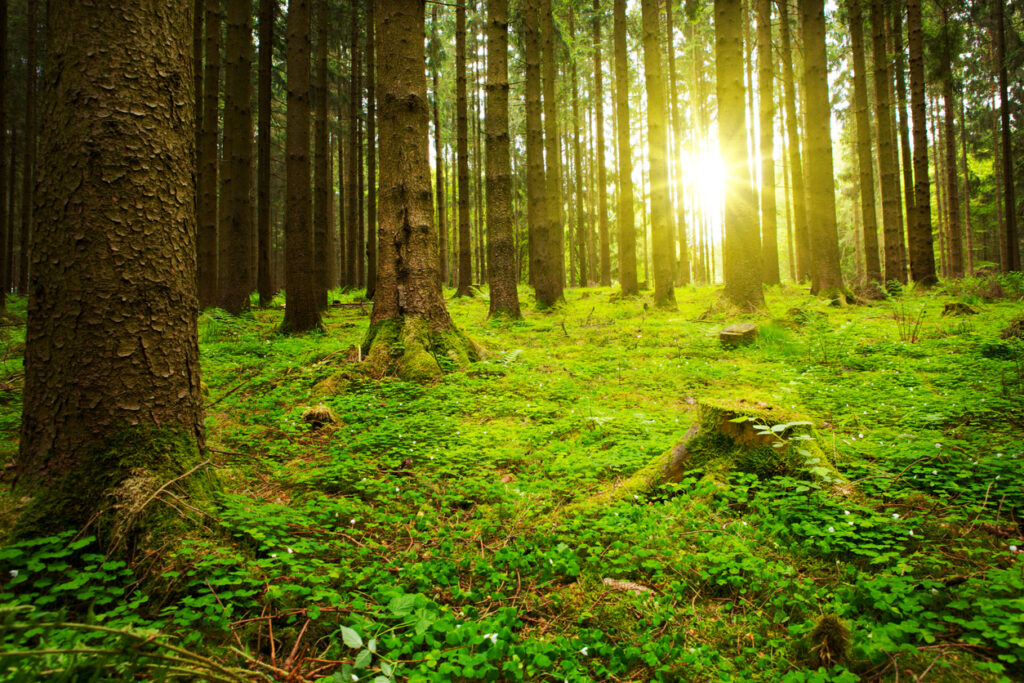
The Forest of Dean has a stubborn, self-contained feel, like it’s always been slightly separate from the rest of England. It’s long been heavily wooded, and the area is also tied to Roman-era industry, with history wrapped up in ironworking and extractive use rather than simple farmland expansion.
Forests that survived usually did so because they were useful in a way fields couldn’t be, and Dean is a perfect example. Even with centuries of change, it still reads as a real forest on the map and on the ground, not a tidy woodland belt added later.
5. Savernake forest and west woods, Wiltshire
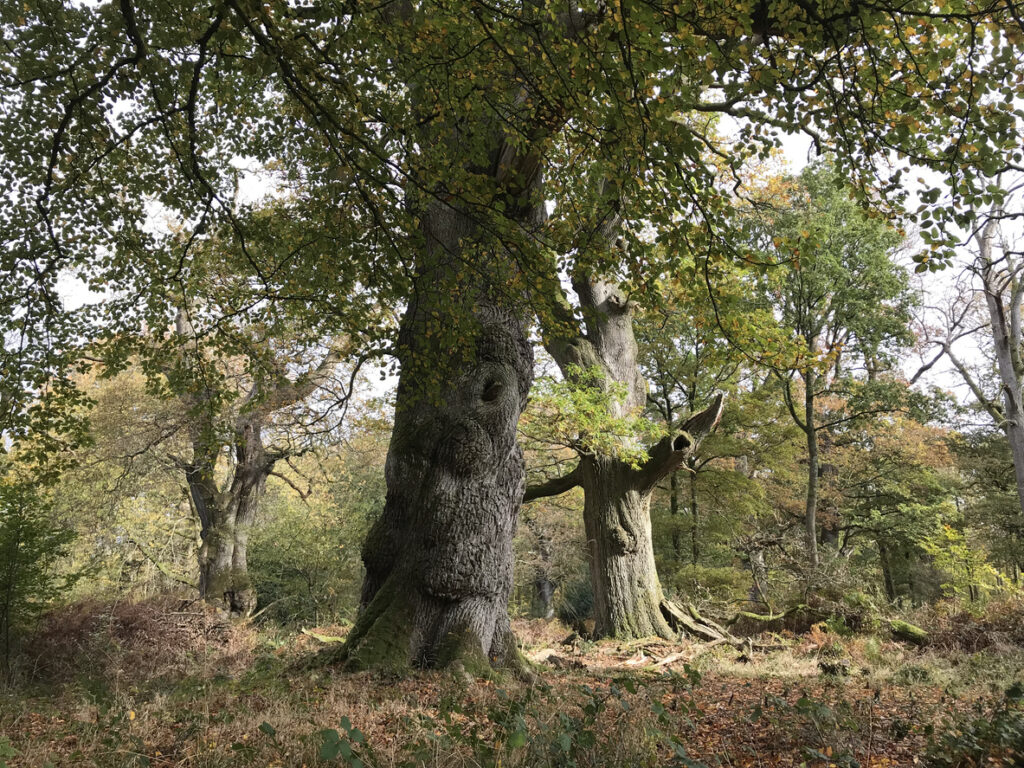
Savernake is often described as an ancient forest, and it also sits in a landscape that shows deep time through its archaeology. Roman roads cross the area, and there’s evidence of Roman activity nearby, which gives you that strong sense that this was already a wooded, worked place while Britain was under Roman rule.
It’s also one of those woods where the age feels personal because of the trees. You get massive, characterful veterans and a sense of continuity, even though the forest has never been a single solid block of woodland. It’s old in the messy, real-world way.
6. Windsor great park and the wider Windsor forest landscape, Berkshire
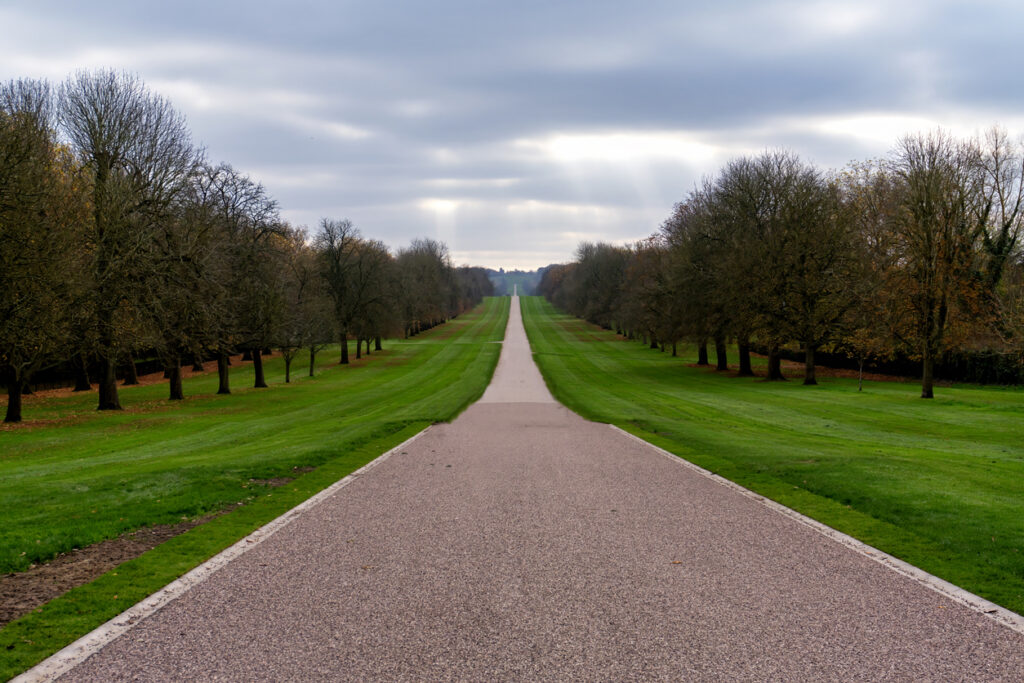
Windsor Great Park is famous for its royal history, but the trees are what make it feel genuinely ancient. Some of its veteran oaks are estimated to be well over a thousand years old, which puts them right on the edge of late Roman Britain and the turbulent centuries after.
Even if you treat it more as a historic wooded landscape than a wild forest, it still counts as a living link to deep time. When you stand next to one of those old oaks, it’s hard not to think about everything that’s happened while that tree just kept doing tree things.
7. Kingley vale, West Sussex
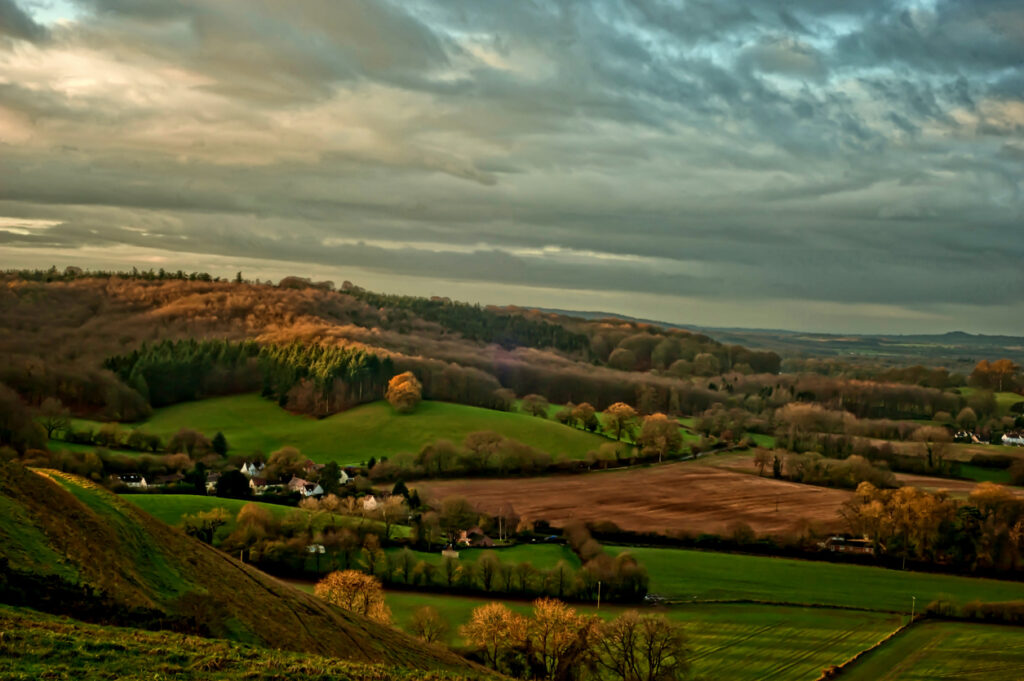
Kingley Vale is famous for its yew forest, and yews don’t mess about when it comes to time. Some yews here are estimated at around 2,000 years old, which means they were already mature trees around the time Roman Britain was a thing people lived through.
It’s also a different vibe from most British woodland. Yew woods have a darker, stiller feel, and the whole place looks ancient even on a bright day. It’s not about neat trails and perfect clearings, it’s about a stand of trees that has outlasted whole eras.
8. Charnwood forest, Leicestershire
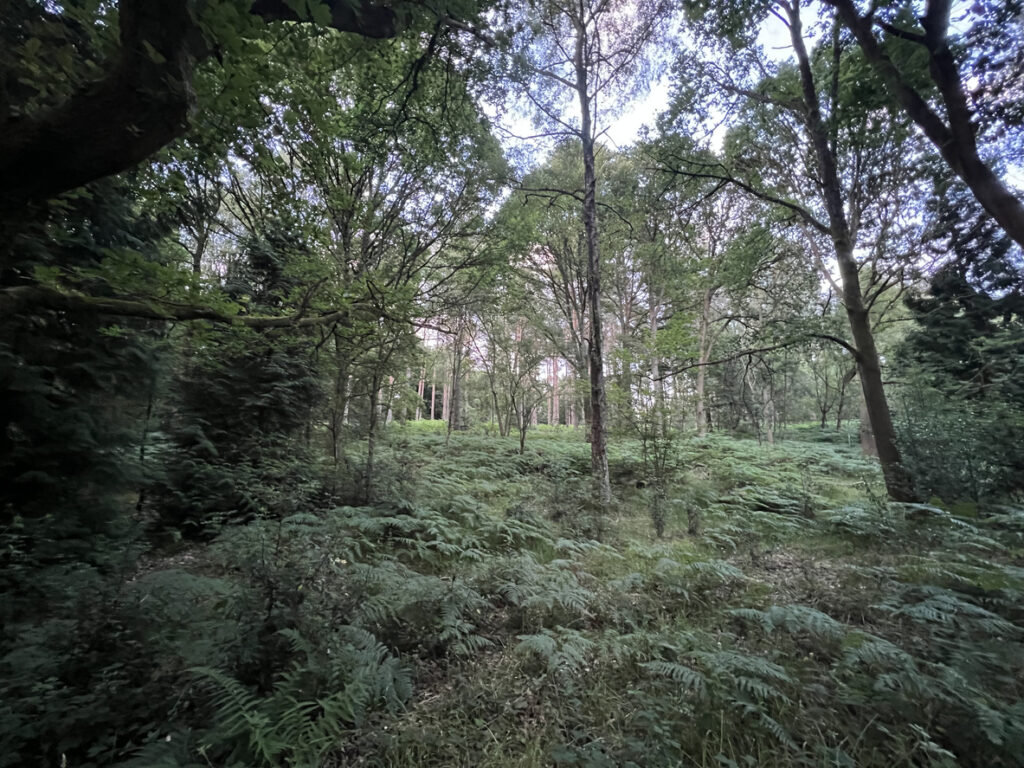
Charnwood Forest is a landscape that’s been shaped by people for a very long time, partly because the ground is rocky and stubborn in a way that doesn’t always suit ploughing. That kind of land often ends up holding on to pockets of older woodland simply because it’s awkward to fully tame.
It’s not one continuous forest in the way people imagine, but it’s full of surviving ancient woods and old parkland trees, stitched into a wider upland-ish patchwork. The point is that this landscape kept wooded places alive through centuries when easier land got cleared again and again.
9. Wistman’s wood, Dartmoor
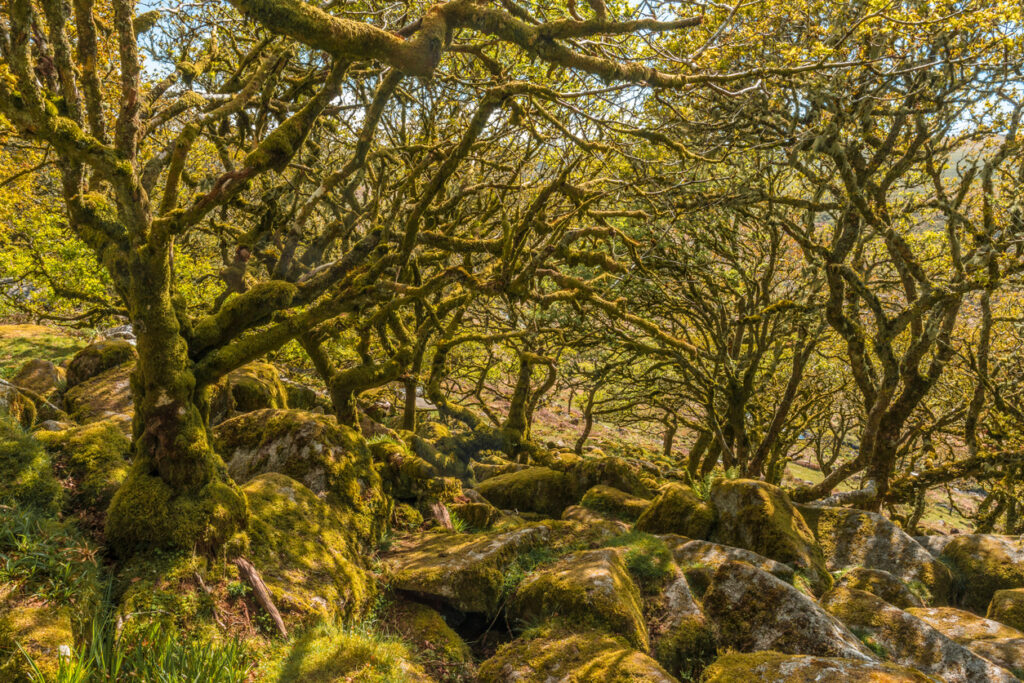
Wistman’s Wood looks like it fell out of a myth, with twisted oaks, boulders, and moss everywhere you look. The individual trees aren’t Roman-era old, but the wood is often described as a remnant of much older woodland that once covered more of Dartmoor before clearance and climate shifts.
So it earns its place here as a survivor, not as a museum piece. It’s a tiny, stubborn fragment that still behaves like ancient woodland, right down to the feel underfoot and the way it holds damp and shade. It’s what’s left when most of the rest gets erased.
10. Abernethy forest, Cairngorms
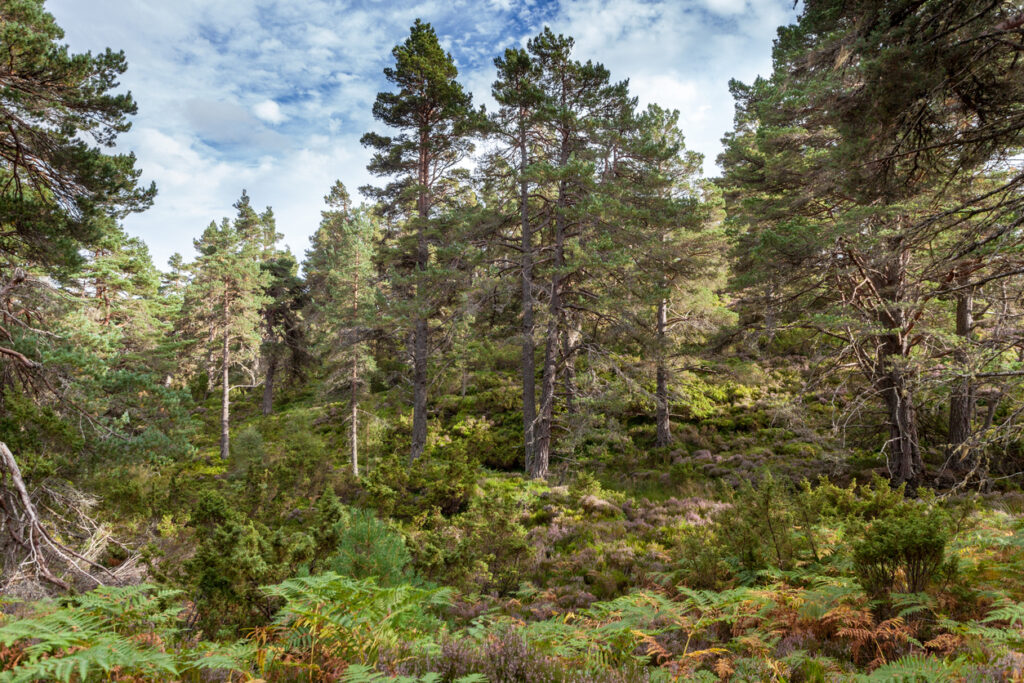
Abernethy is part of the Caledonian pinewood story, which is basically Britain’s great lost forest legend, except it’s real. The pinewood remnants here represent a type of forest that once spread across huge areas of Scotland, long before and during the Roman period.
When you’re in Abernethy, it’s less about one ancient tree and more about the whole system. Scots pine, heather, bog, and open glades all stitched together, with that feeling that this landscape never fully got turned into something else. It’s old Scotland holding its ground.
11. Glen affric, Highlands
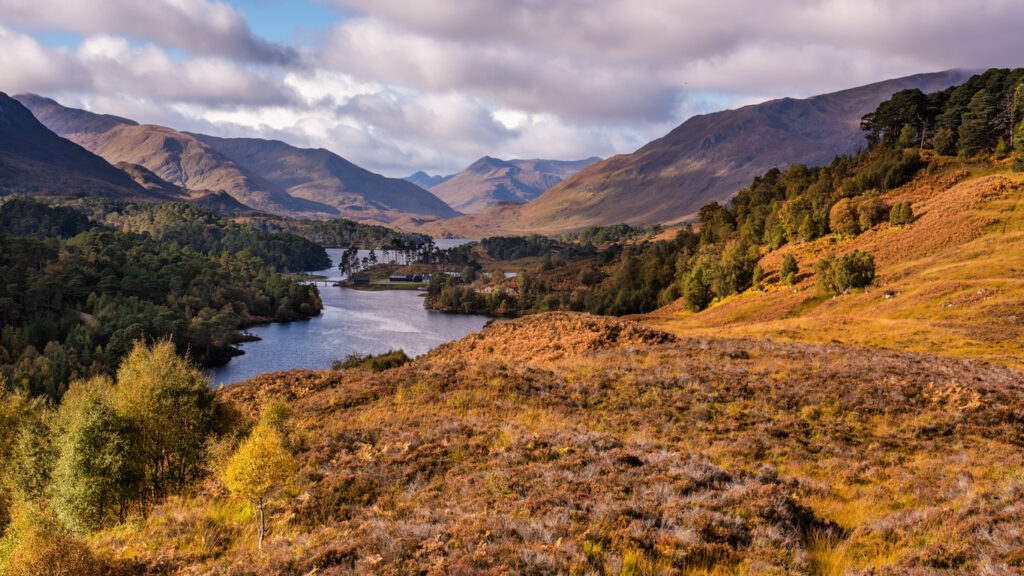
Glen Affric is one of the places people point to when they talk about what the Highlands used to look like before the big losses. It holds some of the largest remnants of native Caledonian forest, with pine and birch mixes that feel genuinely rooted in deep time.
It’s also a place where the continuity is about the land as much as the trees. The glen itself still supports the idea of forest in a way that makes sense, with natural regeneration and big stretches that don’t feel like a thin strip left over. It feels like a landscape that remembers.
12. Rothiemurchus, Scottish Highlands
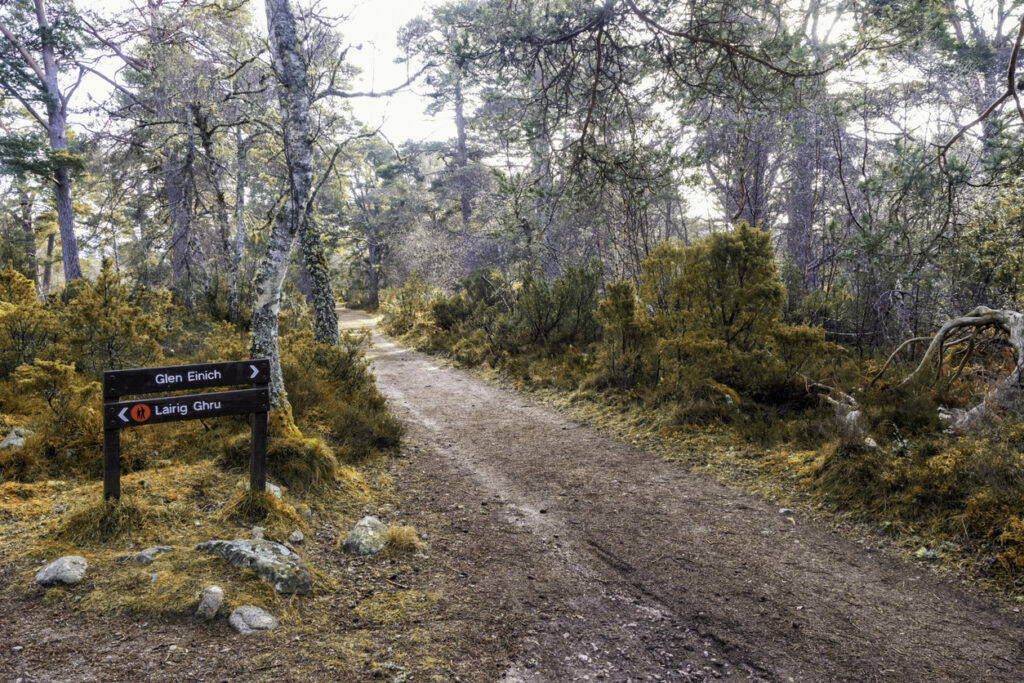
Rothiemurchus is another major Caledonian pinewood area, and it has that classic ancient forest feel where the trees are only half the story. You’ve got long-standing woodland, open spaces, lochs, and that sandy, pine-needled ground that looks and smells like old Highland forest should.
It’s been exploited and changed like every other place, but it never lost its forest identity completely. That’s the real survival trick. Even if the exact shapes and densities shifted over time, this remained a woodland landscape while so many others were cut down and never recovered.