The British garden is going through a major, rapid change that most of us are only just starting to notice.

Between increasingly erratic weather and our own habit of tidying up every messy corner, the classic sights we’ve taken for granted for generations are under a lot of pressure. We’re effectively editing out the staples of the traditional back garden, from the specific birds that used to visit to the plants that can no longer handle the changing climate. Knowing that your outdoor space might look and sound totally different in just 10 years is a bit of a reality check, as these familiar fixtures vanish one season at a time.
1. Hedgehogs padding about at dusk

For a lot of people, the classic British garden moment is spotting a hedgehog waddling along the fence line at night. The issue is that hedgehogs have taken big hits in recent decades, especially outside towns, and even urban areas only look better in some places rather than everywhere. Fewer connected gardens, busy roads, and less shelter all add up, so the chance of a casual sighting can drop fast.
If you grew up thinking hedgehogs were just part of the scenery, it can be weird to realise they’re turning into a lucky sighting instead. The next decade could easily be the point where lots of kids only know them from pictures, not from a real garden visit. It’s one of those changes that happens slowly until you suddenly notice you haven’t seen one in years.
2. House sparrows mobbing the feeder
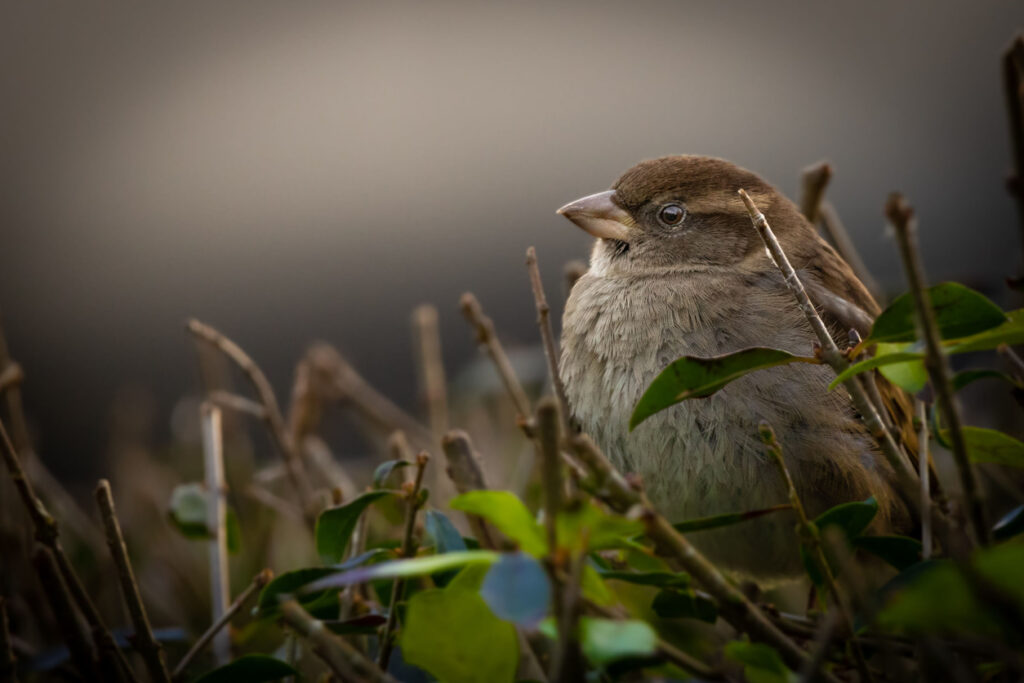
House sparrows feel like they should be unkillable because they live right next to us. Even so, the UK has seen steep long-term drops in their numbers, and some areas have been hit especially hard. If your garden used to have a loud, messy sparrow crowd in the hedge, there’s a real chance that turns into a couple of birds here and there, then eventually none at all.
The sad part is that sparrows don’t disappear with drama. They just fade. One year you notice the morning noise is lower, then you realise the feeder is getting ignored, and then you can’t remember the last time you saw a scruffy little gang bouncing around the patio. A decade is plenty of time for that kind of slow fade to become normal.
3. Starlings, especially the big garden crowds
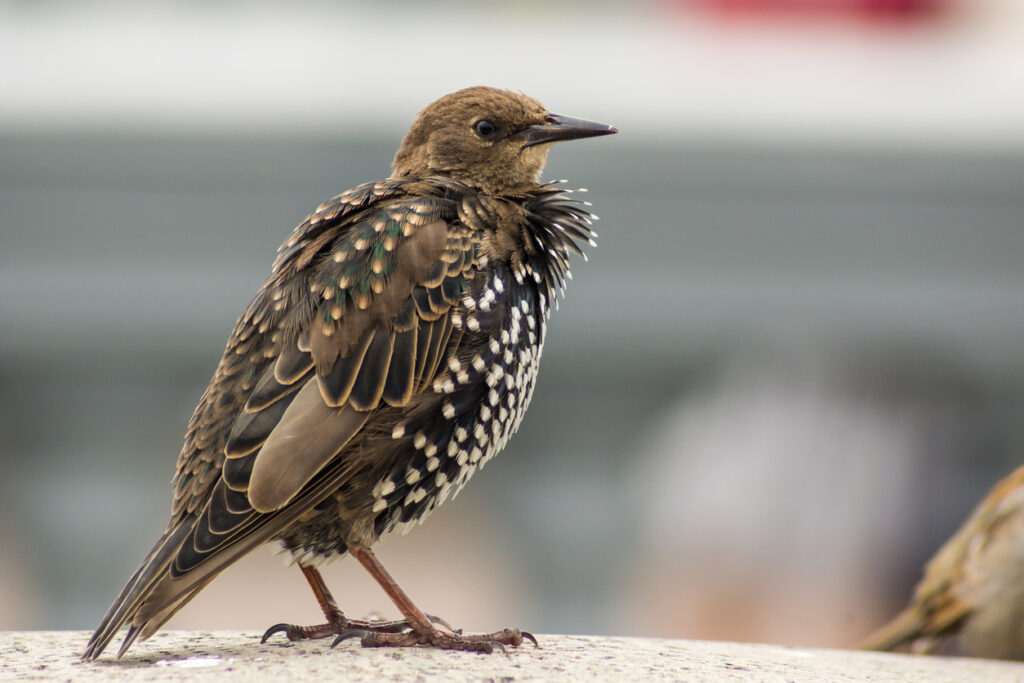
Starlings are still around, which can make it tempting to assume they’re fine. The bigger picture is rougher, with strong declines recorded over recent decades and growing concern about their status. The famous murmurations still happen in places, but the everyday thing of starlings bouncing around the lawn, squabbling over suet, and turning up in numbers is getting less dependable.
Gardens are where a lot of people notice these changes first, because you don’t need binoculars or a nature reserve to see it. One winter you might get a small group, next winter you get one or two, then it’s mostly pigeons and nothing else. If current trends keep going, starlings could end up feeling like a special sight rather than a normal one for a lot of households.
4. Greenfinches turning up regularly on feeders

Greenfinches used to be a steady, everyday feeder bird in loads of places. They’ve been hammered by disease in recent years, and that’s led to major population drops in some areas. That means a garden that once had greenfinches as a standard visitor can suddenly go years without one.
This one can feel personal because feeders are meant to make your garden more lively, not less. When a feeder bird stops showing up, it’s hard not to notice the gap. If the trend continues, greenfinches could be one of those birds older people remember as common, while younger people just shrug because they’ve barely seen them.
5. Common toads hiding under pots and slabs

Toads are one of those garden creatures people only really notice when they bump into one, like finding a chunky little toad tucked under a plant tray. Britain’s common toads have seen serious declines over the long term. Losing ponds, road deaths during migration, and changing weather patterns can all pile pressure onto something that used to feel completely normal.
It’s also a visibility thing. If you have fewer toads in an area, you don’t just see fewer toads, you see almost none because they’re good at keeping out of sight. A decade from now, loads of people could have gardens where toads simply aren’t part of the story anymore, even if there’s still plenty of soil, plants, and shade for them.
6. Bumblebees that feel properly plentiful on warm days

Most of us still see bumblebees, but the difference is in how many, and how often. Numbers have dipped sharply in some recent seasons, and stressed populations get knocked harder by bad weather and habitat loss. When bees are already struggling, one rough spring can echo into the years after it.
The garden version of this is simple. Lavender and foxgloves still flower, but they don’t hum the way they used to. If the next decade brings more odd weather patterns like cold wet springs, plus the usual issues of lost habitat and fewer flowers in the wider landscape, the normal sight of bumblebees everywhere could become more patchy and more dependent on where you live.
7. The small tortoiseshell butterfly popping up like it owns the place

The small tortoiseshell used to feel like one of the default butterflies you’d see without trying, especially in summer. In recent years, numbers have dropped sharply in some areas, and it’s the kind of species people notice because it’s so familiar. When a familiar butterfly starts slipping away, it changes the feel of a garden in a way you can’t quite name at first.
Butterflies react fast to weather and food plant changes, so the ups and downs can look random from the outside. The risk is that people treat every bad year as a blip, then realise it wasn’t a blip at all. Ten years is long enough for a once-common butterfly to become a maybe, then a rare little surprise you mention to someone like it’s news.
8. The general background of butterflies in decent numbers

Even if you don’t track species, you probably have a mental picture of what a normal summer looks like. Many UK butterflies are in long-term decline, and recent counts have shown plenty of species doing badly year to year. The end result in gardens is fewer random flashes of wings as you walk past a buddleia or open the shed.
This is one of those changes that sneaks up because nobody expects a butterfly to be a scarce thing in Britain. If fewer butterflies are making it through spring and early summer, then the late summer garden can feel oddly still, even if it’s full of flowers. Over the next decade, the idea of butterflies being a constant might stop matching what people actually see outside.
9. Big garden birdwatch-style variety, not just pigeons and a robin
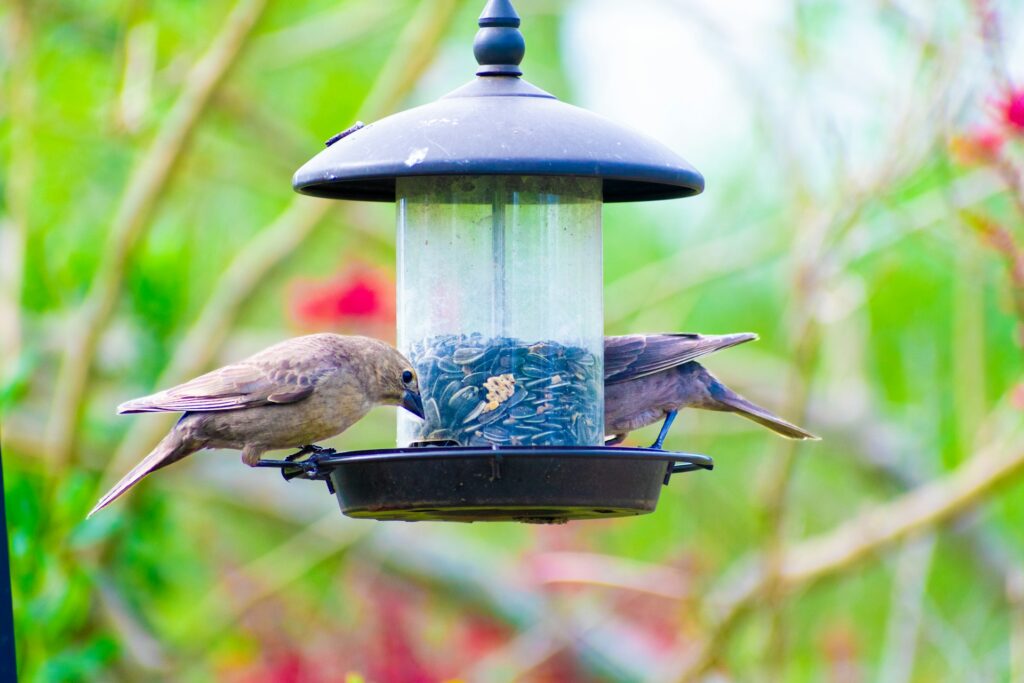
A lot of British gardens have already slipped into the same small cast of characters. When the wider bird world takes hits from habitat loss, disease, and messy weather, gardens can lose variety first because they’re small and fragmented. Several familiar species have seen long-term declines, even when they still show up on annual bird counts.
The next decade could be the point where people stop expecting variety at all, which is a bit grim when you think about it. If you’re used to hearing loads of different calls and seeing different shapes, the change feels obvious. If you’re not used to that, the decline can become invisible because the new normal just feels normal.
10. The simple sound of a garden that feels busy and alive

This one isn’t a single species, but it’s a real thing that lots of people recognise straight away. When sparrows thin out, when starlings stop coming in groups, when bees don’t pack the flowers, and when butterflies don’t drift through, gardens can start feeling oddly flat. Each loss on its own feels small, but together they change the atmosphere.
If you’re the kind of person who notices these little bits of life day to day, the next decade might feel like a before and after moment. Nothing announces itself. You just look up one day and realise the things you expected to see are no longer guaranteed, even in the middle of a typical British summer.