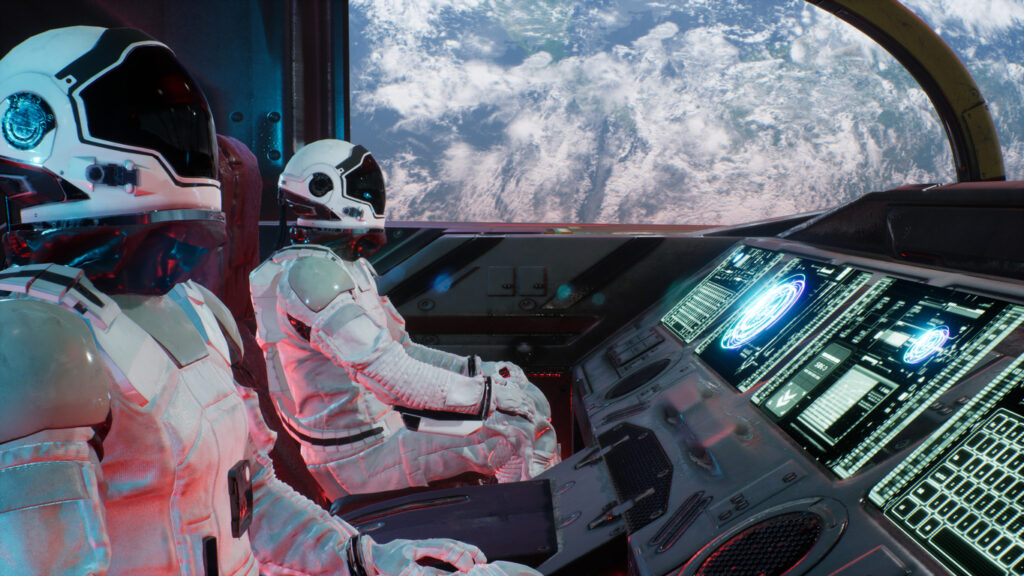
Most of us have spent a few minutes staring at the night sky wondering what it would be like to actually leave the planet, but the reality of getting there is a massive reality check. It’s not just about being a bit of a whizz at maths or having a pilot’s licence; the physical and mental demands are so intense they’d break most people before they even left the launchpad.
You’re not just looking at a fancy job title; you’re looking at a life where your body is constantly under siege and your brain has to stay pin-sharp while tucked away in a tiny metal tin for months on end. It takes a very specific, almost alien breed of person to handle that kind of pressure without folding. Here’s why you’re most likely not one of them (and neither am I!).
The motion sickness would be unbearable.
About half of all astronauts feel violently sick when they first get to space, and for some it’s so bad they can barely function for days. Your body gets completely confused when there’s no up or down, and your brain can’t process what’s happening. You’re floating around feeling like you’re going to throw up whilst trying to do complicated jobs where one mistake could kill everyone. Most people who get car sick or sea sick would be absolutely destroyed by zero gravity. There’s no stepping outside for fresh air or lying down until it passes, you just have to push through it.
You need really impressive qualifications.
NASA requires at least a master’s degree in science or engineering, and most people who get picked have PhDs or are military pilots. You’re competing against people who are literally the best in their field, not just good but exceptional. You also need at least three years working in your profession at a high level. The application process gets thousands of people applying and they pick maybe ten. Your qualifications need to be so good that you stand out even among all those high achievers.
@whyjordie #astronaut #submechanophobia #thalassaphobia #megalophobia #astronauttraining #nasa #space #spacestation #underwater #pools #pooltok #swimmingpool ♬ Creepy simple horror ambient(1270589) – howlingindicator
The physical requirements are really strict.
You need perfect eyesight or glasses that make it perfect, your blood pressure has to be in a specific range, you need to be between 157 cm and 190 cm tall, and you can’t have any serious medical history. Your bones need to be strong, your heart needs to be healthy, and you can’t have problems that might get worse in space. Even things like kidney stones or broken bones in your past can stop you getting picked. You’re not just fit, you need to be in basically perfect health. Most people have something wrong that would rule them out.
Living in a tiny space would drive you mad.
Astronauts on the space station live in an area about the size of a house, shared with five or six other people, for months. You can’t go outside, you can’t get away from anyone, and you’re breathing recycled air in a noisy metal tube. There’s no privacy, limited calls home, and you’re constantly aware that deadly space is right outside. You need to actually enjoy living like that, not just put up with it. Most people would hate the isolation and being trapped even if everything else was fine.
You’d have to learn loads of difficult skills.
Astronauts spend years training before they go to space, learning everything from operating complicated equipment to doing spacewalks to emergency medical care. You need to learn Russian because you work with Russian astronauts. You have to learn robotics, geology, photography, and tons of other things to a high level. The training is full-time and really hard, and there’s no guarantee you’ll actually go to space after all that. You’re basically going back to school for years whilst also staying super fit.
The forces during launch are crushing.
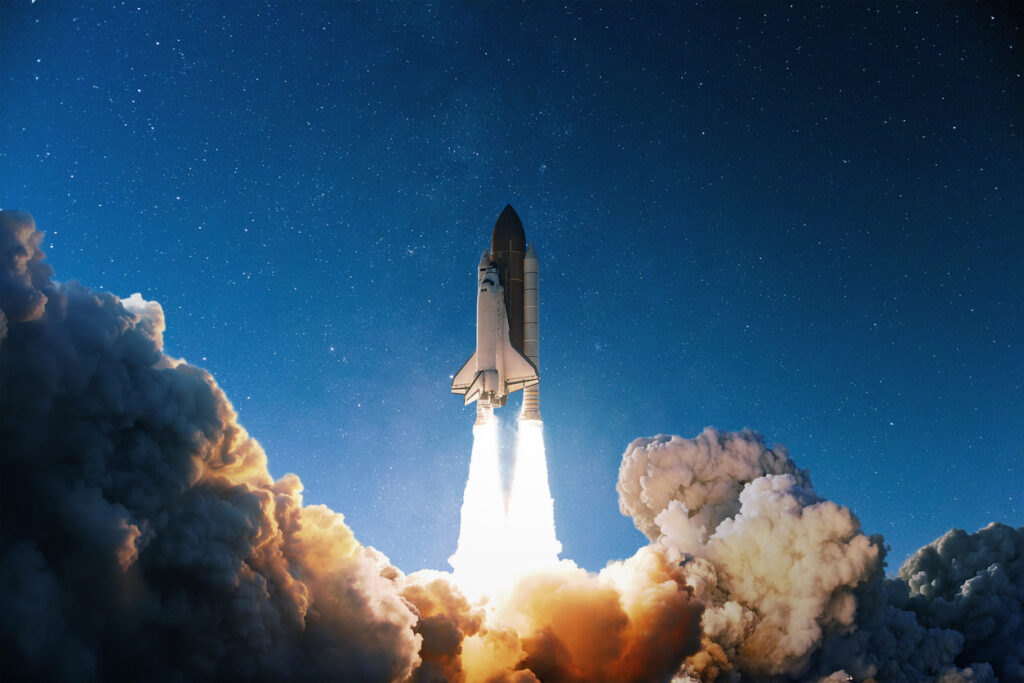
During launch, you feel like you weigh three times your normal weight for several minutes. Your chest feels squashed, breathing is hard, and moving your arms takes real effort. You’re strapped into a tiny seat and can’t move whilst this happens. Then suddenly you’re in zero gravity and your body has to adjust to that immediately. People with heart problems, breathing issues, or even just average fitness would really struggle. You need to stay calm whilst it feels like something heavy is crushing you.
Your body falls apart in space.
Zero gravity makes your bones weaker, your muscles waste away, causes eye problems, and makes your immune system worse. Your spine stretches out because nothing’s pushing down on it, which causes back pain. Fluid moves to your upper body so your face gets puffy, and your nose feels constantly blocked. Your heart doesn’t have to work as hard so it gets weaker. Astronauts exercise for two hours every day just to slow this down, and they still come back weaker. Longer trips would cause even more damage.
One mistake could kill everyone.
There’s no room for getting things wrong when you’re in an environment trying to kill you. A small leak, a fire, equipment breaking, or someone making an error can be deadly. You can’t just evacuate or call for help, you have to fix it yourself right there. The pressure to never mess up whilst doing complicated tasks in difficult conditions is huge. Most people would panic or freeze in genuinely life-threatening situations.
@europeanspaceagencyEver wondered what it takes to train for space? 🧑🚀 Take a look at Sophie Adenot’s journey over the past year and a half as she prepares for her mission to the International Space Station, currently planned for spring 2026. 📹 @europeanspaceagency 📸 ESA
You’d be exposed to dangerous radiation.
Space has radiation that we’re protected from on Earth, and astronauts get exposed to much higher levels. This increases your cancer risk and can cause other health problems over time. During solar storms, the radiation gets even worse. On longer missions like going to Mars, the radiation exposure would be really serious, and we don’t fully know what it would do to people. You’re accepting real damage to your body that might show up years later.
The bathroom situation is horrible.
Going to the toilet in zero gravity is complicated and gross. You have to strap yourself to a special toilet that uses suction, and if you don’t position yourself exactly right, things float away. There’s no shower, just wet wipes to clean yourself. Everyone on the station can hear everything because it’s a small metal tube. Your sense of smell gets worse in space so you don’t notice how bad things smell, but videos sent back to Earth show everything floating around. Basic bodily functions become engineering challenges.
You need perfect mental health.
Space agencies do extensive psychological testing because being an astronaut is mentally demanding. You need to handle stress really well, work calmly under pressure, get on with people in close quarters for months, and cope with being far from home. Any history of anxiety, depression, or other mental health issues can disqualify you. You need to be emotionally stable in situations that would break most people. The isolation and danger take a real toll even on people who are mentally prepared.
Your family life would suffer massively.
Astronauts are away from home for months at a time with very limited contact. You miss birthdays, anniversaries, important events, and just normal daily life with your family. Your kids grow up whilst you’re gone. Your partner has to handle everything alone. Phone calls and video chats are limited and delayed. Most relationships struggle under that kind of separation. You’re choosing a career that puts huge strain on everyone you love.
The risk of dying is actually quite high.
Space travel is still really dangerous despite all the safety measures. Rockets can explode, equipment can fail, and rescue isn’t possible if something goes wrong in orbit. About 3% of people who’ve gone to space have died doing it, which are terrible odds compared to almost any other job. You’re literally risking your life every time you launch. Most people aren’t willing to accept that level of danger, no matter how cool the job sounds.