When we think about ancient history, we usually look at ruins and old books, but the most impressive survivors are actually standing right in front of us.
Some tree species have a knack for endurance that makes a human life feel like a blink of an eye, weathering centuries of storms, droughts, and changing worlds without flinching. These aren’t just plants; they’re living monuments that have figured out how to slow down time and resist the decay that eventually claims everything else. If you’ve ever wondered which trees are the true heavyweights of the natural world, you’ve got to look at the ones that treat a thousand years like a mere warm-up.
1. Bristlecone pines can live over 5,000 years.
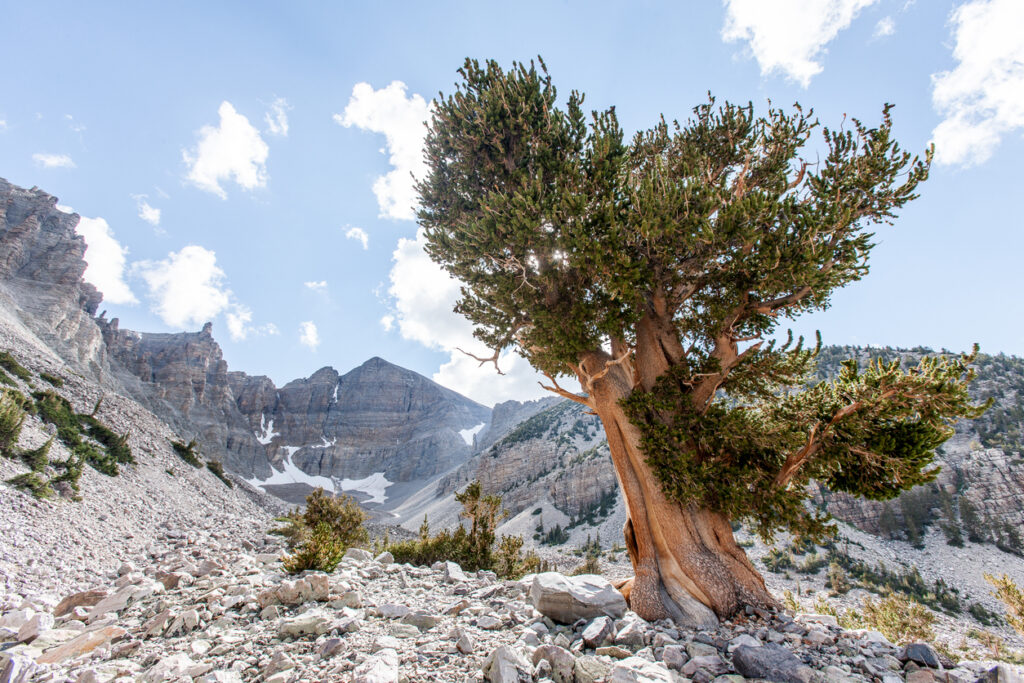
Bristlecone pines hold the record for the oldest known individual trees on Earth. One called Methuselah in California is over 4,800 years old, and there’s apparently an even older one whose location is kept secret. These trees grow in harsh, high-altitude environments where almost nothing else survives, and that’s actually why they live so long.
The extreme conditions mean they grow incredibly slowly, producing dense wood that resists rot and disease. They look half-dead most of the time, twisted and gnarled with only strips of living bark, but those sections keep them going for millennia. Some were already ancient when the pyramids were being built.
2. Giant sequoias survive for over 3,000 years.

Giant sequoias are the largest trees by volume, and they also live for ages, with many over 2,000 years old and some reaching 3,500 years. They only grow in a small area of California’s Sierra Nevada mountains where conditions suit them perfectly.
Their bark can be 60 cm thick and contains chemicals that make it fire-resistant, which matters because sequoias actually need periodic fires to reproduce. The thick bark protects the living tissue inside even during fires, and their massive size means they’re incredibly stable. They don’t really die of old age, they eventually fall over or get struck by lightning.
3. Yew trees in Britain exceed 2,000 years.
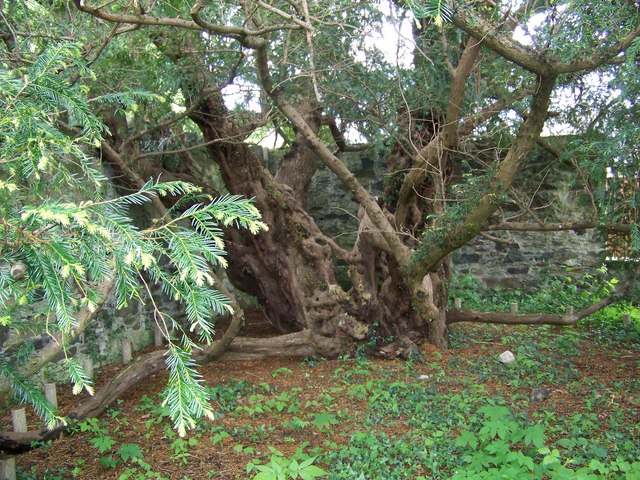
Ancient yews are scattered across Britain, often in churchyards, and some are estimated to be over 2,000 years old, though dating them accurately is difficult. The Fortingall Yew in Scotland might be between 2,000 and 3,000 years old, making it one of the oldest living things in Europe.
Yews have the ability to hollow out as they age and grow new stems inside the old trunk, essentially becoming multiple trees in one. That makes them nearly impossible to kill and very hard to age properly. Every part of a yew is poisonous except the red berry flesh, which is probably why they were planted in churchyards to keep grazing animals away from consecrated ground.
4. Olive trees can live 2,000 years or more.
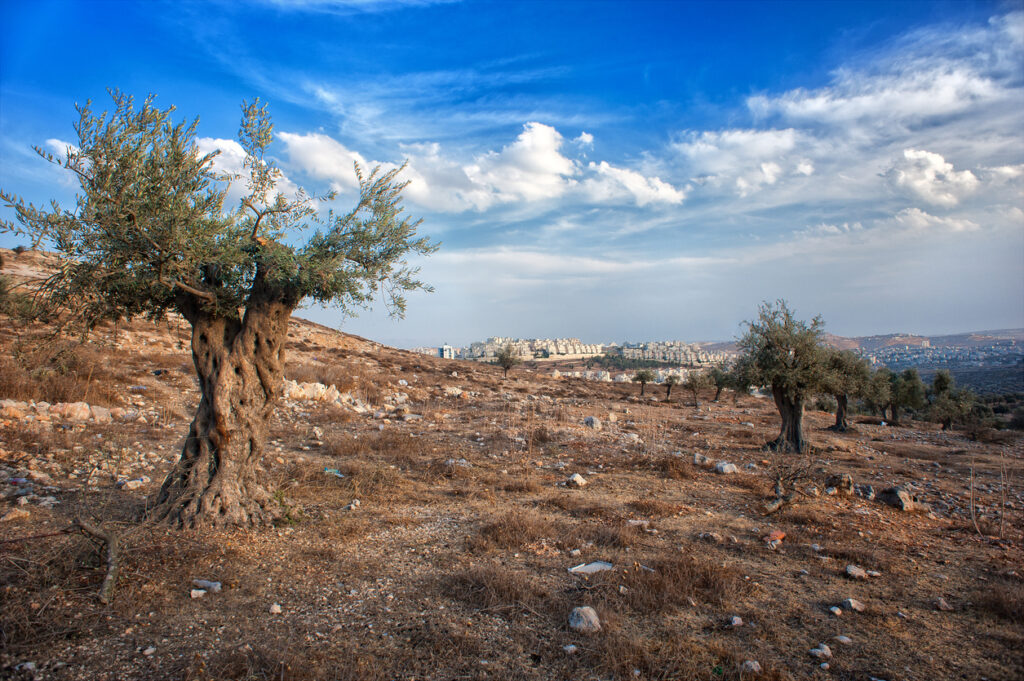
Mediterranean olive trees are incredibly long-lived, with some confirmed to be over 2,000 years old and still producing fruit. There’s an olive tree in Crete called the Olive Tree of Vouves that’s estimated to be at least 2,000 years old and possibly much older.
Olives thrive in hot, dry conditions, and their gnarled trunks and silvery leaves are adapted to conserve water. They can survive being cut back severely and will regrow from the stump, and they’re resistant to most diseases. The oldest trees develop massive hollow trunks but keep producing new growth around the edges. Some ancient olives in Mediterranean groves have been harvested continuously for over a thousand years.
5. Bald cypress trees reach 2,600 years.
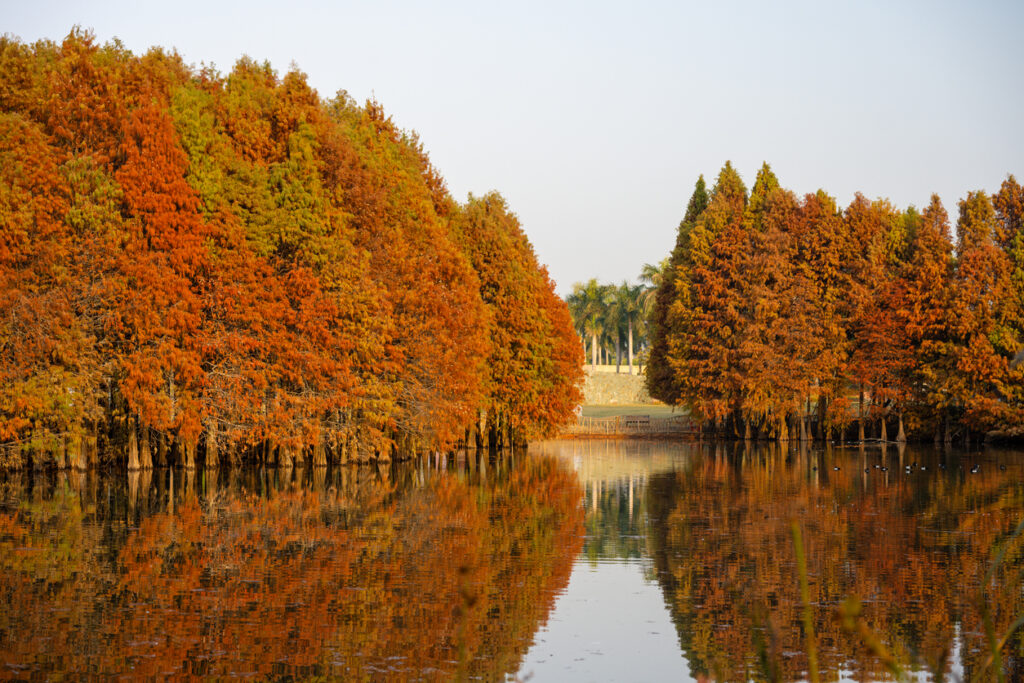
Bald cypress trees growing in swamps in the southeastern United States can live for well over 2,000 years. The oldest known specimen was 2,624 years old when it was cut down, and there are likely older ones still standing in remote swamps. These trees are perfectly adapted to living in water, growing special “knees” that stick up from their roots to help them breathe.
The waterlogged conditions actually help preserve them because rot happens more slowly underwater. Their wood is naturally resistant to decay, which is why it’s been used for building boats and houses. Ancient bald cypresses have massive flared bases and can grow huge even in standing water.
6. Coast redwoods survive over 2,000 years.

Coast redwoods are the tallest trees on Earth, and they’re also extremely long-lived, with many over 1,000 years old and some reaching 2,200 years. They grow in a narrow strip along the California coast where fog provides moisture through dry summers. Like giant sequoias, they have thick fire-resistant bark and can survive fires that would kill other trees.
Redwoods can also sprout new trees from their root system, creating groves of genetically identical trees that share resources. This cloning ability means that even if the main trunk dies, the tree can keep going through its offspring. The combination of their size, thick bark, and ability to resprout makes them incredibly resilient.
7. Monkey puzzle trees live up to 2,000 years.
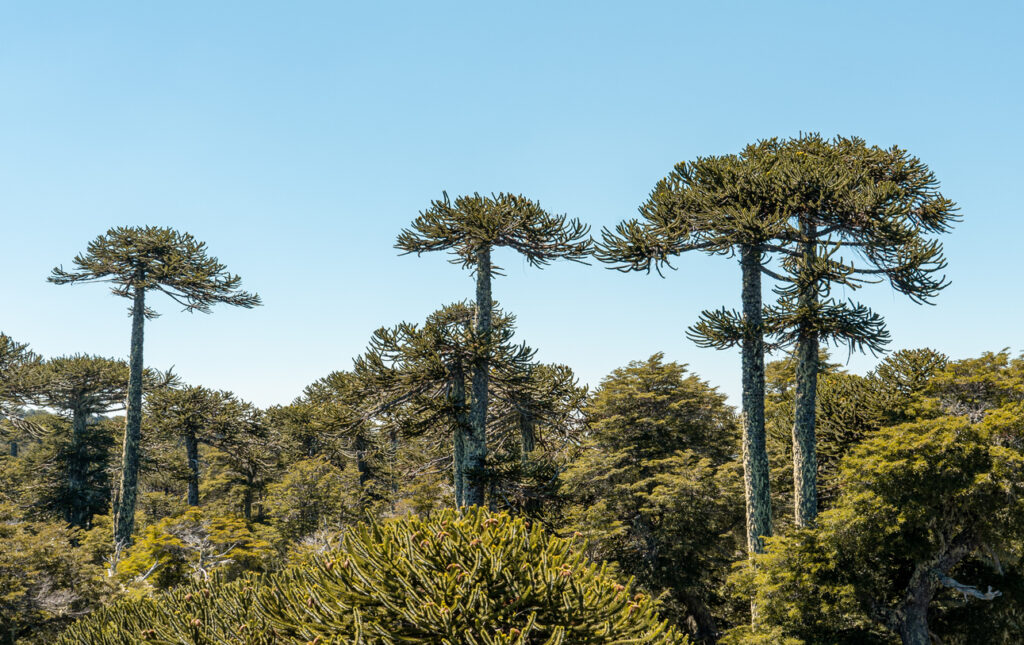
Monkey puzzle trees from Chile and Argentina can live for 1,000 to 2,000 years in the right conditions. They’re ancient species that were around when dinosaurs walked the Earth, and they’ve barely changed. Their spiky branches and tough triangular leaves make them look prehistoric, which they basically are.
They grow very slowly in volcanic soil in the Andes mountains, and that slow growth contributes to their longevity. The wood is extremely durable and resistant to decay. Monkey puzzles are either male or female, and they don’t start producing seeds until they’re about 40 years old, which gives you an idea of their timescale.
8. Baobab trees reach 2,500 years old.
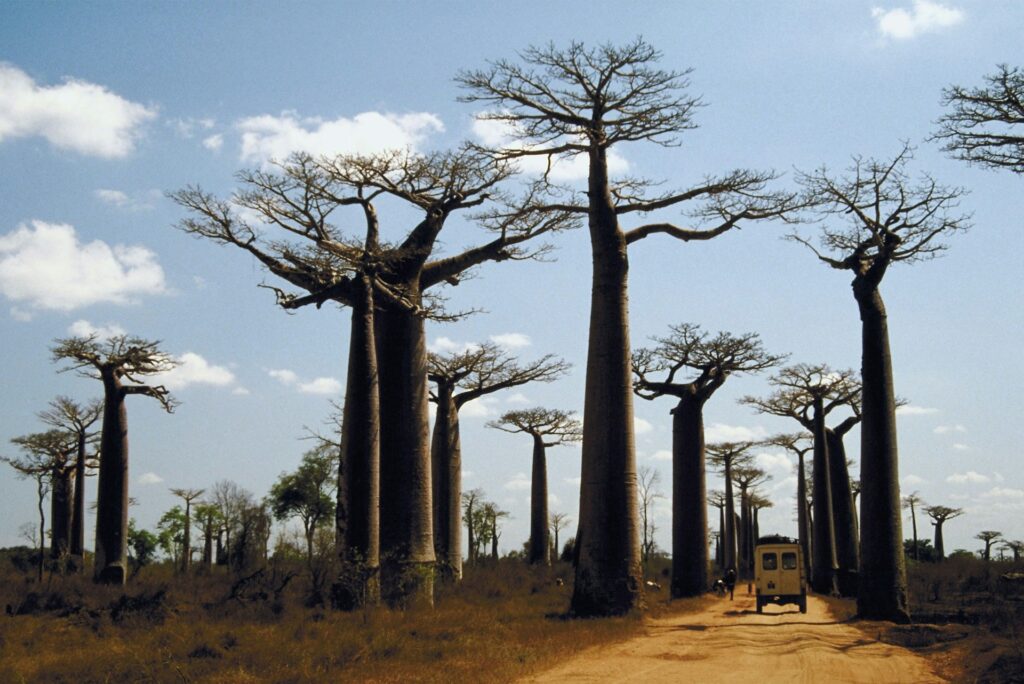
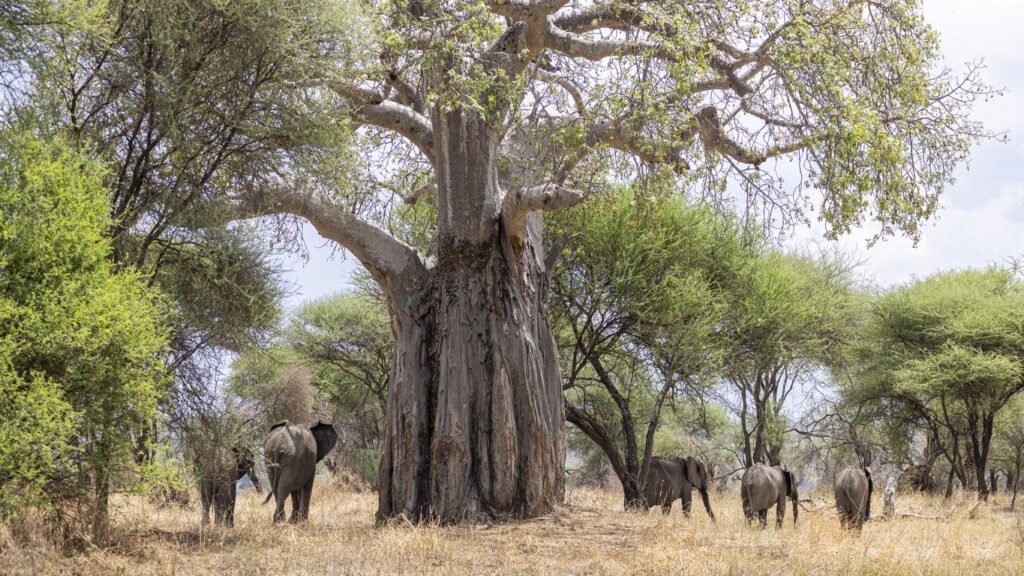
African baobabs are some of the most distinctive trees on Earth with their massive swollen trunks that store water. The oldest confirmed baobab was over 2,500 years old, though many ancient baobabs have died recently due to climate change. They grow in dry savannas and can survive extreme droughts by storing thousands of litres of water in their trunks.
Baobabs have a weird growth pattern where the trunk becomes hollow as they age, creating natural cavities big enough to live in. Some have been used as pubs, prisons, and houses over the years. They produce huge white flowers that only open at night and are pollinated by bats.
9. Kauri trees in New Zealand exceed 2,000 years.
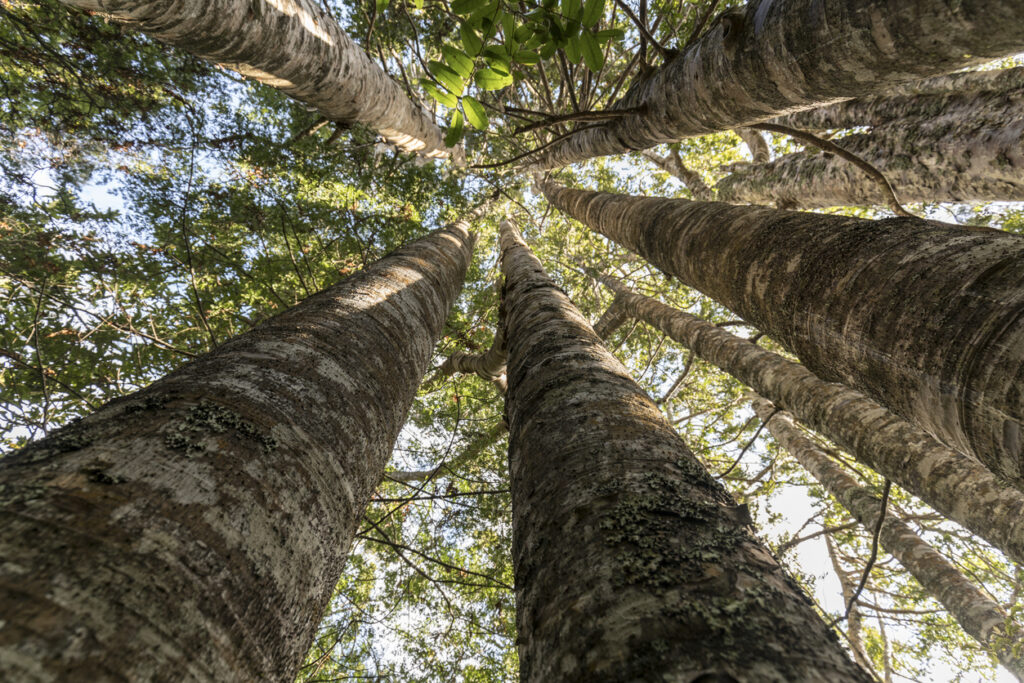
Kauri trees are New Zealand’s giants and can live for over 2,000 years, with the famous Tāne Mahuta tree estimated to be between 1,250 and 2,500 years old. These massive conifers were heavily logged in the 1800s, so most of the really ancient ones are gone now.
Kauri have thick bark and produce a resin that seals wounds and protects against disease and insects. They’re incredibly slow-growing, which creates dense, high-quality timber. The remaining ancient kauri are now protected and considered sacred by Māori culture. There’s currently a disease called kauri dieback threatening even the protected trees, which would be devastating given how long they’ve survived.
10. Oak trees in Europe live over 1,000 years.
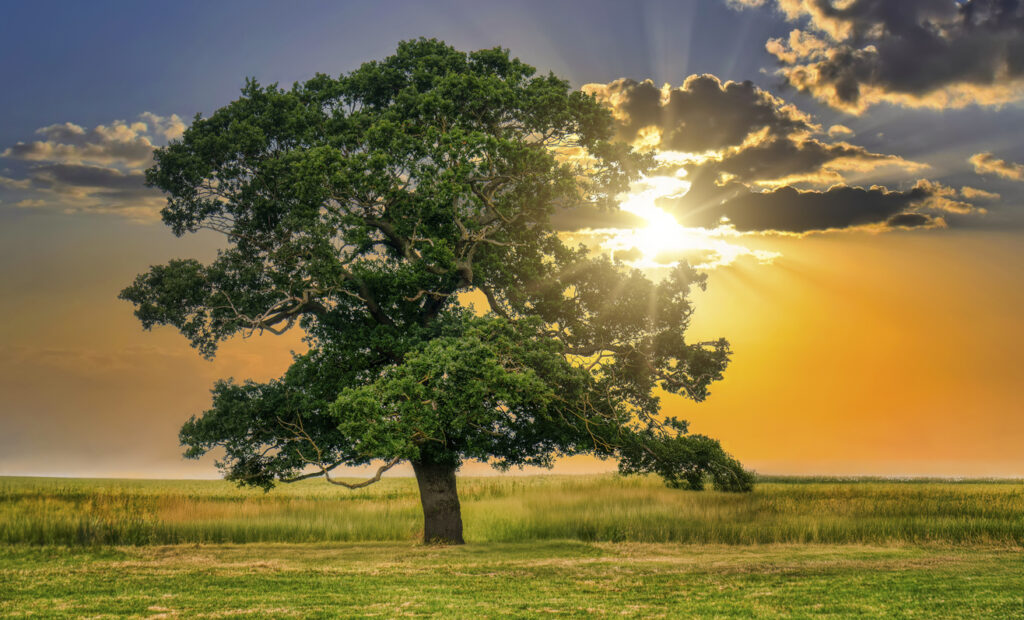
European oaks, particularly English and sessile oaks, regularly live for 500 to 1,000 years and occasionally much longer. The oldest oak in Britain is probably around 1,200 years old, though exact ages are hard to confirm. Ancient oaks become hollow as they age but keep growing new wood around the outside, and that hollow trunk becomes habitat for hundreds of species.
A single ancient oak can support over 2,300 species of insects, birds, mammals, fungi, and lichens. They’re incredibly important for biodiversity in British landscapes. Oaks grow slowly, and their dense wood is extremely durable, which is why so many medieval buildings still have original oak beams. The older they get, the more ecologically valuable they become.