We like to think we’ve mastered the art of the greenhouse, but there are some things that just won’t play ball with a grey sky and a bit of drizzle.
You can’t exactly replicate a tropical rainforest or a scorched desert floor in a polytunnel in Kent, no matter how much you crank up the heating. It means that some of the absolute staples in our cupboards are essentially world travellers, relying on massive global supply chains just to get onto our toast or into our morning coffee. We’re so used to seeing them on the supermarket shelves that we’ve completely forgotten how much of a miracle it is that they survived the trip at all.
1. Coffee
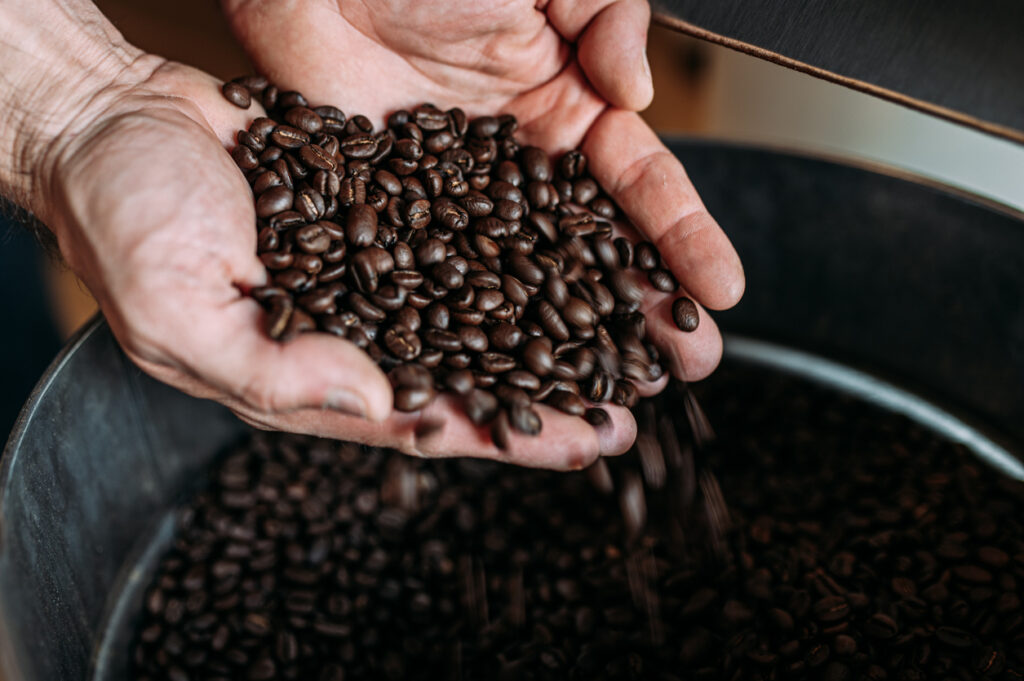
Coffee plants need warm, stable temperatures, and they really don’t like cold snaps, so the UK climate is a non-starter. You can’t just pop coffee in a field in Kent and hope for the best, since it needs the kind of growing conditions you get in tropical and subtropical regions.
Most of what ends up in the UK comes from big coffee-growing countries like Brazil and Vietnam, with plenty also coming through European hubs like Switzerland, Germany, and Italy as roasted or processed coffee. That’s why the bag you buy here often has a long journey behind it, even before it hits the shelf.
2. Cocoa
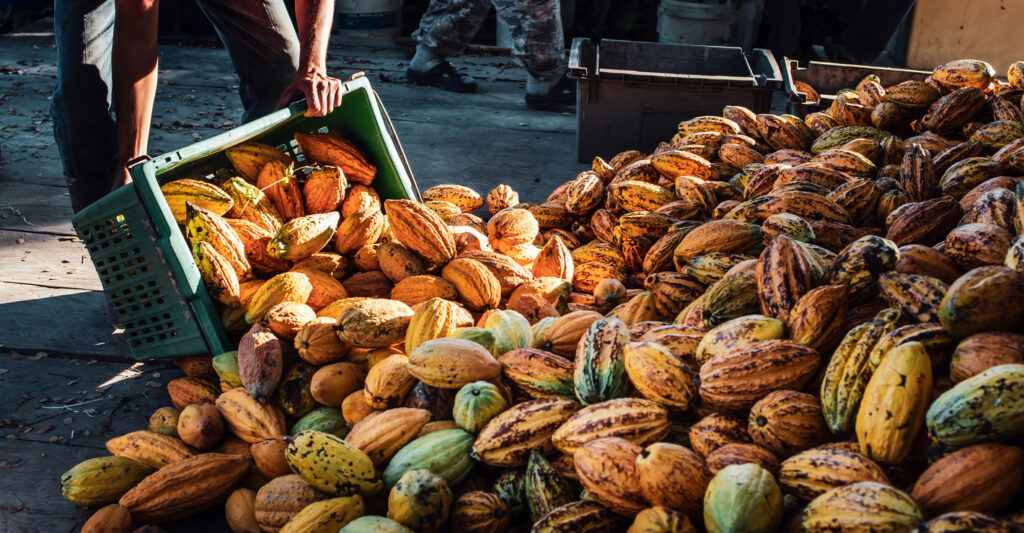
Cocoa is another one that simply won’t grow in the UK outdoors. Cacao trees need hot, humid conditions close to the equator. They’re picky plants too, so even small changes in temperature and rainfall can mess with yields, which is why cocoa supply can feel a bit fragile.
The UK mainly gets cocoa beans from West Africa, especially Côte d’Ivoire and Ghana, as that’s the heartland of global cocoa production. A lot of chocolate supply chains also involve beans being shipped to Europe for processing before products make their way into the UK.
3. Bananas
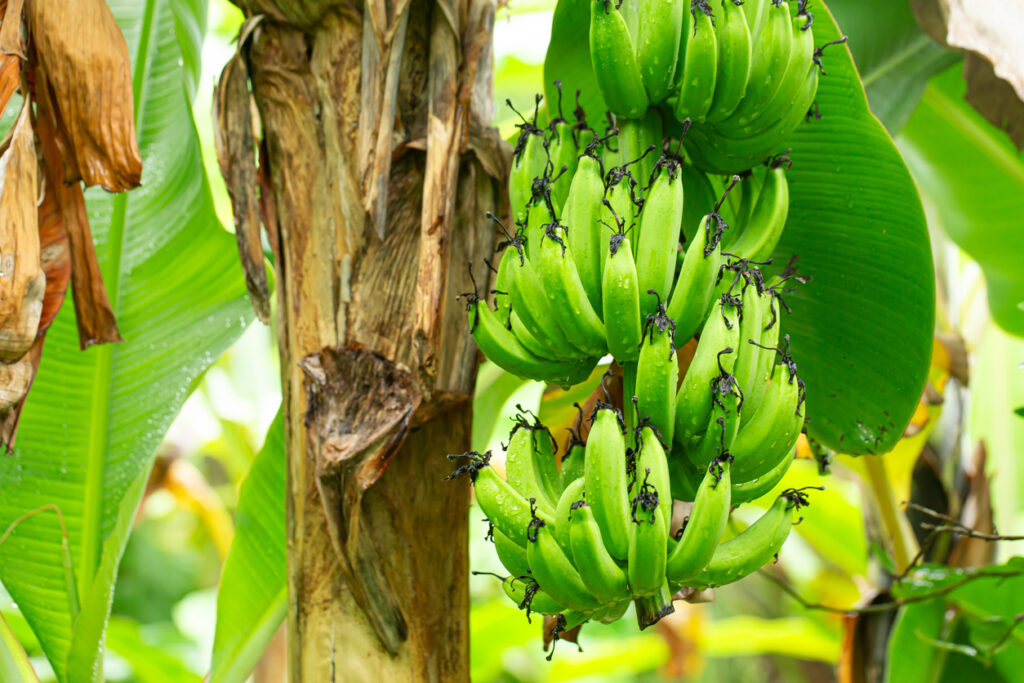
Bananas love heat, moisture, and consistency, and the UK offers the exact opposite for most of the year. You can grow ornamental banana plants here, but getting proper supermarket bananas is a totally different thing. After all, fruiting needs reliable warmth and time without cold weather wrecking the plant.
UK bananas typically come from places like Colombia, Costa Rica, and the Dominican Republic, with other Central and South American countries in the mix too. They’re picked green, shipped in controlled conditions, then ripened as they get closer to the shops, which is why they can be here year-round.
4. Vanilla
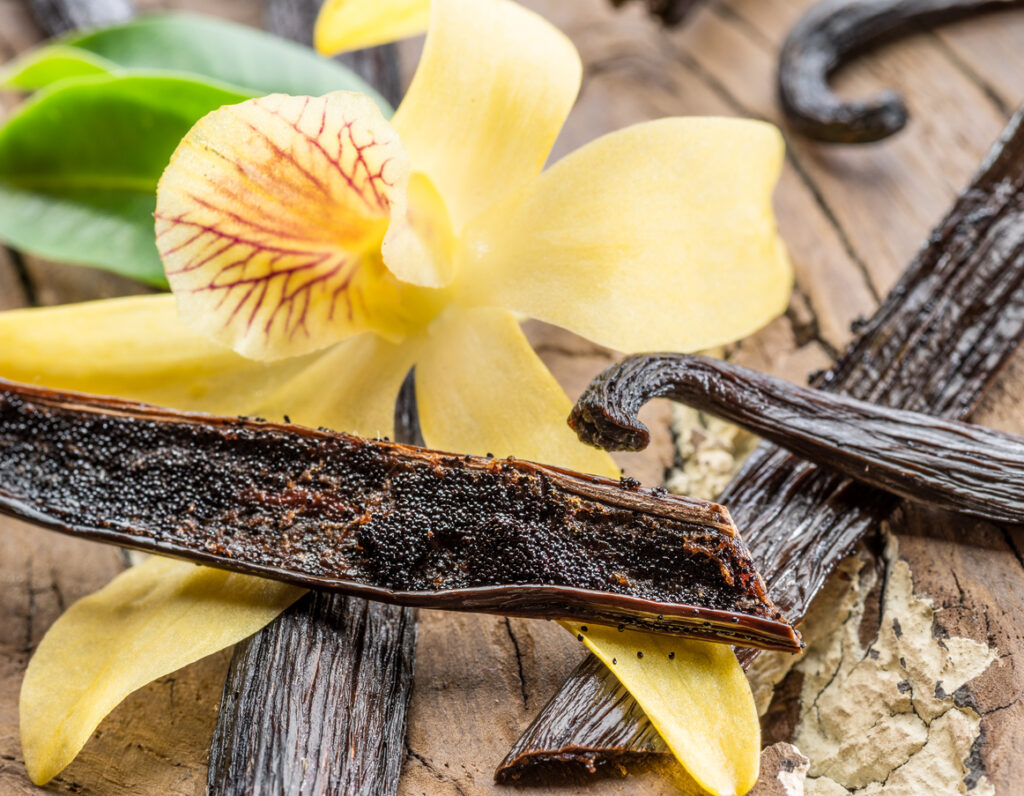
Vanilla is fussy in a way that makes you understand why it’s expensive. It comes from orchids that like tropical climates, and the flowers need to be pollinated in a very specific way, often by hand in commercial growing, which is slow and labour-heavy.
The UK mostly gets vanilla from Madagascar, with smaller amounts coming from places like Uganda and Papua New Guinea, plus some moving through European countries as part of bigger supply chains. So when you buy vanilla pods or proper vanilla extract, you’re buying something that’s both climate-limited and work-intensive.
5. Pineapples
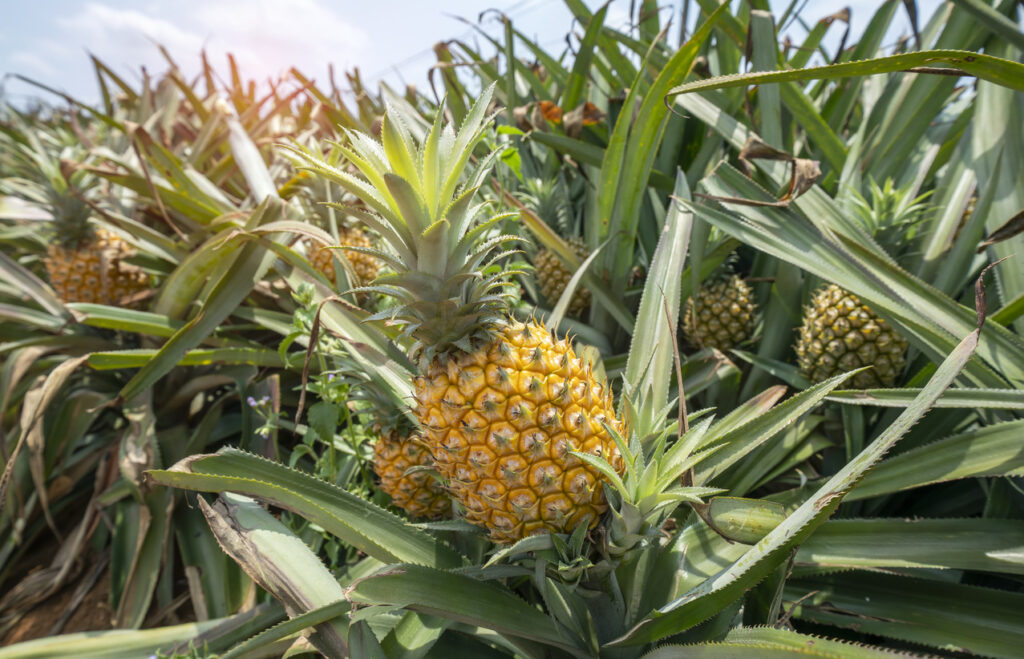
Pineapples are built for sunny, warm growing, and they take time, so the UK’s short summers and cool temperatures rule them out as a normal crop. You could maybe coax one along indoors if you’re patient and slightly obsessed, but it’s not a realistic food-growing option for a country.
Most fresh pineapples in the UK come from Costa Rica, which is one of the biggest suppliers into our market. Some also arrive via European transit countries, but the growing happens where pineapple plantations can run year-round in the right heat and light.
6. Coconuts
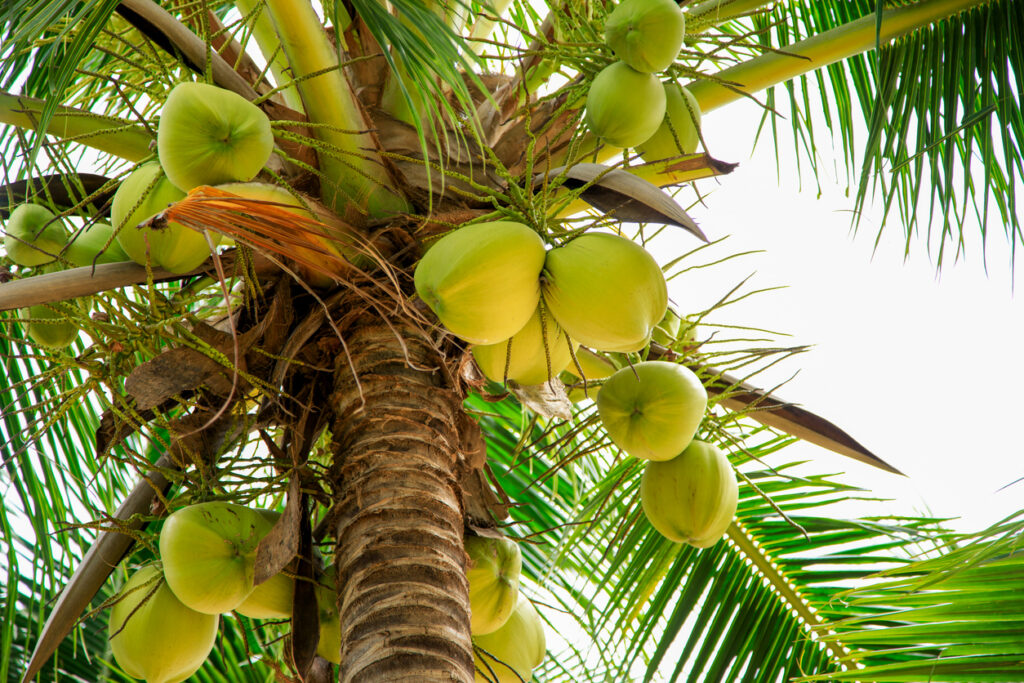
Coconut palms need proper tropical conditions, and they take years to mature, so the UK climate just can’t support them outside, full stop. The palm needs warmth, sun, and coastal-style humidity, and it doesn’t do well when temperatures drop.
The UK gets coconuts from countries like the Philippines and India, with Malaysia, Indonesia, and Sri Lanka also supplying a lot depending on the product type. Fresh coconuts, coconut milk, coconut oil, desiccated coconut, it’s all part of the same story, we import it because we have to.
7. Cashews
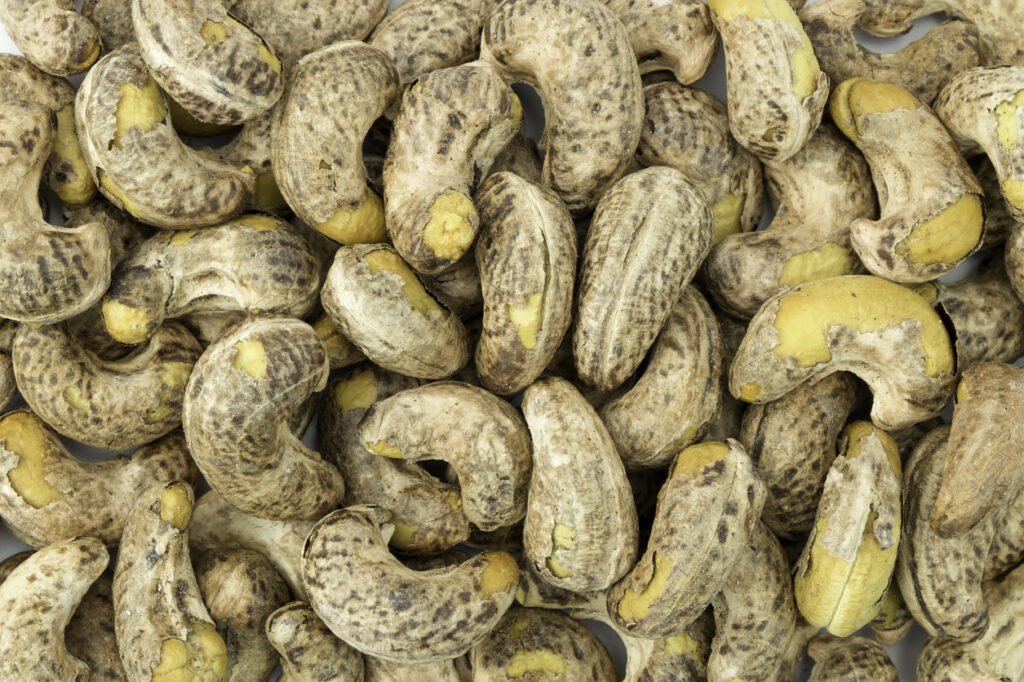
Cashews come from a tropical tree that needs heat and long growing seasons, and it’s not something you can just adapt to British weather. Even the way cashews are processed adds to why you won’t see them grown here, as the shells contain irritating compounds and need careful handling.
The UK’s cashews largely come from Vietnam, with smaller amounts coming through places like the Netherlands, plus some supply linked to India and West Africa. So the cashews in your snack cupboard are another reminder that a lot of our everyday foods rely on warmer parts of the world.
8. Cinnamon
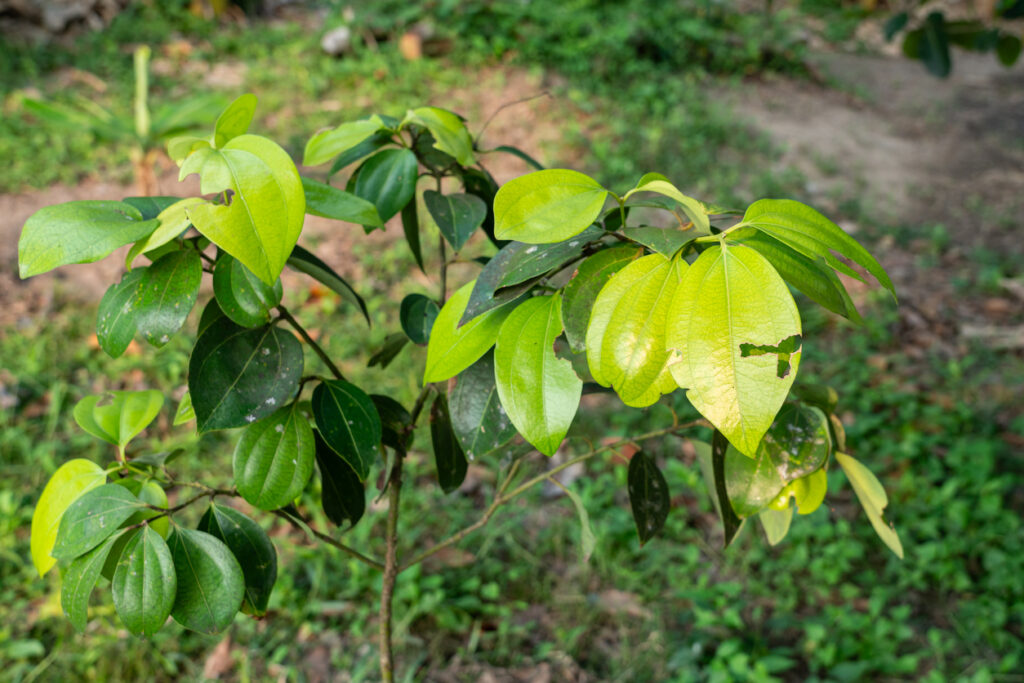
Cinnamon comes from the bark of tropical trees, and those trees need a climate the UK can’t give them. It’s one of those ingredients that feels normal and basic because it’s in everything, but the plant it comes from is completely out of place in British conditions.
The UK imports cinnamon from countries like Vietnam, China, Sri Lanka, and Indonesia, depending on the type and grade. That’s why you’ll sometimes see different flavour notes, too—cinnamon isn’t just one thing; it varies by species and where it’s grown.
9. Avocados
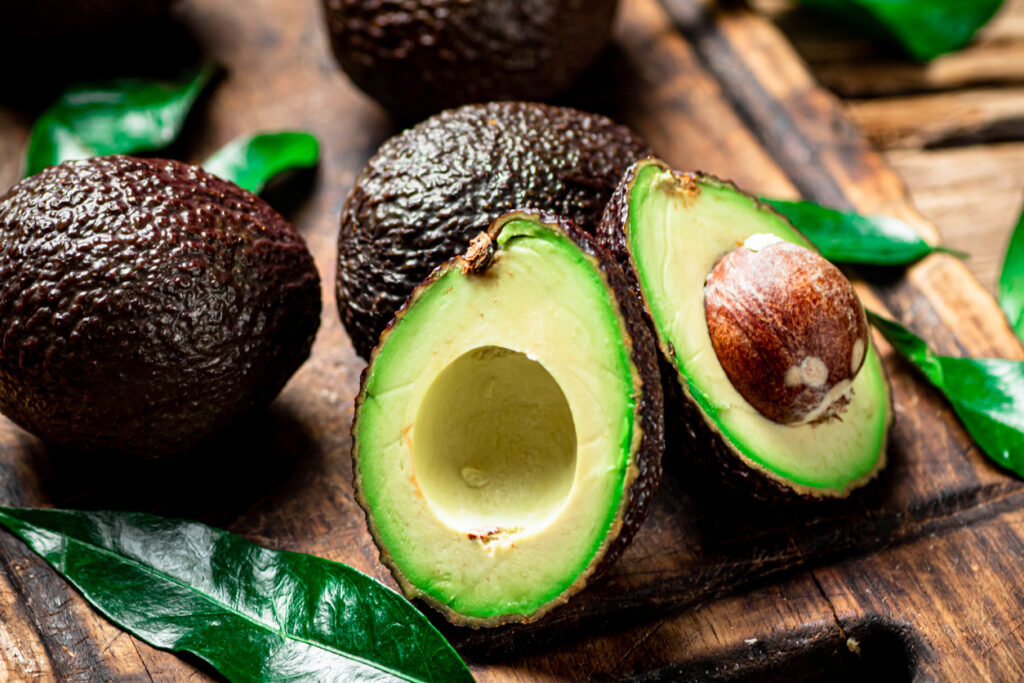
You might hear about tiny avocado experiments in sheltered spots, but growing avocados at a scale that would matter is a no for the UK. They need warmth, and they’re sensitive to frost, plus the trees don’t like wild swings in weather, which Britain specialises in.
UK avocados commonly come from Peru, with other major sources including Israel, Chile, Colombia, and South Africa. The reason they’re so normal in supermarkets is that imports smooth out the seasons, so we’re not stuck with a two-week window when they’re available.
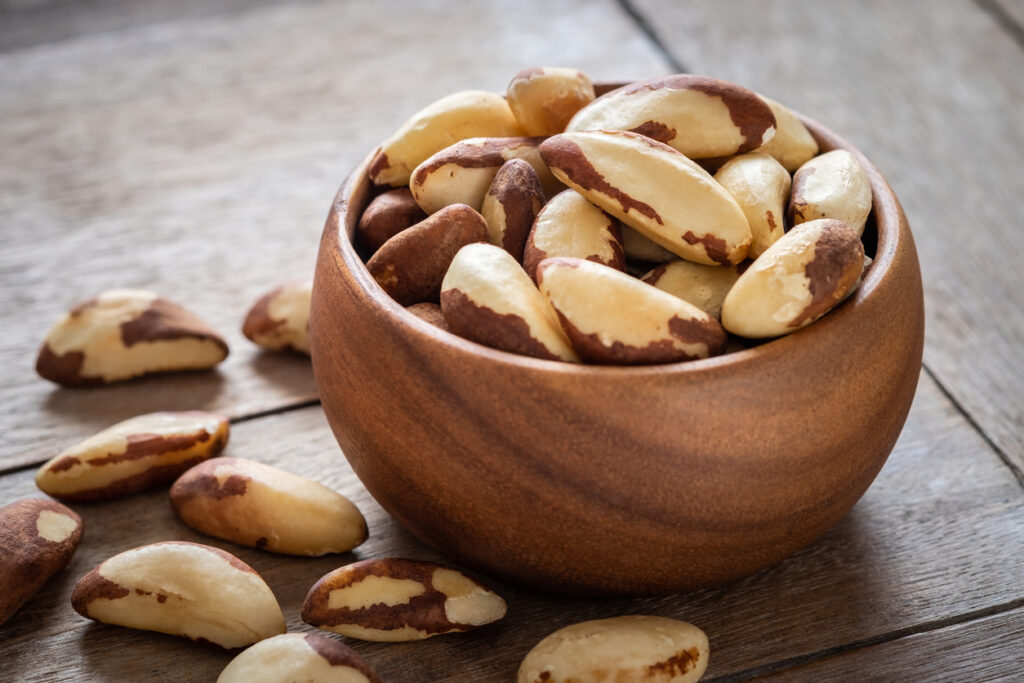
10. Brazil nuts
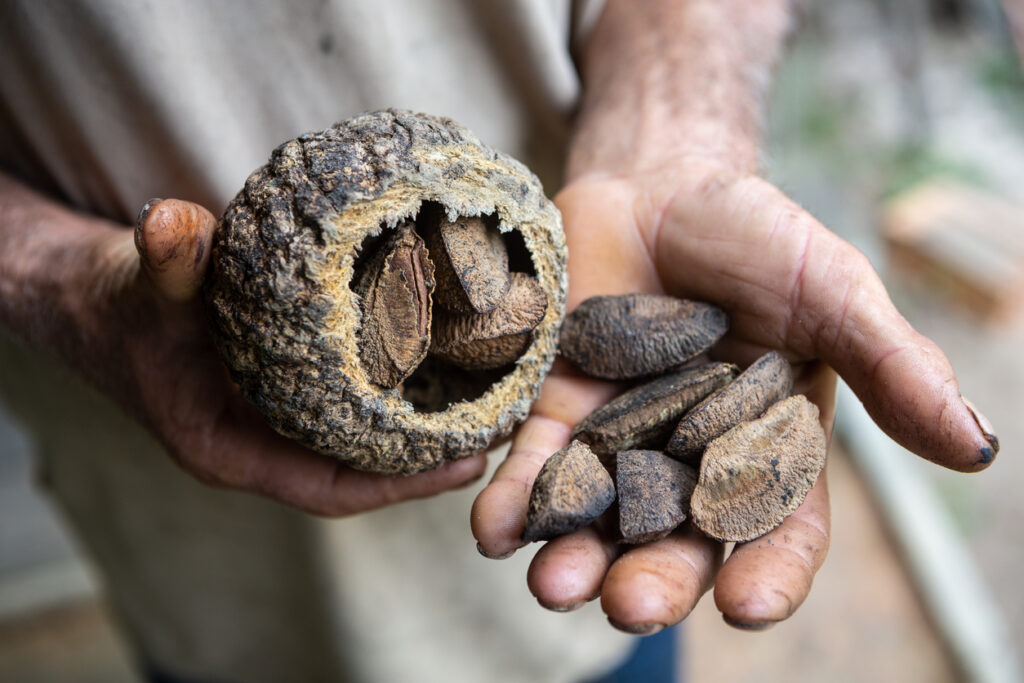
Brazil nuts don’t just need a tropical climate, they need a specific rainforest ecosystem, which is why they’re famously hard to farm in neat plantations. They mostly come from wild-harvested trees in the Amazon, which makes them one of the more unusual everyday foods we import.
The UK gets most Brazil nuts from Bolivia, with other amounts coming via European countries like Germany and the Netherlands as part of processing and distribution. So when you throw a few into a nut mix, you’re eating something that basically couldn’t exist without the Amazon rainforest doing its thing.