Forget the glossy brochures and the perfectly edited Instagram reels that make a safari look like a chilled-out morning stroll through a private zoo.
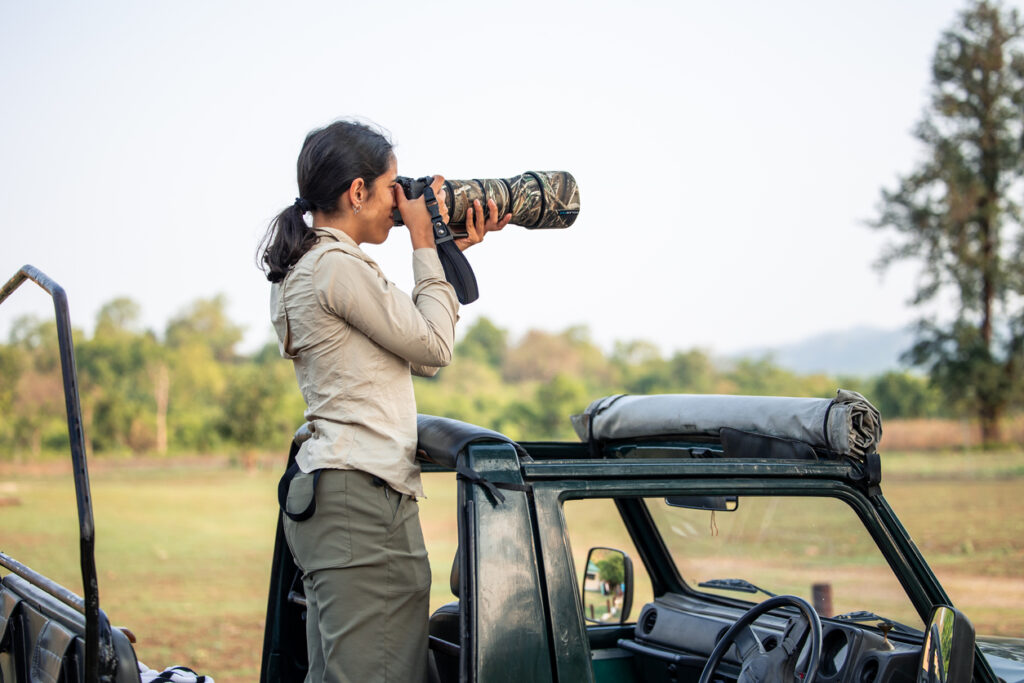
The reality is a lot more about waking up at an ungodly hour to sit in the back of a dusty Jeep while your spine takes a battering on roads that haven’t seen a tarmac machine in decades. You’ll spend a huge amount of time squinting at a distant bush, wondering if that’s a leopard or just a particularly interesting rock, all while trying to ignore the fact that you haven’t had a decent coffee since you left the airport.
It’s brilliant, but it’s a gritty, exhausting kind of magic that requires you to be okay with being covered in grit and bugs for 12 hours straight. Before you go, be prepared for these things, and you’ll have a much better time.
You’re up at 4:30 a.m. for game drives.
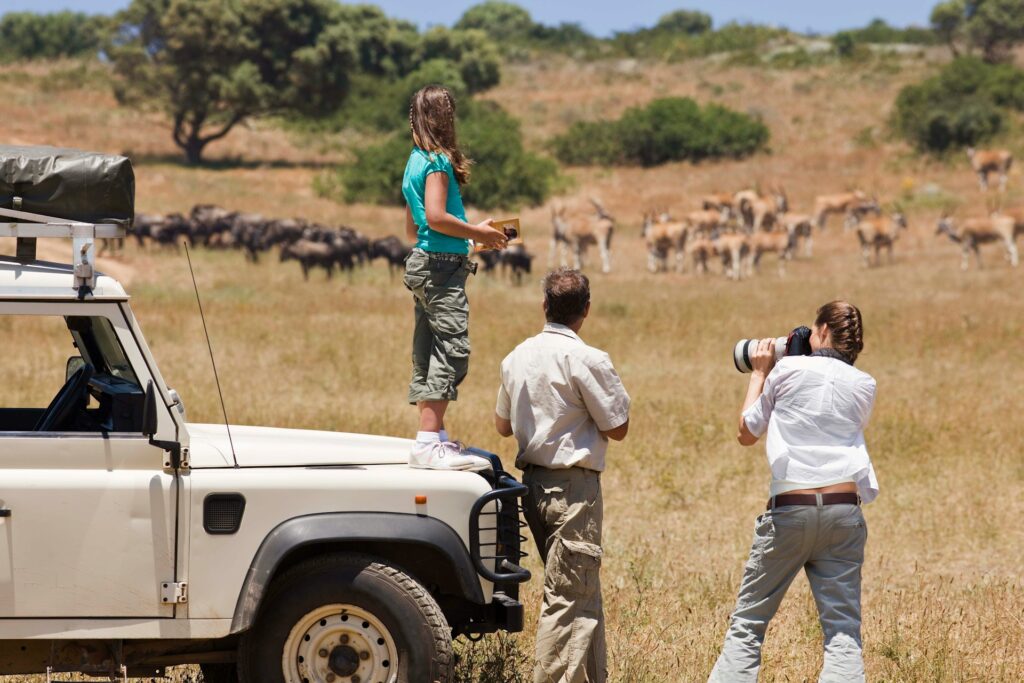
Safari isn’t a relaxing holiday where you sleep in and lounge around. You’re being shaken awake before dawn because that’s when animals are most active. The early morning cold is brutal, even in Africa, and you’ll be sitting in an open vehicle shivering for hours.
By midday, when you’re finally back at camp, you’re exhausted and ready for a nap. Then there’s often an afternoon drive that leaves around 3 or 4 p.m. The schedule is relentless and if you’re not a morning person, you’ll struggle. Missing drives means missing the best animal sightings, so you force yourself up, no matter how tired you are.
You might not see the Big Five or any major animals.
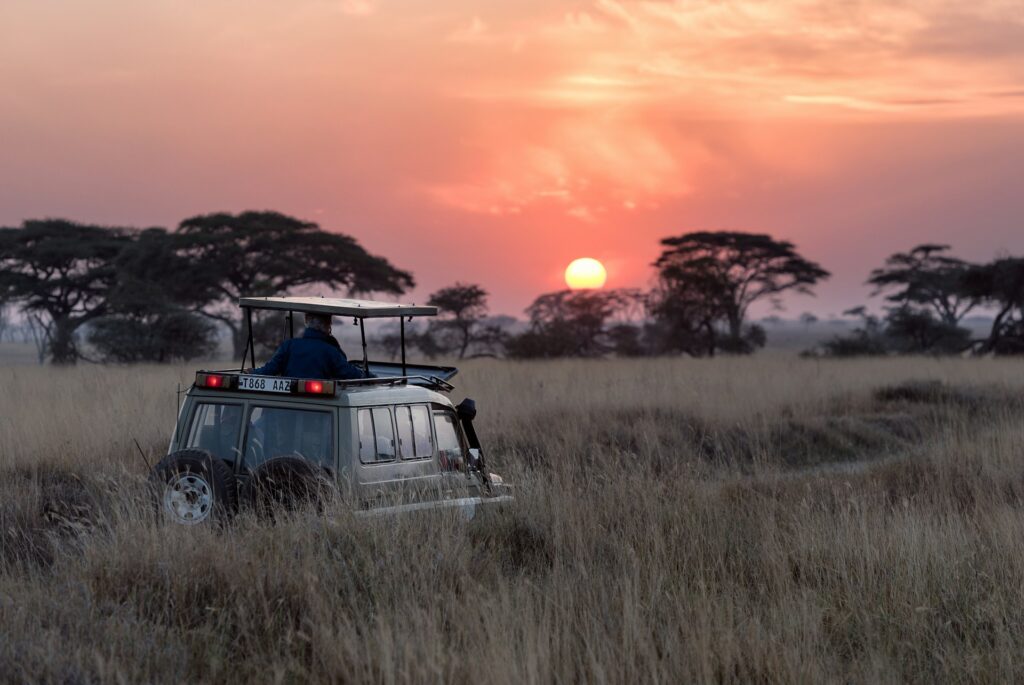
Safaris are wildlife watching, not zoo visits, which means there are absolutely no guarantees. You can spend an entire week on game drives and never spot a lion or leopard. Animals move around huge territories, and they don’t care about your photography goals.
Some drives you’ll see loads, others you’ll spend hours looking at empty bush. People get genuinely disappointed when they don’t tick off their animal checklist, but that’s the reality of observing wild animals in their natural habitat. The guides do their best, but they can’t magic animals out of thin air.
It’s dusty, dirty, and you’ll be covered in red earth.
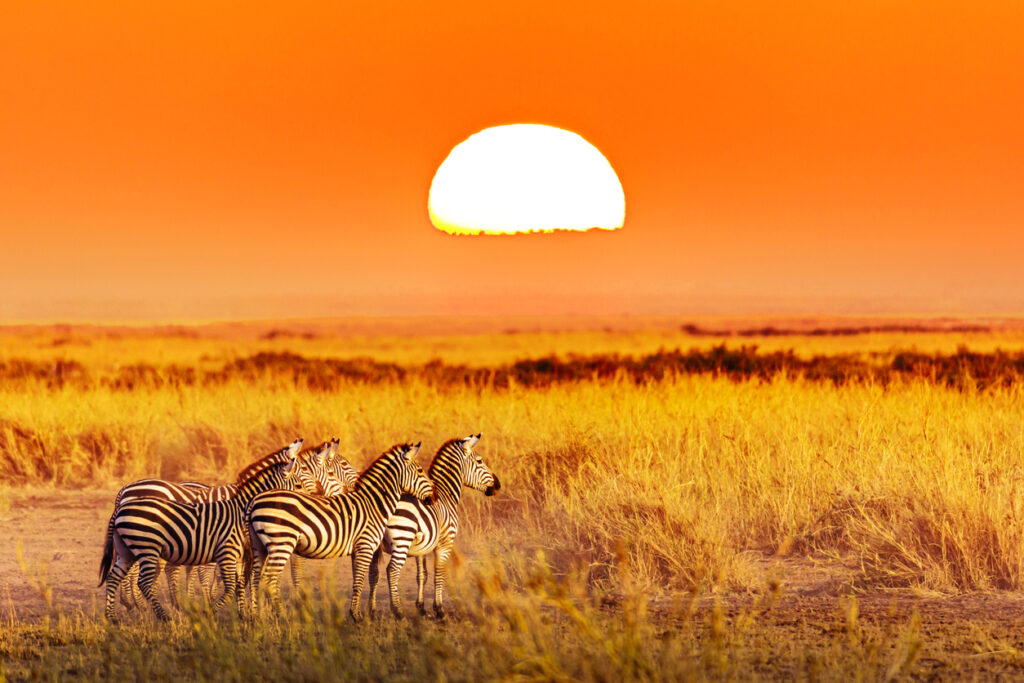
Safari vehicles kick up massive amounts of dust that coats everything—your clothes, your hair, your camera gear, inside your nose and mouth. You’ll be coughing up dirt for days and your belongings will have a layer of red dust, no matter how carefully you pack them.
There’s limited water at most camps so you can’t just shower whenever you want. You’ll feel grimy constantly, and there’s not much you can do about it. Bring clothes you don’t mind ruining because they’ll never be the same colour again after a week of African dust.
The roads are rough, and you’ll be bruised from bouncing around.
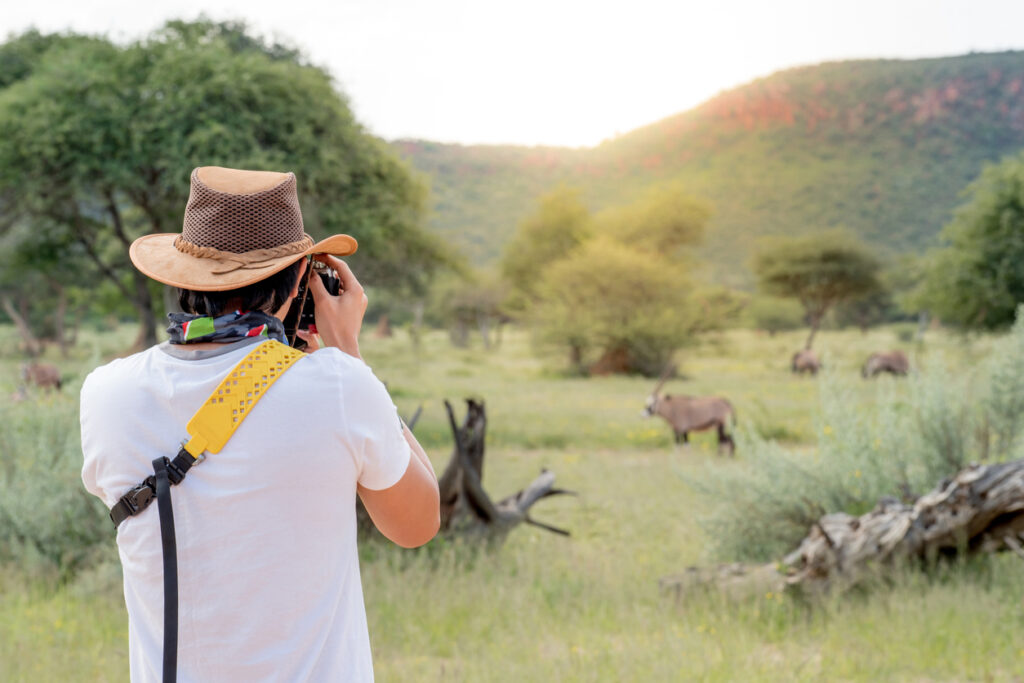
Safari vehicles don’t drive on smooth tarmac, they’re off-roading through bush, over rocks, and through dried riverbeds. You’re being thrown around constantly, gripping whatever you can to stay in your seat. Your bum goes numb, your back aches, and you’ll have bruises from being jolted into the vehicle frame.
Motion sickness is common because of the constant bumping and swaying. The drives can last three to four hours of this rough treatment. It’s physically exhausting in ways people don’t anticipate.
Lodges are basic and not always the luxury you expect.
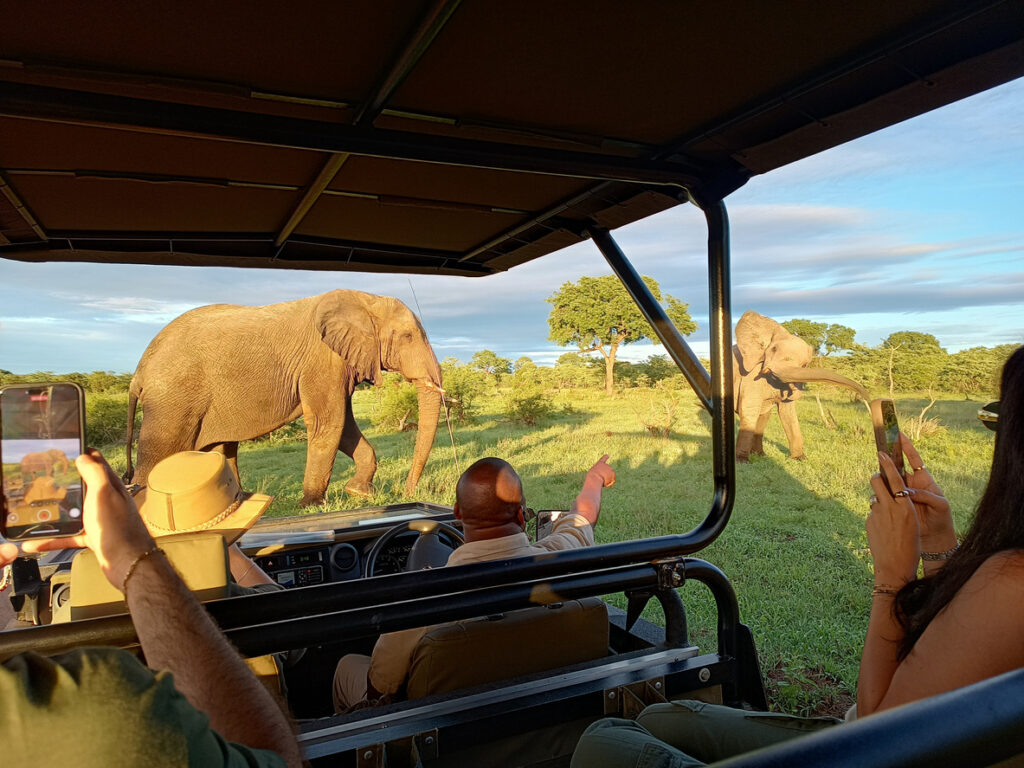
Even expensive safari camps can be surprisingly rustic. The tents or rooms might be nice, but facilities are limited because you’re in remote wilderness areas. Hot water is often only available at certain times, electricity is rationed and runs on generators, and Wi-Fi is either nonexistent or painfully slow.
There’s no air conditioning in many camps, just fans that barely help. Some camps have outdoor showers, which sounds romantic until you’re trying to wash whilst keeping an eye out for wandering animals. Don’t expect resort-level amenities just because you paid resort prices.
You’re sharing space with potentially dangerous animals.
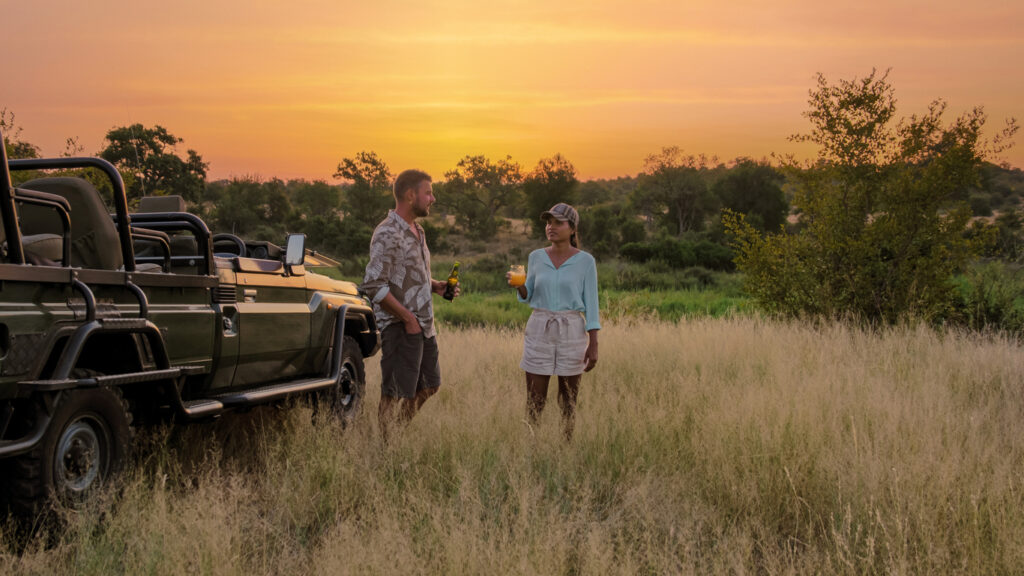
Safari camps don’t have fences, which means animals wander through freely. You’ll have elephants walking past your tent at night, hippos grazing near your room, and monkeys stealing food off your veranda. You can’t just wander around camp alone after dark because there are genuine safety risks.
Staff escort you everywhere with flashlights once the sun sets. It’s thrilling but also nerve-wracking knowing that a lion or buffalo could theoretically be anywhere. The lack of barriers is part of the authentic experience, but it requires constant awareness.
The food is often repetitive and not great.
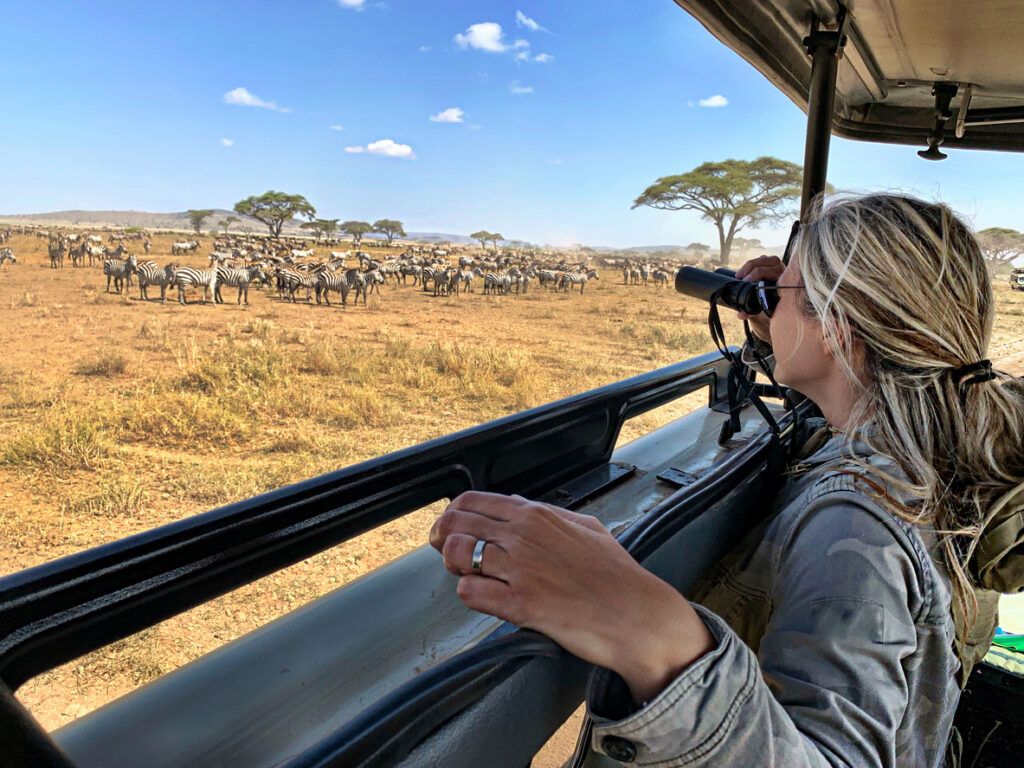
Camps are remote so food options are limited to what can be transported and stored without constant refrigeration. You’ll eat a lot of the same meals, and fresh produce is scarce. Breakfast is usually similar every day, and dinner options rotate through a small menu.
If you’re a picky eater or have dietary requirements, you might struggle. The quality varies wildly between camps, and even expensive ones sometimes serve mediocre food. You’re there for the animals, not the cuisine, but a week of bland, repetitive meals gets old fast.
There are loads of rules you have to follow.
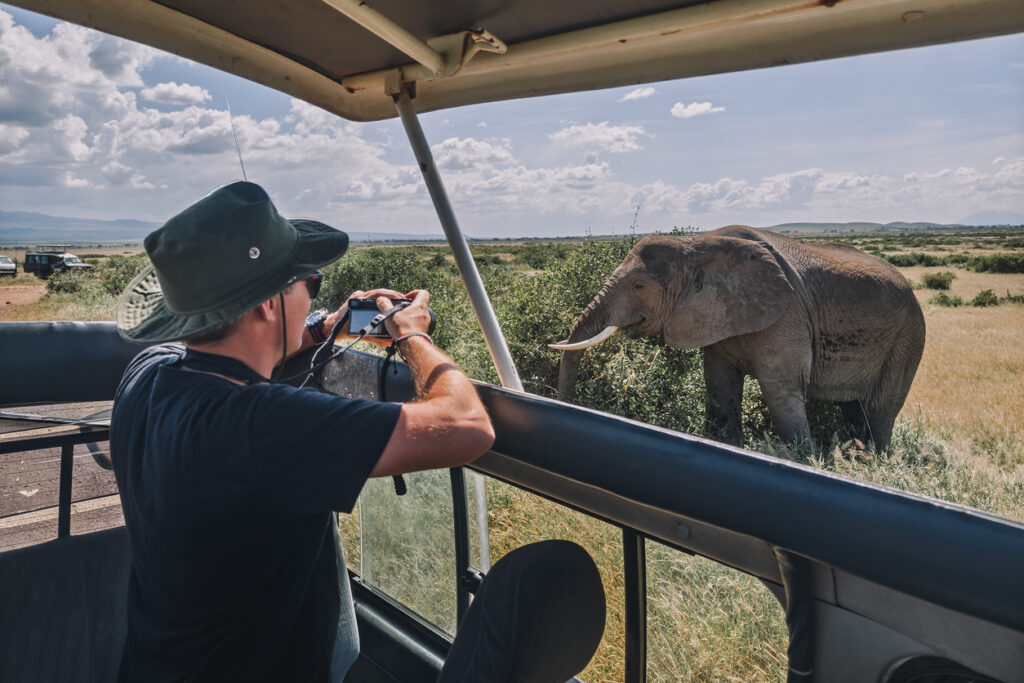
You can’t leave the vehicle during game drives unless the guide says it’s safe. You can’t make noise or sudden movements that might disturb animals. You have to stay in your tent or room during certain hours because of animal activity. Photography restrictions exist around some animals to avoid stressing them.
The rules are there for safety and conservation, but they’re restrictive. People who like doing their own thing find the constant structure and supervision frustrating. Everything is regimented, and you can’t just explore freely.
Game drives can be boring for long stretches.
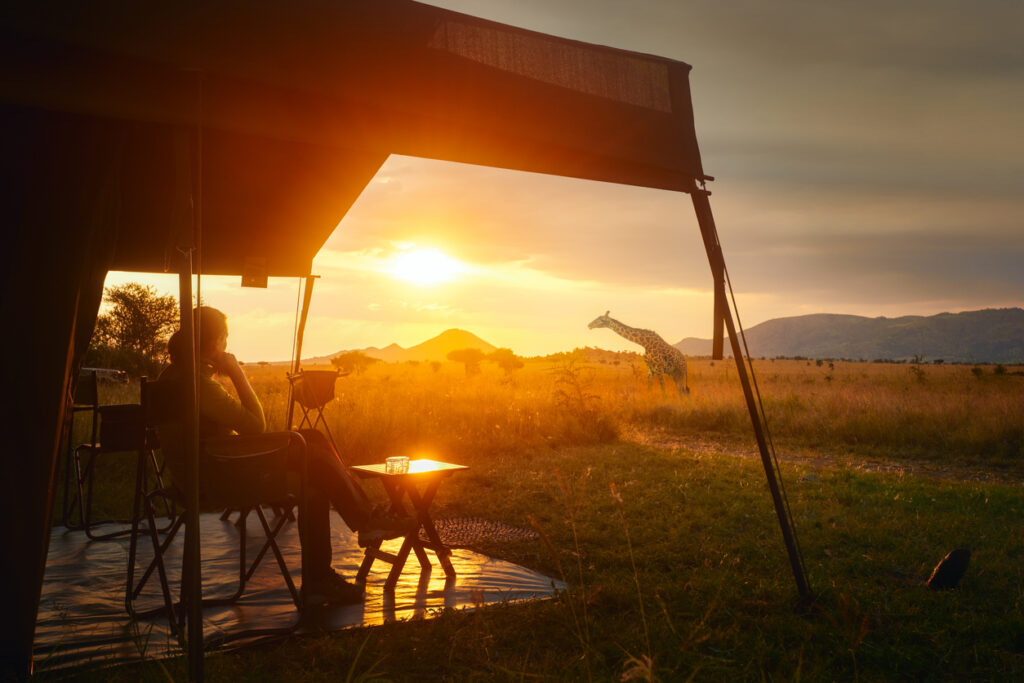
Documentaries edit out the hours of driving through empty bush, seeing nothing interesting. Real safaris include loads of downtime where you’re just sitting in a vehicle looking at trees and grass. Guides stop to look at birds and tracks and explain ecosystem dynamics, which is educational but not exactly thrilling.
You might spend 45 minutes watching a distant animal that’s barely visible doing absolutely nothing. The exciting animal encounters happen, but they’re brief moments in otherwise slow experiences. Bring patience and realistic expectations about constant action.
It’s expensive, and nickel-and-diming is common.
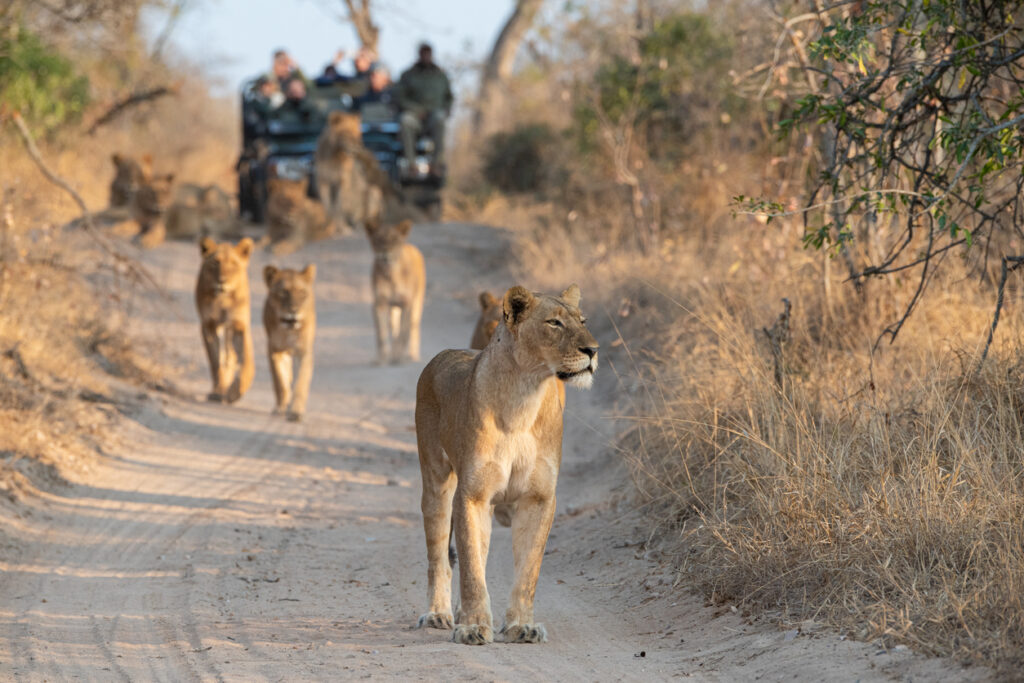
Safari isn’t cheap, and then you discover that drinks, tips, laundry, and various activities cost extra on top of your already expensive package. Tips for guides, trackers, and camp staff add up quickly and there’s pressure to tip generously. Any optional activities like bush walks or cultural visits come with additional fees.
Your final bill is significantly higher than the quoted package price. Budget safaris cut corners on everything, and luxury ones charge premium prices for facilities that aren’t actually that luxurious. It’s hard to get good value without spending a fortune.
Weather can be extreme and unpredictable.
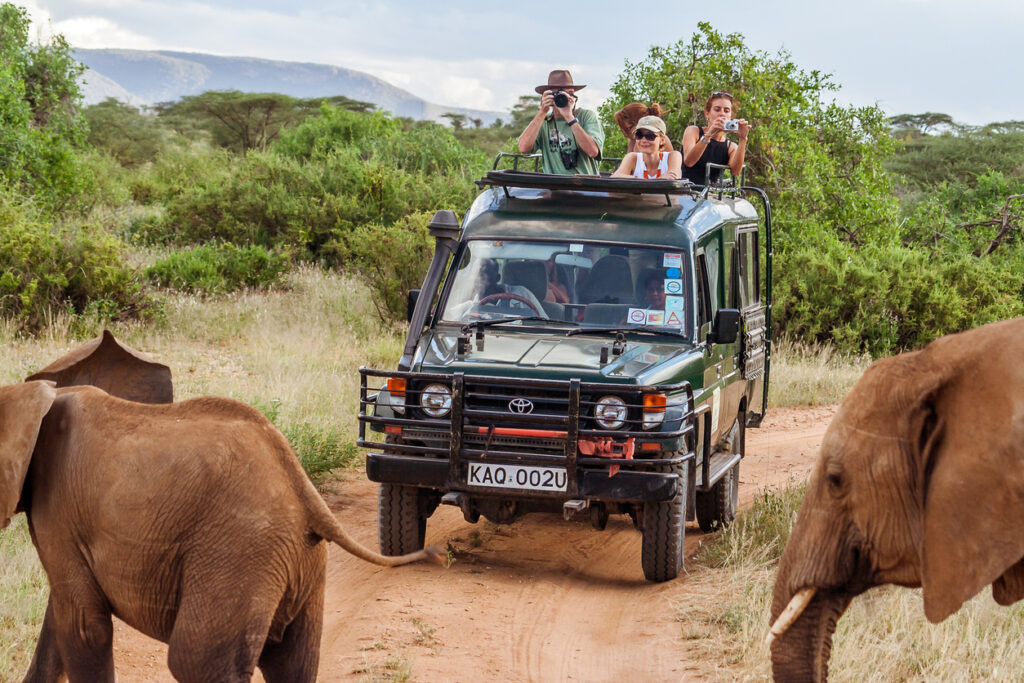
African weather isn’t the constant sunshine people imagine. It can be freezing cold on morning drives, scorching hot by midday, and then pouring rain in the afternoon. You’ll need layers for temperature changes throughout the day. The rainy season turns roads into mud traps, and some camps close entirely.
Dry season means dust storms and extreme heat. Your carefully planned outfits are useless because you need practical clothes for all conditions. Weather can ruin photography, make drives miserable, and limit where vehicles can access.
You’ll spend loads of time waiting around at camp.
Between morning and afternoon drives, there’s a big gap of several hours with nothing organized to do. You’re stuck at camp during the hottest part of the day with limited entertainment options. Some people love the downtime for reading and relaxing, but others find it boring.
There’s no leaving the camp to explore on your own because of safety concerns. You’re essentially confined to a small area for large portions of the day. The drives are the highlight, and everything else is just filling time until the next one.
Tsetse flies and mosquitoes are genuinely awful.
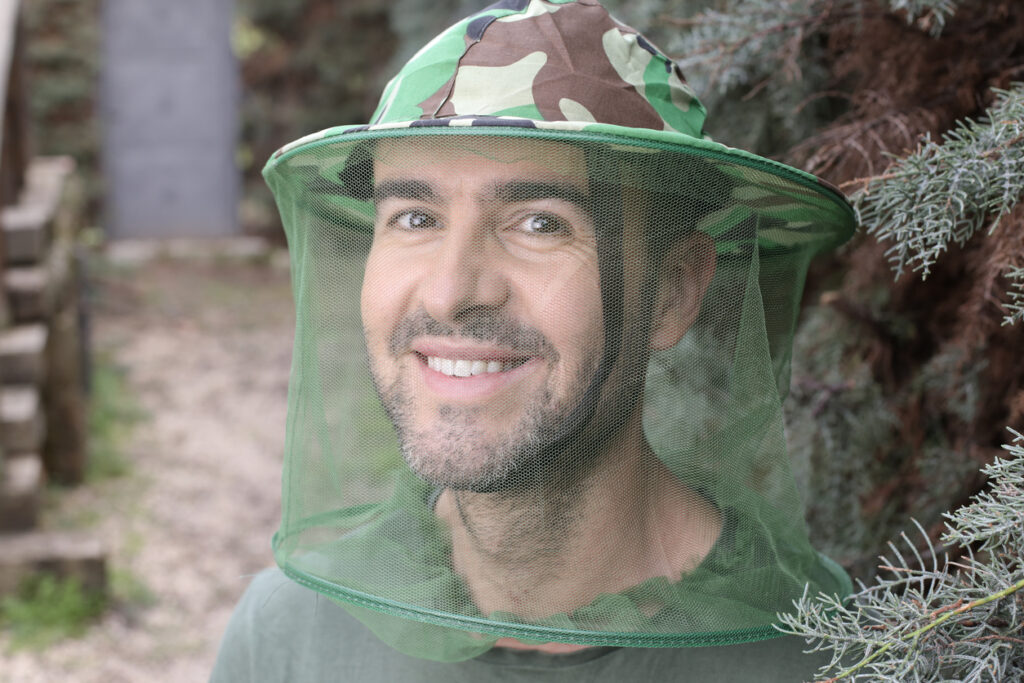
Insect repellent barely works on tsetse flies, and their bites are painful and itchy for days. They’re attracted to dark colours and moving vehicles, so you’re a perfect target on game drives. Mosquitoes come out at dawn and dusk, which is exactly when you’re on drives. You’ll be covered in bites, no matter how much repellent you use.
The constant buzzing and swatting is distracting when you’re trying to enjoy animal sightings. Malaria prophylaxis is essential, but the medication often has unpleasant side effects. The insect situation is genuinely one of the worst parts of safari that nobody properly warns you about.