It’s a bit of a head-turner that in an age where we can track a melting glacier in real-time from our phones, there’s still a vocal crowd insisting the whole thing is a massive wind-up.
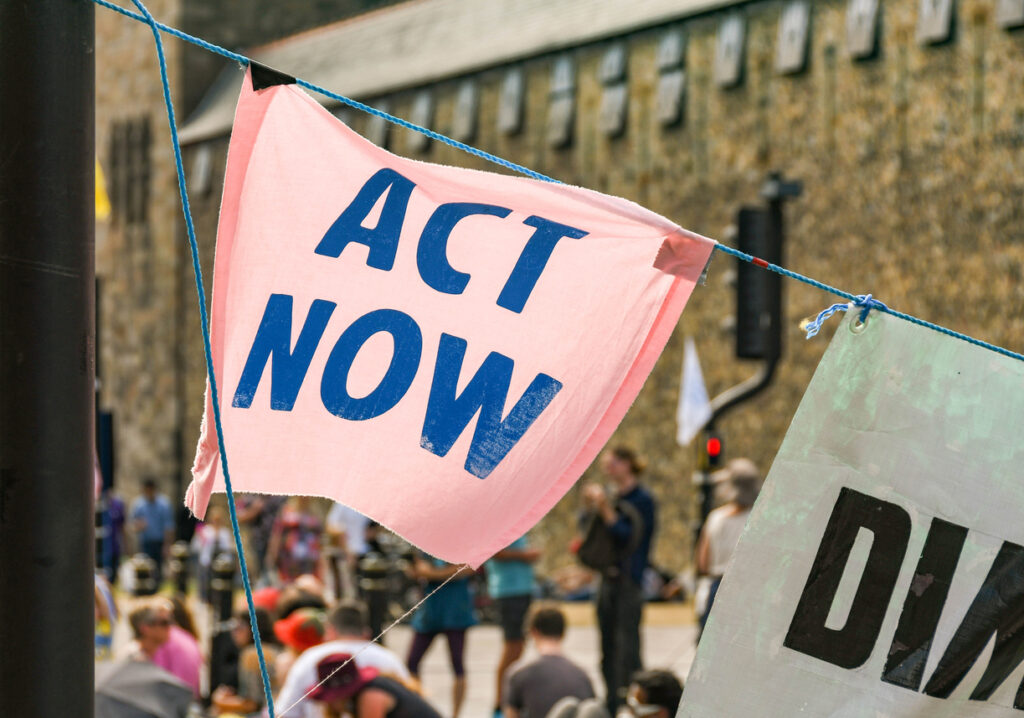
You’d think a mountain of scientific data would be enough to settle the score, but human psychology is a lot messier than a lab report. For some, it’s less about the actual weather and more about a deep-seated distrust of authority or a fear that acknowledging the problem means giving up a lifestyle they’ve spent decades building. Here’s why facts often take a back seat to political identity, and how the human brain is expertly wired to ignore a slow-motion crisis if the solution feels too uncomfortable to swallow.
It conflicts with their political identity.

Climate change has become a political issue, especially in countries like the US and UK, where it’s tied to left versus right politics. People on the right often view climate action as government control or a threat to business, so accepting climate science feels like betraying their political side. It’s not really about the science, it’s about team loyalty.
Admitting climate change is real might mean agreeing with political opponents, which people hate doing. The issue has become so political that accepting basic scientific facts feels like picking a side. Many people would rather doubt the science than align themselves with what they see as the opposing team.
The oil and gas industry has funded doubt campaigns for decades.
Fossil fuel companies knew about climate change since the 1970s but spent millions funding research and campaigns to create public doubt. They used the same approach as the tobacco industry, hiring scientists to produce conflicting studies and funding organisations that spread doubt.
This deliberate misinformation was incredibly effective at making climate science seem more controversial than it actually is. People who consume media influenced by these campaigns genuinely believe there’s legitimate scientific debate when there isn’t. The effects of decades of organised doubt don’t disappear overnight, even as the truth becomes clearer.
The changes feel too slow to notice in daily life.
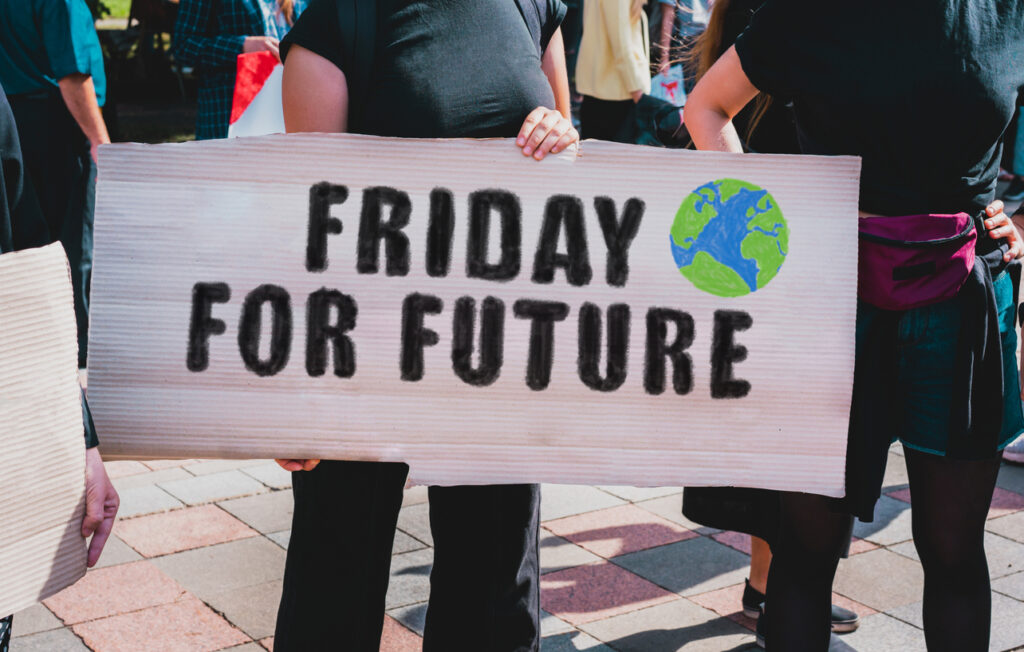
Climate change happens gradually over decades, not in dramatic overnight shifts. People compare weather now to their childhood and don’t notice the slow changes. Humans are terrible at spotting slow-moving threats because our brains evolved to respond to immediate danger.
A slightly warmer summer doesn’t set off alarm bells the way a charging animal would. By the time the changes are obvious enough to be undeniable, significant damage has already happened. The slow pace of climate change works against how human psychology needs immediate, visible threats before taking action.
Accepting it requires changing comfortable lifestyles.
Believing in climate change comes with guilt and pressure to change behaviour in annoying ways. It’s easier to doubt the problem than to acknowledge you should be driving less, flying less, and buying differently. People don’t want to feel bad about their daily choices, so denial protects them from that discomfort.
Accepting climate science means accepting personal responsibility and potential sacrifice, which nobody wants. The bigger someone’s carbon footprint, the more motivated they are to reject climate science because admitting it means uncomfortable life changes.
They distrust institutions and scientists generally.

Some people fundamentally distrust governments, universities, and scientists, viewing them as corrupt or politically motivated. Once you’re convinced that mainstream institutions lie, it’s easy to dismiss climate science as part of that deception.
The distrust often comes from feeling left behind or having real grievances about how institutions have failed them in other areas. Climate denial becomes part of a broader rejection of official stories. The thinking reinforces itself because any evidence from “official” sources is automatically suspicious.
They’ve seen predictions that didn’t come true.
Early climate predictions sometimes got specific timelines wrong, and sceptics point to these as proof the whole thing is rubbish. Media sometimes exaggerated claims beyond what scientists actually said, creating expectations that didn’t happen on schedule.
When someone remembers hearing “the Arctic will be ice-free by 2013” and it wasn’t, they feel justified dismissing all climate warnings. The fact that the overall trends are correct doesn’t matter once you’ve decided scientists are unreliable. A few incorrect specific predictions get used to dismiss the entire field.
It’s presented in ways that feel preachy or condescending.

Climate activists and scientists sometimes communicate in ways that push people away rather than persuade them. Being lectured about your environmental impact by someone flying to conferences or told you’re destroying the planet for driving to work creates resentment.
The moral superiority and doom messaging turns people off and makes them defensive. When environmentalists seem hypocritical or out of touch with working-class realities, it’s easier to dismiss their warnings entirely. Being made to feel judged makes people dig into their existing positions rather than reconsidering them.
Their livelihood depends on fossil fuel industries.
Coal miners, oil rig workers, and people in related industries face real economic threats from climate action. Accepting climate change means accepting that their jobs might disappear, and their communities could collapse. It’s not surprising that people in these situations cling to doubt when the alternative is admitting their economic destruction.
The promised help for these workers often feels vague and unconvincing compared to their current pay cheques. When climate action is framed as a threat to your family’s survival, denial becomes a way of coping.
They see wealthy people ignoring it and assume it’s not serious.
Billionaires still buy beachfront property, celebrities fly private jets constantly, and politicians warning about climate change live in multiple large homes. If the people with the most money and information aren’t acting like there’s a crisis, regular people assume it must not be that urgent.
The gap between alarming words and elite behaviour feeds doubt. Why panic about rising seas if rich people are still investing in coastal property? The visible hypocrisy of wealthy climate advocates undermines the message more than any scientific argument could.
The science is complex and easy to misunderstand.

Climate science involves complicated systems, statistics, and predictions that most people can’t evaluate personally. It’s easy for sceptics to find individual bits of data that seem to contradict the consensus if you don’t understand the broader picture.
People don’t know how to judge scientific credibility or understand how scientific agreement works. They treat one sceptical scientist’s opinion as equally valid as thousands of peer-reviewed studies. The complexity of climate science makes it easy to deliberately misrepresent in ways regular people can’t easily counter.
Cold weather makes it feel like a joke.

Every winter brings comments about “so much for global warming” when there’s a cold snap or heavy snow. People confuse weather with climate and use short-term cold periods as evidence against long-term warming. The term “global warming” itself is misleading because it suggests everywhere should always be getting hotter, when reality is more complicated. Climate change can actually bring more extreme cold events in some regions, but that’s confusing. The basic mix-up between weather and climate continues despite endless attempts to explain the difference.
They believe it’s natural cycles, not human activity.

Some people accept the climate is changing but reject that humans are causing it. They point to historical climate variations and argue current changes are just natural cycles. This position lets them acknowledge observable changes while avoiding the guilt and responsibility of human causes.
It’s a comfortable middle ground that doesn’t require lifestyle changes or political action. The fact that climate has changed naturally in the past makes this argument feel logical, even though scientists can clearly tell apart natural and human-caused warming.
Apocalyptic framing makes it feel hopeless anyway.

When climate change is presented as an inevitable disaster, some people respond with giving up and denial rather than action. If we’re doomed regardless, why bother believing in it or changing behaviour? The constant doomsday messaging is emotionally exhausting and makes people want to tune out entirely.
Humans cope with overwhelming fear through denial, and end-of-the-world climate predictions trigger that response. The framing that makes it feel urgent to some people makes it feel pointless to others, creating paralysis or rejection instead of motivation.