Pangolins have the unfortunate luck of being the most trafficked mammal on the planet, largely because a few people convinced themselves that scales made of the same stuff as fingernails can somehow cure a disease.
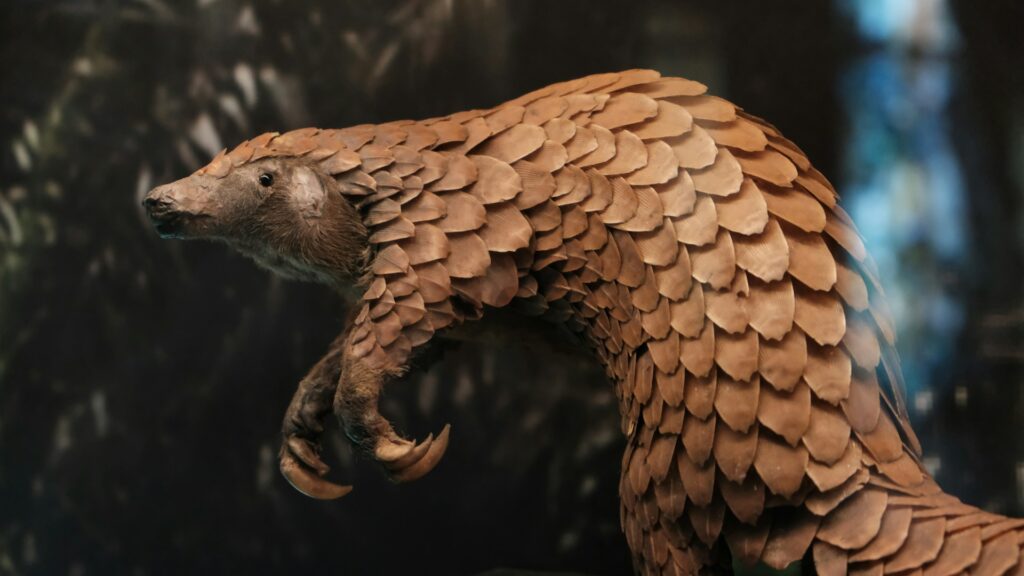
In Africa, the situation has turned pretty grim as poachers have moved their focus from the dwindling Asian populations to the four species found across the continent. It’s a massive, illicit operation fuelled by a demand that doesn’t seem to care that these odd, scaly creatures are being scooped up by the thousands.
So, are the current conservation efforts are actually doing enough to stop the rot, or are we just watching a slow-motion disaster that ends with one of the world’s most unique animals disappearing forever?
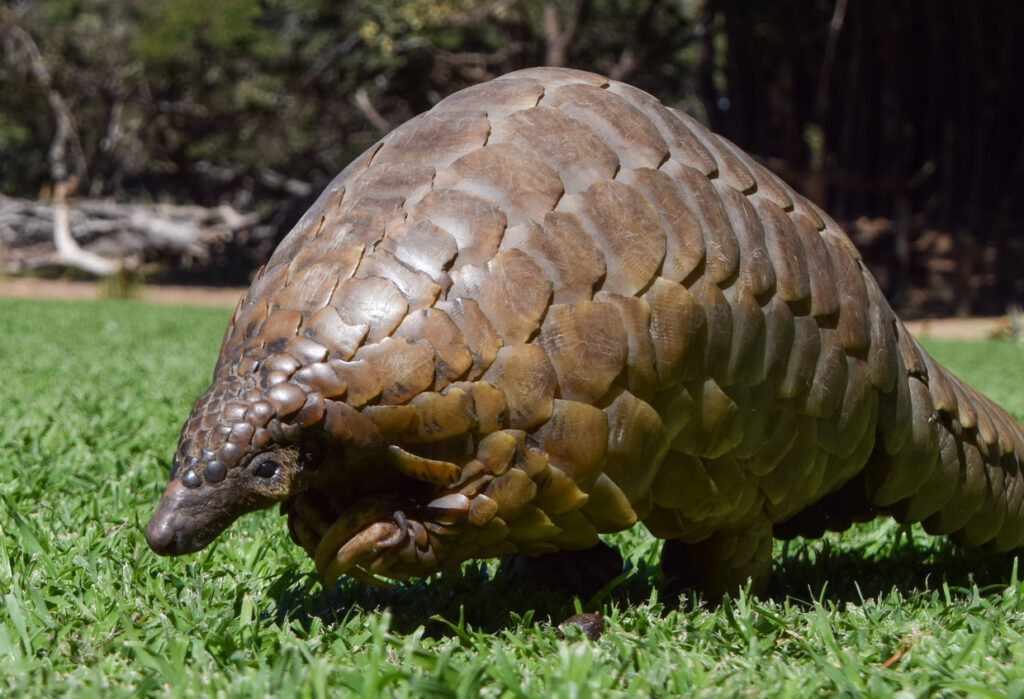
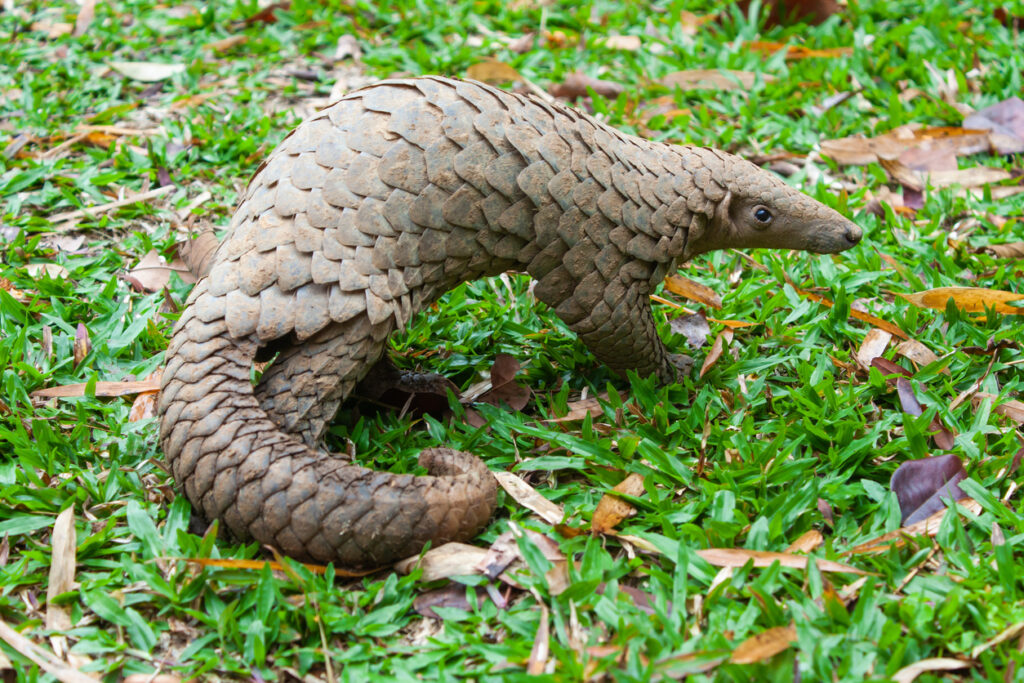
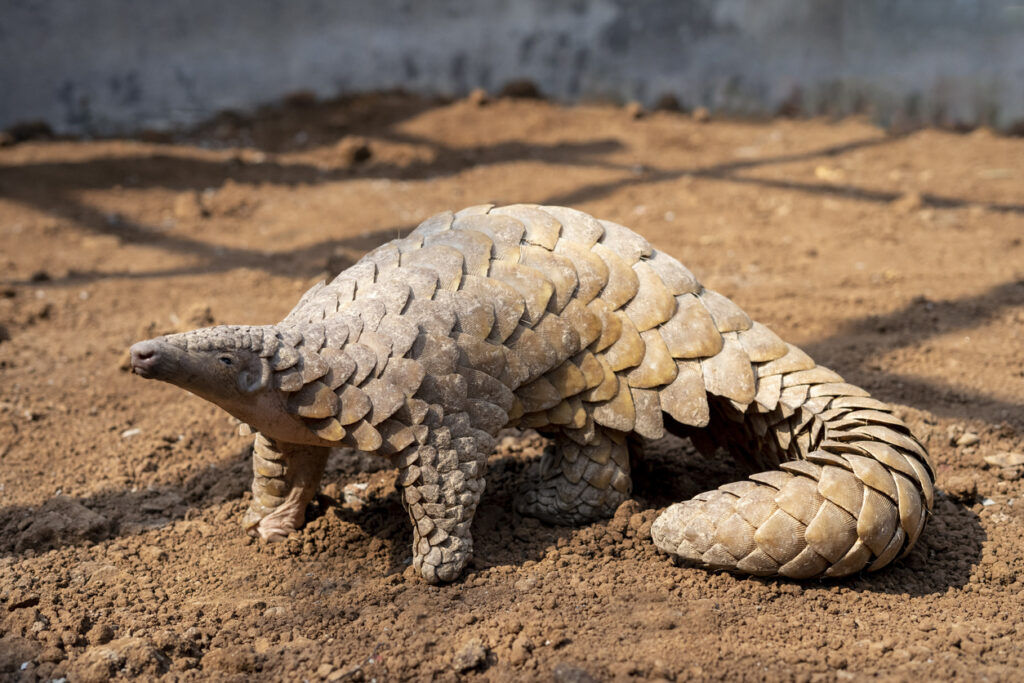
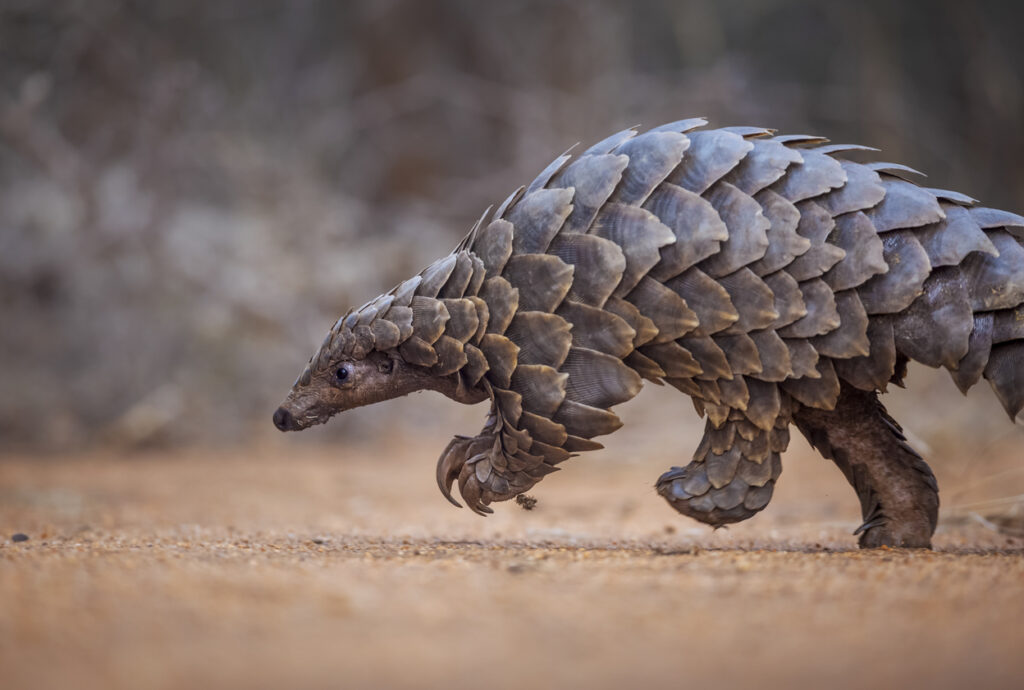
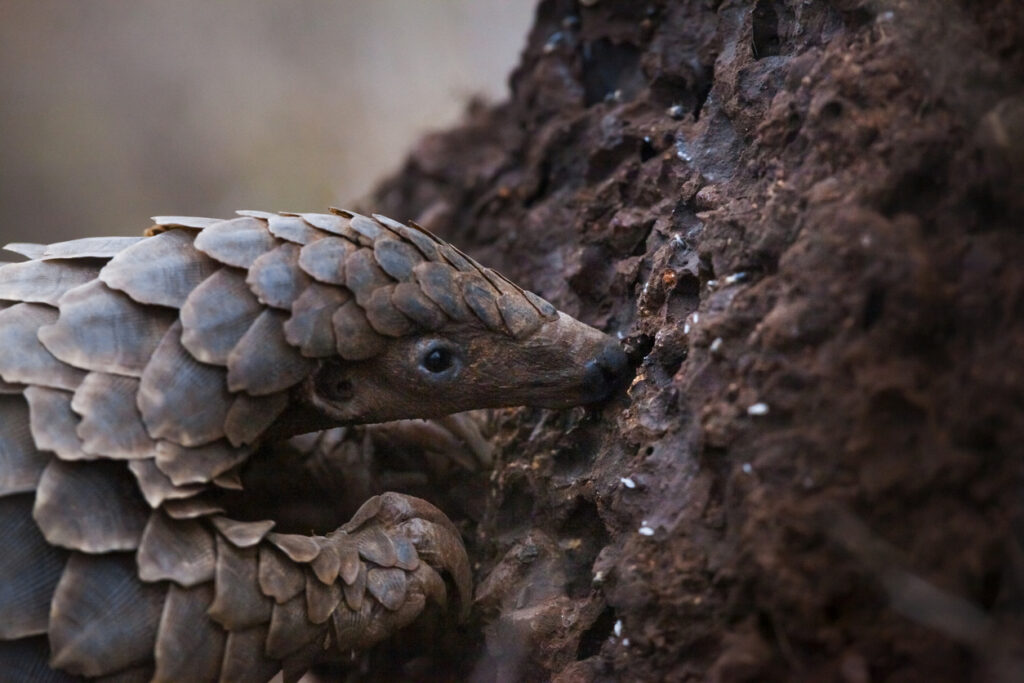
Pangolins are the only mammals covered entirely in scales.
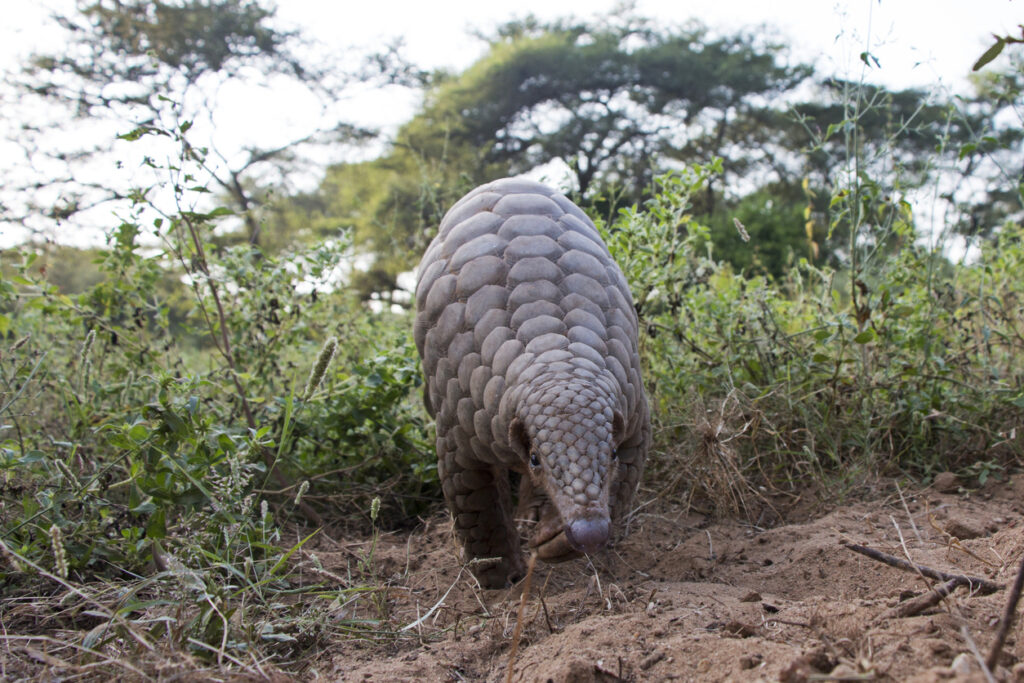
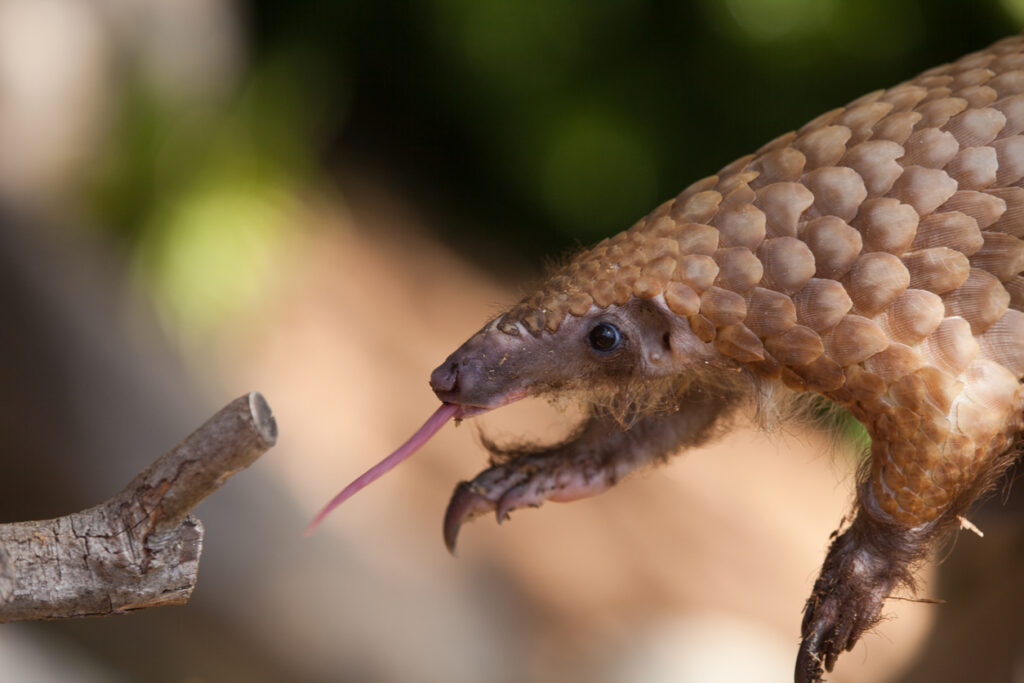
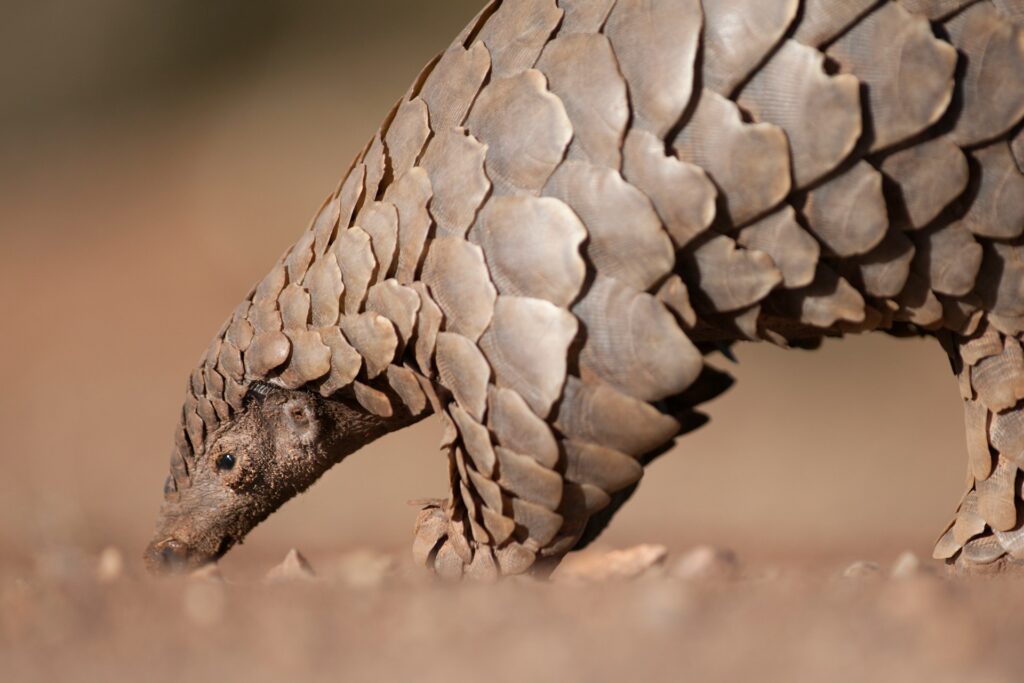
Pangolins look like walking pinecones, with overlapping keratin scales covering their bodies from head to tail. There are four pangolin species in Africa and four in Asia, and all of them are threatened. They’re solitary, nocturnal animals that feed exclusively on ants and termites, using their incredibly long sticky tongues to catch prey.
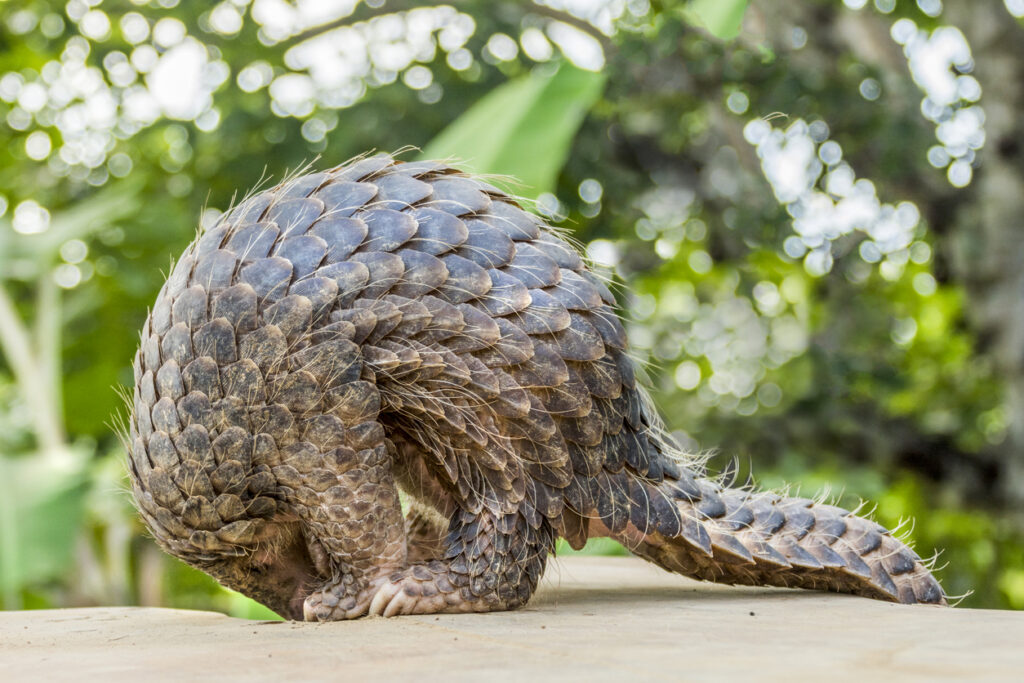
When threatened, they curl into tight balls that their scales protect, but this defence mechanism makes them easy for poachers to collect. Most people have never heard of pangolins, which is part of why their extinction crisis isn’t getting the attention it deserves.
They’re trafficked for their scales and meat.
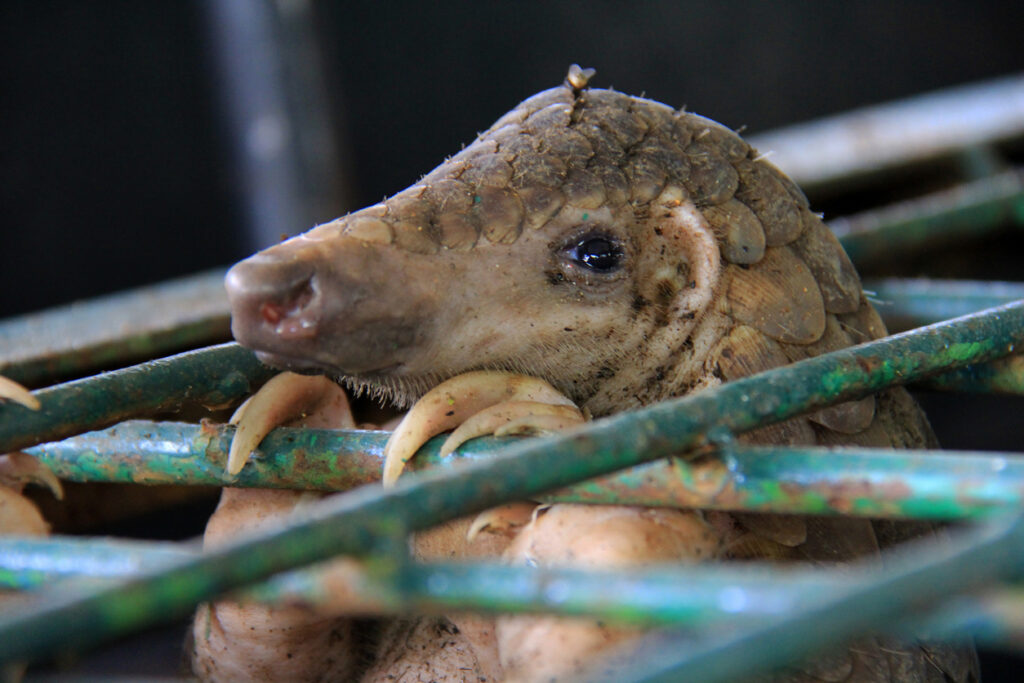
Pangolin scales are made of keratin, the same material as human fingernails, but they’re falsely believed to have medicinal properties in traditional Chinese medicine. There’s no scientific evidence that the scales do anything therapeutically, but demand remains huge.
Pangolin meat is also considered a delicacy in some countries and a status symbol for wealthy consumers. The combination of these two markets has created a trafficking industry worth millions that spans continents. African pangolins are increasingly targeted as Asian populations have been decimated.
Over a million pangolins have been trafficked in the last decade.
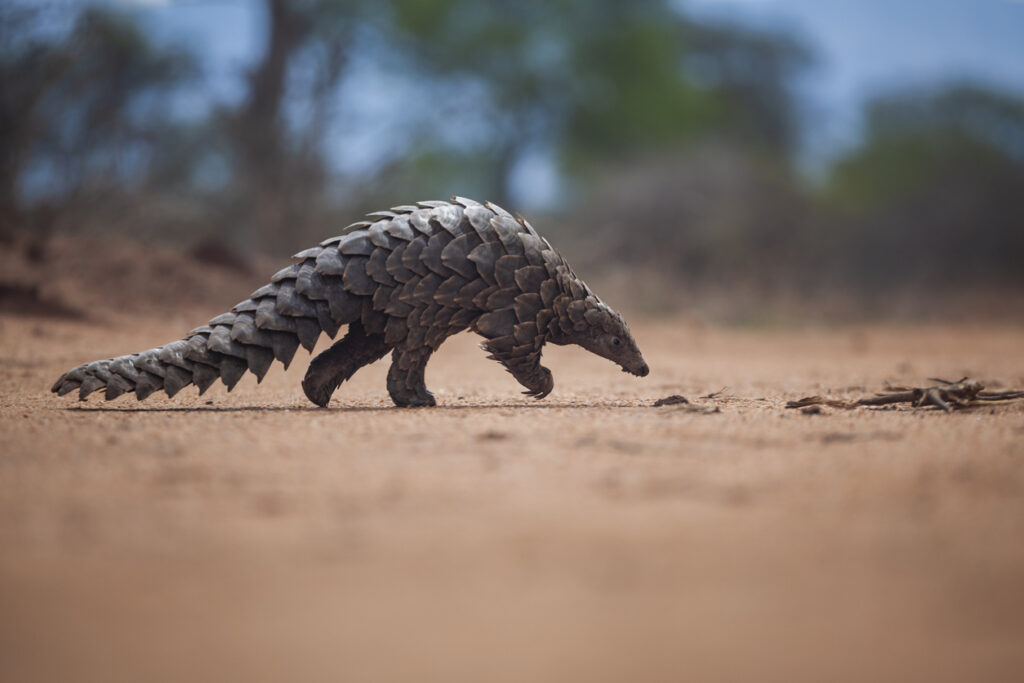
The scale of pangolin trafficking is staggering, and those are just the seizures authorities know about. Experts estimate that for every pangolin intercepted, many more make it through to markets in China and Vietnam. Entire populations are being wiped out to meet demand, and traffickers have turned to Africa as Asian pangolin numbers collapse.
The animals are often transported alive in horrific conditions, stuffed into bags or crates without food or water. Many die before reaching their destination, but traffickers don’t care because the profit margins are so high.
They reproduce incredibly slowly.
Pangolins typically give birth to just one baby per year, and females don’t reach sexual maturity until they’re several years old. This slow reproduction rate means populations can’t recover quickly from the losses caused by poaching. Even if trafficking stopped tomorrow, it would take decades for pangolin numbers to rebuild.
The single offspring also means there’s no buffer against infant mortality, and baby pangolins are vulnerable to predators and environmental stressors. This biological limitation makes them particularly susceptible to extinction from overexploitation.
Conservation efforts struggle with lack of funding and attention.
Pangolins don’t have the same public appeal as elephants or rhinos, so conservation funding is limited. They’re not charismatic megafauna that attract donors and media coverage. Organisations working to protect pangolins operate on shoestring budgets whilst fighting a trafficking network with enormous resources.
The lack of public awareness means there’s little pressure on governments to prioritise pangolin protection. Without significant investment in anti-poaching efforts and habitat protection, conservation groups can’t keep up with the scale of the problem.
They’re nearly impossible to breed in captivity.
Captive breeding programmes that work for other endangered species have largely failed with pangolins. They have highly specialised diets that are difficult to replicate in captivity, and they’re extremely stressed by confinement. Most pangolins captured for breeding programmes die within months.
That means conservation efforts can’t rely on captive populations to rebuild wild numbers. The species’ survival depends entirely on protecting wild pangolins and their habitats, which makes the poaching crisis even more urgent.
Habitat loss compounds the poaching threat.
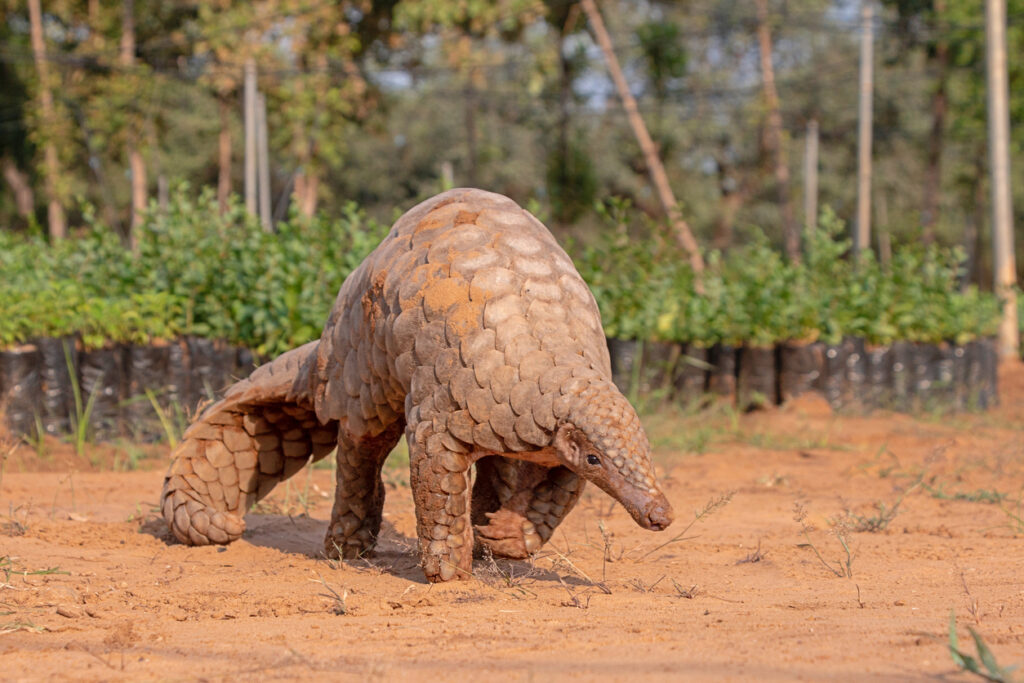
African pangolins are losing their forest and savanna habitats to agriculture, logging, and human settlement. As their territories shrink, pangolins are pushed into smaller areas where they’re easier to find and poach. Habitat fragmentation also isolates populations, reducing genetic diversity and making recovery harder.
Development projects rarely consider pangolin habitat in planning, and there’s little legal protection for the ecosystems they depend on. The combination of habitat loss and poaching creates a double threat that’s pushing species toward extinction faster.
Enforcement of wildlife trafficking laws is weak.
Many African countries have laws protecting pangolins, but enforcement is inconsistent and penalties are often too light to deter traffickers. Corruption allows shipments to pass through borders and ports without inspection. Wildlife crime units are understaffed and underfunded, making it easy for trafficking networks to operate.
Even when poachers are caught, prosecutions are rare and sentences minimal. Until wildlife trafficking is treated as serious organised crime with corresponding penalties, the illegal trade will continue thriving.
Demand in Asia shows no sign of decreasing.
Despite campaigns to reduce consumption and international trade bans, demand for pangolin products in China and Vietnam remains strong. The scales are still prescribed in traditional medicine, and pangolin meat is still served in expensive restaurants.
Younger generations are slowly becoming more conservation-minded, but cultural traditions around traditional medicine are deeply ingrained. Economic growth in Asia has actually increased the number of people who can afford pangolin products. Without dramatic changes in consumer behaviour, demand will keep driving African pangolins toward extinction.
They play a crucial role in pest control.
A single pangolin can consume up to 70 million insects per year, primarily ants and termites. This makes them vital for controlling pest populations that would otherwise damage crops and forests. Their digging also aerates soil and helps with nutrient cycling in ecosystems.
Losing pangolins would have cascading effects on the environments they inhabit, but these ecological services aren’t valued enough to drive protection efforts. The focus on their trafficking overshadows their importance to ecosystem health.
Most people still don’t know what pangolins are.
Public awareness campaigns have increased slightly in recent years, but pangolins remain relatively unknown compared to other endangered species. This lack of recognition means there’s no widespread public pressure for governments to act. People can’t advocate for protecting animals they’ve never heard of.
The unusual appearance and nocturnal habits of pangolins mean few people encounter them, even in areas where they live. Building public awareness is essential for generating the political will needed for serious conservation action.
There’s still a chance to save them if action is taken now.
Pangolins aren’t extinct yet, and some populations remain relatively stable in protected areas. Successful prosecutions of major trafficking rings have shown that enforcement can work when properly resourced. Growing international cooperation on wildlife crime and increased penalties in some countries offer hope.
Conservation groups are developing better methods for tracking populations and understanding pangolin ecology. If governments, conservation organisations, and the public act decisively now, it’s still possible to pull African pangolins back from the brink. The window is closing fast, though, and without urgent action, extinction within decades is likely.