Most people think every creature in the wild is just waiting for a reason to have a go at them, but that’s a massive misunderstanding of how nature actually works.
Starting a fight is a massive risk for any animal, especially when a single scratch could lead to a fatal infection. These 12 animals aren’t being polite; they’re being practical. They’ve got much better things to do than waste their energy on a human who isn’t even on their menu, provided you aren’t doing something incredibly stupid to force their hand.
The delay in an attack is usually a cold bit of biological calculation. Whether they’re relying on a specialised defence that makes them feel untouchable or they’ve got a complex series of warnings to get through first, these animals play a very deliberate game. We’re looking at why these specific creatures take their time and what’s actually going on in their heads while they’re staring you down. It’s a lot more interesting than a simple fight-or-flight response, and it’s usually the only reason some people live to tell the story of their hiking trip.
1. Bears

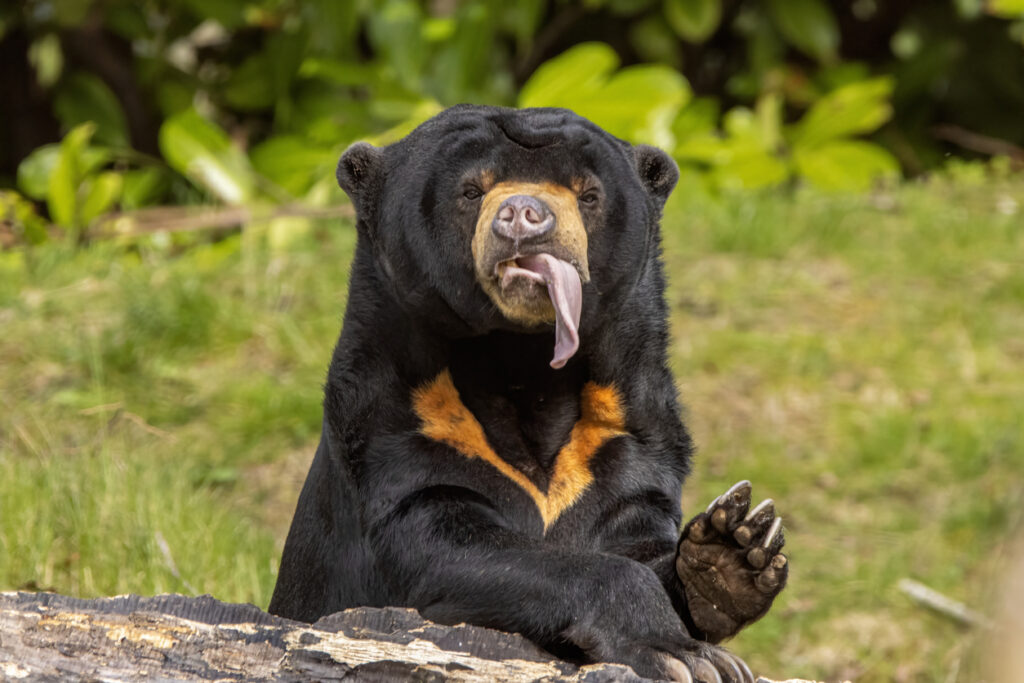
Most bears would rather not fight, even though they absolutely can. A bear that gets injured might struggle to hunt, struggle to defend itself, or struggle to survive winter, so it often tries intimidation first, like huffing, swatting the ground, standing tall, or doing a short bluff charge.
That slow build-up is a warning system, not a guarantee you’re safe. If you keep pushing in, get between a mum and cubs, or surprise one at close range, the hesitation can disappear fast, which is why giving space early is the whole point.
2. Wolves
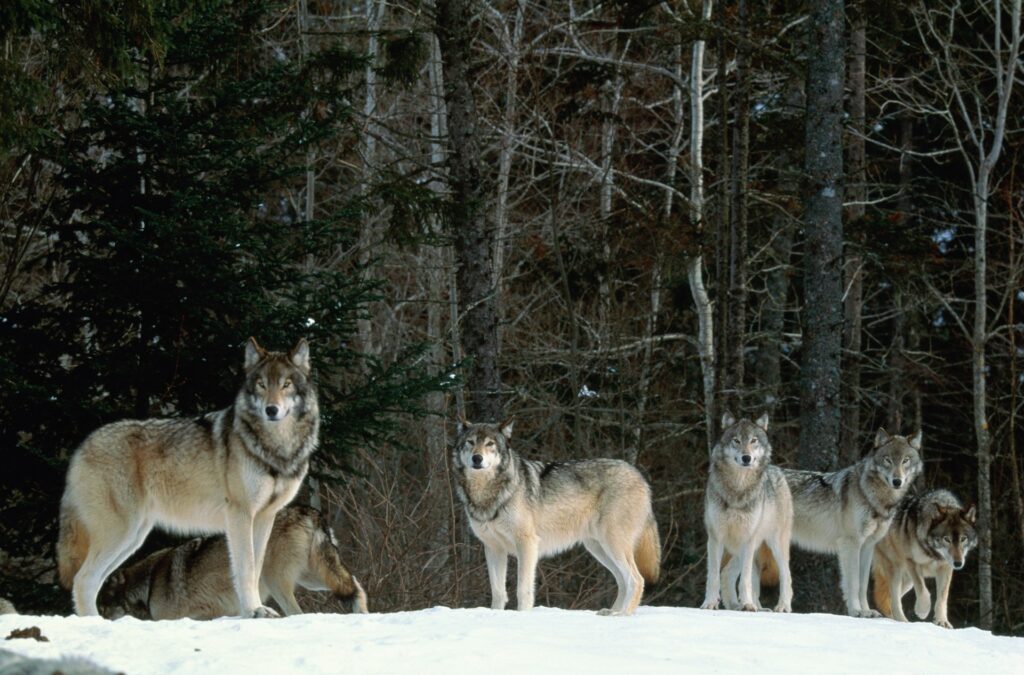
Wolves are predators, but they don’t usually want a messy fight with something big and unpredictable. They test, watch, and keep distance, especially if they’re unsure what you are because a serious injury is a big risk for an animal that depends on running and teamwork. When wolves do get bold, it’s often tied to unusual situations, like being habituated to people or protecting a den. In normal conditions, their first choice is to move away and keep you at the edge of their awareness rather than rush in.
3. Big cats like cougars

Cougars and other big cats are built for ambush, so they don’t tend to attack in a loud, fast, obvious way. They watch, stalk, and wait for the cleanest moment because they’re aiming for an easy win, not a chaotic fight that could leave them hurt.
If one feels threatened, it may also try to avoid you rather than go straight to violence, as humans aren’t normal prey and we’re risky. That said, the stillness can be the scary part, especially since a cat that’s deciding what to do doesn’t always announce itself.
4. Moose
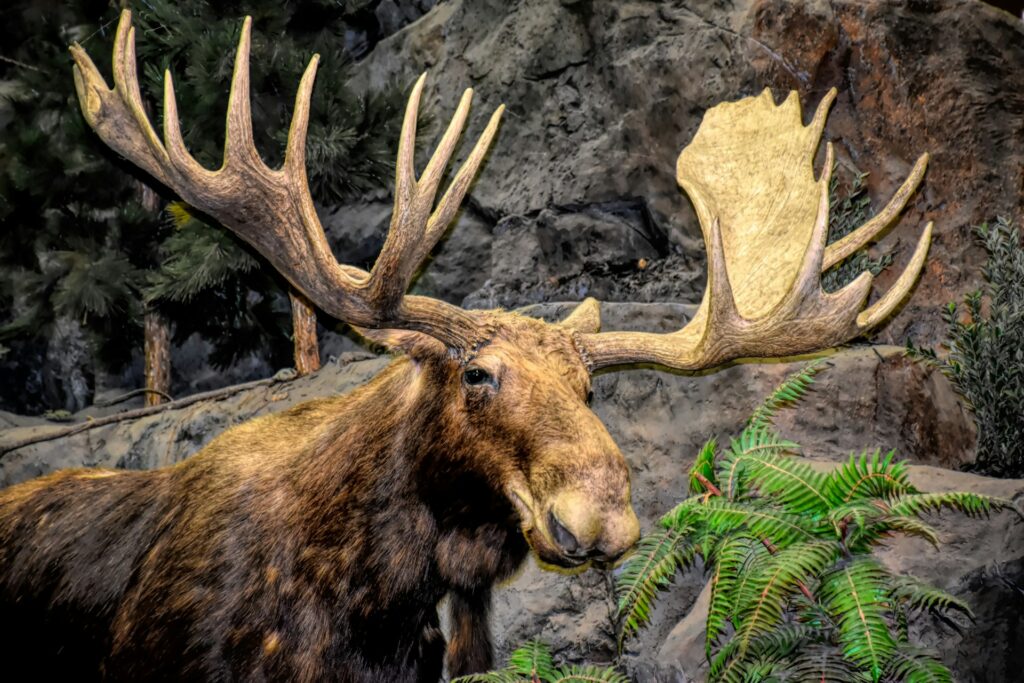
Moose are huge, but they often give signs before they go for you. They might pin their ears back, raise the hair on their neck, lick their lips, or stomp, which can look odd until you realise it’s basically their version of keep away. The reason they don’t always attack instantly is that they’d rather not waste energy or risk injury. If you back off, give them a wide path, and don’t crowd them, you’re usually helping them choose the safer option, which is to let you leave.
5. Bison
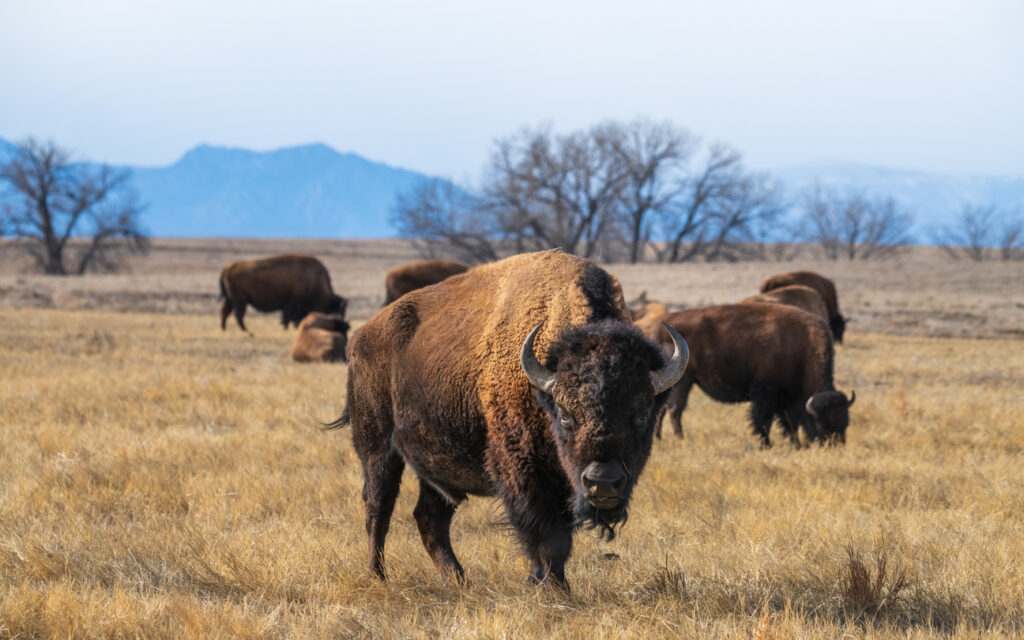
Bison can be calm one second and explosive the next, but they often show discomfort first, like turning sideways, swinging their head, snorting, or doing that tense, still posture where the air suddenly feels different. They’re not looking for a fight, they’re looking for you to stop being a problem in their space.
They also live with a strong sense of personal distance, and when people ignore that and get too close for a photo, the animal has to choose between running and standing its ground. If you give them room, you often stop the whole situation before it turns into a charge.
6. Cobras

Cobras are famous for the dramatic warning display, and that’s the point. The hood, the lift, the fixed stare, it’s all meant to say don’t make me use the venom, since venom is precious and biting is risky when you’re dealing with something that can stomp you. That showy warning is a stalling tactic and a deterrent. If you step back and give it space, a cobra will often try to leave because it’s not hunting you, it’s trying to survive an encounter with a much larger animal.
7. Rattlesnakes
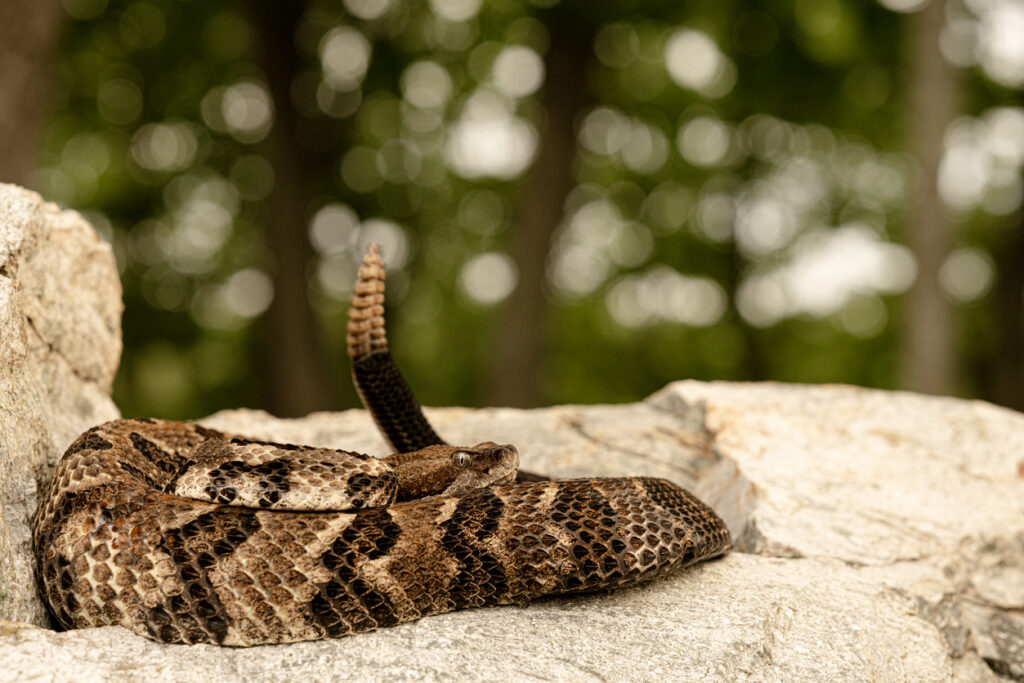
Rattlesnakes have a built-in warning sound for a reason. They don’t want to bite unless they have to because venom takes energy to make, and a bite also puts them within striking distance of something that could kill them. The rattle is basically a free pass for you to walk away if you use it. If people keep stepping closer, corner the snake, or accidentally tread on it, then the slow warning phase is over, and it becomes a fast, defensive moment.
8. Porcupines
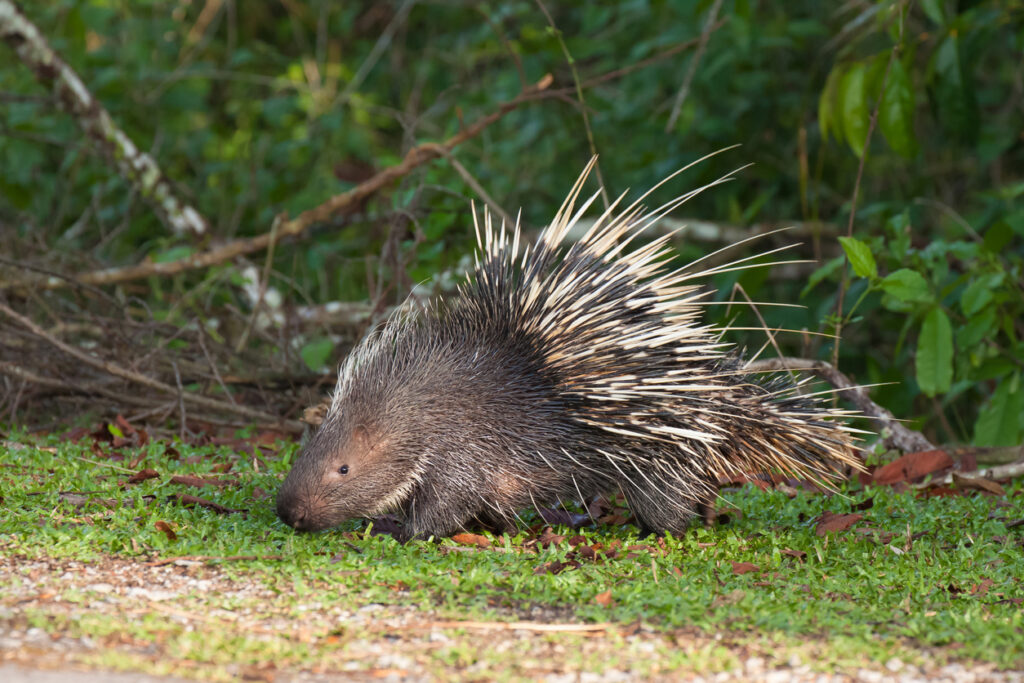
Porcupines don’t sprint into attacks because their whole defence is about making you regret touching them. They’ll often raise their quills, chatter their teeth, stamp, or turn their back end towards you, which looks odd until you realise they’re lining up their best protection. It’s a slow escalation because they’re basically saying, “I don’t want to fight, but I will make this painful if you ignore me.” Predators that have learned the lesson usually keep a respectful distance after one bad encounter.
9. Skunks
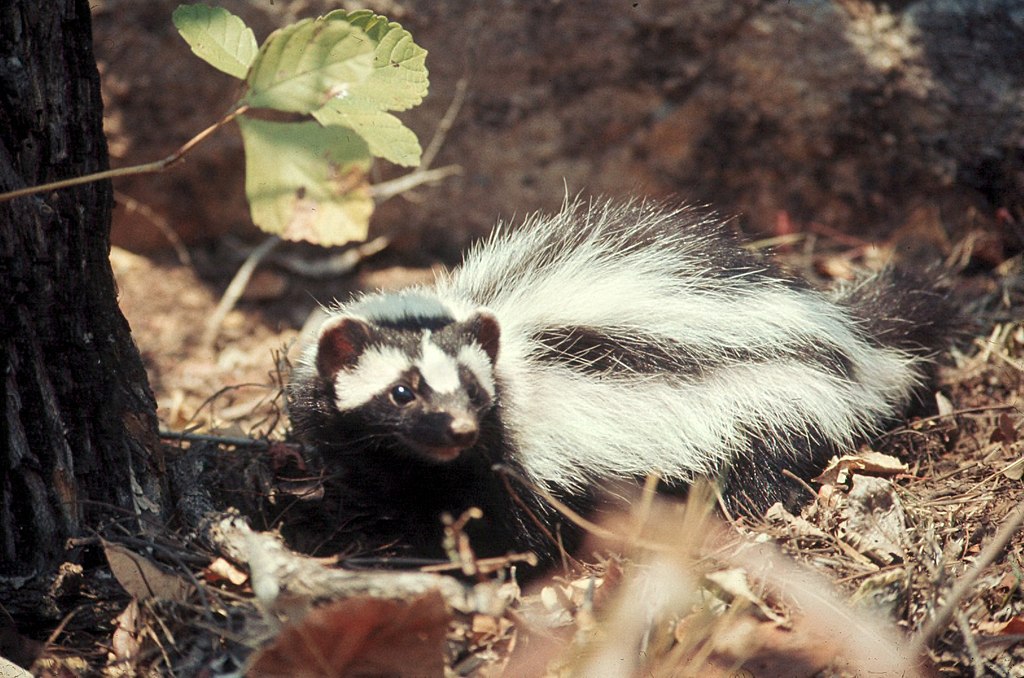
Skunks are all about warning first. They’ll freeze, stamp their front feet, lift the tail, and sometimes do a little handstand pose with their back end aimed at the threat. They don’t want to spray if they can avoid it because it’s not an unlimited resource, and it makes them vulnerable for a bit. The whole routine is them giving you time to make a better choice. If you back away slowly and leave them an exit, they usually take it because their goal isn’t to punish you, it’s to not get hurt.
10. Hippos
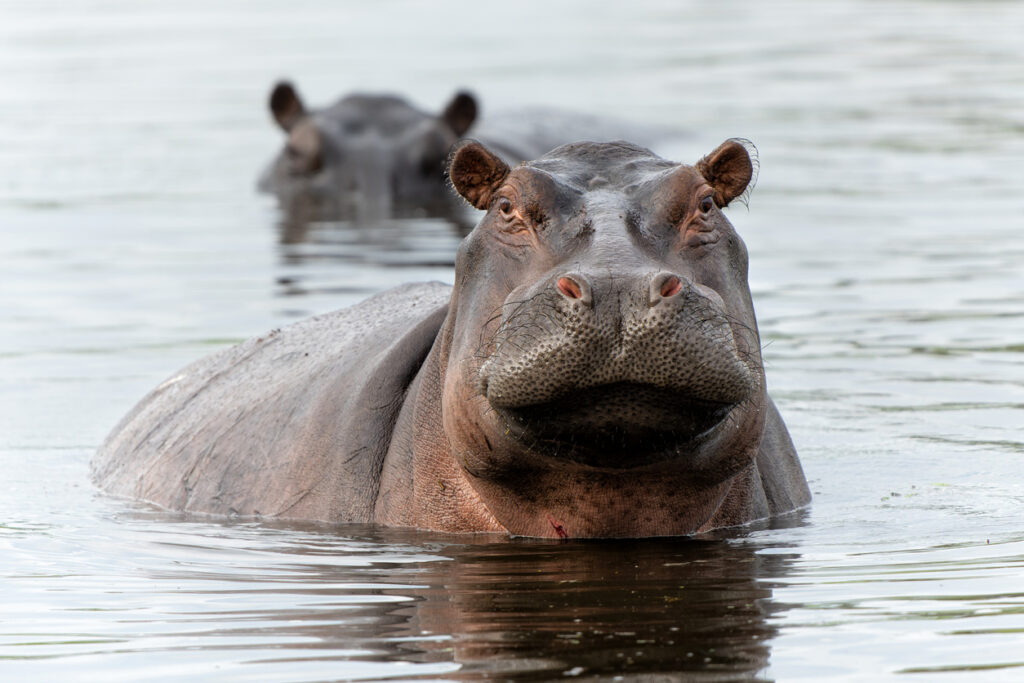
Hippos are dangerous and can be aggressive, but they don’t always go instantly. They often start with displays, like yawning wide to show teeth, snorting, or doing that stiff posture in the water, and it’s basically them saying, “This is my space, don’t test it.” They hesitate because they’re trying to control the territory, not chase for sport. If you’re between a hippo and water, or too close in a boat, that warning can flip into a charge, which is why distance is everything with them.
11. Gorillas
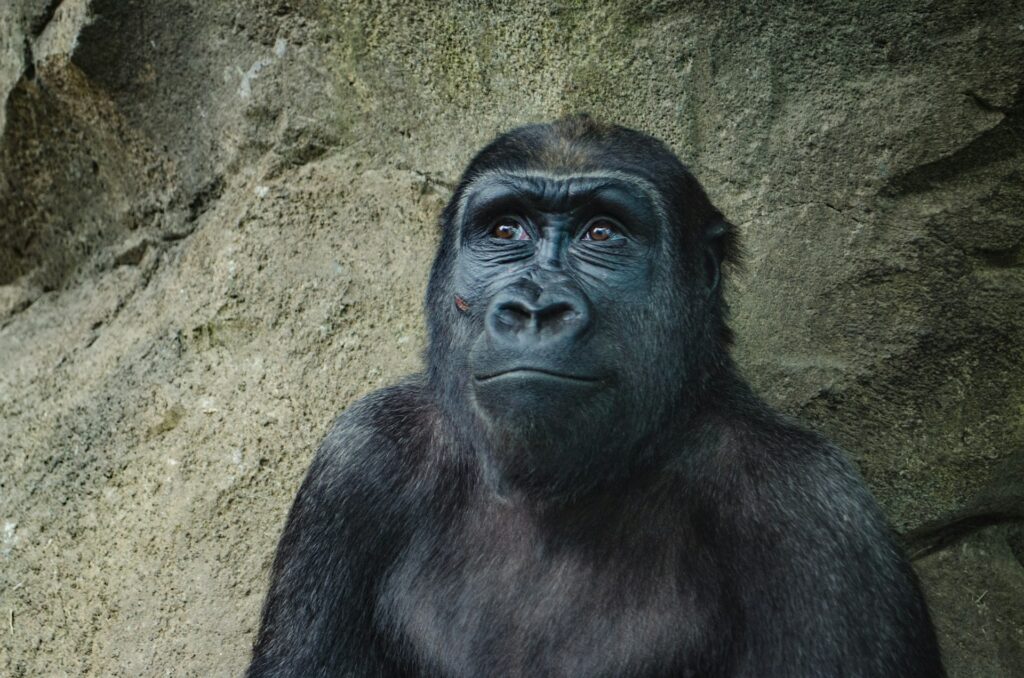
Gorillas aren’t predators, but they can be dangerous, and they’re a good example of a slow build to aggression. They often do warning displays first, like chest beating, bluff charges, and loud vocalising because the aim is to scare you away without anyone getting injured. That hesitation is also tied to social rules within the group. A silverback is trying to protect his troop and keep order, and a real fight is a last resort, as it risks harm to him and chaos for everyone else.
12. Elephants

Elephants are huge and strong, but they often warn before they act. You might see ear spreading, head shaking, trumpeting, or a mock charge, and it’s basically them telling you to leave their space before they feel forced to do something serious.
They don’t attack quickly because they’re not built for random violence, they’re built for control and survival. If they feel threatened, especially around calves, water, or food, the warning can stop, which is why reading the early signs and giving distance is the smartest move.