It starts with a cute video or a bit of a whim at the pet shop, but 12 months later, you’re wondering why your living room smells like a swamp and your furniture has been chewed to bits.
Most people dive into pet ownership thinking about the cuddles and the Instagram photos, completely ignoring the reality of a creature that needs 15 hours of attention a day or has a lifespan longer than a mortgage. It’s all fun and games until you realise you’ve essentially adopted a toddler that never grows up and has very specific demands about its dinner.
The regret usually kicks in when the novelty wears off and the actual graft begins. Whether it’s a bird that won’t stop screaming at 5 a.m. or a reptile that requires a degree in electrical engineering just to keep its tank at the right temperature, some animals are just objectively terrible houseguests for the average person. We’re looking at the pets that frequently end up back in shelters or listed on local forums because their owners didn’t bother to check what they were actually signing up for before bringing them home.
1. Huskies need constant exercise and destroy everything.

People see gorgeous huskies in films and think they’re getting a beautiful companion. What they actually get is a high-energy destruction machine that needs hours of exercise every single day. Huskies were bred to run for miles pulling sleds, so a walk around the block does nothing for them. When they’re bored, they’ll destroy your furniture, dig up your garden, and howl loud enough to upset the entire neighbourhood. They shed constantly, and they’re escape artists who’ll jump fences or dig underneath them.
2. Parrots live for decades and scream constantly.
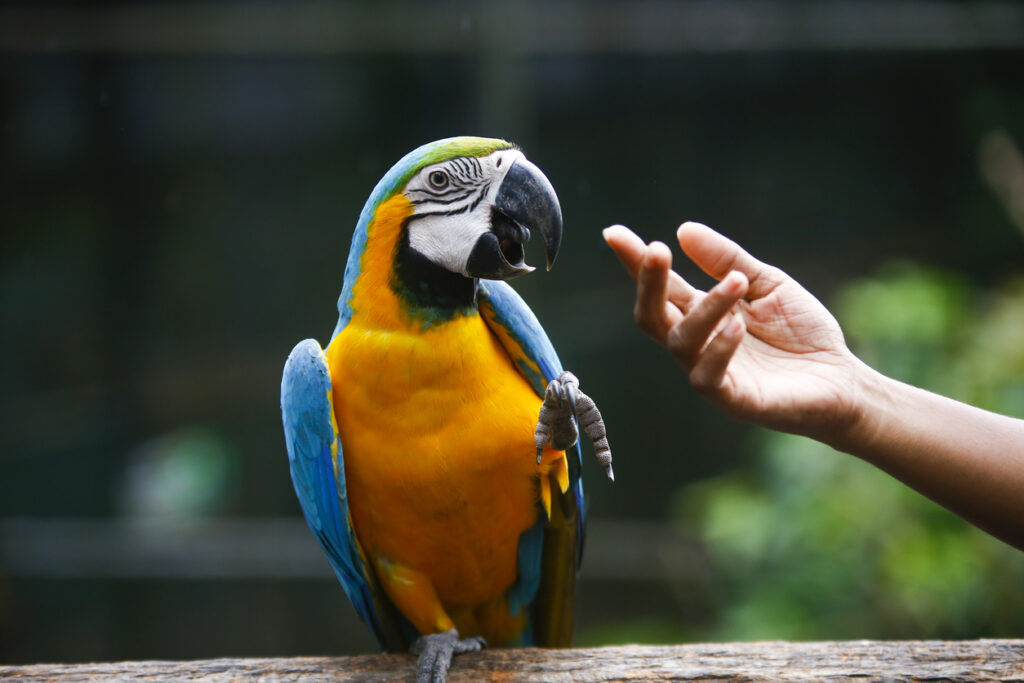
Many parrot species live 30 to 50 years or longer, which means you’re committing to half a century of care. They scream when they’re bored, lonely, or just because they feel like it, and the noise is genuinely ear-splitting. Parrots are destructive and emotionally complex animals that bond intensely and get depressed or aggressive if their needs aren’t met.
The mess from food, feathers, and droppings is constant. People think they’re getting a pretty bird that talks, but they’re actually getting a toddler-level commitment for potentially the rest of their life.
3. Rabbits aren’t really cuddly and cost a fortune in vet bills.
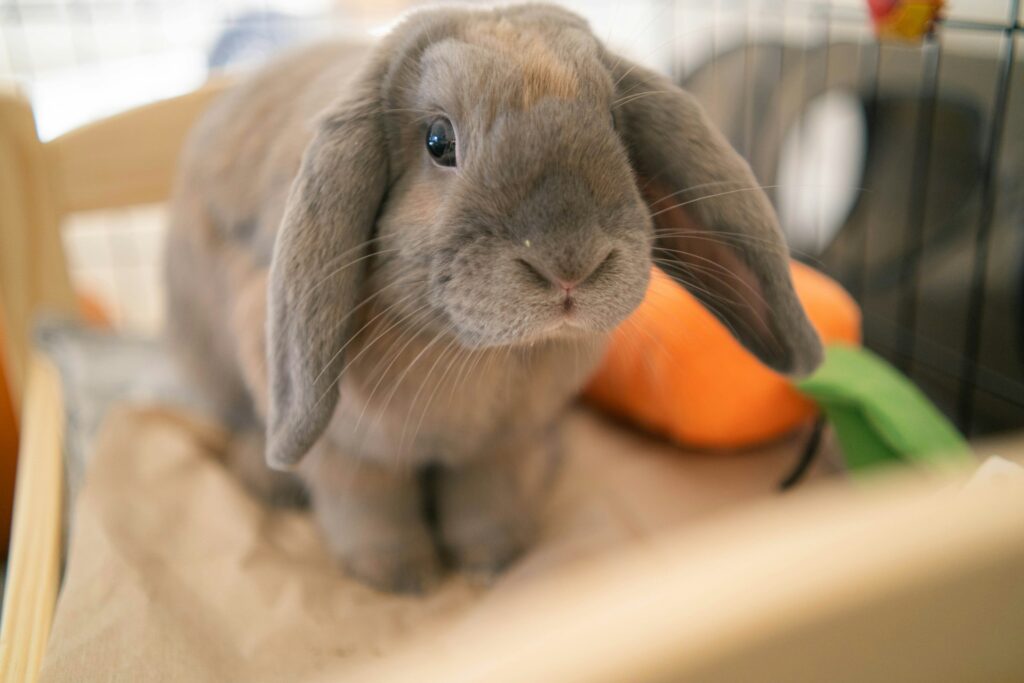
Rabbits get marketed as easy starter pets, but they’re actually high-maintenance and often don’t enjoy being held. Most hate being picked up because it triggers their prey instincts, so the cuddly experience people expect doesn’t happen. They need loads of space to run, not tiny hutches, and they’re destructive chewers who’ll go after cables and furniture. Rabbit vet care is specialized and expensive, and they hide illness really well, so by the time you notice something’s wrong, it’s often serious. They live 10 years or more and need daily cleaning.
4. Reptiles often have expensive setups and complicated care requirements.
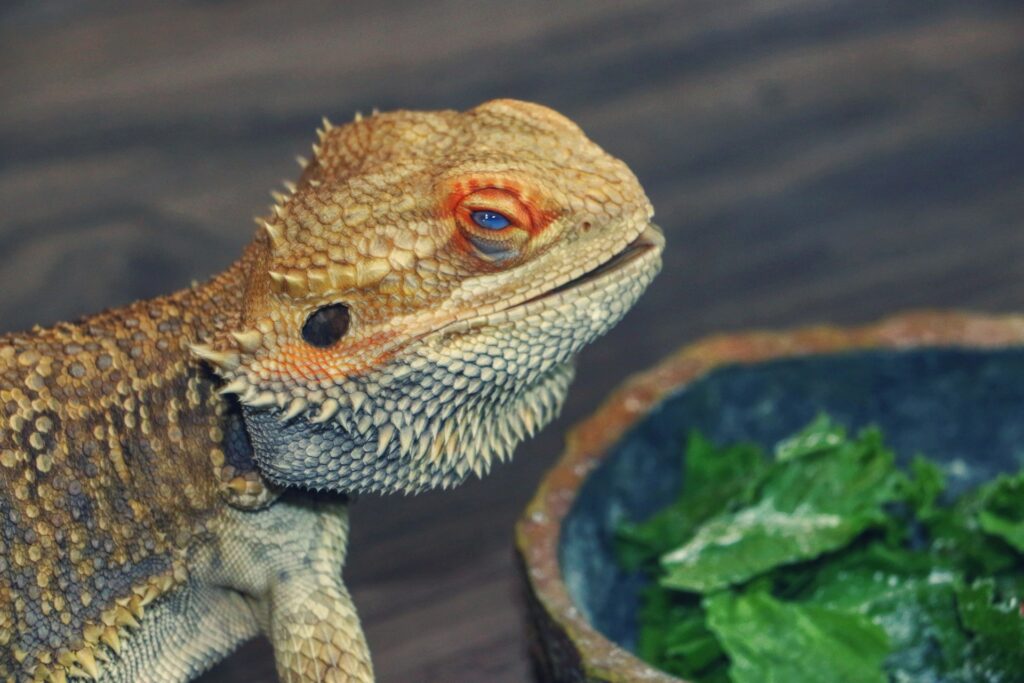
The initial setup for reptiles costs hundreds of pounds for proper heating, lighting, and enclosures, and the ongoing electricity bills are significant. Many reptiles need live food, which means keeping insects or rodents to feed them. Temperature and humidity need constant monitoring because getting it wrong kills them. Vet care for reptiles is specialized and expensive, and many vets won’t even see them. People think they’re getting an easy pet in a tank, but they’re actually getting complex care requirements and costs that last for decades.
5. Sugar gliders are nocturnal and incredibly demanding.

Sugar gliders are active all night and sleep all day, which is the opposite of what most owners want. They need several hours of supervised out-of-cage time daily to bond with you, and if you don’t provide this, they become aggressive or depressed. Their diet is incredibly specific and time-consuming to prepare, and they need to be kept in pairs. They mark territory with scent glands that make them and your home smell musky. The bonding process takes months of consistent effort, and even then, they might never be truly tame.
6. Chihuahuas are aggressive and difficult to train.
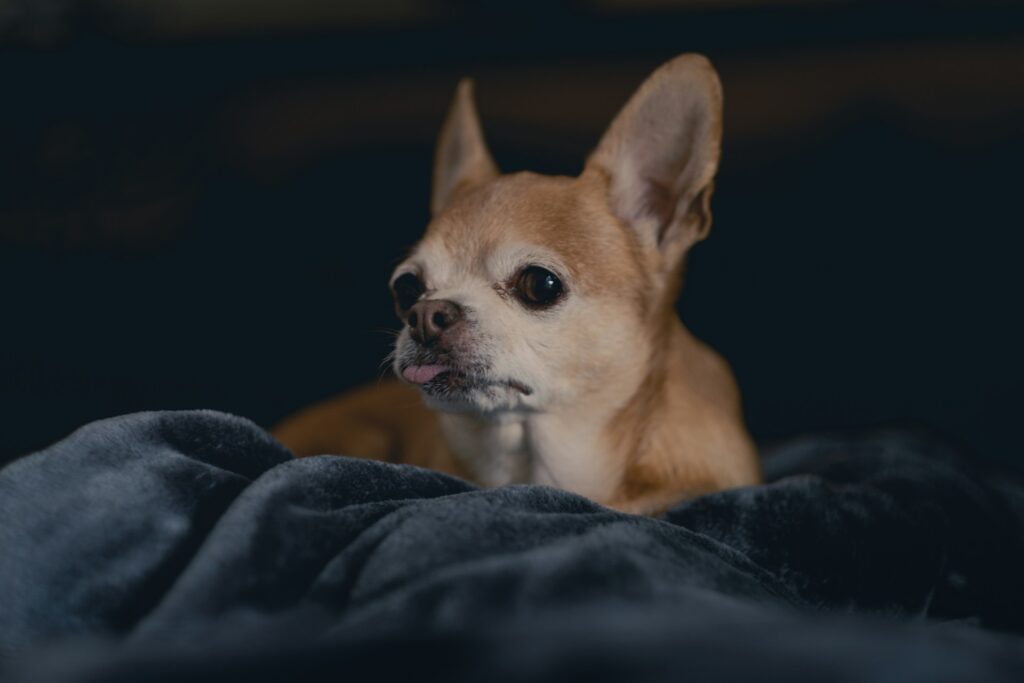
Chihuahuas are often nightmare pets that nobody prepared for. They’re prone to aggression and snapping despite their size, and many owners don’t bother training them properly because they’re small enough to just pick up. This creates poorly behaved dogs that bark constantly and can’t be trusted around other people or animals. They’re also prone to health problems because of their size and breeding. Many are difficult to housetrain and get cold easily, needing clothing and heating.
7. Bengal cats act more like wild animals than pets.
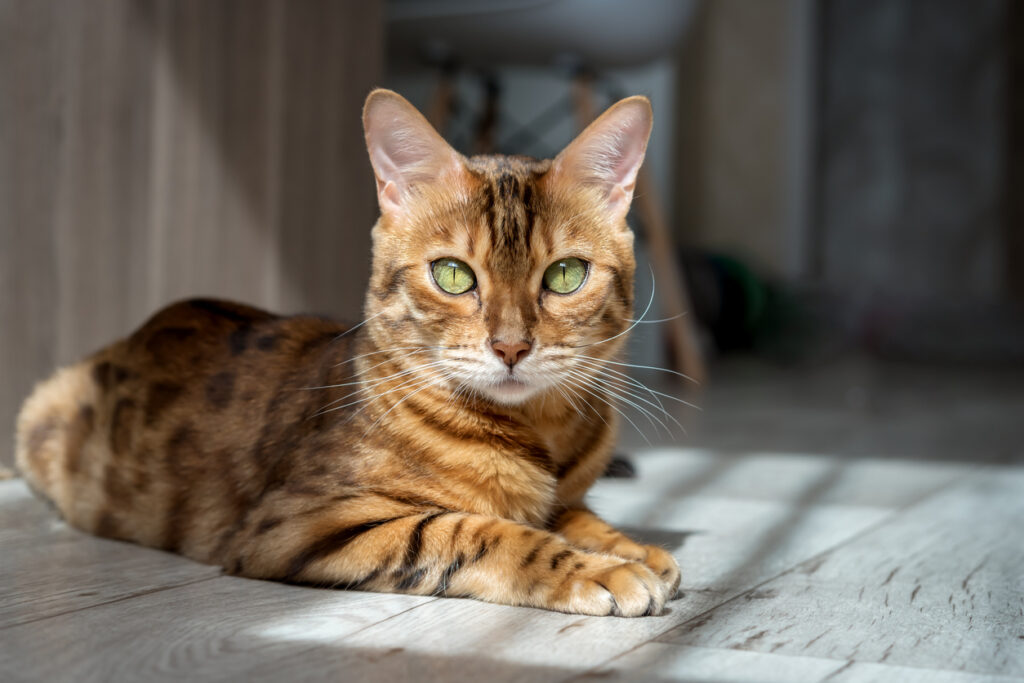
Bengals have wild ancestry that makes them completely different from regular domestic cats. They’re incredibly high-energy, need constant stimulation, and will destroy your home if they’re bored. They’re loud, demanding, and some retain aggressive play behaviours that hurt. Bengals need way more interaction than typical cats, and they’re escape artists who’ll find ways out of your house. People want the exotic look but aren’t prepared for a cat that acts half-wild and needs dog-level attention.
8. “Teacup” pigs tend to grow into massive farm animals.
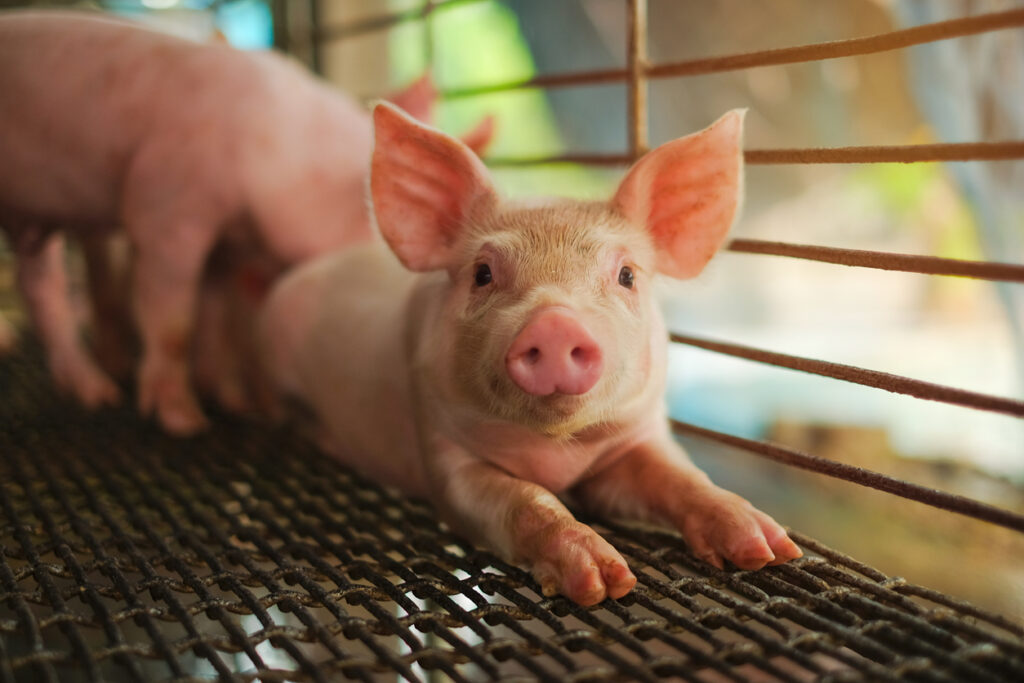
There’s no such thing as a pig that stays tiny, and sellers lie about adult sizes to make sales. These pigs grow to 150 pounds or more and need outdoor space, proper shelter, and specialized care. They’re incredibly destructive, rooting up gardens and floors, and they’re stubborn and difficult to manage. Many areas have zoning laws against keeping pigs in residential areas. People think they’re getting a cute little pig but end up with a massive animal they can’t legally keep or properly care for.
9. Hedgehogs are antisocial and prickly to handle.
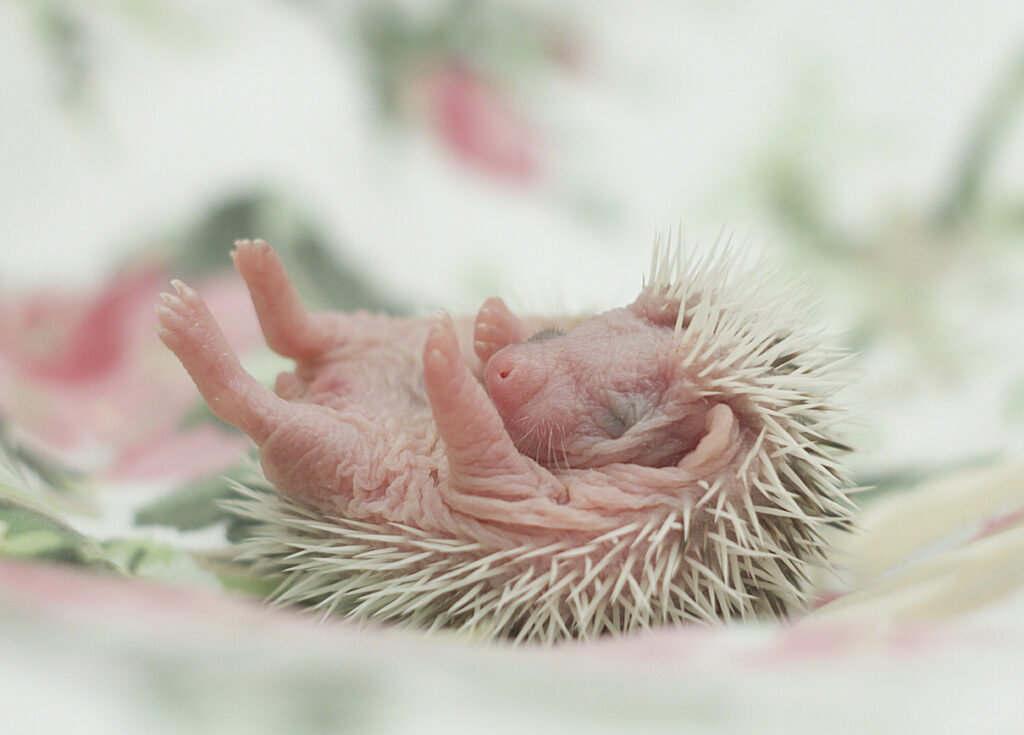
Hedgehogs are nocturnal, so they’re asleep when you want to interact and active when you’re trying to sleep. Their quills hurt to handle, and they ball up when scared, which is most of the time initially. They need specific temperatures, or they’ll try to hibernate, which is dangerous in captivity. Many hedgehogs never become truly tame and tolerate handling at best. People think they’re getting a cute spiky friend, but they’re actually getting a pet that doesn’t want interaction and requires specific care.
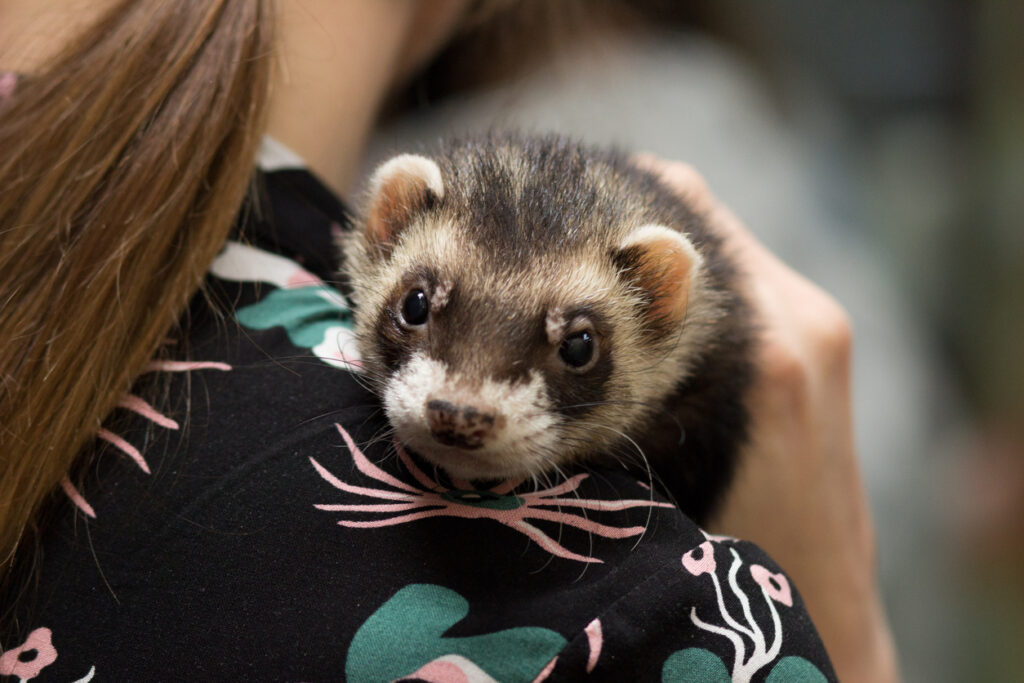
10. Ferrets smell terrible and need constant supervision.
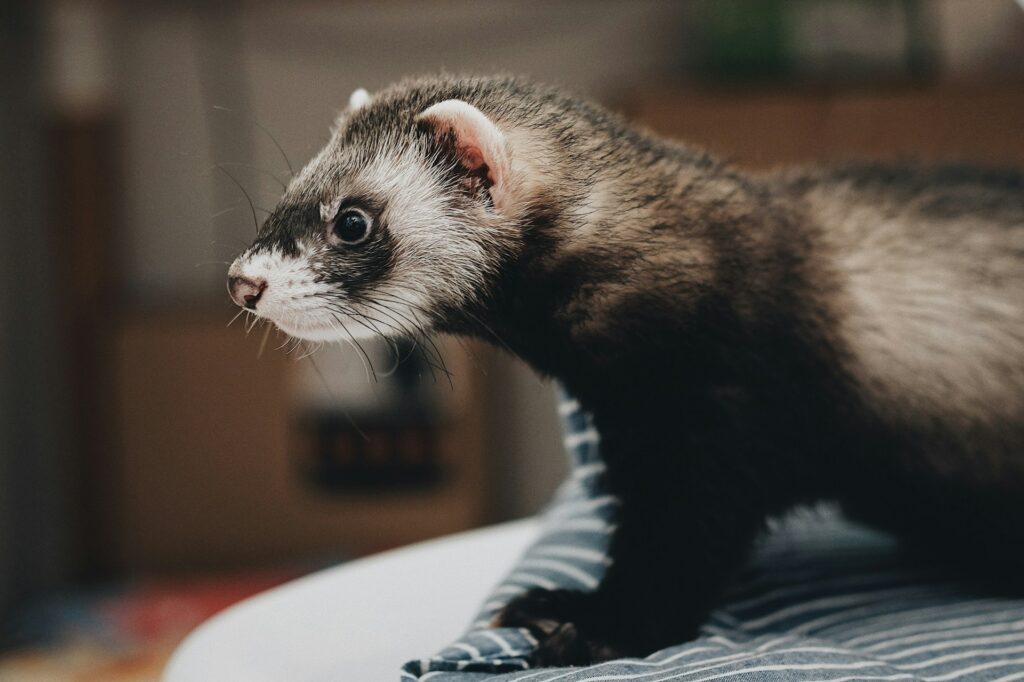
Ferrets come with a strong musky smell that permeates your entire home no matter how much you clean. They need to be descented and neutered, but even then, the smell is… intense. Ferrets will get into everything, requiring ferret-proofing that’s more extensive than childproofing.
They also need several hours of supervised play time daily because they’re destructive and can hurt themselves. Many ferrets bite, especially when young, and training them not to is time-consuming. People think they’re getting a fun pet, but they’re actually getting a smelly, high-maintenance animal that demands constant attention.