Owning a bit of land in the UK doesn’t give you a free pass to let nature run riot, especially when certain plants or structures start affecting the world beyond your fence.

Just because you pay the mortgage doesn’t mean you’ve got total control over every tree, stone, or structure on your property. The UK has some surprisingly strict rules that can stop a garden renovation in its tracks, turning what you thought was a simple clearing job into a legal minefield.
You might want to chop down an annoying tree or rip out a crumbling old wall, but if the local authorities have slapped a protection order on them, you’re stuck. Ignoring these restrictions is a quick way to end up with a massive fine or a court order to put everything back exactly how you found it. Getting to grips with what’s actually protected ensures you don’t accidentally break the law while you’re just trying to tidy up your own patch of land.
1. An unexploded bomb means evacuating immediately.

Thousands of unexploded bombs from World War II still lie buried across the UK, and gardens are no exception. If you’re digging and hit something metallic that looks like old ordnance, stop immediately and call 999. Do not touch it, move it, or try to investigate further.
Police will evacuate the area and call in military bomb disposal teams. In 2024, a bomb found in a Denmark Hill garden led to controlled explosions nearby. These devices become more dangerous over time as detonators deteriorate, making them increasingly sensitive to disturbance. Treat any suspected ordnance as live and potentially deadly.
2. Treasure must be reported within 14 days.

If you find coins, gold or silver artifacts over 300 years old, that’s legally defined as treasure under the Treasure Act 1996. You must report it to your local coroner within 14 days of discovery. This includes two or more coins from the same find, any object that’s at least 10% gold or silver, and prehistoric metalwork.
Failing to report treasure can land you with an unlimited fine or up to three months in prison. If a museum wants to acquire it, you’ll get a reward equal to its market value, split with the landowner. Over 1,000 treasure finds are reported annually in the UK, so it’s not as rare as you might think.
3. Badger setts cannot be disturbed without a licence.

Finding a badger sett in your garden means you’ve got permanent protected tenants. Under the Protection of Badgers Act 1992, it’s illegal to damage, destroy or block access to a badger sett. You can’t disturb badgers while they’re occupying it, either. Even work within 30 metres of a sett requires careful consideration.
If you need to do anything that might affect the sett, you’ll need a licence from Natural England. This could mean up to six months in prison and an unlimited fine if you’re found guilty of harming badgers or damaging their home. The best approach is working around them with proper fencing and lighting restrictions.
4. Bat roosts need special licences to move.

All UK bat species and their roosts are protected under the Wildlife and Countryside Act 1981 and the Conservation of Habitats and Species Regulations 2010. If bats are roosting in your shed, garage or any garden structure, you cannot disturb or remove them without a bat mitigation licence from Natural England.
Even routine maintenance work like roof repairs requires a licence if it affects bat roosts. You’ll need an ecological survey first to assess the situation. Disturbing bats or damaging their roost sites can result in unlimited fines and up to six months imprisonment.
5. Great crested newts are fully protected by law.

Great crested newts look like mini dinosaurs with their warty skin and prominent crests. If you’ve got a pond and spot these protected amphibians, you’re legally forbidden from disturbing them, damaging their habitat or obstructing their resting places. They’re protected under both UK and European law.
Even pond maintenance becomes complicated with great crested newts present. Work should be done in late autumn through winter, when newts are less likely to be in the pond. If you accidentally find one during work, you must stop immediately. Violations can result in six months imprisonment and unlimited fines.
6. Active bird nests cannot be disturbed during breeding season.
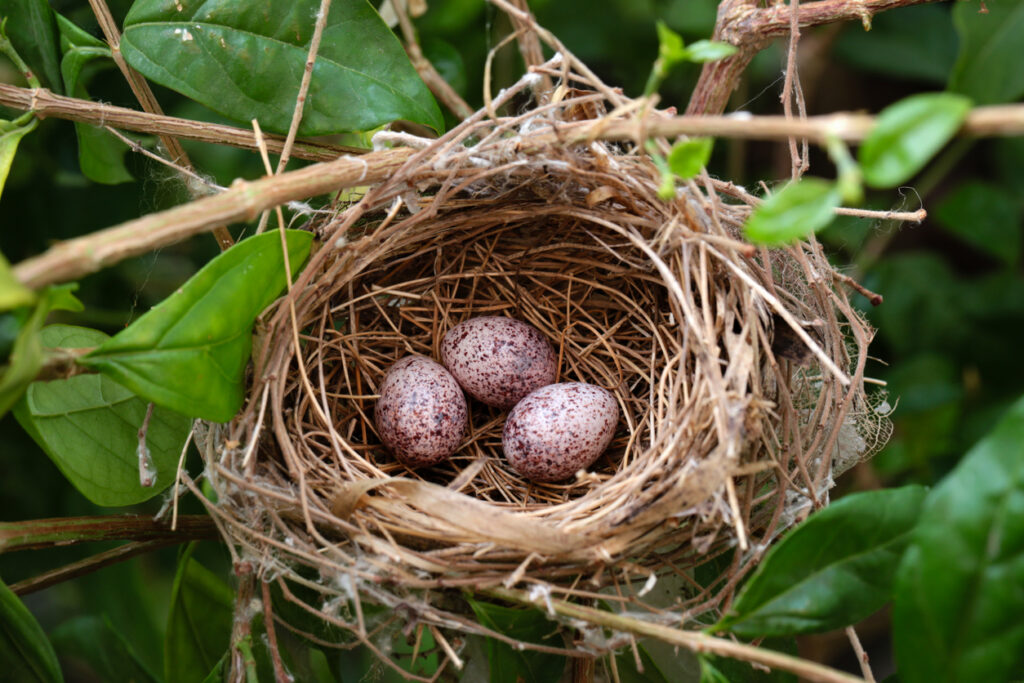
All British birds, their nests and eggs are protected under the Wildlife and Countryside Act 1981. If birds have nested in your hedge, tree or garden structure, you cannot disturb them during the breeding season, which typically runs from March through August. This includes trimming hedges or pruning trees.
It’s a criminal offence to intentionally damage or destroy an active nest. Wait until birds have finished nesting before undertaking any garden work that could affect them. Even cutting back vegetation near nests can be illegal if it disturbs the birds or makes the nest vulnerable to predators.
7. Slow worms are protected from intentional harm.
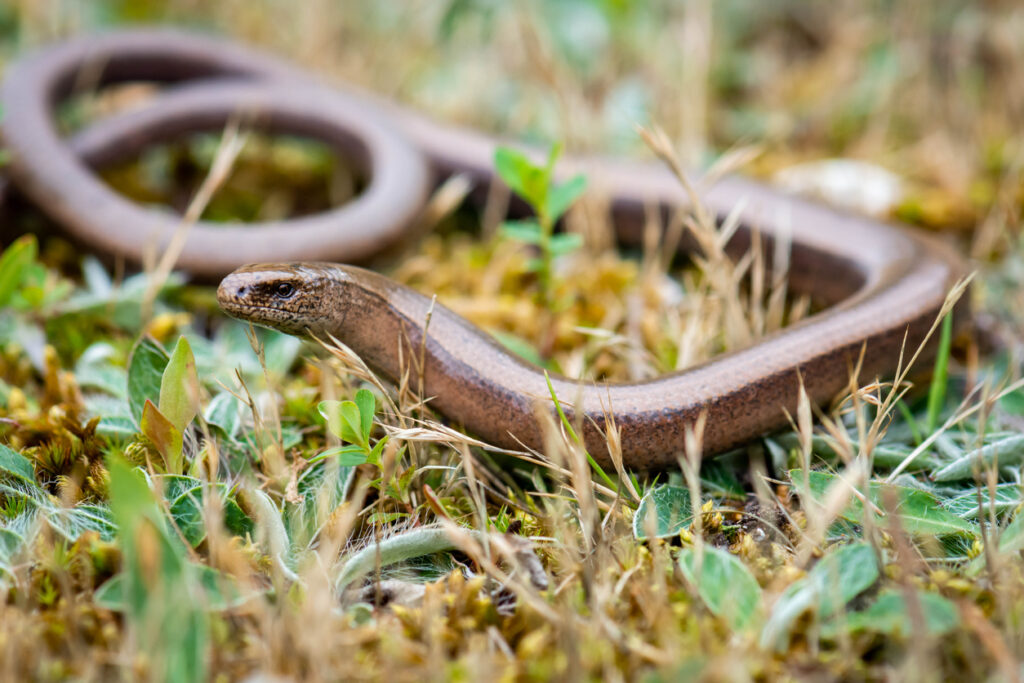
Slow worms aren’t actually worms but legless lizards, and they’re surprisingly common in UK gardens. They’re protected against intentional killing and injuring under the Wildlife and Countryside Act. If you find them sheltering under logs, compost heaps or garden debris, you must leave them alone.
These harmless reptiles eat slugs and other garden pests, making them beneficial neighbours. If you’re doing garden work and find slow worms, carefully move them to safety rather than harming them. The same protection applies to common lizards, grass snakes and adders.
8. Red squirrels must not be disturbed or removed.

Red squirrels are critically endangered in England, retreating to remote locations as grey squirrels dominate. If you’re lucky enough to have red squirrels visit your garden, it’s illegal to harm, deter or remove them. You should report sightings to help conservation efforts track their locations.
Grey squirrels, however, have no protection and their control is actually legal without a licence. But if you’ve got red squirrels, count yourself fortunate and do everything possible to support them. Their survival in England depends on protecting every remaining population.
9. Native bluebells cannot be uprooted from your garden.

If native bluebells are growing in your garden, they’re protected under the Wildlife and Countryside Act 1981. It’s a criminal offence to intentionally uproot them without landowner permission. The illegal trade of wild bluebells can result in fines up to £5,000 per bulb.
You can pick the flowers themselves, but digging up the bulbs is forbidden. This protection extends to many other rare native plants, including wild orchids and certain ferns. If you’ve got protected species growing naturally, leave them be and enjoy their presence.
10. Archaeological finds should be reported to authorities.
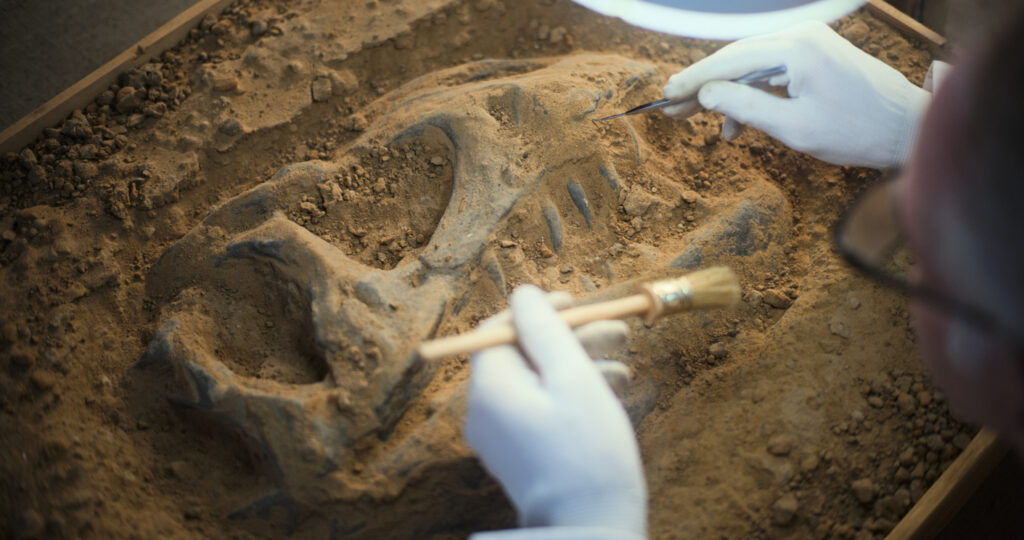
Items that don’t qualify as treasure but still have archaeological significance should be reported to the Portable Antiquities Scheme. This voluntary scheme records finds to help researchers understand artifact distribution patterns across the UK. Things like Roman pottery, medieval tools or ancient coins under 300 years old all count.
While reporting non-treasure items isn’t legally required, it’s considered best practice and helps preserve Britain’s archaeological record. Your local Finds Liaison Officer will identify, photograph and record discoveries, providing expert advice about their historical context and significance.
11. Dead protected animals must be handled carefully.

If you find a dead badger or bat in your garden, you cannot simply dispose of it. Possessing dead badgers or bats without reasonable excuse is an offence. If you need to move a dead protected animal, contact your local wildlife trust or Natural England for guidance first.
The exception is if you’ve found an animal that’s been killed on the road, and you’re taking it for proper disposal. Otherwise, report dead protected species to the appropriate authorities who can investigate whether any wildlife crime occurred.
12. Pine marten dens cannot be blocked or disturbed.

Pine martens are making a comeback in parts of the UK, and while finding one in your garden is unlikely, it’s possible. They’re fully protected across Europe under the Wildlife and Countryside Act. If one creates a den in your roof void or shed, you cannot disturb it or block access routes.
Wait until the pine marten vacates naturally before taking preventative measures like sealing gaps. Local wildlife authorities can advise on installing alternative nesting boxes on nearby trees. Never attempt to remove pine martens yourself, as this would be illegal and could result in prosecution.