Cats don’t actually meow at each other once they’re adults; they’ve basically developed a specialised language just to get our attention.

It is their way of managing us, and if you listen closely, you’ll notice that a short chirrup is miles away from that long, mournful howl they do at 3 a.m. They’re constantly sending us status updates on their hunger, their mood, or just their general annoyance with the current state of the living room. Once you figure out the subtle shifts in tone and volume, you’ll realise your cat isn’t just making noise—they’re giving you a very specific set of instructions. These 13 sounds are the key to finally understanding what’s going on in that little head of theirs.
1. “I’m hungry, and I want food now.”
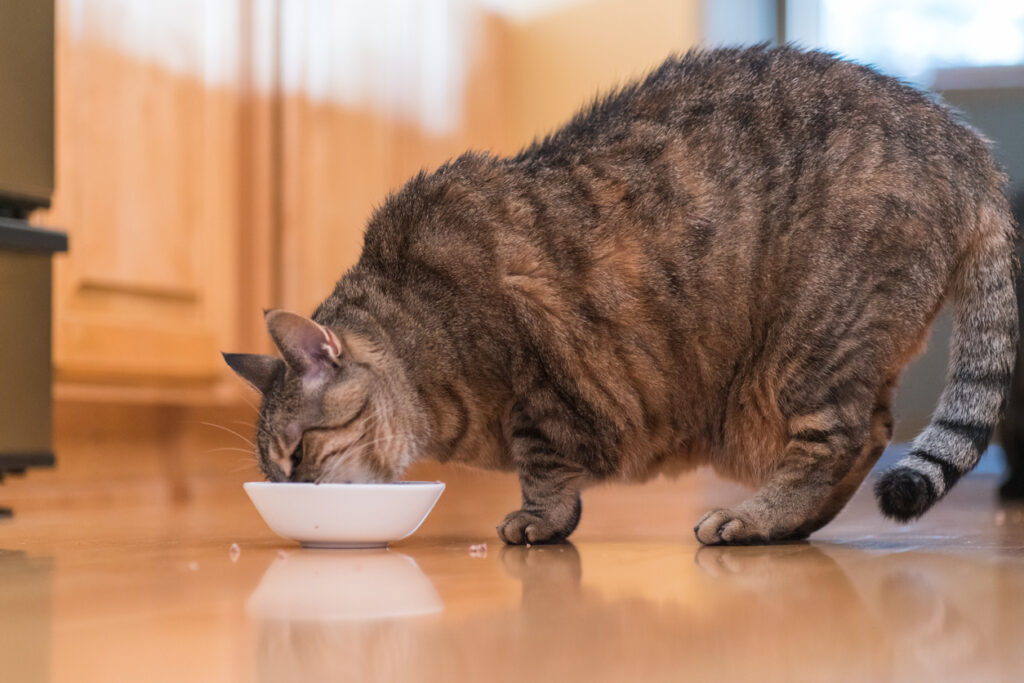
This is the most familiar meow, but it’s rarely as simple as it sounds. Hunger meows are usually persistent, rhythmic, and timed very carefully. Cats learn routines quickly, and once feeding time approaches, their vocalisations often start early and escalate. What owners miss is that this meow isn’t just about food. It’s about predictability and reassurance. Cats feel secure when routines are consistent, and vocalising is their way of making sure the schedule hasn’t changed without permission.
2. “I want attention, not necessarily food.”
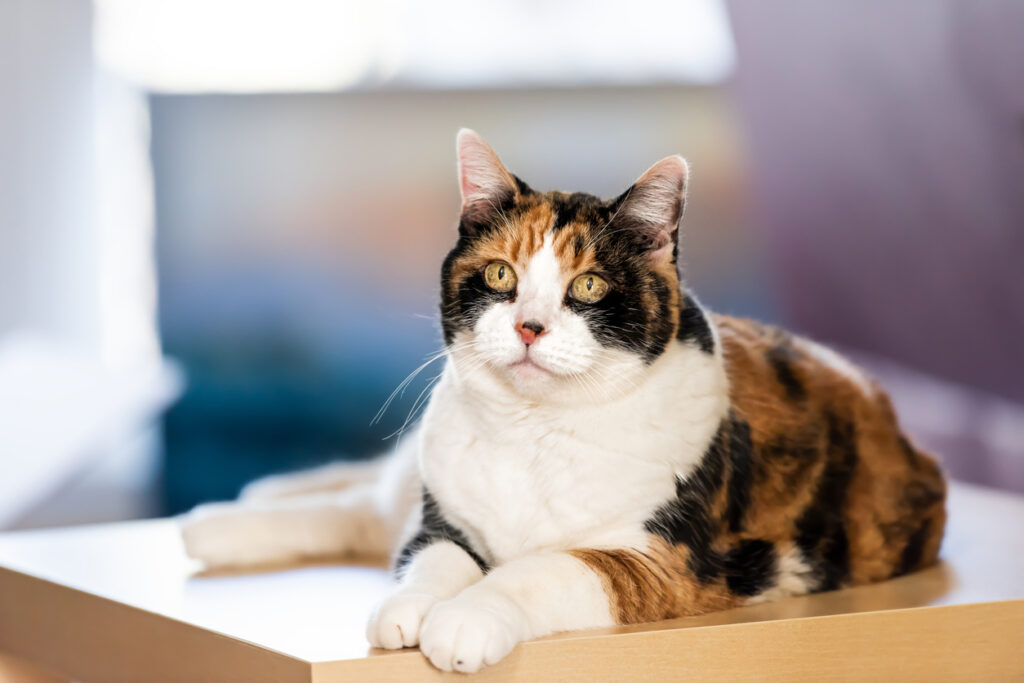
Some meows sound demanding, but don’t stop after feeding. These are often attention-seeking calls rather than hunger signals. Cats may follow owners around, meowing softly or repeatedly while making eye contact. This usually means your cat wants interaction, play, or simple acknowledgement. Cats can become vocal when they feel ignored, especially in households where people are busy or distracted.
3. “Something about this environment bothers me.”
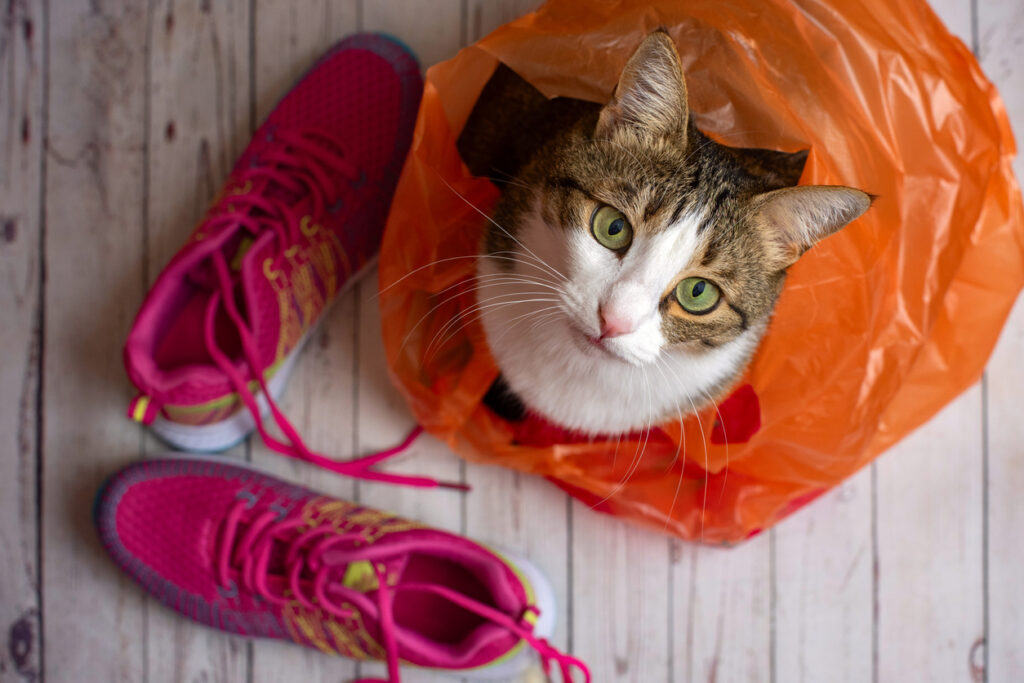
A sudden increase in meowing can signal discomfort with changes in the home. New furniture, smells, pets, visitors, or even rearranged rooms can unsettle cats. Because cats rely heavily on familiarity, vocalising becomes a way to express unease. Owners often overlook this because nothing looks obviously wrong, but to a cat, small environmental changes can feel significant.
4. “I’m lonely or under-stimulated.”
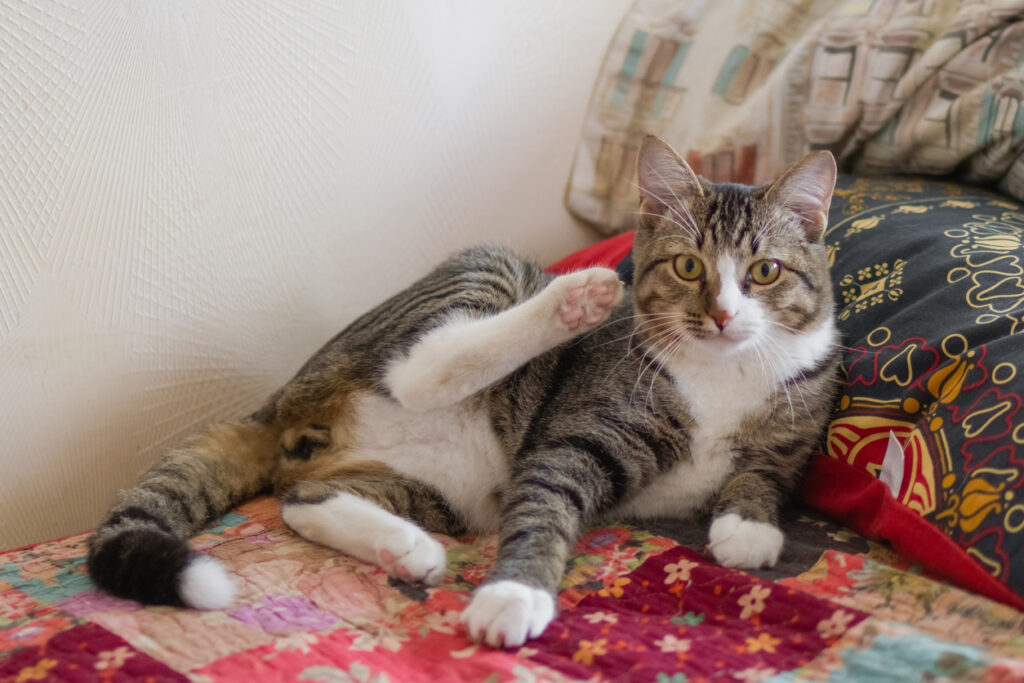
Cats are often described as solitary, but many form strong bonds with humans and other animals. A bored or lonely cat may vocalise more frequently, especially during quiet times of day. This meow often sounds drawn-out or plaintive. It’s not urgent, but it’s persistent. It usually fades when the cat receives interaction, enrichment, or companionship.
5. “I’m stressed or anxious.”
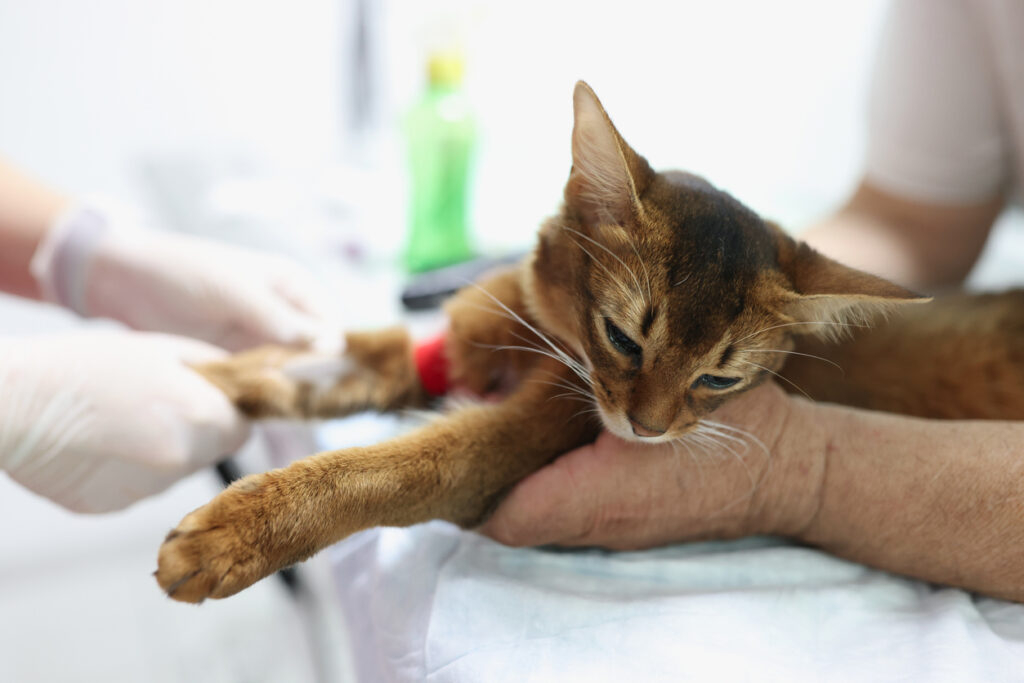
Stress-related meows tend to sound sharper or more urgent. They may appear during thunderstorms, vet visits, car travel, or after changes in routine. Cats don’t handle stress outwardly like dogs. Instead, they vocalise and withdraw. Repeated stress meowing is a sign your cat doesn’t feel secure in the moment.
6. “I’m confused or disoriented.”

Older cats sometimes meow loudly at night for no obvious reason. This can be alarming for owners who assume the cat is simply being demanding. Vets recognise this as a potential sign of confusion or cognitive decline. The meow often sounds lost rather than demanding, and it tends to happen in quiet or dark environments.
7. “I’m in pain or not feeling right.”
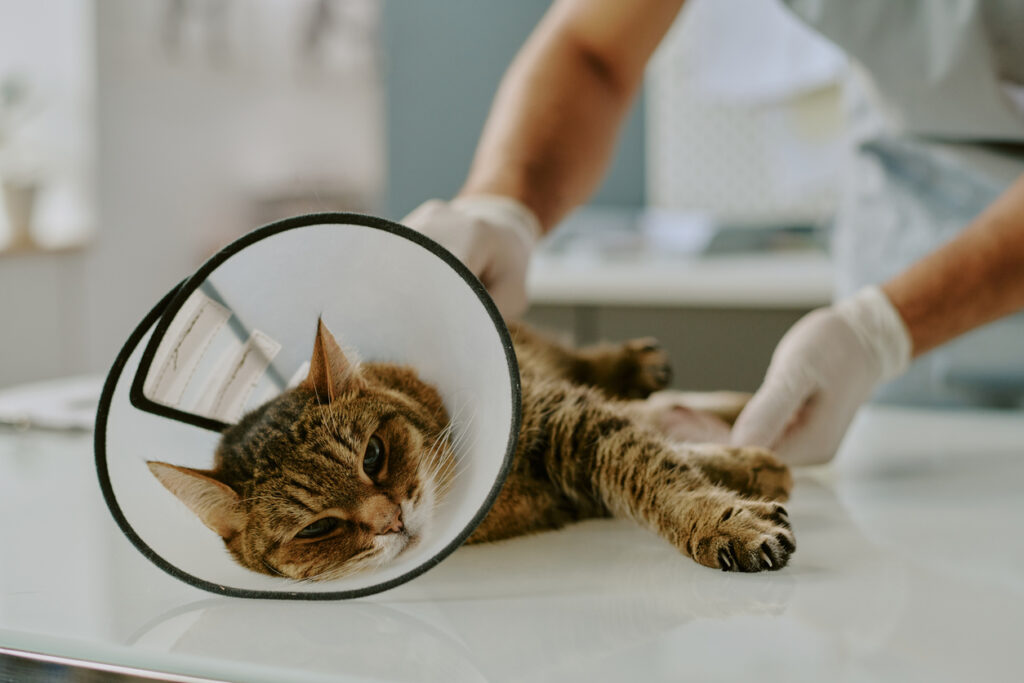
Pain-related meows are often subtle and easy to miss. They may sound lower, shorter, or more strained than usual. Because cats instinctively hide pain, vocal changes can be one of the earliest warning signs of illness or injury. Any sudden change in vocal behaviour deserves attention.
8. “I want access to something.”
This meow usually happens near doors, windows, or blocked areas. It’s directional and persistent, often paired with pacing or pawing. Cats dislike barriers and closed spaces. Vocalising is their way of requesting permission or help to access territory they believe should be available.
9. “I’m greeting you.”

Some cats greet owners with a short, chirpy meow. This is often mistaken for a request, when it’s actually a social acknowledgement. This meow reflects trust and familiarity. Cats that greet verbally often have strong bonds with their humans and use sound as part of routine interaction.
10. “I’m overstimulated, and I need space.”

During petting or play, a sudden sharp meow can signal discomfort. This often happens just before swatting or retreating. Cats have clear boundaries, and vocalising is their warning system. Ignoring these cues often leads to defensive behaviour that seems sudden but was actually preceded by sound.
11. “I’m frustrated.”
Frustration meows are common in indoor cats who see birds through windows or can’t reach something they want. The sound may be rapid or accompanied by tail flicking. This meow reflects blocked instinctual behaviour. While harmless in small doses, repeated frustration can lead to stress-related problems if not addressed.
12. “I’ve learned this sound works on you.”

Cats are excellent observers. Over time, they tailor their meows based on human response. Some even develop unique sounds for specific people. This learned communication explains why some cats sound dramatically vocal while others remain quiet. The difference often lies in what behaviour the meow has successfully triggered before.
13. “I’m not meowing at all, and that’s the message.”

A normally vocal cat that suddenly goes quiet may be communicating something important. Silence can indicate withdrawal, illness, or emotional distress. Vets often say that changes in behaviour matter more than individual actions. A missing meow can be just as meaningful as a loud one.