While the idea of having a clever, colourful companion might sound great, the reality is that most people aren’t remotely prepared for how much work birds actually are.

They’re basically toddlers with wings and bolt cutters for faces, and unlike a dog or a cat, they haven’t spent thousands of years being domesticated to live in our homes. From the constant, ear-splitting noise to the fact that they’ll happily destroy your furniture and throw their food all over your walls, birds are high-maintenance housemates that never really switch off. It’s a massive lifestyle commitment that often ends in frustration for the owner and a very unhappy, stressed-out animal.
1. The noise is relentless and unavoidable.
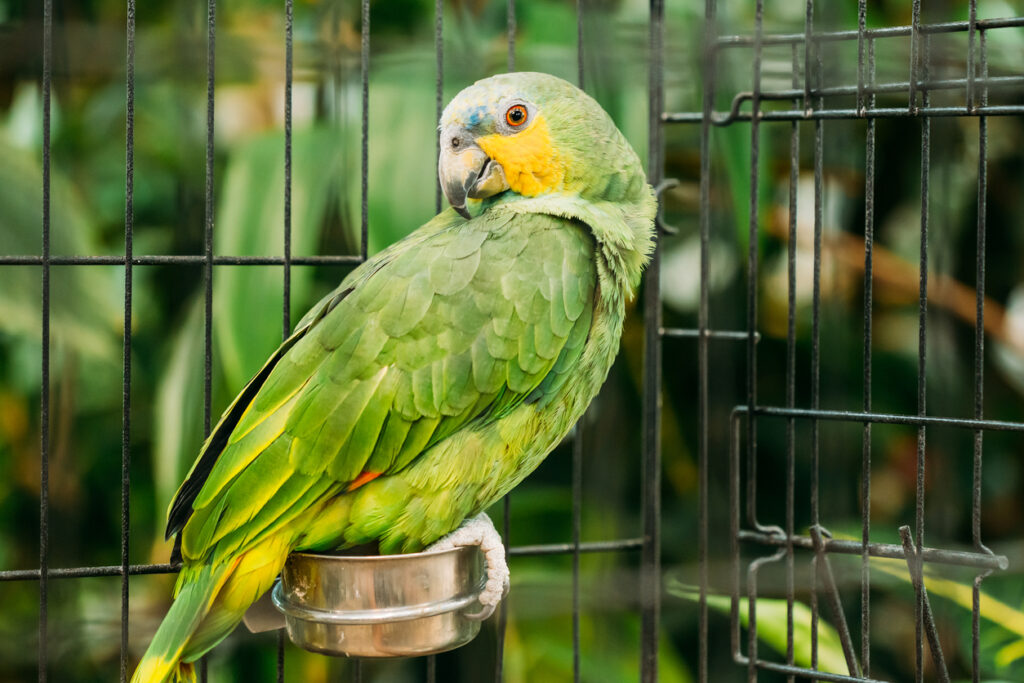
Birds scream. Not occasionally, but regularly and at volumes that shock people who haven’t experienced it. Parrots in particular can produce sounds louder than lawnmowers, and they do this at dawn, dusk, and whenever they feel like it. Screaming is natural communication for them, not a behaviour problem you can train away.
Neighbours complain, your ears ring, and you can’t have phone calls or watch television at certain times. Small birds like budgies aren’t much better because what they lack in volume they make up for with constant chirping. The noise alone drives many people to rehome birds they couldn’t cope with.
2. They live for decades and demand consistency.
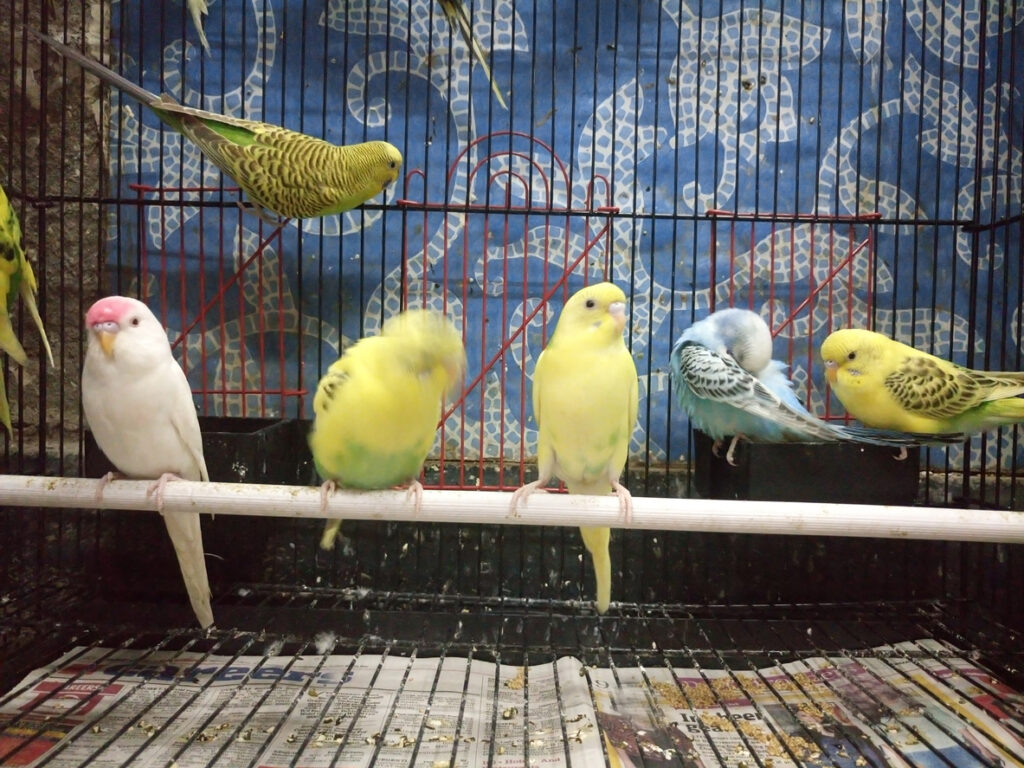
Budgies live 10 to 15 years. Larger parrots can easily reach 50 to 80 years. That’s not a pet, that’s a lifetime commitment that outlasts marriages, careers, and home moves. Birds bond intensely with their owners and suffer genuine psychological trauma from rehoming. You’re not getting a pet for a few years, you’re taking on a dependent that might outlive you. Most people don’t think about where they’ll be in 30 years when they buy a pretty bird, then find themselves trapped by a commitment they can’t ethically abandon.
3. The mess is constant and everywhere.
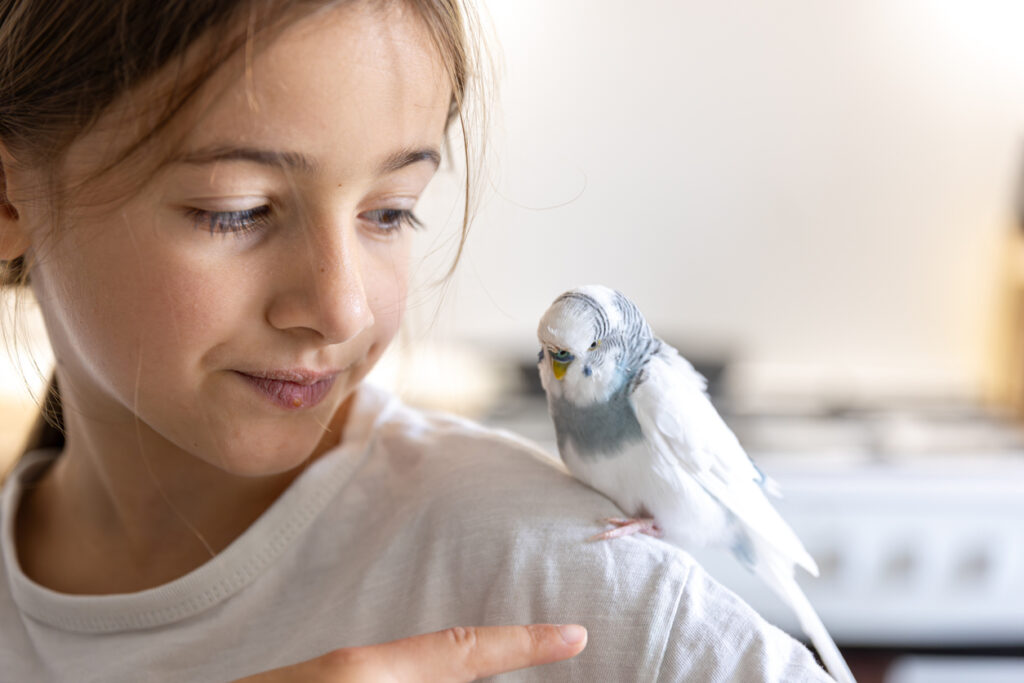
Birds fling food, scatter seed hulls, drop feathers, and produce surprising amounts of droppings. These droppings aren’t discrete little pellets, they’re liquid that lands on walls, furniture, and floors multiple times per hour. Dust from feathers coats everything near the cage. You’ll be hoovering daily and wiping surfaces constantly.
If you let them out, which you should for their well-being, they’ll poop wherever they happen to be. Some people install air purifiers specifically to handle bird dust. The cleaning never stops, and it’s significantly more work than most people anticipate.
4. They need hours of social interaction daily.
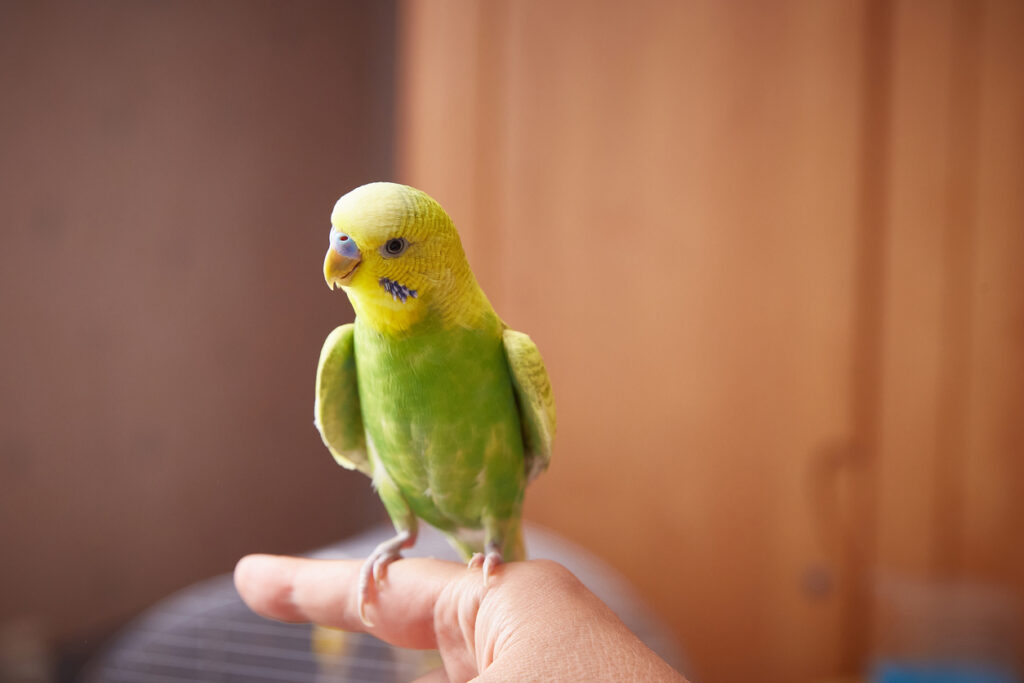
Birds are flock animals that become severely depressed without constant companionship. Leaving them in a cage while you’re at work isn’t enough. They need hours of direct interaction, training, and out-of-cage time every single day. Neglected birds develop serious behavioural problems including screaming, feather plucking, and aggression.
You can’t take spontaneous weekend trips or work late regularly without arrangements for your bird. They demand more social interaction than dogs, which catches people who wanted a caged pet they could admire from a distance.
5. They’re destructive, and it’s in their nature.
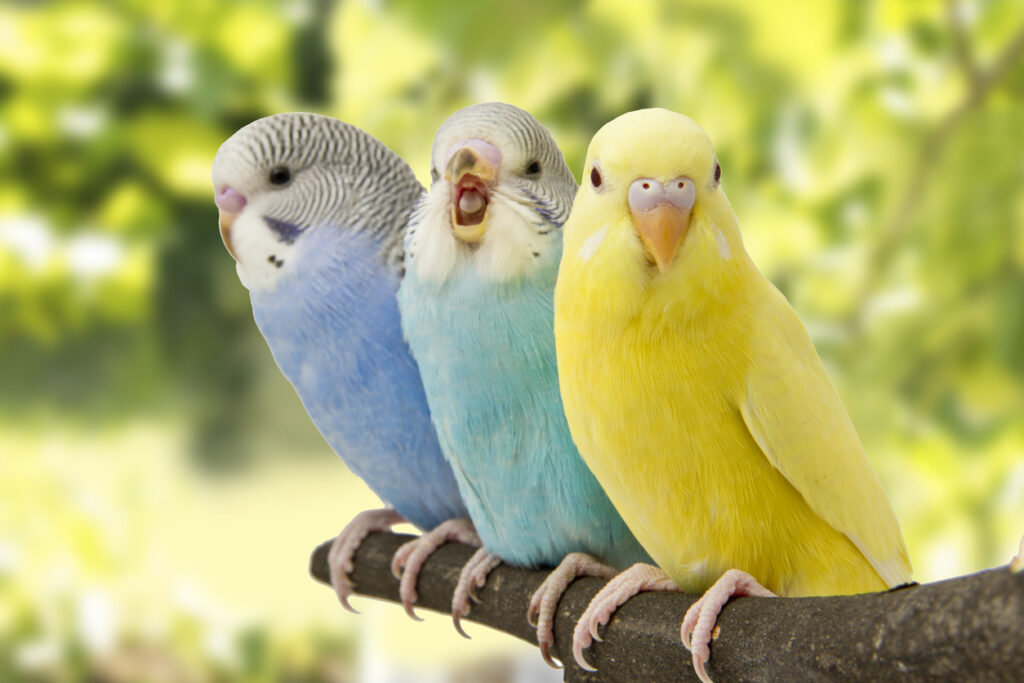
Birds chew everything. Furniture, books, wallpaper, electrical cables, mobile phones, anything they can reach with their beaks. This isn’t misbehaviour, it’s natural foraging and exploration behaviour they need for mental health. Bird-proofing a room is nearly impossible because they fly and climb to places you didn’t think they could reach.
You’ll lose possessions and spend money replacing things they’ve destroyed. Stopping this behaviour entirely means keeping them caged constantly, which is cruel and defeats the purpose of having a bird.
6. Finding avian vets is difficult and expensive.
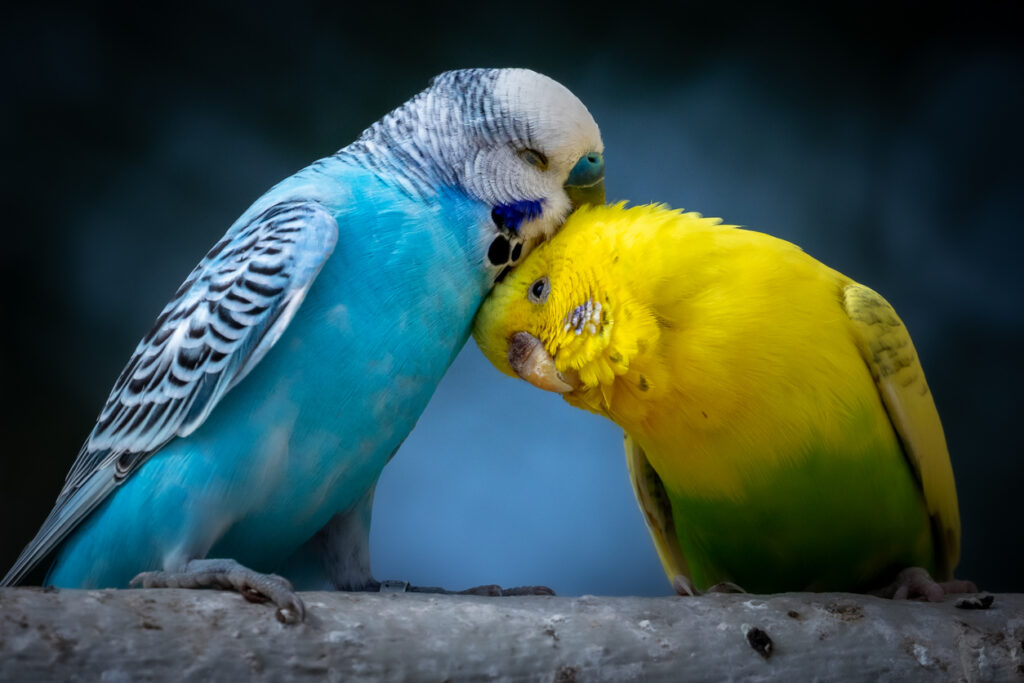
Most regular vets don’t treat birds properly. You need specialized avian veterinarians, and they’re not common outside cities. Emergency care can mean driving hours to find someone qualified. Costs are substantially higher than cat or dog care because birds require different expertise.
They hide illness until they’re critically sick, so by the time you notice something’s wrong, treatment is urgent and expensive. Budget several hundred pounds annually just for checkups, and more if health problems develop. Many bird owners can’t afford proper veterinary care, which is incredibly unfair on the animals.
7. Their diets are complex and time-consuming.
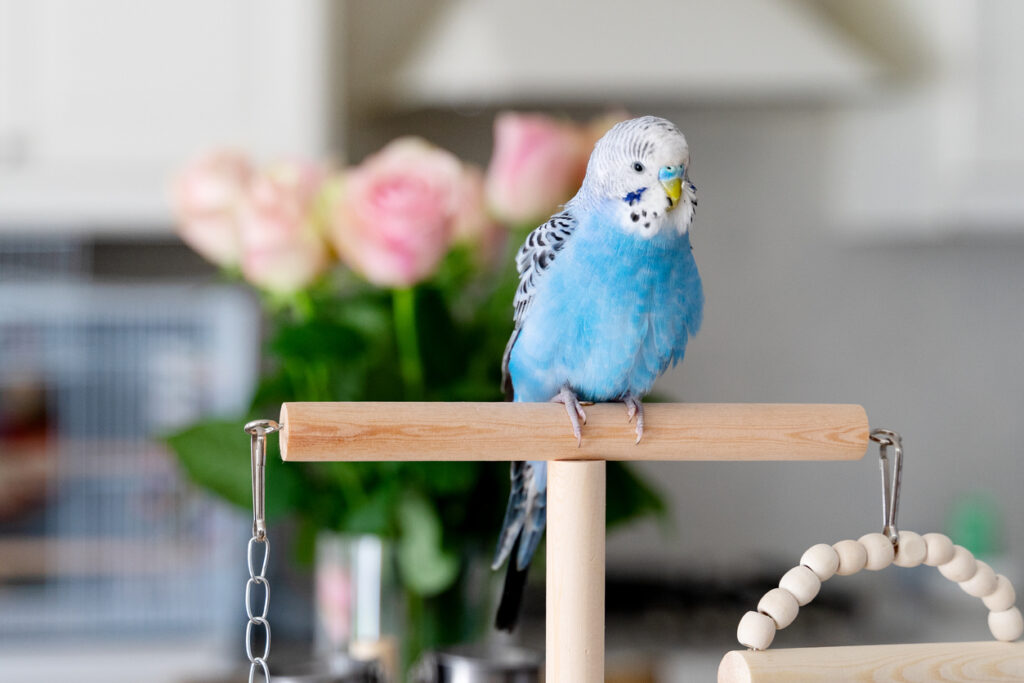
Pelleted food isn’t enough. Birds need fresh vegetables, fruits, and carefully balanced nutrition daily. Some foods that seem harmless are toxic to them. You’re preparing fresh food every day, monitoring what they eat, and disposing of uneaten portions before they spoil.
They’re also incredibly fussy eaters who reject foods they haven’t seen before. Getting proper nutrition into some birds becomes a daily battle. This isn’t filling a bowl with kibble and walking away, it’s genuine meal preparation for an animal that might throw most of it on the floor anyway.
8. They can’t be left alone for extended periods.
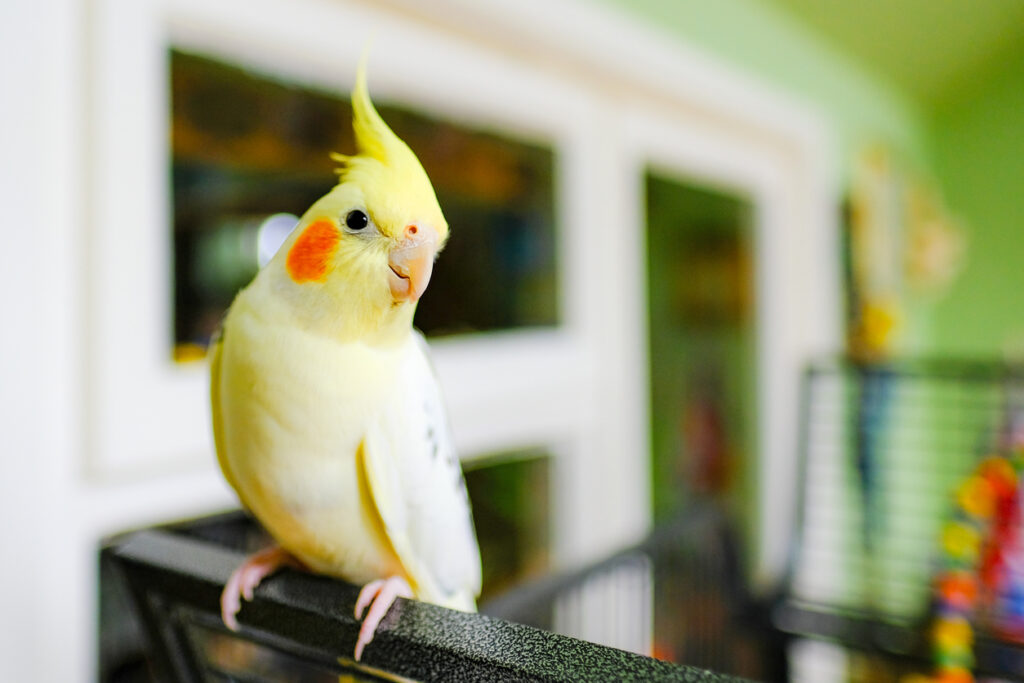
Going on holiday means finding someone willing and able to care for a demanding, potentially aggressive bird. Pet sitters often refuse birds, boarding facilities are limited, and friends quickly tire of the responsibility. Your social life and travel plans revolve entirely around finding bird care. Even overnight trips require arrangements. This restriction on your freedom is far more limiting than people expect. Many bird owners become essentially housebound because organizing care is too difficult.
9. Their emotional needs are intense and complex.
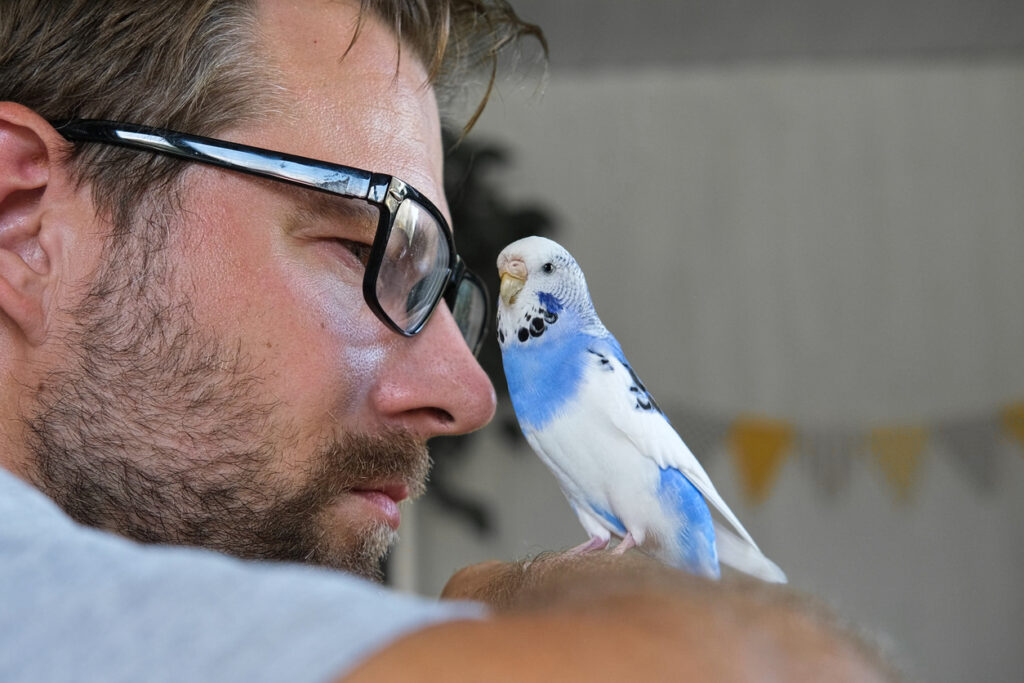
Birds form deep bonds but also hold grudges, become jealous, and develop behavioural problems from emotional distress. They can’t be ignored when convenient and engaged when you feel like it. Some become possessive of one person and aggressive toward everyone else.
Sexual maturity brings hormonal behaviours that are difficult to manage. They pick up on household stress and mirror it back through increased screaming or self-harm. You’re not dealing with a simple pet, you’re managing complex emotional needs you might not be equipped to handle.
10. They’re not domesticated and retain wild instincts.
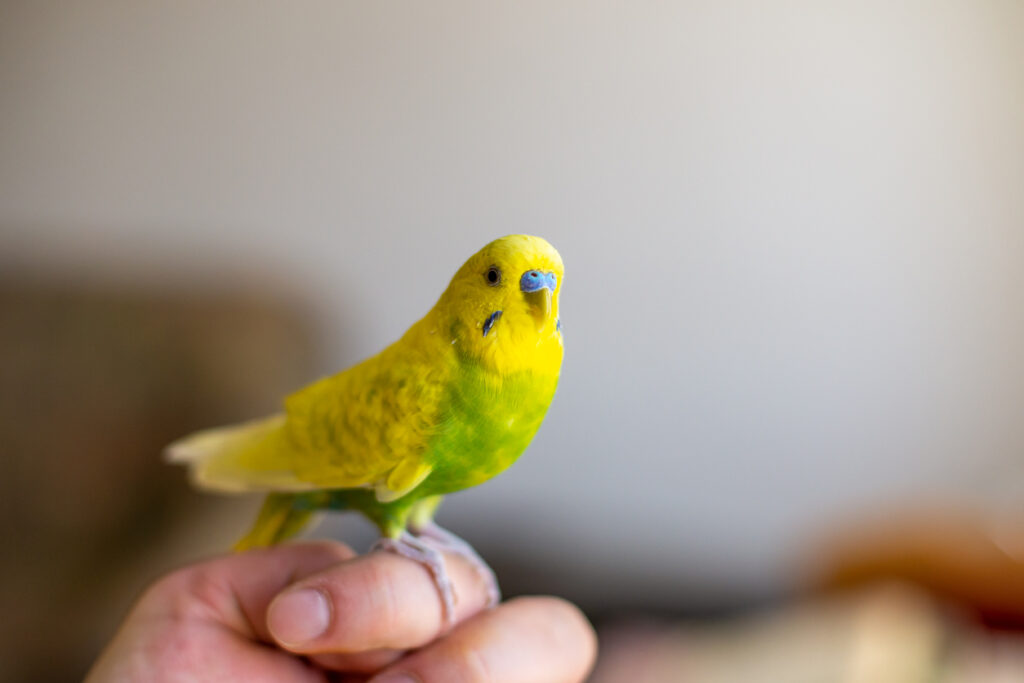
Unlike dogs and cats bred for thousands of years as companions, most pet birds are only a few generations from the wild. Their instincts, needs, and behaviours remain fundamentally unchanged from their wild counterparts. They haven’t evolved to live in human homes and tolerate human schedules.
You’re keeping a wild animal that’s been tamed, not a domestic pet. This fundamental difference means they’ll never be truly content in captivity, regardless of how much care you provide. The ethical question of whether they should be pets at all hovers over the entire enterprise.