
Space exploration has always carried a sense of wonder. Rockets, distant planets, the promise of discovery beyond Earth. However, behind the excitement, there’s a growing conversation among scientists, economists, and environmental thinkers about whether pushing further into space is actually the right priority right now. The arguments have nothing to do with hating science or fearing progress. They’re about limits, responsibility, and whether we’re solving the wrong problems first.
The money could fix urgent problems on Earth.
Space programmes cost staggering amounts of money. Billions are poured into rockets, satellites, probes, and long-term missions that may not deliver usable results for decades. At the same time, many countries struggle to fund healthcare, housing, education, and infrastructure that directly affect people’s daily lives.
The argument here isn’t that exploration has no value, but that opportunity cost matters. Every massive space budget represents resources that could be used to reduce poverty, improve public health, or strengthen climate resilience. Critics argue it’s hard to justify spending vast sums exploring distant worlds while basic needs on this one remain unmet.
Space exploration doesn’t solve the climate crisis.
One of the most common defences of space exploration is that it might help us escape Earth if things go wrong. That idea worries many scientists. It shifts focus away from protecting the only planet we currently know can support complex life.
Stopping or slowing space exploration, they argue, could refocus attention on fixing environmental damage here. Climate change, biodiversity loss, and pollution are immediate threats. Pouring resources into off-world ambitions risks normalising the idea that Earth is disposable, rather than something worth saving.
@pbsnews Human-made debris left behind in outer space is a growing problem down on Earth From defunct satellites to rocket parts, debris from everything humans have launched into space since the 1950s is orbiting the Earth. That space junk is threatening our technology, both up there and down here. Marcus Holzinger, a professor of aerospace engineering at University of Colorado Boulder, joins Laura Barrón-López to discuss what’s at stake. #space #universe #spaceair #spacepollution #pollution #MarcusHolzinger #airspace #laurabarronlopez #earth #spacetravel #spacedebris #pbsnewshour #pbsnews #aerospace #debris ♬ original sound – pbsnews
Space debris is becoming a serious danger.
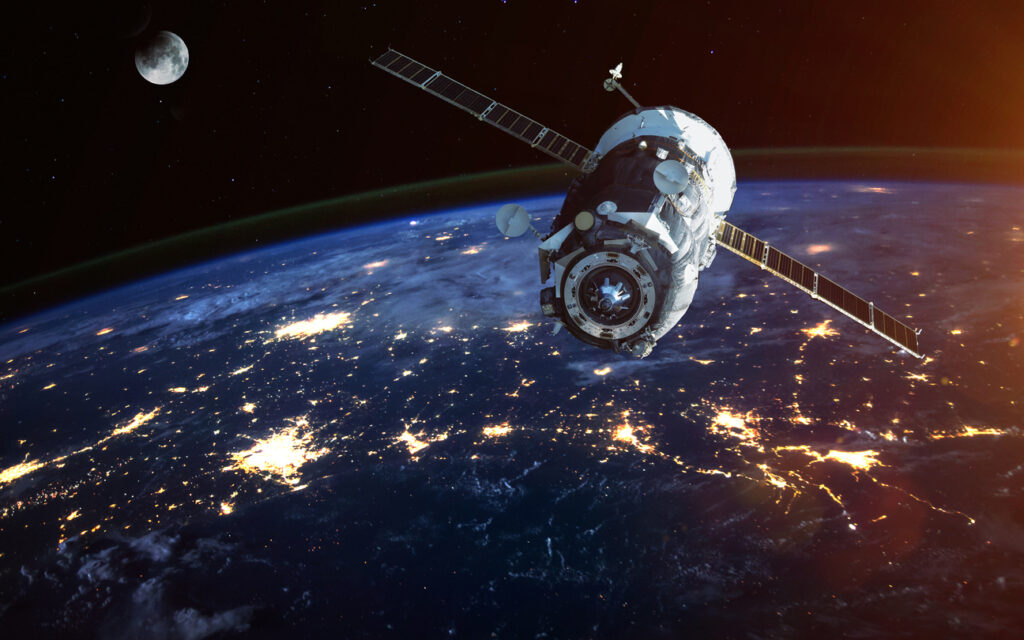
Earth’s orbit is filling up with junk. Old satellites, broken rocket parts, and fragments from past collisions now circle the planet at incredible speeds. Each new launch adds to the risk.
Critics argue that continuing large-scale exploration without strict global controls increases the chance of catastrophic chain reactions in orbit. A single collision can create thousands of fragments, potentially making certain orbits unusable for decades. From this view, stopping or heavily limiting exploration is about preventing long-term damage to Earth’s immediate environment.
Scientific returns are often overstated.
Space agencies frequently justify missions by pointing to potential scientific breakthroughs. In reality, many missions produce data that’s incremental, highly specialised, or of limited practical use to everyday life.
Opponents argue that similar or greater scientific gains could come from investing more deeply in Earth-based research. Oceans, ecosystems, human health, and renewable energy remain underexplored. The belief is that we haven’t exhausted the scientific value of our own planet yet.
Human spaceflight carries extreme ethical risks.
Sending humans into space is inherently dangerous. Astronauts face radiation exposure, long-term health problems, and high mortality risk. As missions become longer and more ambitious, those dangers multiply.
Some ethicists argue that pushing people into such high-risk environments for prestige, politics, or vague future benefits crosses a moral line. From this perspective, halting human space exploration protects lives rather than gambling them for uncertain outcomes.
Space exploration reinforces global inequality.
Only a handful of wealthy nations and private companies can afford serious space programmes. The benefits, prestige, and technological control remain concentrated in the same places.
Critics argue that continuing space exploration widens global inequality by funnelling resources and power upward. Meanwhile, poorer nations are left dealing with the consequences, including environmental fallout and economic imbalance, without having any real say in the direction of space policy.
Militarisation of space is accelerating.
Space is no longer just about science. Satellites play a major role in surveillance, communication, and warfare. Many space technologies are dual-use, meaning they can serve both civilian and military purposes.
Those arguing for stopping exploration warn that expanding space activity increases the risk of conflict beyond Earth. Weaponising orbit could destabilise global security in ways that are difficult to control or reverse. From this angle, restraint is seen as a form of peacekeeping.
@charlottedobrepov What The Space Force Does #startalkradio #neildegrassityson #Startalk ♬ nhạc nền – CharlotteDobre POV
Private space companies prioritise profit over responsibility.
The rise of private space firms has changed the tone of exploration. What was once framed as collective human progress is now often driven by branding, tourism, and shareholder value.
Critics worry that private interests push launches faster and cheaper, often at the expense of safety and sustainability. Without strong global regulation, stopping or limiting exploration may be the only way to prevent long-term damage driven by short-term profit motives.
The idea of colonising other planets is unrealistic.
Mars colonies and off-world settlements are often presented as inevitable. In reality, surviving on another planet would require extreme technology, constant resupply, and lifelong exposure to harsh conditions.
Many scientists argue this dream distracts from reality. Humans are biologically tied to Earth. Instead of chasing survival elsewhere, they argue resources should go toward ensuring long-term survival here, where life already thrives.
Exploration can become escapism instead of responsibility.
Perhaps the deepest argument is psychological. Space exploration can act as a comforting distraction. It gives the impression of progress while allowing difficult problems on Earth to remain unresolved.
Those who support stopping or slowing exploration argue that maturity as a species means facing our mess directly. Fixing inequality, environmental collapse, and social instability isn’t glamorous, but it’s necessary. Turning outward before we’ve put our own house in order may be more avoidance than ambition.