
Buying a house feels like the ultimate “get off my land” moment, but the reality is that owning a property doesn’t make you the king of everything within its boundaries. There’s a surprising amount of stuff on, under, and over your garden that you don’t actually have a legal claim to, even if you’ve paid off the mortgage in full. From the minerals deep beneath your basement to the space right above your chimney, various authorities and ancient laws have carved out their own little slices of your homestead. It’s a bit of a wake-up call to realise that your deed comes with a long list of asterisks that give other people more rights to your dirt than you might think.
Most of these rules go unnoticed until you try to dig a big hole or sell something you found in the garden, and that’s when the legal reality hits home. Whether it’s historical relics that technically belong to the Crown or utility lines that give companies a permanent “all-access pass” to your driveway, you’re basically a glorified caretaker for a lot of your own land. If you’ve ever assumed that “your house” means everything from the centre of the earth to the edge of the atmosphere, you’re in for a bit of a shock. These things are parts of your property that you’ll never truly own.
1. Minerals and precious metals beneath your land
The ground under your property might contain valuable resources, but you don’t own them. The Crown holds rights to gold, silver, coal, oil, and gas regardless of who owns the surface land. If valuable minerals are discovered beneath your garden, you can’t just start digging and selling them. Mining companies need Crown permission, not yours, though they do need your consent to access the minerals through your land. This separation dates back centuries and remains firmly embedded in UK property law.
2. Airspace above a certain height
You own the airspace immediately above your property up to a height necessary for ordinary use and enjoyment, which typically means building extensions or planting tall trees. Beyond that reasonable height, the airspace becomes public domain, controlled by aviation authorities. You can’t prevent aircraft from flying over your house or claim ownership of the sky. Drone laws complicate this further because they operate in that grey area between your usable airspace and public airways. Planning permission for very tall structures reflects this limited ownership.
@inkyfingers1111 The Moment i found the 107 year old King George Coin When digging under a old cherry tree in the back garden 🤠 #historytime #uktiktok #fyp #forupage #oldcoins #gardening ♬ Wildlife – Space Kitchen
3. Archaeological finds and treasure
Dig up Roman coins or medieval jewellery in your garden and it’s not automatically yours. The Treasure Act 1996 requires you to report significant finds to the local coroner within 14 days. Objects over 300 years old made of precious metals belong to the Crown, though you might receive a reward if museums acquire them. Even non-treasure archaeological items often fall under different protections. You’re essentially a temporary custodian of historical artifacts found on your land, not their owner. Failure to report treasure is actually a criminal offence.
4. Trees with preservation orders
A Tree Preservation Order means that tree isn’t really yours to do with as you please, even if it’s in your garden. You need council permission to prune, fell, or significantly alter protected trees. Breaking these orders results in unlimited fines. The tree physically exists on your property, you’re responsible for its upkeep to some degree, but you don’t have the rights you’d normally associate with ownership. Conservation areas automatically protect all trees over a certain size regardless of individual orders.
5. Boundary walls in terraced and semi-detached properties
Party walls between properties are jointly owned, meaning you share ownership with your neighbour. You can’t demolish, alter, or build against them without following the Party Wall Act procedures and getting neighbour consent. Even repairs sometimes require notification. This shared ownership creates a strange situation where a wall in your house isn’t entirely yours to control. The same applies to garden walls that mark boundaries, which might be owned by your neighbour despite being on what looks like your side.
6. Utility pipes, cables, and infrastructure
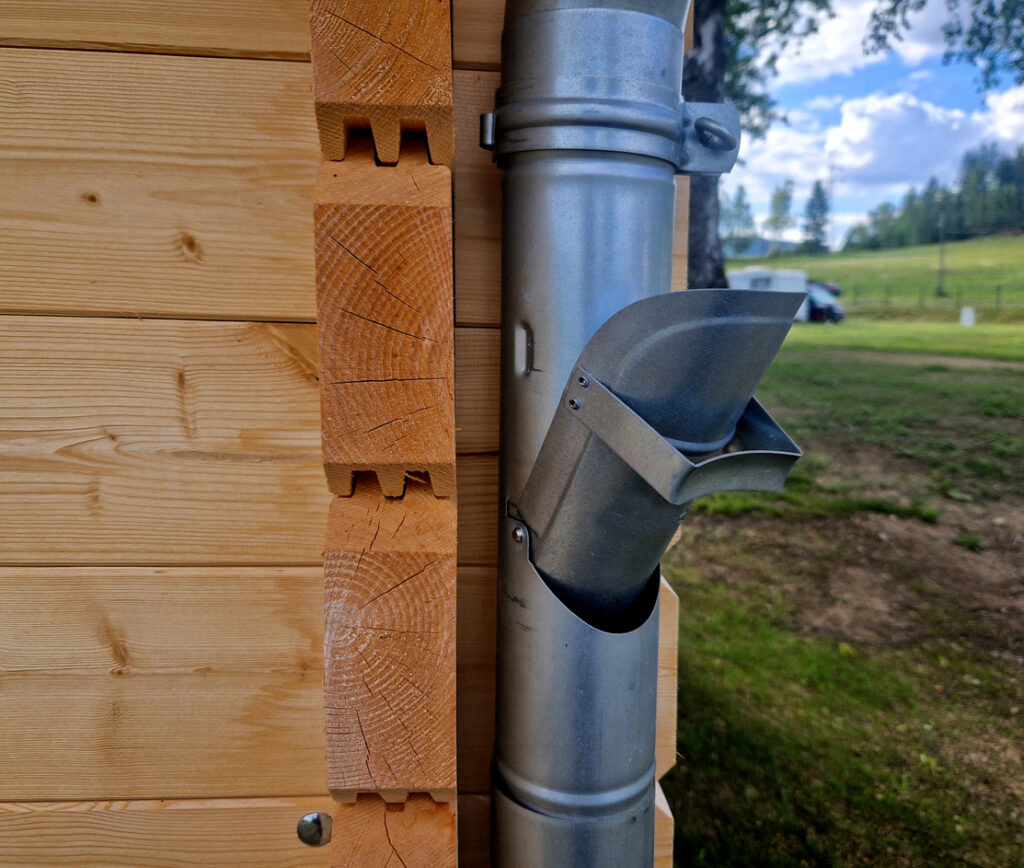
Water pipes, gas lines, electricity cables, and telephone wires crossing your property belong to utility companies, not you. They have legal rights to access, maintain, and repair this infrastructure even though it runs through your land. You can’t remove or alter these installations yourself. Utility companies can dig up your garden to access pipes with proper notice and compensation, but the underlying right of access isn’t something you can refuse. Wayleaves and easements formalise these arrangements in property deeds.
7. Public rights of way across your land
Footpaths and bridleways marked on definitive maps give the public legal right to cross your property. You don’t own that route, even if you own the land it crosses. These rights of way are remarkably difficult to remove or divert, requiring formal legal processes that often fail. You’re responsible for maintaining boundaries alongside paths but can’t block access. Some properties have rights of way that aren’t public but give specific neighbours legal access across your land, which is equally binding.
8. Wild animals passing through
Rabbits, foxes, deer, and birds on your property aren’t yours under UK law. Wild animals belong to no one unless lawfully captured or killed. You can’t claim ownership just because they’re in your garden. This matters for disputes about feeding wildlife or damage they cause. You also can’t keep protected species found on your land. The animals might live there, eat your plants, and make homes in your shed, but legally, they’re not your property.
9. Water flowing through your land
If a stream or river crosses your property, you don’t own the water itself. You have riparian rights to use water for ordinary domestic purposes, but the water remains in public ownership. You can’t dam it, divert it significantly, or abstract large quantities without Environment Agency permission. The riverbed might be yours, but the flowing water isn’t. This distinction surprises people who assume a stream running through their garden belongs to them. Pollution or obstruction of watercourses brings serious legal consequences.
10. Coal and deep mining rights
Even if you own mineral rights to some materials, coal specifically was nationalised and belongs to the Coal Authority regardless of surface ownership. They hold rights to all coal in England, Scotland, and Wales. If coal exists beneath your property, you have no claim to it. The Coal Authority can also withdraw ground support, meaning they don’t have to leave enough material underground to prevent subsidence. You might own everything else down there, but coal remains firmly outside your ownership.
@treelawltd UK law on cutting protected trees 🌳 Can you cut a tree if it has a TPO? #treelaw #tpo #uklaw #treepreservation #propertylaw #conservationarea #ukproperty #treeowner #trees ♬ original sound – Tree Law Solicitors
11. Ancient monuments and scheduled sites
Scheduled monuments on your property are protected by law and controlled by Historic England or equivalent bodies. You can’t alter, damage, or develop around them without consent. Some homeowners don’t even realise they have scheduled monuments until they try to do building work. The monument might be a buried wall or earthwork you can barely see, but it’s legally protected and limits what you can do with your land. You’re essentially a guardian rather than an owner.
12. Royal fish washed up on your shore
If you live near the coast and a sturgeon or whale washes ashore on your property, it belongs to the Crown. This medieval law still stands. Royal fish must be offered to the reigning monarch, though in practice you’d contact the relevant authorities. Keeping one is technically theft. This obscure ownership rule catches people by surprise because a dead whale on your beach seems like it should be your problem to solve, but legally, it’s not your property.
13. Unmarked graves and human remains
Discovering human remains on your property doesn’t make them yours. The police and coroner must be notified immediately. Burial grounds, even unmarked or forgotten ones, remain protected. You can’t disturb or remove remains without proper legal authority. Some properties unknowingly sit on ancient burial sites, and discovering this severely restricts what you can build. The remains and the land they occupy fall under different legal protections that override normal property ownership.