Pets don’t have the luxury of telling us when something is off.

They don’t complain or explain where it hurts; they just adjust and keep going. Because they’re so good at hiding discomfort, it’s incredibly easy to brush off a change in behaviour as just a bad day or a sign of getting older. Vets see this all the time—by the time an animal actually makes it into the clinic, the problem has often been simmering away for weeks. They don’t expect you to be a medical expert, but there are certain red flags they really wish you’d stop ignoring because catching things early is usually the difference between a quick fix and a serious struggle.
1. Small but persistent changes in appetite

If your pet starts eating a bit less or suddenly gets picky about their favourite food, it’s easy to just label them a bit fussy. You might think they’ll eat when they’re hungry enough, but vets know that a change in appetite is rarely random. It’s often one of the first signs that something is wrong, whether it’s a toothache, a stomach bug, or just general internal discomfort.
The real worry isn’t one missed meal; it’s that gradual change that becomes the new normal. Animals don’t just decide to diet. If they’re eating less, there’s almost always a physical reason for it.
2. Drinking noticeably more or less water
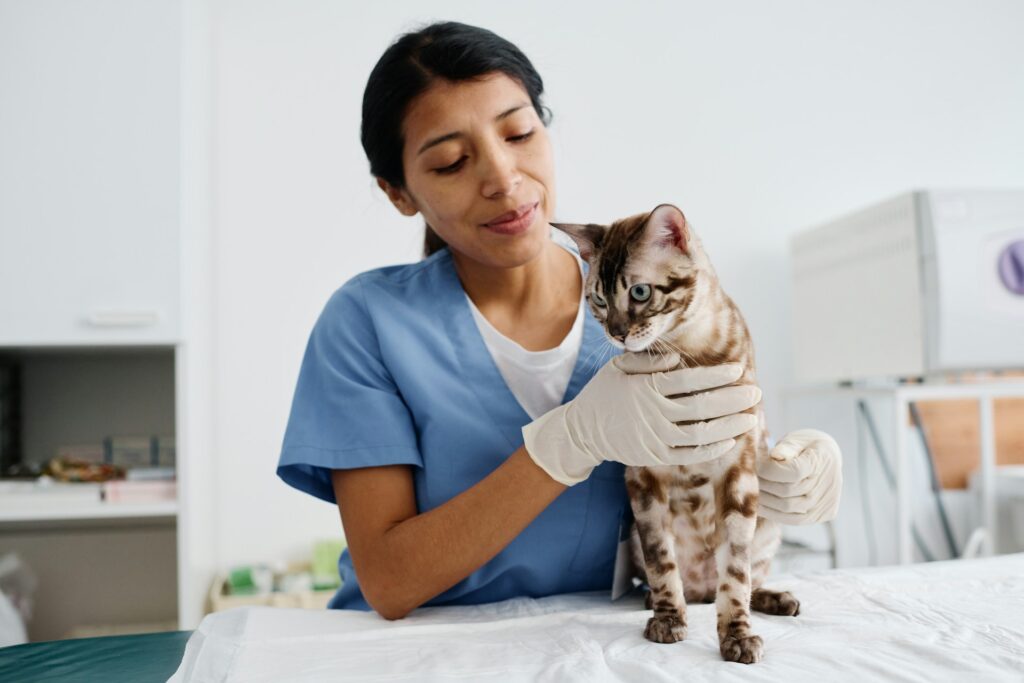
Water intake is one of the simplest things to track, but it’s the one most people overlook until it becomes extreme. If you notice you’re filling the bowl way more often than usual, or if it stays full for days, that’s a massive signal. Vets get worried about this because changes in thirst are often the first hint of things like kidney issues, diabetes, or hormonal imbalances. By the time it’s obvious enough that you can’t ignore it, the condition might already be quite far along, making it much harder to treat than if it had been caught early.
3. Behaviour changes written off as mood or age
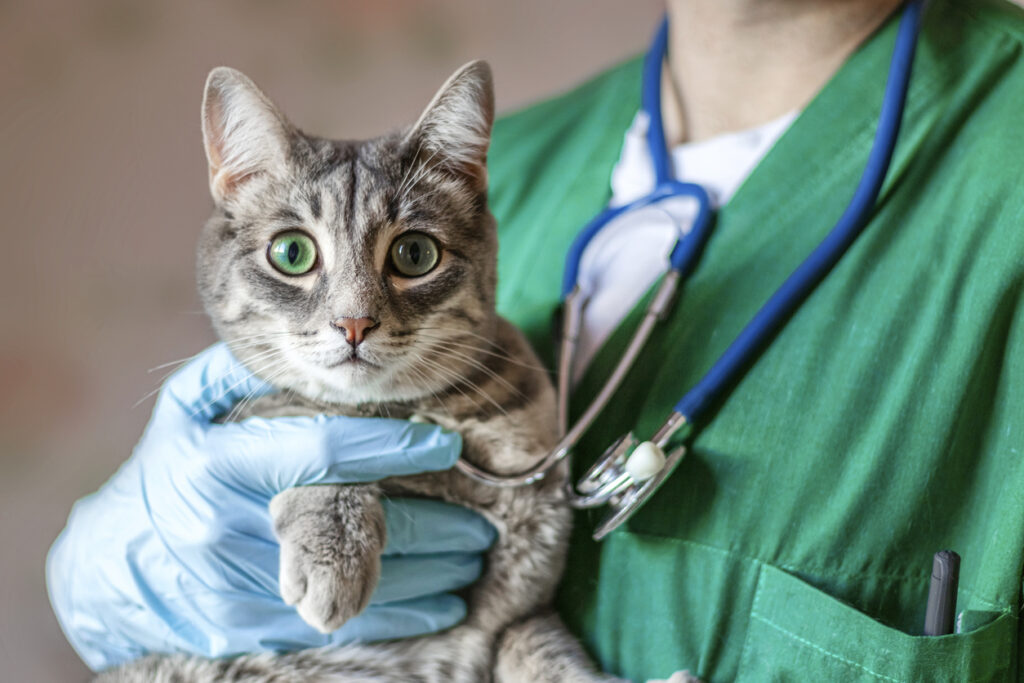
Pets don’t just wake up with a new personality for no reason. When a dog gets snappy or a cat that used to be social starts hiding under the bed, it’s easy to think they just want some space. But for a vet, behaviour is the loudest way an animal communicates pain. They’ll change how they act long before they start limping or crying out. If your pet isn’t acting like themselves, they’re probably trying to tell you they’re hurting, and writing it off as them just being “grumpy” means you might be missing the best chance to help them.
4. Limping that appears and disappears
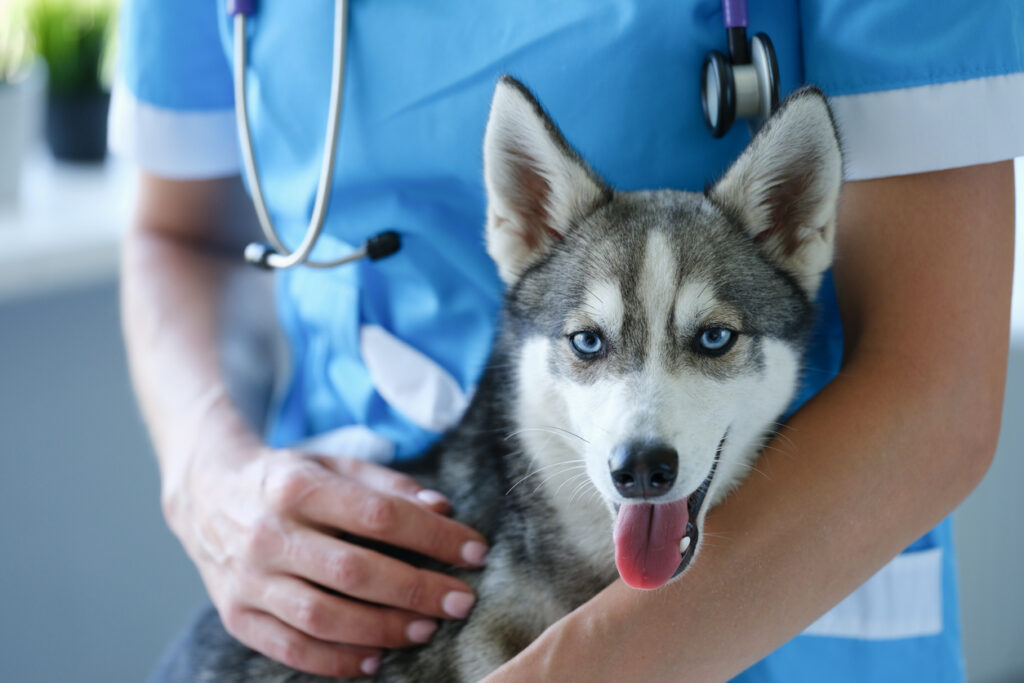
If a pet isn’t limping all the time, many owners assume it’s just a pulled muscle that will sort itself out. The problem with on-and-off limping is that it often points to things like ligament strain or the early stages of arthritis. Animals are experts at compensating for pain when it eases up for a few hours, but the underlying issue is still there, getting worse. If you wait until the limp is constant, you might be looking at permanent damage that could have been managed if you’d acted when it first started.
5. Changes in sleeping habits or restlessness
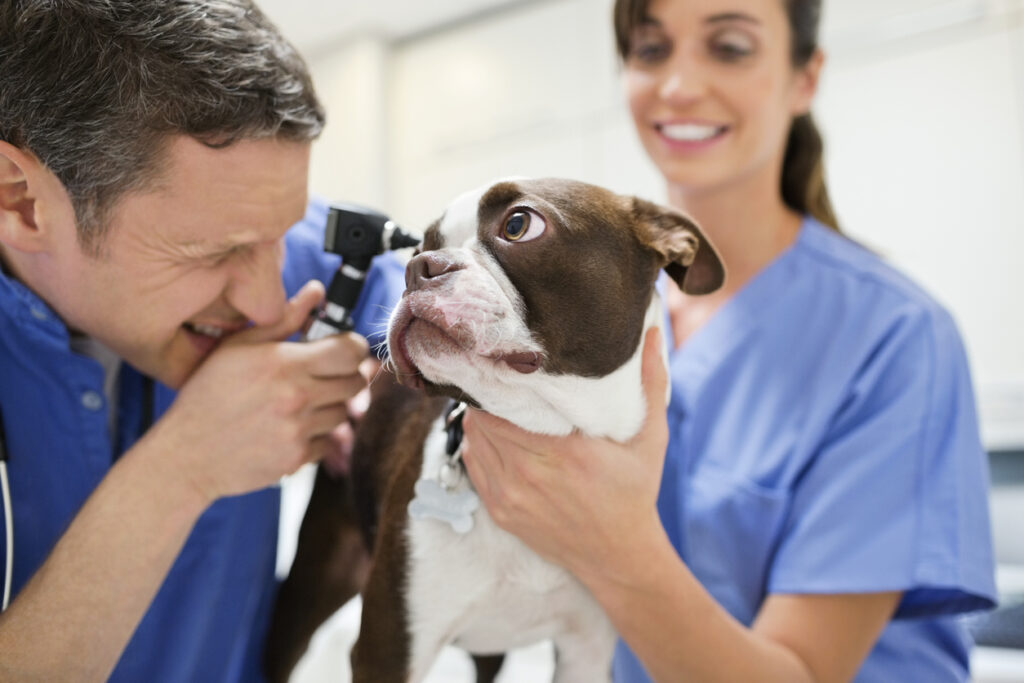
If your pet is sleeping way more than usual or seems restless and unable to get comfortable, they’re likely trying to manage some kind of pain. It’s easy to see extra sleep as just “getting old” or being lazy, but sleep disruption is rarely a random occurrence. If an animal is avoiding certain positions or keeps moving around in the night, it’s usually because they’re adapting to something that hurts. Pain often shows up in sleep habits first, so it’s worth paying attention to those small shifts in their routine.
6. Repeated vomiting or diarrhoea that seems mild

One upset stomach isn’t usually a crisis, but when it keeps happening, even if it’s weeks apart, it shouldn’t be ignored. A lot of people wait until their pet is constantly sick before they call the vet, but ongoing digestive issues can be a sign of parasites, food intoleralities, or even organ problems. It’s much easier to deal with a mild issue early on than to wait until your pet is dehydrated, losing weight, and facing a much longer and more expensive recovery.
7. Sudden or worsening bad breath
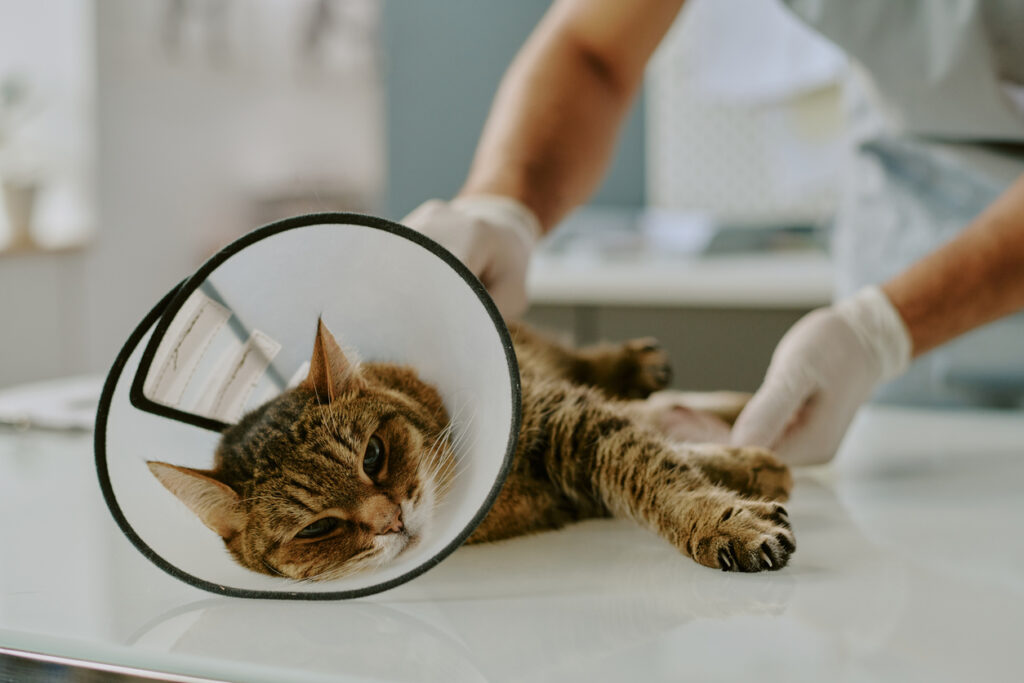
No one expects a dog or cat to have minty fresh breath, but a sudden, foul change in smell is a different story. It’s often dismissed as a dental problem that can wait until the next check-up, but vets know that dental disease causes a lot of chronic pain. Beyond that, bad breath can sometimes point to internal illnesses that have nothing to do with the mouth. Ignoring it often means your pet is living with a constant, nagging pain that could be fixed relatively easily.
8. Hesitation when jumping, climbing, or standing
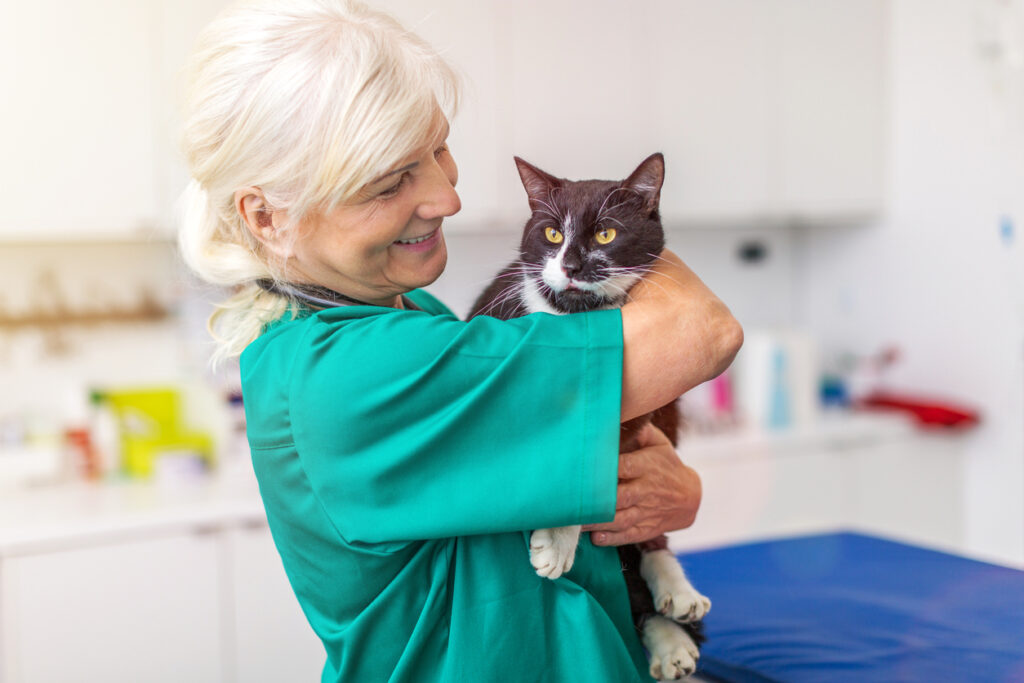
When a pet pauses before jumping onto the sofa or takes a bit longer to get their back legs moving in the morning, it’s easy to put it down to them just being a bit stiff or stubborn. But vets see this as one of the clearest signs of joint pain. Animals rarely whine or yelp when they have arthritis; they simply stop doing the things that hurt. If you catch these small hesitations early, there are plenty of ways to slow down the progression and keep them moving comfortably for much longer.
9. Excessive licking, chewing, or scratching
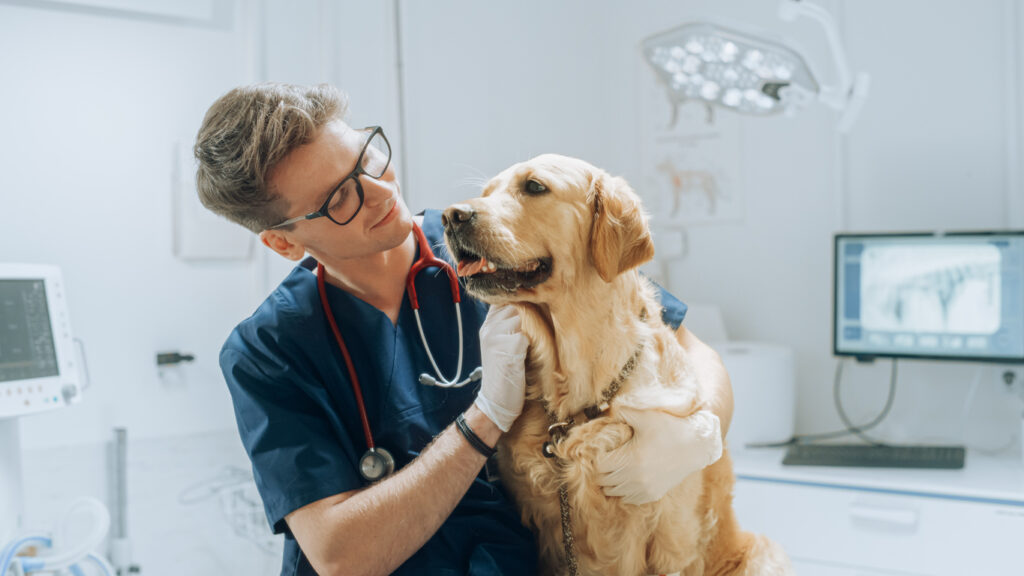
Grooming is normal, but when a pet fixates on one specific area, something is up. They often lick or chew at a spot to soothe an itch or a deep-seated pain, even if the skin looks perfectly fine at the time. This behaviour usually points to allergies, infections, or even joint issues. If you leave it, they’ll eventually break the skin, leading to infections that make the whole situation a lot more complicated to treat.
10. Thinking they’re fine because they still seem happy
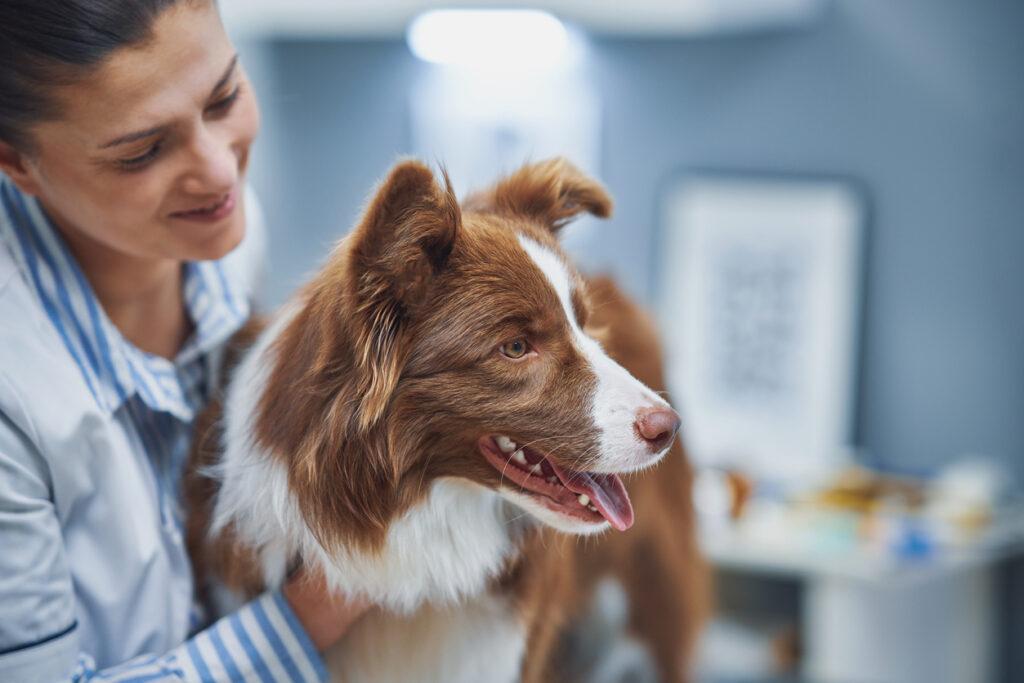
The biggest reason people delay a vet visit is because their pet is still wagging their tail, purring, or eating. There’s a common belief that if an animal was really in pain, it would be obvious, but that’s just not true. Animals mask their suffering incredibly well—it’s a survival instinct. A happy-looking dog can still be dealing with a lot of internal discomfort. By the time they actually stop acting “happy,” the problem is often far more advanced than it ever needed to be.