We like to think of mammals as the pinnacle of evolution, but compared to the dinosaurs, we’re actually a bit limited.
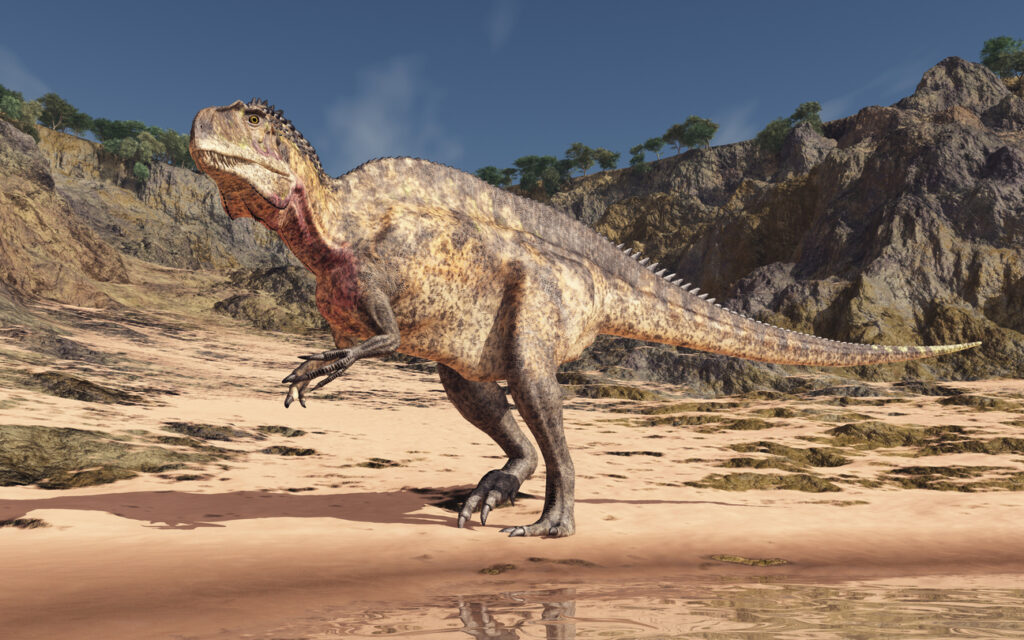
Dinosaurs didn’t just survive for 165 million years by being big and scary; they developed some incredible biological tricks that we simply never managed to master. While we’ve got the whole “warm-blooded and furry” thing down, dinosaurs were out there fine-tuning everything from their bone structure to the way they breathed, allowing them to reach sizes and survive in environments that would leave a modern mammal struggling.
It’s easy to dismiss them as “primitive” reptiles, but the reality is they were biological masterpieces. Some could regrow teeth their entire lives, while others had internal cooling systems that would put a modern air con unit to shame. These 13 abilities show that dinosaurs weren’t just a “rough draft” of life on Earth; they had a toolkit of skills that we’ve never been able to replicate, proving that being the biggest and most successful land animals ever required a lot more than just a loud roar.
1. They could grow to absolutely massive sizes on land.
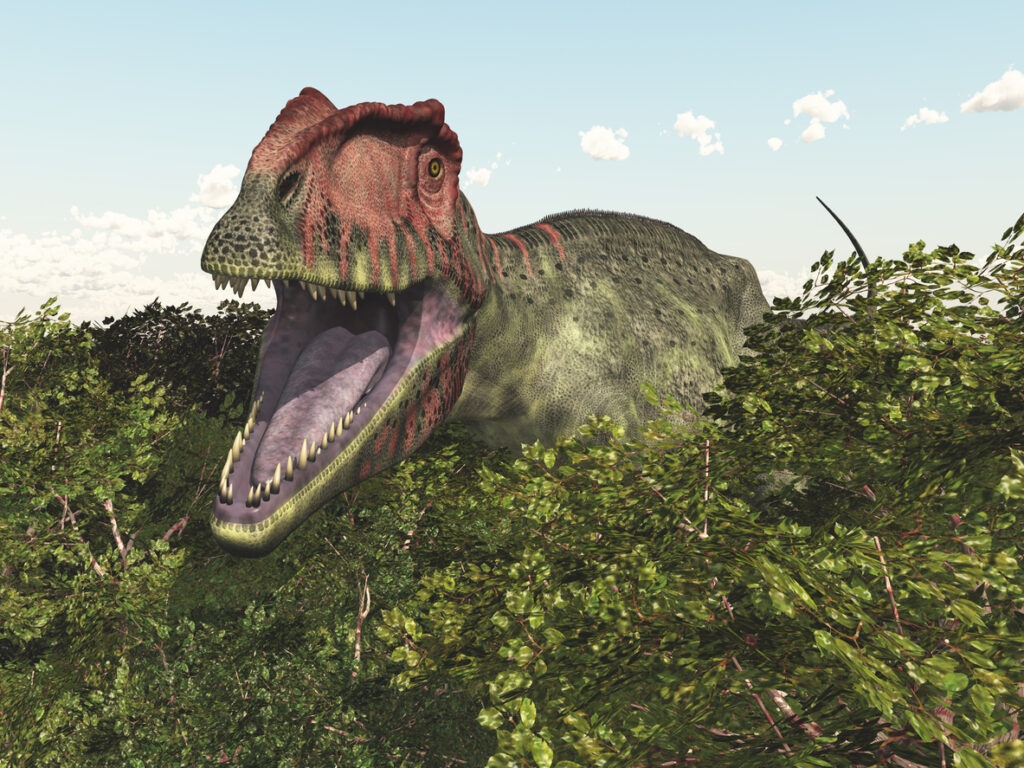
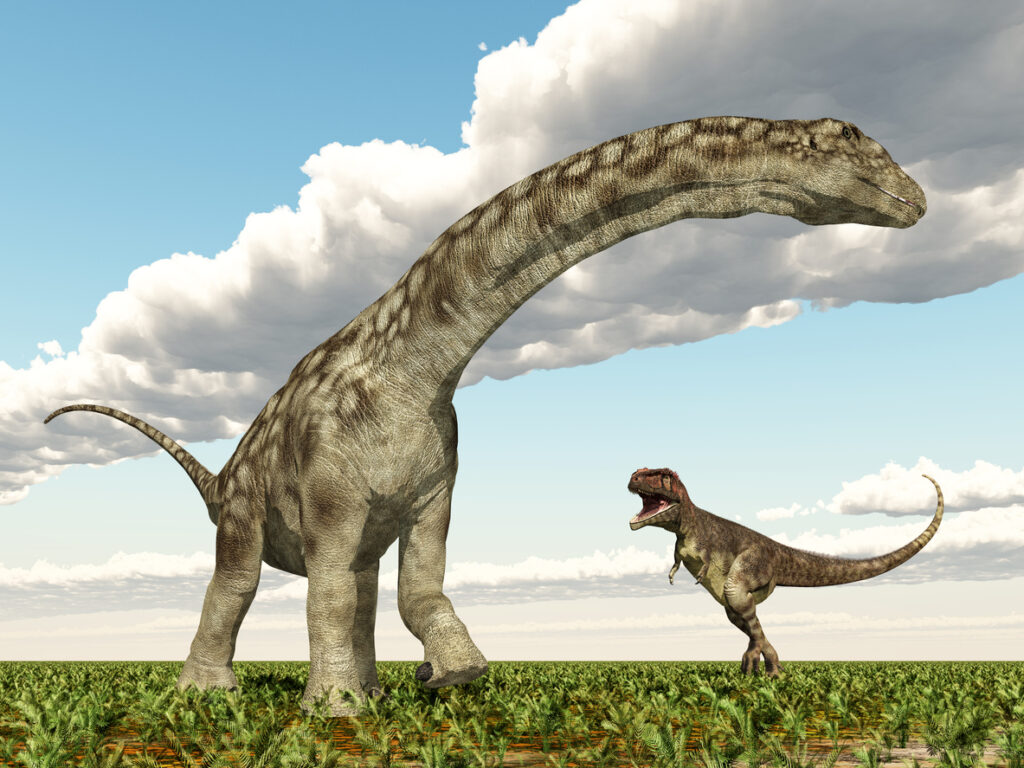
Sauropods like Argentinosaurus reached weights of 70–100 tonnes, making modern elephants look tiny in comparison. Mammals have never come close to this scale on land because their body structure can’t support it efficiently. The largest land mammal ever, Paraceratherium, maxed out at about 20 tonnes, less than a third of the biggest dinosaurs. Dinosaurs achieved this through hollow bones, efficient respiratory systems, and body structures that distributed weight better than mammalian designs can.
2. They had air sacs that made breathing incredibly efficient.
Dinosaurs possessed a system of air sacs throughout their bodies that allowed continuous airflow through their lungs, similar to modern birds. This meant they were breathing in fresh oxygen constantly, not just when inhaling like mammals do. The system made them far more efficient at extracting oxygen, which supported their active lifestyles and enormous sizes. Mammals stuck with the in-and-out lung system that mixes fresh and stale air, which works but isn’t nearly as effective.
3. They could regenerate teeth continuously throughout life.
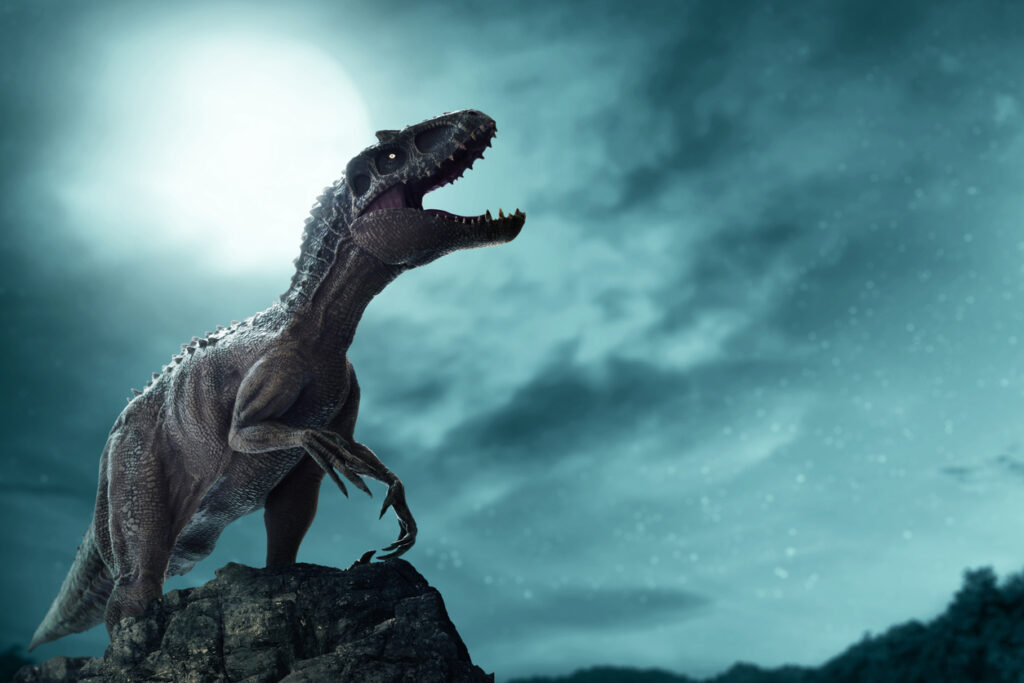
Many dinosaurs replaced their teeth constantly, growing new ones as old ones wore down or fell out. Carnivores like T. rex went through thousands of teeth over their lifetimes, ensuring they always had sharp, functional weapons. Mammals get two sets if they’re lucky, adult teeth and baby teeth, and that’s it for life. Once adult mammal teeth are damaged or lost, they’re gone permanently, while dinosaurs just grew replacements indefinitely.
4. They laid eggs instead of dealing with live birth.
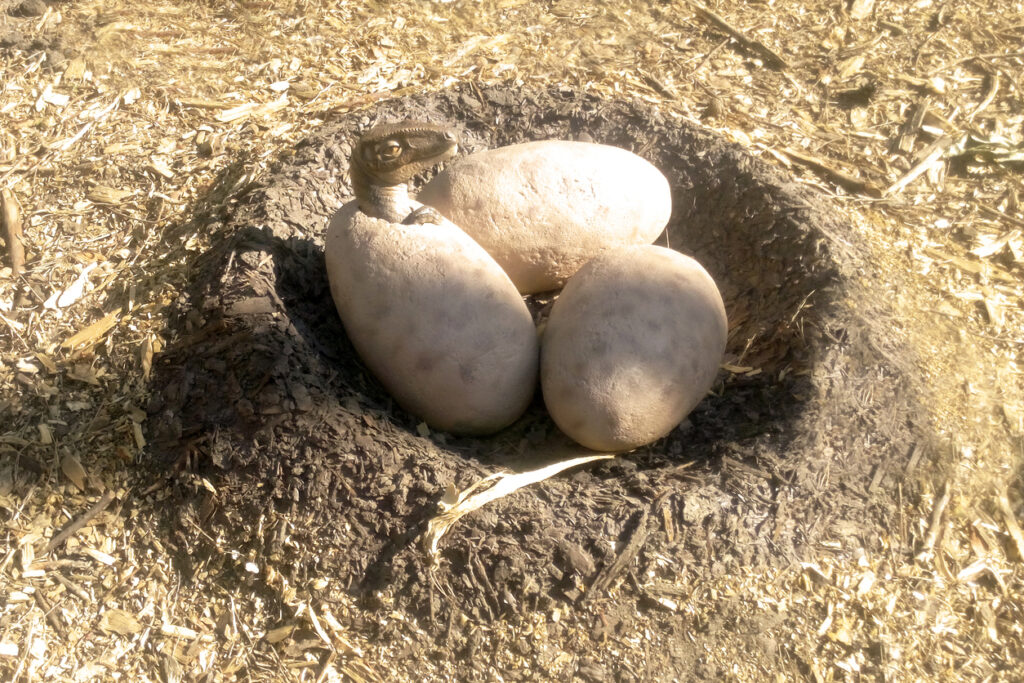
Egg-laying meant dinosaurs could reproduce without the physical burden and danger of pregnancy and live birth that mammals face. Females could lay multiple eggs and move on, rather than carrying developing young inside their bodies for months. This also meant dinosaur mothers could be massive without the complications of birthing enormous babies. Mammals evolved live birth, which creates stronger initial bonds but comes with significant physical costs and risks that egg-layers avoid.
5. They developed hollow bones that were both light and strong.
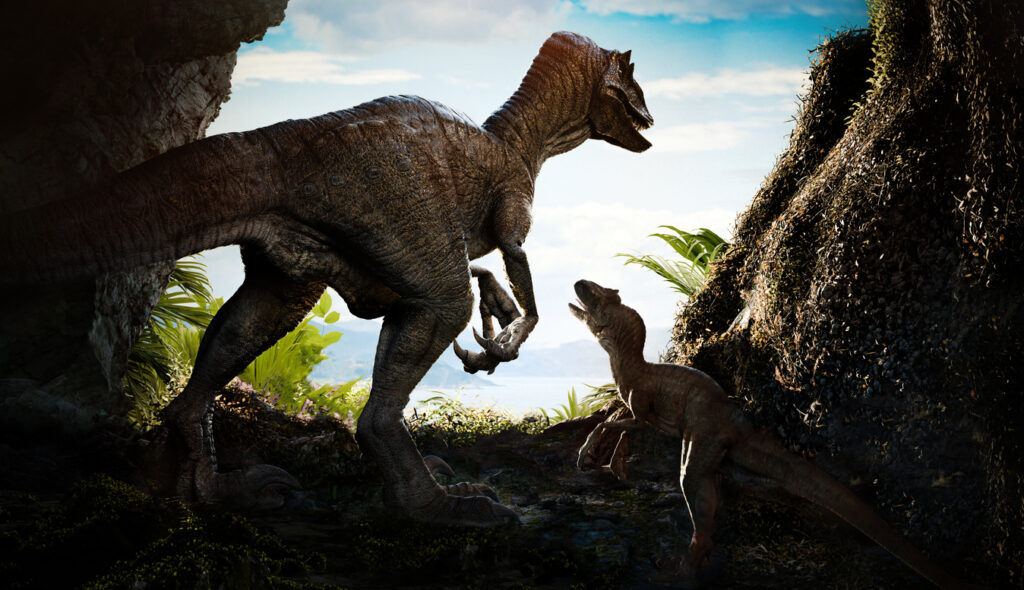
Dinosaur bones contained air spaces that reduced weight without sacrificing strength, similar to architectural supports in buildings. This allowed them to support massive bodies and, in smaller species, enabled flight when combined with other adaptations. Mammal bones are solid and dense, which makes them heavier and limits how large flying mammals can get. Bats are tiny compared to pterosaurs, partly because they’re working with inferior bone structure for flight.
6. They could walk efficiently on two legs for extended periods.
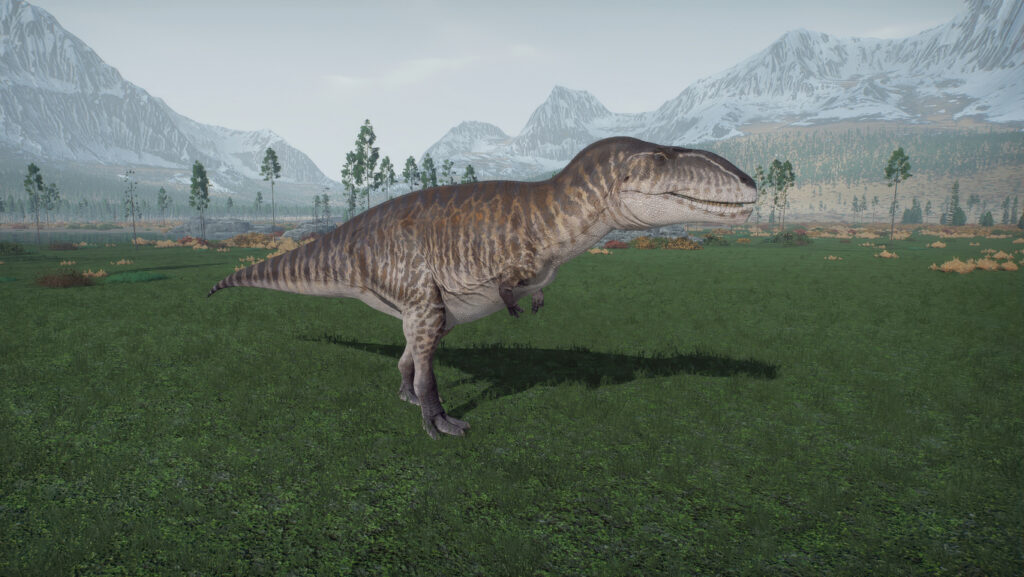
Bipedalism was common among dinosaurs, from tiny Compsognathus to massive Tyrannosaurus, and their hip structure made it genuinely efficient. Mammals can walk on two legs, but it’s energetically expensive, and our bodies aren’t really designed for it long-term. Dinosaurs had their legs directly underneath their bodies, with hips that supported upright posture naturally. Humans can manage bipedalism, but we pay for it with back problems and knee issues that dinosaurs avoided through better skeletal engineering.
7. They used gastroliths to process food internally.

Many dinosaurs swallowed stones deliberately to help grind up plant material inside a muscular gizzard, essentially carrying a mill in their stomach. This meant they could eat tough vegetation without needing complex chewing teeth or spending hours processing food. Modern birds inherited this strategy, but mammals went a completely different route with specialized teeth and multiple stomach chambers. The gastrolith system is arguably more efficient for herbivores, but mammals never evolved it.
8. They had specialized crests and frills for display.
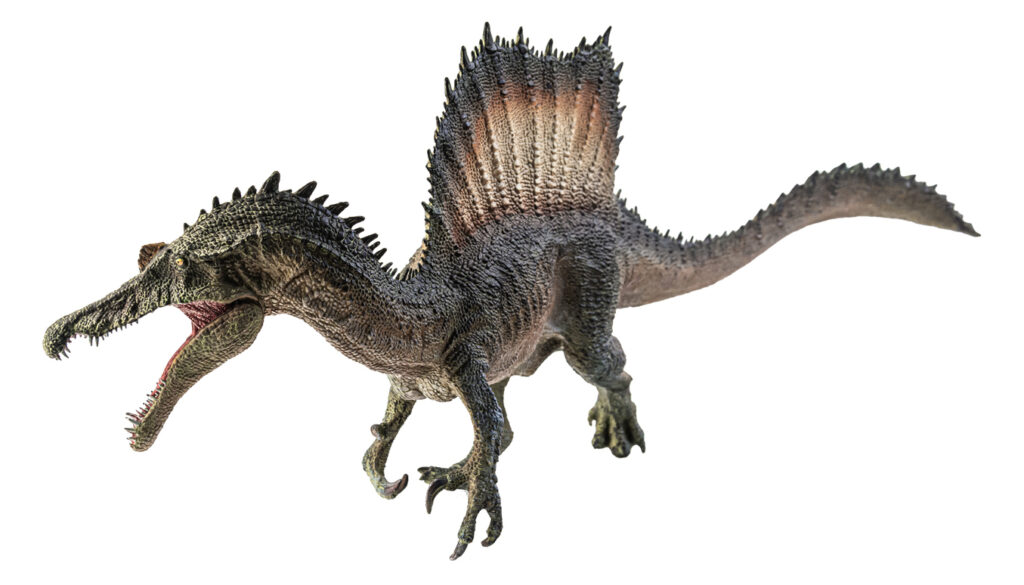
Dinosaurs like Parasaurolophus had elaborate hollow crests that could amplify sounds, while Triceratops sported massive frills for display and possibly combat. These structures were integrated into their skulls as bone, making them permanent and dramatic. Mammals developed horns and antlers, but nothing approaching the variety and extravagance of dinosaur head gear. The bony crests and frills were lighter than you’d expect due to hollow spaces, so dinosaurs could carry impressive displays without the weight penalties mammals would face.
9. They could see a broader range of colours than most mammals.

Many dinosaurs likely had four types of colour receptors like modern birds and reptiles, allowing them to see into the ultraviolet spectrum. Most mammals only have two or three colour receptors because our ancestors went through a nocturnal phase that reduced colour vision. Dinosaurs maintained superior colour vision throughout their reign, which helped with everything from finding food to selecting mates. We’re essentially colour-blind compared to what dinosaurs could probably perceive.
10. They maintained active lifestyles without constant eating.
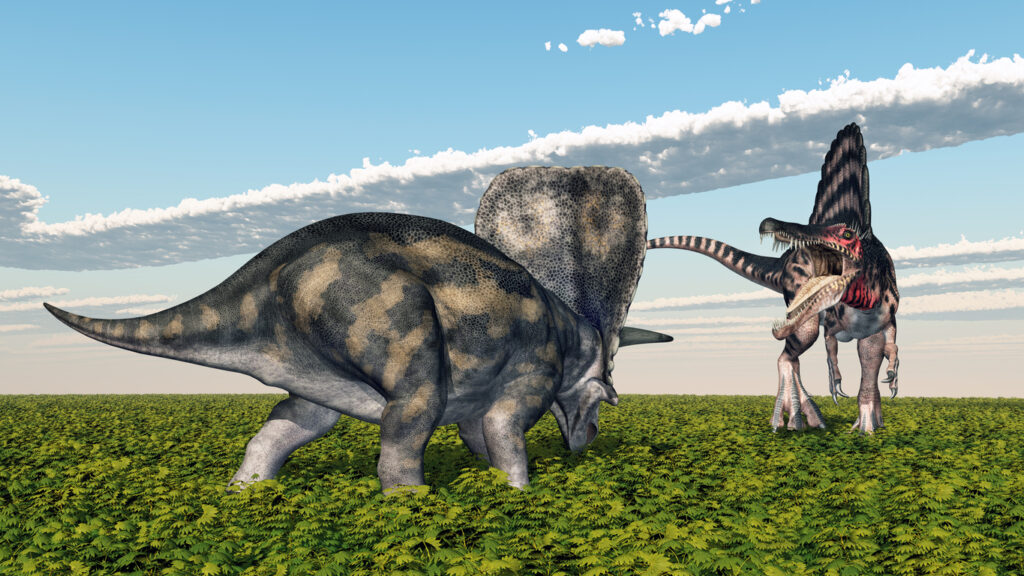
While the debate continues, many dinosaurs likely had metabolisms somewhere between cold-blooded reptiles and warm-blooded mammals. This meant they could be active and energetic without needing to consume their body weight in food constantly, like mammals do. Mammals pay an enormous energy cost for maintaining constant body temperature, requiring frequent meals. Dinosaurs seemingly got the benefits of activity without quite the same relentless food requirements, though the exact mechanics are still being worked out.
11. They could modify their bodies with feathers for multiple purposes.
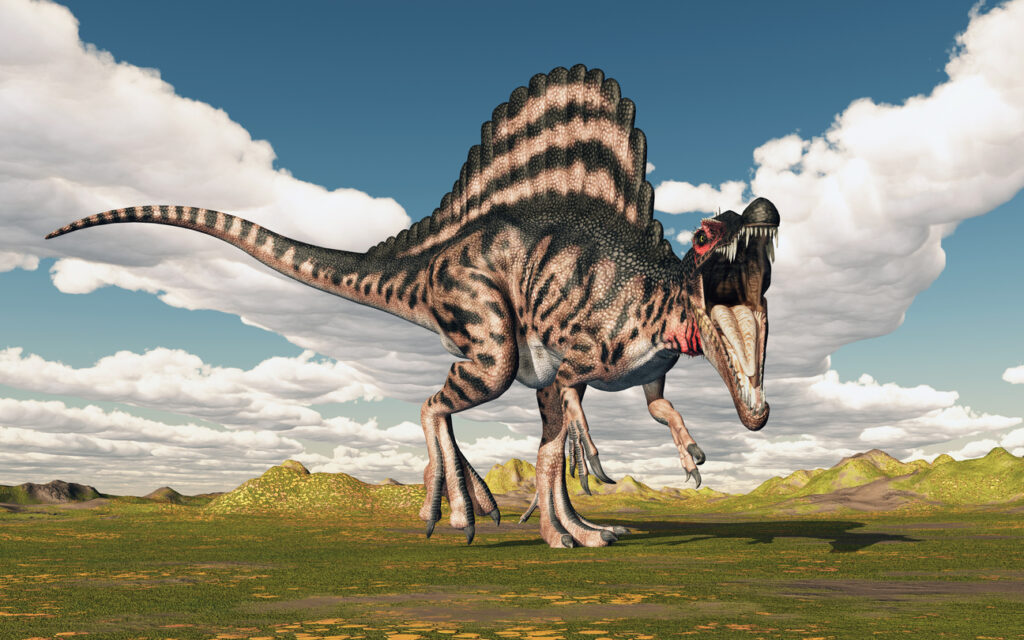
Feathers evolved in dinosaurs for insulation, display, and eventually flight, proving incredibly versatile for different functions. Mammals developed fur which works for warmth but can’t be adapted for flight or elaborate visual displays the way feathers can. Feathers can be shaped, coloured, and structured in ways that fur simply cannot match. The fact that feathers enabled powered flight in small dinosaurs, while mammalian fur never did shows the superior versatility of the structure.
12. They had necks that could extend to extraordinary lengths.
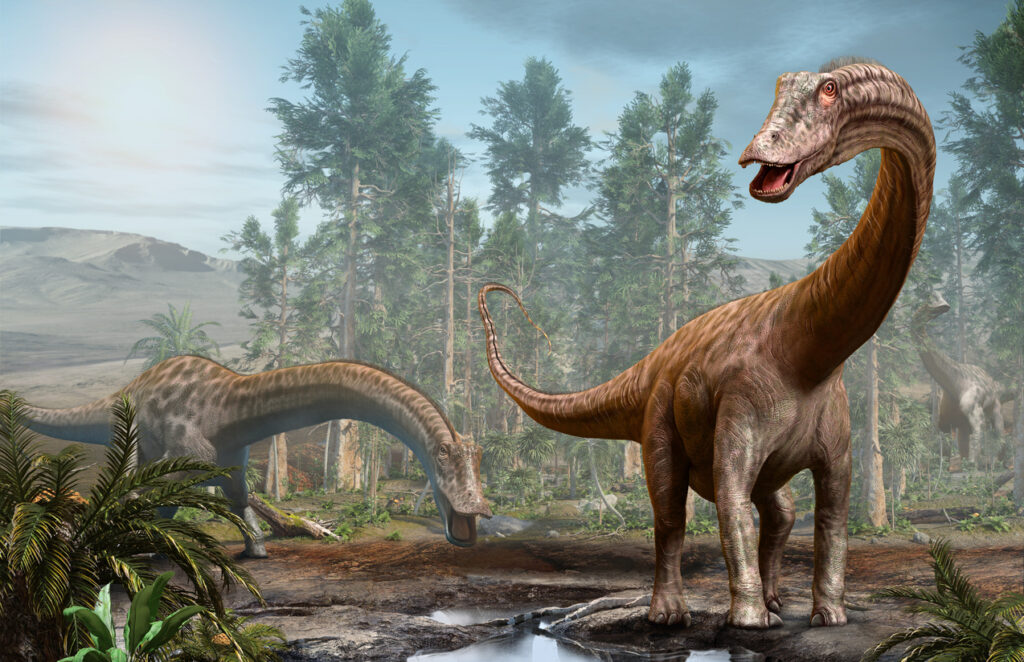
Sauropods developed necks with dozens of vertebrae that allowed them to reach vegetation other animals couldn’t access. Their lightweight bone structure and air sacs made these absurdly long necks mechanically possible. Mammals are generally stuck with seven neck vertebrae regardless of size, from mice to giraffes, which limits how long necks can grow. Giraffes managed impressive height, but nothing approaching the length and flexibility that sauropods achieved with their radically different approach.
13. They could thrive in environments mammals still struggle with.
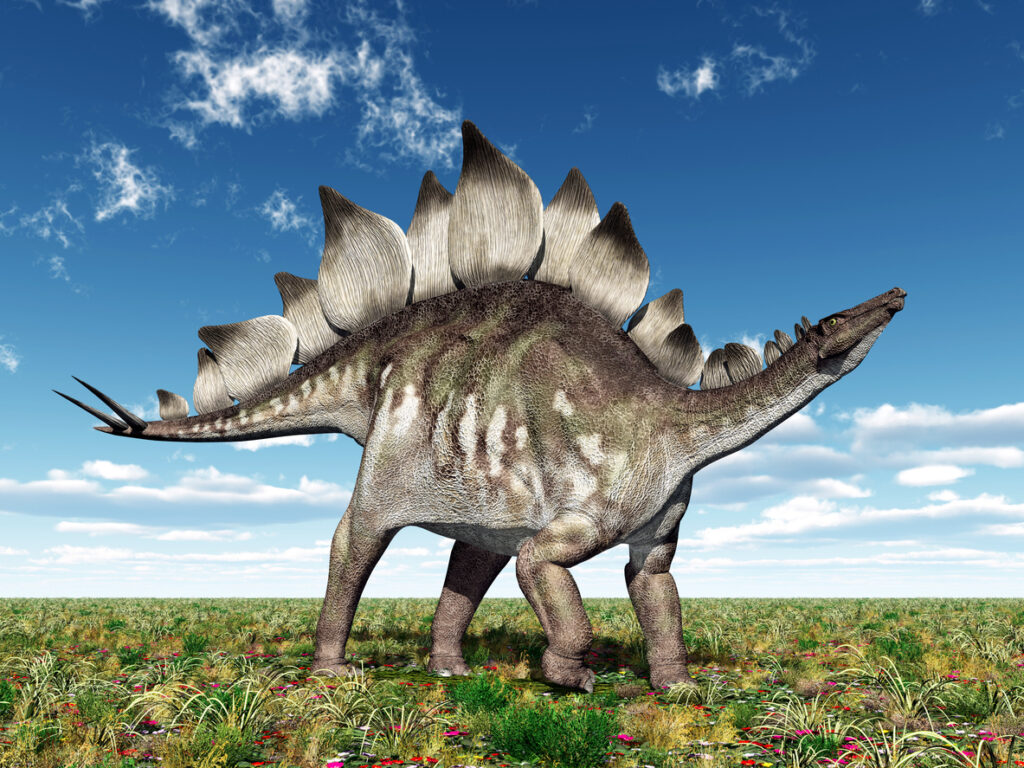
Dinosaurs successfully occupied ecological niches from deserts to swamps to polar regions using adaptations mammals never quite mastered. Their respiratory efficiency, temperature regulation strategies, and body structures let them dominate environments where mammals later struggled. The fact that dinosaurs ruled for 160 million years, while mammals have only been dominant for 66 million suggests they had strategies that worked remarkably well. We’re still playing catch-up in some ways to what dinosaurs figured out millions of years before mammals even became significant.