There’s something incredibly satisfying about planting a tiny seed and watching it turn into a proper monster that looks like it belongs in a fairytale.
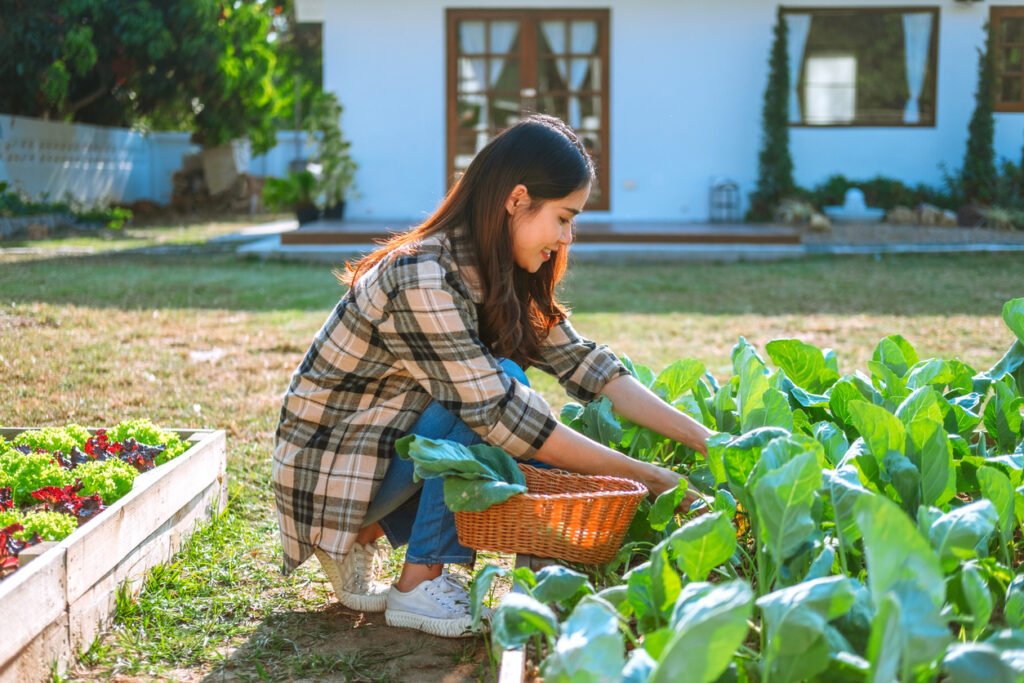
While most of us are happy enough just to keep a supermarket basil plant alive for more than a week, certain vegetables have a natural tendency to just keep going if you give them half a chance. You don’t need to be a professional grower with a secret lab and a ton of expensive chemicals to get these results; you just need to pick the right varieties and stay out of their way.
It’s not just about the bragging rights over the garden fence, either. Growing “giant” versions of your everyday veg is a brilliant way to see just how much energy nature can pack into a single growing season. From pumpkins that could double as garden furniture to leeks that look more like baseball bats, these 10 vegetables are famous for their ability to outgrow their standard sizes. If you’ve got a bit of space and some decent compost, you can turn your back garden into a bit of a prehistoric jungle with very little effort.
1. Courgettes go from sensible to absurd in days.
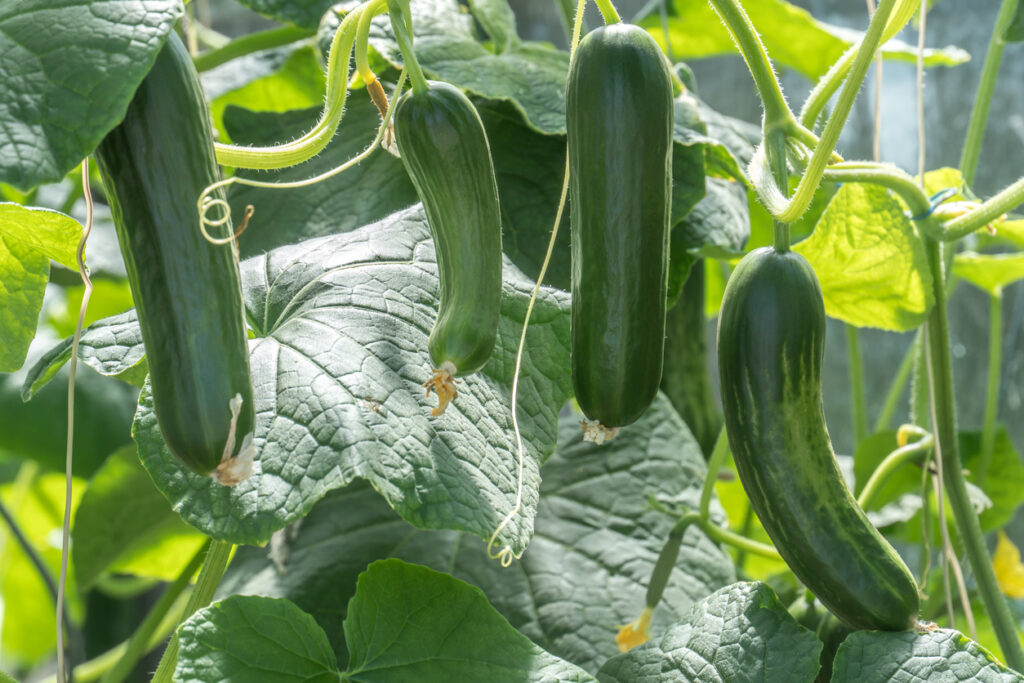
Courgettes have a reputation for a reason. They grow fast, relentlessly, and with very little regard for your plans. One day you’ve got neat little fruits perfect for slicing, and a few days later you’re staring at something the size of your forearm wondering how it happened so quickly. The real reason they become giants is consistency. Warm weather, regular watering, and a plant that’s already established will keep pushing growth whether you’re paying attention or not. Miss a harvest window and the plant simply redirects its energy into size, not flavour restraint.
2. Pumpkins can totally take over the garden if you’re not careful.
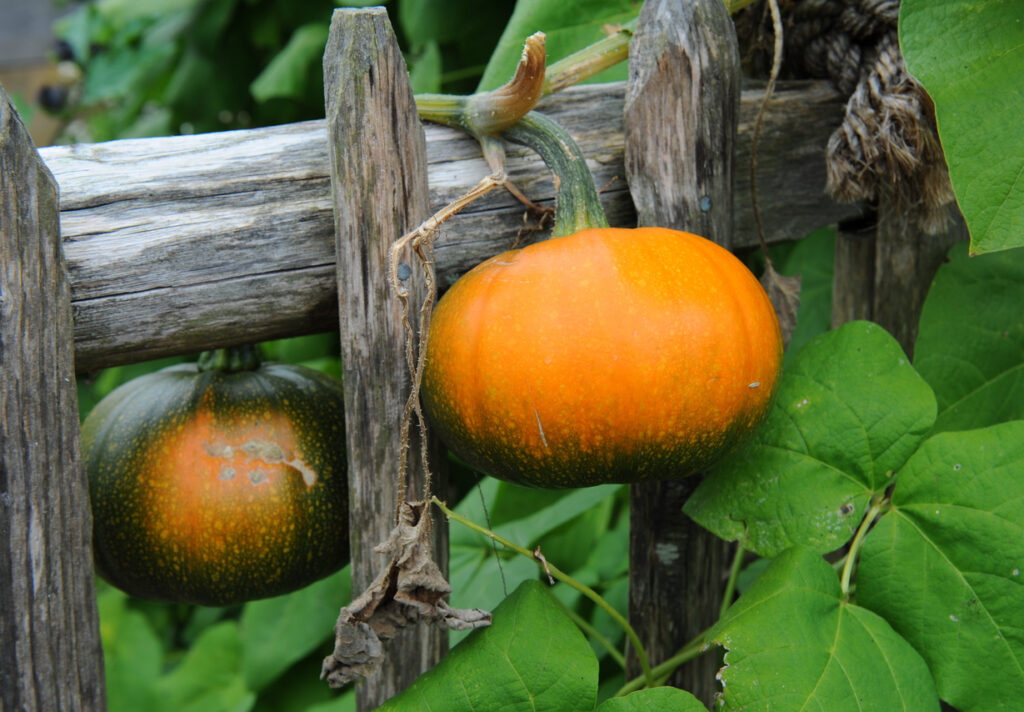
Pumpkins are surprisingly easygoing plants if you’ve got the space to let them roam. They sprawl across the ground, send out long vines, and slowly channel all their effort into a handful of fruits. Left unchecked, those fruits just keep swelling. You don’t need to be aiming for prize-winning pumpkins to end up with something far larger than expected. Plenty of gardeners grow accidental giants simply by letting one or two pumpkins stay on the vine all season.
3. Marrows feel more like a commitment than a vegetable.

Marrows are what happen when courgettes are allowed to live their full, unrestrained life. They’re incredibly forgiving plants and don’t demand much attention once they’re established. Because they’re often left to grow longer, they can reach genuinely impressive sizes. It’s not unusual for a single marrow to become so large it requires planning just to get it indoors, let alone work out how to use it.
4. Cabbages grow heavy and solid beyond expectation.

Cabbages don’t rush, but they are determined. Give them steady water, cool conditions, and time, and they slowly pack on weight in a way that’s easy to underestimate while they’re growing. By harvest time, some cabbages are shockingly dense and heavy. Certain varieties are especially prone to bulking up, producing heads that barely fit in the fridge and feel more like bowling balls than salad ingredients.
5. Leeks become thick, tall, and almost stubbornly large.
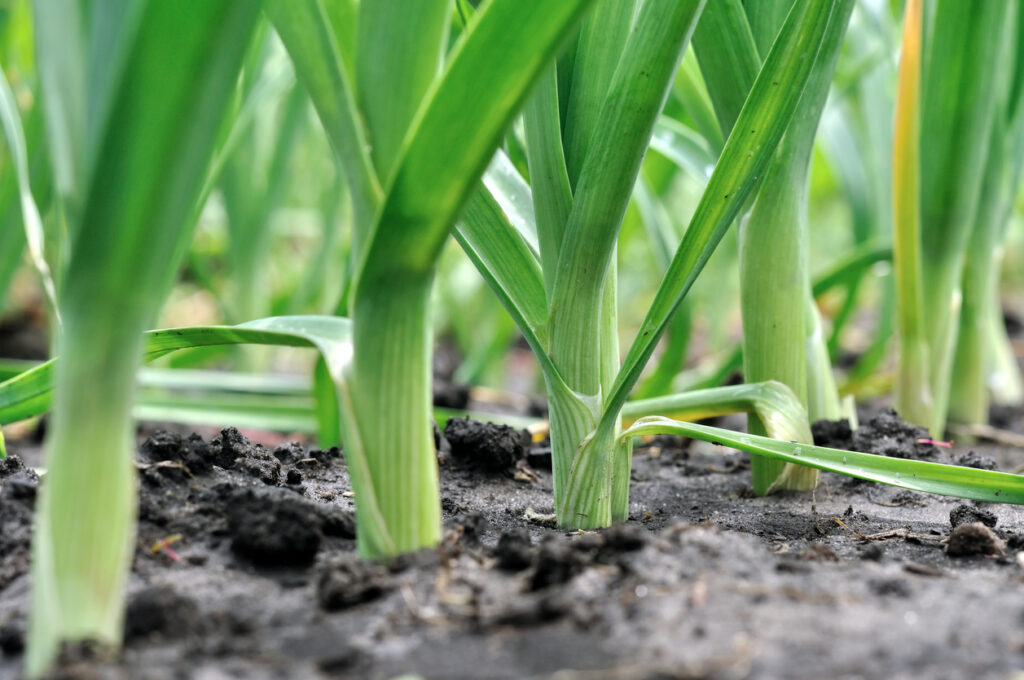
Leeks reward patience. They spend months quietly thickening rather than racing ahead, which makes their eventual size feel surprising. Regular earthing up encourages long white stems, and with enough time, leeks can grow impressively thick as well. They’re proof that slow-growing vegetables can still turn into giants without any complicated care.
6. Runner beans produce oversized pods if you look away.
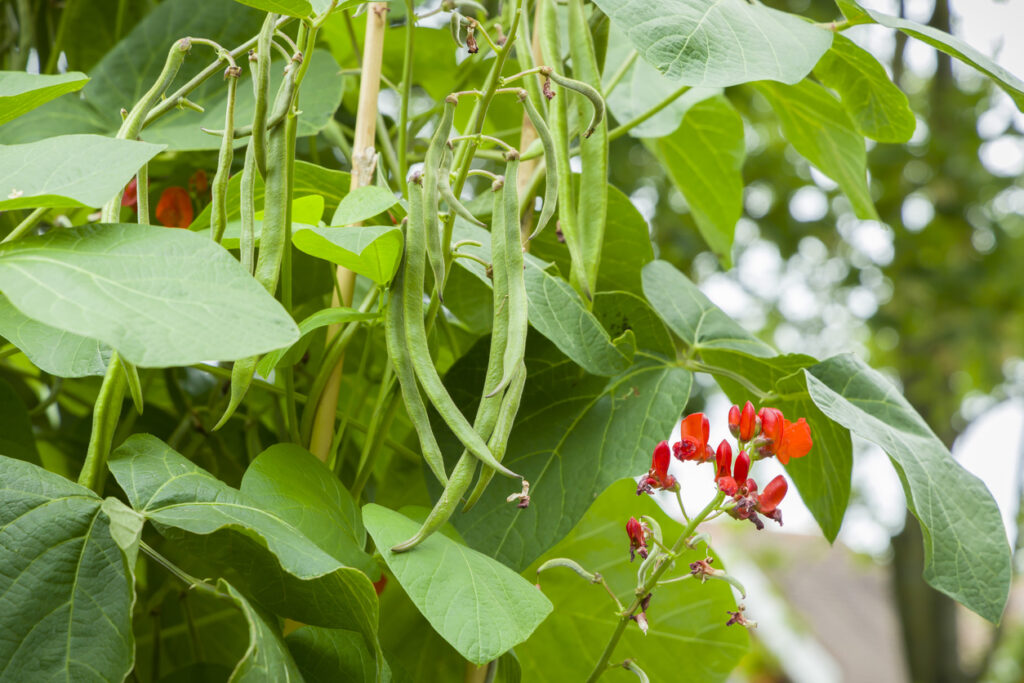
Runner beans grow with enthusiasm once the weather warms. They climb fast, flower freely, and produce pods at an almost alarming rate. If you don’t pick them young and often, the pods quickly grow long, chunky, and tough. What starts as a manageable harvest can turn into a collection of oversized beans that look more ornamental than edible.
7. Beetroot swells far beyond its usual size.
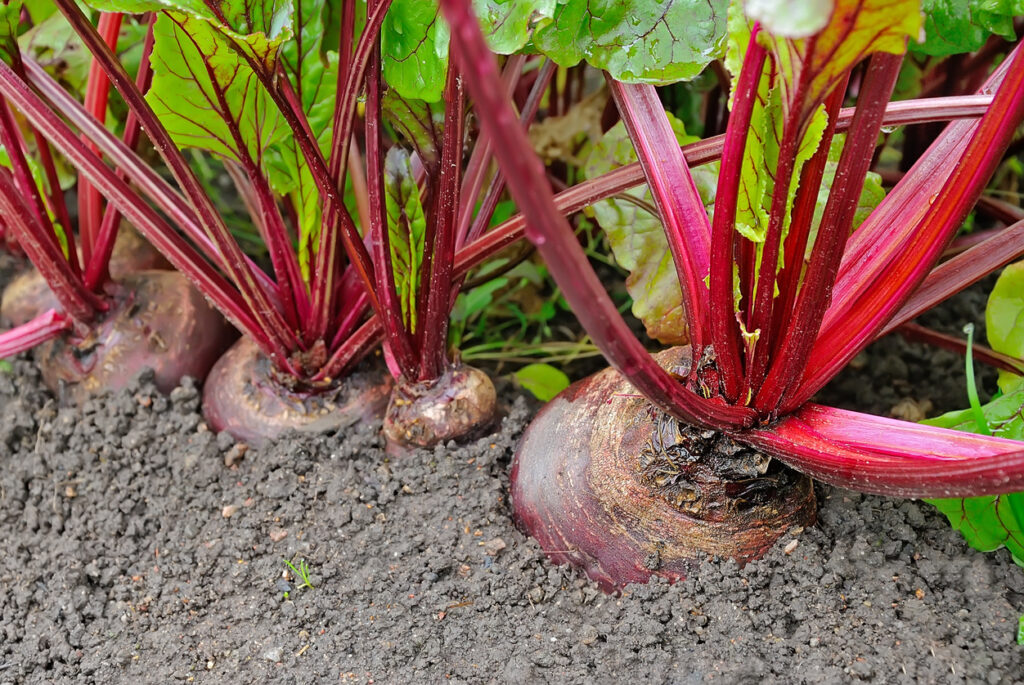
Beetroot is often harvested small because that’s how it’s sold and cooked most often. Left in the ground, though, it doesn’t stop growing just because it’s reached a polite size. With decent soil and regular moisture, beetroot bulbs can become enormous. Some grow so large they resemble grapefruits or small melons, and many remain surprisingly usable despite their size.
8. Onions bulk up quietly underground.
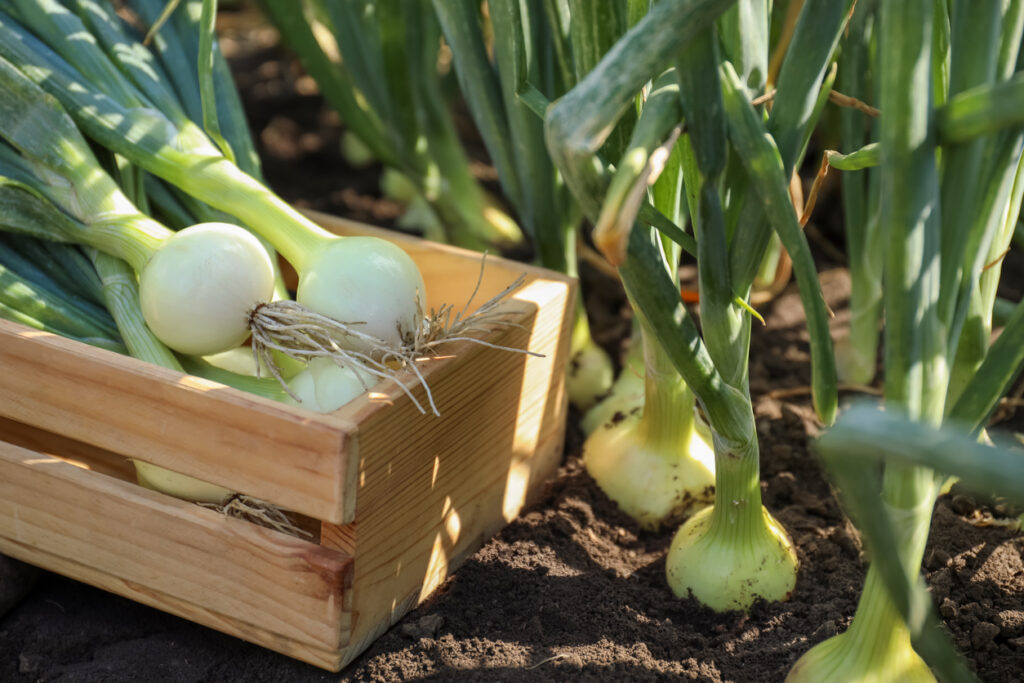
Onions are deceptive growers. Above ground, they don’t look like much is happening, but below the surface the bulb is slowly expanding. Give them sun, space, and time, and certain varieties will swell into hefty onions that feel satisfying to pull from the soil. They’re low-effort plants that often deliver more size than expected.
9. Kale turns into a leafy structure rather than a crop.
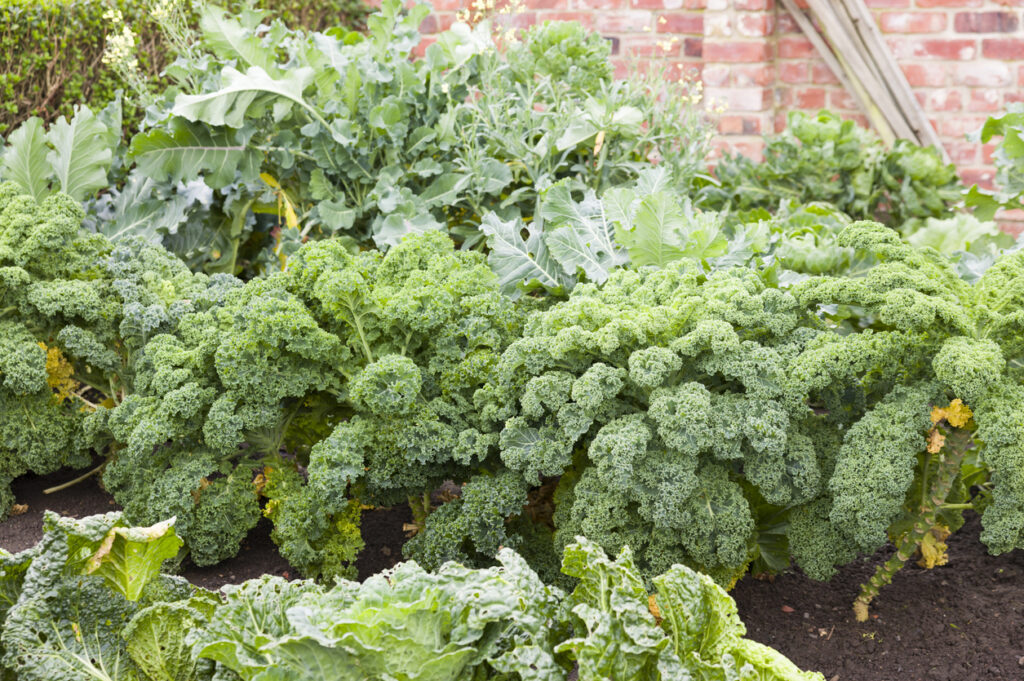
Kale doesn’t just grow leaves, it builds height and strength over time. As leaves are harvested, the central stem thickens and the plant keeps climbing upward. By the end of the season, some kale plants resemble small trees or shrubs. They’re tough, productive, and far larger than most people imagine when they first plant them.
10. Potatoes hide their bulk until harvest day.
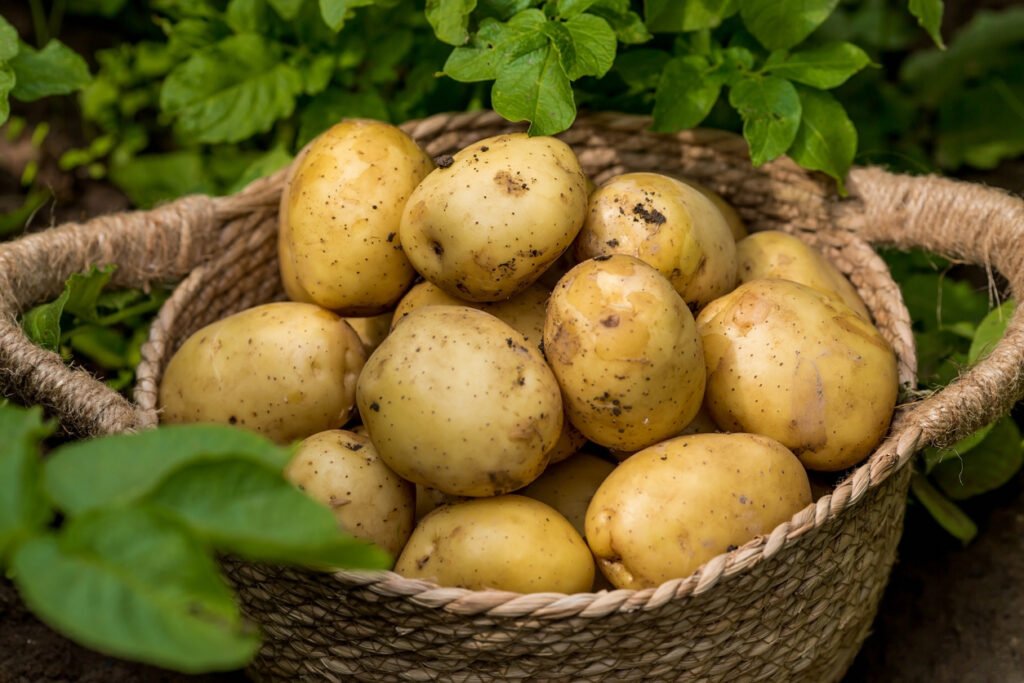
Potatoes are famously easy to grow, which makes their harvest one of the most satisfying moments in the garden. You don’t really know what you’ve got until you dig. With regular earthing up and half-decent soil, potato plants can produce surprisingly large tubers. Digging up oversized potatoes never loses its appeal, even for experienced gardeners.