Most people see a garden as a never-ending list of chores, but it’s actually a massive, living ecosystem that’s constantly being graded by the local wildlife.

If your outdoor space is doing well, you’ll start to see more than just the usual pigeons and grey squirrels. Certain creatures are basically nature’s way of giving you a gold star for biodiversity. They only turn up when the environment is just right, meaning you’ve managed to create a spot that’s safe, clean, and full of the right resources.
Sure, it’s nice to have something pretty to look at through the window, but there’s a much deeper significance. Getting these specific visitors means your garden is actually functioning as a proper habitat. These are some of the wonderful animals that are a massive compliment to any gardener, and why seeing them on your patch means you’re doing something very right.
1. Hedgehogs eat up to 200 grams of pests every night.
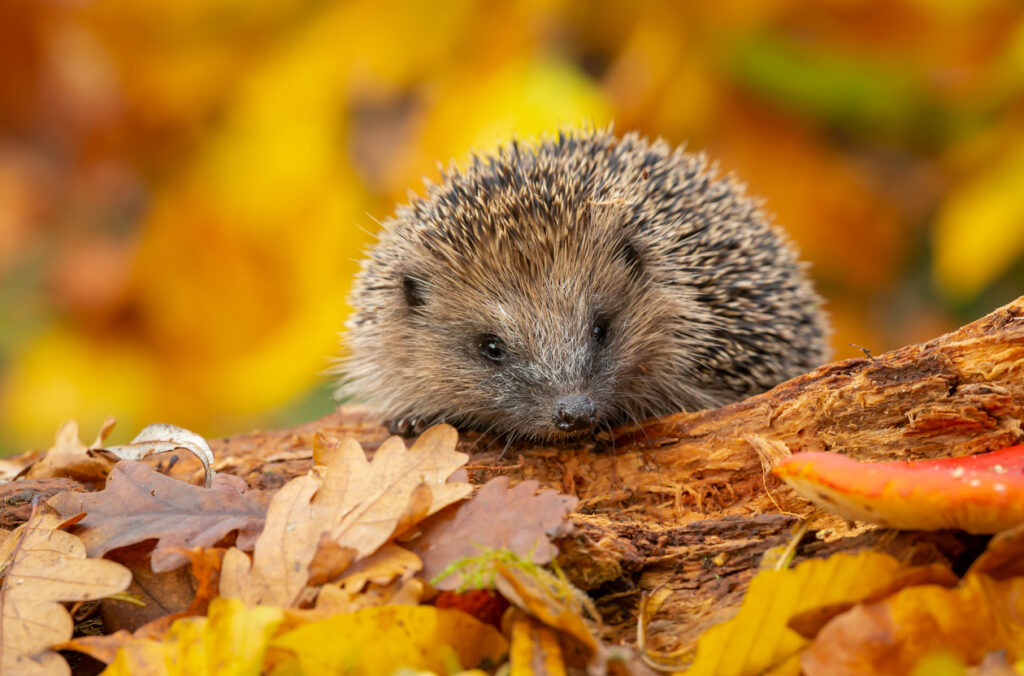
A single hedgehog can keep an average garden free of pests by munching through slugs, snails, beetles, caterpillars, and earwigs while you’re asleep. They’re often called the gardener’s friend because they hoover up everything you don’t want without touching your plants. Hedgehog numbers have crashed from 30 million in the 1950s to about one million now, so if you’ve got one, you’re lucky.
2. Slow worms control your slug and pest population.
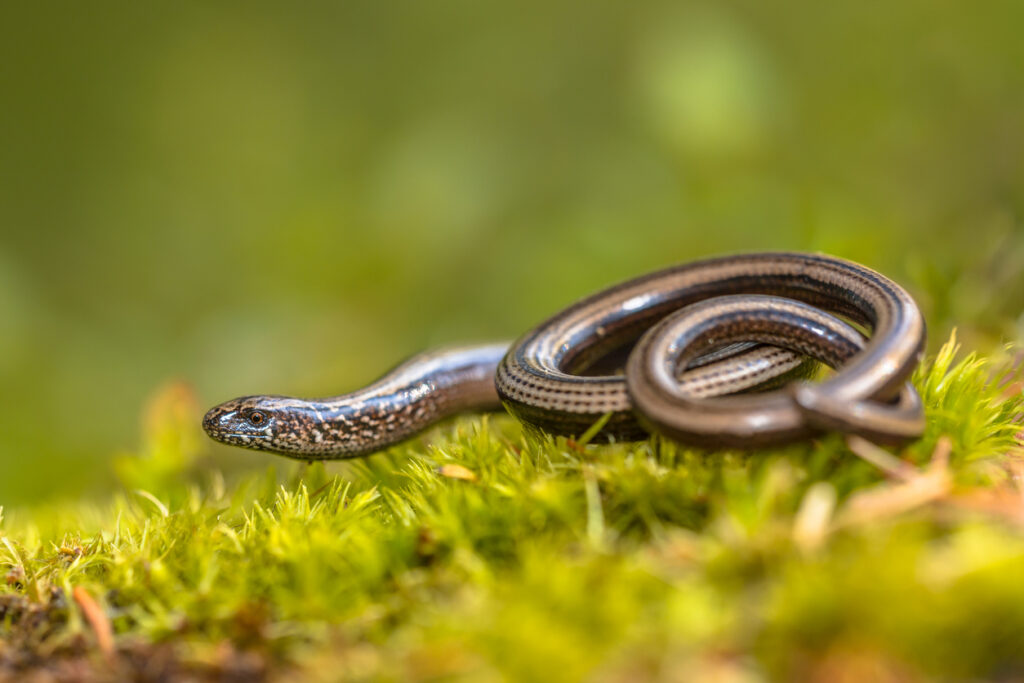
Despite looking like snakes, slow worms are actually legless lizards and they’re completely harmless. They’re brilliant at keeping pest populations down, feeding on slugs, snails, spiders and various insects. You’ll often find them hiding in compost heaps or under old sheets of corrugated iron, quietly doing pest control work without you even knowing they’re there.
3. Bats can eat 3,000 insects in one night.

The common pipistrelle bat, which is the species you’re most likely to see in UK gardens, can consume over 3,000 insects in a single night. That includes midges, mosquitoes, moths, and other flying pests. They’re fussy about where they roost, but if you’ve got bats visiting your garden, they’re providing free pest control while you’re having a cup of tea indoors.
4. Frogs and toads are natural slug killers.
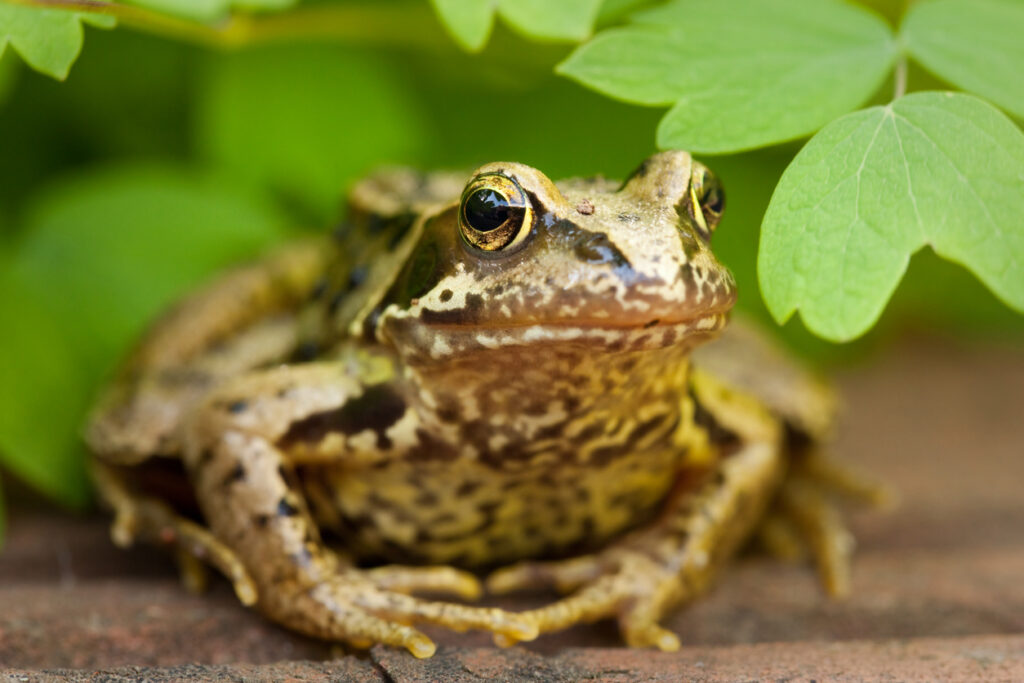
Both frogs and toads feast on slugs, snails, woodlice, beetles and various other garden pests. They’re particularly useful because they hunt at different times and in different areas of the garden. Toads prefer drier areas, while frogs stick closer to water, which means between them, they cover more ground. A pond in your garden will attract them, and they’ll repay you by keeping pest numbers down.
5. Ground beetles eat three times their body weight daily.

These dark beetles with sturdy legs might look intimidating, but they’re carnivorous and eat the eggs and larvae of growing insects, worms, snails, aphids, potato beetles, caterpillars and various mites. They can consume three times their body weight in food per day, which makes them incredibly efficient pest controllers. You’ll find them under leaves, brushwood, and piles of stones.
6. Ladybirds can eat 150 aphids a day.

An adult seven-spotted ladybird can munch through up to 150 aphids a day, and their larvae are even more insatiable. They also eat spider mites, scale insects and various beetle and sawfly larvae. If you’ve got ladybirds in your garden, your aphid problem is being handled naturally without you needing to reach for any chemicals.
7. Song thrushes are one of the few predators of snails.
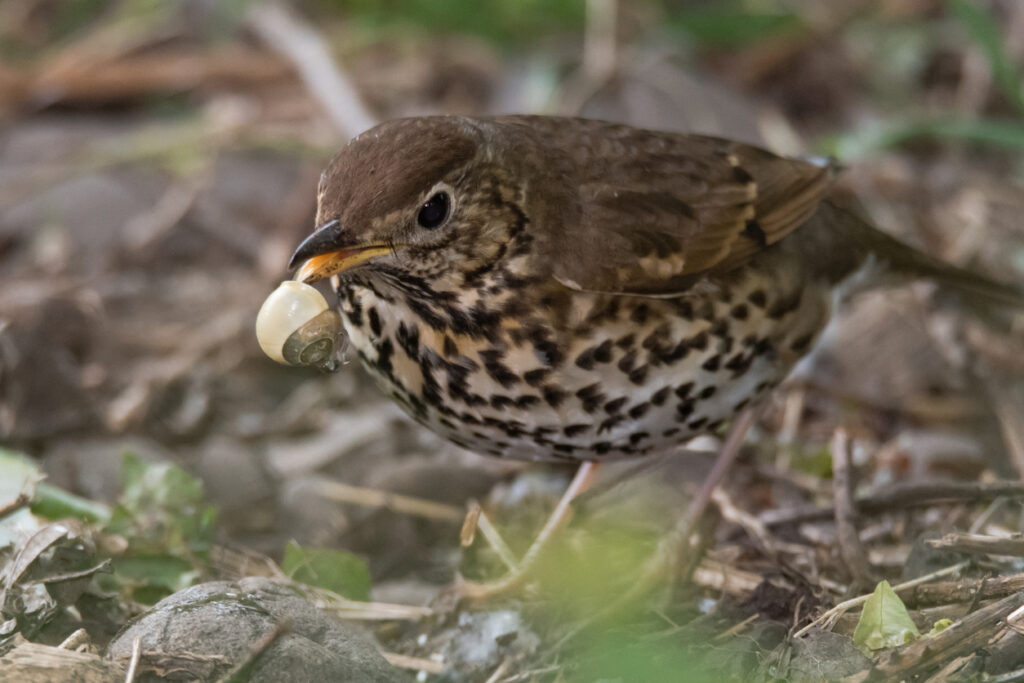
Song thrushes are brilliant at dealing with snails because they smash them against rocks to get at the soft bits inside. You’ll often find piles of broken snail shells where thrushes have been working. They’ll also eat insects, worms, and berries. Gardens with berry-producing shrubs and native plants are more likely to attract them, and they’ll reward you with natural pest control and beautiful birdsong.
8. Hoverflies are undercover aphid assassins.
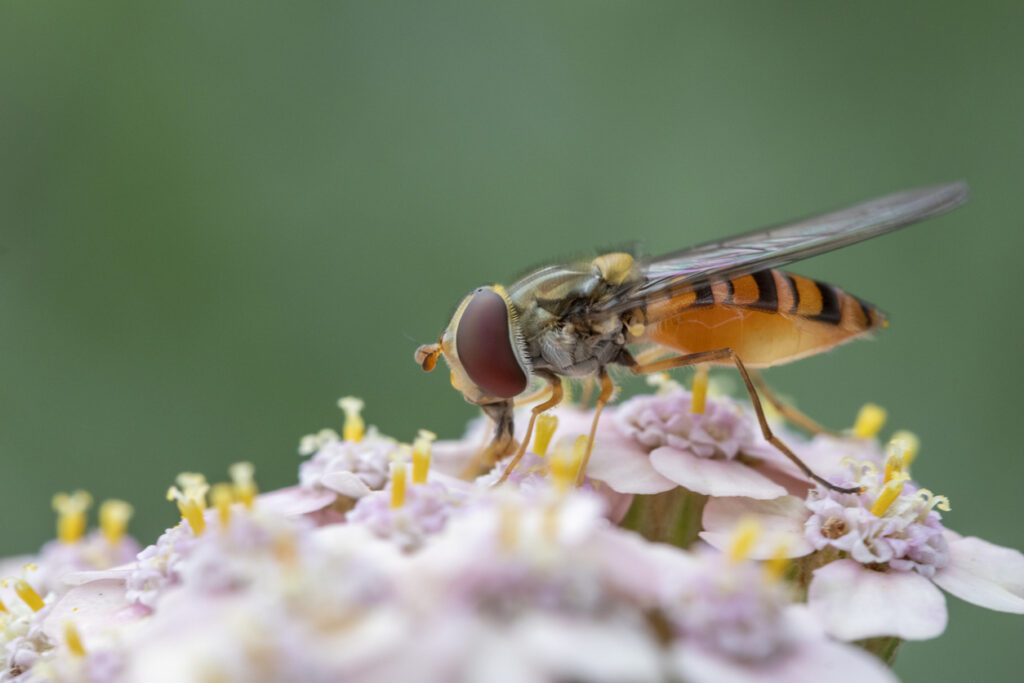
Adult hoverflies look a bit like wasps, but they’re harmless and feed on pollen and nectar, making them excellent pollinators. The real magic happens with their larvae, which are voracious aphid predators. A single hoverfly larva can eat hundreds of aphids during its development. If you grow marigolds, phacelia and poppies around your garden, you’ll attract more hoverflies.
9. Stag beetles indicate a healthy garden ecosystem.
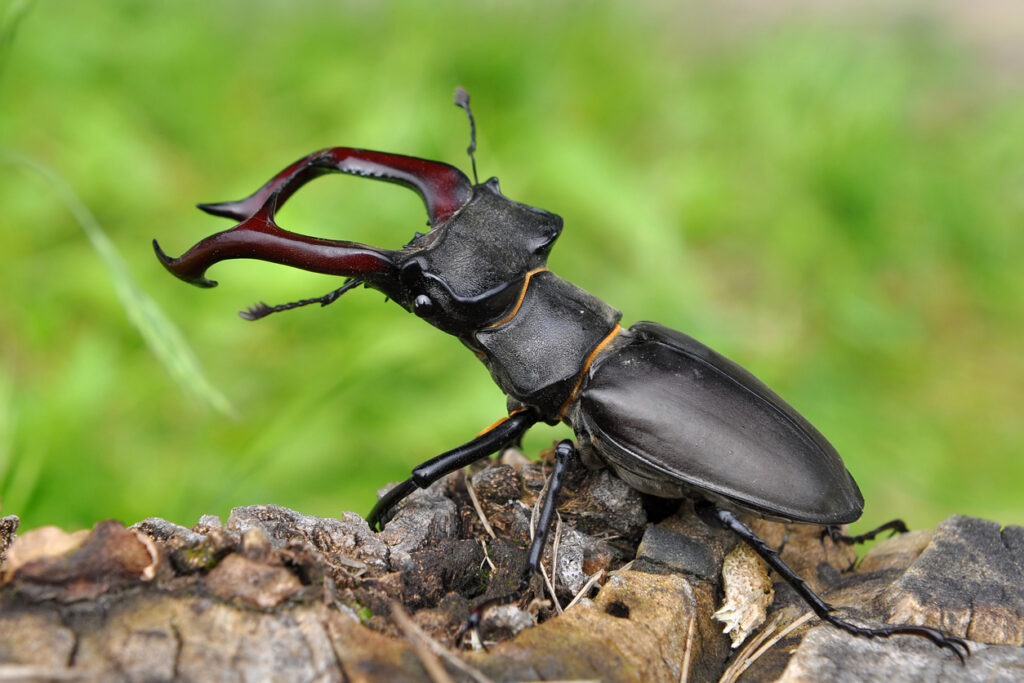
Stag beetles are Britain’s largest land beetle, and they’re increasingly rare, so spotting one means you’ve got a decent garden ecosystem going. The larvae live in rotting wood for several years, breaking it down and returning nutrients to the soil. If you’ve got dead wood or log piles in your garden, and you spot a stag beetle, you’re providing habitat for approximately 20% of Britain’s woodland insect fauna.
10. Red squirrels are now one of Britain’s rarest animals.
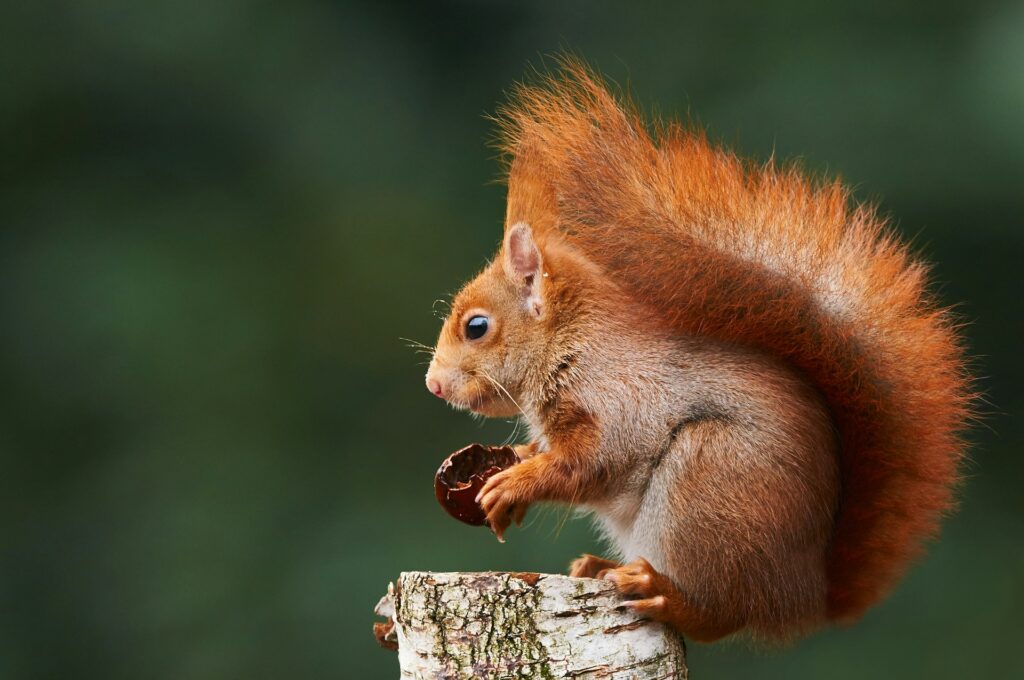
If you’re lucky enough to see a red squirrel in your garden, you’re in a very small minority. They were pushed to near-extinction when grey squirrels were introduced from America in the early 20th century, and now they’re mostly confined to the North of England and Scotland. Grey squirrels are common as muck, but a red squirrel sighting means you’re in one of the few remaining strongholds for this native species.