To be fair, the UK doesn’t look dangerous at a glance—we’ve got no real towering alpine peaks, and no vast wilderness where help is days away.
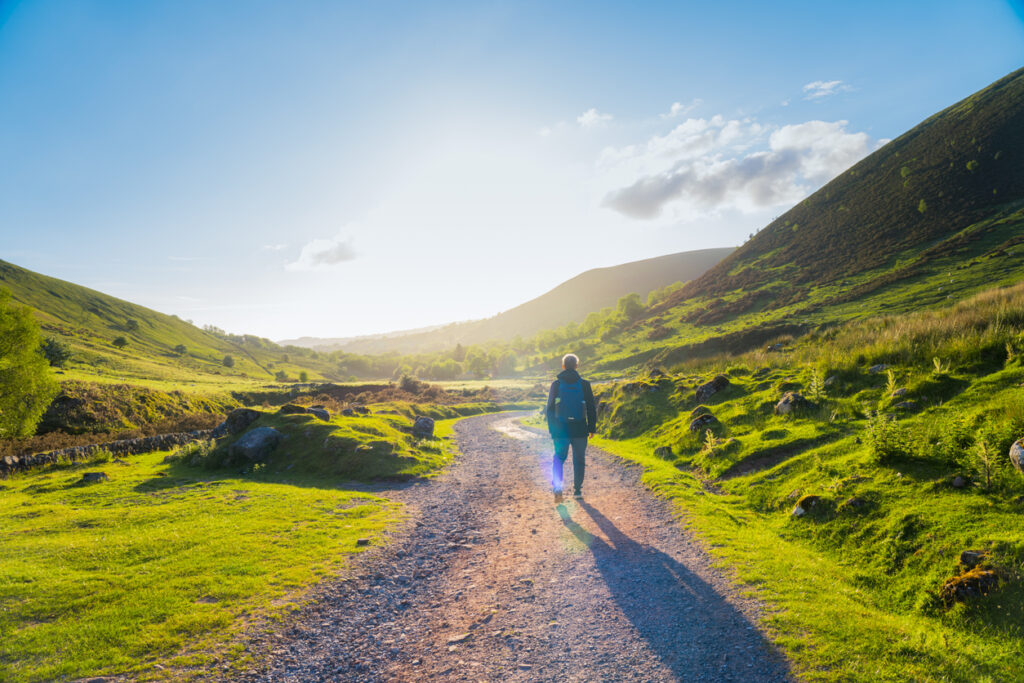
That’s exactly why people underestimate it. Every year, walkers get into serious trouble on routes that seem manageable on paper. Narrow paths, fast-changing weather, exposed ridges, and simple navigation mistakes turn familiar hills into genuinely lethal places. These are some of the UK’s most dangerous walking paths and mountain routes, not because they’re extreme by global standards, but because they punish complacency.
Striding Edge, Helvellyn
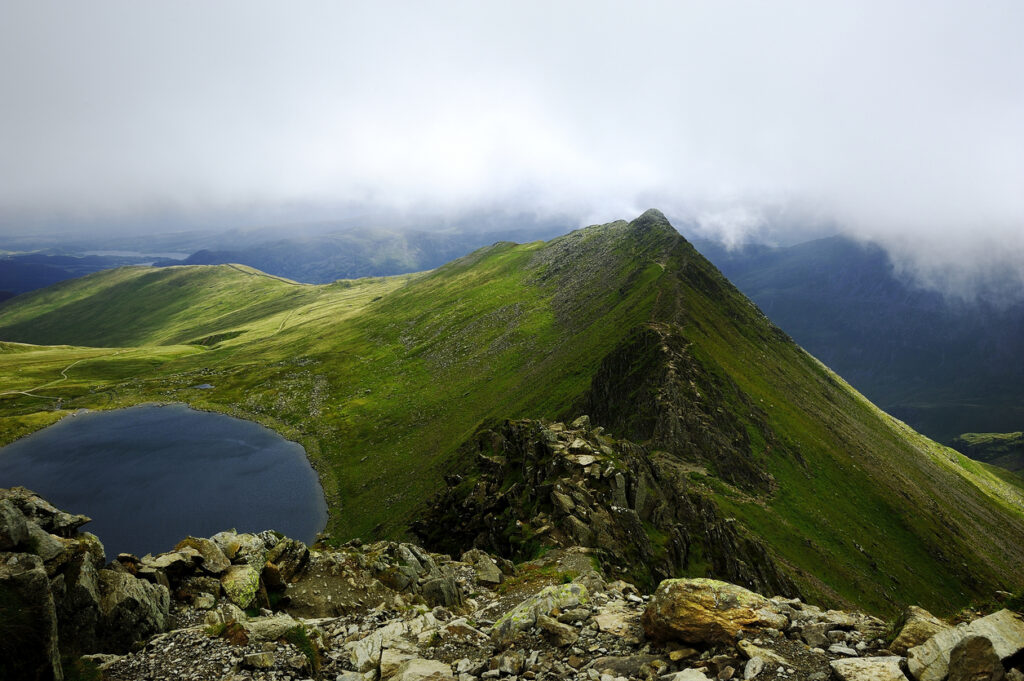
Striding Edge is probably Britain’s most infamous ridge walk. On a clear, calm day, it feels thrilling rather than terrifying. The trouble is how quickly conditions change. One slip on wet rock, frost, or snow can send someone tumbling hundreds of feet.
Mountain rescue teams are called here regularly, often for experienced walkers who misjudged the exposure or weather. In winter conditions, the ridge becomes especially dangerous, with cornices forming and ice turning minor mistakes into fatal ones. Its popularity also increases risk, as congestion can force people into awkward footing.
Crib Goch, Snowdon

Crib Goch is a knife-edge ridge that looks dramatic because it is. There’s no margin for error along large sections, and exposure is constant. Even confident walkers can freeze when confronted with the reality of the drop on either side.
Many accidents here involve people who didn’t realise what they were signing up for. Poor visibility makes navigation difficult, and strong winds can knock people off balance. Once panic sets in, safe movement becomes much harder, increasing the risk of a fall.
Tryfan’s North Ridge

Tryfan’s North Ridge doesn’t have a single marked path. Instead, it’s a continuous scramble where route-finding is part of the challenge. That freedom is exactly what catches people out.
In mist or rain, it’s easy to stray onto ground far steeper than intended. Many serious incidents happen when walkers descend the wrong way, ending up on unstable rock faces. The mountain has claimed lives across all experience levels.
Ben Nevis via the Carn Mòr Dearg arête

This route offers one of the finest views in Scotland and one of the most exposed approaches to the UK’s highest mountain. The arête itself is narrow, rocky, and unforgiving in bad weather, and that’s a recipe for potential disaster.
The bigger danger often comes later. Many walkers underestimate the descent from Ben Nevis, especially in poor visibility. Navigation errors are common, leading people onto cliffs or into dangerous ground, particularly outside summer conditions.
Sharp Edge, Blencathra
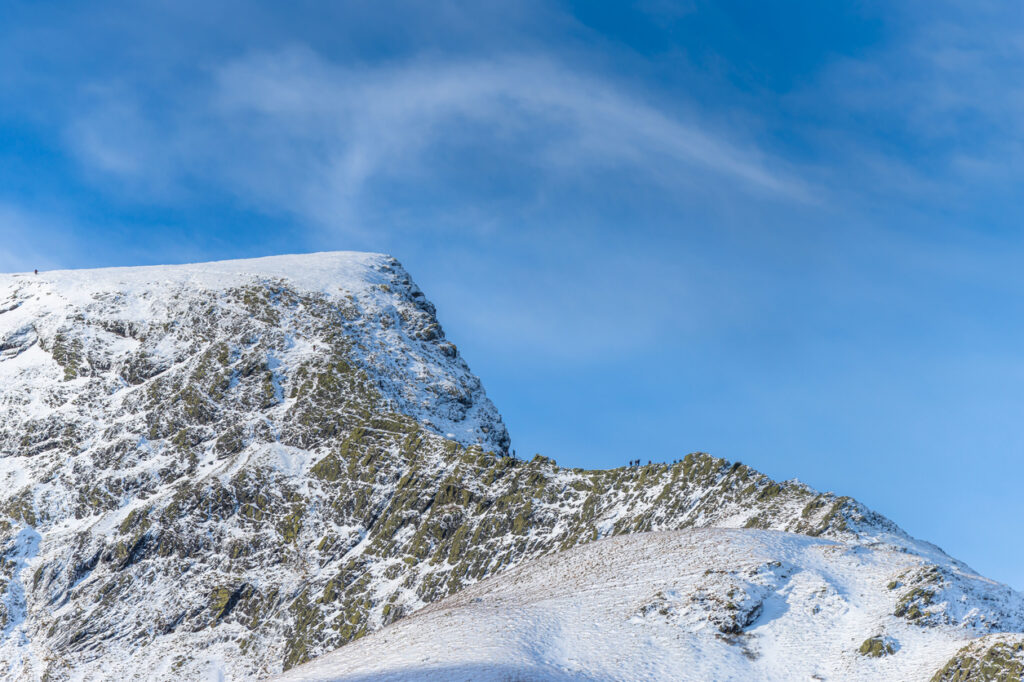
Sharp Edge is shorter than some other ridges but is often considered more dangerous. The crest narrows to a blade of rock, with steep drops on both sides. Needless to say, this poses some pretty serious fall risks, all of which would inevitably be fatal.
Wet stone, algae, or ice make it treacherous. Several fatalities have occurred when walkers slipped or lost balance. Despite its reputation, people still arrive underprepared, assuming it’s just another Lake District path.
The Cuillin Ridge, Skye
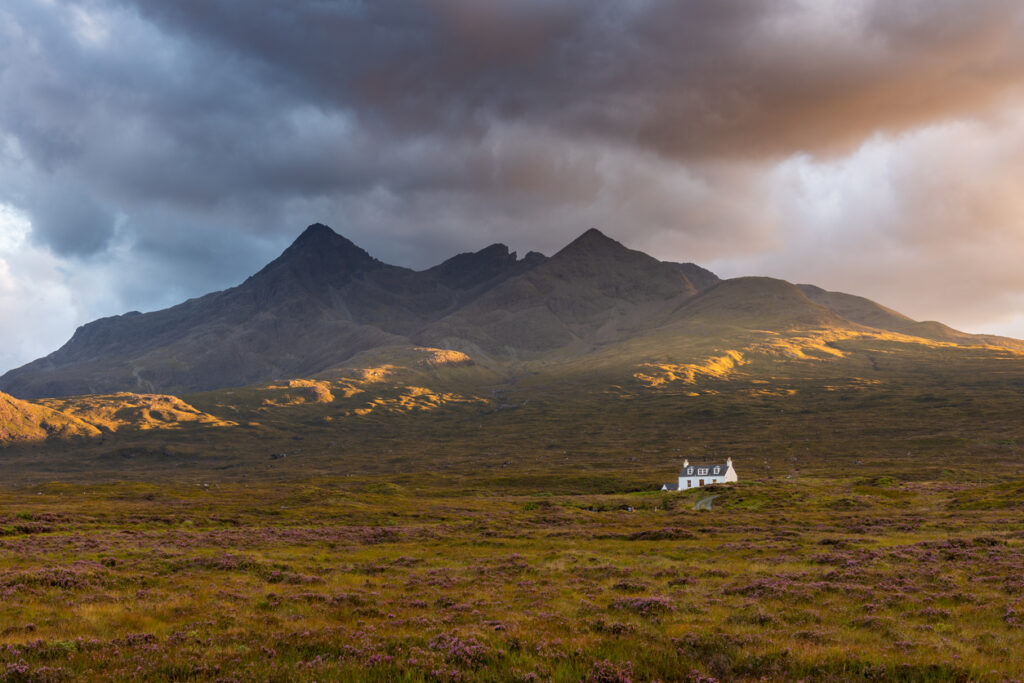
The Cuillin Ridge is in a category of its own. This isn’t a walk, but a sustained mountaineering challenge involving scrambling, climbing, and complex navigation. People underestimate the difficult terrain, and that could prove deadly.
Deaths here often involve experienced climbers, not casual walkers. Loose rock, sudden storms, and exhaustion contribute to accidents. Its remoteness means rescue can take hours, turning injuries that might be manageable elsewhere into serious emergencies.
Glyder Fach via Bristly Ridge
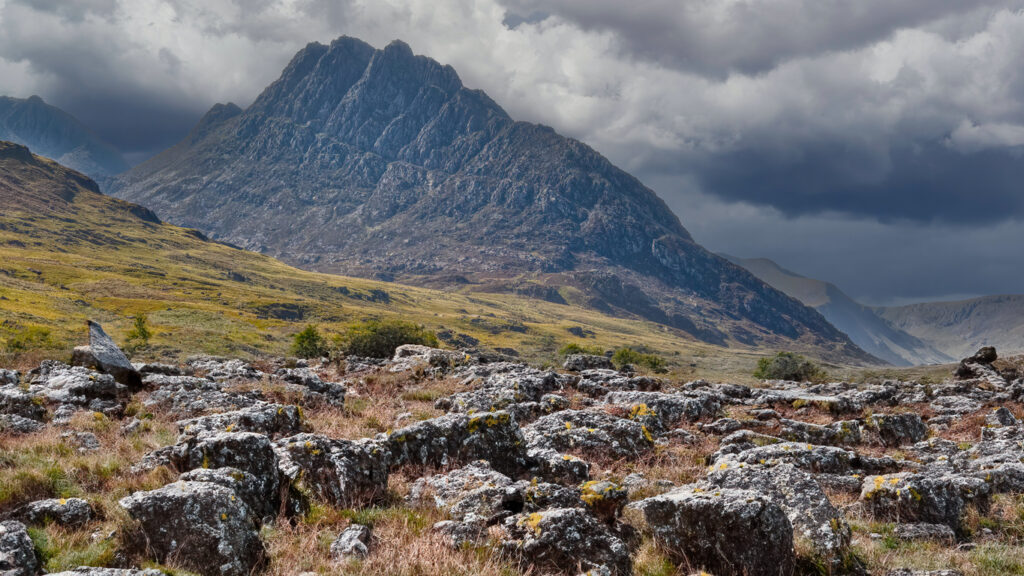
Bristly Ridge combines steep scrambling with exposure and loose rock. It’s popular, which increases the risk of rockfall caused by people above. Many incidents happen on the descent, when tired legs and fading concentration lead to slips. In poor weather, route-finding becomes extremely difficult, even for people who are comfortable scrambling.
Scafell Pike via Lord’s Rake
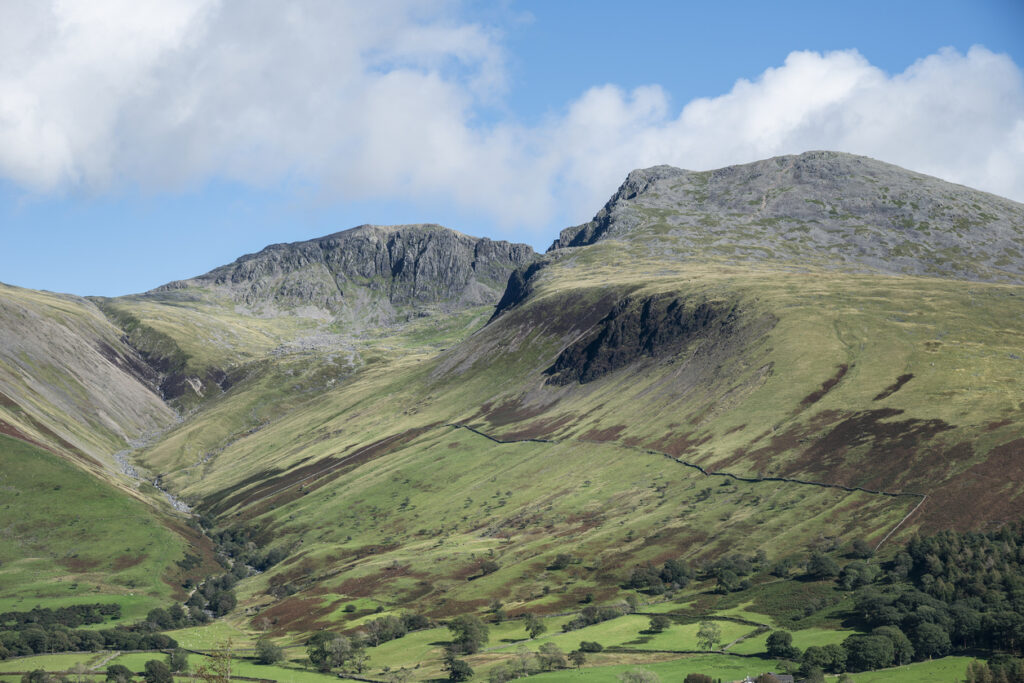
Lord’s Rake looks like a shortcut on maps, but it’s anything but. It’s a steep, unstable gully where conditions change constantly. Rockfall is common, and injuries can be severe. Several deaths have occurred when people lost footing or were struck by falling stones. Despite repeated warnings, walkers still attempt it without understanding the risk.
Kinder Scout plateau
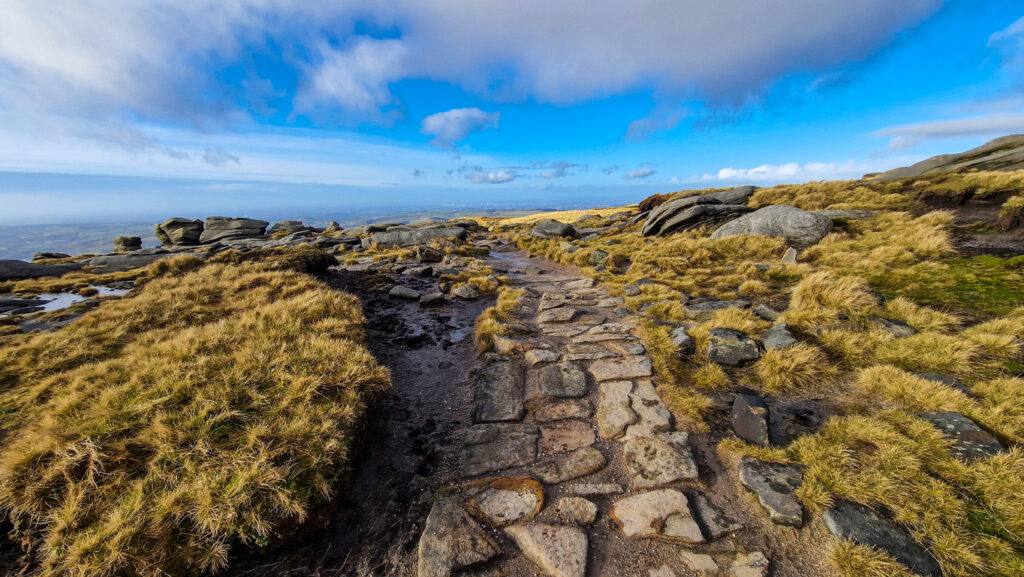
Kinder Scout doesn’t look dramatic, which is exactly why it’s dangerous. The plateau is vast, boggy, and deeply confusing in poor visibility. People get lost here regularly, even in summer. In winter, wind chill, exposure, and navigation errors can become life-threatening quickly. Rescue teams often deal with hypothermia cases rather than falls.
Coastal paths with unstable cliffs
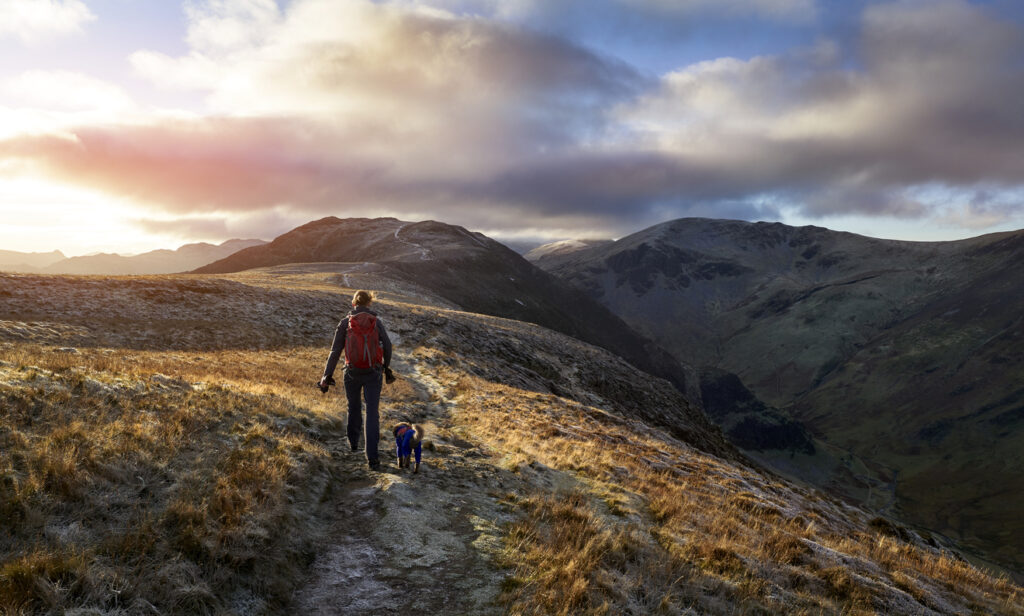
Some of Britain’s deadliest walking routes aren’t in the mountains at all. Coastal paths, particularly in parts of the South West, run close to cliffs that are constantly eroding. Edges collapse without warning, especially after heavy rain or storms. Walkers who stray too close, stop for photos, or walk at night are at real risk. These accidents are sudden, unforgiving, and often fatal.