While we’re used to seeing dinosaurs as either museum pieces or CGI monsters in a film, the reality of having them wandering about our modern world would be a total catastrophe.
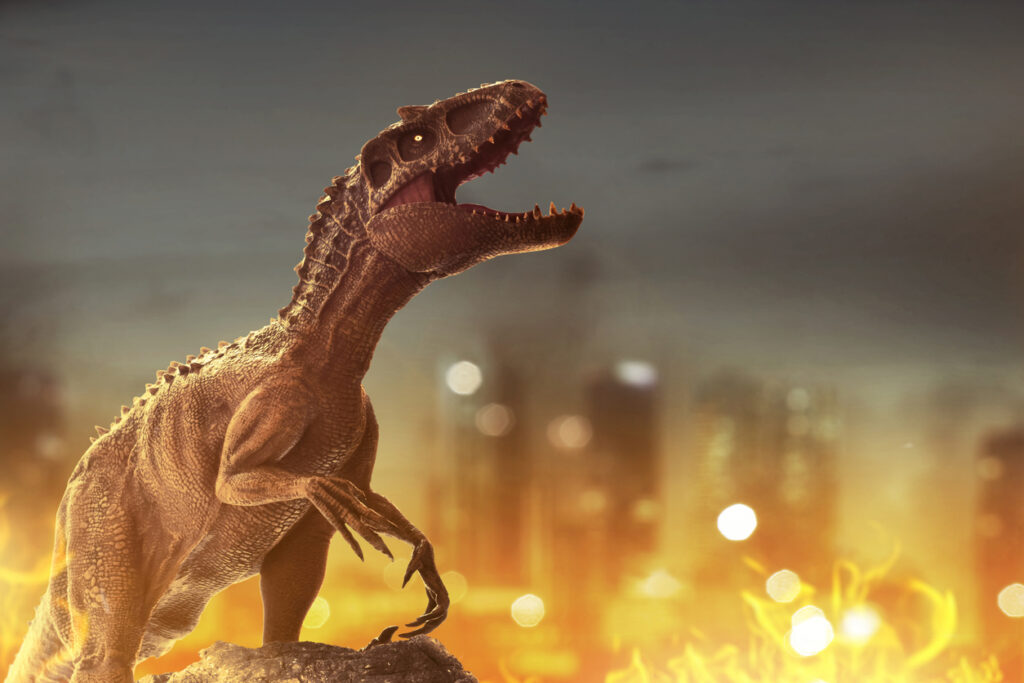
You might think it’d be a bit of a laugh to see a Diplodocus in the local park, but the practicalities of sharing a planet with creatures that evolved for a completely different version of Earth would be a proper mess. We’re not just talking about the obvious danger of being eaten; it’s the sheer scale of their biology that would wreck our infrastructure and our daily lives.
From the massive amount of waste they’d leave behind to the noise and the destruction of anything we’ve built, their natural habits would turn our orderly towns into a disaster zone in no time. These traits show that while dinosaurs are fascinating from a distance, their actual physical presence would make life as we know it an absolute nightmare.
1. Growth rates that turn babies into problems almost overnight
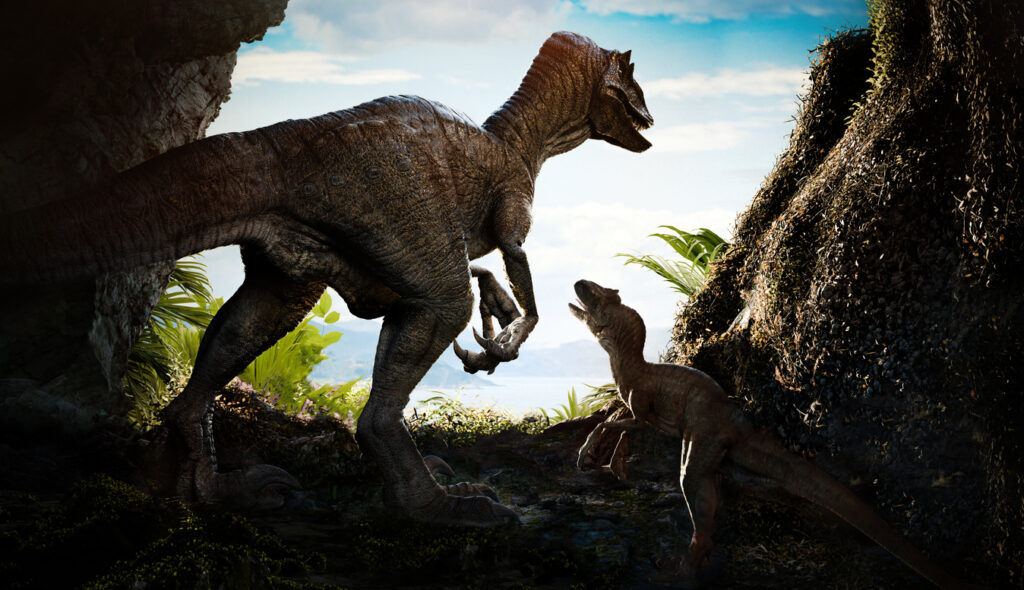
Many dinosaurs didn’t grow slowly, the way most large animals today do. Fossil evidence suggests some species went from hatchling to multi-tonne animal in just a few years. That kind of growth made sense in ecosystems packed with predators and competition, where getting big fast meant survival. In the modern world, that would be a logistical nightmare. Imagine an animal that starts out manageable and then doubles in size every few months, outgrowing enclosures, habitats, and safety plans before anyone can adapt. Zoos, wildlife services, and emergency systems would be permanently behind the curve.
2. Bite forces that infrastructure simply wasn’t built for
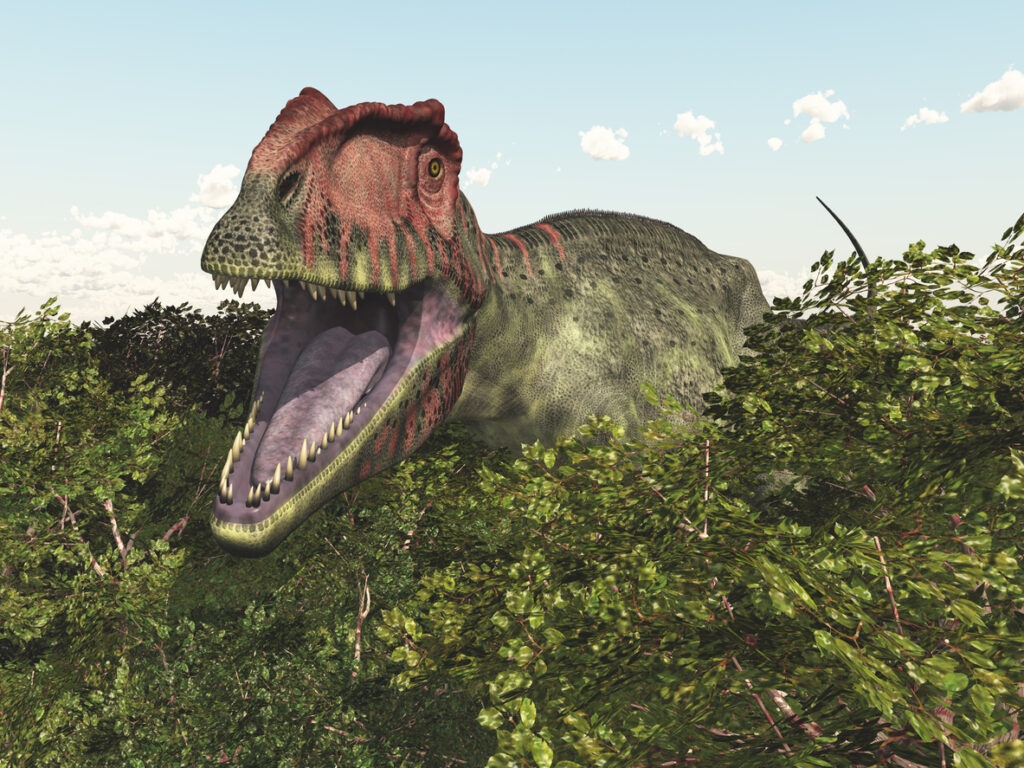
Some large predatory dinosaurs had bite forces strong enough to crush bone with ease. Not just prey bones, but thick, load-bearing structures. Their jaws weren’t just weapons, they were industrial tools by today’s standards. Modern buildings, vehicles, fences, and barriers are designed around known animals. Introduce a creature that can punch through reinforced concrete with its mouth, and suddenly the idea of containment stops meaning much at all.
3. Sensory systems tuned to notice everything
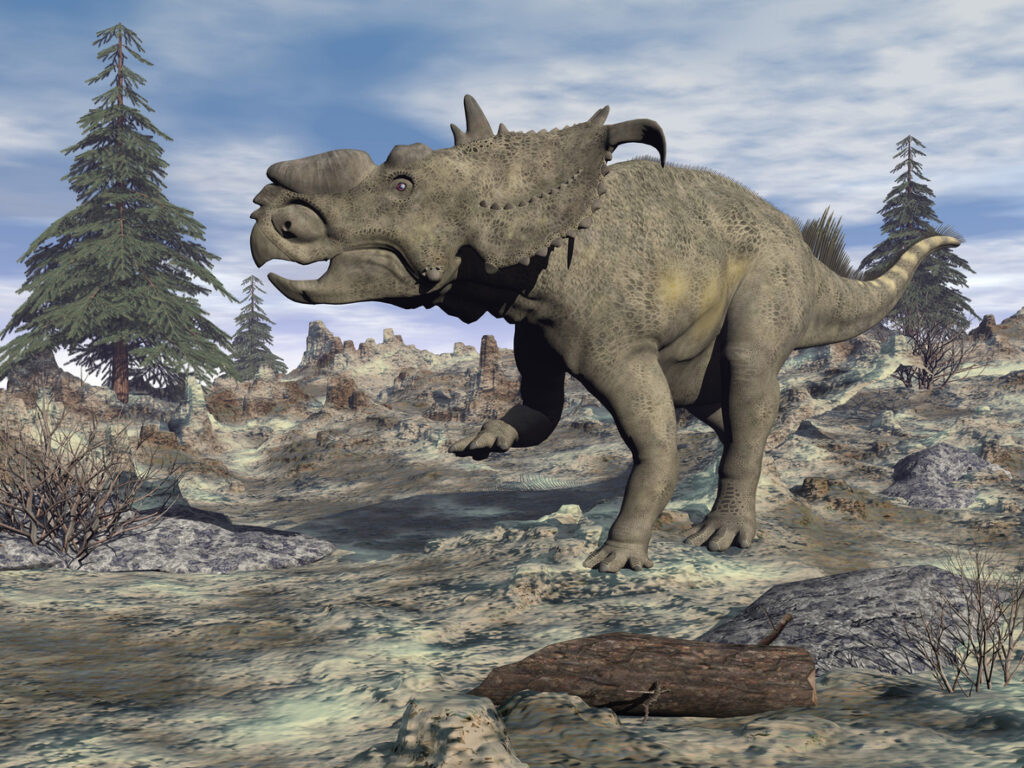
Many dinosaurs likely had extremely sharp vision and hearing, far beyond what humans or most modern animals rely on. Spotting movement at long distances was essential in open prehistoric landscapes. In a world full of constant motion, traffic, screens, flashing lights, and noise, that level of sensory input could make dinosaurs dangerously reactive. Every car, drone, or sudden movement could trigger a response that humans wouldn’t even notice coming.
4. Territorial instincts on a prehistoric scale
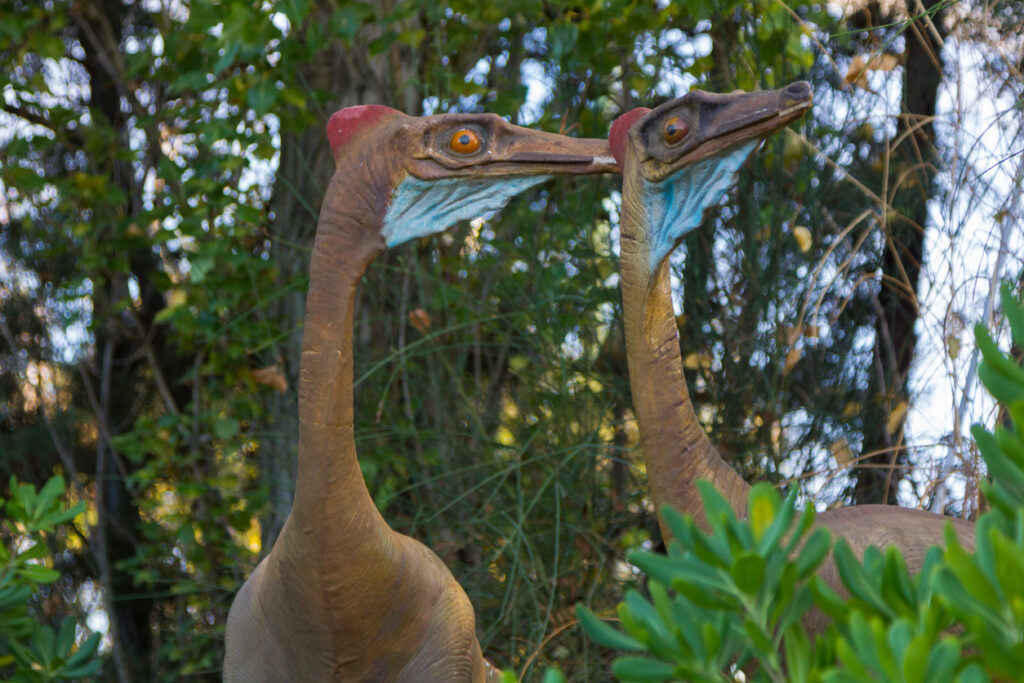
Large dinosaurs didn’t defend small patches of land. Their territories likely stretched for miles, shaped by migration routes, food availability, and breeding needs. Modern cities, farmland, and national borders would mean nothing to an animal wired to claim huge areas. Conflict wouldn’t be occasional. It would be constant, especially where human activity overlaps with what the dinosaur sees as its ground.
5. Reproductive strategies that overwhelm ecosystems
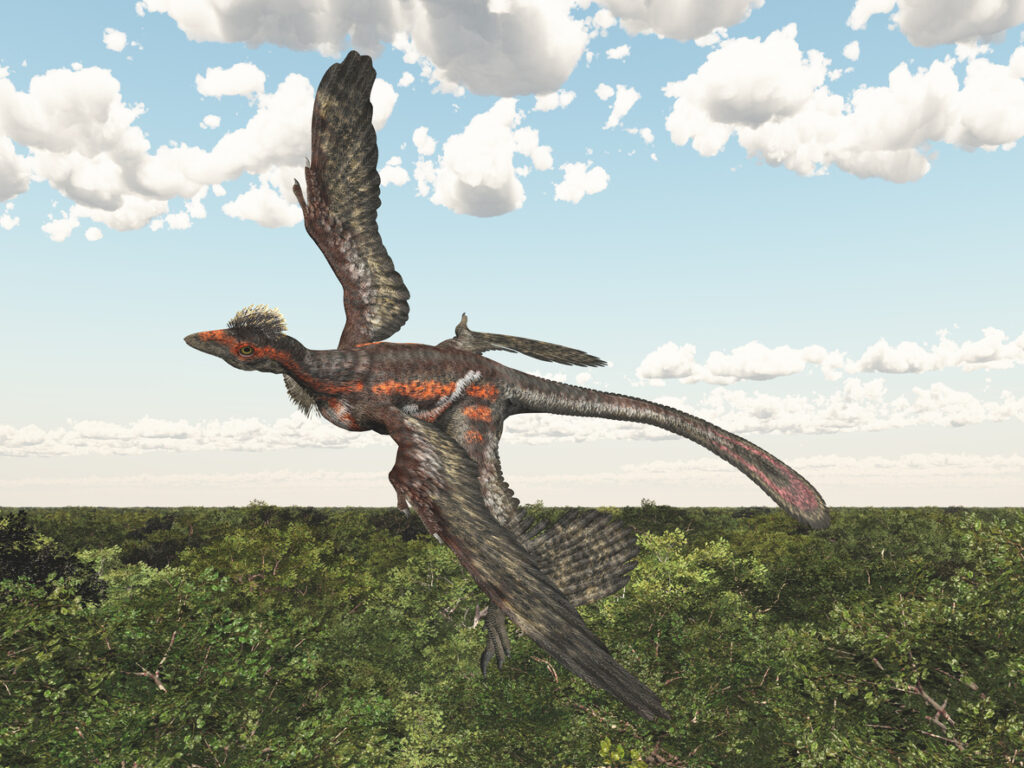
Many dinosaurs laid large clutches of eggs, sometimes dozens at a time. High numbers helped offset predation and environmental risks. In today’s world, where natural predators are limited and ecosystems are already strained, even a small breeding population could explode fast. Controlling numbers wouldn’t be about conservation anymore. It would be about preventing ecological collapse.
6. Body sizes that break modern transport systems

Some dinosaurs weighed more than fully loaded articulated lorries and stretched longer than city buses. Their mass wasn’t just impressive, it shaped how they moved through their environment. Modern roads, bridges, railways, and tunnels aren’t built for living creatures of that scale. One animal crossing the wrong place at the wrong time could shut down entire transport networks or cause structural failures no one planned for.
7. Defensive armour that makes intervention impossible
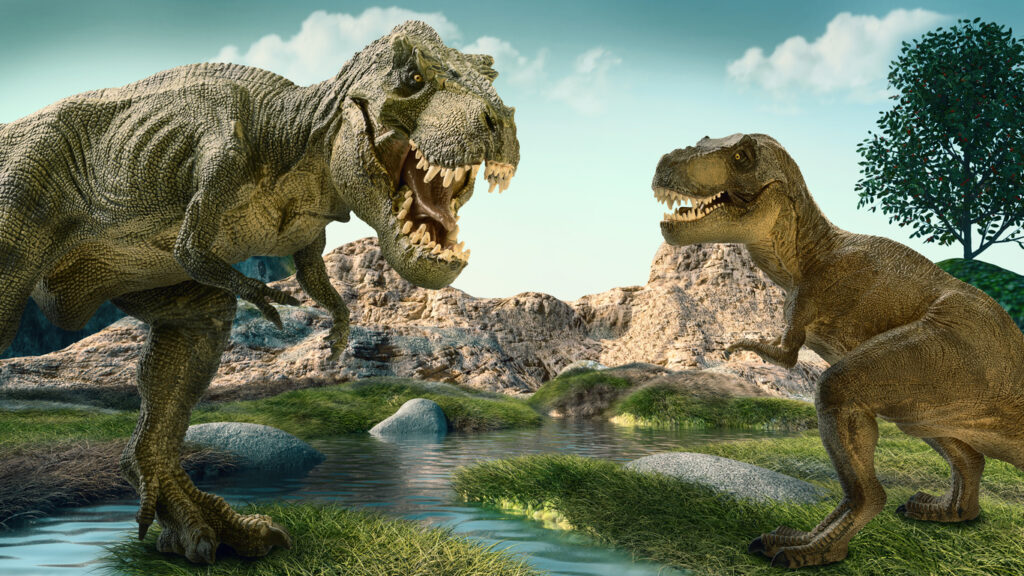
Armoured dinosaurs evolved thick bony plates, spikes, and tail clubs that could shatter bone. Predators learned quickly to keep their distance. Modern tranquilliser methods, crowd control tools, or even heavy machinery would struggle against that kind of defence. Once an armoured dinosaur decided to stand its ground, there would be very little humans could do without causing massive collateral damage.
8. Metabolism levels that demand constant feeding

Growing fast and staying massive requires fuel. Many dinosaurs likely needed enormous amounts of food every single day, especially during growth phases. That sort of demand would put immediate pressure on farmland, livestock, and wild populations. A single large dinosaur could wipe out local food sources in days, forcing it closer to towns and cities out of necessity, not aggression.
9. Migration habits that ignore human planning
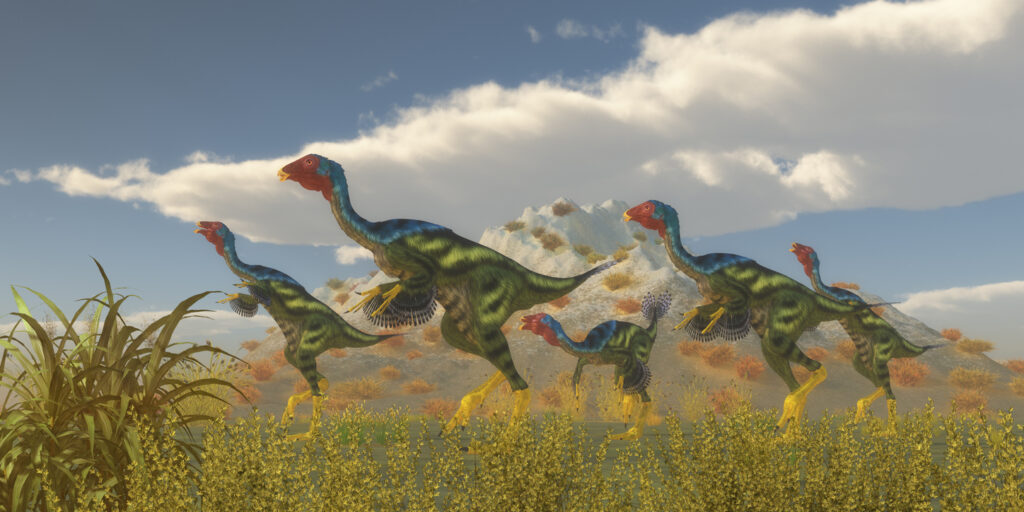
Some dinosaurs probably migrated seasonally, following food and climate patterns across huge distances. Modern landscapes are chopped up by motorways, fences, cities, and private land. A migrating dinosaur wouldn’t detour politely. It would go straight through, bringing regular, predictable destruction every year along the same routes.
10. Intelligence paired with no fear of humans
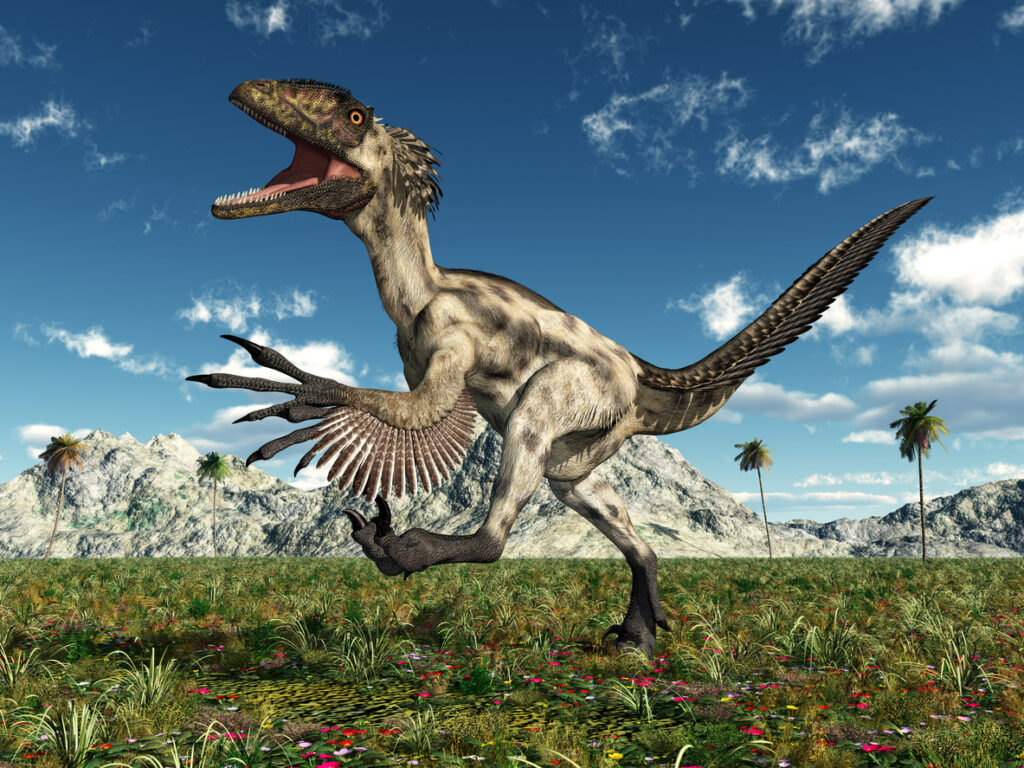
Evidence increasingly suggests many dinosaurs weren’t simple or sluggish thinkers. Some showed problem-solving ability, social behaviour, and learning capacity. Combine that with zero evolutionary reason to fear humans and you have a dangerous mix. An intelligent animal that doesn’t see people as a threat will test boundaries repeatedly, learning which obstacles matter and which don’t.
11. Vocalisations powerful enough to cause damage

Large dinosaurs likely produced deep, low-frequency sounds that travelled long distances. These weren’t just calls, they were tools for communication and dominance. Low-frequency sound can travel through buildings and ground. In modern environments, repeated exposure could damage structures, disrupt electronics, and cause stress or harm to humans long before the animal itself came into view.
12. Disease and parasite profiles humans aren’t prepared for
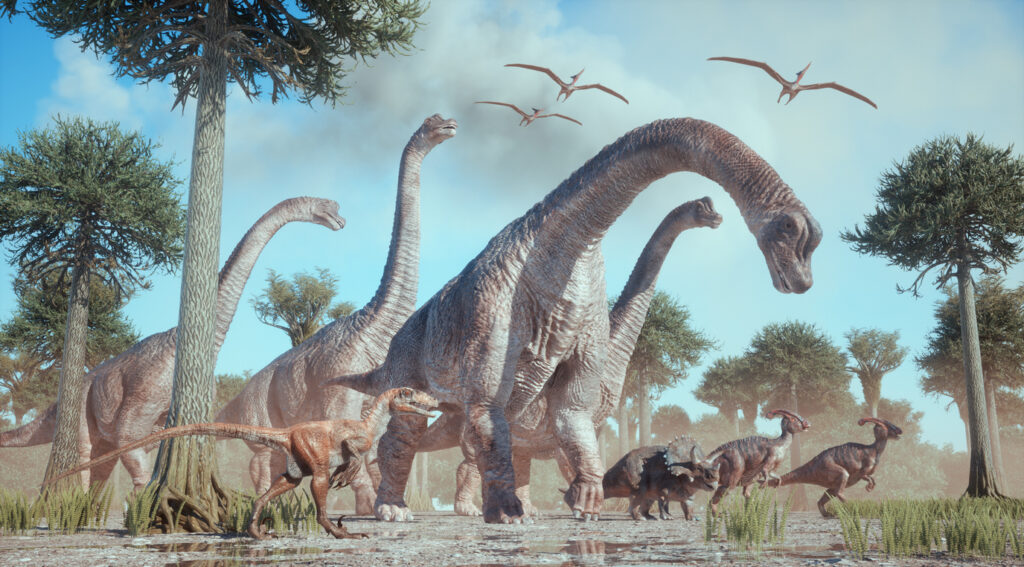
Dinosaurs lived in microbial worlds completely different from ours. Their parasites, bacteria, and immune responses evolved along separate paths. Introducing animals like that today wouldn’t just raise safety issues from teeth and claws. It would raise serious biosecurity risks, with unknown pathogens jumping between species in ways modern medicine might struggle to control.
13. Having no natural off switch when things go wrong

Modern wildlife management relies on relocation, deterrents, and controlled environments. Dinosaurs evolved without those pressures. If a dinosaur entered a city, there wouldn’t be an easy way to de-escalate the situation. No fences tall enough, no safe retreat paths, no established protocols. Once things spiralled, they’d keep spiralling until something broke.
Dinosaurs worked because the world they lived in worked for them. Drop those same traits into today’s tightly packed, fragile systems, and they stop being awe-inspiring and start being catastrophic. The nightmare isn’t that dinosaurs were monsters. It’s that they were perfectly built for a planet that no longer exists.