
Plants have their own survival strategies that have worked for millions of years, but gardeners constantly interfere trying to make them conform to human ideas of what looks good. These natural behaviours frustrate gardeners, but they’re actually plants doing exactly what they’re supposed to do.
1. Going to seed instead of producing more flowers
Plants exist to reproduce, not to look pretty for your garden, so once they’ve flowered, they immediately focus energy on making seeds. Gardeners deadhead constantly trying to force more blooms, but the plant’s job is done once it’s set seed, and it wants to put resources into those seeds rather than wasting energy on more flowers. The conflict is a result of gardeners wanting continuous flowering while plants want to complete their lifecycle and reproduce. Annual plants especially will die once they’ve successfully made seeds because that’s literally their entire purpose achieved.
2. Spreading through runners and taking over space
Mint, strawberries, and loads of other plants send out runners to colonise new territory, which is a brilliant survival strategy but drives gardeners mad. The plant is trying to spread and ensure its survival by occupying as much space as possible, but gardeners want it to stay in one designated spot. This results in constant warfare where you’re cutting back runners while the plant keeps sending out more because that’s what it’s programmed to do. Plants that spread aggressively are just being really successful at what evolution designed them for.
3. Growing toward light even when it makes them lopsided

Plants bend and stretch toward the strongest light source, creating lopsided growth that looks wonky but makes perfect sense from the plant’s perspective. Gardeners keep rotating pots and staking plants to force symmetrical growth, but the plant just wants maximum light for photosynthesis regardless of aesthetics. This phototropic response is fundamental to plant survival, and they’ll keep doing it, no matter how often you turn them around. The plant doesn’t care if it looks balanced, it cares about getting enough light to make food.
4. Dropping leaves when stressed instead of pushing through
When conditions aren’t ideal, plants drop leaves to conserve resources and survive, which gardeners interpret as the plant dying or being difficult. This is actually a smart survival strategy where the plant sacrifices parts to save the whole, but gardeners panic and often make things worse by overwatering or overfertilising. The plant is doing exactly what it should by cutting its losses, but humans want it to maintain perfect foliage regardless of environmental stress. Sometimes the best thing is letting the plant do its thing rather than trying to force it to look perfect.
5. Producing flowers at specific times rather than constantly
Most plants flower in response to day length, temperature, or seasonal cues, but gardeners want them blooming on command regardless of natural cycles. The plant’s flowering is triggered by environmental signals that tell it when conditions are right for reproduction, and you can’t just override that without consequence. Forcing plants to bloom outside their natural season through artificial manipulation stresses them and often results in weaker plants. They’re following millions of years of evolution about when flowering is most successful, not your schedule.
6. Self-pruning by dropping lower branches

Trees naturally shed lower branches that aren’t getting enough light because they’re not worth the energy to maintain, which is efficient resource management. Gardeners often freak out about dying branches and try to save them, but the tree has already decided those branches are unproductive and is redirecting resources upward. This self-pruning creates the classic tree shape with clear trunk and canopy, but humans want to intervene rather than letting the plant allocate resources intelligently. The tree knows better than you do which branches are worth keeping.
7. Growing roots that crack paving and foundations
Roots grow toward water and nutrients wherever they exist, including under paths, driveways, and buildings because the plant is just trying to survive. Gardeners and homeowners view this as destructive behaviour, but roots have no concept of property damage, they’re following water and minerals. The plant is doing what it needs to do to anchor itself and find resources, and human construction happening to be in the way isn’t something it considers. Trying to control root growth is fighting against one of the plant’s most basic survival mechanisms.
8. Competing with neighbouring plants for resources
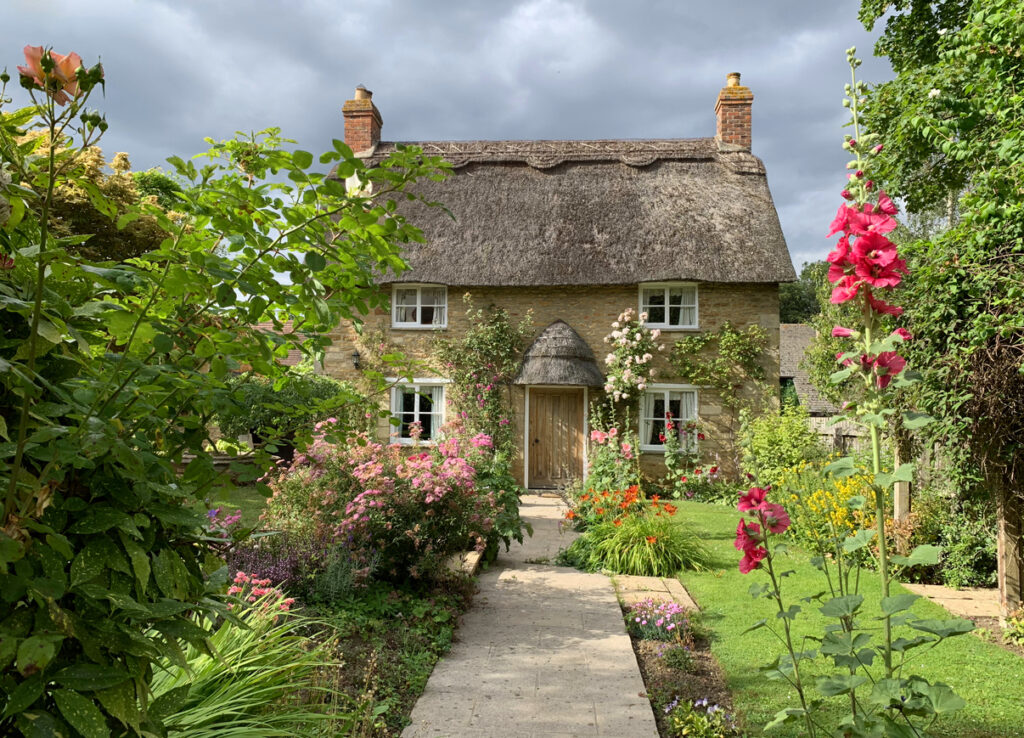
Plants naturally grow taller, spread wider, and put out more roots to outcompete neighbours for light, water, and nutrients. Gardeners try to maintain peaceful mixed borders where everything plays nice together, but plants are actively trying to dominate space at each other’s expense. This competition is why some plants fail in gardens, they’re being outcompeted by more aggressive neighbours, and no amount of care fixes that. The plants aren’t being difficult, they’re being successful, and the weak ones die because that’s natural selection.
9. Producing chemicals that inhibit other plants growing nearby
Some plants release allelopathic chemicals from their roots or leaves that prevent other species germinating or growing near them, which is a brilliant competitive strategy. Gardeners trying to grow diverse borders fight against this chemical warfare, while the plant is just protecting its territory from competition. Black walnut trees are famous for this, killing loads of plants that gardeners try to grow underneath them. The plant evolved this strategy to reduce competition, and your garden design preferences don’t override that chemical defence system.
10. Reseeding themselves in completely wrong locations
Plants drop seeds wherever wind, animals, or gravity takes them, resulting in seedlings popping up in paths, between paving stones, and everywhere except where you want them. The plant’s strategy is to scatter seeds widely and let some succeed, rather than putting all seeds in one perfect spot. Gardeners spend ages pulling out “volunteers” in the wrong places, but the plant is just maximising its chances of offspring surviving somewhere. From the plant’s perspective, those pavement cracks might be brilliant microclimates, even if they’re inconvenient for humans.