Most of us think of the garden shed as a handy place to shove the lawnmower and those half-empty tins of paint we’ll never use again.
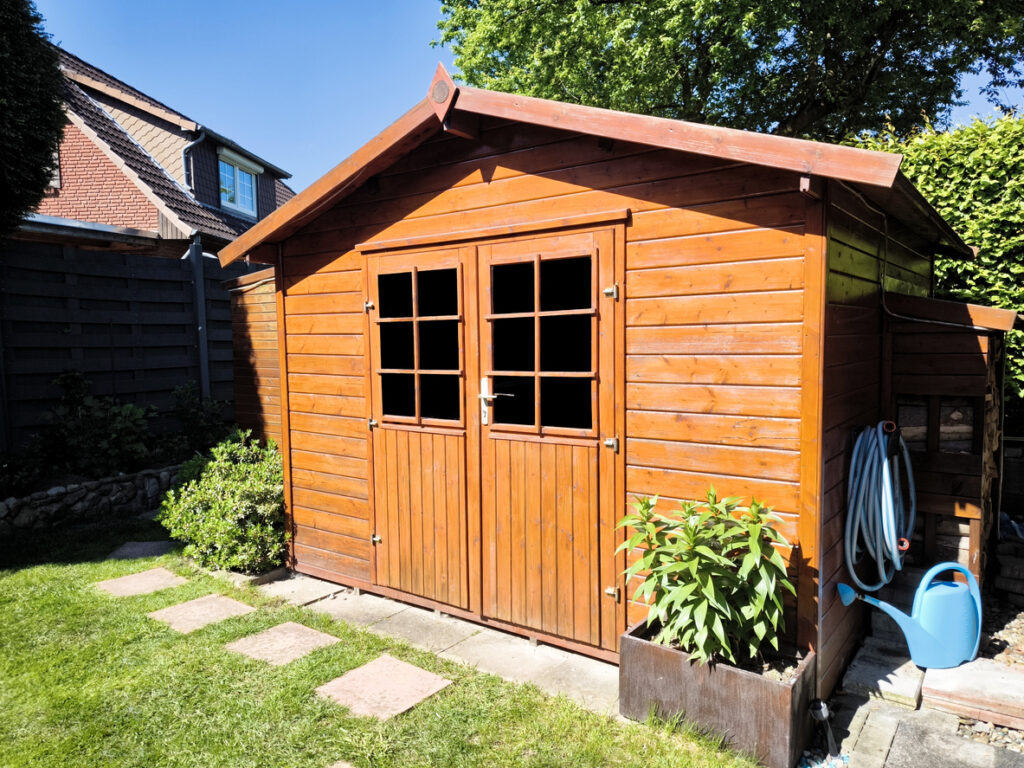
It’s the ultimate dumping ground for anything that doesn’t quite fit in the house, but there’s a limit to how much you can actually transform that wooden box at the bottom of the garden. You might have grand plans for a DIY pub or a little side-hustle studio, but the local council has a very specific set of ideas about what’s allowed before you start treading on the toes of the law.
The reality is that once you move past basic storage or a simple potting bench, you’re entering a bit of a legal minefield. From the “no beds in sheds” rule to the unexpected restrictions on running a full-blown business with regular customers, it’s easy to accidentally fall foul of planning permission or building regs. Before you go spending a fortune on insulation and fancy lighting, it’s worth checking which 10 common uses could land you with a very unneighbourly enforcement notice and a hefty bill to put things back how they were.
1. You can’t live in your shed permanently.
Using a shed as your main home is illegal in the UK without planning permission and building regulations approval. Sheds are classified as outbuildings for storage or leisure use only, not residential accommodation. Councils across the country have been cracking down on what they call “beds in sheds” situations, where people are living in garden structures that don’t meet safety standards.
The structures lack proper insulation, heating, ventilation, and sanitation that’s required for habitable spaces. If you’re caught living in a shed, the council can issue a demolition order, charge you backdated council tax, and even prosecute you with substantial fines.
2. You can’t install sleeping accommodation without permission.
Putting a bedroom in your shed requires planning permission because it changes the use from storage to residential. Even if you think it’s just an occasional guest room, regular sleeping accommodation means the building needs to meet full building regulations for habitable spaces.
This includes proper insulation, fire safety measures, adequate ventilation, and structural integrity beyond what a standard shed provides. Some people assume adding a sofa bed for rare overnight guests is fine, but creating an actual bedroom with permanent sleeping arrangements crosses the legal line. The council can force you to remove the sleeping facilities if you’ve not got the proper approvals.
3. You can’t rent out your shed as accommodation.
Renting a shed or garden building to tenants is illegal without planning permission, building regulations approval, and potentially a rental licence from your local council. Landlords who rent out sheds face prosecution and hefty fines because they’re providing unsafe, unsuitable accommodation that doesn’t meet minimum housing standards.
Slough Borough Council famously used thermal imaging cameras to detect illegal shed rentals, finding thousands of people living in dangerous conditions. If you create self-contained accommodation in your garden and rent it out, you’re breaking multiple laws and putting vulnerable people at risk. The penalties are severe, with fines reaching thousands of pounds, plus potential demolition orders.
4. You can’t install a bathroom or toilet without permission.
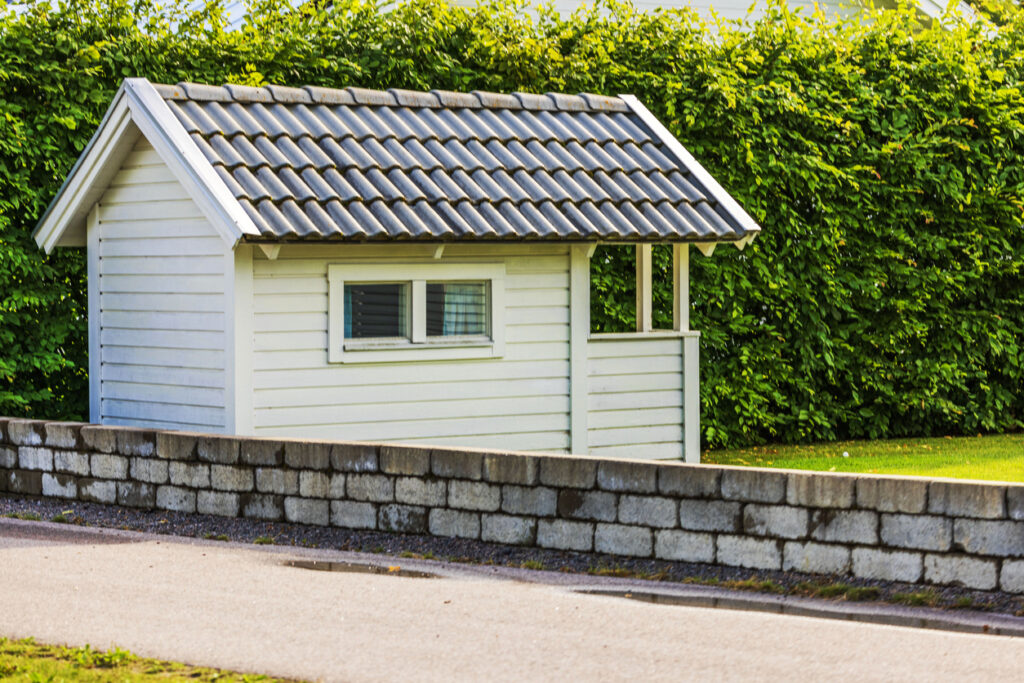
Adding plumbing for a toilet, sink, or shower to your shed requires planning permission because it creates self-contained accommodation. Standard permitted development rights specifically exclude sheds with bathrooms, so you need formal approval before installing any sanitation.
The building would also need to meet strict building regulations for drainage, water supply, and ventilation that go far beyond what a garden shed normally provides. Even connecting to mains sewage or installing a septic system requires professional certification and inspection. Councils treat bathrooms as a clear sign you’re creating living accommodation, which triggers the need for planning consent, regardless of what you claim the shed’s purpose is.
5. You can’t run certain businesses from your shed.
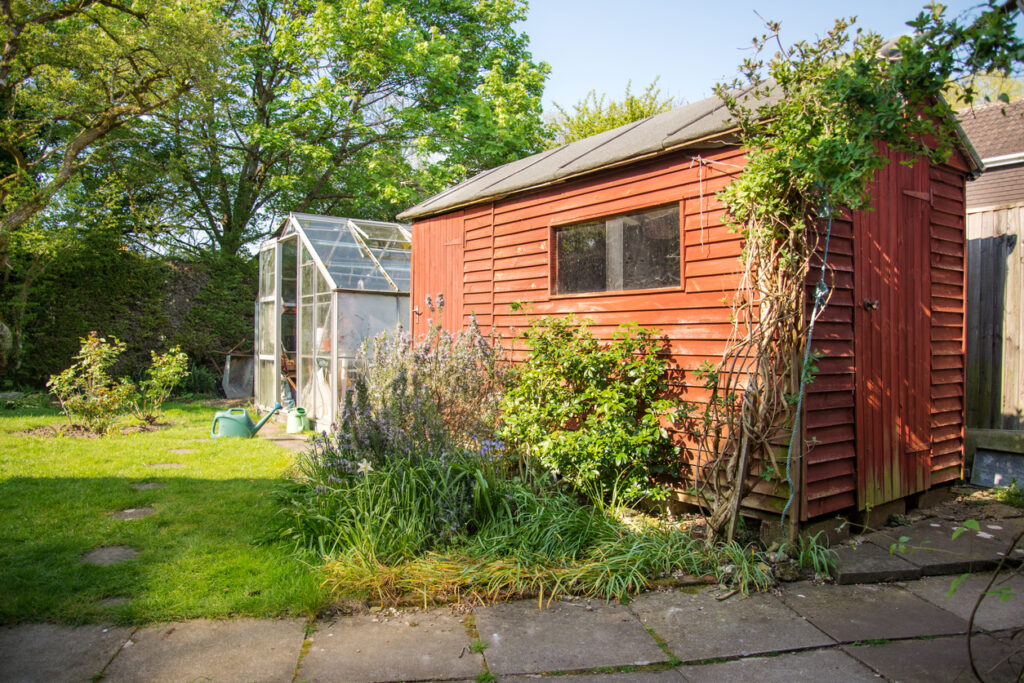
Operating a business from your shed often requires planning permission, especially if it attracts significant visitor numbers or changes the character of your residential property. Working from a garden office for yourself is generally fine, but running a business that brings clients, customers, or employees to your home regularly isn’t allowed under permitted development.
The council will want to assess traffic, noise, and impact on neighbours before granting permission. Commercial activities like hairdressing salons, therapy rooms, or retail operations all need planning consent. If your business use is deemed domestic and incidental to enjoying your home, you might be fine, but the line is blurry, and it’s always best to check with planning authorities first.
6. You can’t build in front of your house’s main wall.
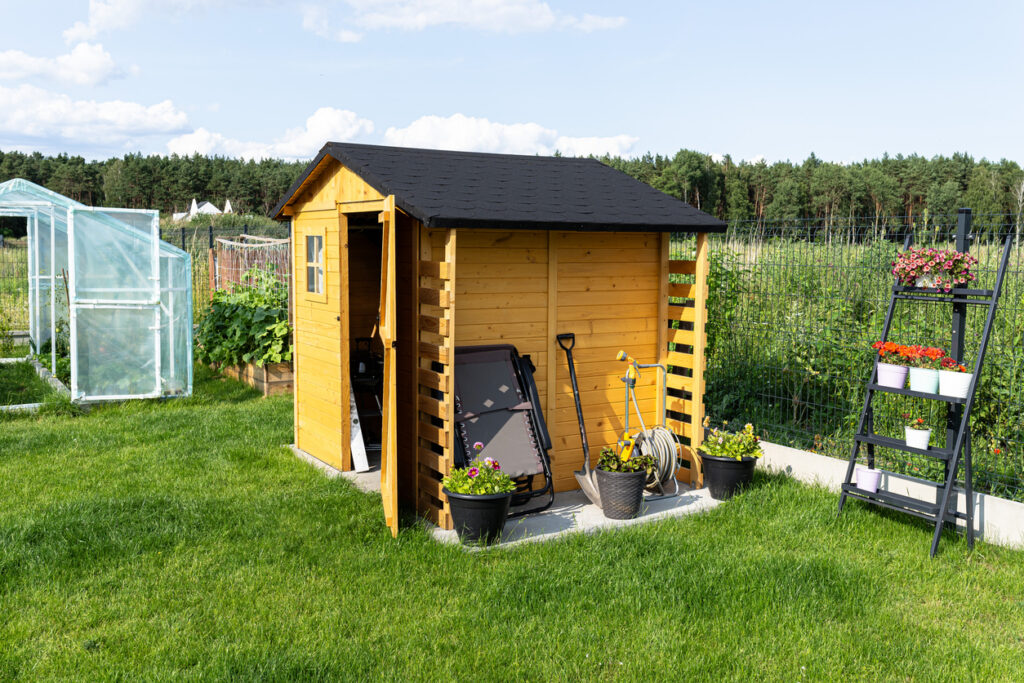
Planning regulations specifically prohibit building a shed forward of any wall that forms the principal elevation of your property. This means you can’t stick a shed in your front garden if it would be visible from the street in front of your house. The rule exists to prevent streets from being cluttered with outbuildings and to maintain the character of residential areas.
Even a small storage shed breaks this rule if it’s positioned incorrectly, and the council can order you to remove it. Side gardens are sometimes acceptable depending on which wall is considered the principal elevation, but front placement is almost always forbidden without planning permission.
7. You can’t exceed size and height limits without permission.

Sheds must stay under 2.5 metres in eaves height and 4 metres overall height for dual-pitched roofs to count as permitted development. If your shed sits within 2 metres of a boundary, the maximum height drops to 2.5 metres total. Floor space can’t exceed 15 square metres for the simplest permitted development, and all outbuildings combined can’t take up more than 50% of your garden.
Breaking these limits means you need planning permission, and building without it gives the council legal grounds to force demolition. People often underestimate their shed’s actual measurements or forget to include roof overhangs, which can push them over the legal limits.
8. You can’t build on a listed building’s land without permission.
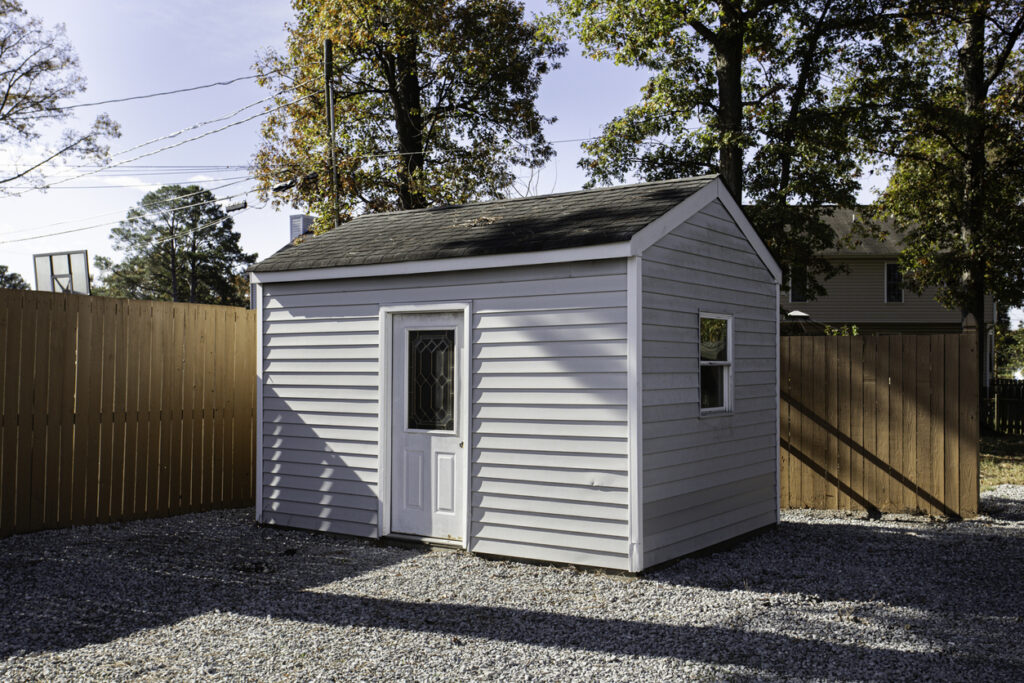
If your home is a listed building, you must get planning permission for any shed or outbuilding in the curtilage, regardless of size. The normal permitted development rights don’t apply because listed buildings and their surrounding land are protected for their historical or architectural importance. This applies even to small garden sheds that would be fine on a normal property.
The planning process for listed buildings is stricter and takes longer because authorities need to ensure any changes don’t harm the building’s character. You can check if your property is listed on the official register online before planning any garden structures.
9. You can’t ignore building regulations for larger sheds.
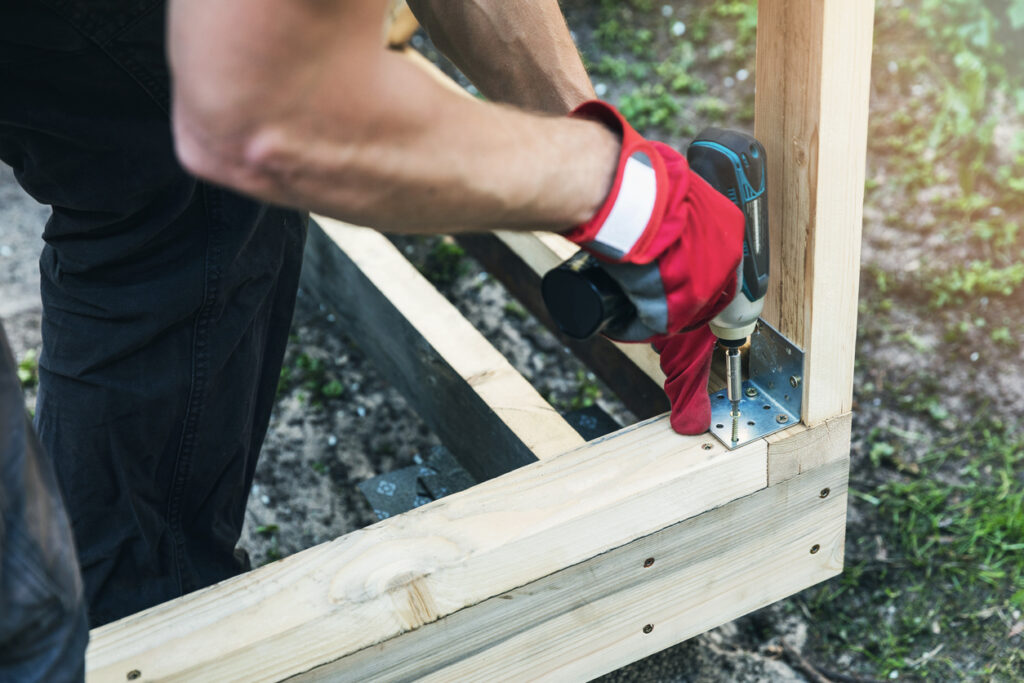
Sheds between 15 and 30 square metres often require building regulations approval, even if they don’t need planning permission. If your shed is within 1 metre of a boundary and constructed from combustible materials like wood, it needs to meet fire safety standards. Electrical installations must comply with Part P building regulations regardless of shed size, and any wiring needs proper certification.
Building regulations cover structural safety, fire resistance, and energy efficiency, which is separate from planning permission. Ignoring these requirements means your shed could be deemed unsafe, and you might face enforcement action or struggle to sell your property later.
10. You can’t build freely on designated land.
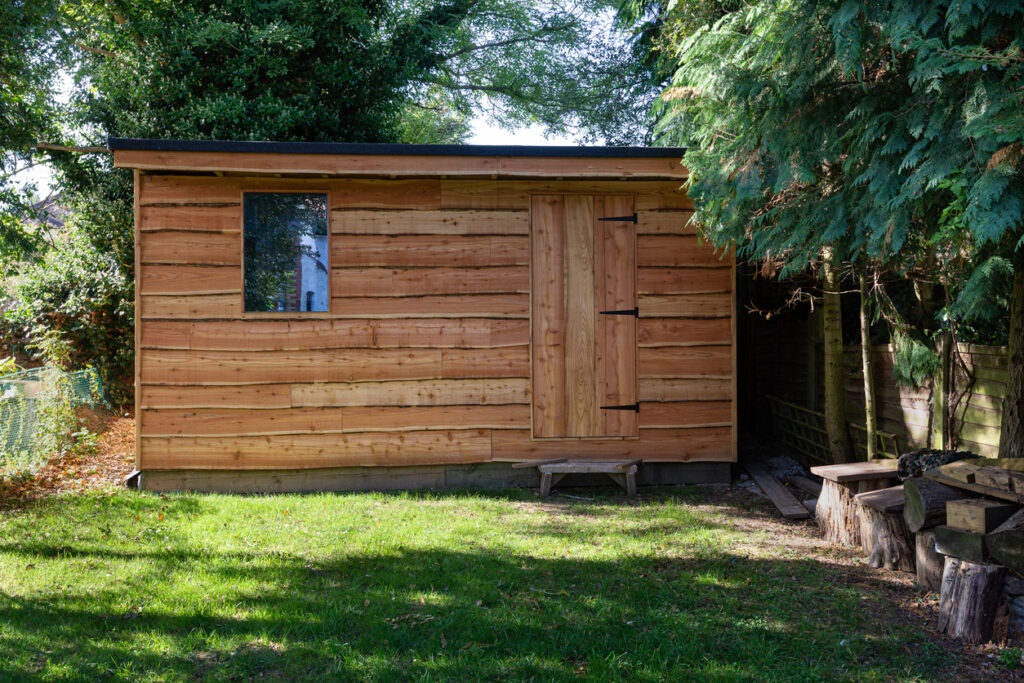
Properties in conservation areas, national parks, Areas of Outstanding Natural Beauty, or World Heritage Sites have much stricter rules than normal residential land. Sheds located more than 20 metres from your house can’t exceed 10 square metres in floor area on designated land. You can’t build sheds on the side of your property between the house and boundary in these protected areas without planning permission.
The regulations exist to preserve the character and appearance of environmentally or historically significant locations. Even small garden structures that would be fine elsewhere might need formal approval, and local planning authorities take violations seriously, with enforcement action and potential fines.