It’s easy to picture dinosaurs as these massive, static lizards that just stomped about until a giant rock fell from the sky.
However, they were actually in the middle of a massive biological makeover long before that. They weren’t just sitting ducks; they were constantly tweaking their designs to survive a world that was already shifting under their feet. By the time the asteroid hit, some of them had already swapped out heavy scales for feathers and bulky bones for lightweight, hollow frames that looked suspiciously like the precursors to flight.
This transition wasn’t some sudden fluke, but a slow-motion transformation that had been ticking away for millions of years. From the way they breathed to the unique structure of their nests, the blueprints for modern birds were being drawn up while T. rex was still the king of the neighbourhood. It turns out that a lot of the features we associate with garden birds today were actually tried-and-tested survival tactics used by their much larger, toothier ancestors.
1. Feathers were turning dinosaurs into something closer to birds.
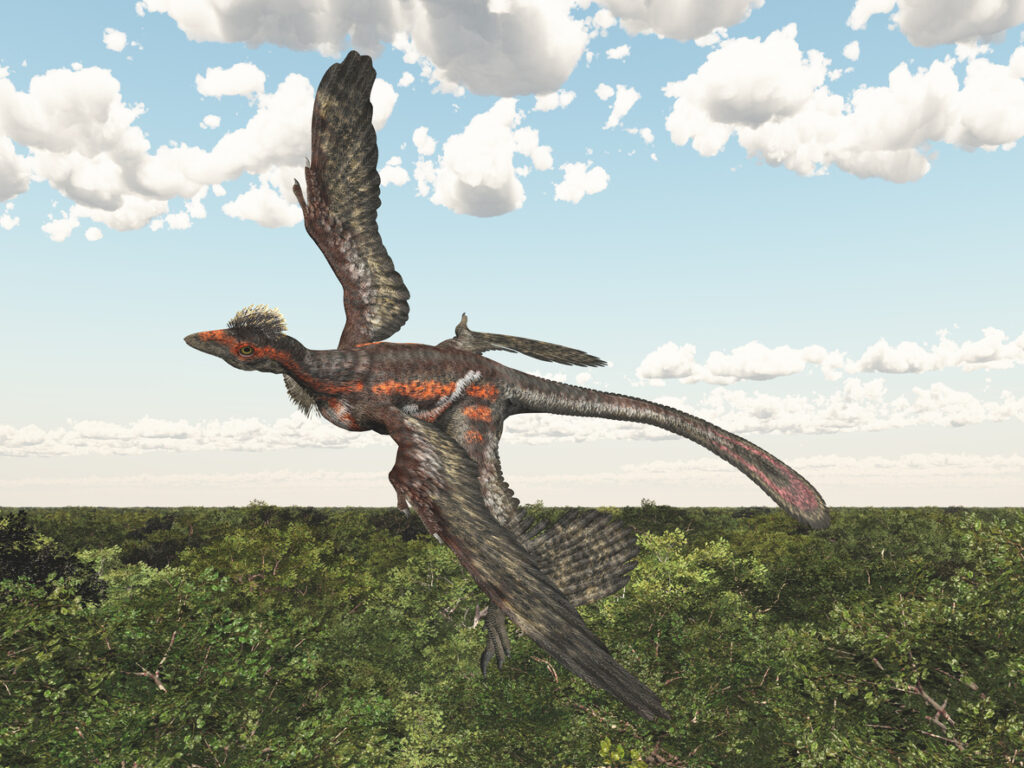
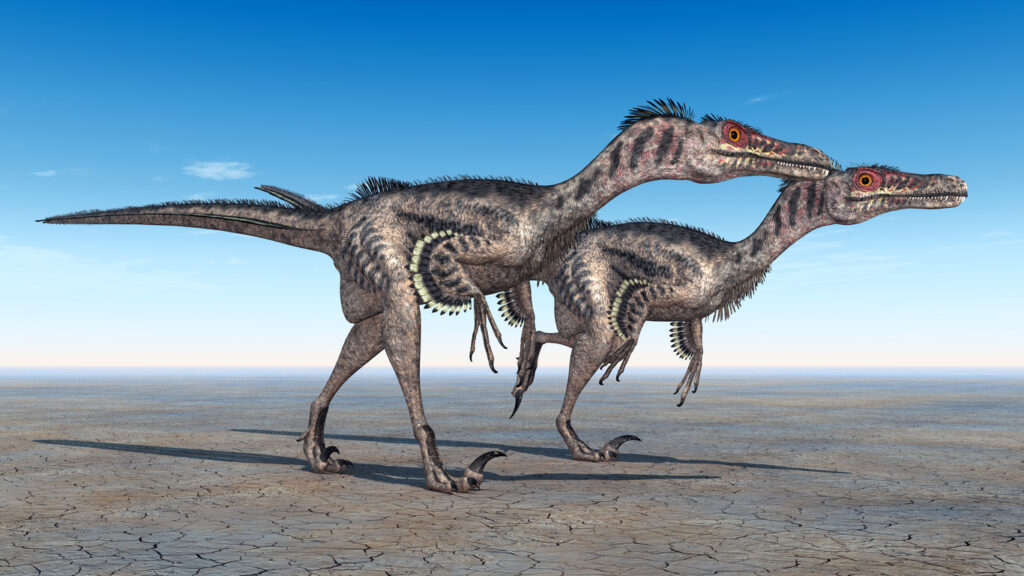
Feathers didn’t suddenly appear when birds did. Many theropod dinosaurs already had complex feather structures long before flight became common. At first, feathers likely evolved for insulation, display, or signalling rather than flying, which shows dinosaurs were experimenting with new body plans early on.
Some species developed layered feathers, asymmetrical shapes, and even wing-like arms without true flight. These features weren’t accidents. They were stepping stones, showing dinosaurs gradually shifting away from reptile-style skin and toward lightweight, heat-regulating bodies better suited to movement and agility.
2. Skeletons were becoming lighter and more flexible.
Over millions of years, certain dinosaur groups evolved hollow bones, fused joints, and lighter frames. These changes reduced energy costs and improved movement, especially in smaller, fast-moving species. Heavy, solid bones were slowly being replaced by structures built for efficiency.
This shift wasn’t universal, but it was widespread enough to suggest a trend. Dinosaurs that survived longer tended to be those with adaptable skeletons, able to move quickly, balance better, and respond to environmental pressure without relying purely on size or armour.
3. Some dinosaurs were shrinking rather than growing bigger.
While popular images focus on giants, many dinosaur lineages were actually getting smaller over time. Miniaturisation is a powerful evolutionary tool, allowing animals to need less food, reproduce faster, and adapt to tighter ecological niches.
Smaller dinosaurs could exploit food sources large predators ignored. This shift also made traits like speed, intelligence, and coordination more important than brute strength, nudging evolution away from the classic giant reptile model.
4. Breathing systems were becoming more efficient.

Evidence from fossilised bones suggests some dinosaurs had advanced respiratory systems similar to modern birds. These systems allowed air to flow in one direction through the lungs, making oxygen use far more efficient than in mammals or reptiles.
This kind of breathing supports high activity levels and endurance. It suggests dinosaurs weren’t just sluggish reptiles but animals already adapted for sustained movement, long migrations, and active lifestyles, traits that would later define birds.
5. Brains were changing shape and function.
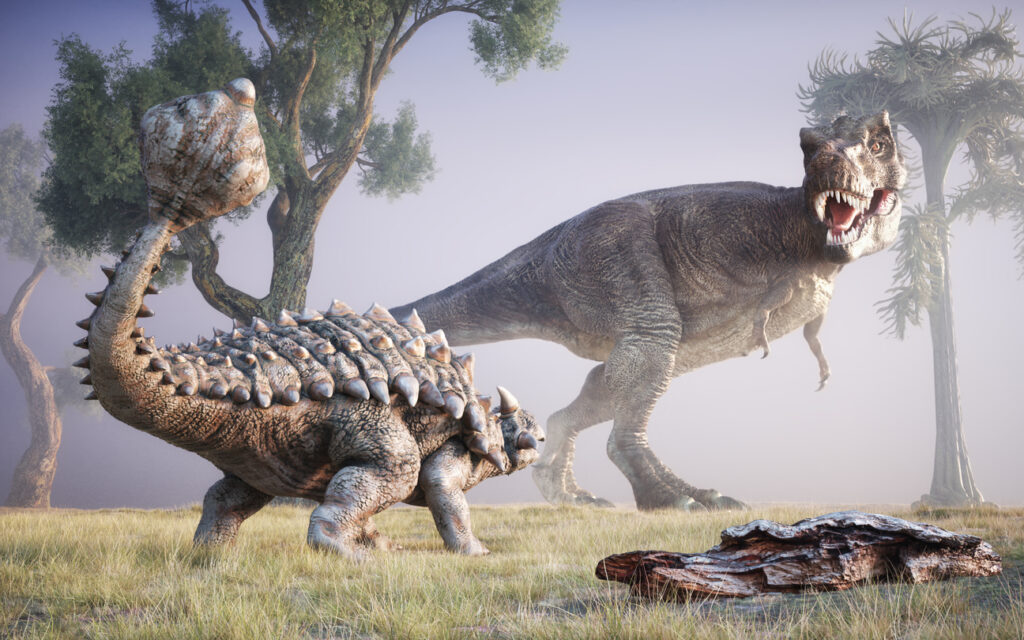
Some dinosaurs show signs of increased brain complexity, particularly in areas linked to balance, vision, and coordination. This doesn’t mean they were becoming geniuses, but it does show evolution prioritising sensory processing and movement control.
As bodies became lighter and faster, brains had to keep up. Better coordination would have been essential for navigating complex environments, avoiding predators, and hunting more efficiently, especially for smaller, agile species.
6. Diets were becoming more specialised.
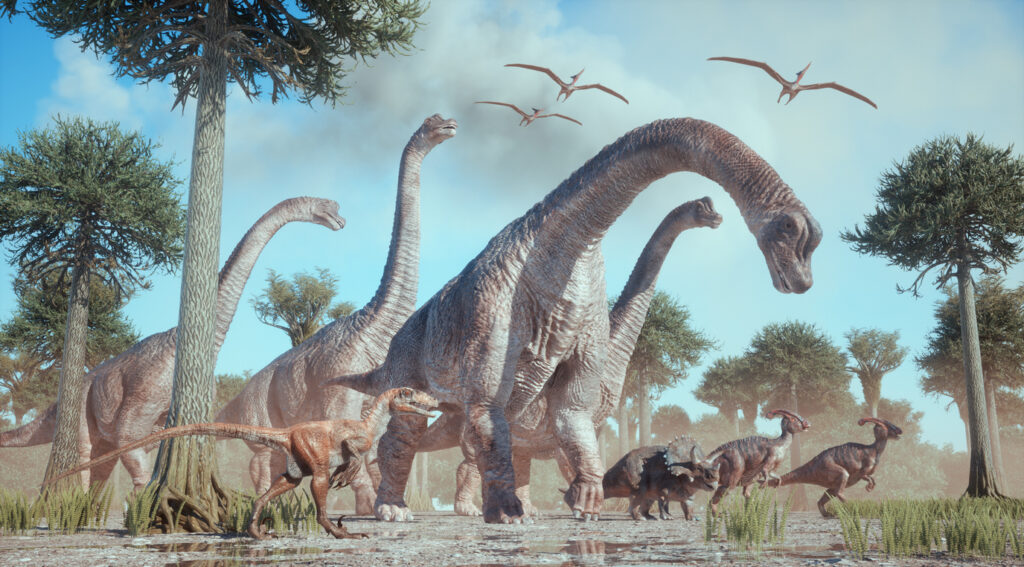
Early dinosaurs often had generalist diets, but later species show signs of increasing specialisation. Teeth shapes, jaw mechanics, and skull structures suggest some were evolving to focus on very specific food sources.
That sort of specialisation usually signals a group branching out into new ecological roles. Instead of all competing for the same resources, dinosaurs were diversifying, filling niches that would later be occupied by birds and mammals.
7. Parenting behaviours were becoming more involved.
Fossil evidence shows some dinosaurs guarded nests, brooded eggs, and possibly fed their young. These behaviours are more commonly associated with birds than reptiles and indicate a shift toward more complex social structures.
Active parenting improves survival rates but requires higher intelligence, energy investment, and coordination. These traits often evolve together, suggesting dinosaurs were already moving away from hands-off reproduction toward something more demanding and dynamic.
8. Body posture was becoming more upright and mobile.

Earlier reptiles sprawled, but many dinosaurs stood upright with limbs positioned directly beneath their bodies. Over time, posture continued to refine, improving balance and efficiency. That change made sustained movement easier and reduced strain on joints. Upright posture also freed up limbs for new uses, including grasping, display, or eventually flight-related movement.
9. Skin and surface features were diversifying.
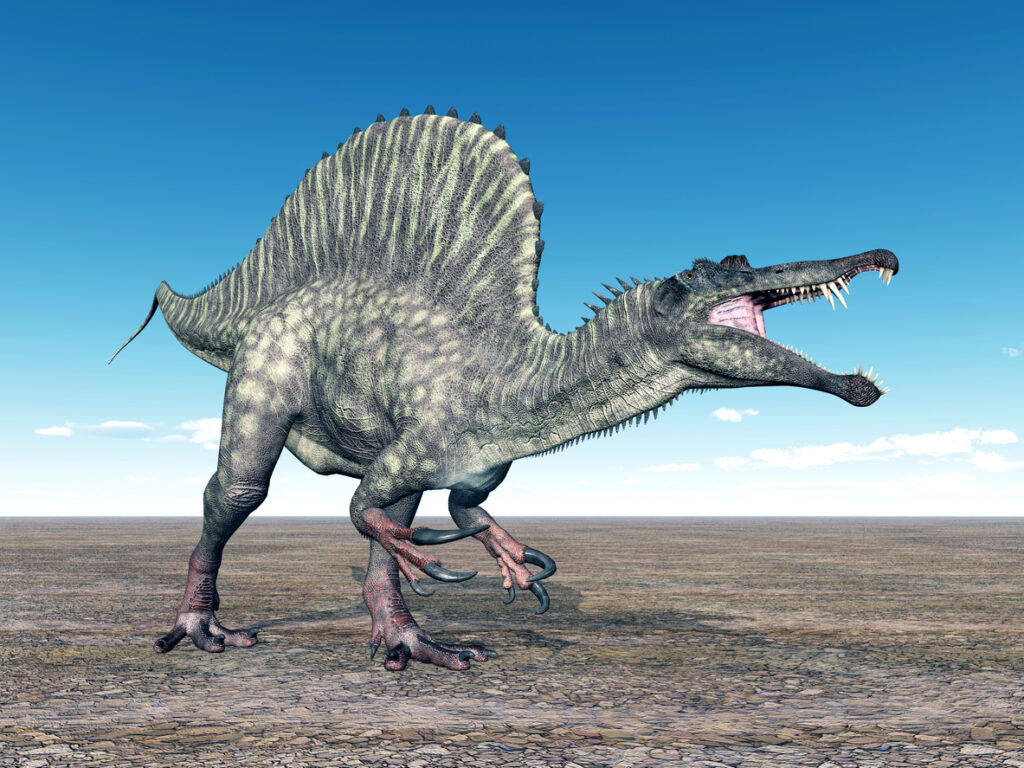
Beyond feathers, dinosaurs developed crests, frills, quills, and other display features. These traits weren’t strictly necessary for survival but played roles in communication, mating, and social signalling. When appearance becomes important, it often means behaviour is changing too. Dinosaurs were increasingly interacting, competing visually, and responding to one another in ways that pushed evolution beyond simple predator and prey dynamics.
10. Some dinosaurs were already crossing into new identities.
By the late Cretaceous, certain dinosaurs were so bird-like that drawing a hard line between dinosaur and bird becomes almost meaningless. Wings, feathers, lightweight skeletons, and advanced breathing systems had already converged.
If the extinction event hadn’t happened, many of these lineages might have continued evolving into forms we’d struggle to classify at all. Dinosaurs weren’t frozen in time waiting to disappear. They were already on their way to becoming something else entirely.