It feels a bit like a bad joke to think that the staples we’ve taken for granted since we were kids could actually just vanish from the supermarket shelves.
We’re so used to everything being available all year round that the idea of a world without a decent potato or a proper orange seems more like a plot from a dystopian TV show than a genuine threat. Sadly, between erratic weather and some pretty nasty plant diseases, the stuff we rely on for our Sunday roasts and morning juices is under a lot more pressure than most of us realise.
We aren’t just talking about niche heritage varieties that only grow in one specific valley in the Peak District, either. Some of the most popular fruits and veg on the planet are currently staring down a very uncertain future over the next couple of decades. It’s a bit of a wake-up call to realise that our shopping lists might look drastically different by the time we’re 20 years down the line, and not necessarily because we’ve all decided to start eating lab-grown kale.
1. Bananas might vanish from supermarkets.
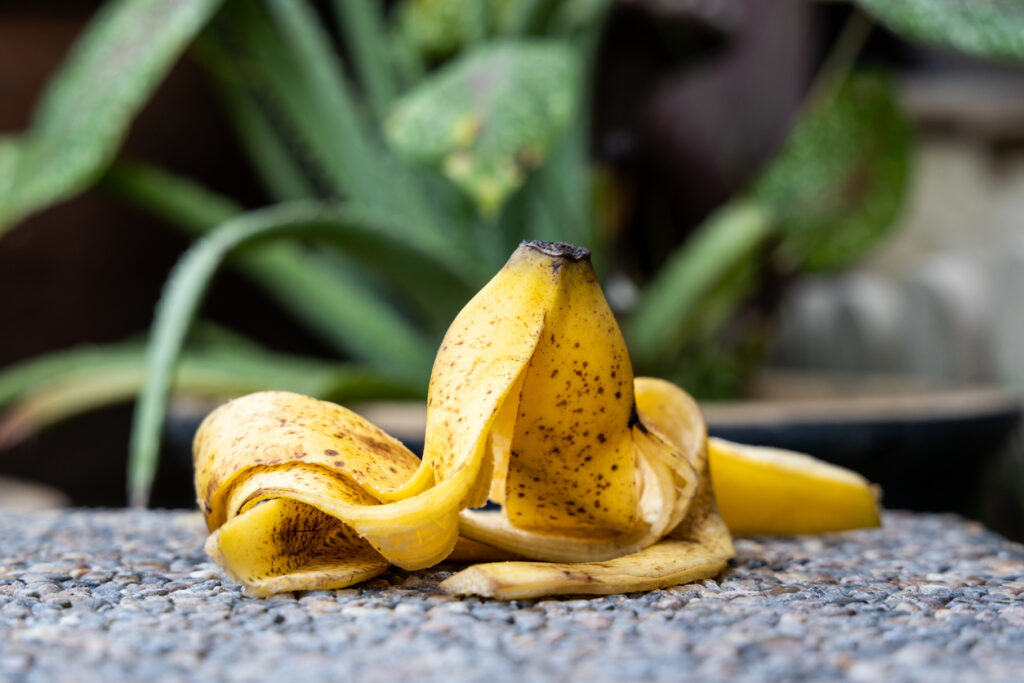
The Cavendish banana, which makes up nearly all bananas sold worldwide, is extremely vulnerable to a fungal disease called Panama disease. This pathogen spreads through soil and has already wiped out entire plantations in Asia and Australia. There’s no cure and no way to stop it once it gets into the ground. The disease is moving towards Latin America, where most of our bananas come from, and it could devastate global supplies within a decade. We lost the previous popular variety, the Gros Michel, to the same type of disease in the 1950s, and we’re watching history repeat itself with no real solution in sight.
2. Chocolate could become incredibly expensive.

Cacao trees only grow in a narrow band around the equator, and they’re extremely fussy about temperature and humidity. Climate change is making these regions hotter and drier, which stresses the trees and makes them produce less. The trees are also susceptible to diseases and pests that thrive in changing conditions. West Africa produces most of the world’s cacao, and farmers there are already seeing yields drop significantly. If temperatures keep rising, suitable growing areas could shrink by half in the next twenty years, making chocolate a luxury item most people can’t afford regularly.
3. Coffee might disappear from your morning routine.
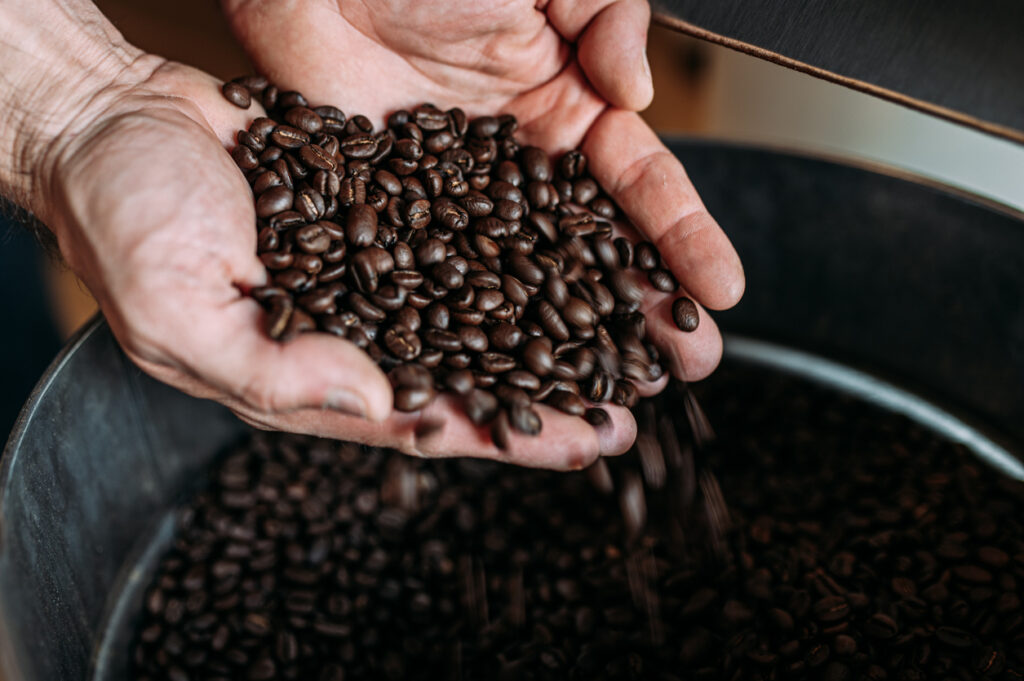
Arabica coffee, which accounts for about 60% of global production, needs specific conditions to grow properly. Rising temperatures are pushing coffee farms to higher altitudes, but there’s only so much mountain to go up before you run out of suitable land. The plants are also becoming more vulnerable to pests and diseases that previously couldn’t survive at cooler elevations. Some projections suggest half of current coffee-growing land will be unusable by 2050, which is just over two decades away. Your morning cup could become scarce and expensive sooner than you think.
4. Avocados require unsustainable amounts of water.
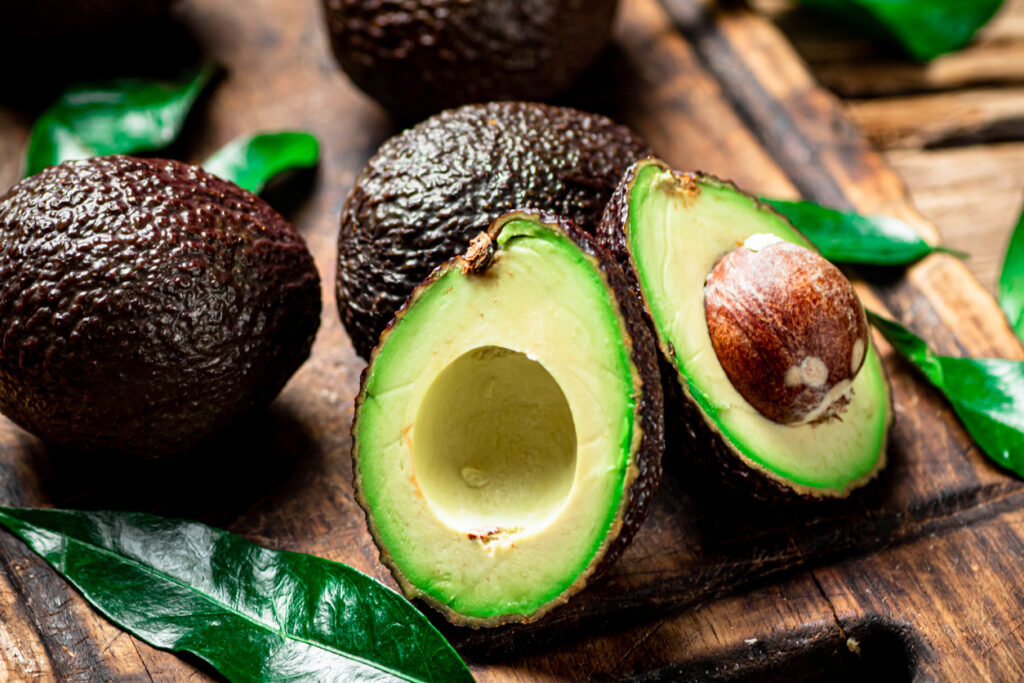
Growing avocados takes massive quantities of water, and the regions where they thrive are experiencing severe droughts. A single avocado needs about 70 litres of water to produce, which is becoming impossible to sustain in places like California and parts of Mexico. Water scarcity is getting worse every year, and farmers are being forced to choose between crops. Avocados might become too resource-intensive to justify growing them commercially, especially as competition for water increases across agricultural regions.
5. Wine grapes are struggling with heat.
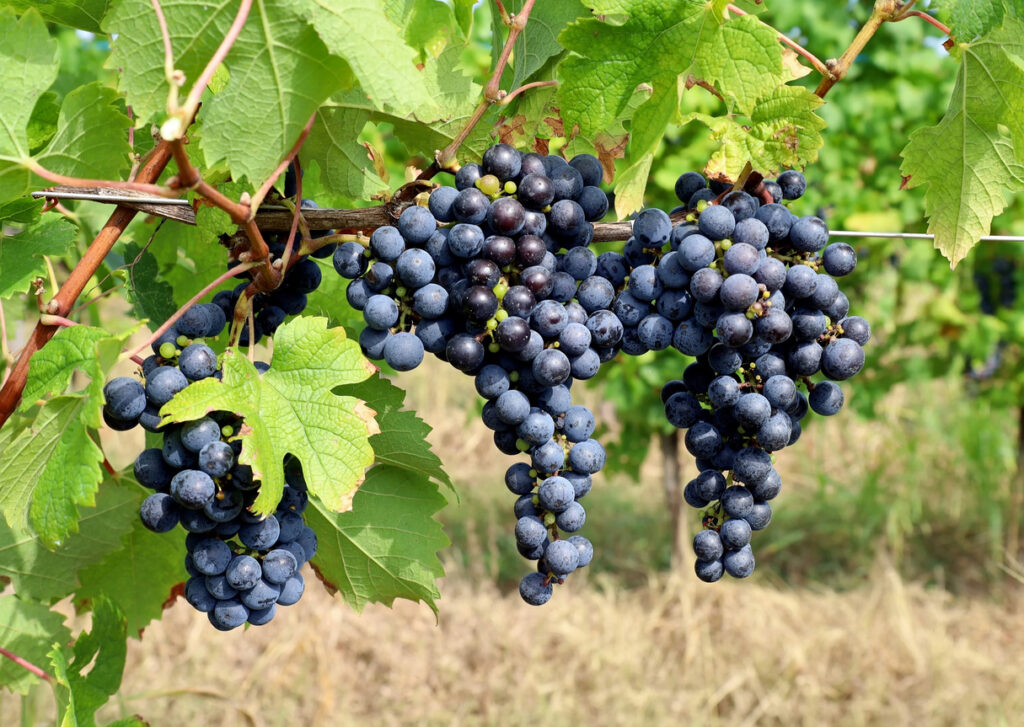
Traditional wine regions are getting too warm for the grape varieties they’ve grown for centuries. The grapes ripen too quickly in higher temperatures, which throws off the sugar and acid balance that makes good wine. Champagne producers are already buying land in England because France is getting too hot, and that’s not a joke. Wine regions in Australia, California, and southern Europe are facing similar problems. The geography of wine production is shifting dramatically, and some classic varieties might stop being viable in their historic locations within twenty years.
6. Citrus greening disease is killing orange trees.
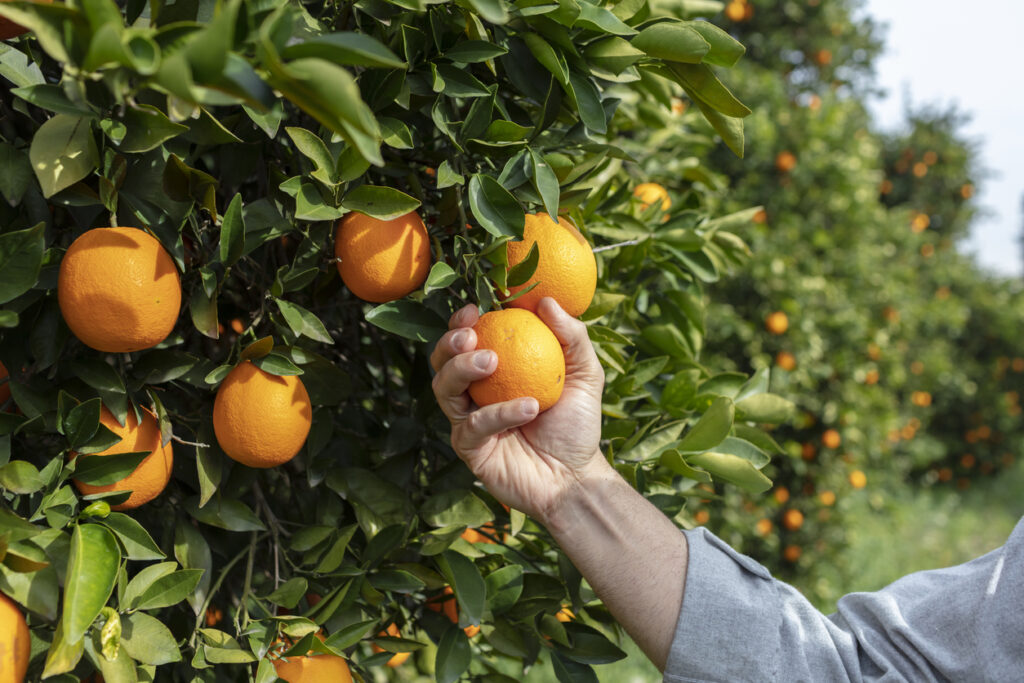
This bacterial disease, spread by tiny insects, has already destroyed huge portions of Florida’s orange groves. Infected trees produce bitter, misshapen fruit before dying completely, and there’s no cure once a tree catches it. The disease is spreading across citrus-growing regions worldwide, and scientists haven’t found an effective way to stop it. Fresh orange juice could become extremely expensive or even unavailable as production drops. Lemons, limes, and grapefruits face the same threat from the same disease.
7. Apple varieties are losing their ideal climates.
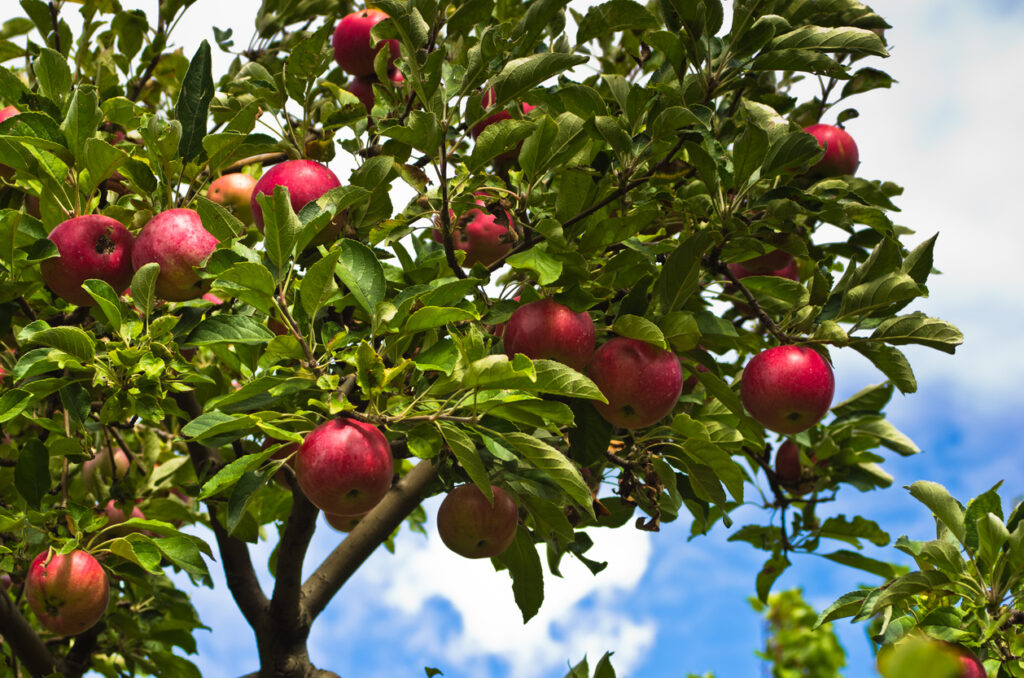
Apples need a certain number of cold hours each winter to produce fruit properly, and many regions aren’t getting cold enough anymore. The trees flower too early in warmer springs, which means late frosts can kill the blossoms and ruin the crop. Traditional apple-growing areas are becoming unreliable, and farmers are having to plant different varieties or move to cooler regions. Some heritage apple types that need specific conditions might disappear because they can’t adapt to rapidly changing weather patterns.
8. Cherry harvests are becoming unpredictable.
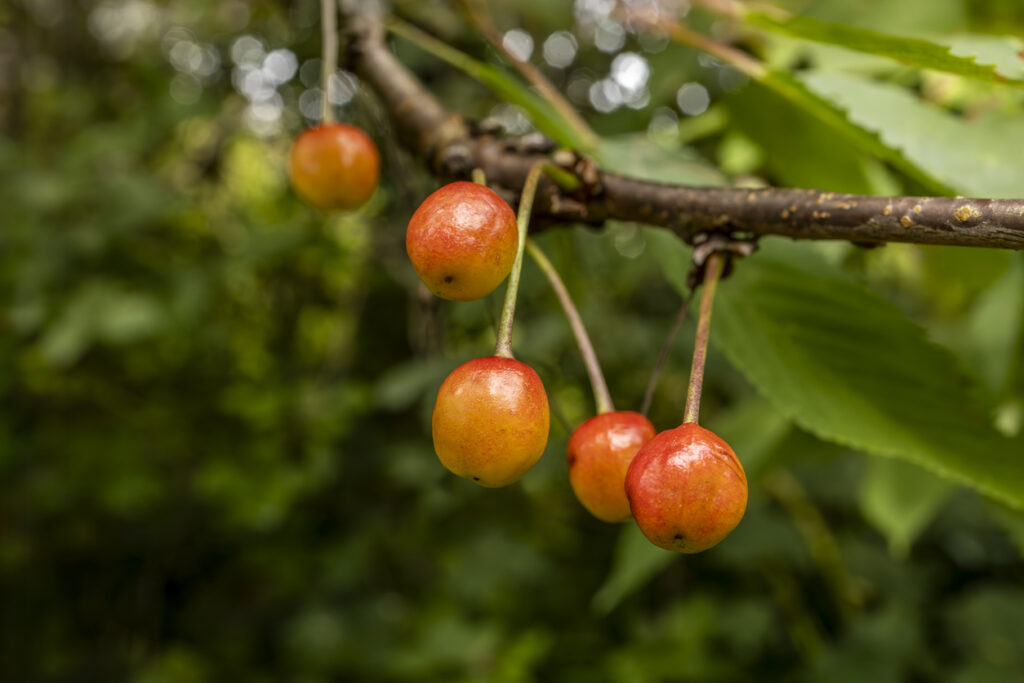
Cherry trees are incredibly sensitive to temperature changes during flowering and fruit development. Unseasonably warm weather followed by cold snaps destroys entire crops in a matter of days. The narrow window for successful pollination is getting disrupted by erratic spring weather across growing regions. Farmers in places like Michigan and Washington state are seeing more crop failures and smaller harvests. Sweet cherries in particular require very specific conditions that are becoming harder to guarantee year after year.
9. Potatoes are vulnerable to heat and drought.

Potatoes seem tough, but they actually struggle in hot, dry conditions and produce smaller tubers when stressed. Major potato-growing regions are experiencing more frequent droughts and heat waves that damage crops. The plants are also susceptible to new disease pressures as climates shift and bring different pests to areas where they couldn’t survive before. Idaho, a massive potato producer, is facing long-term water shortages that threaten future production. Potatoes might not vanish completely, but yields could drop significantly in traditional growing areas.
10. Chickpeas need stable, dry conditions.
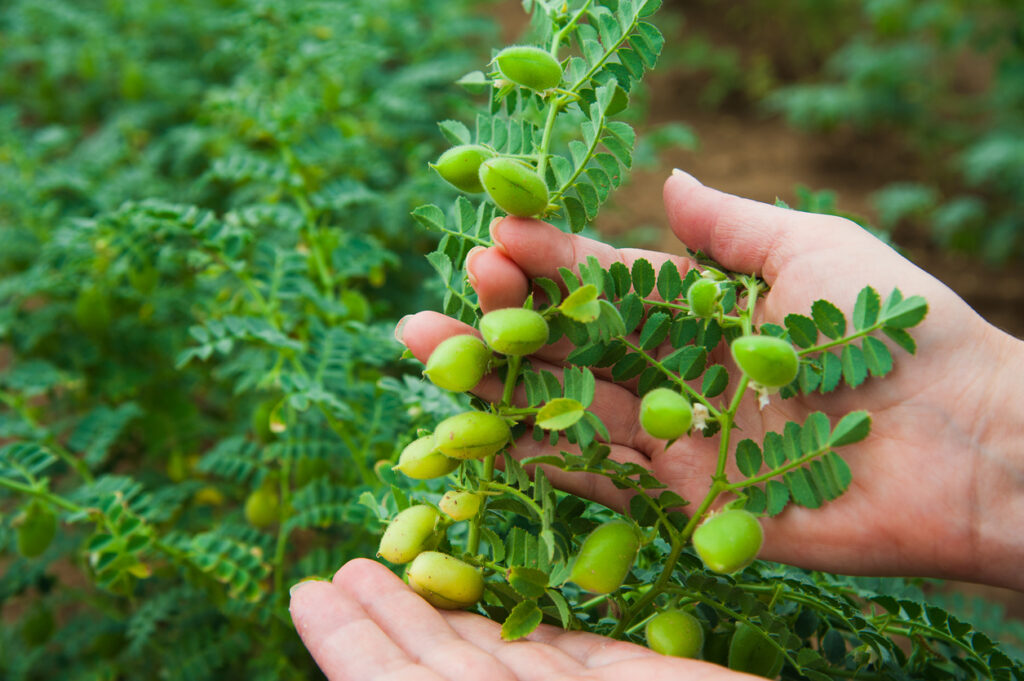
These legumes are already grown in marginal areas that are becoming too hot and unpredictable. Chickpeas are drought-tolerant compared to many crops, but they still need consistent conditions during key growth stages. Erratic rainfall and temperature extremes are making harvests unreliable in major producing countries like India. The plants are also facing new fungal diseases that thrive in changing weather patterns. As a crucial protein source for millions of people, losing chickpeas would be devastating for food security in many regions.
11. Vanilla is already rare and getting rarer.
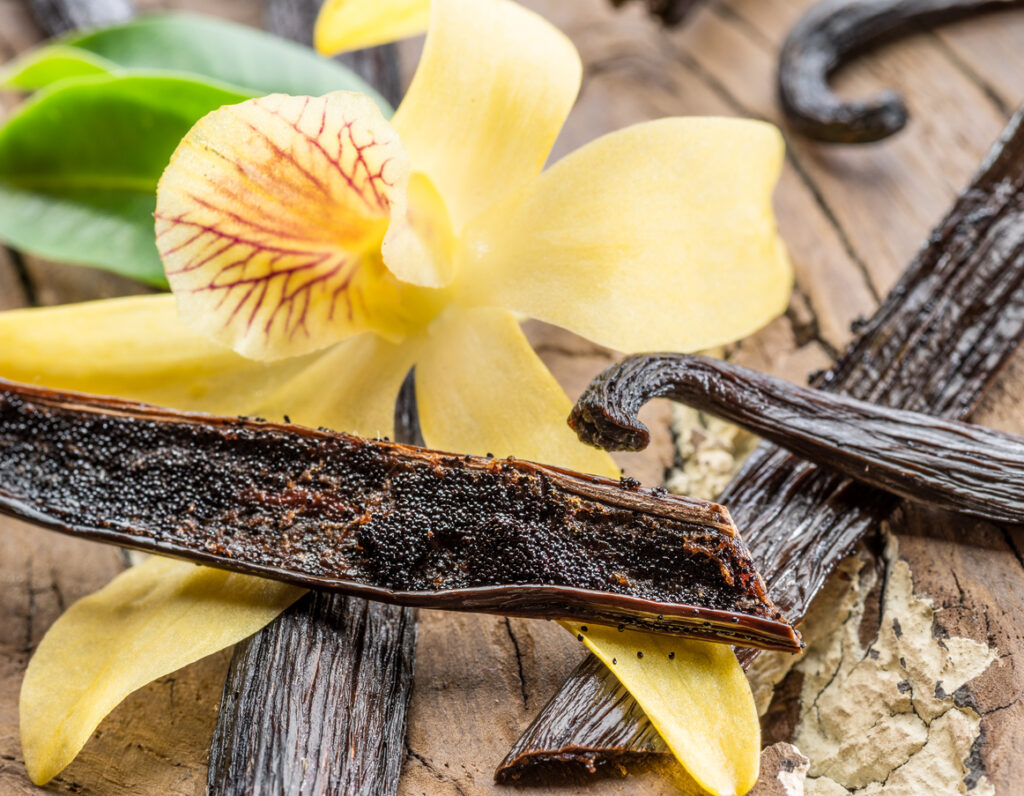
Real vanilla comes from orchids that only grow in specific tropical conditions and require hand-pollination. Madagascar produces most of the world’s vanilla, and the region faces increasing cyclones, droughts, and political instability. The vines take years to mature and are vulnerable to theft because vanilla is so valuable. Climate change is making growing conditions less predictable, and suitable areas for cultivation are shrinking. Vanilla is already expensive, but it could become virtually unavailable if current trends continue for another decade or two.
12. Strawberries are losing their pollinators.
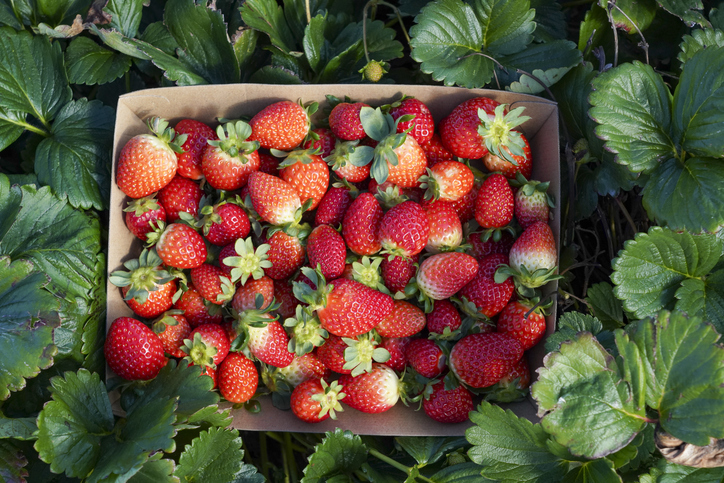
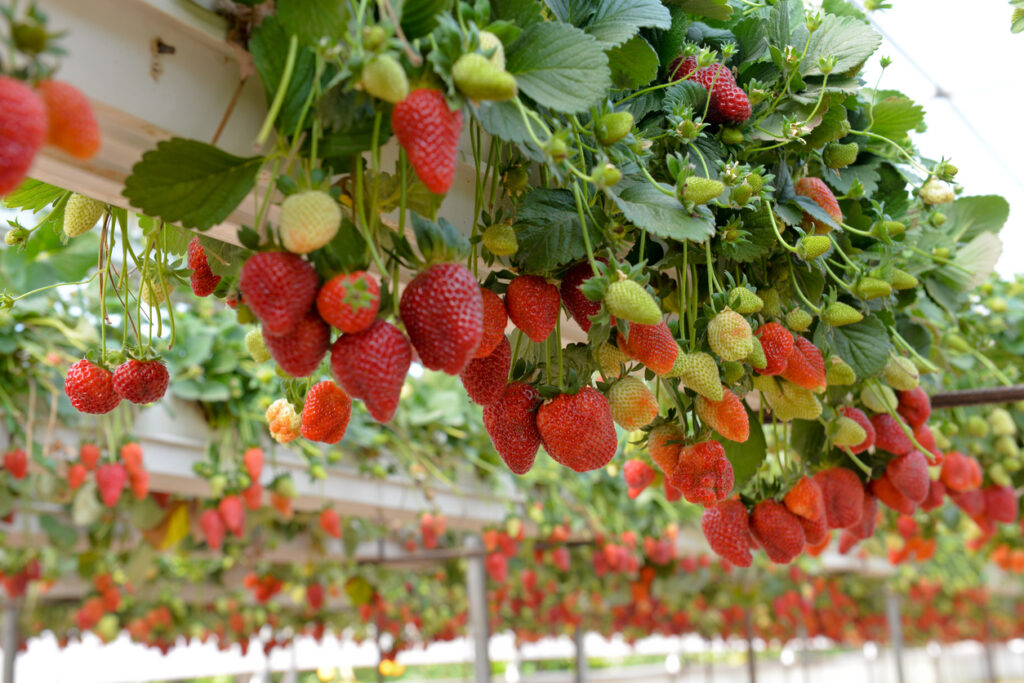
While strawberries can technically self-pollinate, they produce much better fruit with bee pollination. Bee populations are crashing worldwide due to pesticides, diseases, and habitat loss, which directly threatens strawberry yields. The berries also need cool nights and warm days during growing season, and that balance is getting disrupted by temperature extremes. Many strawberry varieties are developing poorly or producing smaller, misshapen fruit in hotter conditions. Without healthy pollinator populations and stable growing weather, strawberry production could decline sharply in coming years.