Not every animal wants anything to do with us, and honestly, you can’t blame them.

Between habitat loss, noise, pollution, and the general chaos humans bring wherever we go, plenty of species have learned that keeping their distance is the safest option. They don’t want selfies or “friendly” encounters. They want peace, space, and for us to stay firmly in our lane.
Some animals tolerate humans because they have to, while others barely tolerate us at all. Then there are those that would happily go their entire lives without ever crossing paths with a person again. These are the creatures that thrive the further away we stay, and if they had a vote, we’d never be invited into their world in the first place.
1. Snow leopards
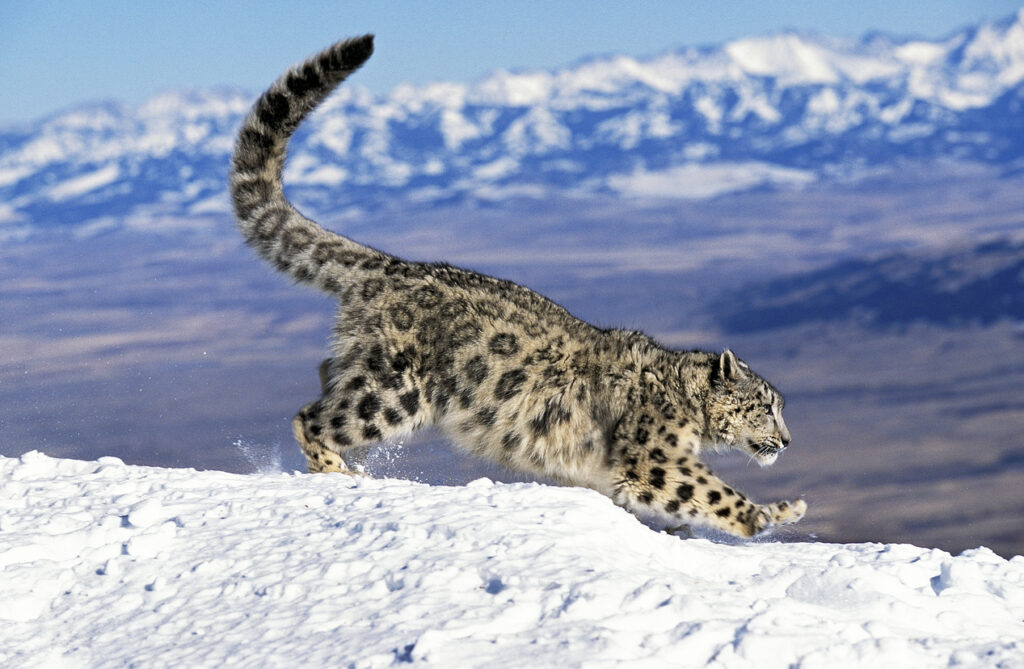
Snow leopards live in some of the most remote mountain ranges on Earth, and that distance isn’t an accident. These animals evolved to avoid attention, blending into rocky terrain where silence and solitude keep them alive. Human presence brings roads, noise, livestock, and conflict into places that once offered safety. When snow leopards encounter people, it rarely ends well for them. They’re hunted, displaced, or pushed into clashes with farmers protecting livestock. A world without humans would mean uninterrupted territory, stable prey populations, and far fewer reasons to stay constantly on edge.
2. Orangutans

Orangutans are intelligent, observant, and painfully aware of changes in their environment. Human expansion into rainforests has destroyed vast areas of their habitat, replacing complex ecosystems with plantations and roads. For an animal that relies on large, quiet forest canopies, this disruption is overwhelming. Human contact also exposes orangutans to stress, captivity, and disease. Many end up orphaned or forced into rehabilitation after forests are cleared. A human-free existence would mean uninterrupted forests, fewer traumatic encounters, and the freedom to live as slow, thoughtful creatures again.
3. Pangolins
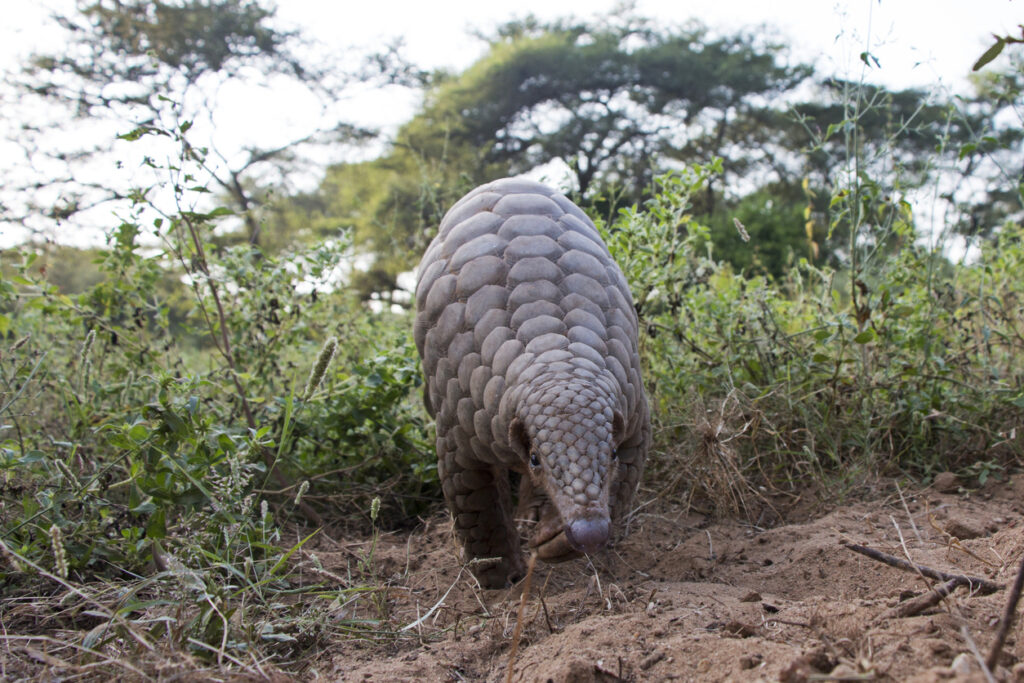
Pangolins are shy, nocturnal animals that already prefer to keep to themselves. Unfortunately, humans have made them one of the most trafficked mammals on the planet due to demand for their scales and meat. Their natural instinct to curl into a ball becomes tragically ineffective against people. Without humans, pangolins would face far fewer threats. They’d spend their lives quietly feeding on ants and termites, rather than living in constant danger of capture. For a species that asks for almost nothing, human absence would mean safety at last.
4. Vaquita porpoises
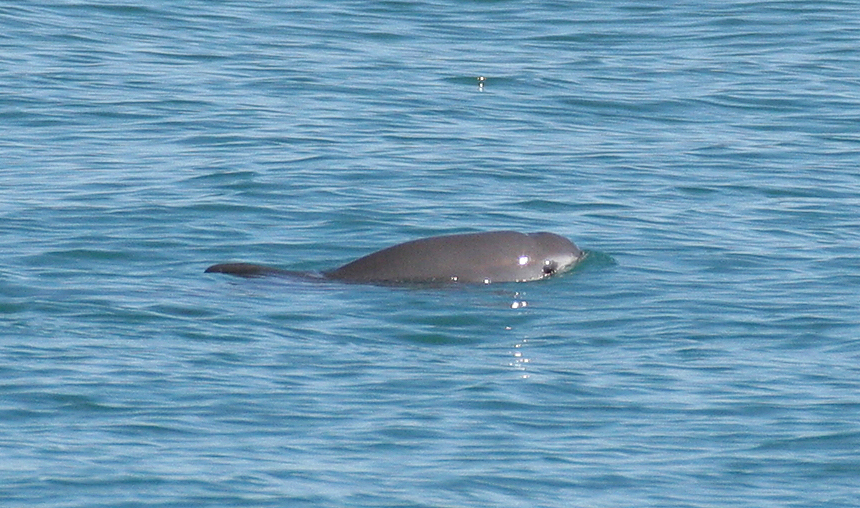
Vaquita porpoises are critically endangered and live in a very small area of ocean. Their decline is almost entirely linked to human fishing activity, particularly illegal nets that entangle them accidentally. They aren’t aggressive, curious, or adaptable enough to cope with this pressure. A world without humans would give vaquitas space to recover naturally. With no nets cutting through their habitat, they could breed and live undisturbed. For them, human presence has brought nothing but risk.
5. Mountain gorillas
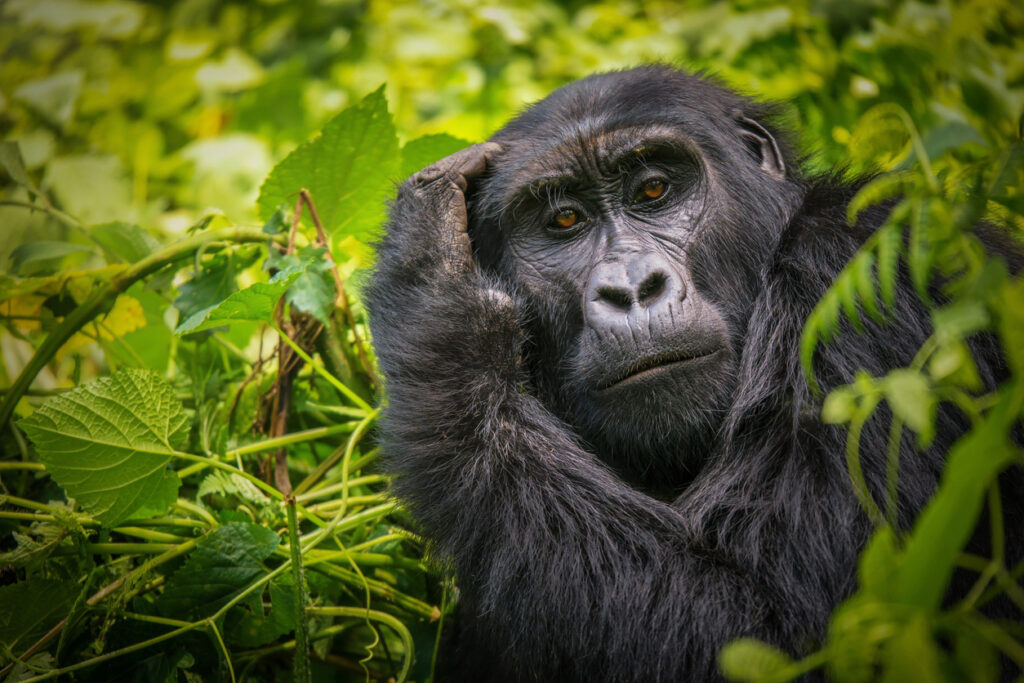
Mountain gorillas are powerful animals, but they’re also deeply sensitive to disturbance. Human activity brings habitat loss, stress, and disease, including illnesses passed on through close contact or tourism. While conservation efforts involve humans, the gorillas themselves would benefit from far less intrusion. Without people, they wouldn’t need protection patrols or medical intervention because the threats requiring those measures wouldn’t exist in the first place.
6. Axolotls
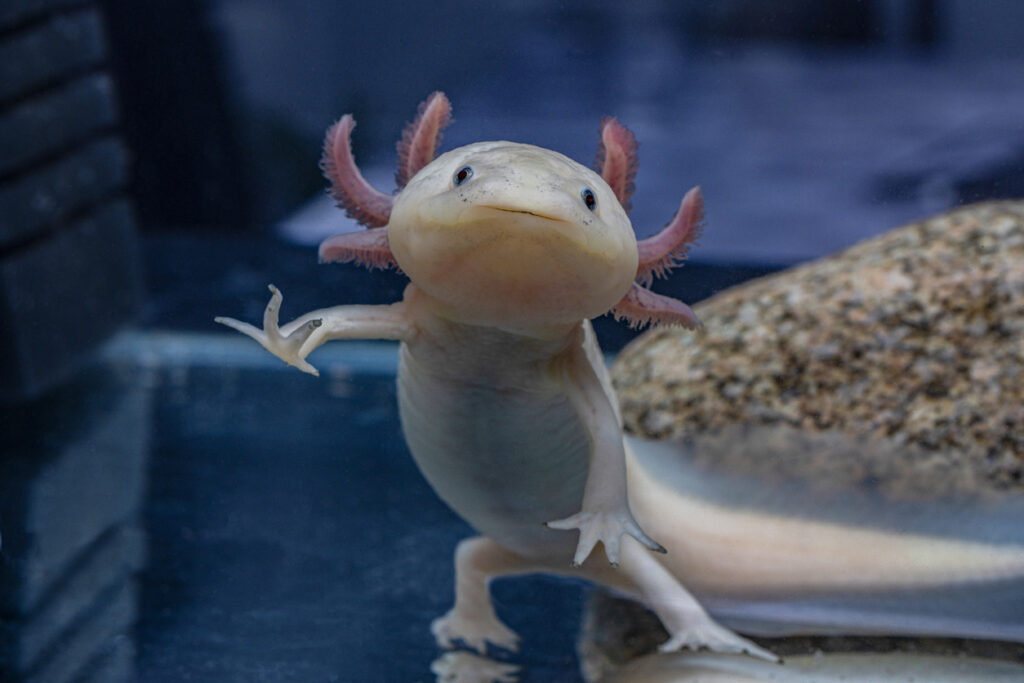
Axolotls once thrived in the lakes around Mexico City, living quietly in stable freshwater systems. Urban expansion, pollution, and invasive species introduced by humans have pushed them to the edge of extinction in the wild. These animals aren’t equipped to handle sudden environmental change. A human-free environment would restore clean water, stable food chains, and the calm conditions axolotls need to survive without constant pressure.
7. Saolas

The saola is so elusive, it’s often called the “Asian unicorn.” It avoids humans instinctively, living deep in forested areas where sightings are incredibly rare. Unfortunately, even minimal human presence has been enough to threaten its survival. Roads, traps, and habitat loss have pushed the saola into ever smaller areas. In a world without humans, it could exist as it evolved to, unseen, undisturbed, and free from the constant risk of accidental capture.
8. Forest elephants
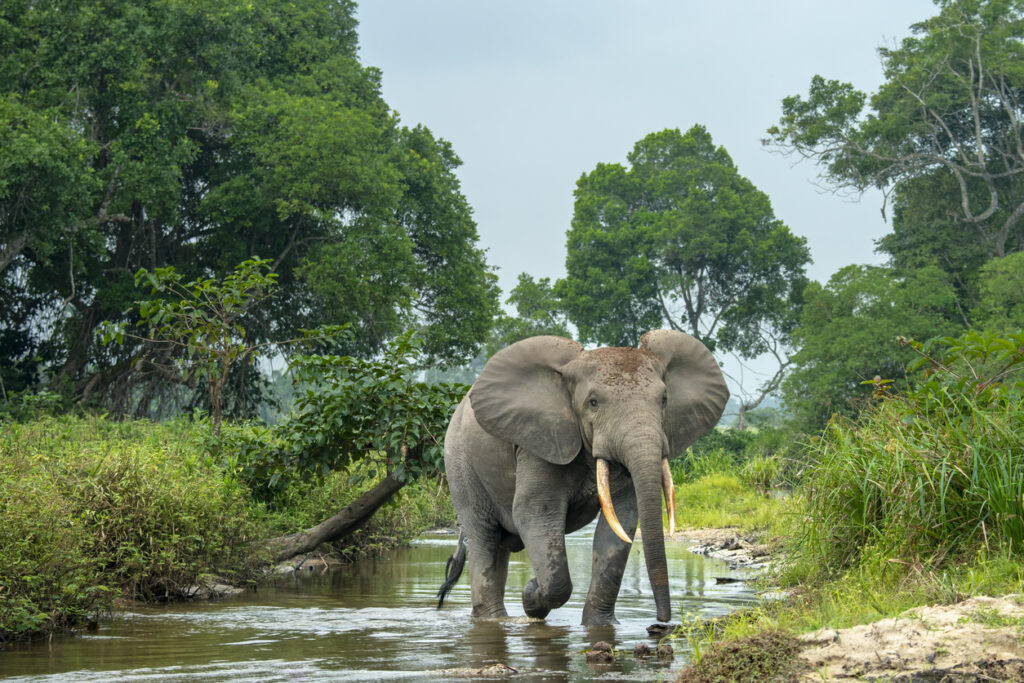
Forest elephants are smaller and more reclusive than their savannah relatives. They navigate dense vegetation using memory and social bonds built over generations. Human encroachment disrupts these routes and fragments family groups. Poaching and habitat destruction have made humans a direct threat. Without people, forest elephants would roam freely, maintain forest health through seed dispersal, and live according to rhythms that once kept ecosystems balanced.
9. Polar bears
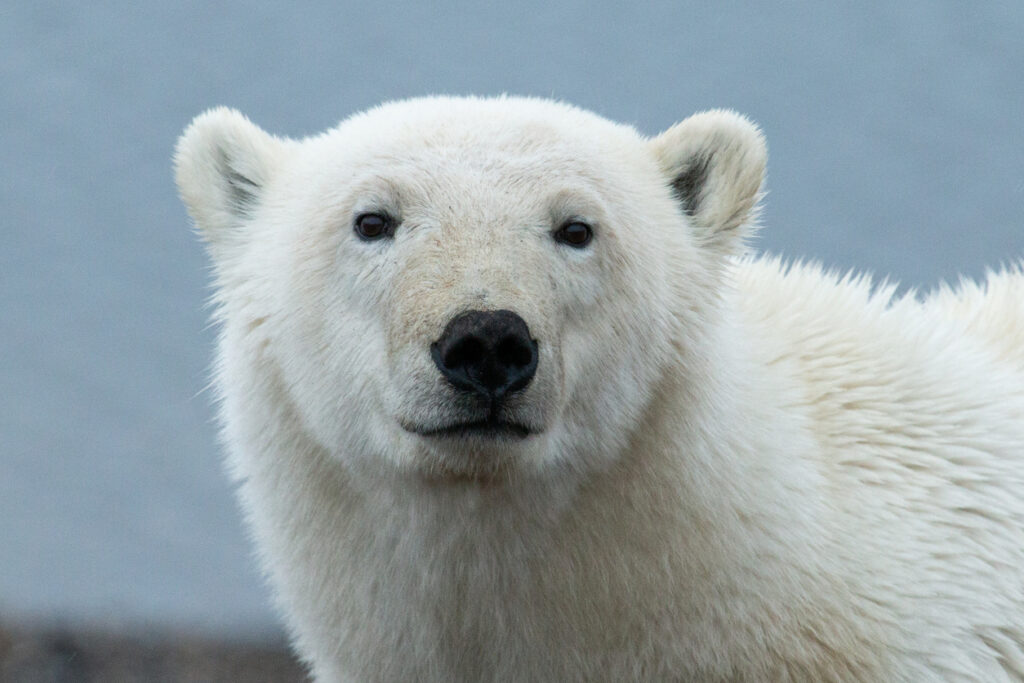
Polar bears evolved to survive extreme conditions, but not the rapid environmental changes driven by human activity. Climate change has reduced sea ice, forcing bears into closer contact with people as they search for food. These encounters often end badly for the bears. In a world without humans, sea ice would stabilise over time, prey would remain accessible, and polar bears wouldn’t be pushed into dangerous proximity with settlements.
10. Sea turtles
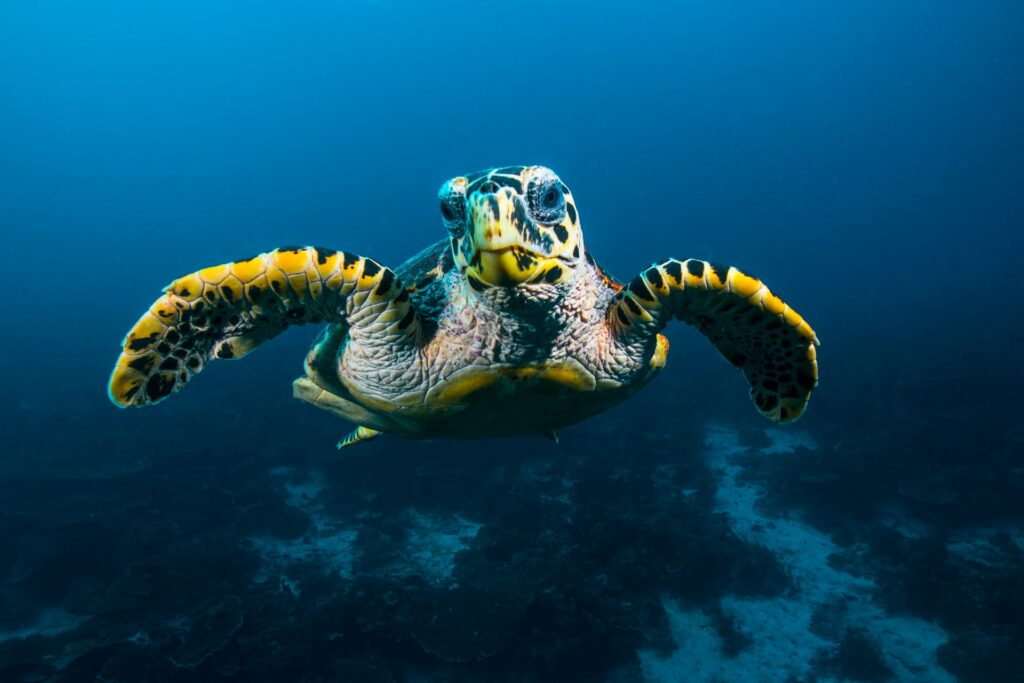
Sea turtles have survived for millions of years, navigating oceans and nesting beaches long before humans arrived. Today, human presence brings plastic pollution, fishing gear, artificial lighting, and beach development that interfere with every stage of their life cycle. Without humans, nesting beaches would be dark and undisturbed. Hatchlings wouldn’t be drawn inland by lights or trapped by debris. Their ancient routines would finally make sense again.
11. Tigers
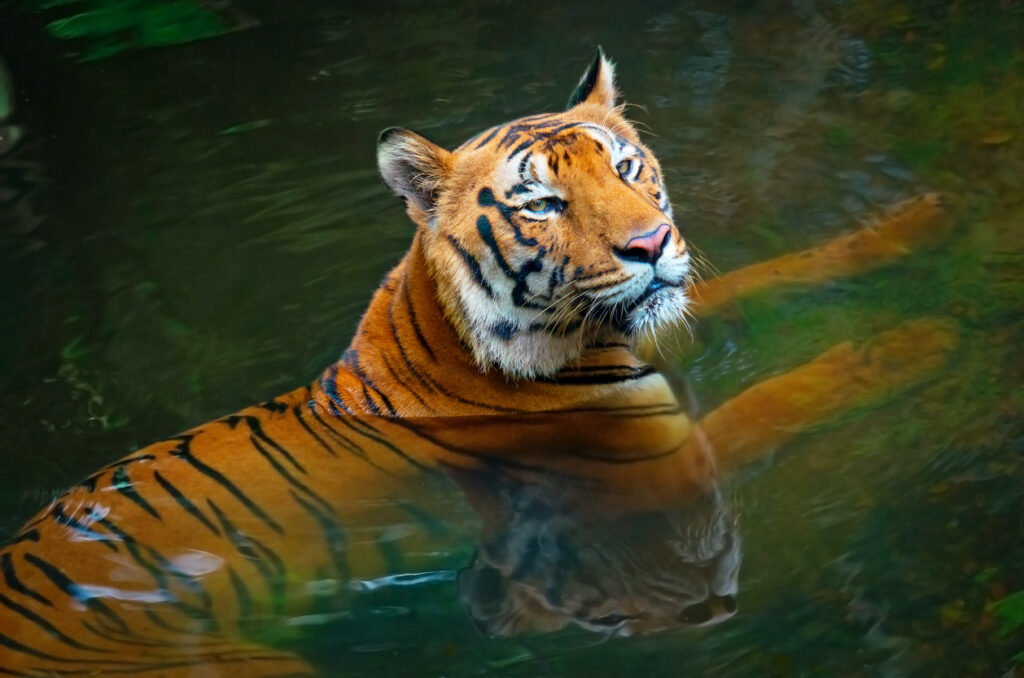
Tigers require vast territories and stable prey populations, both of which are shrinking due to human expansion. Roads, farms, and settlements fragment habitats, forcing tigers into conflict situations they didn’t evolve to manage. When tigers encounter humans, the result is often fear-driven retaliation. A human-free world would mean uninterrupted forests, healthy prey numbers, and far fewer reasons for these animals to be hunted or killed.
12. Most animals humans label as “dangerous”
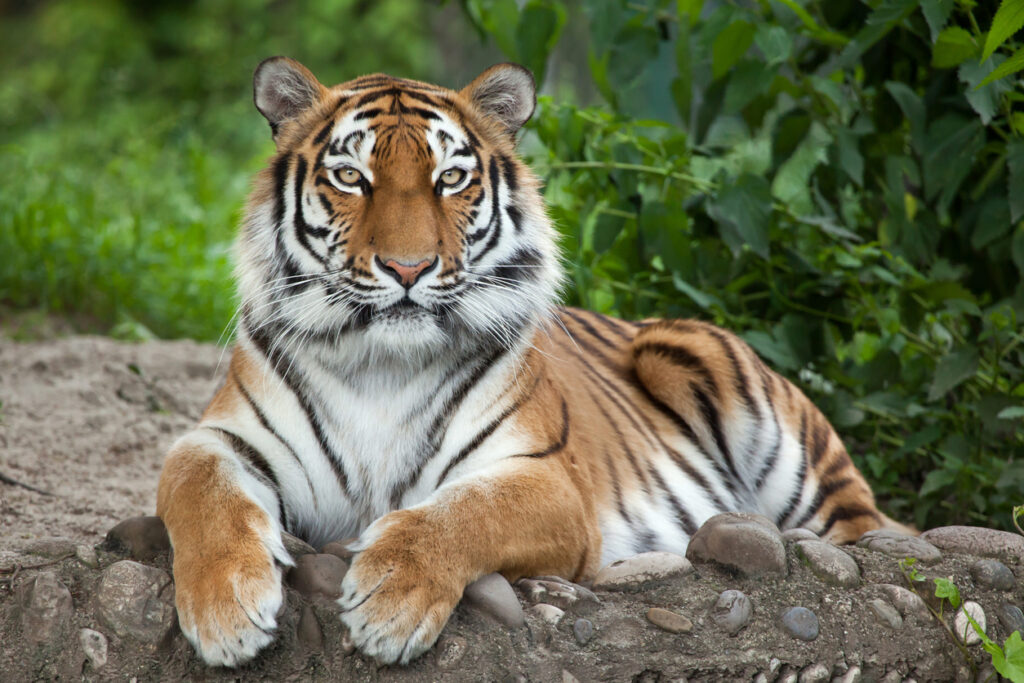
Many animals feared by humans, from large predators to venomous species, would happily avoid us entirely if given the chance. Attacks are usually defensive or driven by habitat loss rather than aggression. Without humans pushing into their spaces, these animals wouldn’t need to defend themselves at all. Their lives would be quieter, safer, and far less interrupted by a species that rarely understands when it isn’t welcome.