January can feel like a write-off in the garden.
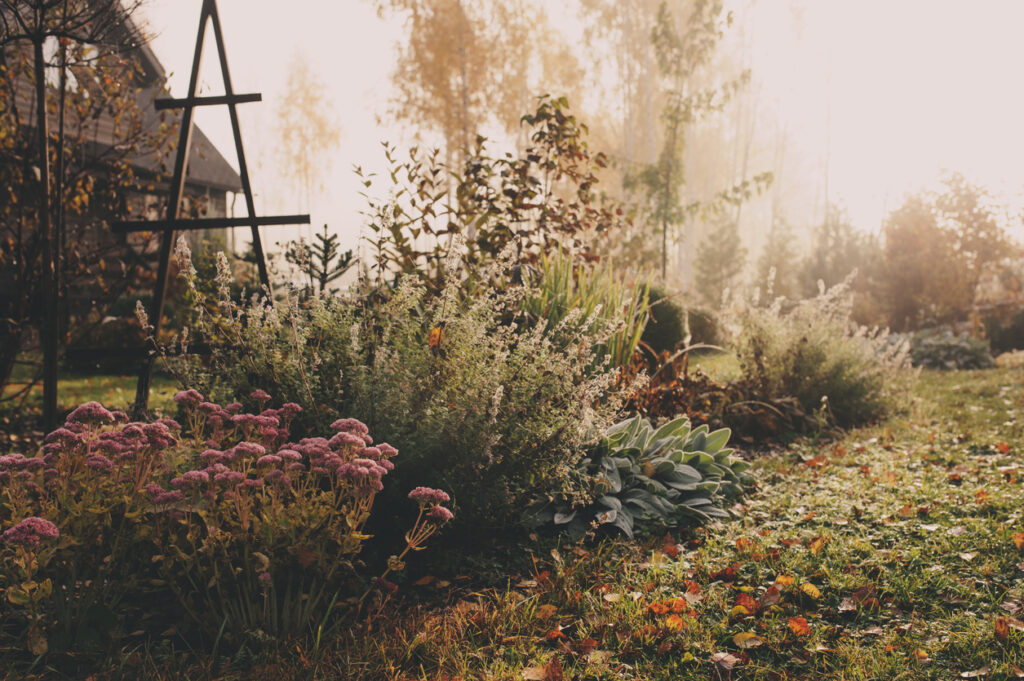
Everything looks bare or muddy, and it’s tempting to shut the door and tell yourself you’ll deal with it when spring actually turns up. However, this month quietly sets the tone for everything that follows, whether you pay attention to it or not.
A bit of low-effort pottering now can save you a lot of stress later, and it doesn’t require freezing your fingers off for hours on end. Think of January as preparation rather than productivity. You’re not chasing blooms or big results yet, you’re laying the groundwork so that when things wake up, your garden is ready to get moving with them.
1. Clear up any dead plant material you’ve left over winter.

You might’ve left seed heads and stems for wildlife through December, which is fine, but January’s the time to clear them before new growth starts. Dead leaves, collapsed perennials, and soggy annuals just harbour diseases and pests if you leave them rotting into spring.
Cut everything back to ground level and either compost it if it’s healthy or bin it if there’s any sign of disease or mould. This gives you a proper clean slate to work with and means you can actually see what’s going on in your borders. The soil benefits from exposure to frost and rain once you’ve cleared the debris, and you’ll spot any problems like waterlogging or compaction more easily.
2. Prune fruit trees and bushes whilst they’re dormant.

Winter’s the best time to prune apples, pears, currants, and gooseberries because you can see the structure clearly without leaves in the way. Remove any dead, diseased, or crossing branches first, then shape the tree to keep the centre open for air circulation. Don’t prune stone fruits like plums or cherries now, though, they need pruning in summer to avoid disease.
Sharp, clean secateurs make proper cuts that heal better than ragged tears from blunt tools. If you’ve never pruned before, there are loads of videos online showing you exactly where to cut, and it’s honestly hard to mess up too badly because trees are quite forgiving.
3. Check your shed and greenhouse for damage before you need them.
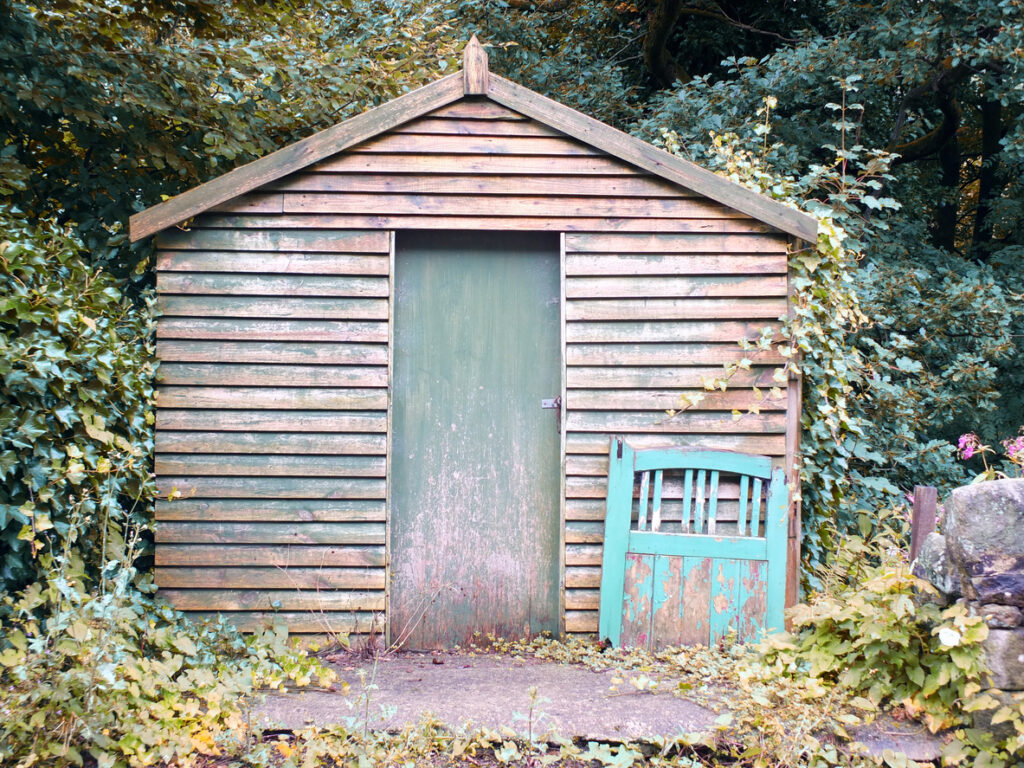
Winter weather can wreck structures without you noticing until you suddenly need to use them in spring. Look for broken glass, torn plastic, rotten wood, leaking roofs, or broken door hinges that’ll cause problems later. Fix anything now whilst you’ve got time, rather than discovering your greenhouse has been leaking onto your seedlings for weeks.
Clean the glass inside and out because even slightly dirty panes reduce light significantly, which matters when you’re trying to grow things. Organize your tools and supplies so you know what you’ve got and what needs replacing before the garden centres get mobbed in March.
4. Start chitting seed potatoes if you want an early crop.
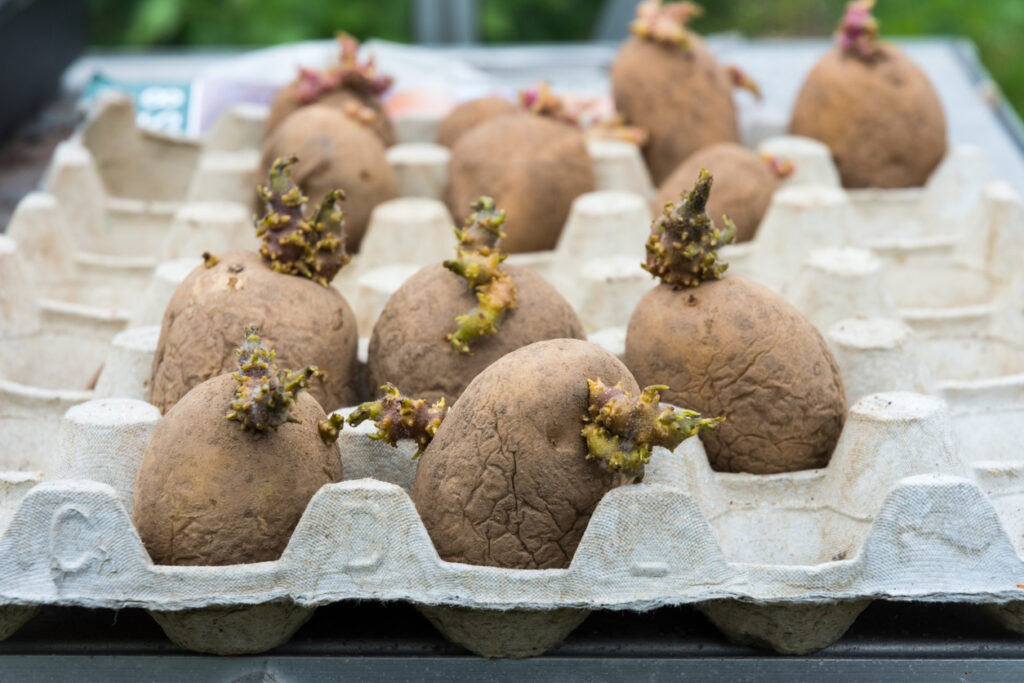
Chitting means letting potatoes sprout before planting, which gives you earlier and often better yields. Stand seed potatoes in egg boxes or trays with the end that has most eyes facing upwards, somewhere light and frost-free like a windowsill or cool room. They’ll develop short, sturdy shoots over the next six weeks, and you plant them out in March or April, depending on your area.
Early varieties are ready by June, which is brilliant for new potatoes. You don’t have to chit them, but it does give you a head start, and it’s satisfying watching them sprout when everything outside still looks dead.
5. Plan what you’re actually going to grow this year.
January’s perfect for sitting down with seed catalogues or websites and deciding what you want to plant. Be realistic about space, time, and what you’ll actually eat rather than ordering everything that looks interesting. Check what did well last year and what was a waste of effort, then adjust accordingly.
Order seeds now because popular varieties sell out, and you want them ready for sowing rather than panic-buying whatever’s left in March. Make a rough calendar of when things need sowing, planting out, and harvesting so you’re not trying to remember everything in your head when it gets busy.
6. Dig over empty beds and add compost or manure.
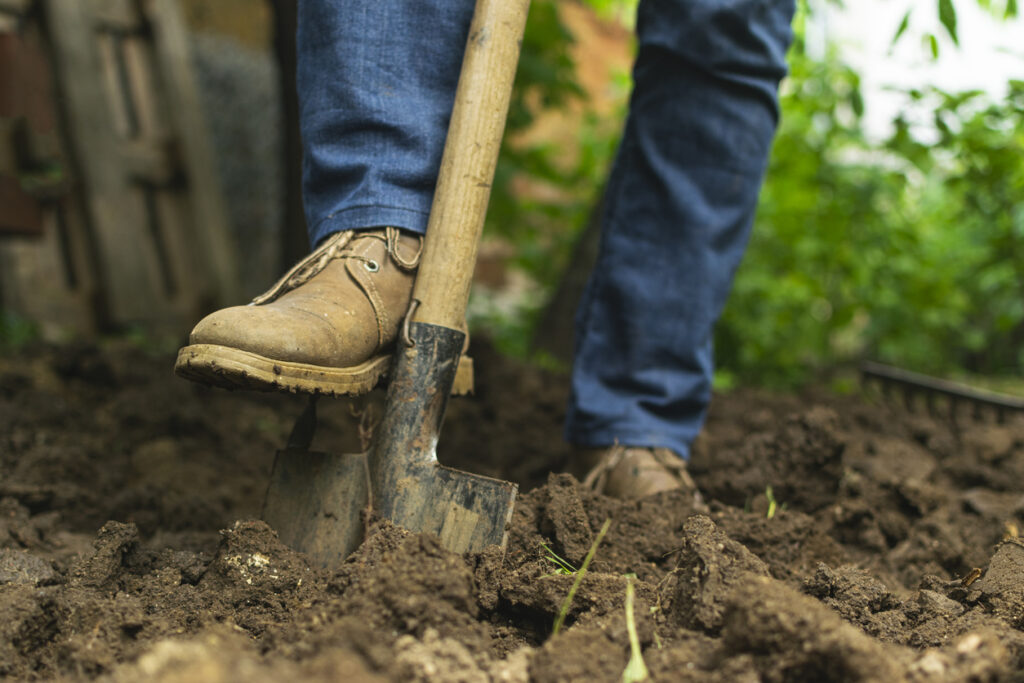
If you’ve got bare soil that’s not waterlogged, dig it over roughly and work in well-rotted manure or compost. Winter weather will break down the clods and improve the structure by the time you’re ready to plant. Don’t dig clay soil when it’s sodden because you’ll just compact it and make things worse, wait for a dryish spell.
Adding organic matter now gives it time to settle and the nutrients to become available for spring planting. If your soil’s heavy clay, digging in grit or sharp sand helps drainage, though you need loads of it to make a real difference so it’s quite a commitment.
7. Protect tender plants from frost if you haven’t already.
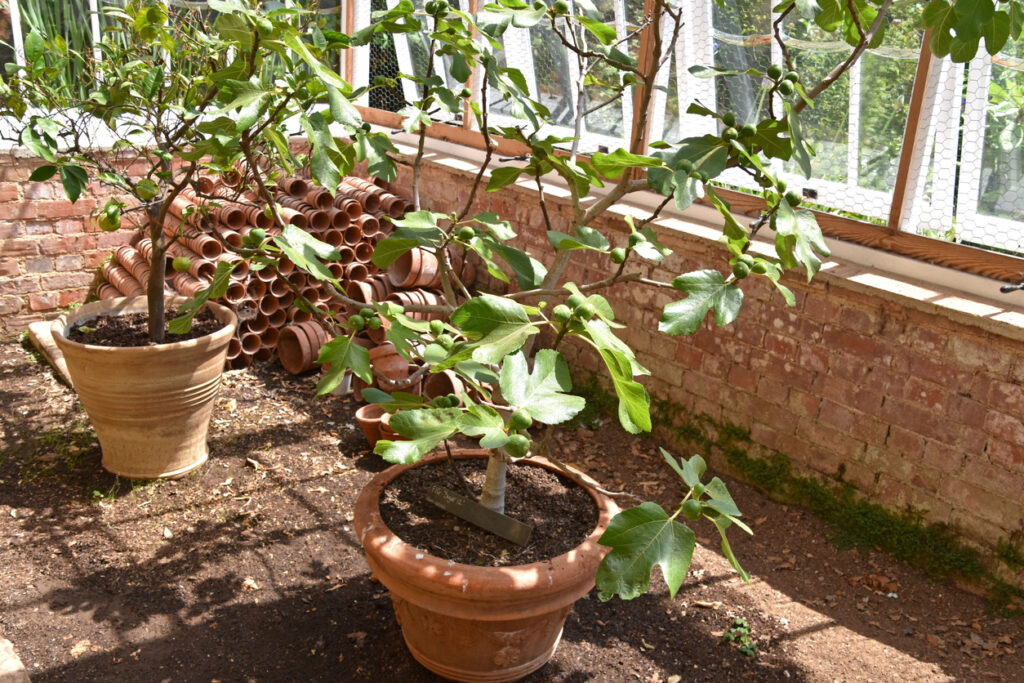
Anything borderline hardy needs protection during January’s cold snaps, even if it’s survived so far. Wrap pots in bubble wrap or hessian, move containers against the house for shelter, and cover crowns with mulch or fleece. Tender plants in borders benefit from a thick layer of bark, straw, or leaves over the roots to insulate them.
Check your protection regularly because wind can rip coverings off and leave plants exposed. It’s annoying losing plants to frost in January after they’ve made it through December, so don’t assume they’re safe just because they’ve survived this far.
8. Service your lawnmower before spring arrives.
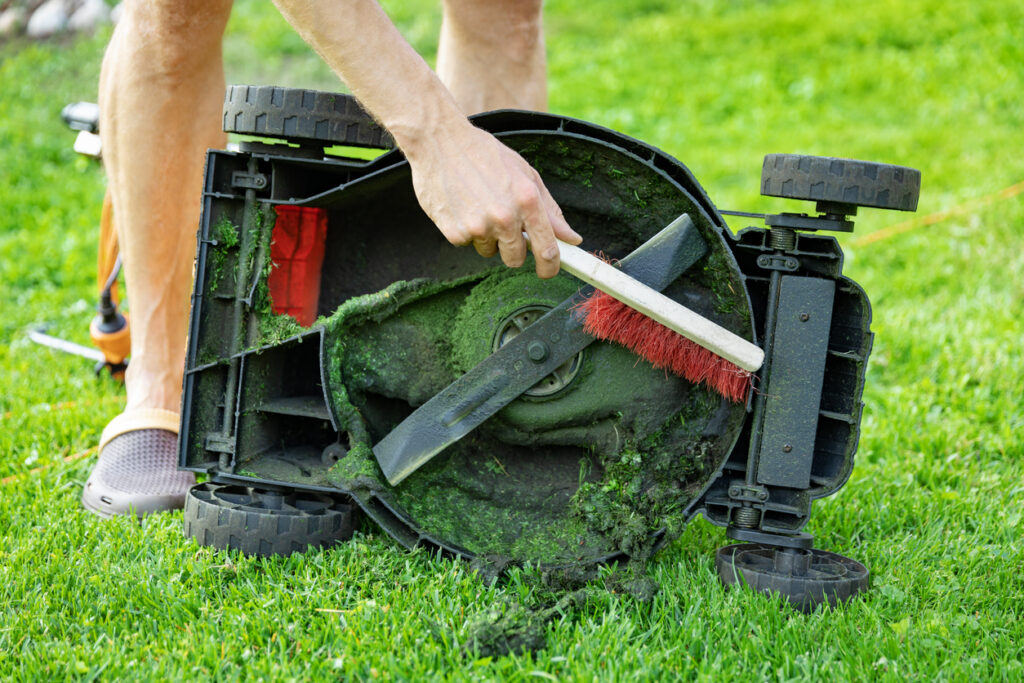
Nobody thinks about the mower until they need it, then discovers it won’t start, or the blades are knackered. Clean it properly, sharpen or replace blades, change the oil and spark plug if needed, and make sure it actually runs. If you’re not confident servicing it yourself, book it in somewhere now, rather than joining the queue in March when everyone else has the same idea.
Electric mowers need less maintenance, but check the cable for damage and make sure the blade’s sharp. A well-maintained mower makes cutting grass significantly easier and gives you a better finish.
9. Sow some seeds indoors for early starts.
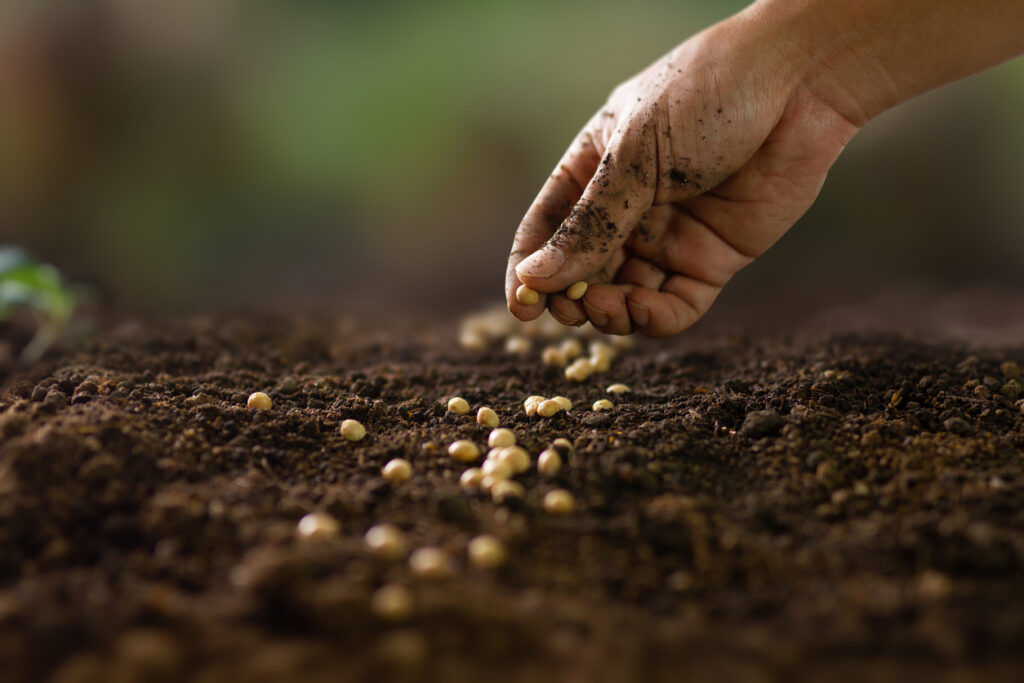
You can start sowing certain things in January if you’ve got a heated propagator or warm windowsill. Tomatoes, peppers, and chillies need a long growing season, so starting them now means bigger plants and earlier harvests. Broad beans can go in modules for planting out in February. Sweet peas sown now will flower earlier and for longer than spring-sown ones.
Don’t go mad with sowing everything because you’ll run out of space and light, just focus on things that genuinely benefit from an early start. Make sure you’ve got somewhere to keep seedlings once they’re up because they need decent light to avoid getting leggy and weak.
10. Sort out compost bins and get them working properly.
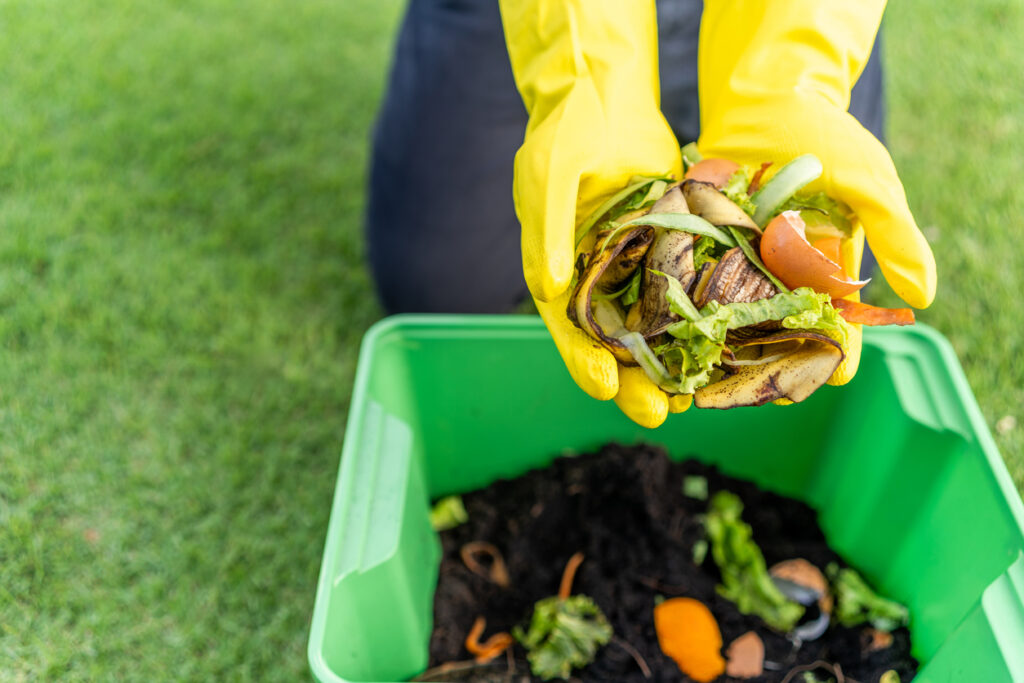
January’s a good time to turn your compost, add brown material if it’s too wet, or water it if it’s too dry. A well-managed compost bin should be breaking down material even in winter, just more slowly. If you’ve been piling stuff on all year without turning it, now’s the time to fork through and mix it up. Any finished compost at the bottom can go on beds or borders now.
If your bin’s not producing decent compost, look at what you’re putting in because too much of one thing or not enough air circulation are common problems. Getting compost right saves you buying bags of the stuff and deals with garden waste productively.
11. Check stored bulbs, tubers, and vegetables for rot.
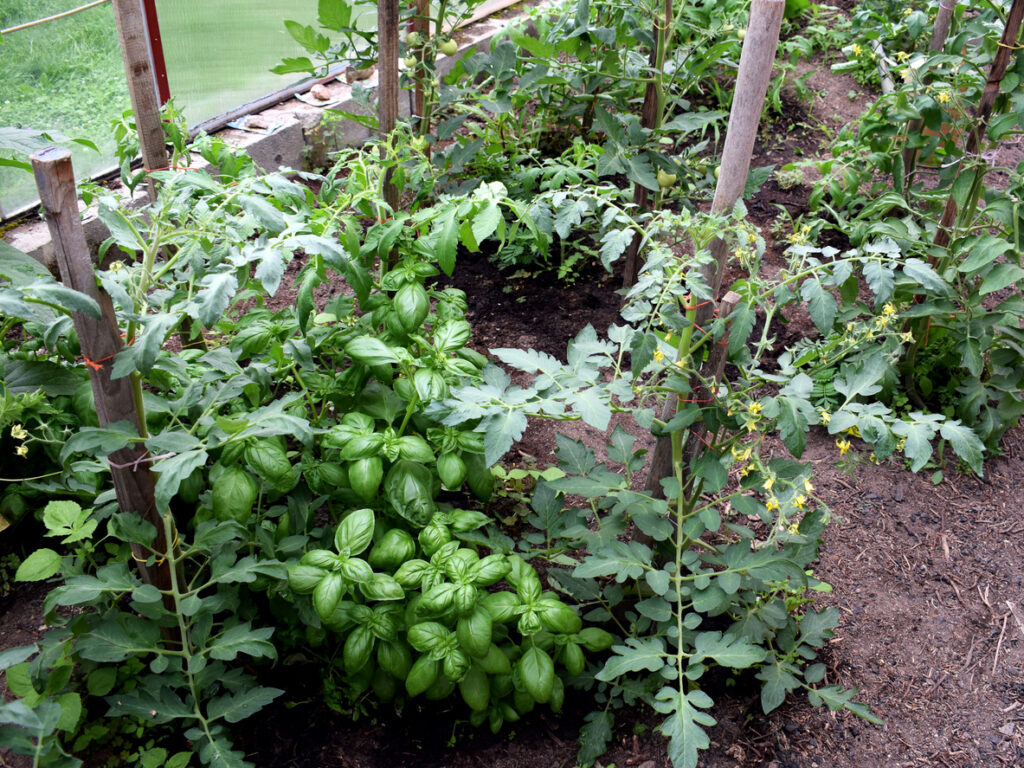
Dahlias, begonias, and other tender bulbs stored for winter need regular checking to catch rot before it spreads. Remove anything that’s gone soft or mouldy immediately because one rotten tuber can take out the whole lot. Stored vegetables like onions, garlic, potatoes, and squash also need checking and anything dodgy removing. Make sure storage areas have decent ventilation because stuffy conditions encourage problems. It’s gutting losing stuff you’ve stored carefully all winter just because you didn’t check on it, so spend ten minutes now rather than discovering losses in spring.
12. Start a gardening journal if you don’t already keep one.
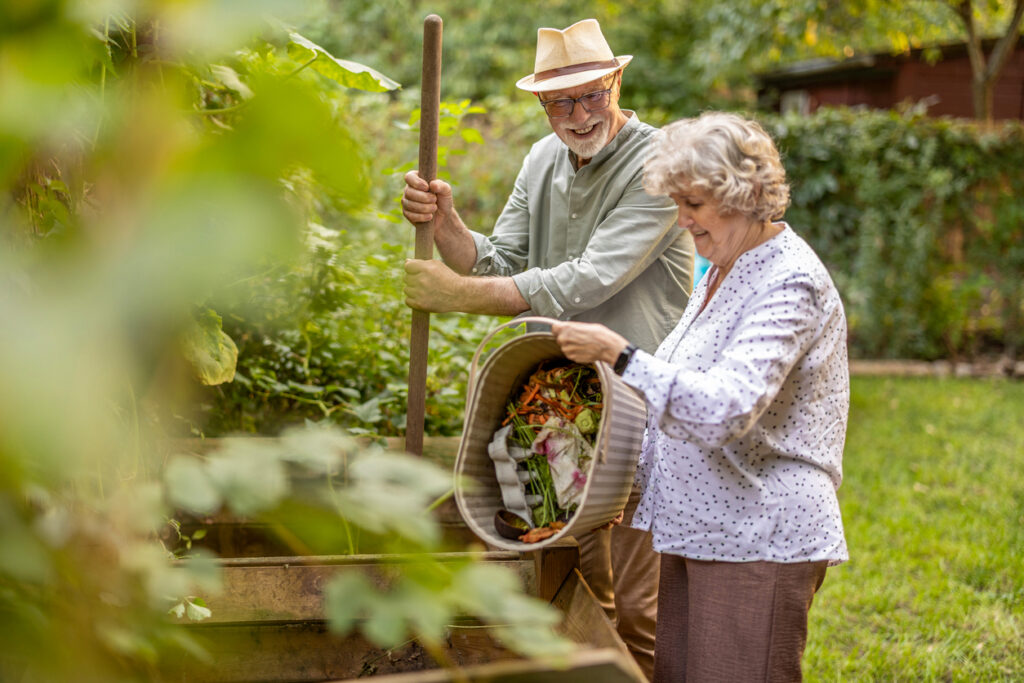
Write down what you planted where, what worked, what didn’t, when things happened, and what you want to change. It sounds tedious, but it’s genuinely useful for remembering what varieties you liked, when pests appeared, or why that bed performed badly.
Take photos throughout the year because memory’s unreliable, and you’ll forget what borders looked like or which plant was which. A simple notebook or notes app on your phone works fine, you don’t need anything fancy. January’s perfect for starting because you can record your plans and then track how they actually work out versus what you expected.