Growing your own fruit and veg sounds straightforward until you run into the crops that refuse to play along.
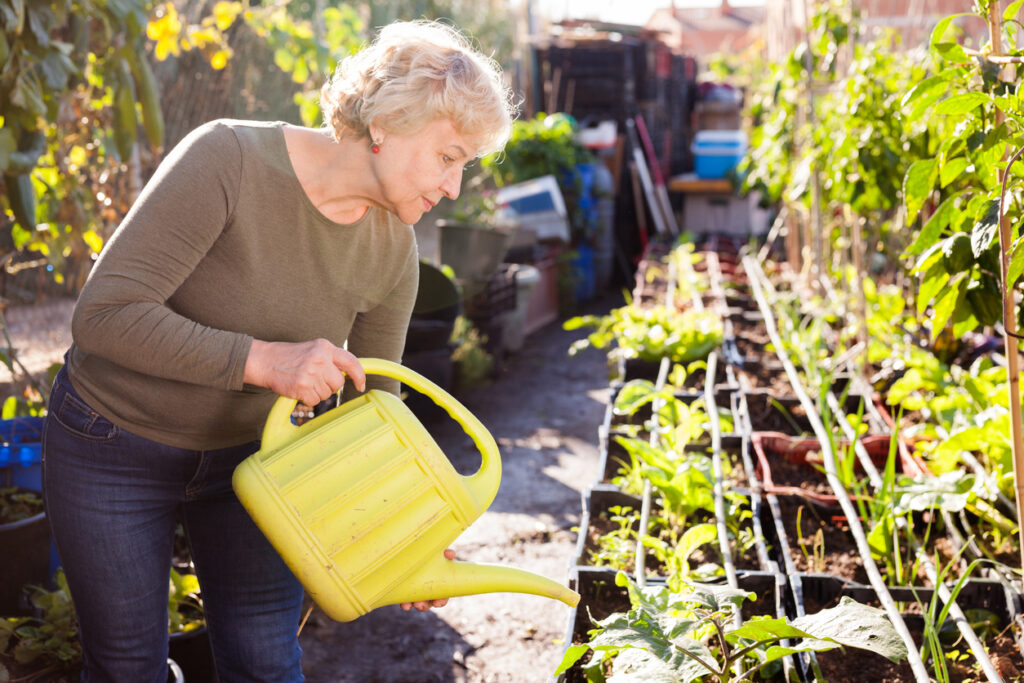
Some plants are fragile, painfully slow, or so picky about conditions that even experienced gardeners struggle to keep them happy. These are the ones that turn enthusiasm into frustration, not because you are doing everything wrong, but because they genuinely demand more than most gardens can easily give.
1. Artichokes
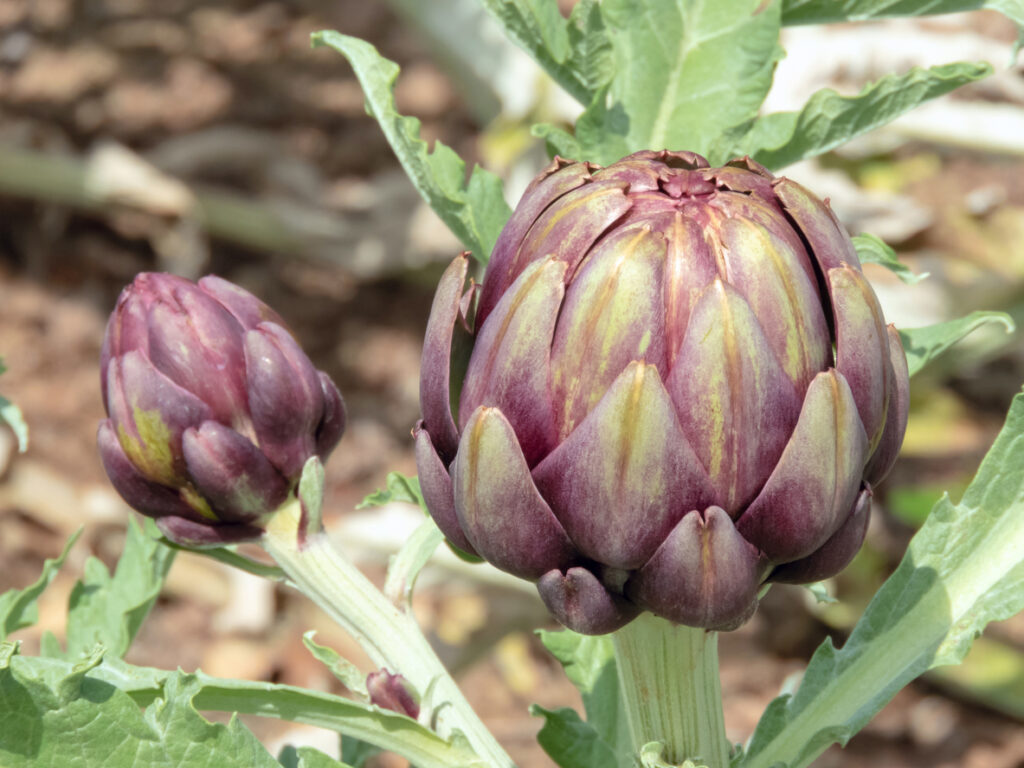
Artichokes are often grown for their dramatic looks as much as their harvest, but they’re a serious commitment. They need deep, fertile soil, plenty of space, and time, often taking two years before producing anything you can actually eat. During that waiting period, they still need feeding, watering, and protection as if they were already productive.
British winters are where many artichokes fail. Cold, wet conditions can rot crowns, while hard frosts can wipe plants out completely unless they’re well protected. Even with careful mulching and covering, success is never guaranteed, and all that effort may only reward you with a small harvest in a good year.
2. Cauliflower
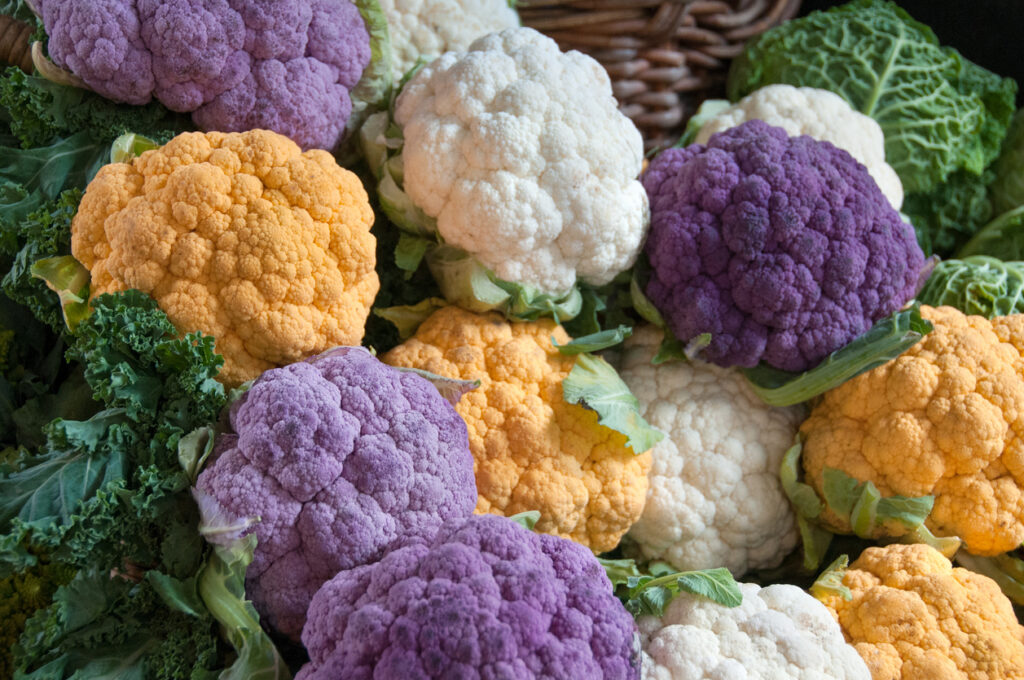
Cauliflower is famously unforgiving. It needs steady growth from start to finish, which means consistent moisture, regular feeding, and minimal temperature swings. Any stress during its development can cause the head to remain small, loose, or fail altogether.
The UK climate doesn’t make this easy. A sudden warm spell can trigger bolting, while cold weather slows growth and encourages disease. Add in constant pressure from cabbage white caterpillars and aphids, and it can feel like cauliflowers attract every possible problem at once.
3. Celery
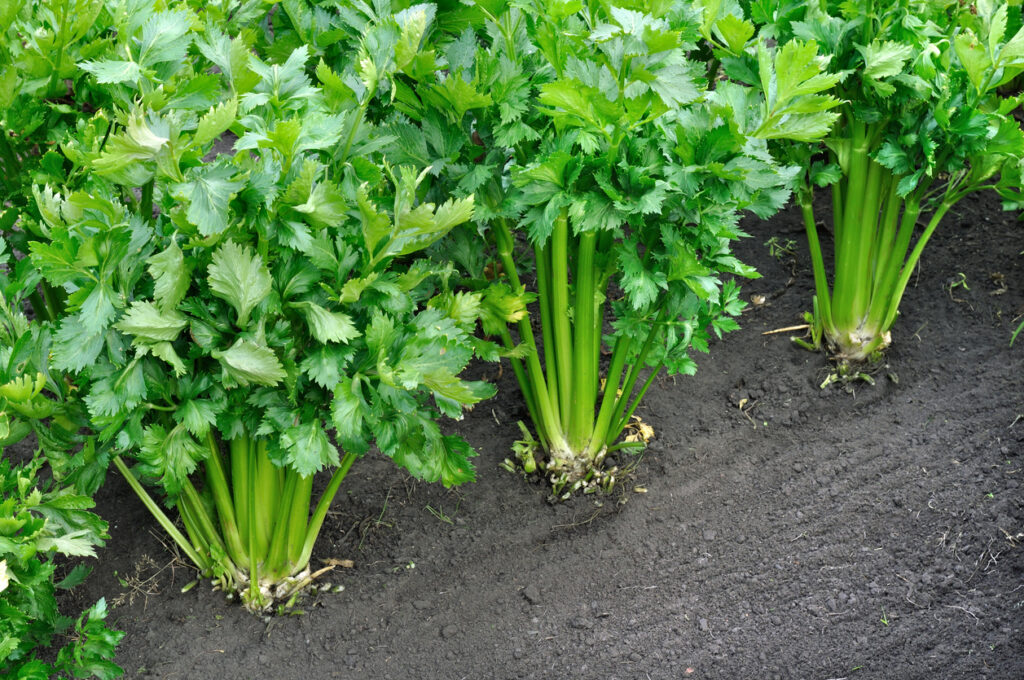
Celery looks pretty simple, but is one of the thirstiest vegetables you can grow. It needs consistently damp soil and rich nutrition throughout the season. Miss a few waterings, and the stalks quickly turn stringy, bitter, or hollow. On top of that, celery usually needs blanching to make it palatable, which involves shielding the stalks from light for weeks. That extra step catches many growers out, turning what seems like a simple crop into a surprisingly demanding one.
4. Watermelons
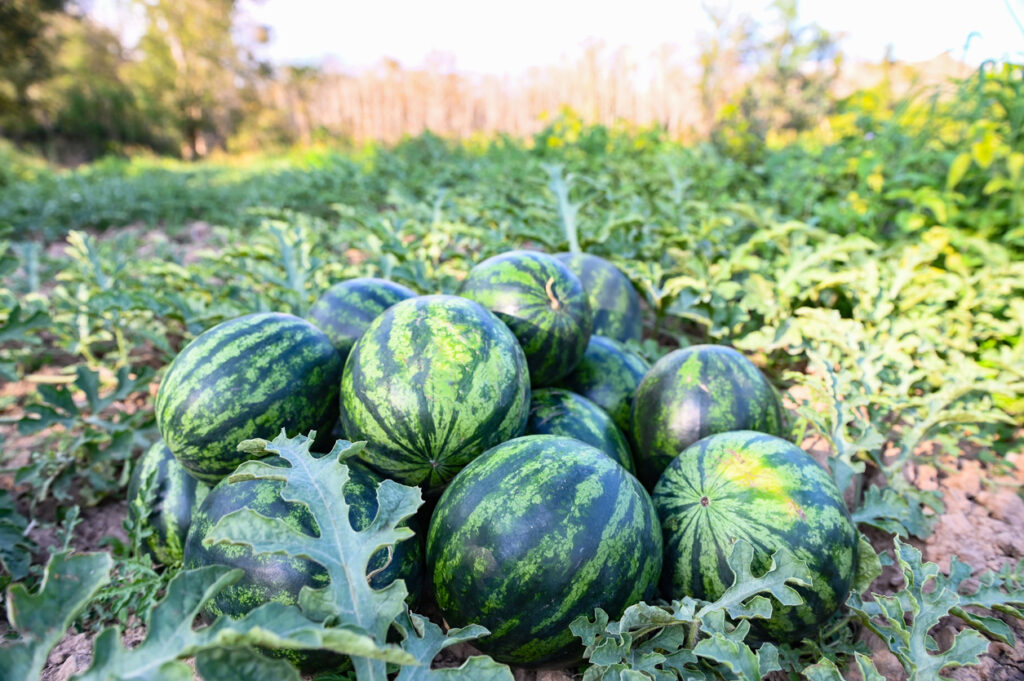
Watermelons are an uphill battle in most UK gardens. They need a long, hot growing season, plenty of sun, and space for sprawling vines. Even under cover, getting enough warmth can be a struggle. Pollination is another hurdle. Without reliable insect activity or careful hand pollination, plants can flower happily and still produce no fruit. When fruit does form, it needs sustained heat to ripen properly, which British summers don’t always deliver.
5. Aubergines
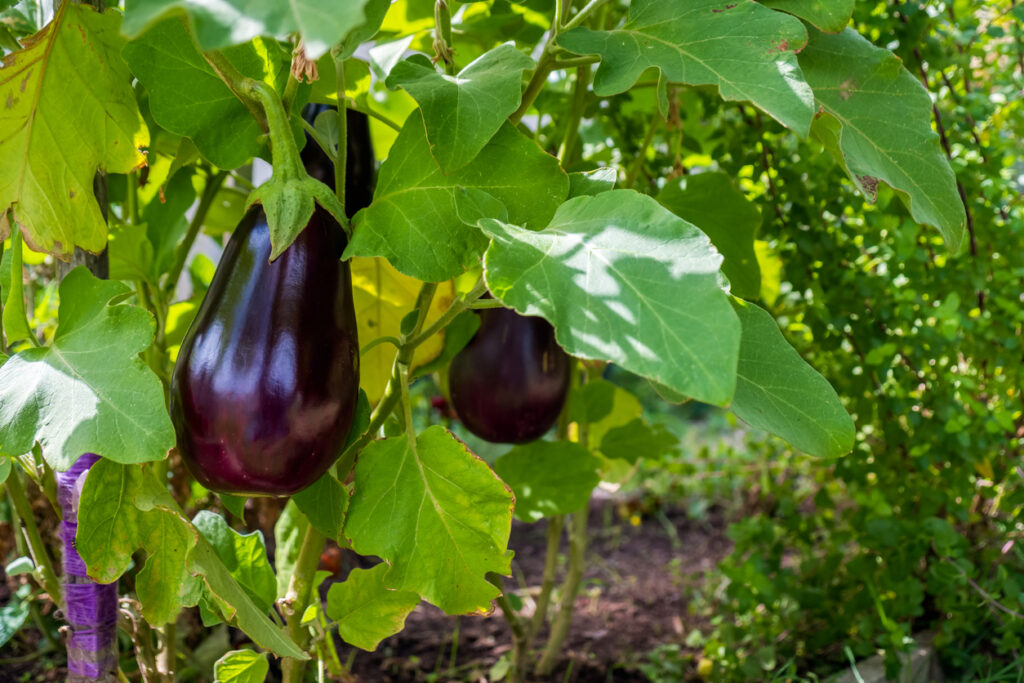
Aubergines are extremely sensitive to temperature. They dislike cold nights, slow growth in cool conditions, and often refuse to flower if they’re unhappy. Outdoors, they rarely thrive unless the summer is unusually warm. Most successful aubergine crops in the UK come from greenhouses or very sheltered spots. Even then, inconsistent heat can lead to poor fruiting or misshapen fruit, making them one of the more frustrating crops for home growers.
6. Sweetcorn
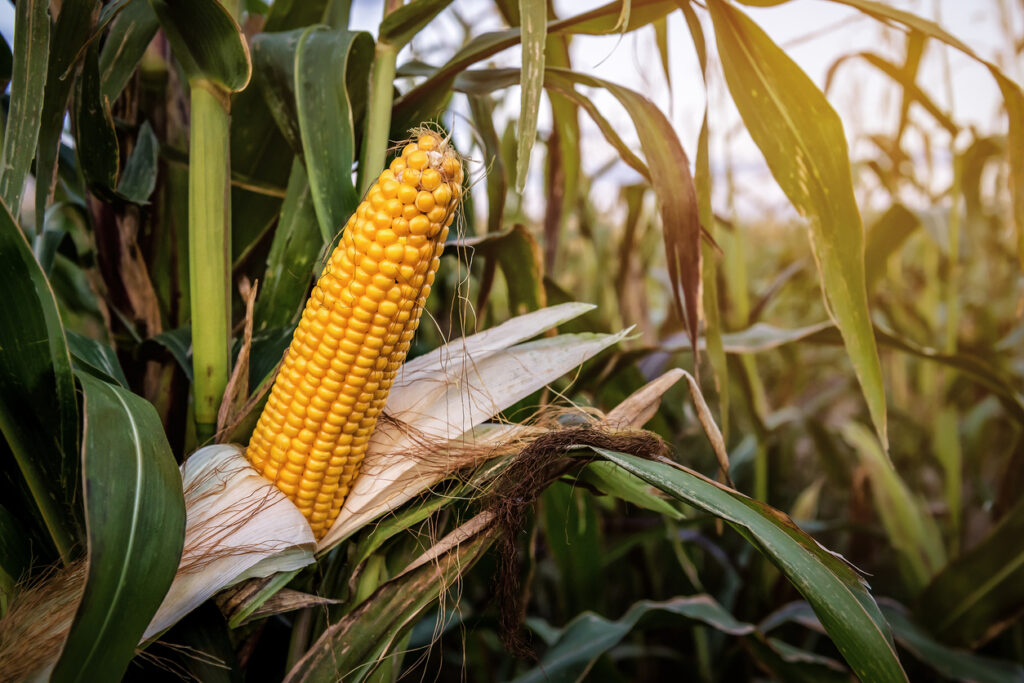
Sweetcorn grows quickly and confidently, which makes it look easy at first. The real challenge comes at pollination. Corn relies on wind to move pollen from tassels to cobs, and poor spacing or bad weather can interrupt that process. The result often goes unnoticed until harvest, when cobs appear with missing or underdeveloped kernels. You can do everything right and still end up disappointed, which makes sweetcorn a gamble rather than a reliable crop.
7. Carrots
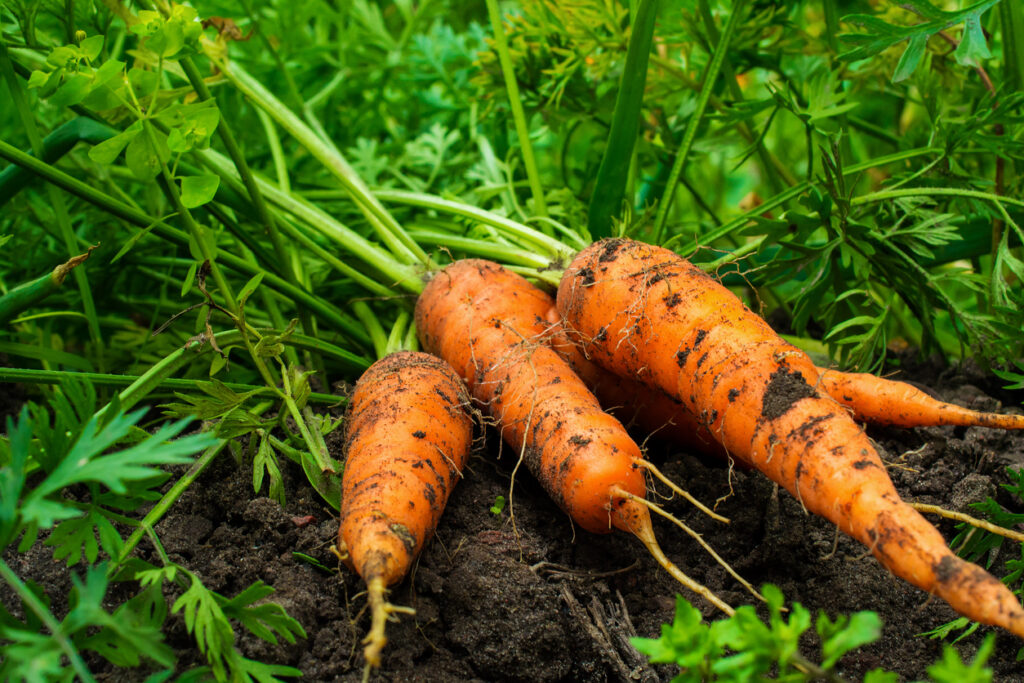
Carrots seem like beginner vegetables, but they’re incredibly fussy about soil. Stones, compacted ground, or uneven moisture cause roots to fork, split, or stay stunted. Carrot fly adds another layer of difficulty. Once they discover your patch, they can ruin an entire crop unless you use fine netting or grow carrots in containers. For such a basic vegetable, they demand far more planning than expected.
8. Blueberries
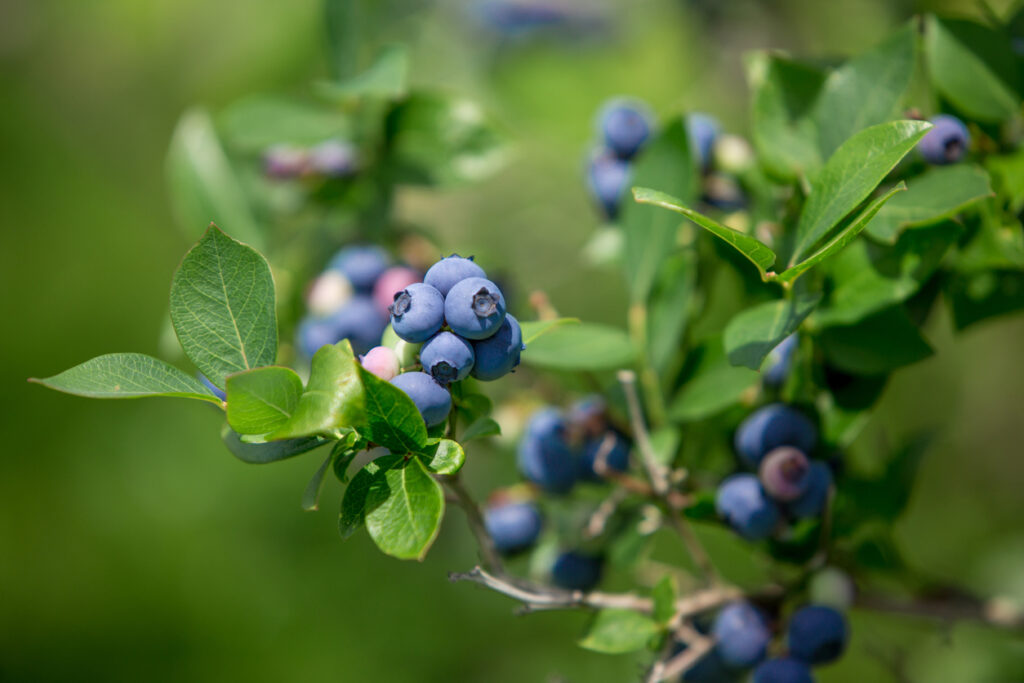
Blueberries insist on acidic soil, which many gardens simply don’t have. Without the right pH, plants struggle, leaves yellow, and fruiting is poor or non-existent. Even grown in containers, blueberries need careful feeding, regular watering, and protection from birds. They’re slow to establish and can take several years to produce worthwhile harvests, testing patience as much as skill.
9. Cherries
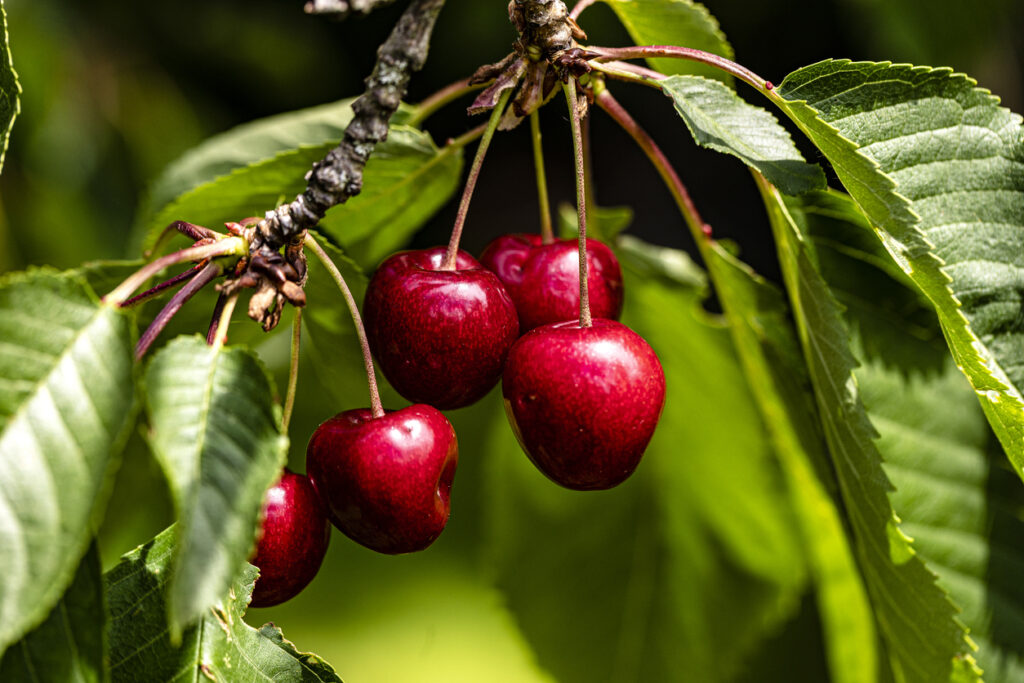
Cherry trees promise generous harvests, but often disappoint in practice. They take years to mature, and late frosts can destroy blossoms before fruit even forms. When cherries do ripen, birds usually arrive first. Netting helps, but can be awkward and time-consuming, and pests and disease can undo a season’s work very quickly.
10. Wasabi
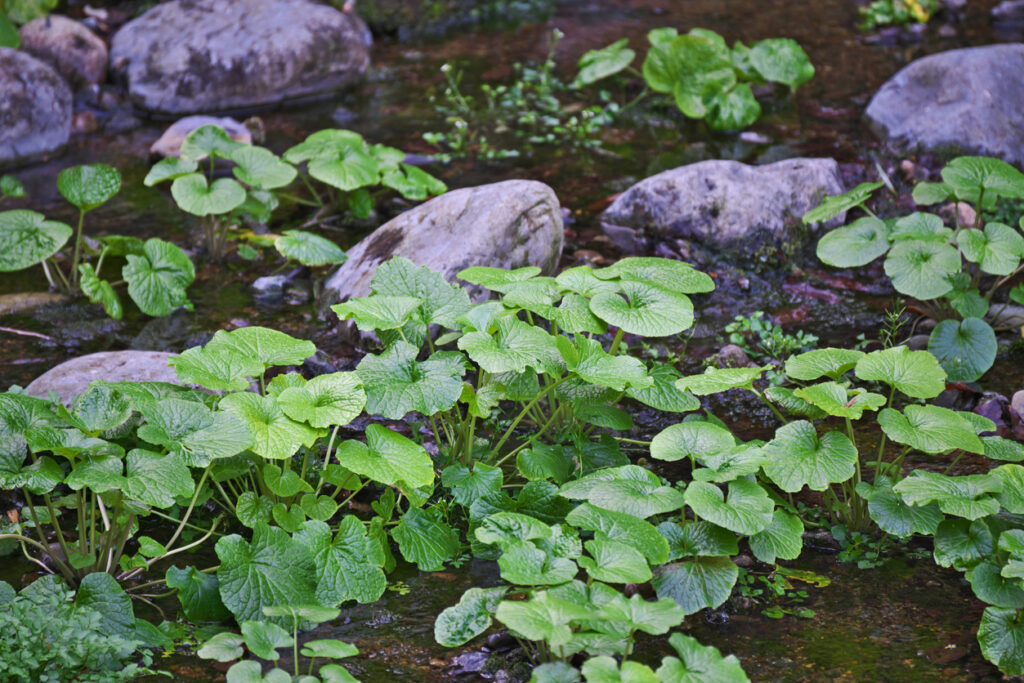
True wasabi is in a league of its own when it comes to difficulty. It requires cool temperatures, shade, constant moisture, and specific soil conditions that are extremely hard to replicate at home. Even under ideal care, wasabi grows slowly and can take years to harvest. Many people give up long before then, making it one of the most challenging edible plants you could attempt to grow yourself.