Living without a garden or balcony can make greenery feel like something reserved for other people.
You scroll past leafy terraces, overflowing window boxes, and carefully curated patios and think, great for them, not an option here. It’s easy to assume that if you don’t have outdoor space, plants and green calm are off the table too.
In reality, enjoying greenery has very little to do with square footage. It comes down to how you bring it into your daily life and where you let it live alongside you. Even in the smallest flats or busiest homes, there are ways to surround yourself with plants, natural textures, and that sense of breathing room people associate with the outdoors. You just have to stop thinking in terms of gardens and start thinking in terms of habits, corners, and everyday sightlines.
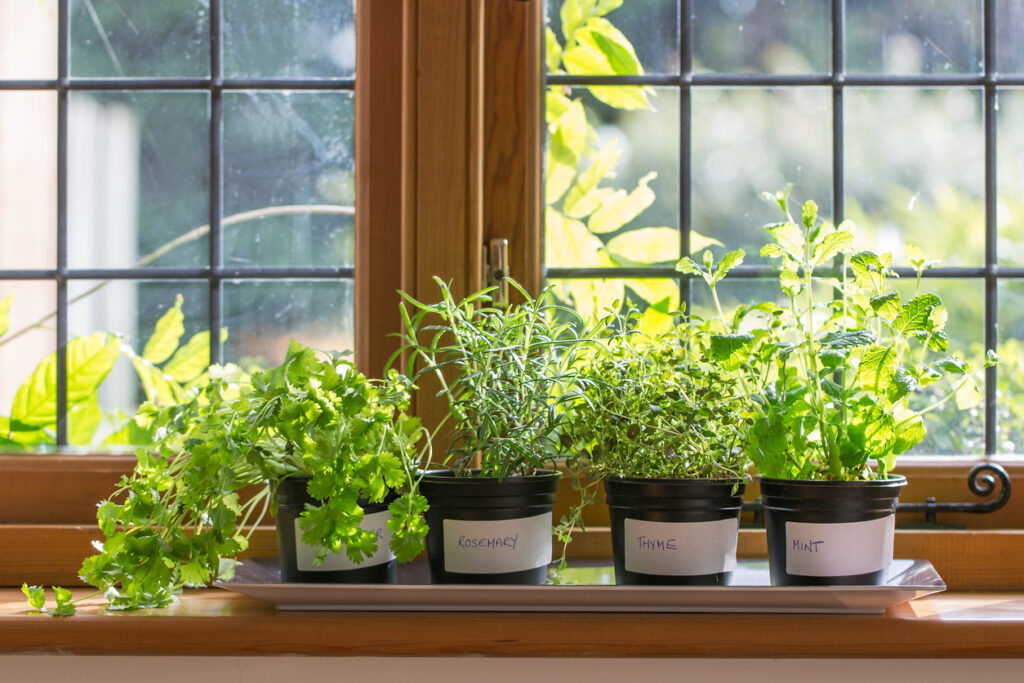
Fill windowsills with low-maintenance plants.
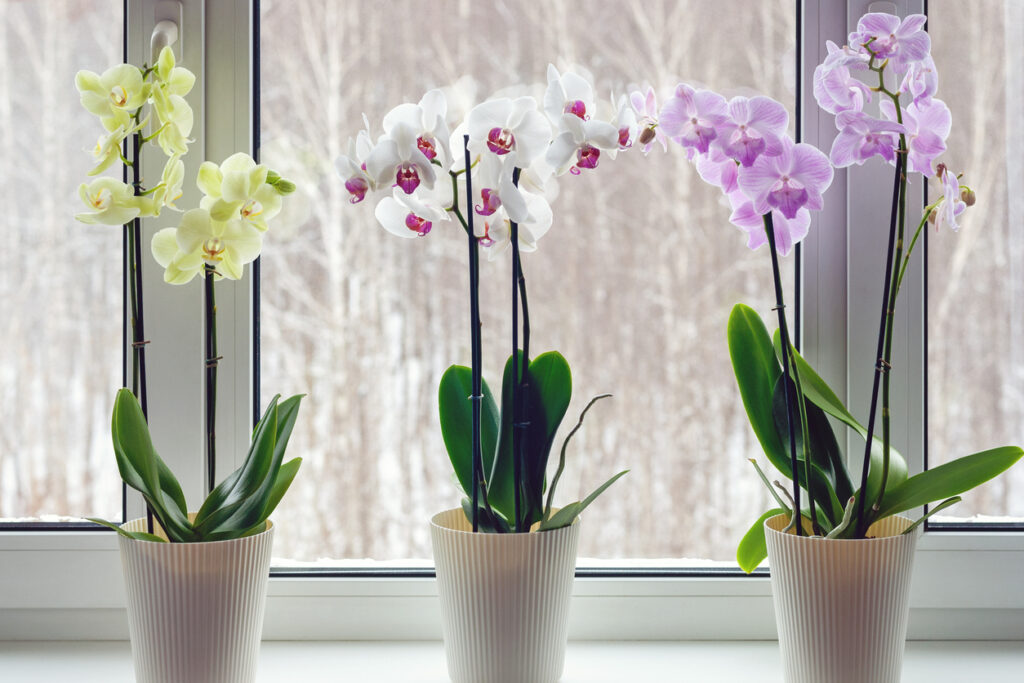
Windowsills are prime real estate for plants because they get natural light, and even small windows can accommodate several pots if you arrange them cleverly. Succulents, herbs, and small trailing plants work brilliantly in limited space and don’t need constant attention to survive. You can create a proper indoor garden feel just by maximizing these small spaces that would otherwise sit empty.
Use vertical wall planters or hanging pots.
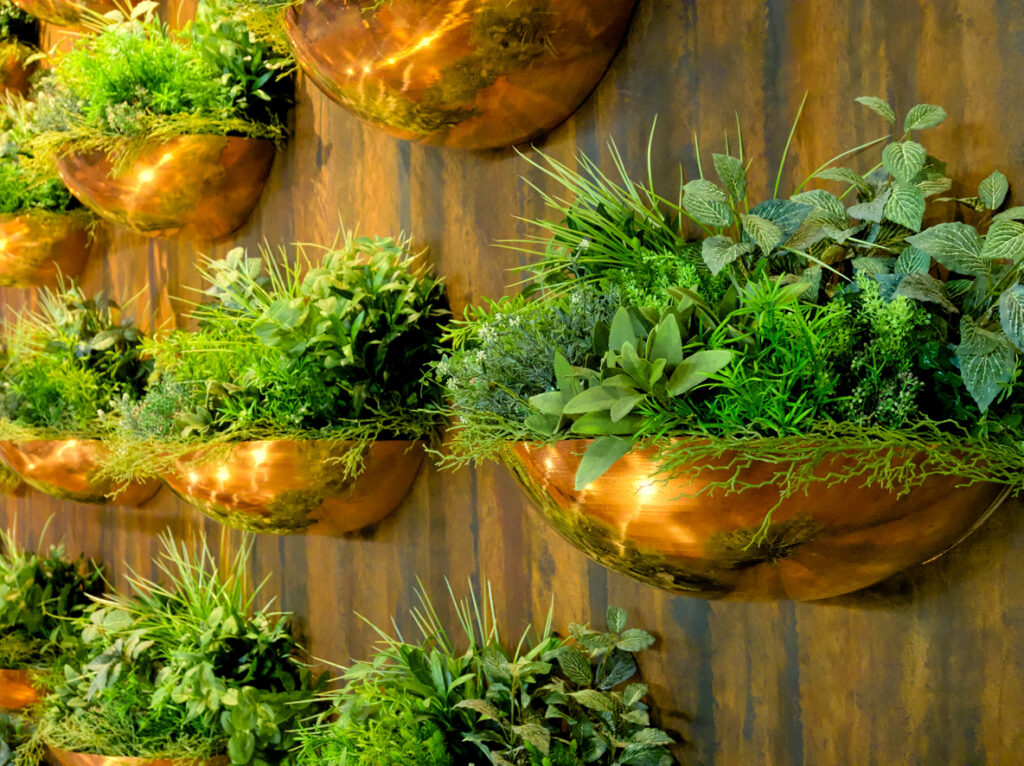
When floor space is limited, going vertical lets you add loads of greenery without sacrificing room you actually need for living. Wall-mounted planters, hanging baskets, and macramé plant hangers turn unused wall space into a living feature that adds colour and life. Trailing plants like pothos or string of hearts look particularly effective hanging from the ceiling or high shelves, creating layers of green at different heights.
Visit local parks and green spaces regularly.

Making a habit of walking through your nearest park or nature reserve gives you regular doses of greenery and becomes part of your routine rather than a special occasion. Even 20 minutes surrounded by trees and grass can improve your mood and reduce stress, so it’s worth scheduling into your week. Many cities have community gardens or nature trails you might not know about, so exploring your area can reveal green spaces you didn’t realize were there.
Grow herbs on your kitchen counter.
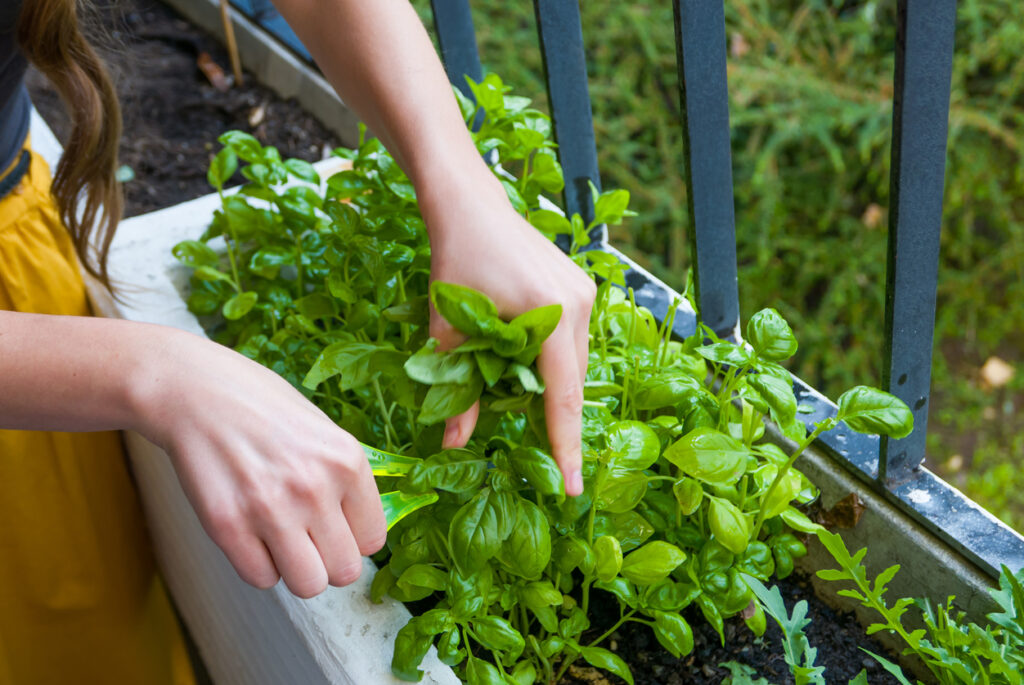
Fresh herbs are practical because you’ll actually use them in cooking while also bringing living plants into your daily environment. Basil, mint, parsley, and coriander grow well indoors near a bright window, and they smell wonderful when you brush against them. Having something you can actively tend to and harvest makes the connection to plants feel more meaningful than just decorative greenery.
Join a community garden or allotment scheme.
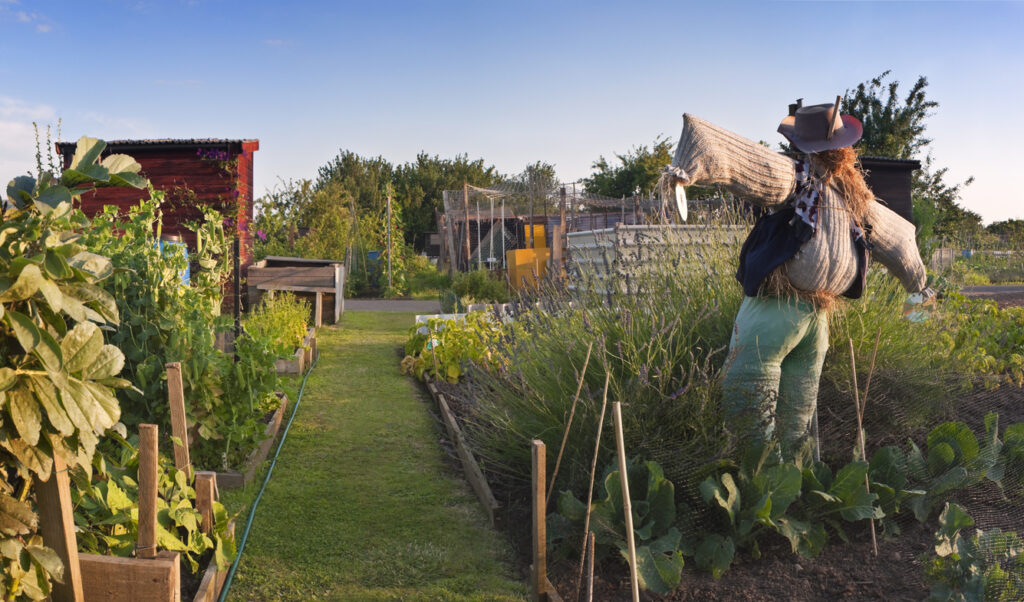
Community gardens give you outdoor growing space without needing your own garden, and they come with the bonus of meeting other people who care about plants. Allotments can have waiting lists, but they’re worth it for the amount of space you get to grow vegetables, flowers, and whatever else interests you. The regular visits required to maintain your plot give you a reason to spend time outdoors and working with soil on a consistent basis.
Add large statement plants to empty corners.

One big plant in a corner can completely transform a room and create that jungly feeling without needing dozens of smaller pots. Monstera, fiddle leaf figs, or rubber plants work well as statement pieces, and they’re surprisingly easy to care for despite their impressive size. A single well-placed large plant often has more impact than scattering tiny pots around, and it consolidates your plant care into one substantial watering session.
Use botanical prints and nature photography.
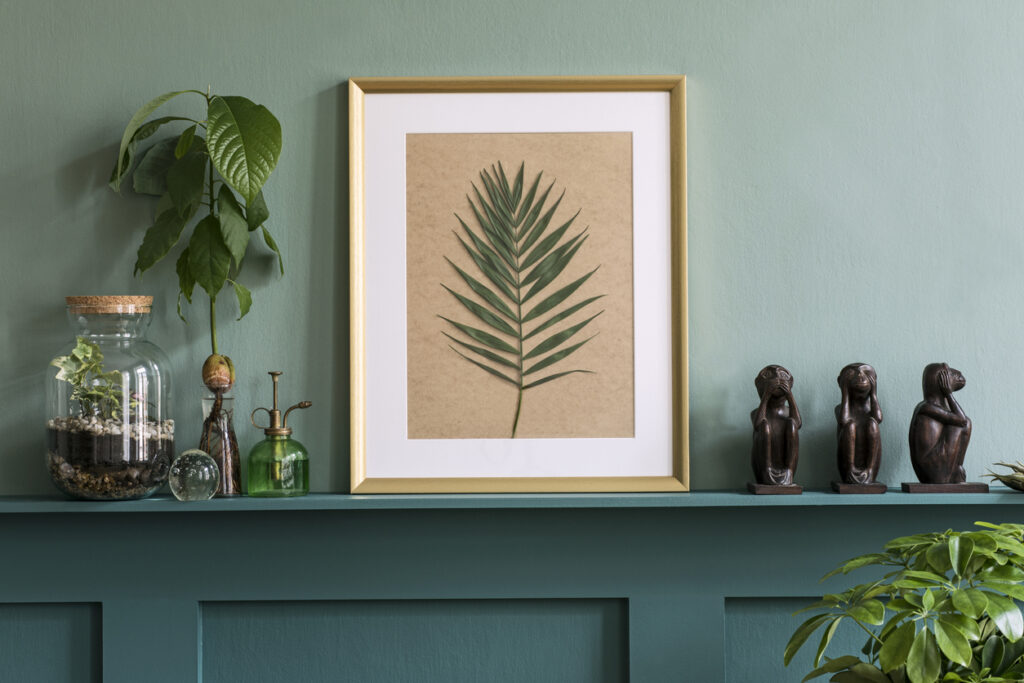
When you can’t have actual plants everywhere, images of nature still provide psychological benefits and make spaces feel more connected to the outdoors. Large prints of forests, botanical illustrations, or close-up plant photography bring green tones and natural patterns into rooms where live plants won’t survive. It’s not the same as caring for real plants, but it helps create a calming atmosphere and reinforces that connection to nature throughout your home.
Keep cut flowers or foliage from outdoor walks.
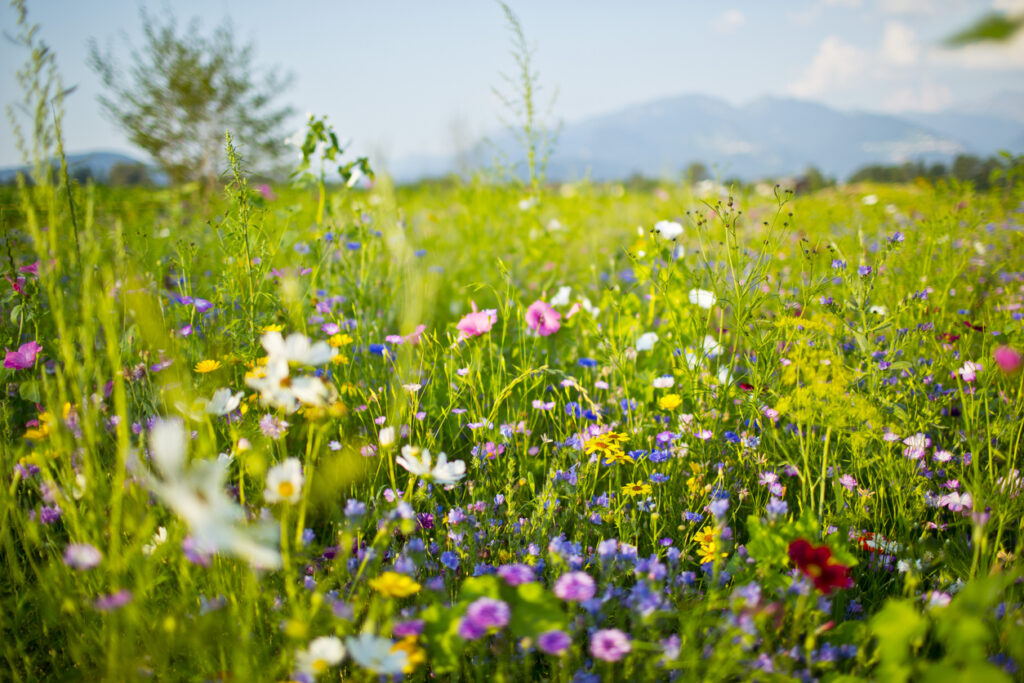
Bringing in branches, wildflowers, or interesting foliage from walks means you get fresh greenery regularly without the commitment of keeping plants alive. Even supermarket flowers last a week or two, and they add life and colour to tables or shelves, while reminding you there’s a natural world outside. Foraging responsibly for branches and leaves costs nothing, and you can rotate what you display based on the season.
Volunteer for tree planting or conservation projects.
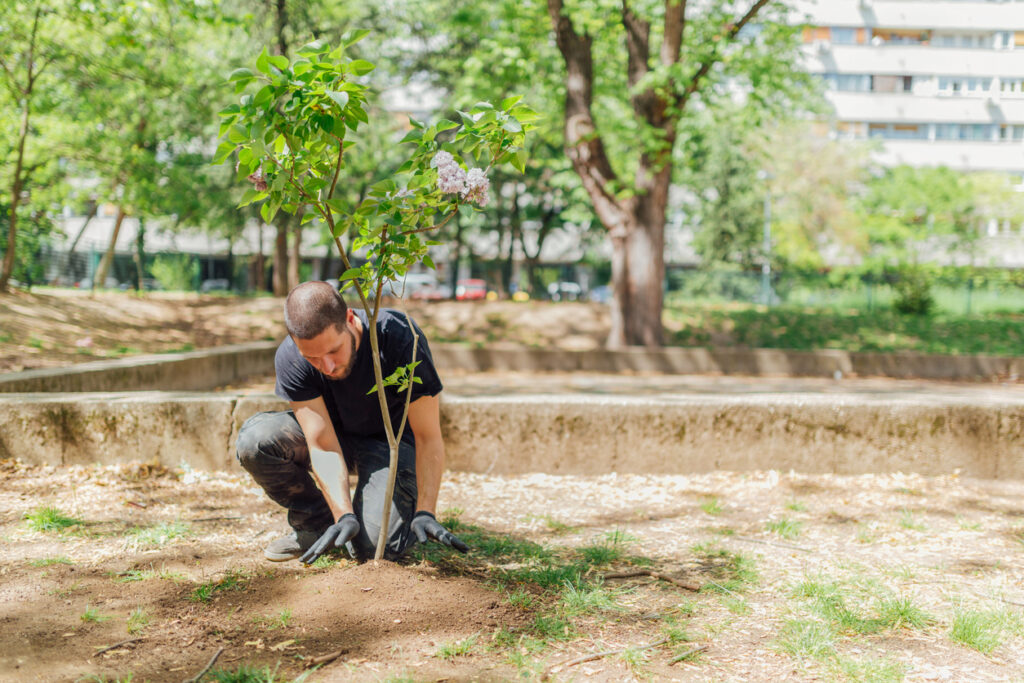
Getting involved with environmental groups gives you hands-on time working with plants and contributing to local green spaces, even if you can’t create your own. Many areas have regular tree planting days, park maintenance sessions, or wildlife habitat projects that welcome volunteers. You spend time outdoors, learn about native plants, and meet people while actually doing something useful rather than just observing nature passively.
Create a terrarium or miniature garden.
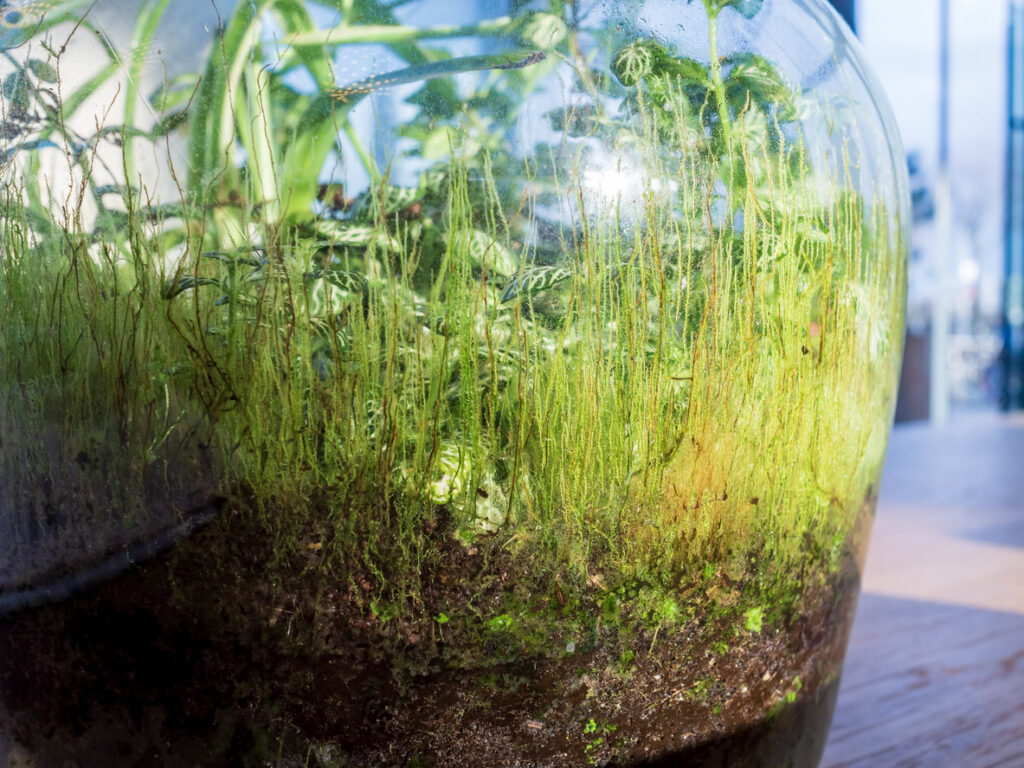
Terrariums are completely self-contained ecosystems that work brilliantly in small spaces and need minimal maintenance once they’re established. You can fit an entire miniature landscape into a glass jar or bowl, complete with moss, ferns, and tiny plants that thrive in humid enclosed environments. They’re fascinating to watch develop, and they bring a concentrated hit of greenery to desks, shelves, or bedside tables where larger plants won’t fit.