Every so often, you see an animal and think, “If that thing were smaller, people would absolutely be trying to keep it in their living room.”
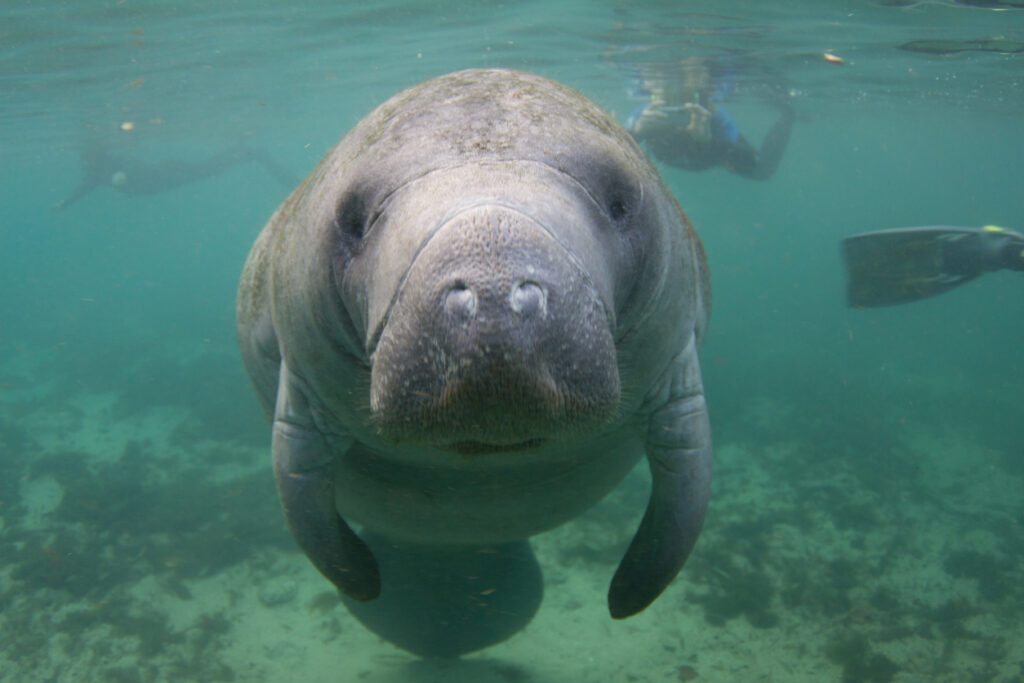
That’s probably because, at least at first sight, it’s calm, curious, and oddly gentle for something that could knock over a sofa without trying. Size, not personality, is the deal-breaker. A lot of large animals have temperaments that would make them far better housemates than plenty of creatures that already qualify as pets. They’re social, patient, and surprisingly tolerant of chaos.
The problem is simple physics. When something weighs half a tonne or needs half an acre to stretch out properly, good manners don’t count for much. Still, looking at these animals is a good reminder that temperament and size don’t always line up the way we expect.
1. Capybaras are incredibly social and calm.
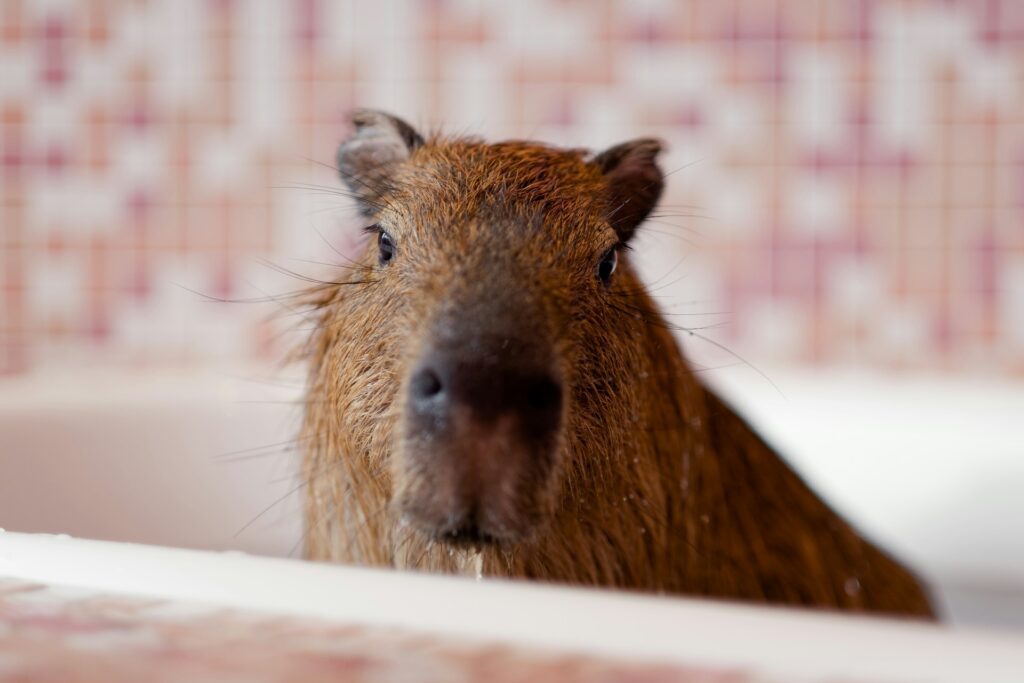
Capybaras are the world’s largest rodents, weighing up to 65 kilograms, and they’re known for being relaxed and friendly with virtually every species they encounter. They form strong bonds with humans and other animals, sitting calmly while being petted and showing almost no aggression. However, they need access to large bodies of water to swim in daily, grassy areas to graze, and they do better in groups, which means keeping even one requires space and resources most people simply don’t have.
2. Manatees are gentle and surprisingly affectionate.
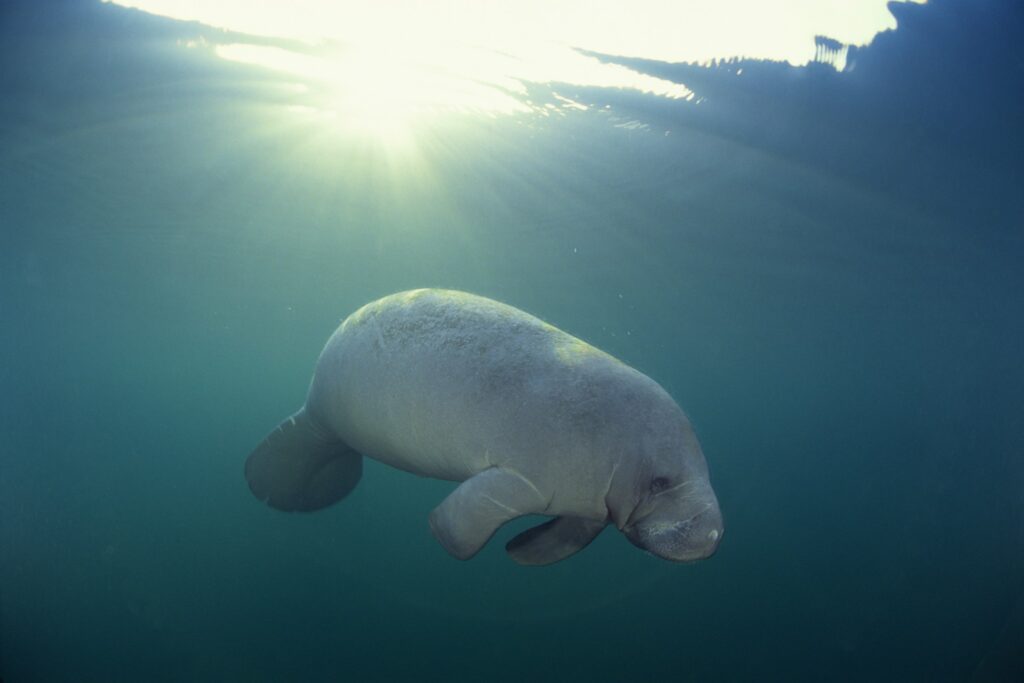
These enormous aquatic mammals can weigh over 500 kilograms, but they’re completely docile, curious about humans, and enjoy being touched and scratched. Manatees approach divers and swimmers willingly, rolling over to have their bellies rubbed and showing no fear or aggression whatsoever. Keeping one would require a massive heated pool with salt or fresh water depending on the species, tonnes of aquatic vegetation daily, and permits that don’t exist because they’re protected endangered animals.
3. Elephants form deep emotional bonds with their carers.

Elephants are incredibly intelligent and form lifelong attachments to humans who treat them well, showing loyalty, affection, and even a sense of humour. They recognize individual people years after meeting them, respond to their names, and genuinely seem to enjoy human company and interaction. An adult elephant needs several acres of space, eats around 150 kilograms of vegetation daily, and requires specialized veterinary care that costs a fortune, making them impossible for private ownership despite their wonderful temperaments.
4. Giant tortoises are peaceful and surprisingly interactive.
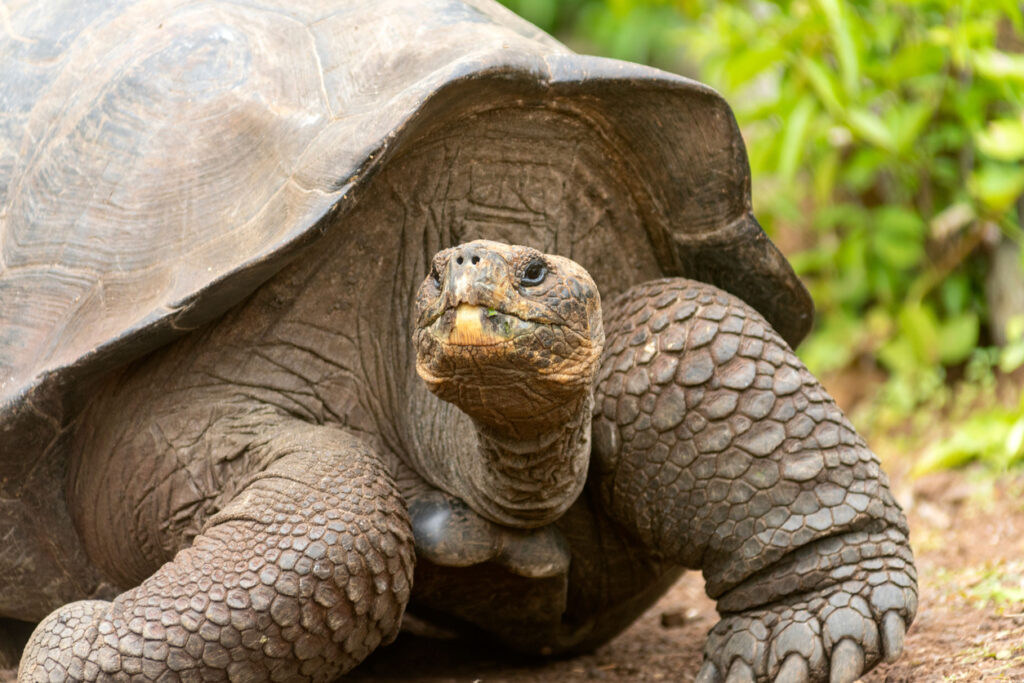
These massive reptiles can weigh over 200 kilograms and live for more than 100 years, developing gentle personalities and recognizing their keepers over time. They enjoy being stroked on their necks and heads, waddle over to greet familiar people, and have a calm, unbothered demeanour that’s genuinely endearing. The problem is that they need enormous outdoor enclosures with specific temperatures, they outlive their owners by decades, and moving a 200-kilogram tortoise for veterinary care isn’t something you can manage alone.
5. Highland cattle are docile despite their intimidating appearance.
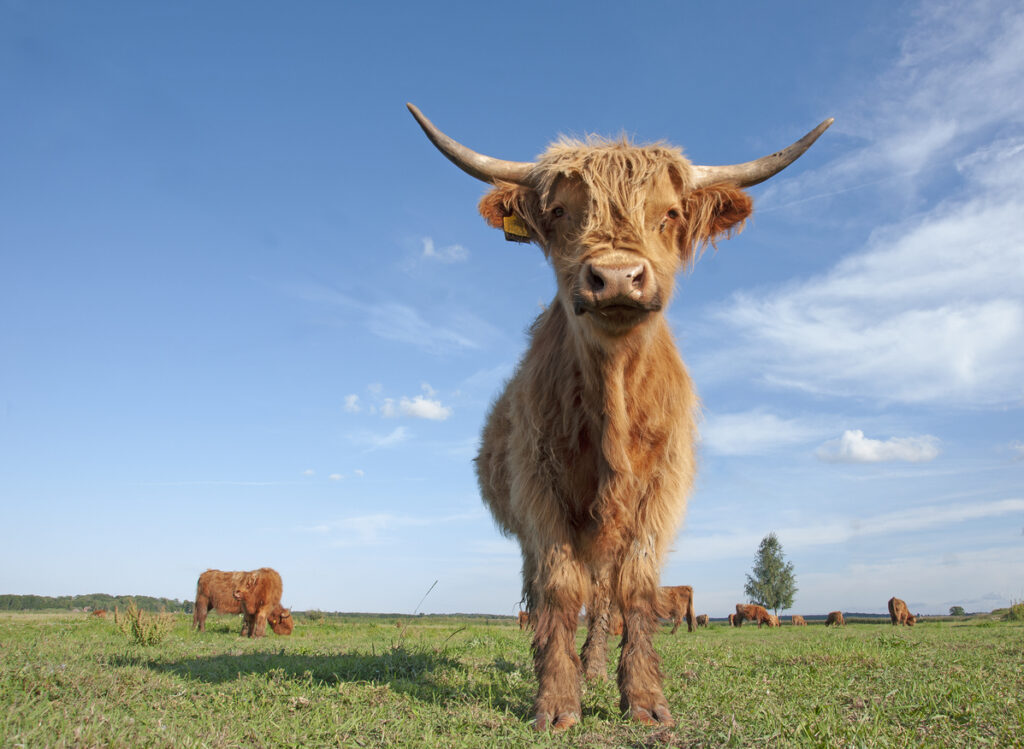
These shaggy cows with long horns look fierce, but they’re actually known for being calm, friendly, and easy to handle compared to other cattle breeds. They’re curious about people, often approach for scratches, and rarely show aggression even when they’ve got young calves to protect. Each cow needs at least an acre of grazing land, shelter, and daily care, plus they weigh around 500 to 800 kilograms, which makes them completely unsuitable for anyone without proper farming facilities.
6. Beluga whales are playful and enjoy human interaction.
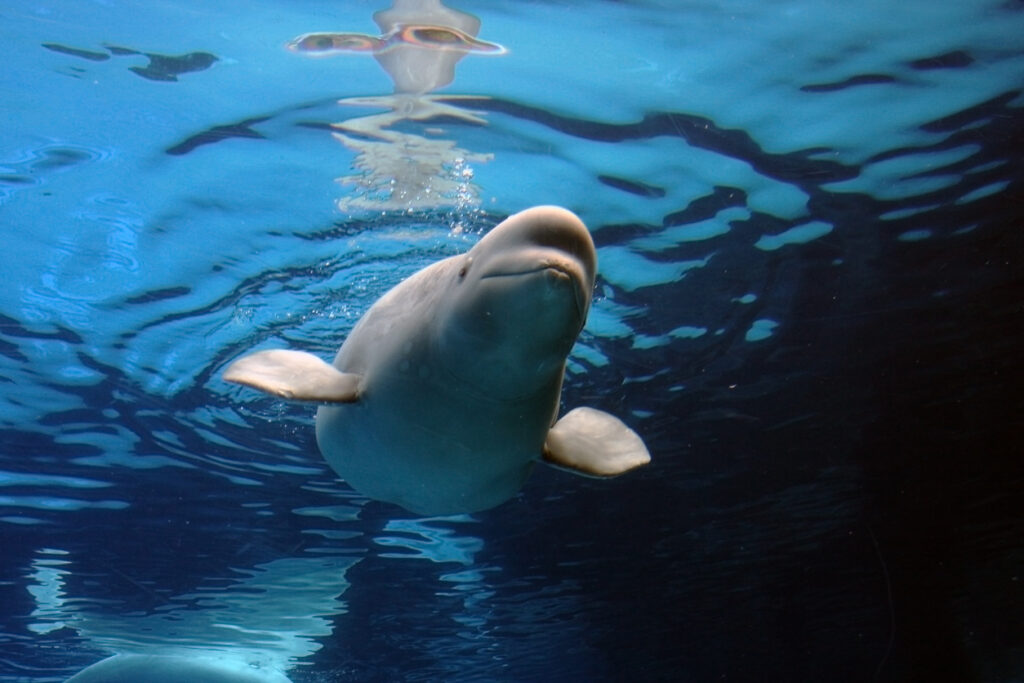
Belugas are highly social, intelligent, and known for their friendly behaviour towards humans, often playing with divers and responding to sounds and gestures. They’re one of the few whale species that seem genuinely interested in interacting with people, rather than just tolerating their presence. A beluga whale needs a massive tank of cold salt water, eats about 40 kilograms of fish daily, and requires the kind of facilities that only professional aquariums can provide.
7. Manta rays are gentle giants that seek out human contact.

Despite having wingspans up to 7 metres, manta rays are completely harmless and often swim up to divers to be touched and cleaned of parasites. They recognize individual humans, return to the same cleaning stations to interact with specific people, and display curiosity rather than fear. Keeping a manta ray would require an enormous tank with thousands of litres of salt water, constant filtration, and a diet of plankton and small fish that’s difficult to replicate in captivity.
8. Alpacas are friendly and naturally calm around people.
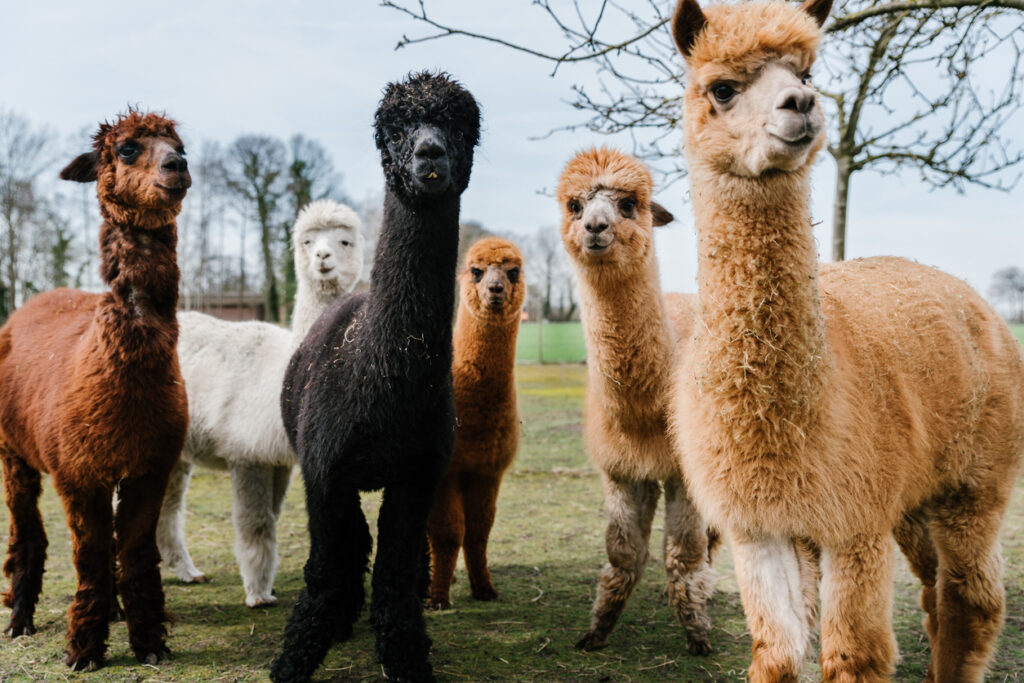
Alpacas are gentle herd animals that hum softly, rarely bite or kick, and can be trained to walk on leads like dogs. They’re curious without being pushy, generally tolerant of being touched, and they don’t have the aggressive tendencies that some livestock species display. However, they need at least two companions because they’re herd animals, require secure fencing and shelter, and their fibre needs shearing annually, which means you need proper land and facilities to keep them properly.
9. Humpback whales are surprisingly gentle despite their size.

Humpback whales can weigh 40 tonnes, but they’re known for their gentle behaviour around boats and swimmers, often approaching vessels peacefully out of curiosity. They’ve been documented protecting other species from predators, and they communicate through complex songs that suggest high intelligence and emotional depth. Obviously, keeping a 15-metre-long whale that needs an entire ocean to migrate through and eats a tonne of krill daily is beyond impossible for private ownership.
10. Clydesdale horses are calm and patient despite their power.

These massive draft horses stand over 18 hands tall and weigh nearly a tonne, but they’re bred for gentle temperaments and are known for being patient with children and novice handlers. They’re willing workers, respond well to training, and rarely display the skittishness or aggression that some horse breeds show. The issue is that they eat enormous amounts of hay and grain, need specialized farrier care for their huge hooves, and require facilities that can handle their size and strength safely.
11. Bactrian camels are surprisingly docile and trainable.
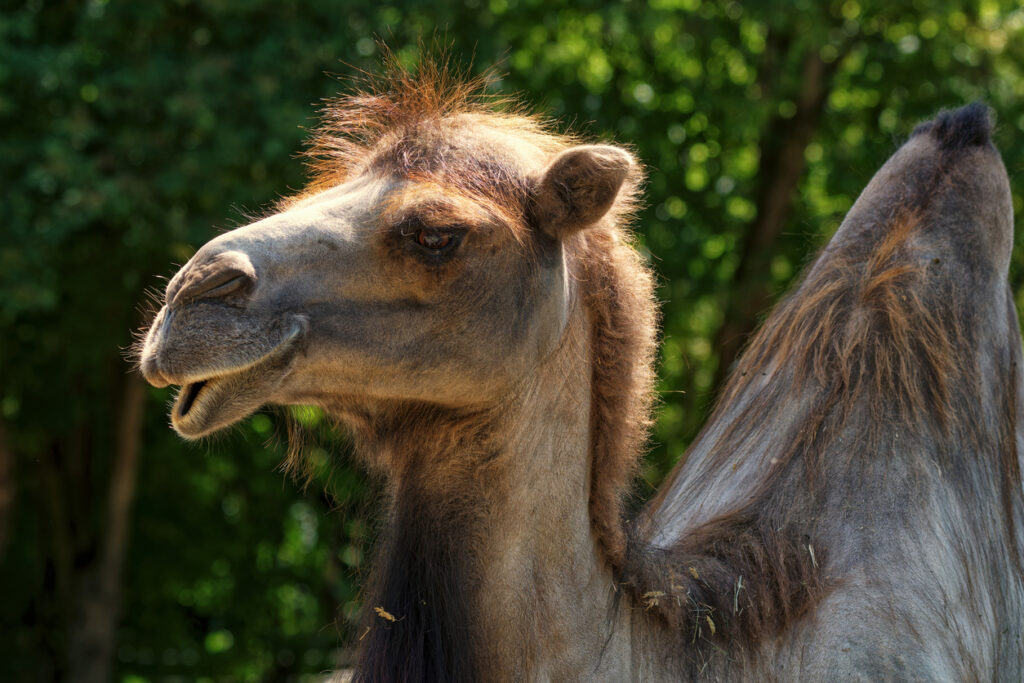
Despite being over 2 metres tall and weighing up to 700 kilograms, Bactrian camels are known for being calmer and more even-tempered than their single-humped cousins. They form bonds with handlers, can be trained for riding and packing, and generally tolerate human interaction well when properly socialized. They need large enclosures with shelter from extreme weather, specialized diets, and they can live for 50 years, which is a massive long-term commitment that requires proper land and resources.
12. Whale sharks are completely harmless and tolerant of swimmers.
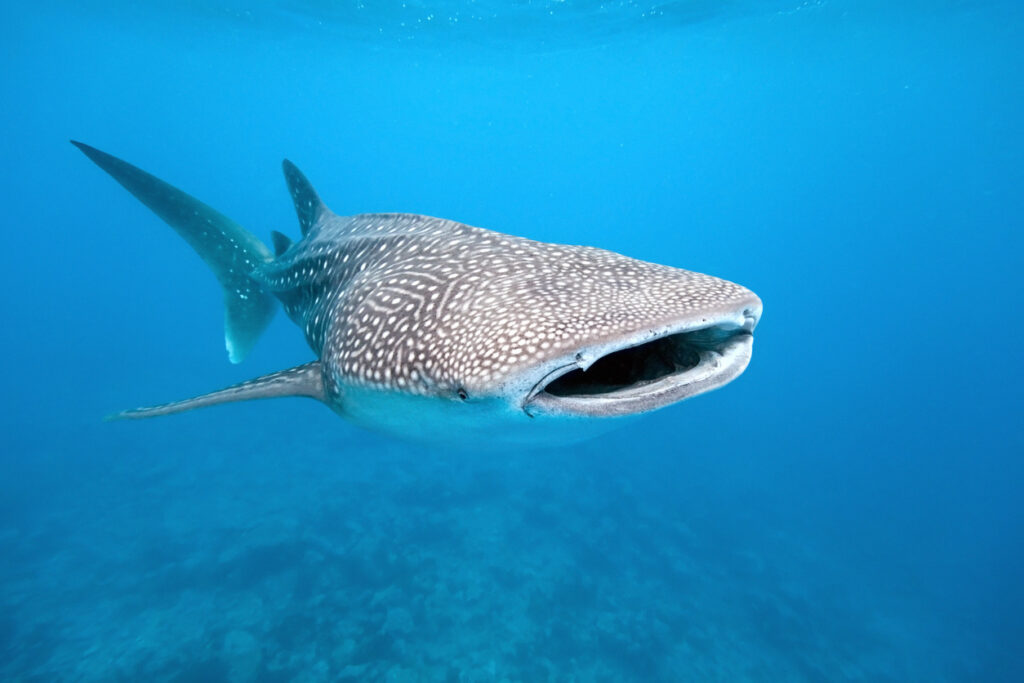
The world’s largest fish can reach 12 metres long, but they’re filter feeders with no teeth, no aggression, and they allow divers to swim alongside them peacefully. They’re so gentle that they’ve never been known to harm humans, even when accidentally bumped or touched. Keeping a whale shark would require a tank the size of a public aquarium, thousands of litres of salt water, and the ability to provide plankton and small fish in quantities that would bankrupt most people.