Eco-friendly products were supposed to help the planet, cut waste and give people better choices.
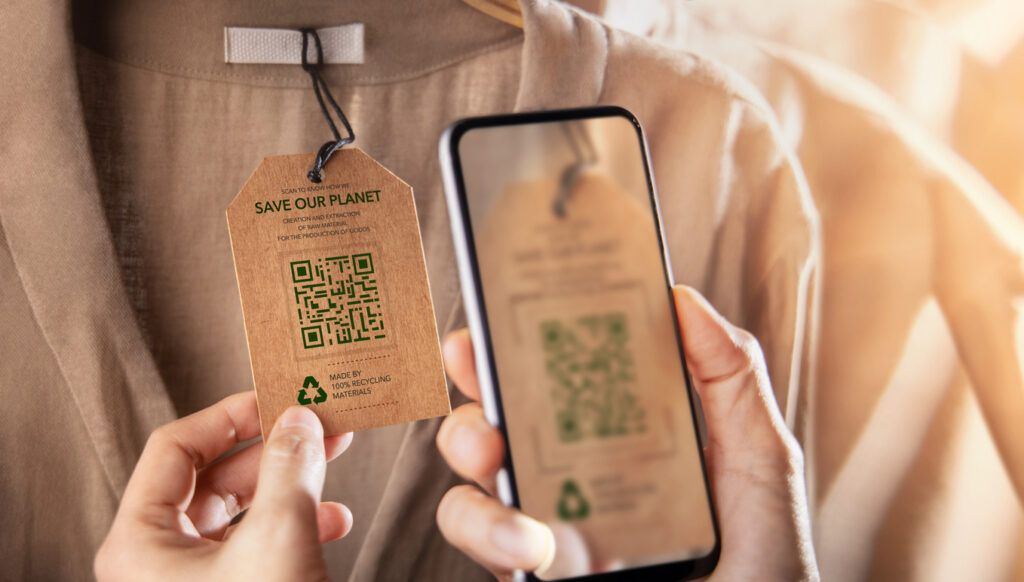
Instead, a huge number of them have turned into clever marketing tricks that don’t actually solve the problems they claim to fix. Companies know people care about the environment, so they brand ordinary items as “green”, add a leaf symbol and charge more for something that isn’t any better for the planet. In many cases, the “eco” label hides wasteful production, short lifespans, poor recycling rates or outright lies. These are just some of the ways the eco-friendly industry has drifted so far from what it promised.
Companies label anything “eco” even when nothing has changed.
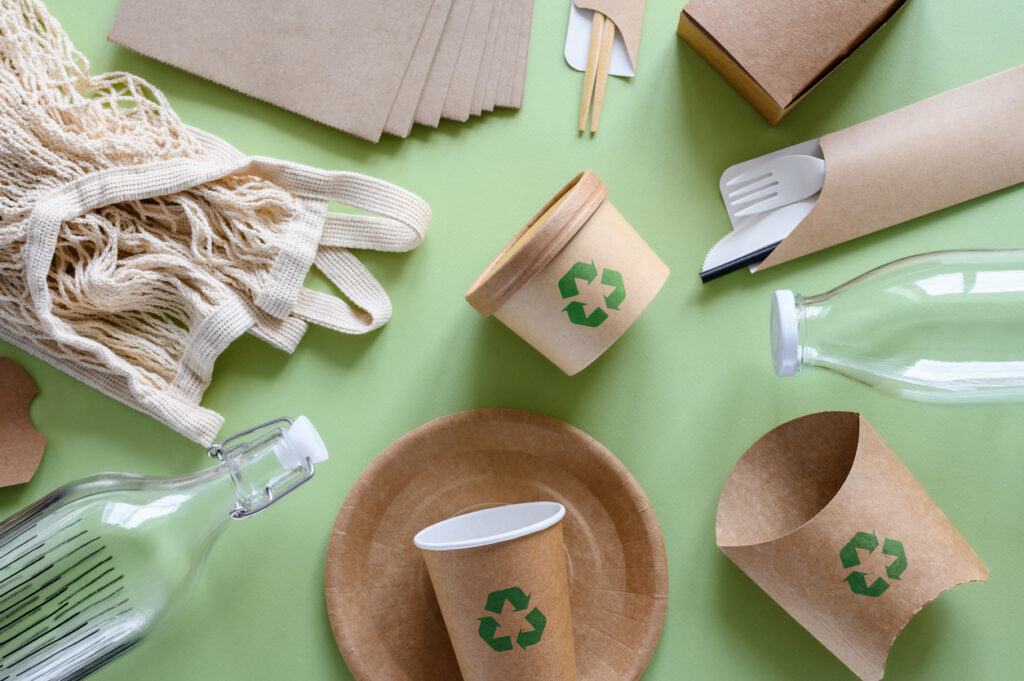
One of the biggest problems is how loosely companies use words like “eco”, “green”, “natural” and “sustainable”. These words aren’t tightly regulated, which means businesses can slap them on packaging without proving anything. A product can be made in the same factories, with the same plastic, creating the same pollution, but the company only needs to rebrand it to make it look environmentally friendly.
That sort of marketing plays on people’s good intentions. Shoppers believe they’re helping the planet, but they’re mostly helping companies push higher prices for the same items with a new label and a greener colour scheme.
Many “biodegradable” products don’t break down in real environments.

Biodegradable sounds impressive, but a lot of these items only break down under specific industrial conditions. If they end up in normal bins or landfill, they behave just like regular plastic and stay there for years. Some even release microplastics as they break down, which makes the environmental impact worse, not better.
People buy these products thinking they’ll simply decompose, but without access to the right facilities, most never break down the way the packaging claims they will. The promise looks good, but the outcome is almost identical to standard plastic waste.
Reusable items often require unrealistic levels of use to be “greener.”

Reusable cups, bottles, and bags can be better for the planet, but only if people use them enough times to balance out the resources needed to make them. Many reusable products require dozens or even hundreds of uses before they become more sustainable than single-use alternatives.
Because consumers often buy too many of these items or replace them quickly, the environmental benefit is lost. The market encourages constant buying, which defeats the purpose. Reusable items help only when they’re used for years, not months.
Eco-friendly brands still rely on harmful manufacturing.

Some products are sold as environmentally friendly while still using energy-heavy production methods, chemical treatments or overseas factories powered by fossil fuels. The final product may look green, but the process behind it is anything but. That means a “sustainable” item can still have a huge carbon footprint before it even reaches a shop. The label focuses on the surface, not on the real environmental cost hidden further up the supply chain.
Greenwashing hides the truth about waste and recycling.
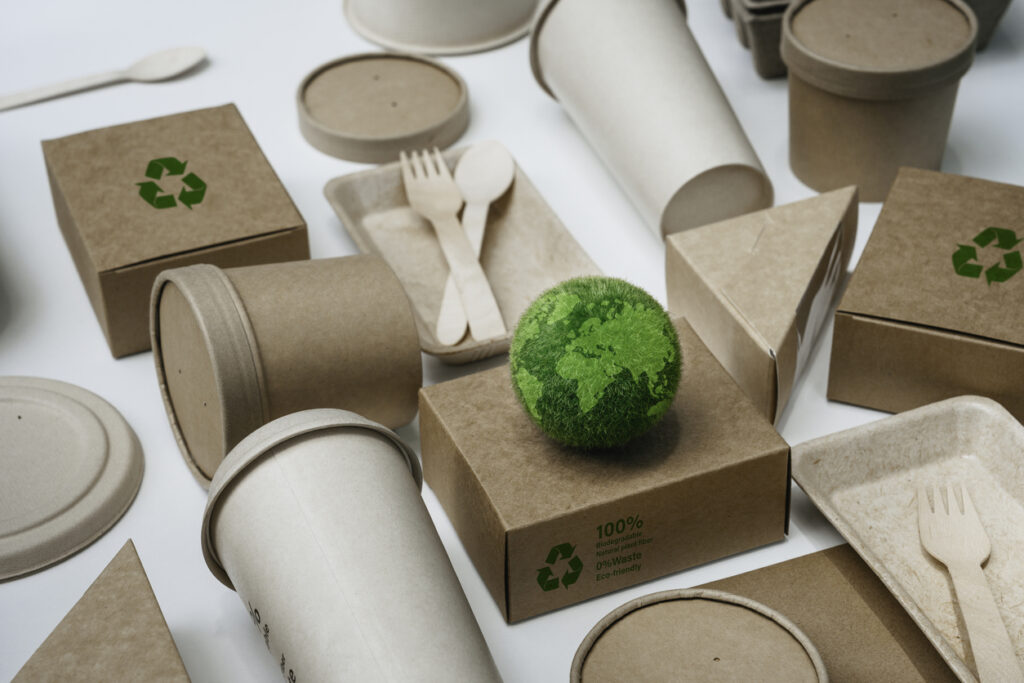
Companies know people feel guilty about waste, so they promote products as recyclable even when recycling plants won’t actually process them. Items made from mixed materials, for example, are nearly impossible to recycle, yet still carry the recycling symbol because parts of them technically could be recycled. It creates a false sense of responsibility. Consumers think they’re doing the right thing by putting items in the recycling bin, but the products often end up in landfill anyway. The system makes people feel good while solving nothing.
Bamboo, hemp, and other “natural” materials aren’t always sustainable.

Natural materials sound safe, but the farming and manufacturing behind them can be just as damaging as synthetic options. Bamboo products, for example, often involve chemical treatments, heavy shipping and unsustainable farming. The final product looks green, but the process behind it isn’t.
It’s the same with many natural fabrics. The image of a harmless material covers up the reality that mass production still demands resources, land space and transport, often wiping out the environmental benefit people think they’re choosing.
“Eco-friendly” cleaning products can still be full of harmful ingredients.

Many cleaning brands use soft colours and natural imagery to look harmless, but the formulas inside can still contain chemicals that damage rivers, harm wildlife and weaken water quality. The packaging focuses on what the product doesn’t contain rather than what it actually does include.
Because regulations allow vague claims, companies can market products as gentle or green even when the environmental impact remains high. People pay more for the branding while still putting harmful ingredients down their drains.
Eco products often come in packaging that isn’t recyclable.

It’s common to find “earth-friendly” soaps, cosmetics, or food items wrapped in plastics that can’t be recycled. Some packaging mixes materials like plastic and paper, which looks eco-conscious but is even harder for recycling facilities to process. The contradiction confuses consumers and proves that many companies care more about the appearance of sustainability than about creating genuinely low-waste products.
Companies hide behind carbon offsetting schemes.

Instead of reducing pollution, companies pay into carbon offset schemes that promise to “cancel out” emissions, often through tree planting or similar projects. The problem is that many schemes don’t deliver what they promise, and some don’t even track results properly.
Offsetting lets brands continue polluting while presenting themselves as climate-friendly. It’s a convenient distraction from the real goal, which is reducing emissions in the first place, not trying to balance them after the damage is done.
The eco-friendly industry encourages constant buying, not long-term habits.
The biggest issue is that the eco-market still follows the same cycle as every other product sector. It relies on people buying new items frequently, even when the goal should be consuming less. Many eco products are marketed as lifestyle upgrades rather than practical long-term solutions.
Real sustainability means keeping things for years, repairing what you can, and reducing purchases. But that doesn’t make companies money. So instead of promoting behaviour that genuinely helps the planet, they sell endless “eco-friendly” alternatives that contribute to the same problems they claim to solve.