The UK talks a good game about loving the countryside, protecting wildlife, and caring about green spaces, but the follow-through often falls short.

Rivers are polluted, habitats keep shrinking, and protections that once seemed solid get silently watered down or outright ignored. Everyone agrees something’s wrong, but the laws that might actually make a difference keep getting delayed, diluted, or kicked into the long grass.
What’s frustrating is that none of this is mysterious or untested. Other countries have already shown that stronger nature laws can work without wrecking daily life or the economy. Here, though, real action keeps getting tangled up in politics, short-term thinking, and fear of upsetting the wrong people. This is about the laws Britain needs right now to protect what’s left, and why they still haven’t made it across the finish line.
1. Legal rights for rivers and nature
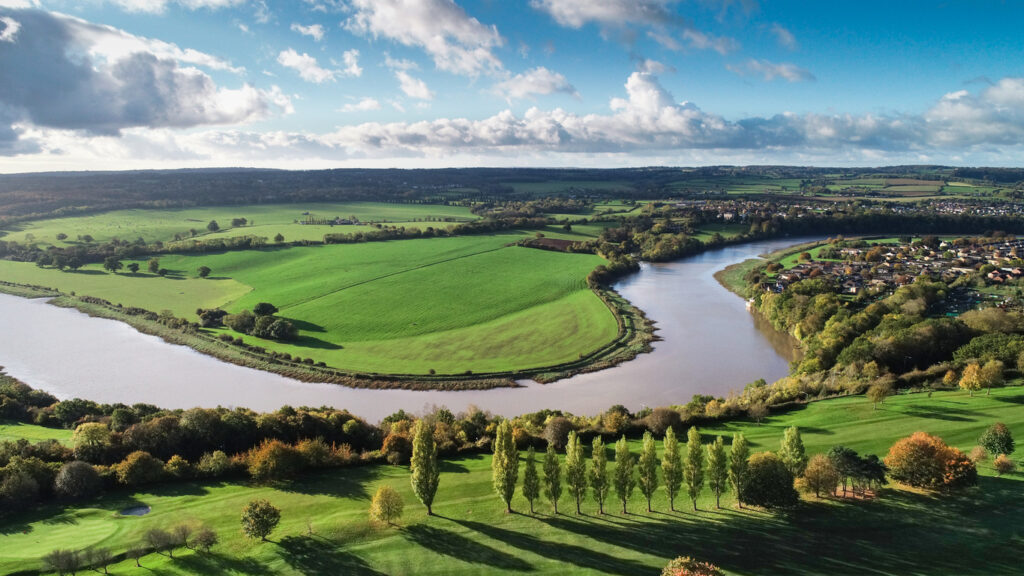
In February 2024, a British government official told the United Nations that the UK would never give rights to nature. The delegate said rights can only be held by legal entities with legal personality, and that applying rights to nature is a fundamental principle the UK cannot deviate from. This is nonsense because legal personhood has expanded throughout history to include women, children, and companies.
New Zealand, Ecuador, Colombia, and Canada have successfully granted rivers legal personhood which allows guardians to represent their interests in court. When Ecuador’s Los Cedros cloud forest rights were violated by mining licences, the Constitutional Court cancelled them. The UK refuses to consider this approach, despite having rivers so polluted that only 14% have good ecological status.
2. Proper peat ban without endless delays
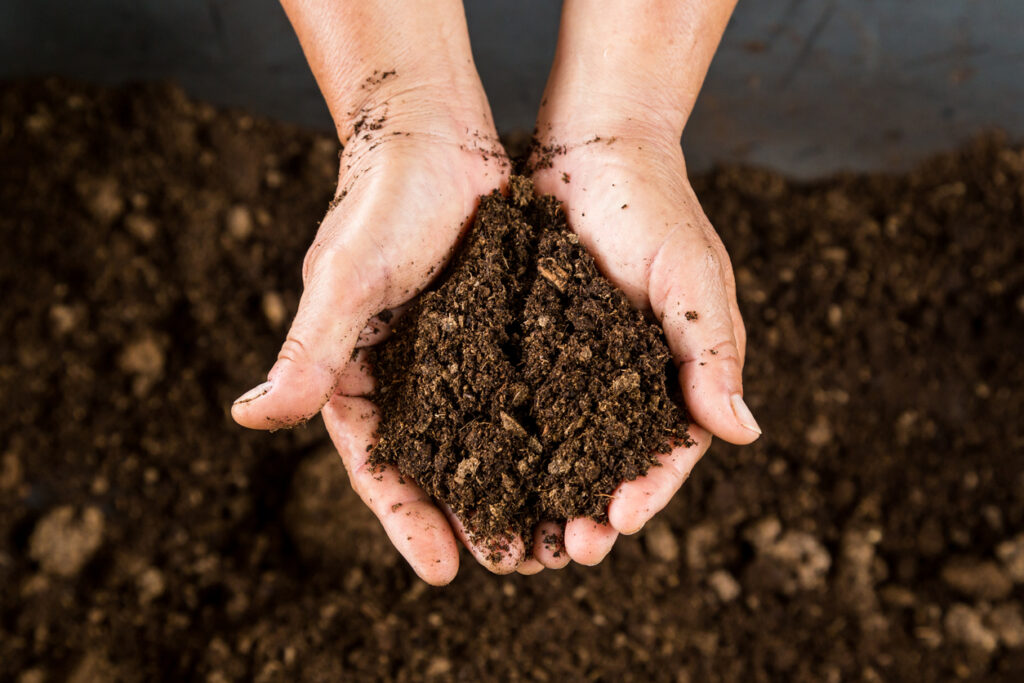
The government consulted on banning peat sales in 2022 after failed voluntary targets dating back to 1999. Over 95% of respondents called for a ban on bagged peat compost by 2024, but the government still has not introduced legislation. Professional growers won’t be restricted until 2030.
Peatlands store over three billion tonnes of carbon in the UK alone, but 80% are now degraded from drainage, burning, and peat extraction. When damaged, they release carbon instead of storing it and currently account for 4% of all UK annual greenhouse gas emissions. The UK is a world leader in emissions from degraded peatlands, but the government cannot find parliamentary time to ban something destroying irreplaceable habitats.
3. Nutrient neutrality rules that actually work
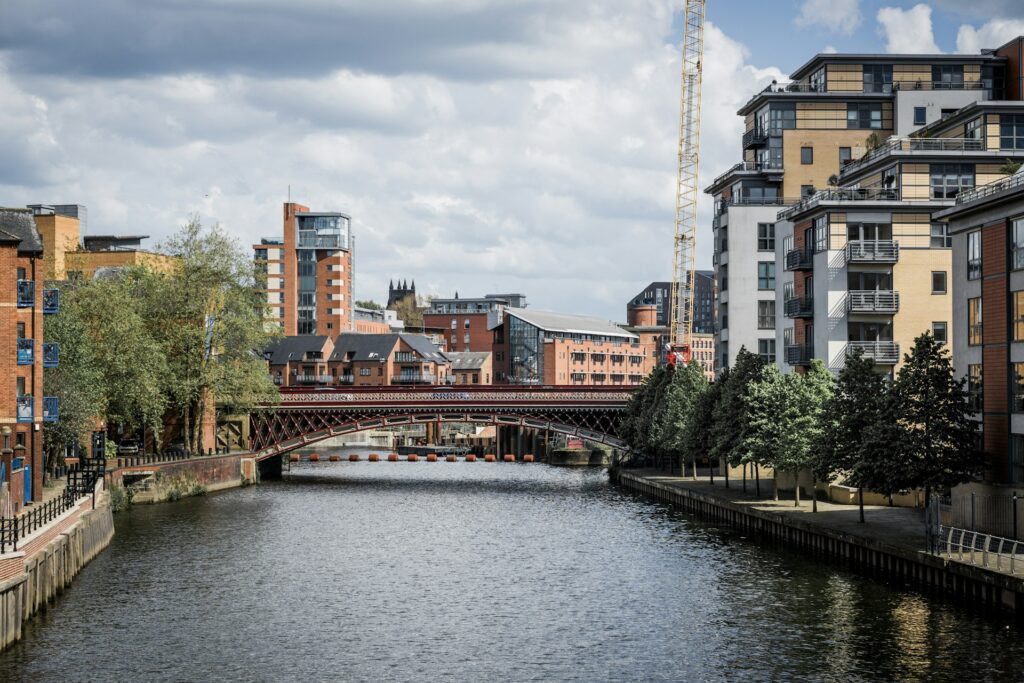
The government ditched nutrient neutrality rules that prevented developments from adding excess nutrients to already polluted waterways. This stopped phosphates and nitrates from agricultural run-off and sewage from overwhelming rivers and causing algal blooms that suffocate aquatic life.
The government claimed these rules blocked housing development, but Natural England confirms that 99% of planning applications they consult on find ways for development to proceed while protecting nature. Ditching nutrient neutrality was a solution to a problem that did not exist, and now developers can pollute waterways without consequence.
4. Protection for species during development
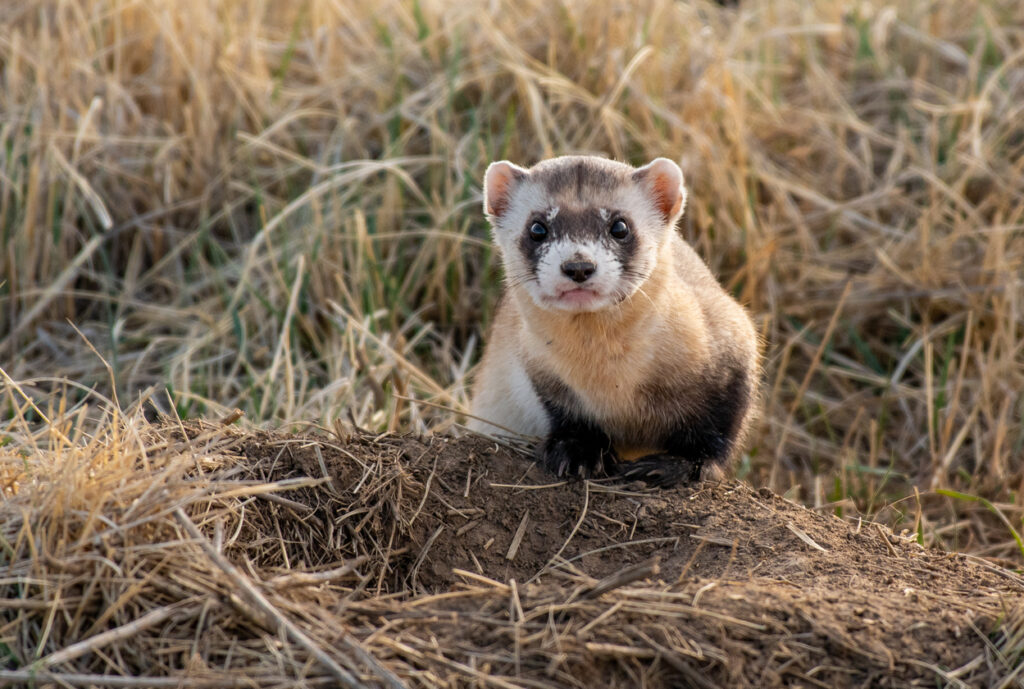
The Planning and Infrastructure Bill removes the mitigation hierarchy, which required developers to avoid harm to protected species first. Under the new system, developers can harm protected species and habitats, then compensate for damage up to 10 years later. Species could become extinct locally before any remediation happens.
Bats and great crested newts were only a factor in 3% of planning appeals in 2024, yet the government claims these protections block development. The Office for Environmental Protection declared the Bill causes environmental regression. The Wildlife Trusts and RSPB proposed amendments to add safeguards for irreplaceable habitats, but the government rejected every single one.
5. Land use framework for strategic planning

The government promised to publish a land use framework for England in 2022 to ensure the country meets net zero and biodiversity targets. This framework would strategically plan how land is used for nature, food production, carbon capture, housing, and infrastructure. It still has not been published.
Without strategic planning, different land uses compete and undermine each other. Nature reserves get isolated by development, farmland expands into wildlife habitat and carbon schemes plant trees in the wrong places. The government has repeated its commitment multiple times including in the 2023 Environmental Improvement Plan but nothing materialises.
6. Deforestation regulations with enforcement
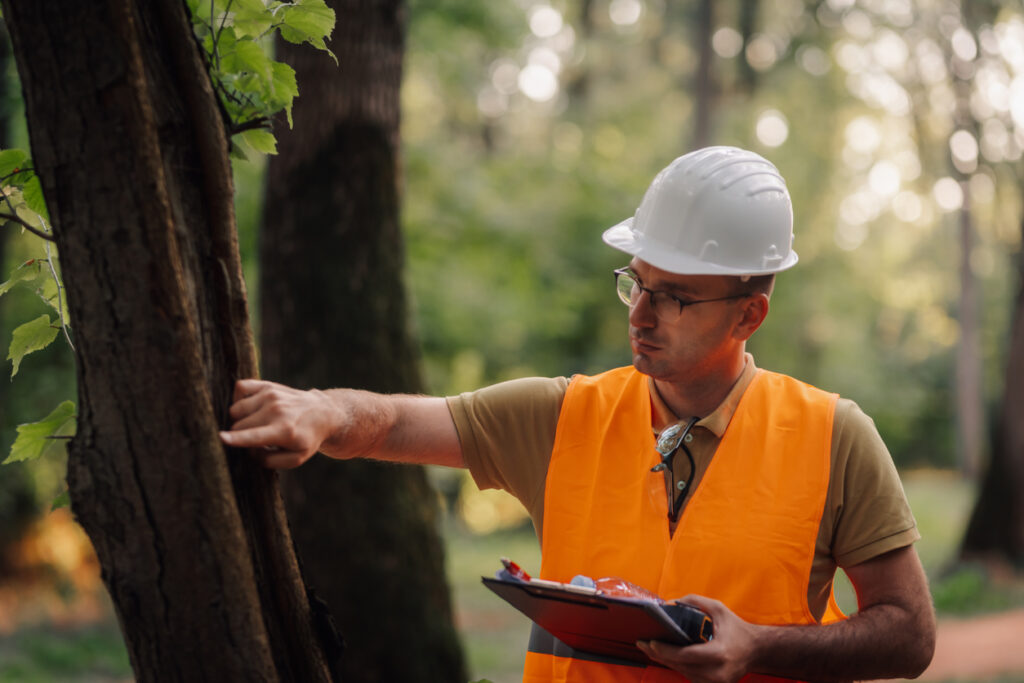
In 2021, the UK introduced forest risk regulations on imported commodities like beef, soy, palm oil, cocoa, coffee, and rubber to prevent products causing illegal deforestation from being sold in Britain. Parliament never passed the additional legislation needed to implement them.
Between November 2021 and December 2024, high-risk commodities imported to the UK contributed to 13500 hectares of global deforestation. Brazilian cattle products alone caused almost a third of this footprint. Labour took power in July 2024 and still has not passed the legislation. Around half of deforestation linked products imported last year arrived during the new government’s term.
7. Beaver reintroduction programmes
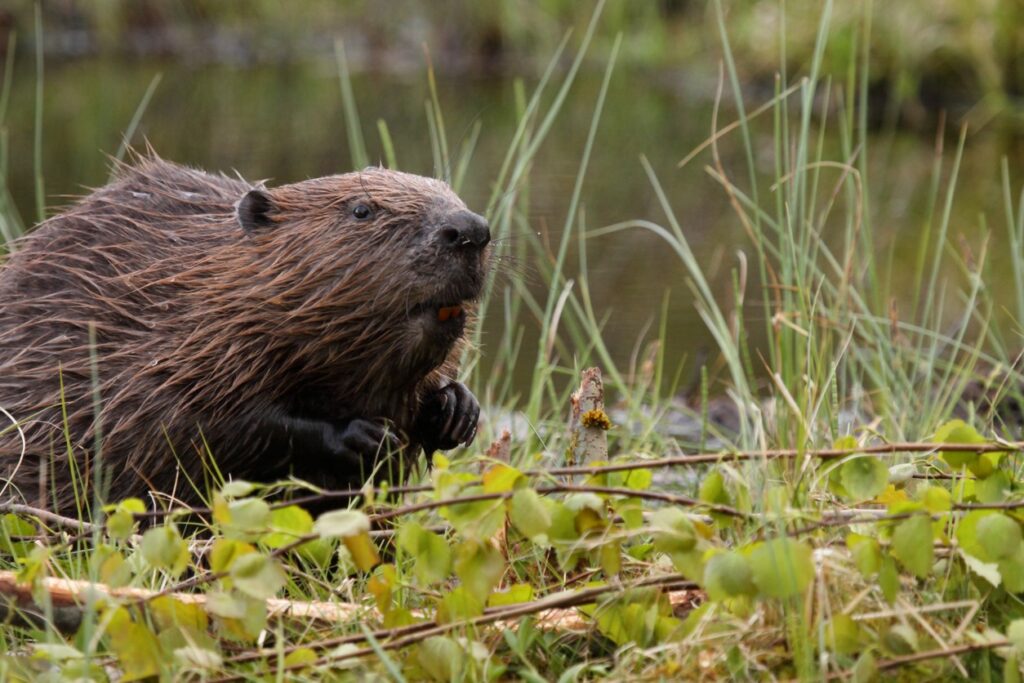
In May 2021, the Environment Secretary announced the government was looking positively towards beaver reintroduction. Boris Johnson promised to Build Back Beaver in October 2021. Then in 2023 the government said it would not prioritise species reintroduction. Beavers are ecosystem engineers that create wetlands which store water during floods, filter pollutants, and provide habitat for hundreds of other species. Scotland has successfully reintroduced beavers with massive benefits for biodiversity. The government made grand promises, then quietly abandoned them without explanation.
8. Agricultural schemes that reward nature friendly farming
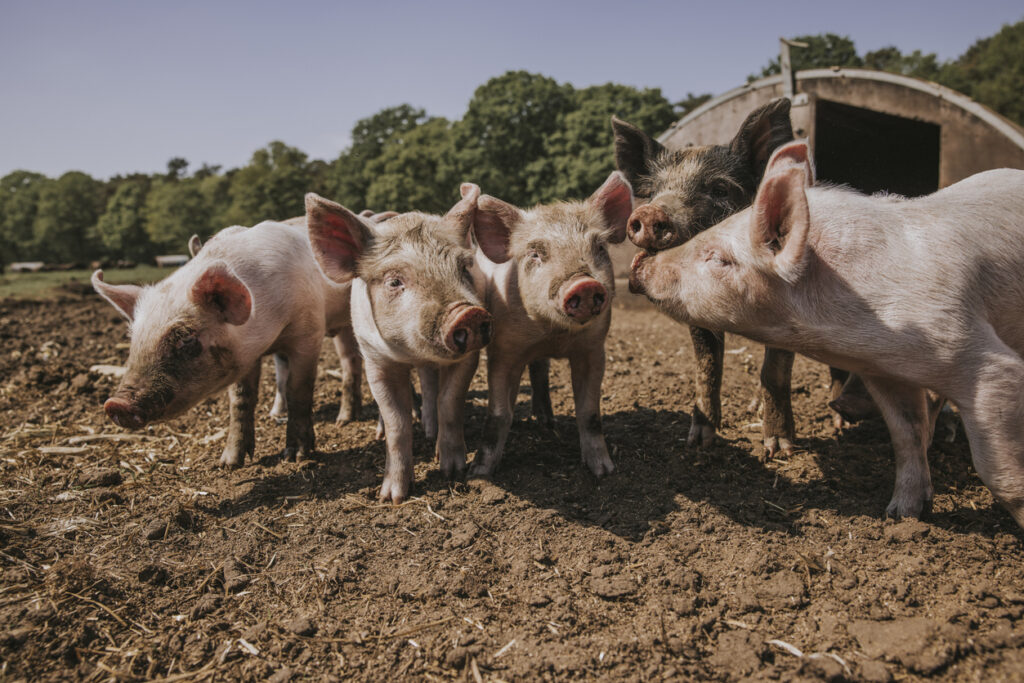
The UK Agriculture Act promised to reward farmers for creating public goods like wildlife habitat and clean water. The new agricultural schemes in England replicate mistakes from previous failed policies. The more ambitious elements including Landscape Recovery and Countryside Stewardship Higher Tier have been badly watered-down, leaving nature friendly farmers at a loss.
Cross compliance requirements that safeguard the environment from damaging farming practices ceased to exist from 2024, and Defra hasn’t published details on what regulatory baseline replaces it. There are now significant regulatory gaps around hedgerow protections, soil management and buffer zones along waterways. Farmers who want to help nature cannot access support, while those using harmful practices face no consequences. The schemes prioritise food production over environmental benefits, despite evidence showing nature positive farming can do both.
9. Proper enforcement of sewage discharge laws
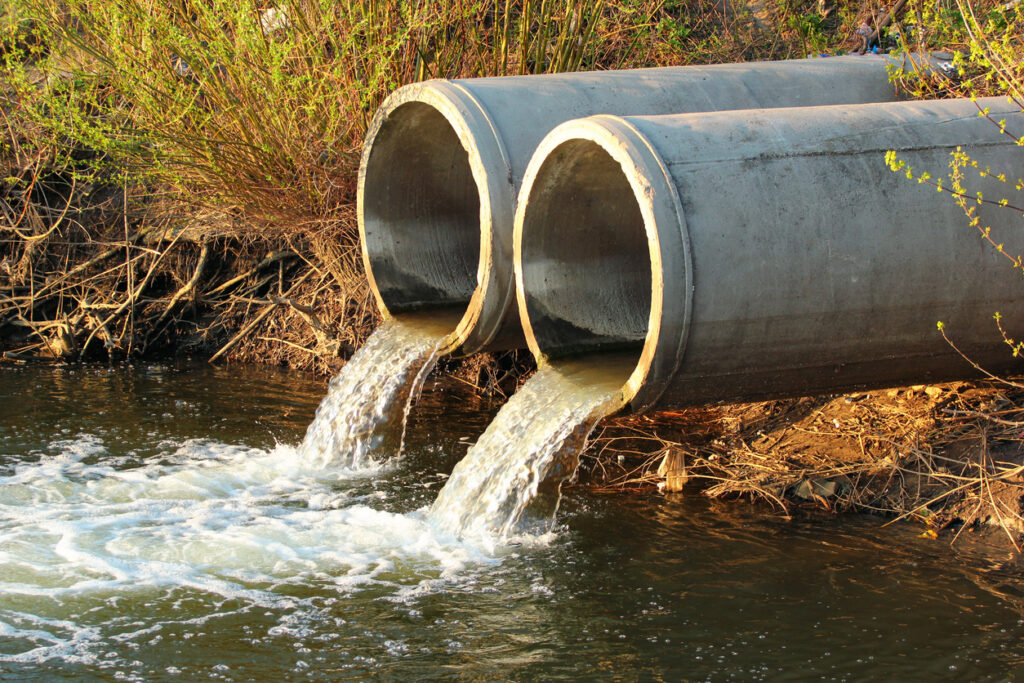
The Office for Environmental Protection identified possible failures to comply with environmental law by Defra, the Environment Agency and Ofwat regarding sewage overflows. The law only allows untreated sewage discharges in exceptional cases yet in 2022 there were 1.75 million hours of raw sewage discharges.
Despite the Environment Agency calling river pollution shocking and unacceptable, there have only been seven prosecutions a year on average between 2015 and 2021. Water companies break the law constantly with no real consequences. What Britain needs is actual enforcement with meaningful penalties that make pollution more expensive than treating sewage properly.
10. Chemicals strategy to reduce pesticide harm
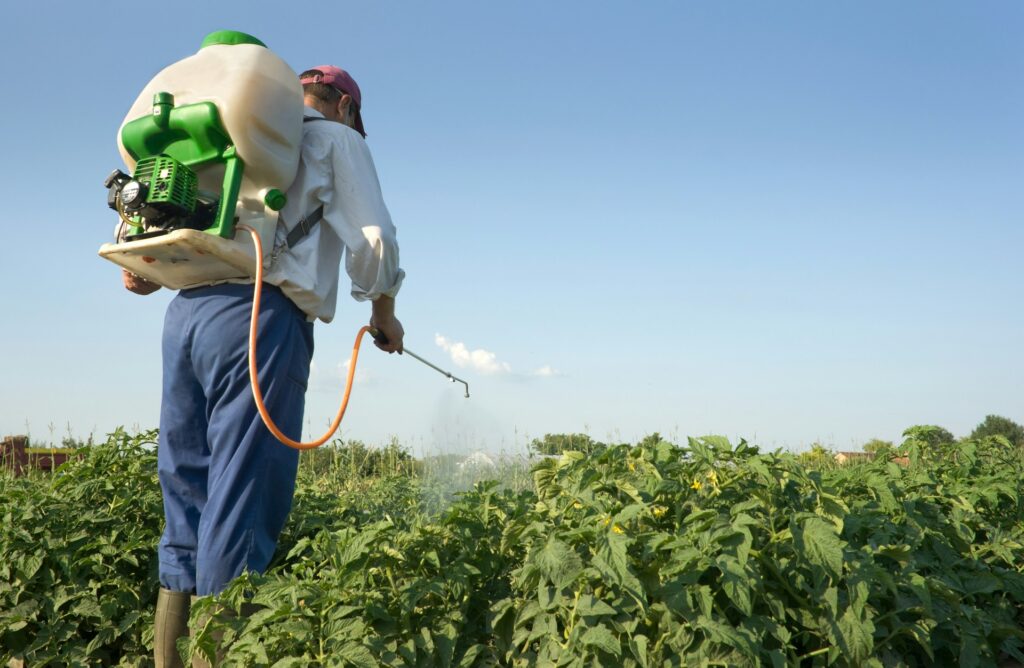
The government promised a chemicals strategy but keeps delaying it. Pesticides are devastating pollinators and beneficial insects. The distribution of pollinators including bees and hoverflies has decreased by 18% on average, while species providing pest control like ladybirds have declined by 34%.
Reducing pesticide and fertiliser use is one of the most important things that can be done for wildlife. Other European countries have introduced pesticide reduction targets and restrictions on harmful chemicals. Britain refuses to follow their lead. Without a proper chemicals strategy, pesticide harm will continue unchecked and insect populations will collapse further.