
Across the UK, public access is a constant tug-of-war between walkers who believe the countryside should be open and wealthy landowners who quietly use legal tools, loopholes and long-established rights to keep people out. None of these rules are announced loudly, and most aren’t posted on signs. They’re small, technical details that can make land look private even when it isn’t, or slow down public access long enough that people stop trying.
These are some of the ways wealthy estates, country houses and large rural holdings legally limit entry without ever saying the words “keep out”.
1. Using permissive paths instead of creating legal rights of way.
A permissive path looks public, feels public and is used by walkers for years, but it isn’t legally public. Landowners use these paths to give controlled access while avoiding the creation of an official right of way. Because the route isn’t protected by law, the owner can close it at any time or impose conditions without challenge. It lets wealthy landowners seem generous while keeping full control. They often close the path for one day a year to prevent it from becoming a permanent public right, which stops it ever gaining legal protection.
2. Blocking the “20-year rule” by closing gates once a year
If the public uses a path openly for twenty years, it can automatically become a legal right of way. Many estates stop this from happening by shutting gates for a single day. It doesn’t matter whether anyone wants to enter. The act of closing the route breaks the 20-year continuity. It’s a small move, but it prevents walkers from claiming long-used tracks as public rights. It’s a legal reset button that keeps land firmly in private control without confrontation.
3. Putting livestock in strategic locations to deter walkers
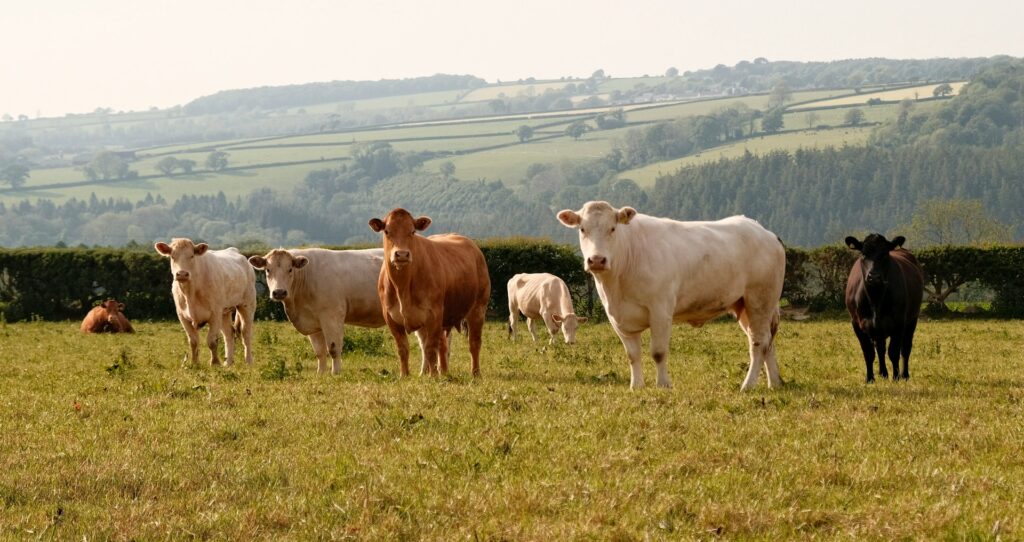
It’s legal to keep livestock on land that contains a right of way. Wealthy estates sometimes place cattle, especially larger breeds, along paths to make routes feel intimidating. They’re not physically blocking the path, but many walkers avoid areas where they feel unsafe. Because the animals are legally allowed to be there, this method discourages public access without breaking any laws, turning a public path into one that people rarely use.
4. Creating unofficial “private” signs to confuse the public
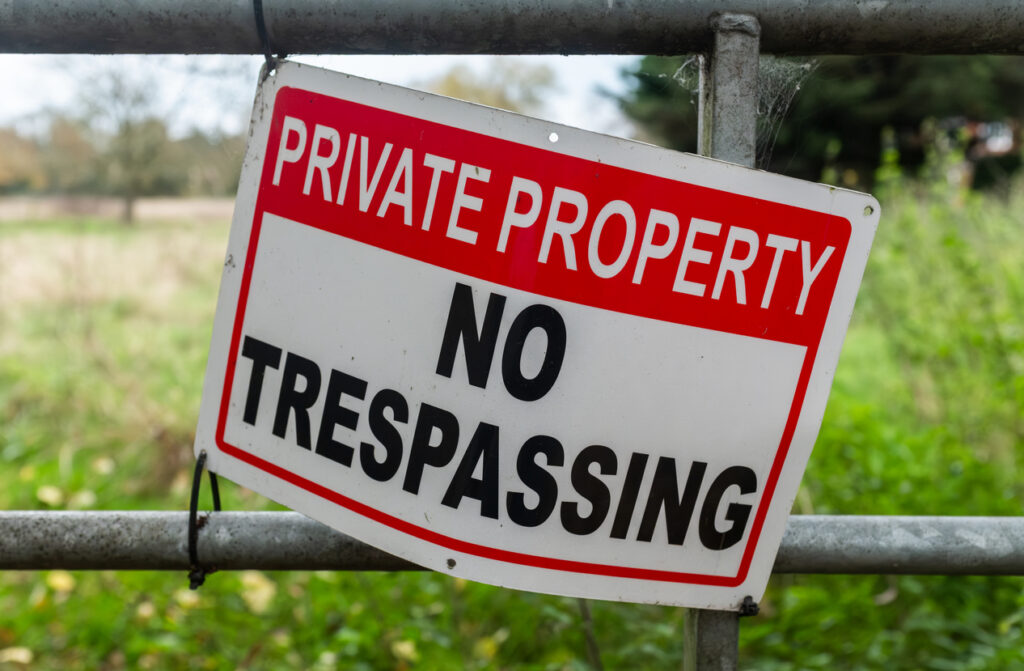
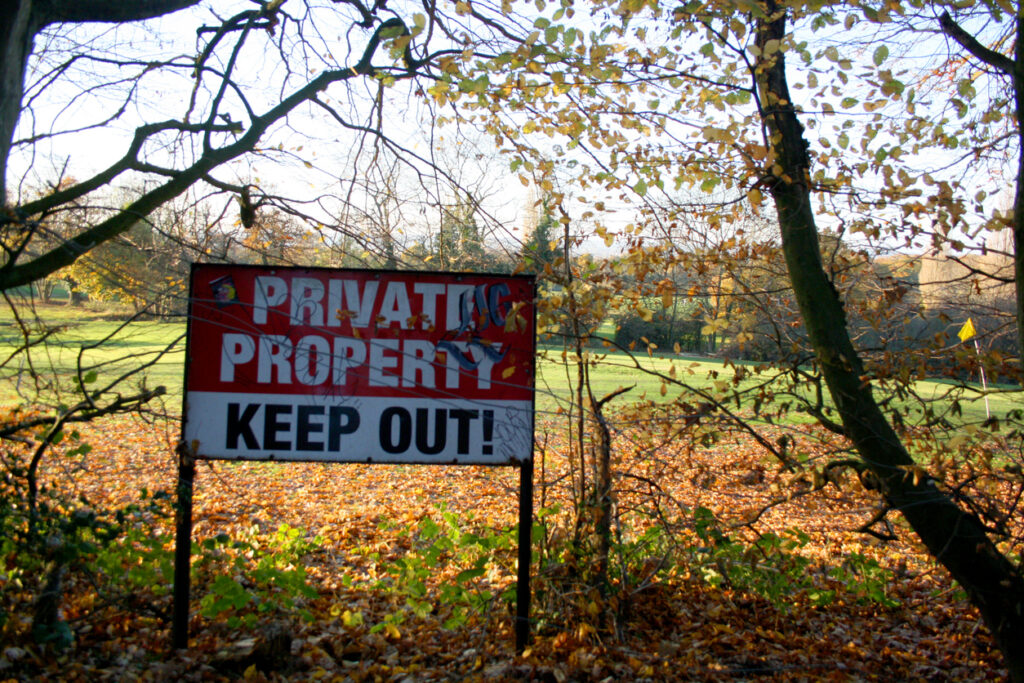
Some landowners put up signs that say “Private Road”, “Estate Access Only” or “No Unauthorised Entry” even when the public has every right to walk through. These signs sit close to genuine rights of way and give the impression the land is restricted. Since the signs don’t explicitly block a right of way, they’re hard for councils to challenge. Most walkers simply turn back, unsure whether they’re allowed to continue.
5. Allowing paths to become overgrown to make them feel unused
Wealthy estates sometimes avoid maintaining lawful rights of way. Nettles, brambles, and heavy vegetation make paths unpleasant to walk, causing the public to assume the route is no longer valid. The path never disappears legally, but practically, people stop using it. As time goes on, lack of use makes it easier for landowners to argue the path is no longer needed. Even though councils can intervene, the process is slow, so the deterrent works.
6. Diverting paths away from main houses and scenic areas
Landowners can apply to legally divert a public footpath. They often do this to move routes away from gardens, shooting areas or valuable landscapes. The new route may be longer, muddier or less pleasant, but it remains lawful, so councils often approve the change. It creates a situation where the public technically has access, yet they’re kept away from the parts the landowner wants to protect for private use.
7. Using “privacy” and “security” arguments to shut down challenges
When locals try to register paths or reopen closed routes, wealthy landowners often respond by citing security concerns, saying walkers could get too close to private homes or sensitive areas. These arguments carry heavy weight during council decisions. By framing access as a threat, landowners shift the conversation away from public rights and towards personal protection, which is harder for councils to dispute.
8. Leasing land to sporting groups to create controlled access zones
Large estates often lease land for shooting, fishing, or exclusive sporting use. Once this happens, the area becomes subject to strict safety rules. While rights of way remain open, many nearby areas become off limits during certain seasons, giving the impression of restricted land. This creates natural deterrents. Walkers avoid areas where shooting takes place, which reduces foot traffic, even though the land isn’t fully private.
9. Placing pheasant pens and game enclosures across key walking areas
Game enclosures aren’t illegal, but they often make public access uncomfortable. The pens attract pheasants, which in turn attract predators. Estates sometimes argue that walkers disturb the birds or disrupt shoots, which can justify closing nearby permissive paths or requesting diversions. It reduces public presence while increasing estate control. Walkers feel like they’re intruding, even when they’re completely within their rights.
10. Using high fencing and hedging to signal that land is private
Although fencing can’t legally block rights of way, landowners can place tall hedges or intimidating barriers alongside them. This creates the impression that the path runs through a private zone people shouldn’t linger in. It discourages visitors from exploring or stopping to enjoy views. The fencing doesn’t need to block anything. It just needs to make walkers feel out of place. This psychological boundary works surprisingly well.
11. Taking advantage of complex access laws most people don’t understand
@olivia.carneyyy I love the fact that you can find a public footpath anywhere! It makes walking so accessible and you can get around so easily. I can’t remember the exact history behind all these foot paths but it has something to do with people having access to the land before farms and things made it private. #americanintheuk #americaninuk #americaninengland #publicfootpaths #footpaths ♬ original sound – Olivia | American in England
UK access law is a mix of old rights, local by-laws, historic agreements and council records. Wealthy landowners often know the system better than the public, or they have lawyers who do. They use technicalities to challenge path claims, block new routes or argue that documentation is insufficient. The complexity alone discourages ordinary people from pushing back. If a landowner knows the system and the public doesn’t, they win by default.
12. Offering “guided access” to avoid giving full public freedom
Some estates advertise guided walks or controlled visits, which makes the land look open while keeping movement heavily restricted. Visitors only see what the estate chooses to show, and no long-term public right is created because access happens under the estate’s terms. This strategy lets landowners look as though they’re supportive of public enjoyment while keeping full control over when, how and where people enter their land.