Britain’s got some pretty specific rules about nature that don’t exist anywhere else.
A lot of these rules go back decades, shaped by land ownership, conservation efforts, and the love of green spaces that runs deep here. From public access to where you can walk your dog, there’s a long list of things we treat as completely normal that can seem quite surprising to people outside the UK.
Some of these rules protect landscapes, while others protect wildlife. A few just keep the peace between people who share the same outdoor spaces. You might already know a few, but there are plenty that even Brits forget about until they run into them on a walk or during a holiday in the countryside. These are some of the nature rules that make Britain stand out, and why they shape the way we spend time outdoors.
1. You can’t own swans, the King does.

All unmarked mute swans in open waters belong to the Crown. It’s a law from the 12th century that’s still enforced today. You can’t just claim a swan, keep one as a pet, or harm one without serious legal consequences.
There’s an official Swan Marker who travels up the Thames every year counting and marking swans in a ceremony called Swan Upping. Break this rule and you could face unlimited fines or even six months in prison. Other countries don’t have royal ownership of specific wild birds. It’s uniquely British and completely bizarre if you’re not used to it.
2. Right to roam only applies to certain land, not everywhere.
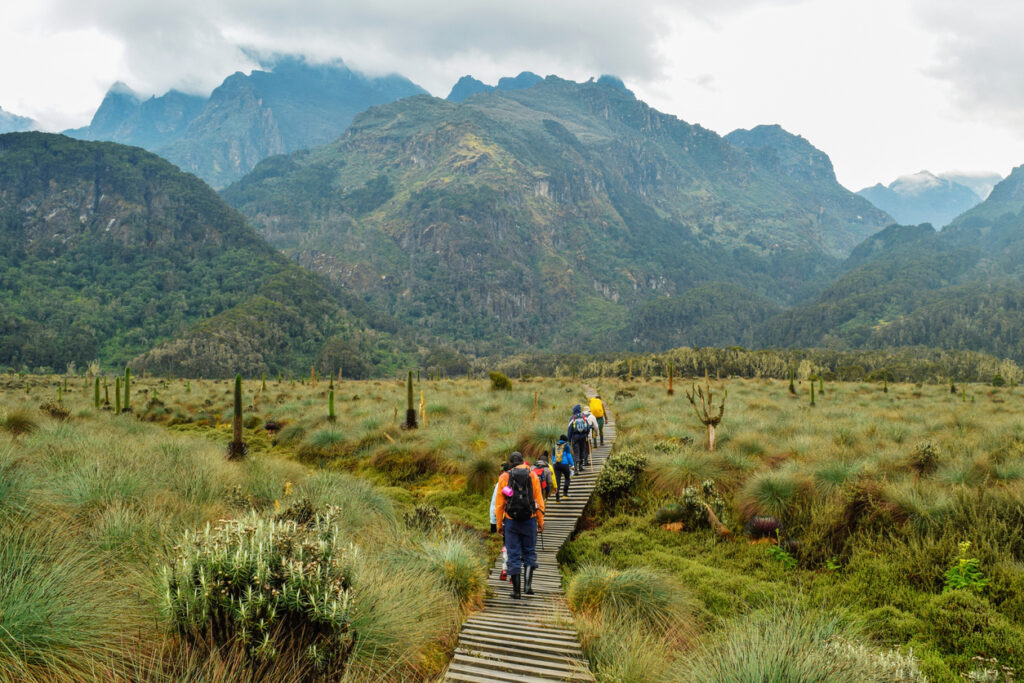
England and Wales have the Countryside and Rights of Way Act that gives you access to some open land like mountains, moors, heaths, and downs. But it doesn’t mean you can walk wherever you want. Most countryside is still private, and you’ll be trespassing if you wander off designated paths.
Scotland’s got it better with the Scottish Outdoor Access Code, which gives you much broader rights to roam almost anywhere as long as you’re responsible. England and Wales are way more restrictive. Walk across a farmer’s field in England without permission, and you’re breaking the law, even if there’s no fence. Most European countries have far more generous access rights.
3. Ancient woodland is legally protected but still gets destroyed.
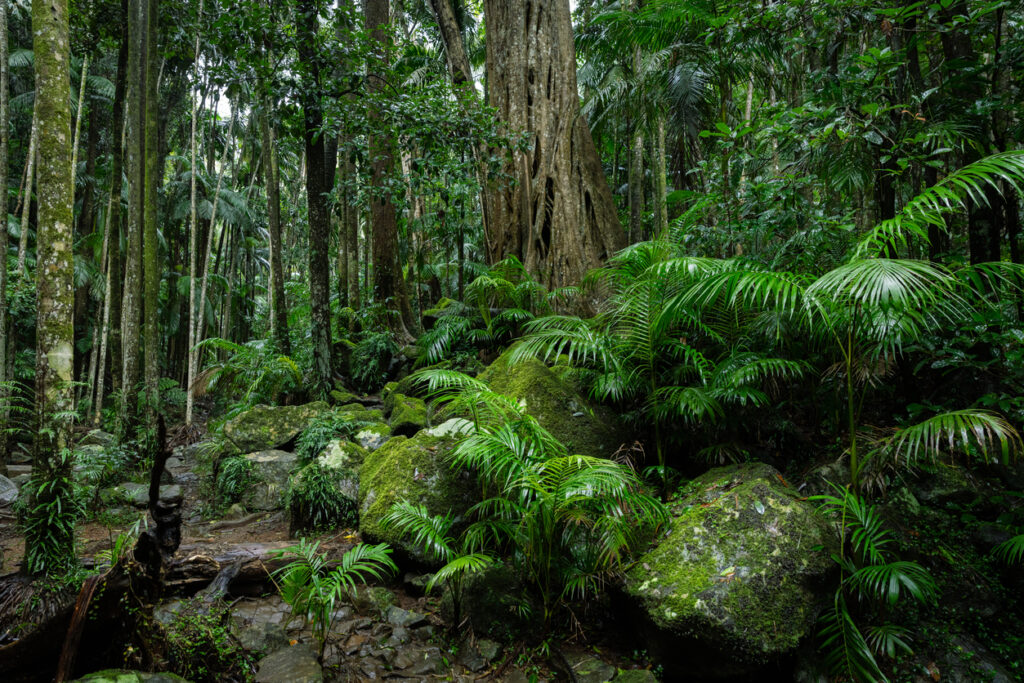
Ancient woodland is defined as land that’s been continuously wooded since 1600 in England and Wales, or 1750 in Scotland. It’s supposed to be protected, and there are strict rules about developing on it. Planning permission is nearly impossible to get if ancient woodland’s involved.
Except it still gets destroyed for infrastructure projects like HS2. The protections exist, but aren’t absolute. Developers have to prove there’s no alternative and provide compensation, but that often just means planting new trees elsewhere, which doesn’t replace 400-year-old ecosystems. Other countries either have stronger protections or don’t bother with the designation at all.
4. You need a licence to disturb bats, even in your own home.

All bat species are protected under the Wildlife and Countryside Act. You can’t intentionally kill, injure, or disturb them. You can’t damage or block access to their roosts. If you’ve got bats in your attic, and you want to do building work, you need a licence from Natural England first.
Getting that licence can take months and cost thousands in surveys. You might have to wait until after breeding season to do anything, even if your roof’s falling in. Some people just ignore it and hope they don’t get caught, but if you’re reported, fines can go up to £5,000 per bat. Most countries protect bats but don’t make it this difficult to deal with them when they’re living in your house.
5. You can forage for personal use, but not commercially without permission.
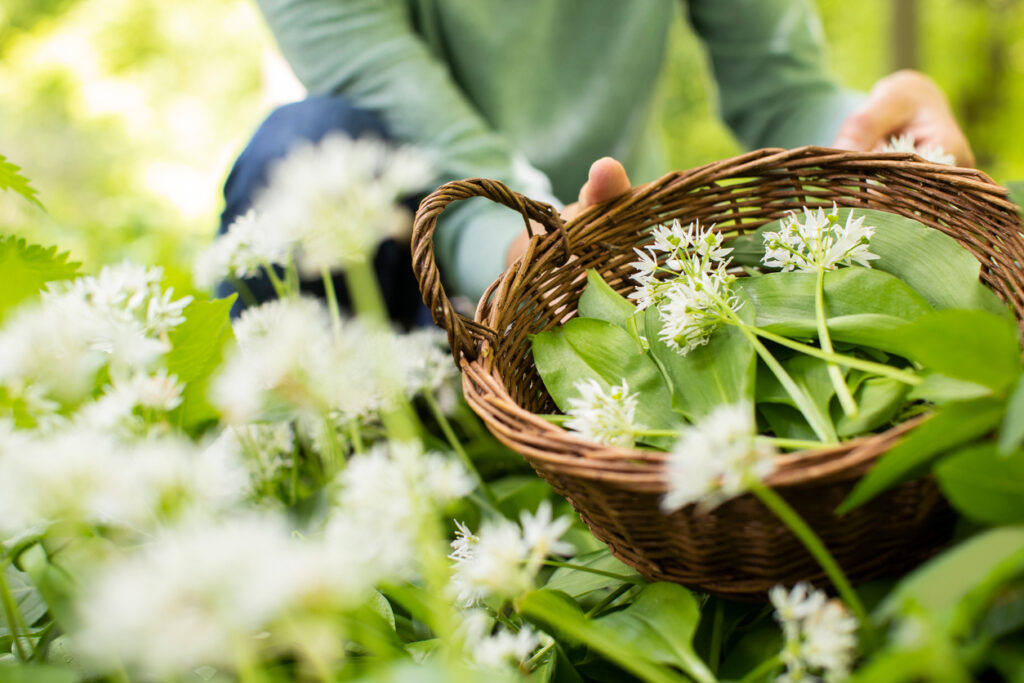
You’re allowed to pick wild mushrooms, berries, flowers, and plants for personal use under the Theft Act, as long as you’re not on private land and not taking the whole plant. It’s called the “four Fs” rule: fruit, foliage, fungi, and flowers are fair game.
But the second you start selling what you’ve foraged, you need the landowner’s permission. Picking a carrier bag of blackberries for a crumble is fine. Picking 50 kilos to sell at a farmers’ market without asking is theft. Some European countries have stricter rules where you can’t forage at all without permission. Others are more relaxed and let you forage commercially on public land.
6. Badgers are protected but also legally culled.

Badgers are protected under the Protection of Badgers Act 1992. You can’t kill, injure, or take them. You can’t damage or interfere with their setts. Even disturbing a badger sett is illegal without a licence, and you can be fined or imprisoned for it.
But the government also runs badger culls in certain areas to control bovine TB, which is controversial and confusing. So badgers are simultaneously protected and targeted depending on where you are and what the current policy is. Other countries either don’t have badgers or don’t have this contradictory approach. New Zealand just classifies them as pests and lets people deal with them.
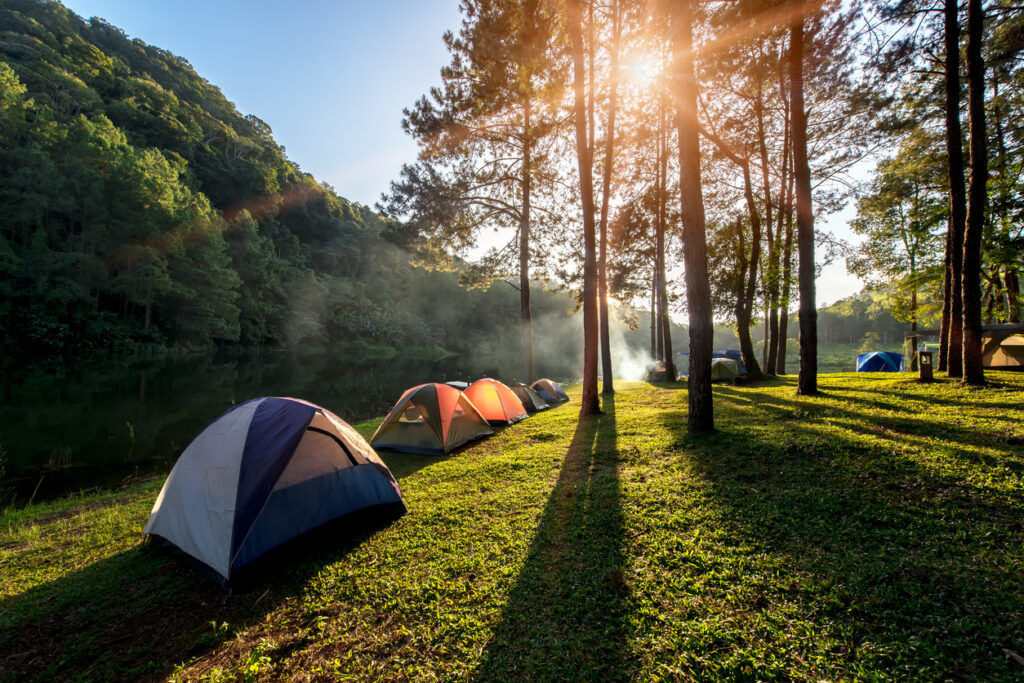
7. You can wild camp in Scotland, but not England or Wales.
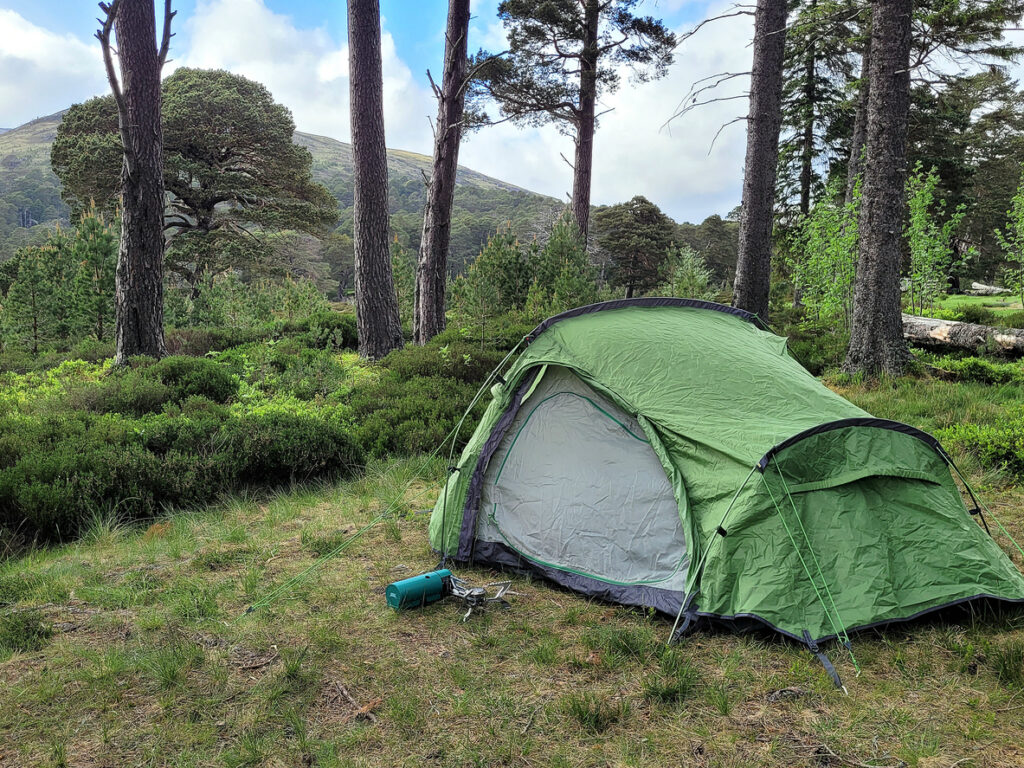
Scotland’s got the right approach. You can pitch a tent almost anywhere as long as you follow the outdoor access code: leave no trace, don’t stay too long in one spot, and respect the land. It’s written into law and widely accepted.
England and Wales don’t allow wild camping except in Dartmoor, and even that’s been challenged in court recently. You need the landowner’s permission everywhere else, which most people don’t bother getting. So technically, most wild camping in England is trespassing. You probably won’t get into trouble unless you’re causing damage or refuse to leave, but you’re not legally allowed to do it. Most Scandinavian countries have freedom to roam laws that include camping. Britain doesn’t.
8. Tree Preservation Orders can stop you cutting down trees on your own land.

If a tree on your property has a Tree Preservation Order (TPO), you can’t cut it down, prune it, or do any work on it without permission from the local council. Break the rule and you can be fined up to £20,000 or face unlimited fines if it goes to Crown Court.
Councils can slap a TPO on any tree they think has public amenity value, even if it’s in your back garden. You might have a 100-foot tree blocking all your light, damaging your foundations, and you still can’t touch it without going through months of paperwork. Some councils are reasonable. Others aren’t. Most countries don’t give local authorities this much control over trees on private property.
9. Hedgerows have legal protection during nesting season.
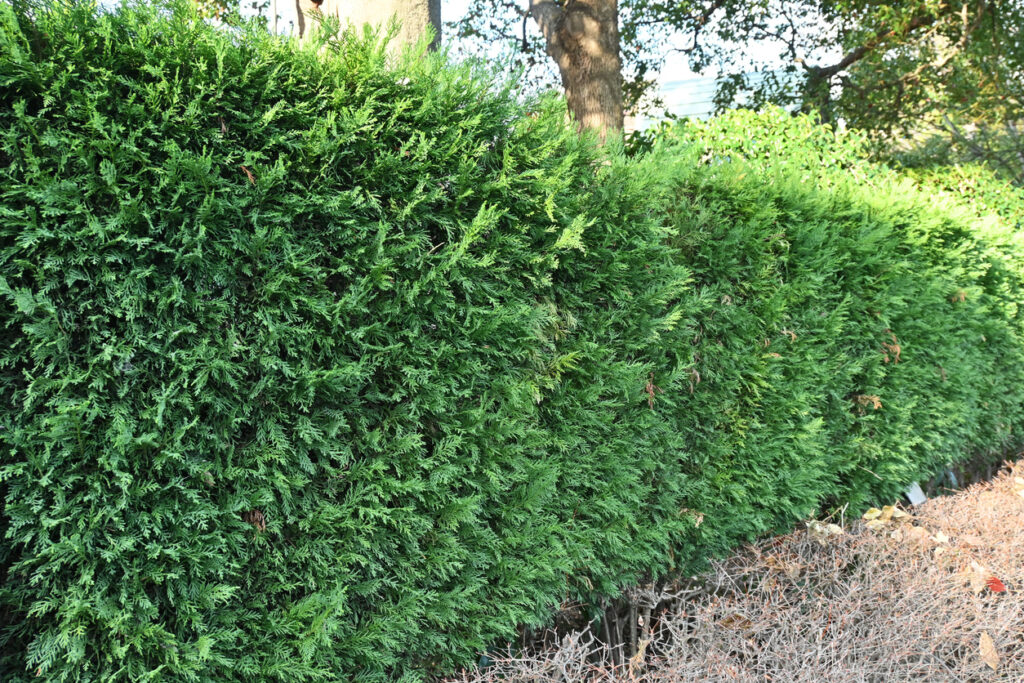
You’re not allowed to cut or trim hedgerows between March and August because that’s bird nesting season. It’s part of the Wildlife and Countryside Act, and breaking it can result in fines or prosecution if you disturb nesting birds.
Farmers and landowners have to plan hedge maintenance around this window, which can be annoying if the weather’s only decent during the restricted months. But it’s strictly enforced, and people do get reported and fined for it. Other countries have nesting season protections, but not specifically for hedgerows in the same way Britain does.
10. You can’t remove Japanese knotweed yourself without breaking the law.

Japanese knotweed is classified as controlled waste under the Environmental Protection Act. If you’ve got it on your land, you’re responsible for it, but you can’t just dig it up and chuck it in a skip. You have to dispose of it at a licensed landfill site, and if you spread it, even accidentally, you can be prosecuted.
Mortgage companies won’t lend on properties with knotweed nearby. It can devalue your home by tens of thousands. You need professional removal, which costs a fortune and takes years. Some people try to deal with it themselves and end up making it worse or breaking the law by dumping it. Other countries have invasive species, but not this level of legal liability attached to a plant.
11. Red squirrels are protected, grey squirrels aren’t.

Red squirrels are native and endangered, so they’re fully protected. You can’t harm them. Grey squirrels are invasive, originally from North America, and they’re not protected at all. You’re actually encouraged to control grey squirrel populations because they outcompete reds and carry squirrelpox, which kills red squirrels.
You can trap and kill grey squirrels legally, but you have to do it humanely. Some areas have active grey squirrel culling programmes to try to save the red population. It’s a weird situation where two similar animals have completely opposite legal statuses. Other countries don’t have this native versus invasive squirrel divide.
12. You need permission to collect seaweed from the beach.
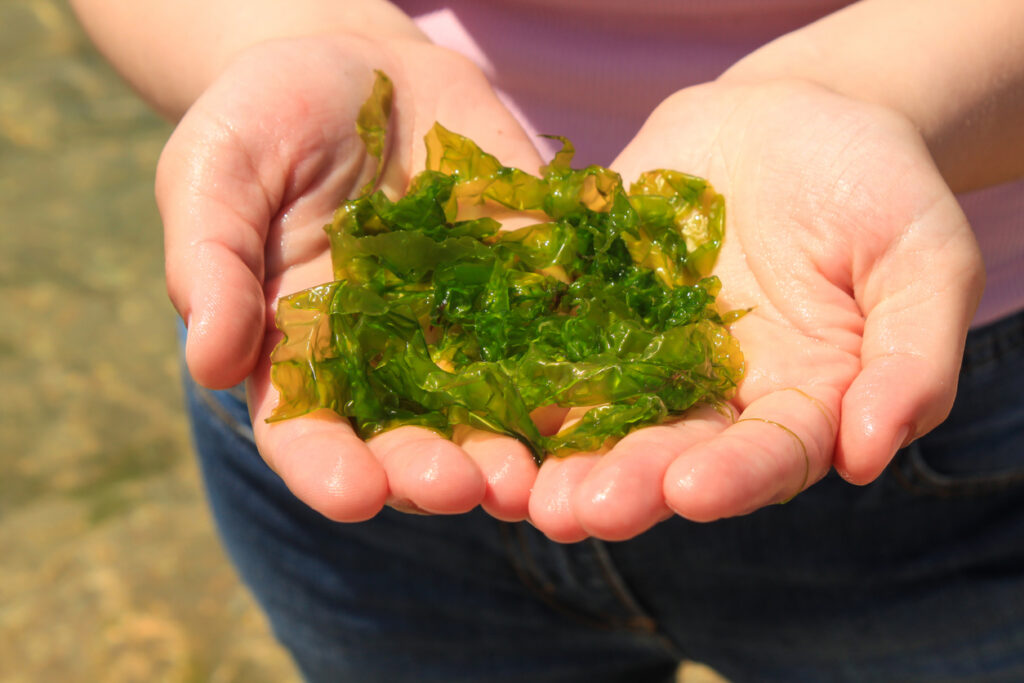
Technically, seaweed on the beach belongs to the Crown Estate, and you’re supposed to get permission before taking it. Most people don’t know this and just grab some for their garden as fertiliser, and no one’s likely to stop you if it’s a small amount for personal use.
But if you’re taking large quantities or doing it commercially, you absolutely need a licence. Some beaches are privately owned, and the rules are even stricter there. It’s one of those laws that’s rarely enforced but still exists, and if someone wanted to make an issue of it, they could. Most countries either allow free collection or don’t care unless you’re doing it commercially.
13. Public rights of way can’t be blocked, even on private land.
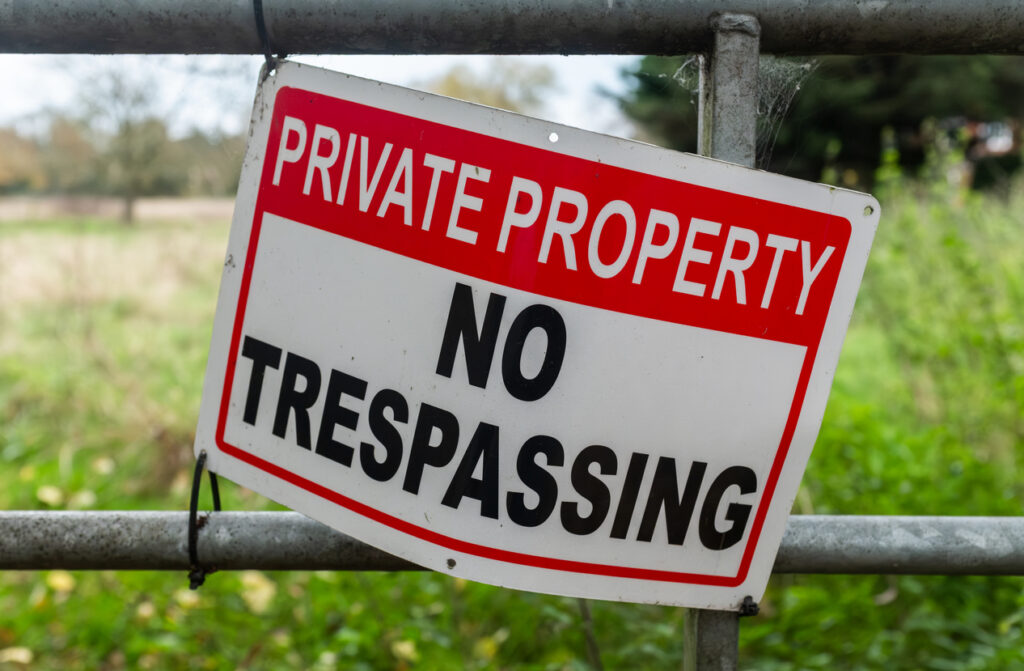
If there’s a public footpath running through your land, you can’t block it, plough over it, or obstruct it in any way. You have to maintain gates and stiles, and you can’t put up barriers even if people are walking right through your back garden.
Some landowners hate this and do everything they can to discourage walkers, like putting up misleading signs or letting vegetation overgrow, but if they’re caught blocking a right of way, they can be taken to court. The paths are centuries old in some cases, and the law protects them fiercely. Councils can issue enforcement notices and landowners can face fines. Most countries don’t have this historical network of public footpaths cutting through private land with such strong legal backing.