Most people look at dinosaur discoveries and think of far-flung deserts or massive digs in places like the United States or China.
What often gets forgotten is how much of the early dinosaur story actually began right here in Britain. Long before anyone truly understood what these creatures were, British fossil hunters, coastal collectors and curious scientists were pulling bones out of cliffs and quarries and trying to make sense of them.
Some of the most important species ever identified were found on our own beaches, and many of the first breakthroughs that shaped modern palaeontology came from British discoveries. It is a part of history that people tend to overlook, but once you dive into it, you realise how much of the dinosaur timeline was pieced together thanks to our islands and the people exploring them.
1. Iguanodon, one of the first dinosaurs ever named
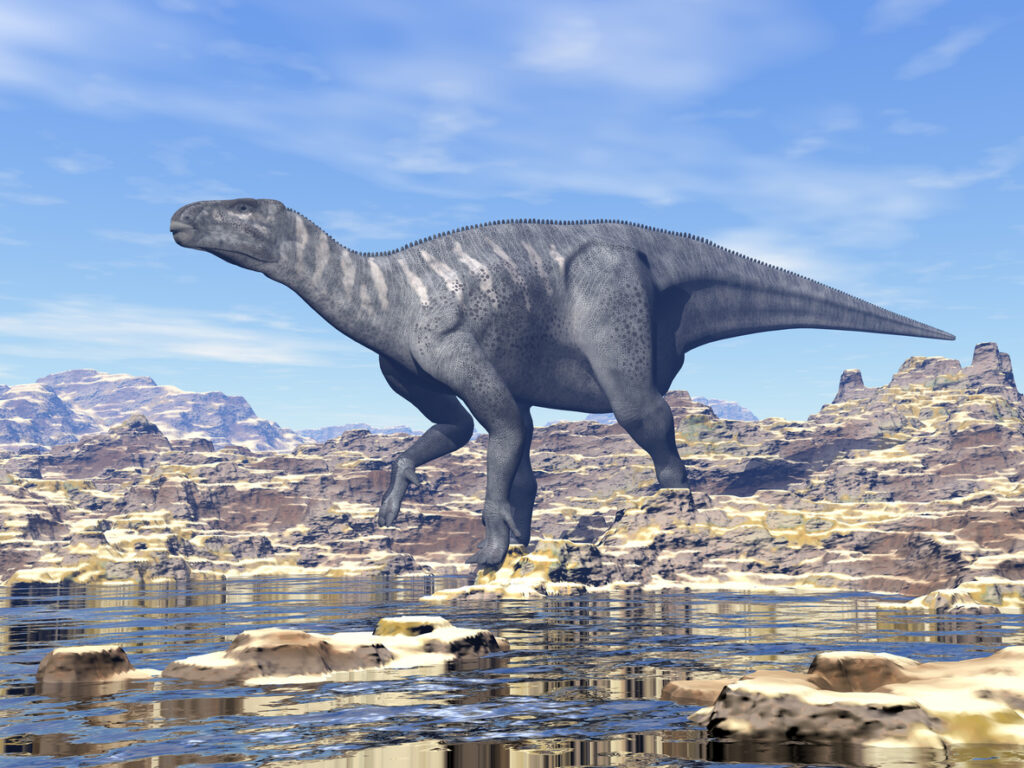
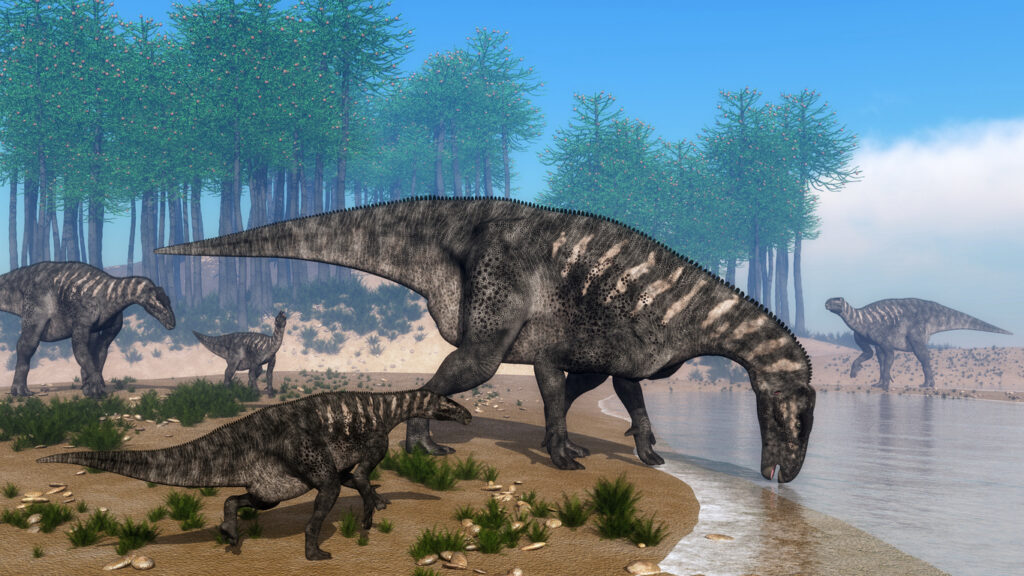
Iguanodon was discovered in Sussex in the early 1800s, and it completely changed how people understood prehistoric life. Before this, fossils were usually thought to be the bones of giant reptiles or strange animals that didn’t have much context. When scientists saw the size and shape of the Iguanodon teeth, they realised they were looking at something entirely different. It was the first clear indication that enormous plant eaters once walked the Earth, which was groundbreaking at the time.
The discovery didn’t just help identify a new species. It also laid the foundation for the entire idea of what a dinosaur even was. The size of the limb bones, the shape of the skull and the overall structure pushed experts to rethink everything they thought they knew about ancient reptiles. In many ways, Iguanodon set the stage for the scientific field that would later become palaeontology.
2. Megalosaurus, the first dinosaur described in detail
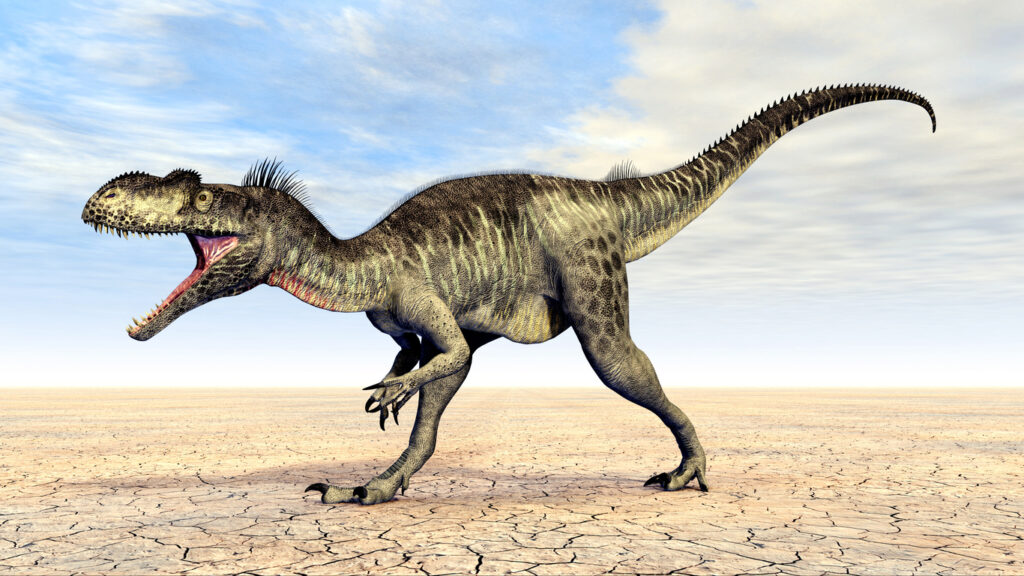
Megalosaurus, found in Oxfordshire, became famous for being the first dinosaur properly described in the scientific record. Before this discovery, there was no framework for understanding these animals. People had no way of imagining creatures of this scale living millions of years before humans. Megalosaurus gave scientists the first solid evidence that giant predators once roamed Britain.
Its description helped researchers realise that the country was once home to huge meat eaters capable of taking down large prey. It was the first time experts could say with any confidence that enormous ancient creatures had walked across the same landscape we know today. That alone makes it one of the most important British dinosaur finds ever recorded.
3. Hylaeosaurus, one of the first armoured dinosaurs
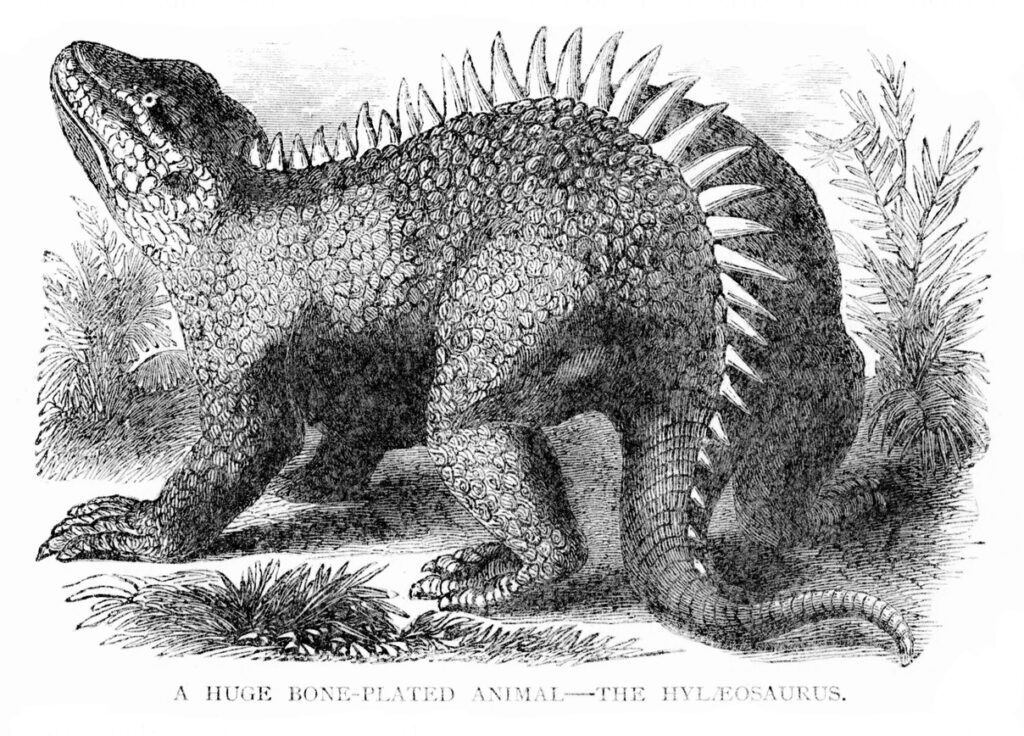
Hylaeosaurus was unearthed in Sussex and raised immediate questions because of its tough armour. Until then, nobody had considered that dinosaurs might have protected themselves with heavy plating. The armour plates along its back added a whole new idea to dinosaur biology, showing that ancient creatures came in far more varied forms than anyone expected.
This discovery also helped round out the understanding of early dinosaur diversity. It wasn’t just giant carnivores and bulky plant eaters. There were armoured species with complex survival strategies. Hylaeosaurus showed that dinosaurs could be well defended, and that fact helped shape many later discoveries.
4. Baryonyx, the fish-eating dinosaur
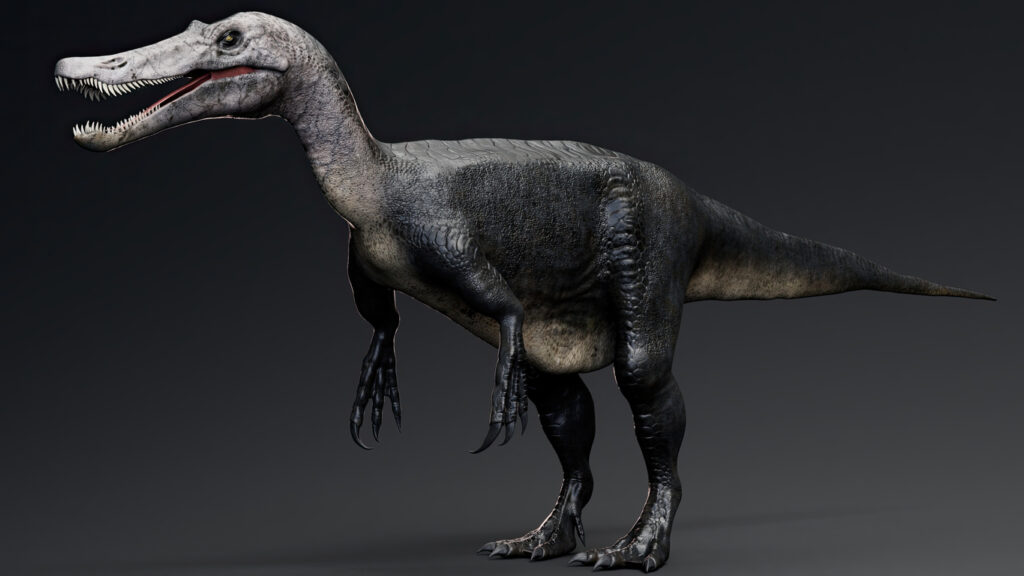
When Baryonyx was found in Surrey in the 1980s, it shocked scientists because it did not fit the typical picture of a British dinosaur. It had a long crocodile-like snout and a massive claw on each hand, suggesting it hunted fish rather than chasing prey on land. This was a huge breakthrough because it showed that Britain once had dinosaurs with very specific feeding habits.
The discovery proved that carnivorous dinosaurs could be far more flexible in their diets than people assumed. It suggested rivers and lakes played a bigger role in prehistoric ecosystems than expected. Baryonyx also helped link British species to similar fish-eating dinosaurs found elsewhere in the world, giving a clearer picture of global dinosaur evolution.
5. Eotyrannus, a distant early relative of T. rex
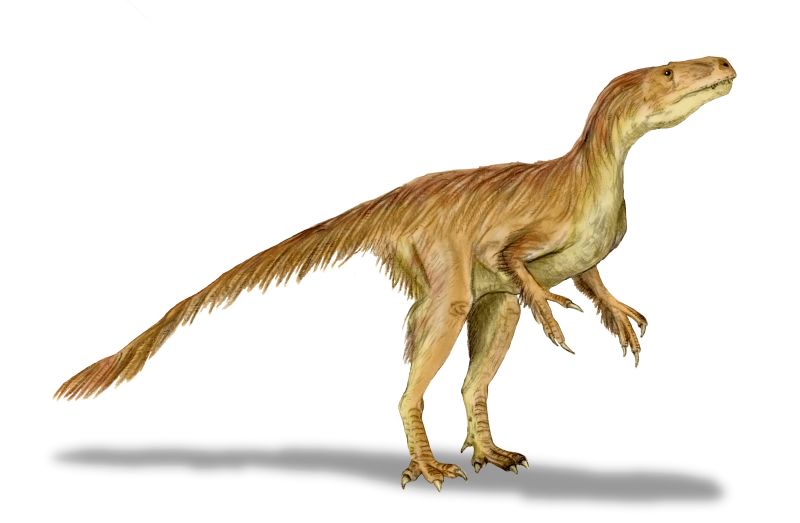
Eotyrannus, found on the Isle of Wight, revealed something particularly exciting. It showed that the ancestors of the mighty T. rex once lived in Britain. Instead of being huge and heavy, Eotyrannus was slim, fast and lightly built, with long legs suited to chasing quick prey. This helped scientists understand how tyrannosaurs evolved from small, agile hunters into the giant predators we know from later periods.
The fossil gave researchers a missing piece of the tyrannosaur family story. It linked early British species to later dinosaurs found across North America and Asia. Without discoveries like Eotyrannus, the evolutionary path of tyrannosaurs would be far harder to understand.
6. Neovenator, the top predator of its time
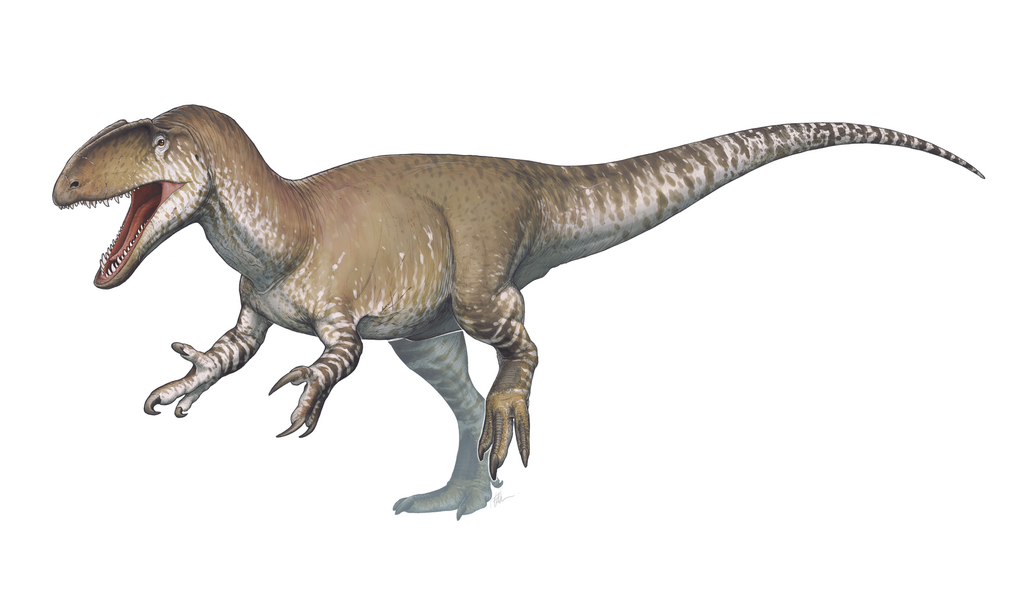
Neovenator was another major find from the Isle of Wight. It lived during the Early Cretaceous and was one of the largest predators in Europe. This dinosaur sat firmly at the top of the food chain, hunting large plant eaters and ruling its environment with ease.
The discovery of Neovenator helped rewrite Britain’s prehistoric food web. It showed that the region supported big carnivores that lived alongside a wide mix of other dinosaur species. It also highlighted how rich the Isle of Wight is in fossils, making it one of the most important dinosaur locations in the world.
7. Polacanthus, a heavy armoured dinosaur
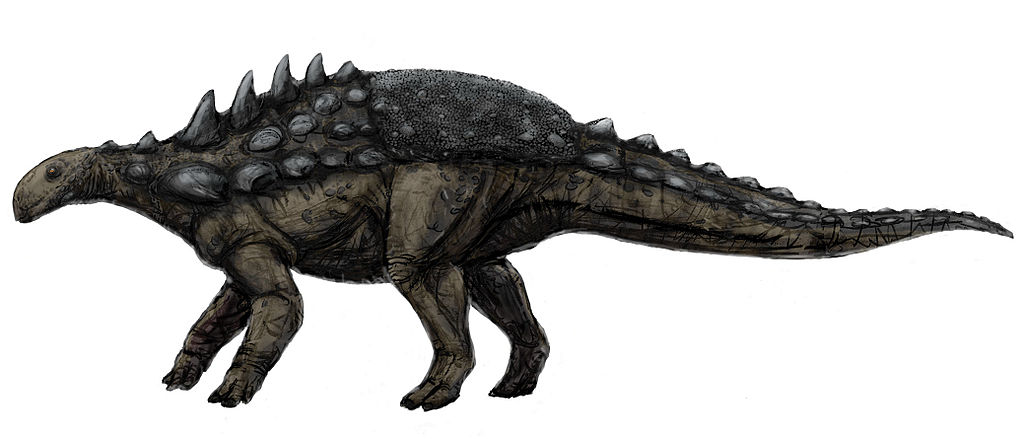
Polacanthus was found in southern England and became well known for its thick armour plates, shoulder spikes and tough back. It lived in a world full of predators, so heavy armour was essential. This species showed how some dinosaurs adapted to survive in dangerous environments by developing strong physical defences rather than speed or stealth.
Its fossils helped scientists understand the wide variety of armoured dinosaurs living in Britain. The unusual arrangement of plates made Polacanthus stand out from its relatives, offering clues about how armoured dinosaurs evolved to protect themselves in different regions.
8. Valdosaurus, a small fast plant eater
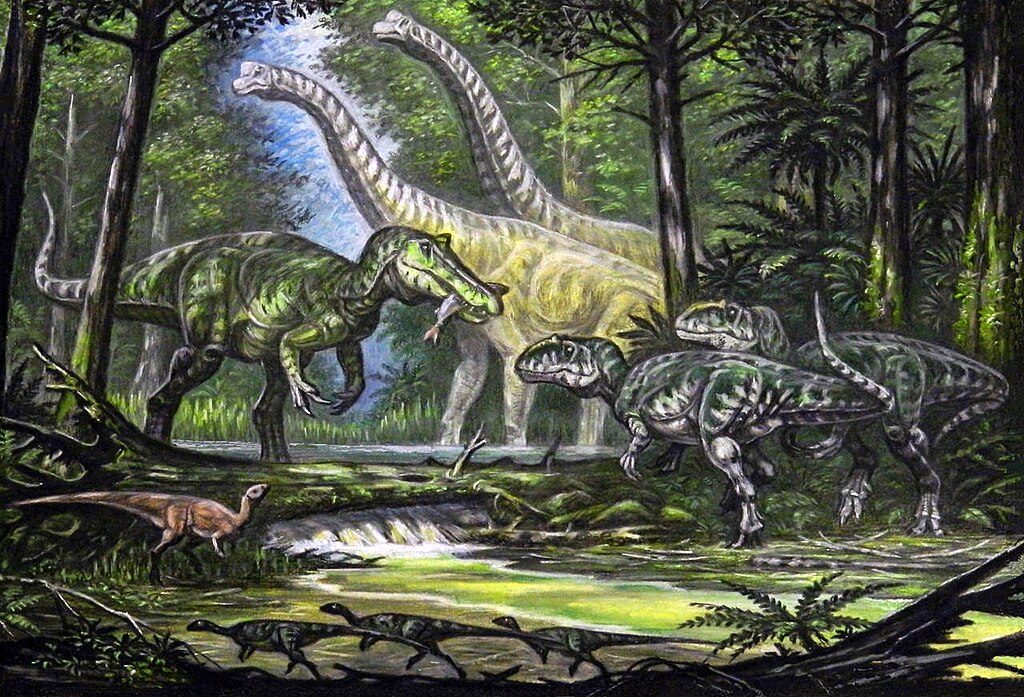
Valdosaurus, found on the Isle of Wight, was a very different type of dinosaur. It was quick, light and built for running, which made it incredibly good at staying away from predators. Unlike many other plant eaters, it did not rely on size for safety.
This species showed that Britain had a much more varied dinosaur community than people often assume. The presence of small fast movers added depth to the prehistoric picture, proving that not all British dinosaurs were slow giants. Valdosaurus helped fill in the smaller, more agile side of dinosaur life.
9. Iguanodon bernissartensis fossils in Britain

Even though this particular species of Iguanodon is closely linked to Belgium, important remains were also found in Britain. These discoveries helped confirm details about the dinosaur’s size, posture, and limb structure. They supported the idea that Iguanodon travelled widely across Europe millions of years ago.
The British fossils also played a role in correcting early misunderstandings about how Iguanodon stood and walked. Together with finds from abroad, they helped experts build a much clearer image of this famous plant eater.
10. Mantellisaurus, named after a British fossil hunter
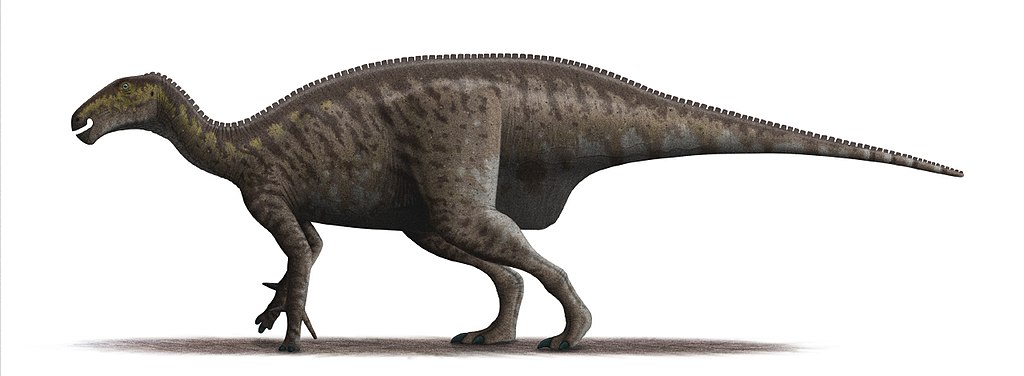
Mantellisaurus was named to honour Gideon Mantell, one of the earliest dinosaur researchers. British fossils of this species showed that it was slimmer and lighter than Iguanodon, despite being one of its close relatives. It had a more elegant build, which suggested it moved quickly and fed in a different way.
This discovery highlighted how varied plant eaters could be, even within the same family. By comparing Mantellisaurus with Iguanodon, researchers learned more about how environment and diet shaped different dinosaur bodies.
11. Cetiosaurus, one of the first long-necked dinosaurs found in Europe
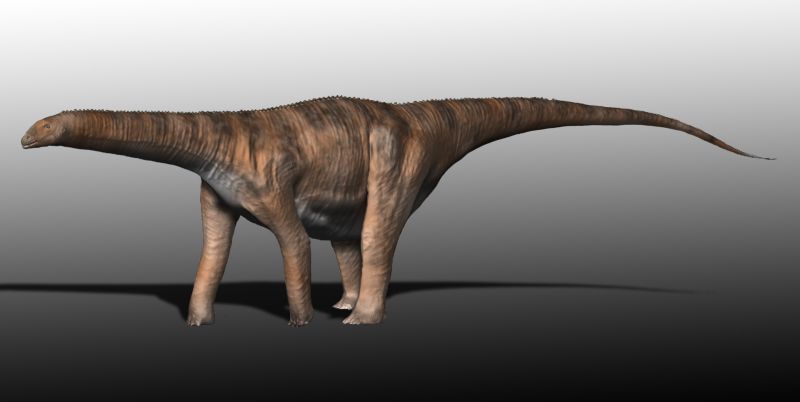
Cetiosaurus was discovered in Oxfordshire and helped scientists recognise the early members of the long-necked dinosaur group. It was not as huge as later sauropods, but its long body, extended neck and thick limbs made it clear that Britain once hosted early versions of these gentle giants.
The discovery helped researchers understand that long-necked dinosaurs had a long evolutionary history across Europe, not just in more famous fossil regions. It added an important piece to the puzzle of how these massive plant eaters developed over time.
12. Yaverlandia, one of Britain’s earliest dinosaur discoveries
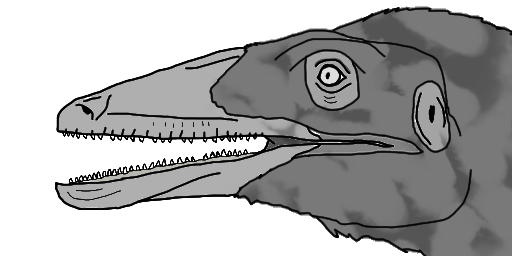
Yaverlandia was found on the Isle of Wight and played a huge role in shaping early ideas about smaller dinosaurs. At first, experts believed it was a type of carnivore. Later research suggested it might have been more bird-like, which sparked debates that lasted for years.
Although the interpretation has changed over time, the fossil itself remains important. It shows how early British discoveries helped push scientists to rethink dinosaur evolution. Species like Yaverlandia prove that even small finds can lead to big scientific discussions.